

Duddo Five Stones Travel Guide
Free Guide: Ancient Bronze Age stone circle set on a windswept hill with panoramic views, steeped in legend and prehistoric mystery.


A brief summary of Duddo Five Stones
Ancient Bronze Age stone circle set on a windswept hill with panoramic views, steeped in legend and prehistoric mystery.
The Duddo Five Stones is a prehistoric stone circle located near Duddo in Northumberland, England, dating back around 4,000 years to the Early Bronze Age. Originally comprising seven stones, five remain standing today, set on a grassy knoll with panoramic views of the Cheviot and Lammermuir Hills. This evocative site, steeped in legend and archaeological mystery, invites contemplation of ancient rituals and the region’s rich cultural heritage.
On-site amenities
 Information boards
Opening hours
- Every dayOpen 24 hours
Opening hours as listed on the venue’s Google Business Profile. Hours can change for services and special events, so check with the venue before you go.
- Address
- Duddo, Berwick-upon-Tweed TD15 2PT
- Phone
- Website
Getting there
Car
Bus and Walk
Walking
Discover more about Duddo Five Stones
Origins and Archaeological Significance
The Duddo Five Stones are a remarkable prehistoric monument, believed to have been erected in the Early Bronze Age, approximately 4,000 years ago. Archaeological investigations have revealed that the circle originally consisted of seven standing stones, though only five survive today. The stones are composed of soft sandstone, which has weathered deeply over millennia, giving them a fissured, ancient appearance. Excavations in the late 19th century uncovered charcoal and bone fragments in a central pit, suggesting the site may have been used for cremation burials or ritual purposes. The circle’s alignment is thought by some to correspond with the winter solstice, indicating its possible role in ancient calendrical or ceremonial activities.
Legends and Local Folklore
Local tradition imbues the Duddo Five Stones with fascinating folklore. One enduring legend tells of five men who were turned to stone as divine punishment for working on the Sabbath, their trousers’ folds said to be visible as grooves on the stones. Another tale links the stones to a 16th-century skirmish at Grindonmarsh, commemorating fallen Scots warriors, though this conflicts with the archaeological dating. These stories reflect the cultural layers that have accumulated around the stones, blending myth with history and enriching the visitor experience.
Setting and Landscape Context
Perched on a low hillock, the stone circle commands sweeping views across the surrounding countryside. To the south lie the rolling Cheviot Hills, while the Lammermuir Hills stretch to the north, framing the site within a dramatic natural panorama. The stones stand on private farmland, with a permissive path maintained by the landowner to allow respectful access. The approach traverses uneven, sometimes challenging terrain, lending a sense of pilgrimage to the visit. The surrounding fields and open skies enhance the circle’s timeless and contemplative atmosphere.
Visitor Experience and Atmosphere
Visiting the Duddo Five Stones is a sensory and reflective experience. The weathered surfaces of the sandstone invite touch, while the wind sweeping across the knoll heightens the sense of ancient presence. The site is often solitary, fostering quiet contemplation amid the vast landscape. Visitors can walk around and between the stones, appreciating their scale and the craftsmanship of prehistoric builders. The changing light throughout the day and seasons adds to the site’s mystical quality, making each visit unique.
Conservation and Access Considerations
The stones are protected as a scheduled ancient monument, reflecting their national heritage importance. While located on private land, the landowner permits access via a designated path, which visitors are urged to respect by staying on the track and closing gates. There are no formal facilities on site, so visitors should come prepared for a rustic experience. The terrain can be uneven and slippery in wet conditions, requiring suitable footwear and care. The site’s preservation depends on responsible visitation and respect for its fragile environment.
Broader Cultural and Historical Importance
The Duddo Five Stones stand as a testament to the prehistoric peoples of Northumberland and the wider British Isles, representing ancient beliefs, social structures, and connections to the landscape. Their endurance through millennia links modern visitors to a distant past of ritual, remembrance, and community. The stones contribute to the rich tapestry of megalithic monuments in the region, offering insight into Bronze Age life and spirituality. As a cultural landmark, they continue to inspire curiosity, scholarship, and reverence.
Evendo Review Centre
 Google
Guest reviews
Best time to go
Quietest: Jan, Feb & Dec · before 6am or at 8pm
Busy times are Evendo estimates for a typical year, to help you plan. Actual crowds vary with events, school holidays and the weather.
Explore Duddo Five Stones on the map
A handpicked selection of must-see spots near Duddo Five Stones, mapped for you.
Get your free copy of our complete guide to Duddo Five Stones, delivered straight to you.
Everything on this page, from opening hours and how to get there to Eve’s tips and the best time to go, in one PDF you can read offline, print or share.
Already have an account? Sign in
Your Duddo Five Stones guide is ready.
We'll send it to · Not you? Sign out

Getting your guide ready…
We are putting together a fresh copy of the Duddo Five Stones guide. This can take up to a minute.
This can take a few moments. If your browser asks, choose Allow so the download can start. You'll find the guide in your Downloads folder.
Nothing happened? Download it again
Sorry, the guide is taking longer than usual. Please try again in a minute, or get it by email instead.
Other nearby places you may find interesting
The closest places of the same kind, if this one is not quite what you had in mind.
-
-
-
-
-


Swipe for more places
More to explore near Duddo Five Stones

 Best experiences near Duddo Five Stones
 Best hotels near Duddo Five Stones
 Best landmarks near Duddo Five Stones
 Best attractions near Duddo Five Stones
 Best shops near Duddo Five Stones
 Best restaurants near Duddo Five Stones
 Best bars near Duddo Five Stones
Do you manage this location?
Take control to get all the benefits, like improved information, better appearance, and stronger visibility across AI-powered discovery.
Explore more
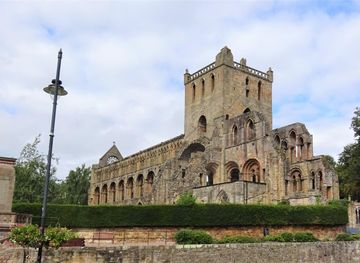
Explore more of Roxburghshire
Discover the enchanting landscapes and rich history of Roxburghshire, a picturesque region in the Scottish Borders known for its ancient castles, scenic hills, and vibrant market towns.
Explore Roxburghshire
Explore more of United Kingdom
Discover the United Kingdom: A blend of rich history, stunning landscapes, and vibrant cities, offering a unique travel experience for every visitor.
Explore United Kingdom
