Tioram Castle, Scottish Highlands Travel Guide
Explore the haunting ruins of Castle Tioram, a tidal island fortress steeped in Highland clan history and dramatic Jacobite tales.
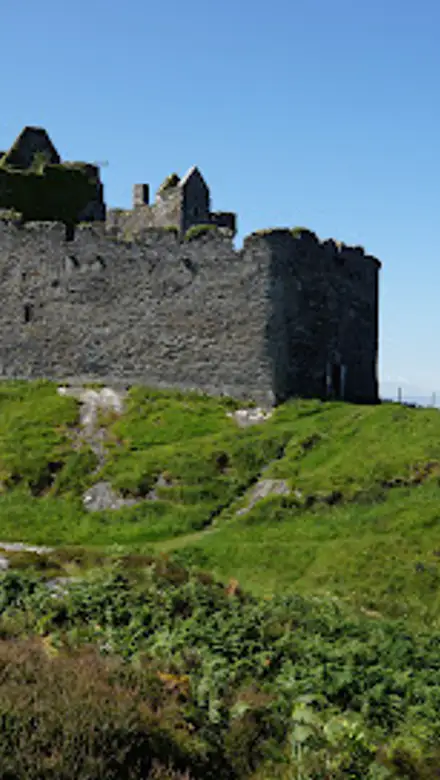
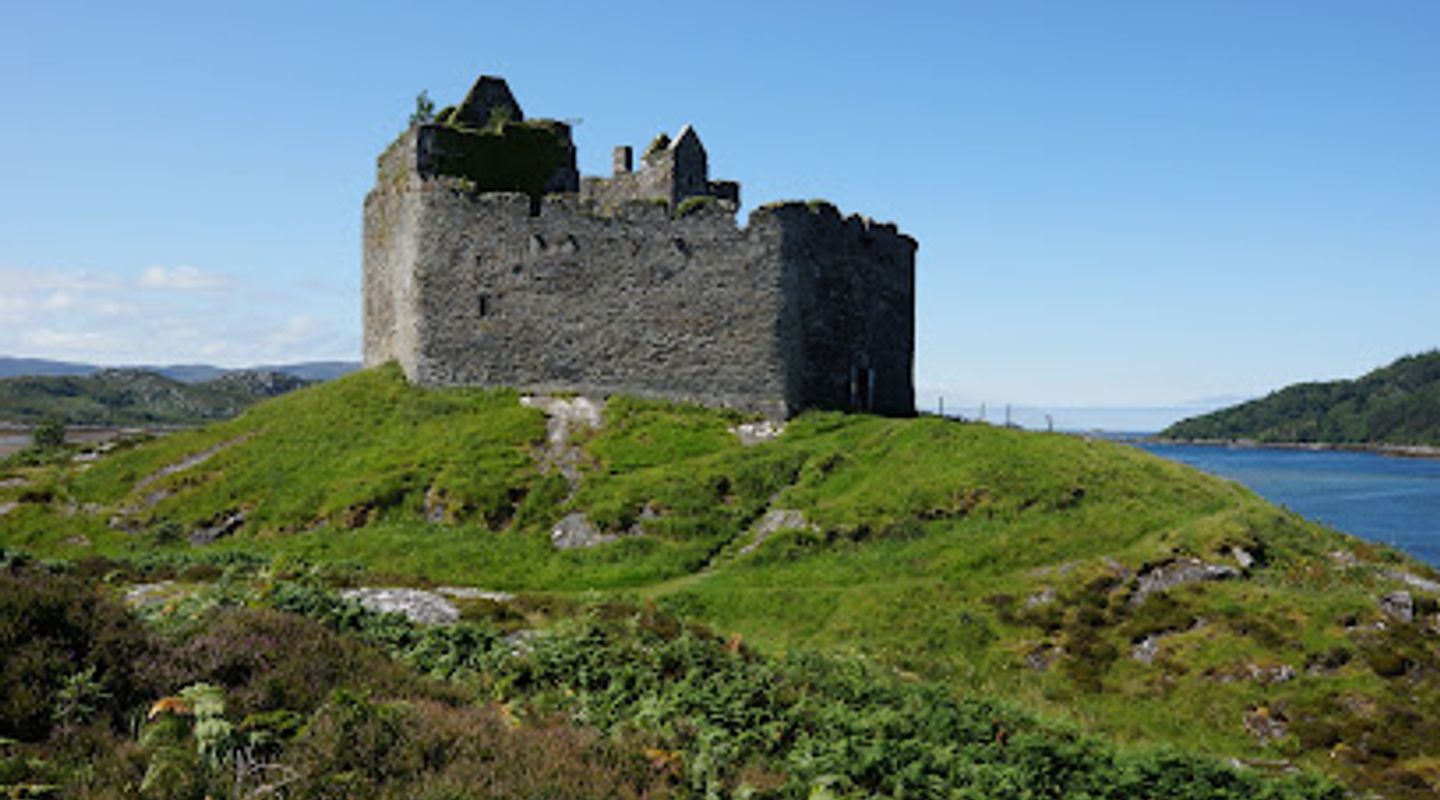
Castle Tioram is a dramatic ruined castle perched on the tidal island of Eilean Tioram in Loch Moidart, Scotland. Dating from the 13th or 14th century, it was the historic seat of Clanranald of Clan Donald. Accessible at low tide via a sandy causeway, the castle’s pentagonal curtain walls and overgrown courtyard evoke centuries of clan warfare, Jacobite uprisings, and Highland history. Though the interior is closed for safety, its imposing silhouette and scenic setting offer a haunting glimpse into Scotland’s turbulent past.
A brief summary to Tioram Castle
- Loch Moidart, Lochaber Highland, GB
- Duration: 1 to 3 hours
- Free
-
 Outdoor
- Mobile reception: 3 out of 5

Know before you go
Hi, I'm Eve. Here are a few practical things to know before exploring Tioram Castle.
- Check tide times carefully to safely cross the sandy causeway connecting the mainland to the tidal island.
- Wear sturdy footwear as the path to the castle can be slippery and uneven, especially near the shoreline.
- Keep children and pets under close supervision due to steep drops and unstable ruins around the castle.
- Bring a picnic to enjoy on the beach or nearby areas while admiring views of the castle and Loch Moidart.
Do you manage this location?
Take control to get all the benefits, like improved information, better appearance, and stronger visibility across AI-powered discovery. Learn more about listing your business on Evendo
Activate your presenceOther nearby places you may find interesting
The closest places of the same kind, if this one is not quite what you had in mind.




Explore Tioram Castle on the Map
A handpicked selection of must-see spots near Tioram Castle, mapped for you.
Getting There
-
Car
Driving from Fort William or Mallaig, expect a 1.5 to 2-hour journey via the A861 and Dorlin Road. The final stretch is a narrow, winding single-track road requiring cautious driving. Free parking is available near the castle at the end of Dorlin Road.
-
Walking
From the parking area, a 5 to 10-minute walk along a sandy shoreline leads to the tidal causeway. The path is uneven and can be slippery, so sturdy footwear and good mobility are recommended. Access is only possible at low tide.
-
Boat
Boat tours on Loch Moidart offer an alternative approach to view Castle Tioram from the water. Tours typically last 1 to 2 hours and provide scenic views of the castle and surrounding wildlife. Booking in advance is advised during peak seasons.
For the on-the-go comforts that matter to you
-
 Restrooms
-
 Seating Areas
-
 Trash Bins
-
 Information Boards
-
 Parking
Discover more about Tioram Castle
A Fortress Rooted in Highland Power
Castle Tioram, meaning “dry castle” in Scottish Gaelic, stands on Eilean Tioram, a tidal island at the confluence of Loch Moidart and the River Shiel. Its origins trace back to the 13th or 14th century, with some traditions linking it to the 12th-century warlord Somerled. The castle served as the principal stronghold of the Clann Raghnaill, a branch of Clan Donald, and was a seat of power for the MacDonalds of Clanranald for centuries. Its strategic position controlled access to Loch Shiel, a vital waterway for the region.Architectural Form and Defensive Strength
The castle’s structure is an irregular pentagonal curtain wall built directly atop the rocky island. Its thick stone walls and limited entrance—a barrel-vaulted gateway—were designed for defense. Over the centuries, the castle underwent modifications, including the addition of a southwest range and an extra storey to the tower house in the 16th century. Despite these changes, the castle’s basic medieval layout remains recognizable. The interior courtyard is multi-leveled and heavily overgrown, reflecting its long abandonment.Historic Turmoil and Clan Legacy
Castle Tioram was a focal point in the turbulent history of the Highlands. It withstood naval bombardments in the 16th century and was briefly captured by the Campbells in 1644 before being retaken by the MacDonalds. In the late 17th and early 18th centuries, the castle was garrisoned by government troops during the Jacobite risings. In 1715, Allan Macdonald of Clanranald recaptured and deliberately set fire to the castle to prevent its use by Hanoverian forces. Since then, it has remained a ruin, a poignant symbol of clan loyalty and conflict.Visiting the Ruin and Its Natural Setting
Today, Castle Tioram is accessible on foot at low tide via a sandy causeway, offering visitors dramatic views of the castle’s weathered walls against the backdrop of Loch Moidart and the surrounding Highlands. The site is closed to interior access due to safety concerns from structural instability, but the exterior can be admired from the shoreline and nearby walking trails. The castle’s remote location, reached by a long single-track road, adds to its mystique and sense of adventure.Conservation Challenges and Cultural Significance
As a Scheduled Monument, Castle Tioram is protected but remains fragile. Past collapses of curtain walls and warnings about the dangers of exploring the site underscore the need for caution. Efforts focus on stabilizing the ruin rather than full restoration, preserving its evocative state as a testament to Highland history and heritage. The castle also holds cultural resonance as a symbol of the Clanranald lineage and the complex history of the Scottish Highlands.The Enchantment of a Highland Icon
Castle Tioram’s blend of natural beauty, historical depth, and dramatic ruin captivates visitors. The tidal island setting, the rugged stone walls, and the stories of clan battles and Jacobite defiance create a powerful atmosphere. Whether admired from the causeway or explored along the nearby trails, the castle remains a spellbinding landmark that connects the present with Scotland’s storied past.












Your all‑in‑one travel companion app
Explore expert travel guides, compare and book tours, experiences, hotels, and more—all from the palm of your hand. Download now for seamless trip planning wherever your wanderlust takes you.


Explore More of Scottish Highlands
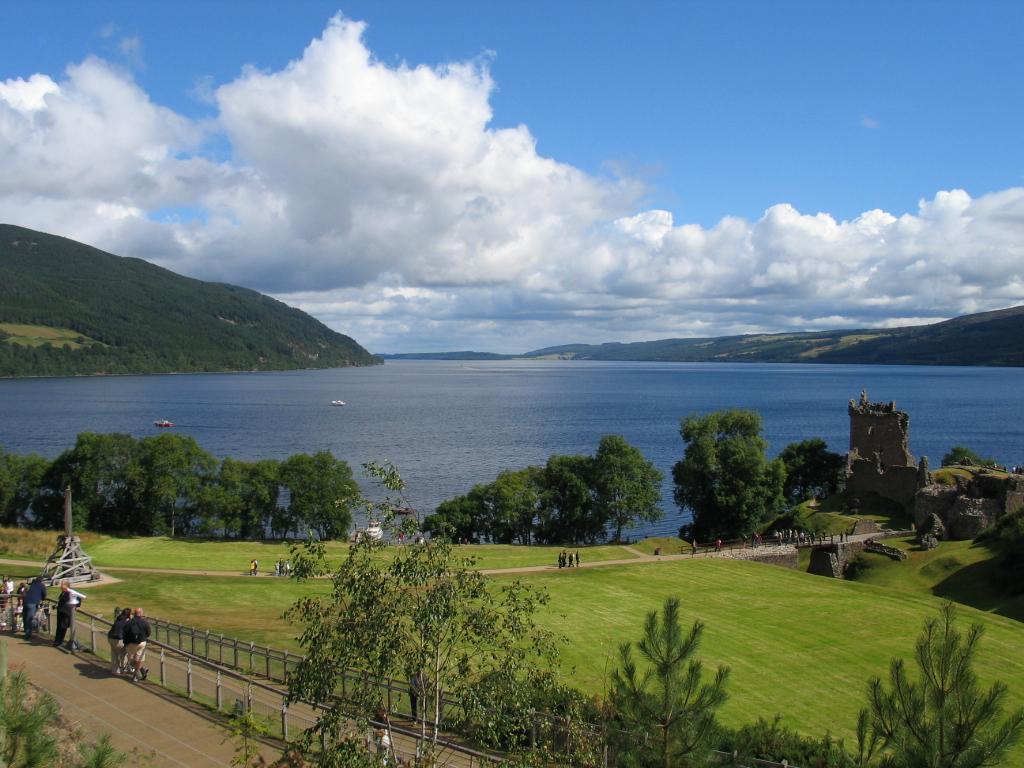
Looking beyond Tioram Castle? Discover Scottish Highlands for broader travel guides, local hot-spots, and regional highlights.
Explore Scottish Highlands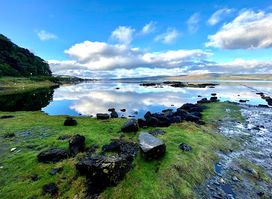
Explore the evocative abandoned fishing boats of Salen, a haunting maritime relic site along the scenic Sound of Mull on the Isle of Mull.
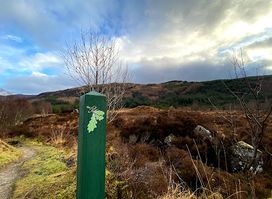
Explore one of Scotland's rare ancient Atlantic oakwood rainforests, rich in wildlife, history, and serene woodland trails.