Derwent Reservoir, Sheffield Travel Guide
Historic reservoir and dam in Hope Valley’s Peak District, blending engineering heritage, wartime legacy, and stunning natural landscapes.
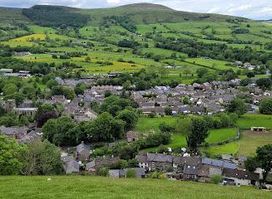
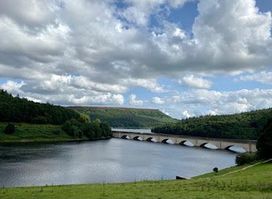
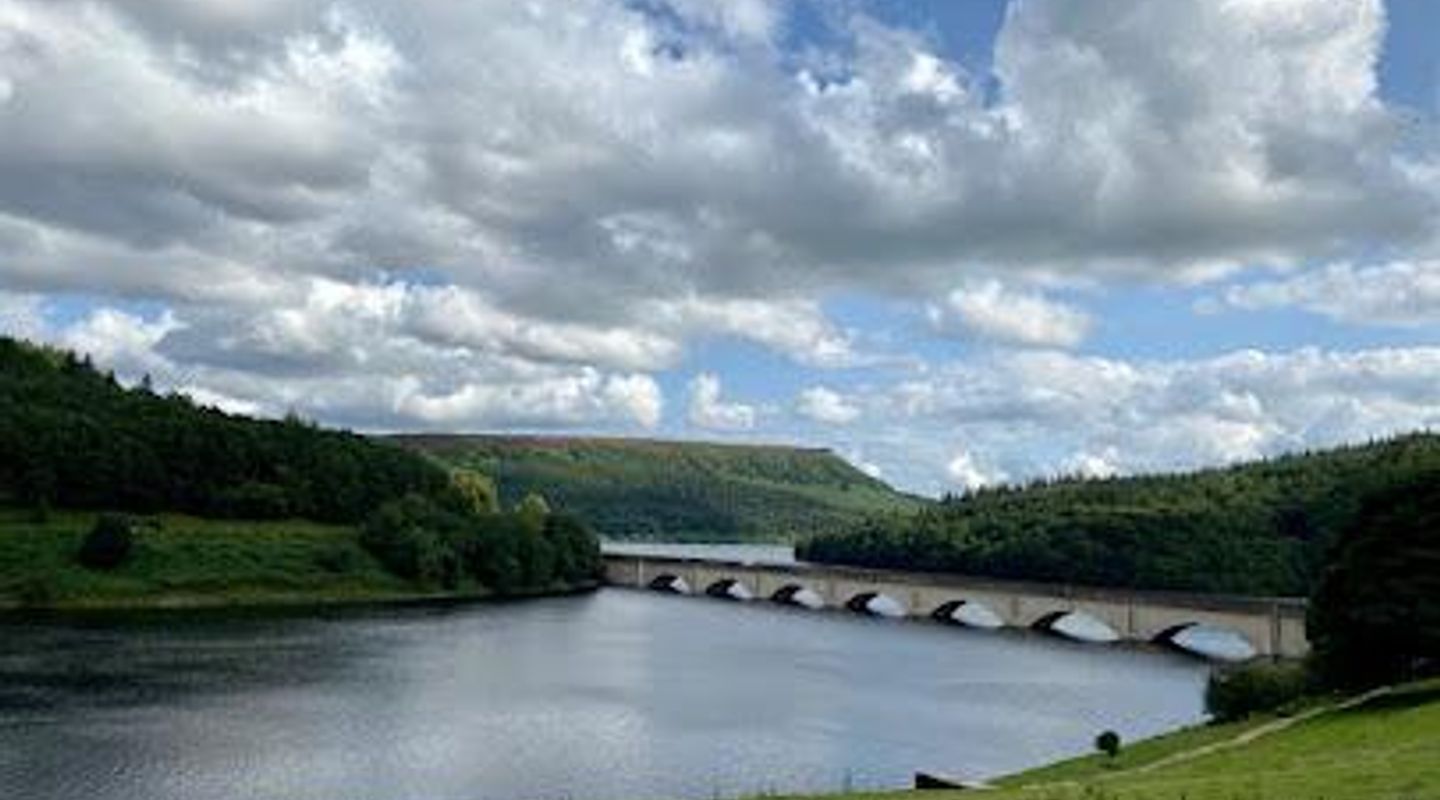
Derwent Reservoir, nestled in the Upper Derwent Valley of the Peak District National Park near Hope Valley, is a historic and scenic water reservoir spanning approximately 1.5 miles in length. Renowned for its impressive Derwent Dam, a striking early 20th-century engineering feat with gothic-style towers, the reservoir offers stunning views, walking trails, and a rich wartime legacy linked to the RAF Dambusters. Surrounded by moorland and adjacent to Ladybower and Howden Reservoirs, it is a tranquil yet dramatic destination for nature lovers and history enthusiasts alike.
A brief summary to Derwent Reservoir
- Hope Valley, GB
- Duration: 1 to 4 hours
- Budget
-
 Outdoor
- Mobile reception: 4 out of 5

Know before you go
Hi, I'm Eve. Here are a few practical things to know before exploring Derwent Reservoir.
- Visit after heavy rain to witness the spectacular overflow cascade down Derwent Dam.
- Explore the walking trails connecting Derwent Reservoir to Howden and Ladybower Reservoirs for panoramic views.
- Learn about the Dambusters’ WWII training history at the dam and look for commemorative plaques.
- Use Fairholmes Visitor Centre for parking and visitor information when exploring the reservoir.
- Combine your visit with nearby Hope Valley attractions like Mam Tor or Blue John Cavern for a full Peak District experience.
Do you manage this location?
Take control to get all the benefits, like improved information, better appearance, and stronger visibility across AI-powered discovery. Learn more about listing your business on Evendo
Activate your presenceOther nearby places you may find interesting
The closest places of the same kind, if this one is not quite what you had in mind.


Explore Derwent Reservoir on the Map
A handpicked selection of must-see spots near Derwent Reservoir, mapped for you.
Unlock the Best of Derwent Reservoir
Buy tickets
-
No tickets available
Book tours with entry
-
No tours available
Book tours without entry

Getting There
-
By Car
Drive to Fairholmes Visitor Centre car park near Derwent Dam, Hope Valley, with parking fees around £3.50 for 2 hours or £6.00 all day. The car park is well signposted and provides easy access to the reservoir and walking trails.
-
By Public Transport
Take a train to Sheffield Rail Station, then a local bus (South Pennine 257) to Bamford, approximately 40 minutes. From Bamford, a 4-mile (6.4 km) walk or taxi ride leads to Derwent Reservoir. Note that bus services may be limited, so check current schedules.
-
By Foot
From Bamford village, enjoy a scenic 1.5 to 2-hour walk along marked trails through moorland and woodland to reach Derwent Reservoir. Terrain is moderate with some inclines; suitable for most walkers with reasonable fitness.
For the on-the-go comforts that matter to you
-
 Restrooms
-
 Drink Options
-
 Food Options
-
 Seating Areas
-
 Information Boards
-
 Visitor Center
-
 Trash Bins
Discover more about Derwent Reservoir
Engineering Marvel of the Early 20th Century
Derwent Reservoir, located in Derbyshire's Upper Derwent Valley, was constructed between 1902 and 1916 to meet the growing water demands of nearby industrial cities such as Sheffield and Derby. The reservoir is approximately 1.5 miles (2.4 km) long, covering about 70 hectares, with a maximum depth of nearly 35 metres. The Derwent Dam, a key feature of the reservoir, is nearly 340 metres in length and stands 35 metres high. Designed by Victorian engineer Edward Sandeman, the dam's gothic architecture, complete with castle-like towers, lends the site a distinctive and iconic appearance.Historical Significance and Wartime Legacy
Beyond its practical role in water supply, Derwent Reservoir holds a special place in history due to its connection with World War II. The dam was used as a training site by the RAF’s 617 Squadron, famously known as the “Dambusters,” who practised low-level flights here in preparation for Operation Chastise, targeting German dams. The reservoir and dam thus symbolize both engineering prowess and wartime heroism. Commemorative events and flypasts occasionally honour the squadron’s sacrifice, adding a poignant layer to the visitor experience.Natural Beauty and Recreational Opportunities
Surrounded by the rolling moorlands and hills of the Peak District, Derwent Reservoir offers visitors a peaceful retreat with spectacular scenery. The reservoir’s shores and nearby trails provide excellent walking routes, including paths that connect to Howden and Ladybower Reservoirs. After heavy rains, the dam overflows, creating a dramatic cascade reminiscent of a waterfall, a highlight for many visitors. The adjacent moorlands bloom with purple heather in late summer, enhancing the landscape’s vibrant colors.The Lost Villages and Local Heritage
The creation of Derwent and Howden Reservoirs led to the flooding of two villages, Derwent and Ashopton, which were submerged to make way for the later Ladybower Reservoir. The history of these lost villages adds a layer of cultural heritage and mystery to the area. Nearby, remnants of the workers’ settlement called Birchinlee, or “Tin Town,” where over 1,000 workers lived during dam construction, reflect the human effort behind this monumental project.Visitor Experience and Amenities
The Fairholmes Visitor Centre near Derwent Dam offers parking and visitor facilities, serving as a gateway to the reservoir’s walking trails and viewpoints. The area is well-suited for day trips, photography, and nature escapes. While swimming is not permitted in the reservoir itself, other swimming spots exist nearby. The tranquil atmosphere combined with the dramatic landscape and historical context makes Derwent Reservoir a compelling destination for a wide range of visitors.Environmental and Regional Context
Derwent Reservoir is part of a trio of reservoirs in the Upper Derwent Valley, alongside Howden and Ladybower, collectively supplying water to much of Derbyshire and South Yorkshire. The reservoir’s location within the Peak District National Park ensures protection of its natural environment and promotes sustainable tourism. Visitors can enjoy the blend of industrial heritage, natural beauty, and cultural history in a setting that balances human achievement with ecological preservation.












Your all‑in‑one travel companion app
Explore expert travel guides, compare and book tours, experiences, hotels, and more—all from the palm of your hand. Download now for seamless trip planning wherever your wanderlust takes you.


Explore More of Sheffield
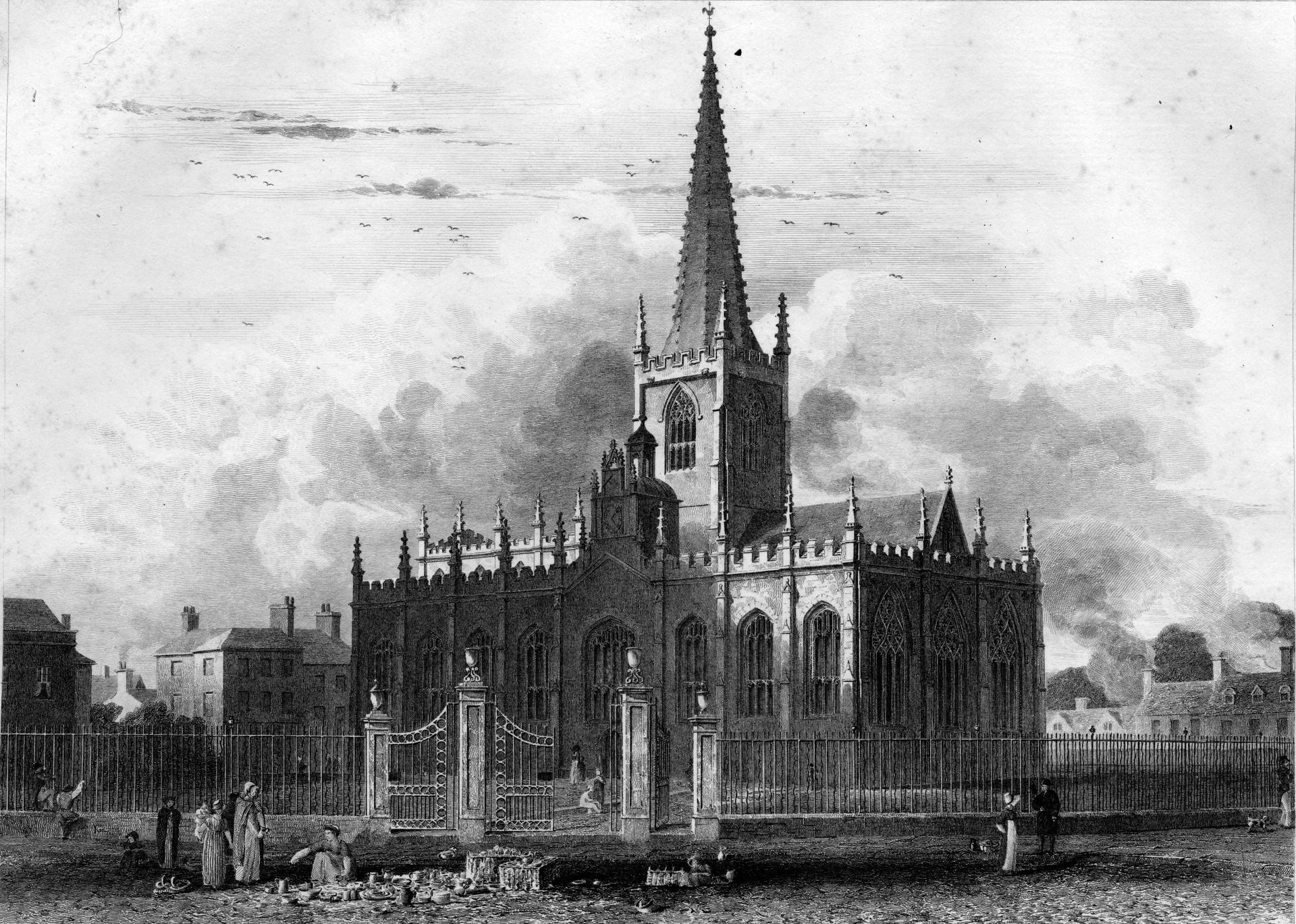
Looking beyond Derwent Reservoir? Discover Sheffield for broader travel guides, local hot-spots, and regional highlights.
Explore Sheffield