

RAF Bicester: The Premier Interwar Bomber Station Preserved
Explore RAF Bicester, the UK’s best-preserved interwar bomber station, where military aviation history meets heritage conservation.
RAF Bicester, located near Launton, Bicester, is the most complete surviving example of an interwar Royal Air Force bomber station in the UK. Established in 1916 and expanded through the 1920s and 1930s, it played a pivotal role in training bomber crews during World War II. Today, the site retains its historic grass flying field, original hangars, bomb stores, and defensive structures, making it a unique heritage landmark that bridges military aviation history with modern preservation efforts.
A brief summary to RAF Bicester
- Duration: 1 to 3 hours
- Budget
-
 Outdoor
- Mobile reception: 4 out of 5
Local tips
- Visit during weekdays for quieter exploration of the historic buildings and airfield.
- Check for special heritage events or guided tours offered by Bicester Heritage for deeper insights.
- Bring a camera to capture the unique interwar architecture and expansive grass flying field.
- Wear comfortable shoes as the site covers a large outdoor area with some uneven terrain.

For the on-the-go comforts that matter to you
- Restrooms
- Seating Areas
- Information Boards
Getting There
-
Train and Taxi
Take a train to Bicester North station from London Marylebone or Oxford, with journey times of 45 to 60 minutes. From the station, a taxi ride of about 10 minutes will bring you to RAF Bicester. Taxi fares typically range from £10 to £15.
-
Car
Driving from Oxford or London, RAF Bicester is accessible via the A41 and A4421 roads. Parking is available on site but limited during events. Travel times vary from 20 to 45 minutes depending on traffic. No parking fees apply generally.
-
Bus
Local bus services run from Bicester town centre to Launton village, approximately 2 km from RAF Bicester. Walking from the bus stop involves a 25-minute moderate walk on rural roads. Bus fares are around £2 to £4 one way.
RAF Bicester location weather suitability
-
 Any Weather
-
 Clear Skies
-
 Mild Temperatures
-
 Rain / Wet Weather
Discover more about RAF Bicester
Foundations of a Strategic Airbase
RAF Bicester originated in 1916 as a Royal Flying Corps training airfield, constructed with the help of diverse labour including Canadian sappers and German prisoners of war. Initially equipped with canvas hangars, it soon developed into a permanent military aerodrome. By the mid-1920s, Bicester was earmarked for redevelopment as a bomber station under the Air Defence of Great Britain strategy, reflecting the RAF’s growing focus on offensive deterrence. This philosophy, championed by Sir Hugh Trenchard, shaped the RAF’s identity as an independent air force emphasizing strategic bombing capabilities.Expansion and Architectural Heritage
Throughout the 1930s, RAF Bicester underwent significant expansion, including the construction of large C-type hangars, a new control tower, and bomb stores. The site’s buildings were designed with architectural cohesion, matching early 1920s styles. The grass flying field, largely intact since 1939, is surrounded by original defensive structures such as pillboxes, trenches, and air-raid shelters. These features collectively represent the best-preserved bomber base from the interwar expansion period in Britain, earning RAF Bicester Scheduled Monument status.World War II: Training the Bomber Command
During the Second World War, RAF Bicester served primarily as an Operational Training Unit, preparing bomber crews from Britain, Canada, Australia, and New Zealand. It trained pilots, observers, and gunners, particularly for Blenheim and later Mosquito aircraft in Bomber Command’s 2 Group. The airfield also played a role in assembling and flying the prototype Handley Page Halifax, the RAF’s second four-engined heavy bomber, which first took to the skies here in October 1939. The site’s strategic importance was underscored by the construction of bomb stores and airfield defenses to protect vital wartime operations.Postwar Transition and Preservation
After the war, RAF Bicester’s military role diminished, eventually closing in 2004. The site has since been transformed into Bicester Heritage, the UK’s first business campus dedicated to historic motoring and aviation specialists. This adaptive reuse preserves over 70% of the original buildings and infrastructure, maintaining the airfield’s historic character while fostering a vibrant community focused on conservation and craftsmanship. Ongoing heritage projects include the restoration of air-raid shelters and the investigation of lesser-known wartime structures.Legacy and Cultural Significance
RAF Bicester embodies the evolution of British air power from its early days through the height of strategic bombing in World War II. It stands as a testament to the RAF’s pioneering role in military aviation and training excellence. The site’s preservation offers a rare, immersive window into the interwar and wartime periods, with its intact flying field, hangars, and defensive works providing tangible links to the past. Today, RAF Bicester continues to inspire through its unique blend of history, architecture, and ongoing dedication to heritage and education.Iconic landmarks you can’t miss

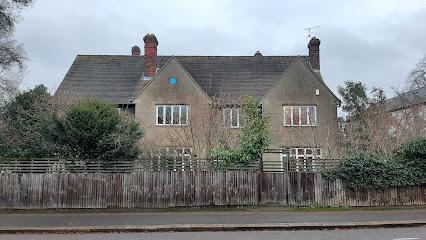
Blue Plaque: J.R.R. Tolkien
18.2 km
The Oxford home where Tolkien wrote The Hobbit and The Lord of the Rings, marked by a historic blue plaque.
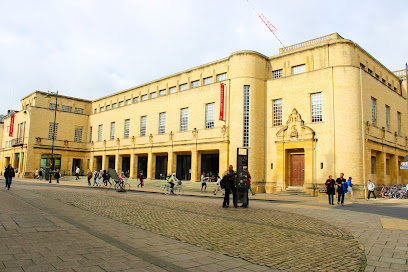
Weston Library
19.7 km
Explore the Weston Library in Oxford - a cultural gem featuring rare manuscripts, stunning architecture, and a vibrant atmosphere for book lovers.
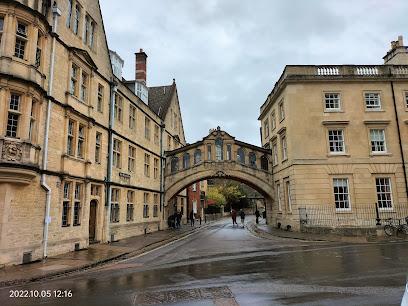
New College Ln
19.7 km
Explore the enchanting New College Lane in Oxford, where history, architecture, and student life come together in a picturesque setting.
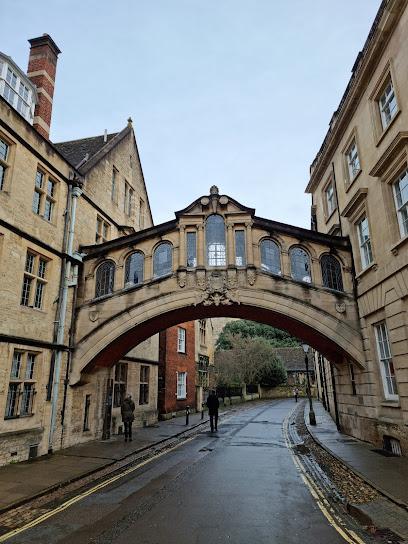
Bridge of Sighs
19.7 km
An iconic covered bridge connecting Hertford College’s quadrangles, blending Gothic charm with Oxford’s academic spirit.
Clarendon Building
19.7 km
An iconic neoclassical landmark in Oxford’s academic heart, blending historic grandeur with university tradition on Broad Street.

Bodleian Library
19.7 km
Discover the Bodleian Library, an iconic historical landmark in Oxford, home to millions of texts and a hub for cultural events and tours.
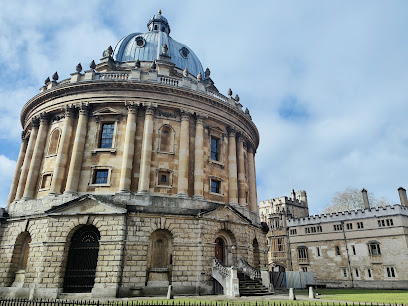
The Sheldonian Theatre
19.7 km
Explore the architectural beauty and cultural significance of The Sheldonian Theatre, a historic performing arts gem in the heart of Oxford.
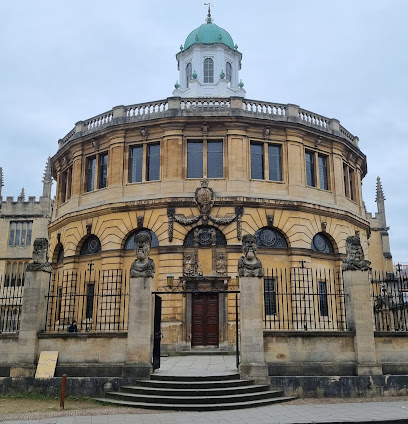
Bodleian Old Library
19.7 km
Discover the Bodleian Old Library, a historic treasure in Oxford, steeped in knowledge and architectural beauty, inviting all to explore its literary wonders.
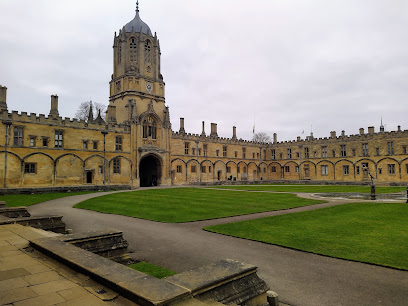
History of Science Museum
19.7 km
Explore the History of Science Museum in Oxford: A treasure trove of scientific instruments and manuscripts showcasing centuries of innovation and discovery.
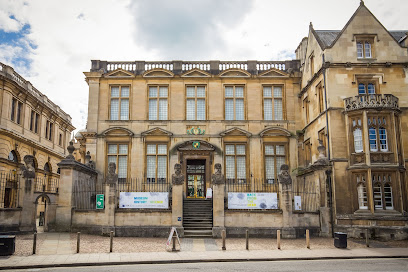
City Sightseeing Oxford
19.7 km
Discover Oxford’s rich history and stunning architecture with City Sightseeing Oxford’s immersive bus tours for an unforgettable travel experience.
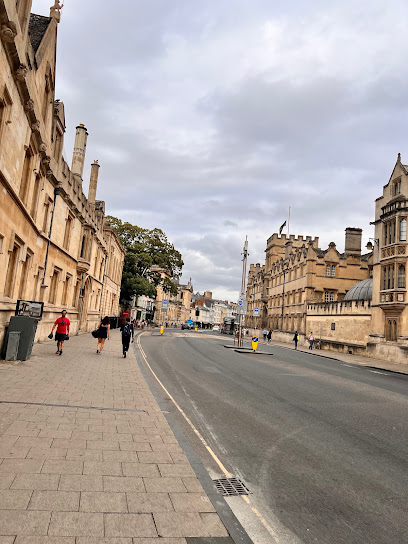
The Oxford Ghost Tour
19.7 km
Discover the haunted history of Oxford with The Oxford Ghost Tour, where chilling stories and eerie legends await every curious traveler.

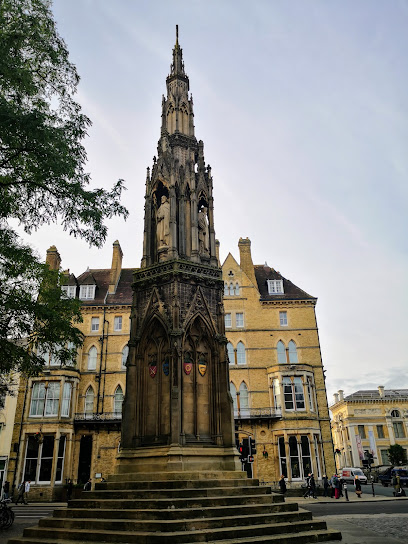
Martyrs' Memorial
19.8 km
A towering Gothic Revival monument in Oxford honoring three Reformation martyrs who stood firm in faith during religious upheaval.
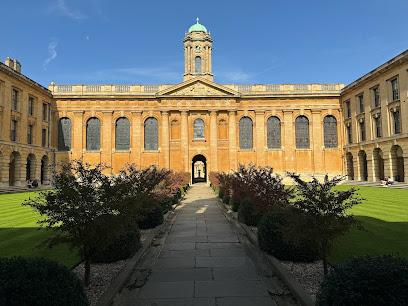
The Queen's College
19.8 km
Baroque splendour on Oxford's High Street—a historic college of architectural excellence and academic prestige.
Radcliffe Camera
19.8 km
A majestic 18th-century neoclassical rotunda, the Radcliffe Camera is Oxford’s iconic library landmark and a symbol of academic heritage.

Oxford Magic Walking tours
19.8 km
Explore Oxford's hidden gems and rich history with expert-led Magic Walking Tours, revealing the city's enchanting past and vibrant present.

Unmissable attractions to see

Bicester Village
3.0 km
Luxury designer outlet village with 150+ boutiques, up to 70% off, and festive charm near Oxford.

The Old Flight House
7.7 km
Explore a stylish emporium of antiques, vintage treasures, and a charming café in a spacious, light-filled setting near Bicester.

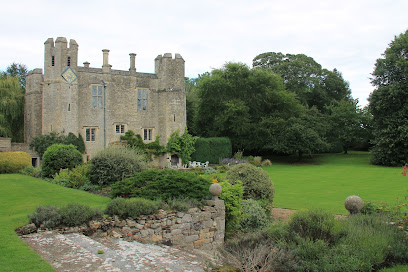
National Trust - Boarstall Tower
10.7 km
Explore Boarstall Tower, a stunning 14th-century moated gatehouse steeped in medieval legend and civil war history, set in serene Buckinghamshire gardens.
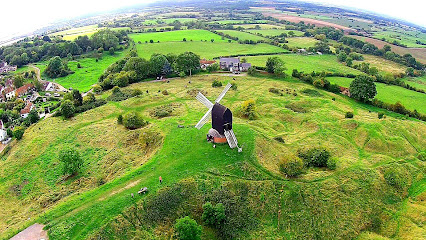
Brill Windmill
11.8 km
Explore Brill Windmill, a majestic 17th-century post mill perched atop Buckinghamshire’s hills, embodying centuries of rural milling heritage and craftsmanship.
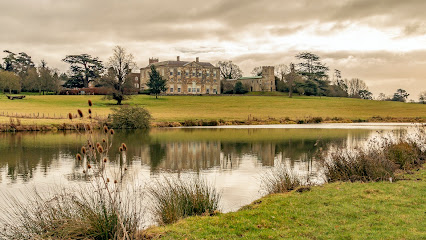
National Trust - Claydon
12.5 km
Discover the grandeur of Georgian Claydon House and vibrant Courtyard nestled in Buckinghamshire’s historic countryside.
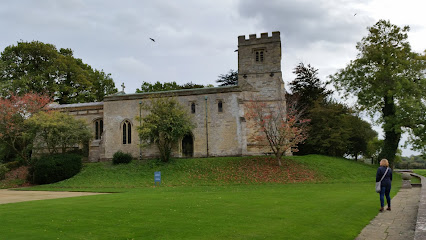
Claydon Estate
12.5 km
Discover the charm of Claydon Estate’s Georgian courtyard, historic National Trust house, and tranquil Buckinghamshire countryside.
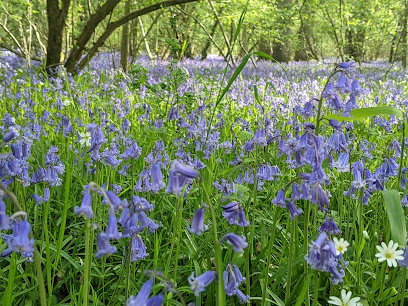
Finemere Wood
12.9 km
Explore Finemere Wood, an ancient Buckinghamshire woodland alive with history, wildflowers, butterflies, and tranquil nature walks.
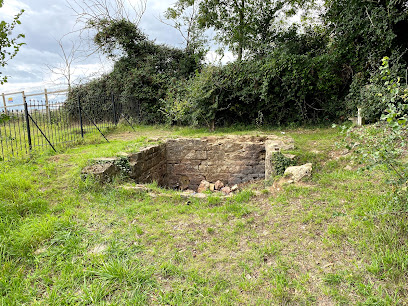
St Rumbold's Well
13.1 km
Discover the ancient sacred spring of Saint Rumbold, a medieval pilgrimage site steeped in legend and local heritage in Buckingham.
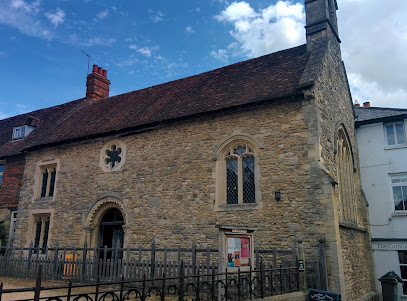
National Trust - Buckingham Chantry Chapel
13.8 km
Discover Buckingham’s oldest building, a medieval chapel with a Norman doorway, rich history, and a charming second-hand bookshop.
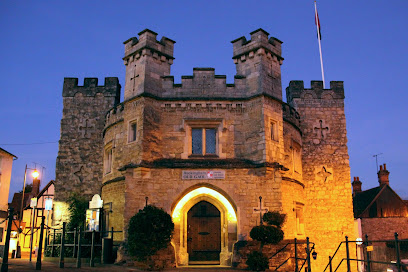
Buckinghamshire Military Museum Trust
13.9 km
Explore centuries of Buckinghamshire’s military heritage within the historic Old Gaol, a unique museum blending local history and immersive exhibits.
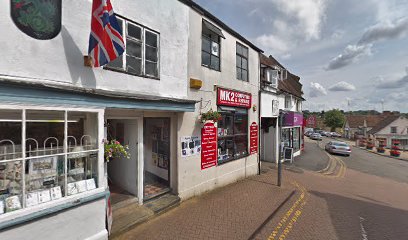
Buckingham Old Gaol
14.0 km
Explore Buckingham’s historic former prison, a compact museum revealing the town’s rich social and legal heritage through immersive exhibits.
National Trust - Stowe Gardens
15.0 km
A masterpiece of 18th-century landscape design, where classical temples rise from sweeping parkland and serpentine lakes.
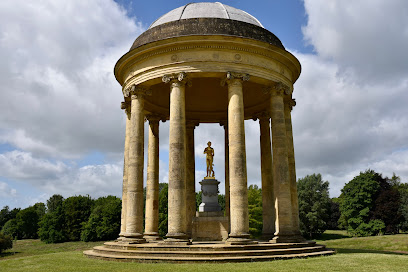
Pebble Alcove
15.0 km
Explore Pebble Alcove in Buckingham, a stunning landmark that combines unique architecture with serene natural beauty for a perfect getaway.
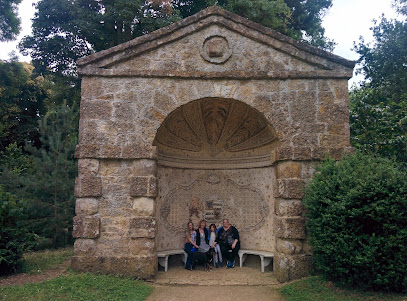
Temple of British Worthies
15.2 km
Discover the Temple of British Worthies in Buckingham, a landmark celebrating revered figures of British history amidst beautiful gardens.
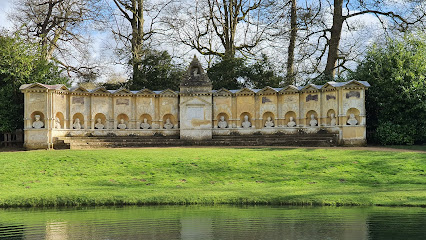
Buckinghamshire Railway Centre
15.4 km
Step back in time at Buckinghamshire Railway Centre, where historic steam trains, a stunning glass-roofed Visitor Centre, and family events bring railway heritage to life.
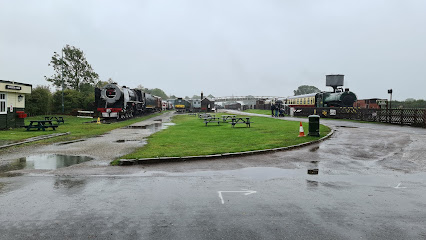
Essential places to dine

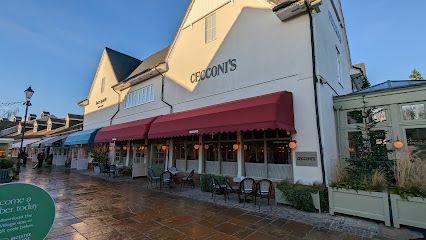
Cecconi's Bicester
3.0 km
Experience authentic Italian flavors and artisanal dishes in the stylish heart of Bicester Village.
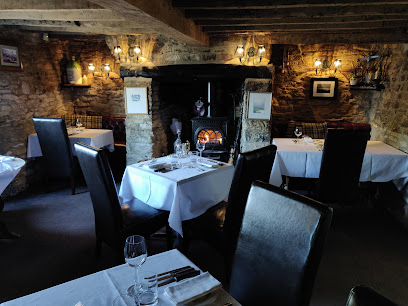
Nut Tree Inn
8.9 km
Michelin-starred fine dining meets historic charm in the heart of Oxfordshire’s countryside at The Nut Tree Inn.
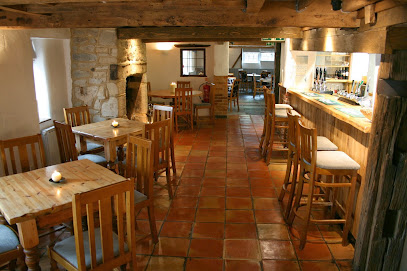
CANALETTO
10.9 km
Authentic Italian dining with Mediterranean charm in a warm, welcoming atmosphere on Bicester Road, Kingswood.
The Orangery at RH England
11.7 km
Elegant live-fire dining in a grand orangery with scenic deer park views and refined, high-quality cuisine in Aynho Park.

Beefeater Buckingham
13.6 km
Classic British steakhouse and family-friendly grill in Buckingham offering hearty meals, welcoming service, and a lively casual atmosphere.
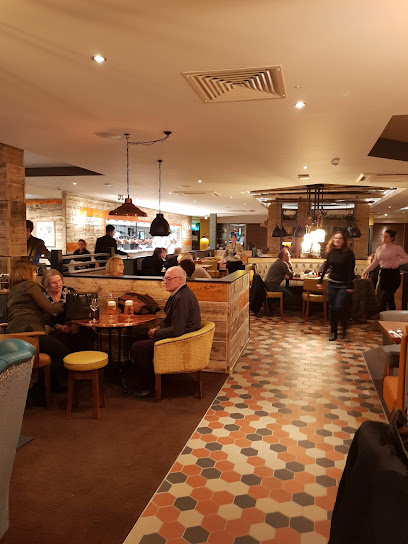
Allium Dining
14.8 km
Intimate farm-to-table dining in Buckinghamshire, where seasonal British produce meets creative culinary artistry.

The Old Thatched Inn
15.2 km
A charming thatched gastropub in Adstock offering quality local cuisine and cozy countryside ambiance.
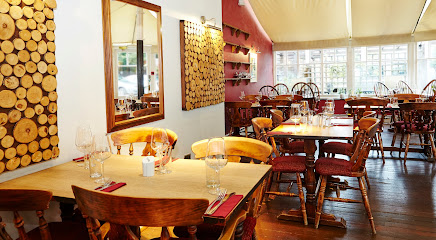
The Five Arrows
16.5 km
Boutique neo-Tudor charm with refined dining and peaceful gardens beside historic Waddesdon Manor in Buckinghamshire.

Pompette
17.7 km
Experience authentic French flavors and warm hospitality in Oxford’s charming Summertown at Pompette, a refined brasserie with seasonal delights.
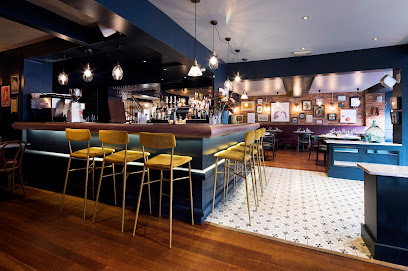
The Oxford Kitchen
17.8 km
Michelin-starred British fine dining in Oxford’s Summertown, blending seasonal ingredients with elegant ambiance and impeccable service.
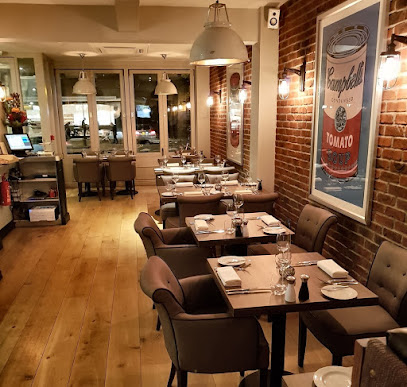
The Pilgrim Pub
18.1 km
A Michelin Guide village pub in North Marston serving seasonal local dishes with a warm community spirit and inviting beer garden.
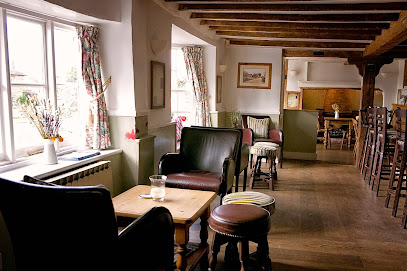
Cherwell Boathouse Restaurant
18.1 km
Historic riverside dining in Oxford offering modern British cuisine, award-winning wines, and scenic boat hire in a charming Victorian boathouse.
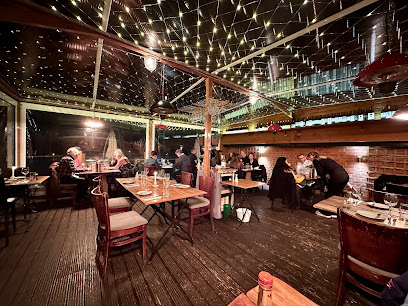
The Angel Restaurant
18.2 km
A charming seafood restaurant in Long Crendon blending historic ambiance with fresh, creative cuisine and warm hospitality.
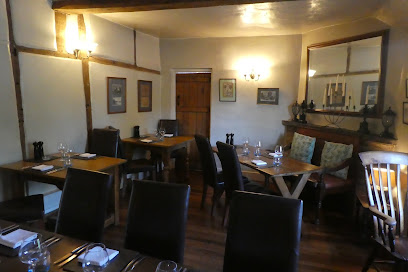
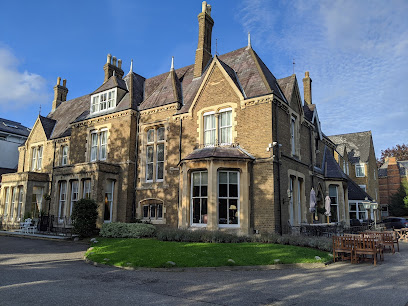
Restaurant 66A at Cotswold Lodge Hotel
18.8 km
Elegant British dining in a charming Victorian villa at Oxford’s Cotswold Lodge Hotel, blending classic and contemporary flavors.
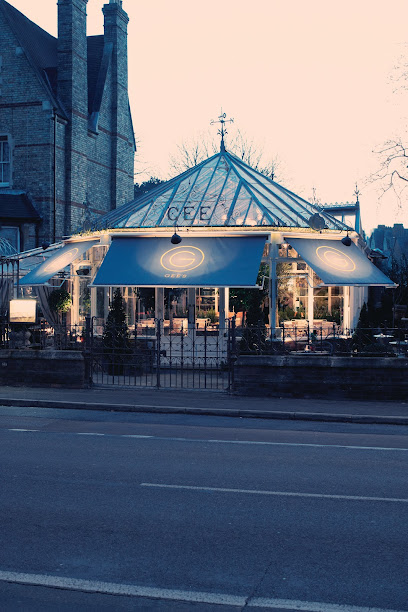
Gees Restaurant & Bar
18.9 km
A Mediterranean culinary retreat in a stunning Victorian glasshouse, blending seasonal dishes with elegant charm in Oxford’s Park Town.
Markets, malls and hidden boutiques

Meadow Walk Shopping Centre
14.0 km
A charming compact shopping centre in Buckingham featuring independent shops, cafes, and convenient parking in a friendly community setting.
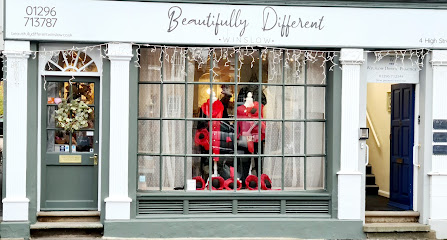
Beautifully Different Winslow
17.7 km
Discover original flair and stylish ladies' fashion at Beautifully Different Winslow, a charming boutique in the heart of Buckinghamshire’s historic market town.
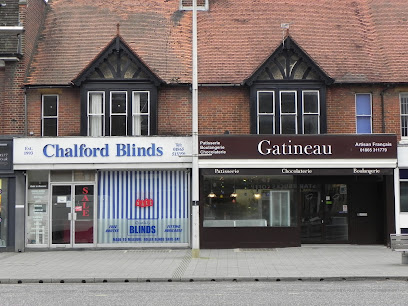
Gatineau Artisan Patisserie & Bakery
17.8 km
Authentic French artisan patisserie in Oxford’s Summertown, crafting exquisite pastries, breads, and bespoke cakes with premium ingredients.
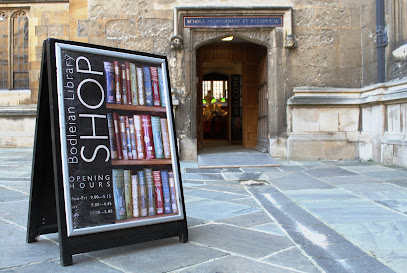
Bodleian Weston Library Shop
19.7 km
Explore exclusive literary gifts and scholarly treasures at the Bodleian Weston Library Shop in Oxford’s iconic Weston Library.
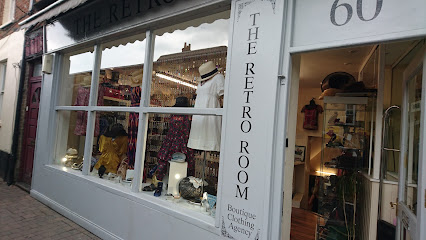
The Retro Room
19.7 km
Discover Oxford’s stylish hub for vintage and designer second-hand fashion, blending sustainability with unique finds in a welcoming boutique setting.
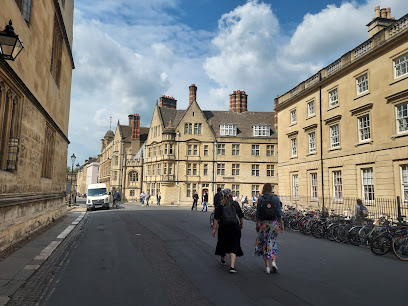
Bodleian Libraries Shop in Old School's Quad
19.7 km
Discover exclusive scholarly gifts and rare books in the historic heart of Oxford’s Bodleian Libraries.
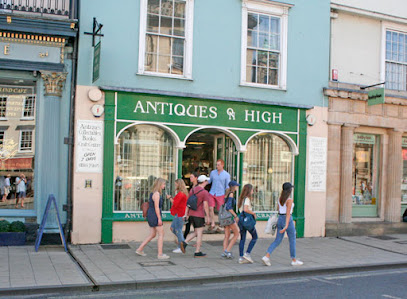
Antiques On High Oxford L.T.D.
19.8 km
Explore a charming antique shop in Oxford, offering a curated selection of unique vintage treasures that tell stories of the past.
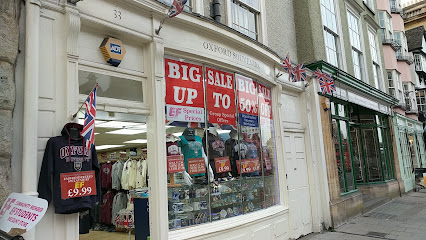
Oxford Souvenirs
19.8 km
Discover authentic Oxford heritage and unique keepsakes at this charming High Street souvenir shop, open daily for all visitors.
Cool Britannia
19.8 km
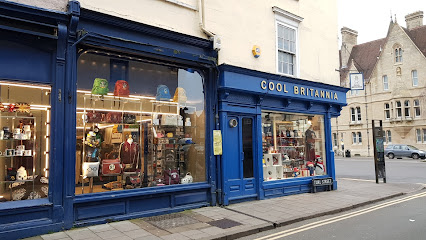
Discover authentic British souvenirs and unique gifts in the heart of Oxford at Cool Britannia, your go-to shop for memorable memorabilia and more.
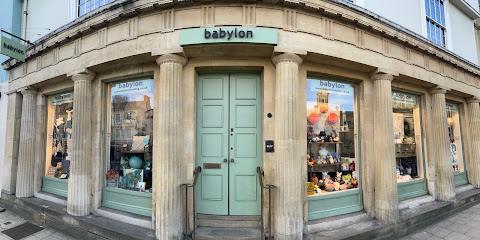
Babylon Trading
19.8 km
Discover eclectic home and gift treasures in a charming Grade 2 listed boutique on Oxford’s historic High Street.
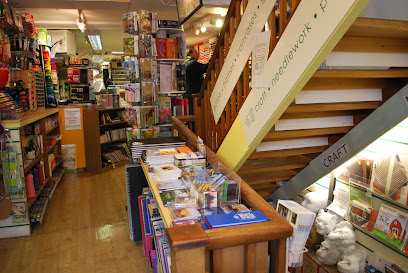
Broad Canvas
19.8 km
Oxford’s trusted art and craft supply store since 1981, offering expert advice and quality materials for artists and creatives.
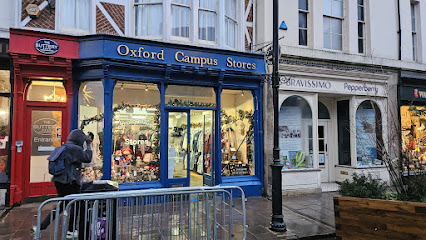
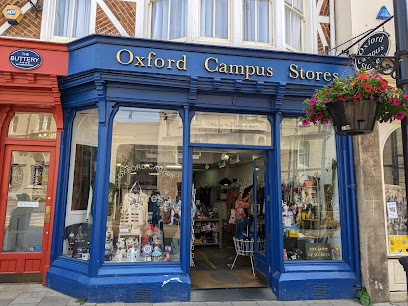
Oxford Campus Stores
19.8 km
Explore the vibrant Oxford Campus Stores for unique gifts, trendy apparel, and memorable souvenirs showcasing the essence of Oxford's rich heritage.
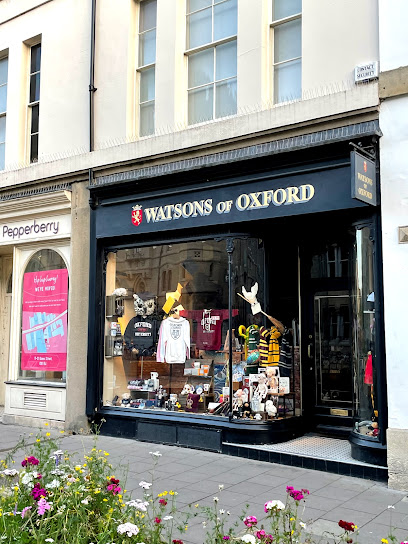
Watsons of Oxford
19.8 km
Discover unique gifts and local crafts in a charming Oxford shop offering authentic souvenirs and stylish finds in the city center.
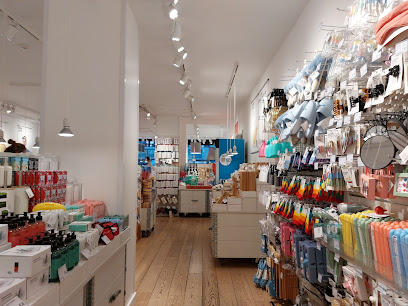
Flying Tiger Copenhagen
19.8 km
Discover quirky Danish design and colorful everyday essentials at Flying Tiger Copenhagen, Oxford’s lively variety store on Magdalen Street.
The Shop of Secrets
19.8 km
Discover magical collectibles and Harry Potter treasures in a warm, inviting Oxford shop with a personal touch.
Essential bars & hidden hideouts

The Kings Head Coffee & Gin Bar
14.0 km
Historic pub meets vibrant coffee and gin bar with a sunny courtyard garden in the heart of Buckingham’s Market Hill.
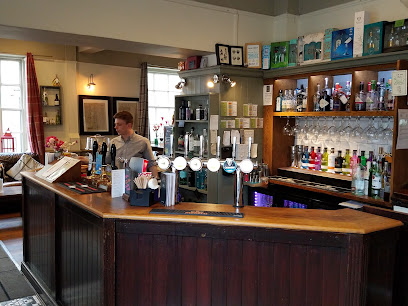
The Grand Junction
14.1 km
A vibrant Mediterranean-inspired pub in Buckingham with wood-fired pizzas, cozy bar, private function room, and charming courtyard dining.
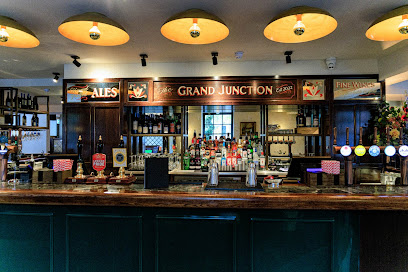
The Duke Of Cambridge
19.5 km
A stylish Oxford cocktail bar blending traditional pub charm with expert mixology and a lively, welcoming atmosphere.
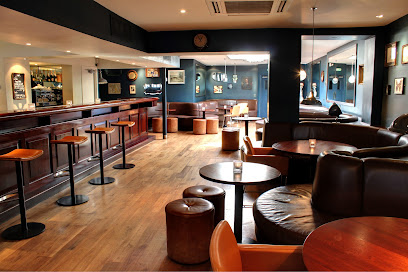
Jude The Obscure
19.5 km
A literary-inspired British pub in Oxford’s Jericho with award-winning food, lively sports viewing, and a dog-friendly heated beer garden.
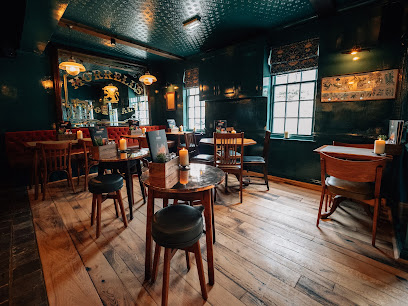
Lamb and Flag
19.5 km
Historic Oxford pub famed for its Inklings literary heritage, vibrant atmosphere, and excellent local ales since 1613.
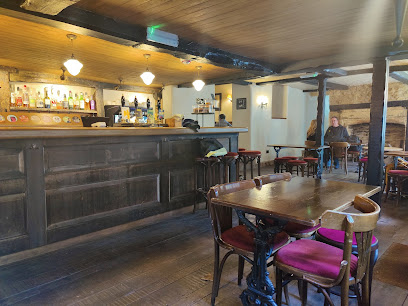
The Rickety Press
19.6 km
A lively Jericho pub blending funky vibes, quality pizzas, inventive burgers, and a welcoming community spirit in the heart of Oxford.
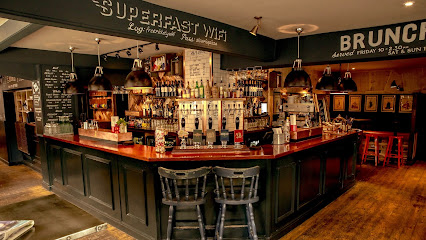
LJ - Love Jericho Cocktail Bar
19.6 km
Experience Oxford’s best cocktails and vibrant nightlife at LJ - Love Jericho, where expert mixology meets a lively, welcoming atmosphere.

Turf Tavern
19.6 km
Discover Oxford’s hidden gem: a 600-year-old historic pub famed for its cozy charm, legendary patrons, and timeless atmosphere.
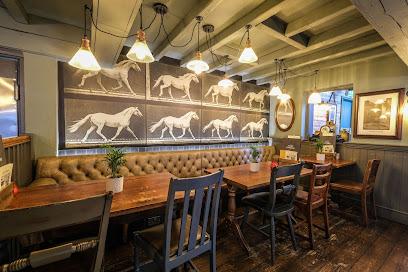
King's Arms, Oxford
19.6 km
Oxford’s oldest pub since 1607, famed for its literary heritage, academic ties, and ghostly whispers in a historic setting.
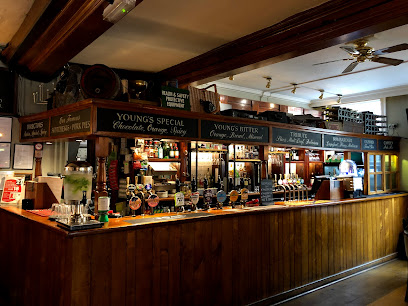
White Horse
19.7 km
A classic Oxford pub on Broad Street offering cozy charm, well-kept ales, and a taste of local history and culture.
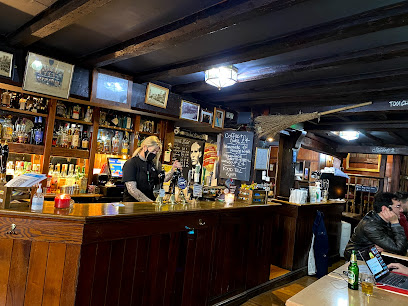
The Cape Of Good Hope
19.9 km
A lively Oxford pub blending traditional charm with modern vibes, great food, craft beers, and a welcoming community spirit.
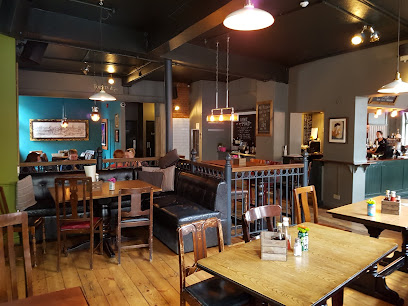
The Grapes
19.9 km
A classic Oxford pub renowned for award-winning ales, hearty food, and warm, friendly hospitality in a historic city-center setting.
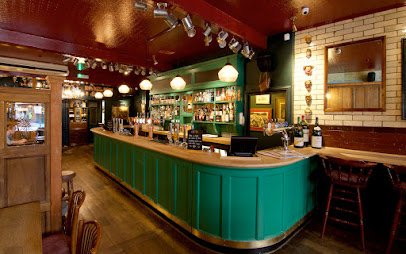
The Three Goats Heads Pub
19.9 km
A historic Oxford pub offering traditional ales, hearty food, and a relaxed, phone-free atmosphere in a charming Victorian setting.
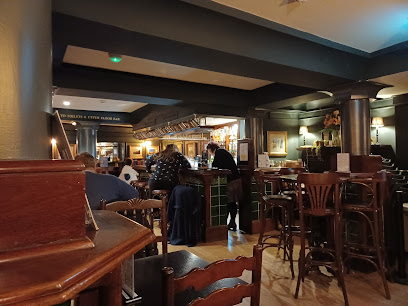
Sandy's Piano Bar
19.9 km
Experience the magic of live music at Sandy's Piano Bar in Oxford, where every night is a celebration of talent and good times.

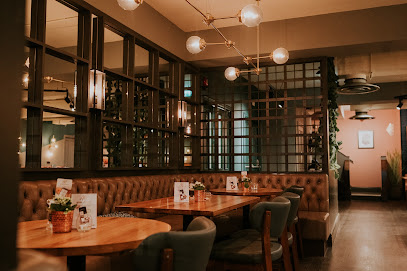
All Bar One Oxford
20.0 km
Lively and stylish wine bar on Oxford’s High Street, perfect for drinks, sharing plates, and social gatherings in a vibrant city setting.
Nightclubs & after hour spots

Fever Oxford
19.8 km
Experience Oxford’s vibrant nightlife at Fever, a multi-room nightclub blending live DJs, dynamic music, and a lively party atmosphere.

Plush Oxford
20.0 km
Experience Oxford’s vibrant, inclusive nightlife hotspot with great music, cocktails, and a welcoming atmosphere at Plush Oxford.
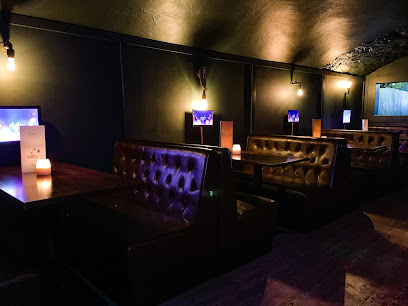
The Bridge Nightclub
20.2 km
Oxford’s lively student-focused nightclub with diverse music, multiple dance floors, and a spacious pub garden for late-night socializing.
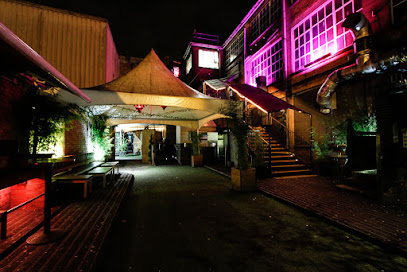
Oxford Leisure Ltd
20.2 km
Experience Oxford’s vibrant nightlife with dynamic music, themed events, and a lively dance floor at Oxford Leisure Ltd.

ATIK Oxford
20.2 km
Oxford’s largest nightclub with diverse music rooms, vibrant atmosphere, and strong security, offering a late-night hub for students and locals alike.
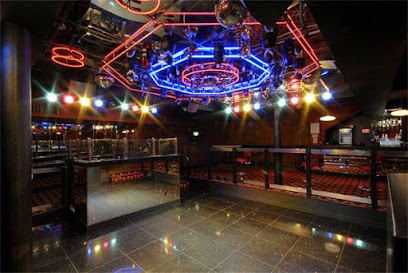
Kiss Bar
20.2 km
An intimate late-night club in Oxford known for its vibrant atmosphere and close-knit party scene until its recent closure.
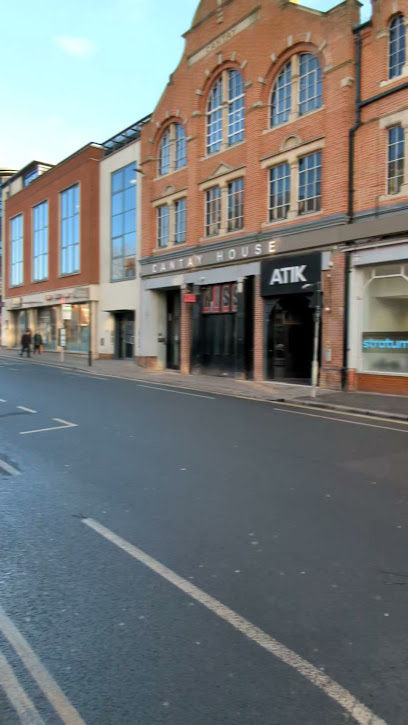
Mirage Aylesbury
24.7 km
Experience Aylesbury’s vibrant nightlife at Mirage, a lively nightclub offering music, dancing, and late-night fun in the heart of town.
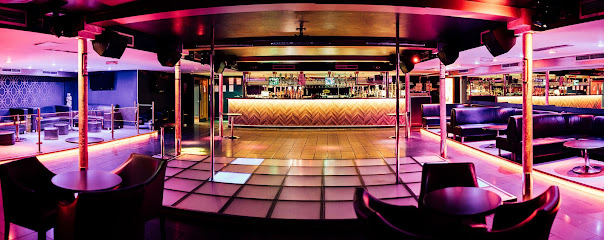
Garudaa
29.2 km
A spacious, welcoming gentlemen’s club in Milton Keynes offering VIP areas, game rooms, and late-night entertainment in a relaxed, darkly lit setting.
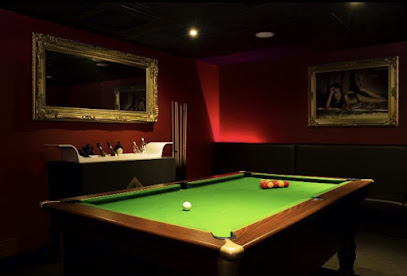
Pink Punters
30.4 km
Milton Keynes’ dynamic multi-room nightclub blending diverse music, vibrant crowds, and a lively late-night party atmosphere.
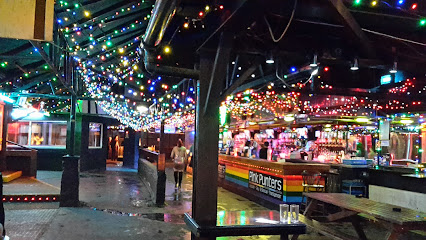
TWC
31.1 km
Experience the vibrant nightlife and energetic party scene at TWC, Aylesbury’s premier nightclub destination.
Elysium
39.1 km
Northampton’s premier late-night nightclub for house, bass, and tech house music, famed as the city’s official after-party hotspot.
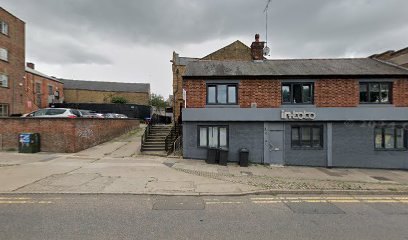
Stereo Bar and Club
39.1 km
Experience Northampton’s vibrant nightlife with eclectic music, lively dancing, and a welcoming atmosphere at Stereo Bar and Club.
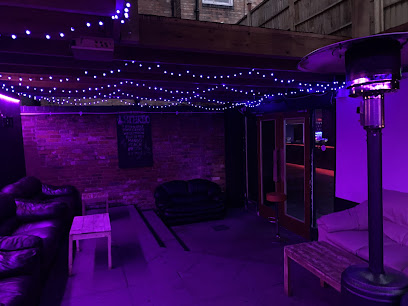
NB's
39.2 km
Experience Northampton’s vibrant nightlife with NB's lively clubbing atmosphere, multiple rooms, and sociable outdoor bar area.
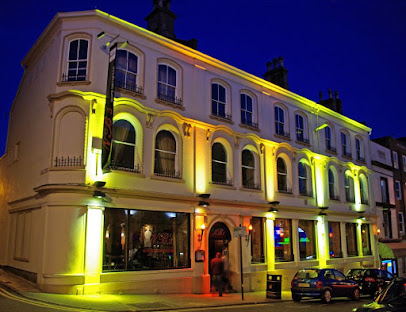
Club43
39.2 km
Northampton’s vibrant underground nightclub offering top electronic acts and a soulful, energetic nightlife experience.
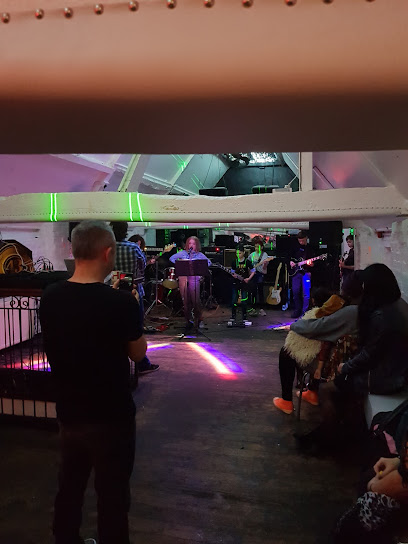
The Platform
39.3 km
Northampton’s vibrant nightclub and bar blending historic charm with lively music, drinks, and student-friendly events.
For the vibe & atmosphere seeker
- Historic
- Scenic
- Tranquil
- Unique
For the design and aesthetic lover
- Vintage Styles
- Rustic Designs
For the architecture buff
- Historic
- Landmarks
- Parks & Gardens
For the view chaser and sunset hunter
- Iconic Views
- Panoramas
For the social media creator & influencer
- Instagrammable
- Photo Spots
- Architectural Shots
For the eco-conscious traveler
- Protected Area
- Public-Transport Accessible
- Locally Managed
For the kind of experience you’re after
- Cultural Heritage
- Photowalk
- Day Trip
- Weekend Getaway
For how adventurous you want the journey to be
- Easy Access
Location Audience
- Family Friendly
- Senior Friendly
- Child Friendly
- Teen Friendly
- Solo Friendly
- Couple Friendly


