

The Dean Bridge, Stirling Travel Guide
Free Guide: A soaring 19th-century stone bridge by Thomas Telford, linking Edinburgh’s New Town with Dean Village across the dramatic Water of Leith gorge.


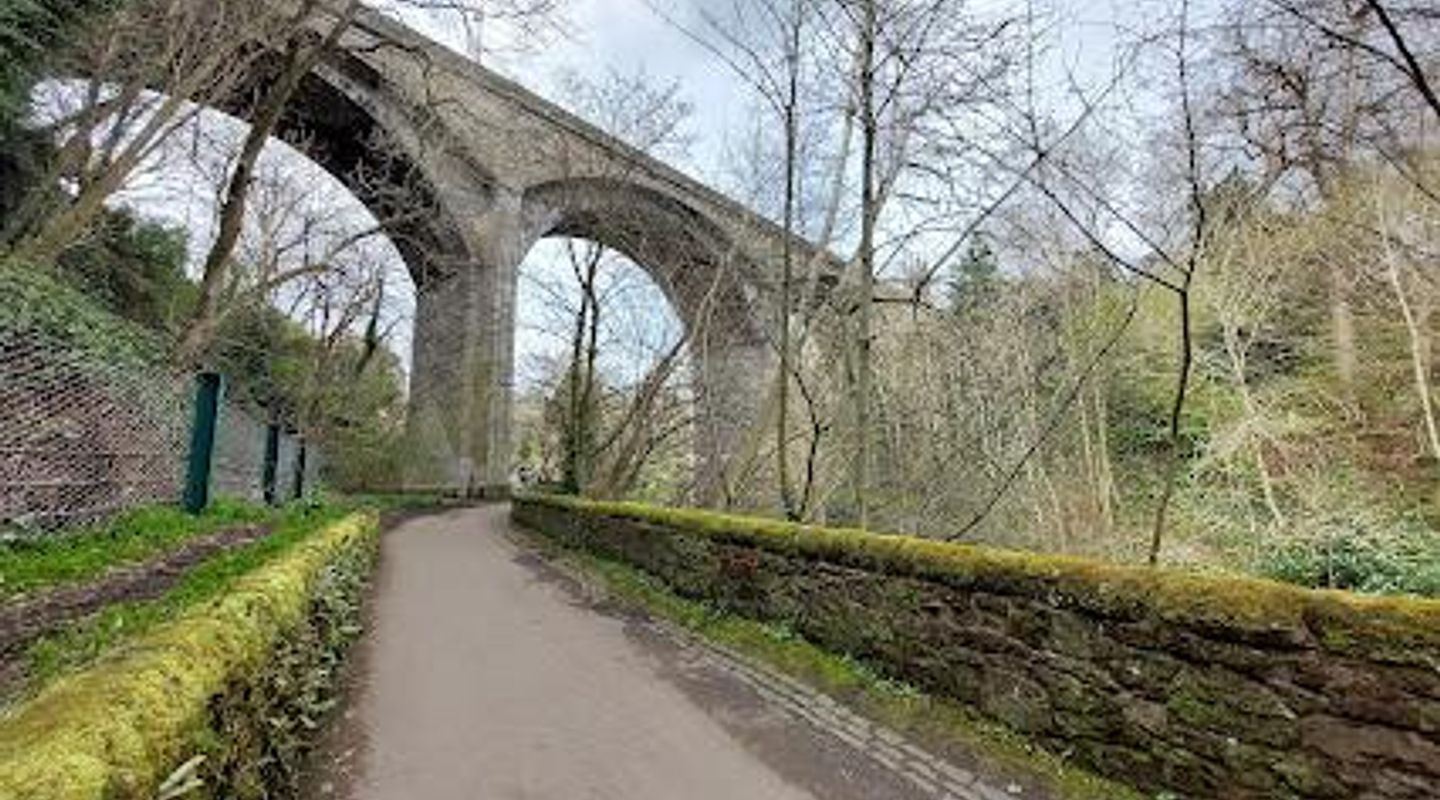
A brief summary of The Dean Bridge
A soaring 19th-century stone bridge by Thomas Telford, linking Edinburgh’s New Town with Dean Village across the dramatic Water of Leith gorge.
The Dean Bridge is a striking 19th-century stone bridge in Edinburgh, designed by renowned engineer Thomas Telford and completed in 1831. Spanning 447 feet across the Water of Leith gorge, it was built to connect the expanding New Town to the northwest and features four elegant arches rising 106 feet above the river. The bridge is notable for its hollow piers, historical significance, and commanding views of the surrounding Dean Village and valley.
On-site amenities
 Seating areas
 Information boards
Opening hours
- Every dayOpen 24 hours
Opening hours as listed on the venue’s Google Business Profile. Hours can change for services and special events, so check with the venue before you go.
- Address
- Queensferry Rd, Edinburgh EH3 7UA
- Website
Getting there
Bus
Train plus Walk
Taxi
Discover more about The Dean Bridge
Engineering Genius Behind the Dean Bridge
The Dean Bridge stands as a testament to the ingenuity of Thomas Telford, one of Britain’s foremost civil engineers. Completed in 1831 when Telford was 73, the bridge was commissioned to provide a vital link over the deep gorge carved by the Water of Leith. Its construction was prompted by John Learmonth, a former Lord Provost of Edinburgh, who sought to develop the land north of the river and needed a grand, toll-free crossing to connect this new expansion with the city. The bridge’s 447-foot length and four stone arches soar 106 feet above the river, with hollow piers cleverly designed to reduce weight and cost without compromising strength. The stone was quarried locally from Craigleith, ensuring the bridge harmonized with Edinburgh’s architectural palette.
Historical Context and Urban Impact
Before the Dean Bridge, the main road west from Edinburgh crossed the Water of Leith via a narrow, steep stone bridge in Dean Village itself. The new bridge not only eased travel but also facilitated the growth of Edinburgh’s New Town northwestwards. Although John Learmonth financed much of the bridge’s construction, the Cramond Road Trustees contributed on the condition that the bridge remain toll-free, reflecting its importance as public infrastructure. The bridge’s opening marked a shift in local development patterns, as Dean Village, once a bustling industrial hub powered by water mills, gradually became quieter with traffic redirected over the new crossing. The bridge was officially opened to horse and cart traffic in 1834, and its presence helped shape the city’s expansion.
Architectural Elegance and Safety Measures
The Dean Bridge’s design combines functional engineering with aesthetic grace. Its four broad arches and substantial stonework create a majestic profile visible from many vantage points in Edinburgh. In 1888, concerns about suicides from the bridge led to the parapets being raised to improve safety, a modification that remains today. The bridge’s height and location offer sweeping views over the Water of Leith valley and the historic Dean Village below, inviting contemplation of both natural beauty and urban history.
The Bridge in the Modern Landscape
Today, the Dean Bridge remains a vital artery for Queensferry Road (A90), carrying traffic across the gorge while serving as a landmark of Edinburgh’s West End. Its enduring stone arches blend with the surrounding residential architecture, including Clarendon Crescent and Buckingham Terrace, which were developed in the decades following the bridge’s completion. The bridge’s structural integrity and historical importance are recognized by heritage bodies, and it continues to be a point of interest for visitors exploring Dean Village and the Water of Leith walkway.
Dean Village and the Water of Leith Connection
Nestled beneath the bridge, Dean Village is a picturesque former milling settlement with roots stretching back to the 12th century. The Water of Leith powered numerous mills here, providing essential supplies to Edinburgh’s growing population. The bridge’s presence above the village highlights the contrast between industrial heritage and urban expansion. Walking along the Water of Leith walkway, visitors can appreciate the bridge’s scale and craftsmanship while enjoying the tranquil natural surroundings.
Legacy of John Learmonth and Thomas Telford
The Dean Bridge symbolizes the vision and determination of John Learmonth, who invested heavily in Edinburgh’s growth, and Thomas Telford’s masterful engineering. Despite economic downturns that delayed some of Learmonth’s development plans, the bridge stands as a lasting monument to their ambition. It remains one of Edinburgh’s most impressive and historically significant bridges, admired for its design, scale, and role in shaping the city’s expansion northwestwards.
Evendo Review Centre
 Google
Guest reviews
Best time to go
Quietest: Jan, Feb & Dec · before 6am or from 11pm
Busy times are Evendo estimates for a typical year, to help you plan. Actual crowds vary with events, school holidays and the weather.
Explore The Dean Bridge on the map
A handpicked selection of must-see spots near The Dean Bridge, mapped for you.
Get your free copy of our complete guide to The Dean Bridge, delivered straight to you.
Everything on this page, from opening hours and how to get there to Eve’s tips and the best time to go, in one PDF you can read offline, print or share.
Already have an account? Sign in
Your The Dean Bridge guide is ready.
We'll send it to · Not you? Sign out

Getting your guide ready…
We are putting together a fresh copy of the The Dean Bridge guide. This can take up to a minute.
This can take a few moments. If your browser asks, choose Allow so the download can start. You'll find the guide in your Downloads folder.
Nothing happened? Download it again
Sorry, the guide is taking longer than usual. Please try again in a minute, or get it by email instead.
Other nearby places you may find interesting
The closest places of the same kind, if this one is not quite what you had in mind.
-
-
-
-
-


Swipe for more places
More to explore near The Dean Bridge

 Best experiences near The Dean Bridge
 Best hotels near The Dean Bridge
 Best landmarks near The Dean Bridge
 Best attractions near The Dean Bridge
 Best shops near The Dean Bridge
 Best restaurants near The Dean Bridge
 Best bars near The Dean Bridge
Do you manage this location?
Take control to get all the benefits, like improved information, better appearance, and stronger visibility across AI-powered discovery.
Explore more

Explore more of Stirling
Discover Stirling: A city where history comes alive amidst stunning landscapes and cultural richness in the heart of Scotland.
Explore Stirling
Explore more of United Kingdom
Discover the United Kingdom: A blend of rich history, stunning landscapes, and vibrant cities, offering a unique travel experience for every visitor.
Explore United Kingdom
