Charlotte Square, Edinburgh Travel Guide
Charlotte Square: Edinburgh’s elegant Georgian masterpiece, home to historic architecture, tranquil gardens, and Scotland’s First Minister.
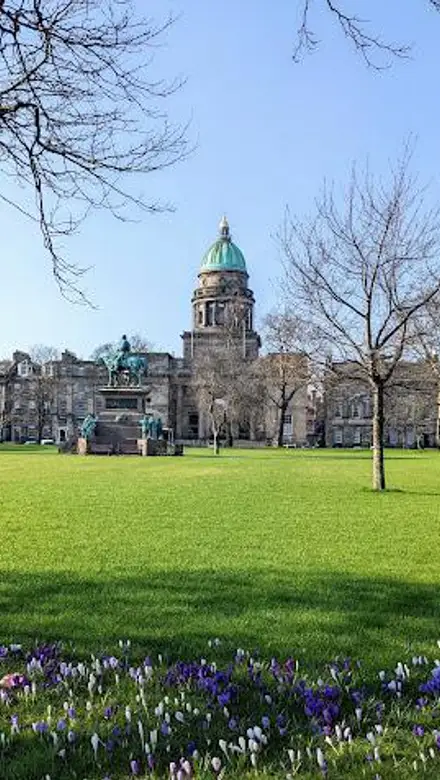
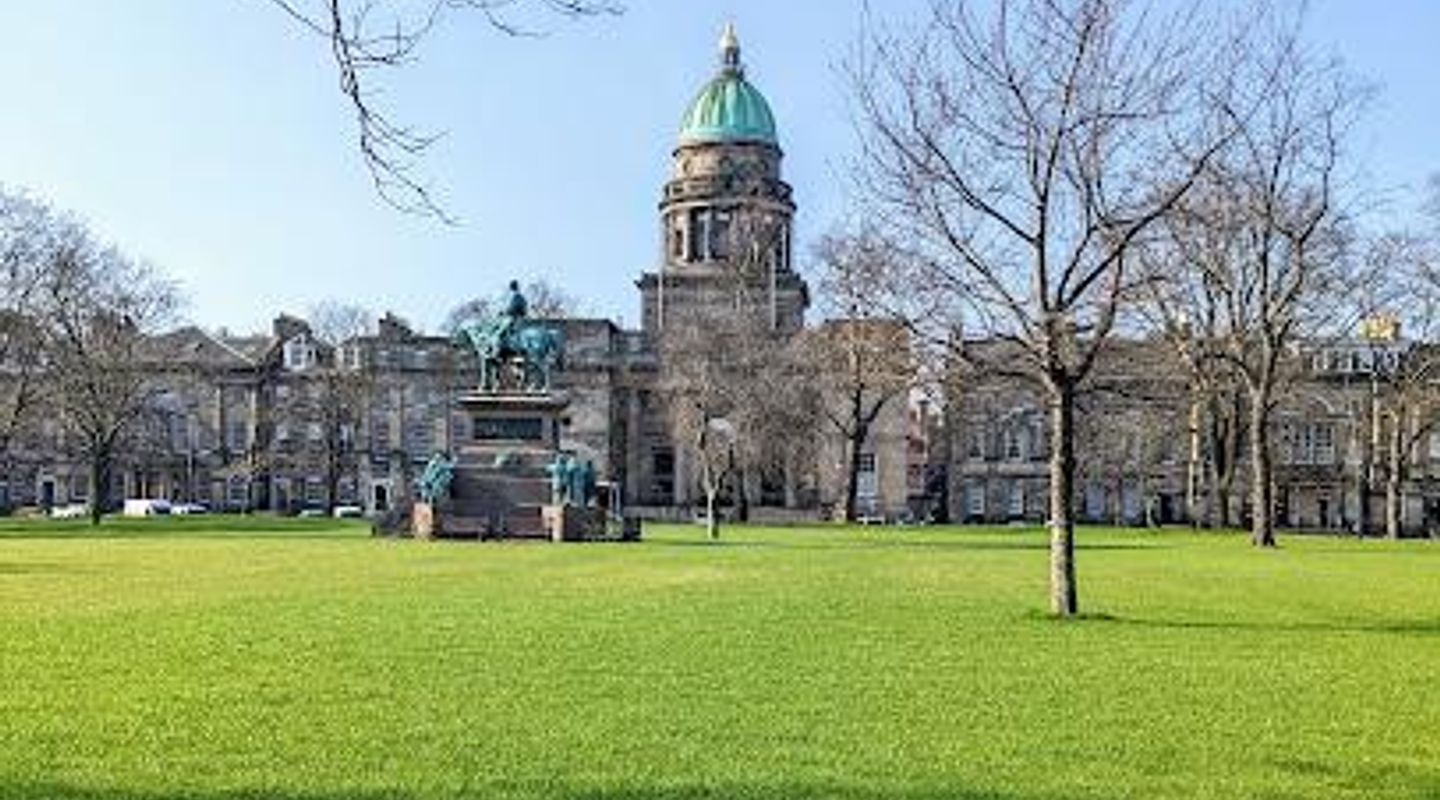
Charlotte Square, located in Edinburgh’s New Town, is a stunning example of Georgian urban planning and neoclassical architecture designed by Robert Adam. Completed in 1820, it features symmetrical palace-like townhouses, a private central garden with a statue of Prince Albert, and is home to the First Minister of Scotland’s official residence. This historic square has been a cultural hub, notably hosting the Edinburgh International Book Festival for decades.
A brief summary to Charlotte Square
- Edinburgh, GB
- Duration: 0.5 to 2 hours
- Free
-
 Outdoor
- Mobile reception: 5 out of 5

Know before you go
Hi, I'm Eve. Here are a few practical things to know before exploring Charlotte Square.
- Visit the Georgian House museum at No. 7 to explore period interiors and learn about 18th-century life.
- Check for special public openings of the private gardens during events like Doors Open Day.
- Admire the Prince Albert statue in the garden, a fine example of Victorian memorial sculpture.
- Note the official residence of Scotland’s First Minister at Bute House, No. 6 Charlotte Square.
- Explore the surrounding New Town area to appreciate the full scope of Georgian urban planning.
Do you manage this location?
Take control to get all the benefits, like improved information, better appearance, and stronger visibility across AI-powered discovery. Learn more about listing your business on Evendo
Activate your presenceOther nearby places you may find interesting
The closest places of the same kind, if this one is not quite what you had in mind.
Explore Charlotte Square on the Map
A handpicked selection of must-see spots near Charlotte Square, mapped for you.
Unlock the Best of Charlotte Square
Buy tickets
-
No tickets available
Book tours with entry

Book tours without entry

Getting There
-
Bus
Several Lothian Buses routes serve George Street, a short walk from Charlotte Square. Travel times from Edinburgh city centre are typically 10–20 minutes. Tickets cost around £1.80–£2.50. Service frequency is high during the day but reduces in the evening.
-
Tram
Edinburgh Trams run from the airport to the city centre, stopping at Princes Street, about 600 meters from Charlotte Square. The journey from the airport takes approximately 35 minutes, with tickets priced around £6. Tram services operate every 7–10 minutes during peak hours.
-
Walking
Charlotte Square is within a 15–25 minute walk from Edinburgh Waverley Station. The route is mostly flat and accessible, passing through the historic New Town area, making for an enjoyable urban stroll.
-
Taxi
Taxis and ride-hailing services provide direct access to Charlotte Square from anywhere in Edinburgh. Typical fares from the city centre range between £6 and £12 depending on traffic and time of day.
For the on-the-go comforts that matter to you
-
 Restrooms
-
 Seating Areas
-
 Information Boards
Discover more about Charlotte Square
Architectural Brilliance and Urban Design
Charlotte Square represents the zenith of Edinburgh’s first New Town development, showcasing the masterful design of architect Robert Adam. Conceived as a unified block of townhouses with neoclassical facades, the square’s symmetrical layout creates an elegant and grand streetscape. The buildings are arranged around a private garden, which adds a tranquil green heart to the urban setting. The square’s design reflects the ideals of Georgian architecture, emphasizing harmony, proportion, and refined detail.Historical Significance and Notable Residents
Completed in 1820, Charlotte Square was the final phase of the New Town’s initial construction. It has housed many prominent figures, including Alexander Graham Bell, born at number 14 South Charlotte Street, and Field Marshal Douglas Haig, born at number 24. Number 6 Charlotte Square, known as Bute House, serves as the official residence of the First Minister of Scotland, linking the square to contemporary political life. The square also features West Register House, formerly St George’s Church, with its dome inspired by St Paul’s Cathedral in London.The Central Garden and Prince Albert Memorial
At the heart of Charlotte Square lies a private garden, originally called George Square Gardens but renamed to avoid confusion with another George Square in Edinburgh. The garden is enclosed by wrought-iron fencing and is home to a prominent statue of Prince Albert, commissioned by Queen Victoria and unveiled in 1876. The memorial is a striking equestrian statue set on a granite pedestal, surrounded by emblematic bas-reliefs and statues, symbolizing the deep connection between the square and British royal history.Cultural Hub and Literary Legacy
Charlotte Square has played a vital role in Edinburgh’s cultural life, most notably as the venue for the Edinburgh International Book Festival from 1983 until 2019. During the festival, the gardens transformed into a vibrant literary village with marquees hosting readings, discussions, and author events. This tradition of intellectual engagement highlights the square’s ongoing importance as a place for cultural exchange and public discourse.Preservation and Contemporary Use
The square remains a protected part of Edinburgh’s UNESCO World Heritage Site, preserving its architectural integrity and historical ambiance. While the gardens are generally private, they open for special events such as Doors Open Day. The Georgian House museum at number 7 offers visitors a glimpse into 18th-century life with period furnishings and decor, managed by the National Trust for Scotland. Charlotte Square continues to balance its residential, political, and cultural roles within the city.Urban Atmosphere and Visitor Experience
Visitors to Charlotte Square experience a serene and refined environment, framed by elegant facades and lush greenery. The square’s quiet charm contrasts with the bustling city nearby, offering a peaceful retreat steeped in history. Its combination of architectural grandeur, historical depth, and cultural significance makes Charlotte Square a quintessential Edinburgh landmark.












Your all‑in‑one travel companion app
Explore expert travel guides, compare and book tours, experiences, hotels, and more—all from the palm of your hand. Download now for seamless trip planning wherever your wanderlust takes you.


Explore More of Edinburgh

Looking beyond Charlotte Square? Discover Edinburgh for broader travel guides, local hot-spots, and regional highlights.
Explore Edinburgh
Discover fresh Scottish produce and artisanal delights every Saturday with stunning views of Edinburgh Castle at Castle Terrace.
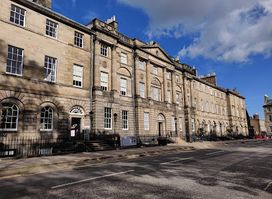
Step back into 18th-century Edinburgh with a visit to The Georgian House, a beautifully restored townhouse showcasing elegant Georgian life and history.