
Rose St, Edinburgh Travel Guide
A lively, historic pedestrian street in Edinburgh’s New Town, famed for its pubs, boutique shops, and rich literary heritage.
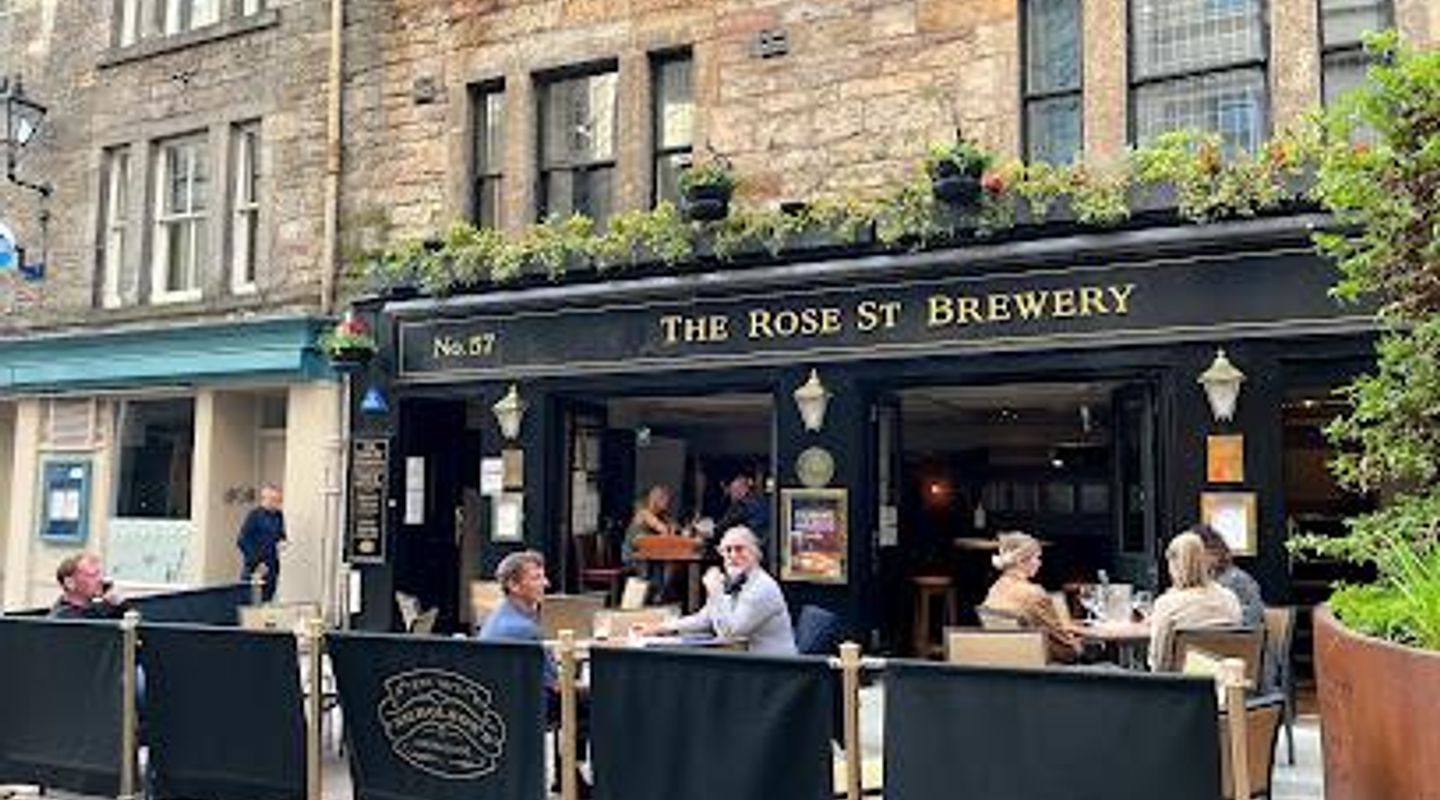
Nestled in Edinburgh’s New Town, Rose Street is a charming, narrow pedestrian street famed for its vibrant pubs, boutique shops, and rich literary history. Running parallel to Princes Street and George Street, this atmospheric street blends historic architecture with a lively social scene, offering visitors a unique glimpse into Edinburgh’s cultural heritage and contemporary urban life.
A brief summary to Rose St
- Edinburgh, GB
- Duration: 1 to 3 hours
- Mid ranged
-
 Outdoor
- Mobile reception: 5 out of 5

Know before you go
Hi, I'm Eve. Here are a few practical things to know before exploring Rose St.
- Visit in the evening to experience Rose Street’s vibrant pub scene and enjoy traditional Scottish hospitality.
- Explore the small shops and boutiques during the day for unique gifts and local products.
- Look for the artistic installations on the BT Telephone Exchange facade celebrating the Rose Street poets.
- Take time to appreciate the street’s architectural details, including the Kenilworth Bar and Eagle Buildings.
- Combine your visit with nearby Princes Street and George Street for a fuller New Town experience.
Do you manage this location?
Take control to get all the benefits, like improved information, better appearance, and stronger visibility across AI-powered discovery. Learn more about listing your business on Evendo
Activate your presenceOther nearby places you may find interesting
The closest places of the same kind, if this one is not quite what you had in mind.
Explore Rose St on the Map
A handpicked selection of must-see spots near Rose St, mapped for you.
Unlock the Best of Rose St
Buy tickets
-
No tickets available
Book tours with entry

Book tours without entry
-
No tours available
Getting There
-
Bus
Several Lothian Bus routes serve stops near Rose Street, including routes 1, 3, and 27. From Edinburgh city center, travel times range from 10 to 20 minutes depending on route and traffic. Buses run frequently throughout the day with ticket prices around £1.80–£2.00.
-
Tram and Walk
Take the Edinburgh Trams to Princes Street stop, approximately a 5-minute walk to Rose Street. Trams operate every 7-10 minutes, with tickets costing about £1.80 for a single journey within the city center.
-
Taxi or Rideshare
Taxis and rideshare services are widely available in Edinburgh. From the city center, a short 5-minute ride to Rose Street typically costs £5–£8, depending on traffic and time of day.
-
Walking
If staying nearby in Edinburgh’s New Town or Old Town, Rose Street is easily accessible on foot. The pedestrian-friendly street is flat and suitable for all fitness levels, with walking times ranging from 5 to 15 minutes depending on your starting point.
For the on-the-go comforts that matter to you
-
 Restrooms
-
 Drink Options
-
 Food Options
-
 Seating Areas
-
 Information Boards
Discover more about Rose St
A Storied Past in Edinburgh’s New Town
Rose Street was constructed between 1770 and 1781 as part of Edinburgh’s New Town development, designed to complement the grander Princes and George Streets. Its name, symbolizing England’s rose, pairs with nearby Thistle Street, representing Scotland. Originally lined with modest three-storey houses, Rose Street evolved quickly from residential use to a bustling shopping street by the early 19th century. The street underwent significant changes in the 20th century, including a 1970s reconstruction introducing a distinctive scalloped concrete canopy, reflecting the city council’s modernization efforts.A Hub of Social and Literary Life
Rose Street has long been known for its many pubs and bars, which have served as gathering spots for Edinburgh’s literary figures and locals alike. In the mid-20th century, it became a haunt for Scottish Renaissance poets such as Hugh MacDiarmid, who met in venues like Milne’s Bar, nicknamed the “Little Kremlin.” The street’s pubs often carry names reflecting literary heritage, including the Kenilworth and Abbotsford, named after Sir Walter Scott’s home. This vibrant social scene continues today, with a mix of traditional and quirky bars offering a lively nightlife.Shopping and Urban Character
Though overshadowed by Princes Street’s grand retail offerings, Rose Street maintains its own distinctive shopping character. It hosts a variety of small businesses, from hairdressers and shoe shops to record stores and a late-closing Sainsbury’s. Many major Princes Street stores have back entrances here, linking the two streets functionally. The street’s pedestrianisation in the 1980s enhanced its appeal as a relaxed urban space, providing shelter and intimacy amid the bustle of central Edinburgh.Architectural and Cultural Highlights
Rose Street’s architecture is a blend of vernacular 18th-century buildings and 20th-century interventions. Notable structures include the Kenilworth Bar by Thomas P. Marwick and the Eagle Buildings by George Washington Browne. The BT Rose Street Telephone Exchange, a key telecommunications hub, also stands here, its facade adorned with artistic installations celebrating the Rose Street poets, adding a contemporary cultural layer to the historic street.The Atmosphere and Visitor Experience
The street’s narrow, sheltered layout creates an intimate atmosphere contrasting with the grander New Town avenues. It is a favored spot for locals and visitors seeking convivial pubs, unique shops, and a taste of Edinburgh’s literary and social heritage. The street’s proximity to views of the Firth of Forth adds a scenic backdrop, while its pedestrianised nature invites leisurely exploration and discovery.Rose Street Today: A Living Edinburgh Icon
Today, Rose Street remains a vibrant artery in Edinburgh’s city center, balancing its historic roots with contemporary urban life. It is a place where history, culture, and everyday city rhythms converge, offering an authentic Edinburgh experience. Whether enjoying a pint in a historic pub, browsing boutique shops, or simply soaking up the street’s lively ambiance, visitors find Rose Street a memorable highlight of the city.












Your all‑in‑one travel companion app
Explore expert travel guides, compare and book tours, experiences, hotels, and more—all from the palm of your hand. Download now for seamless trip planning wherever your wanderlust takes you.


Explore More of Edinburgh
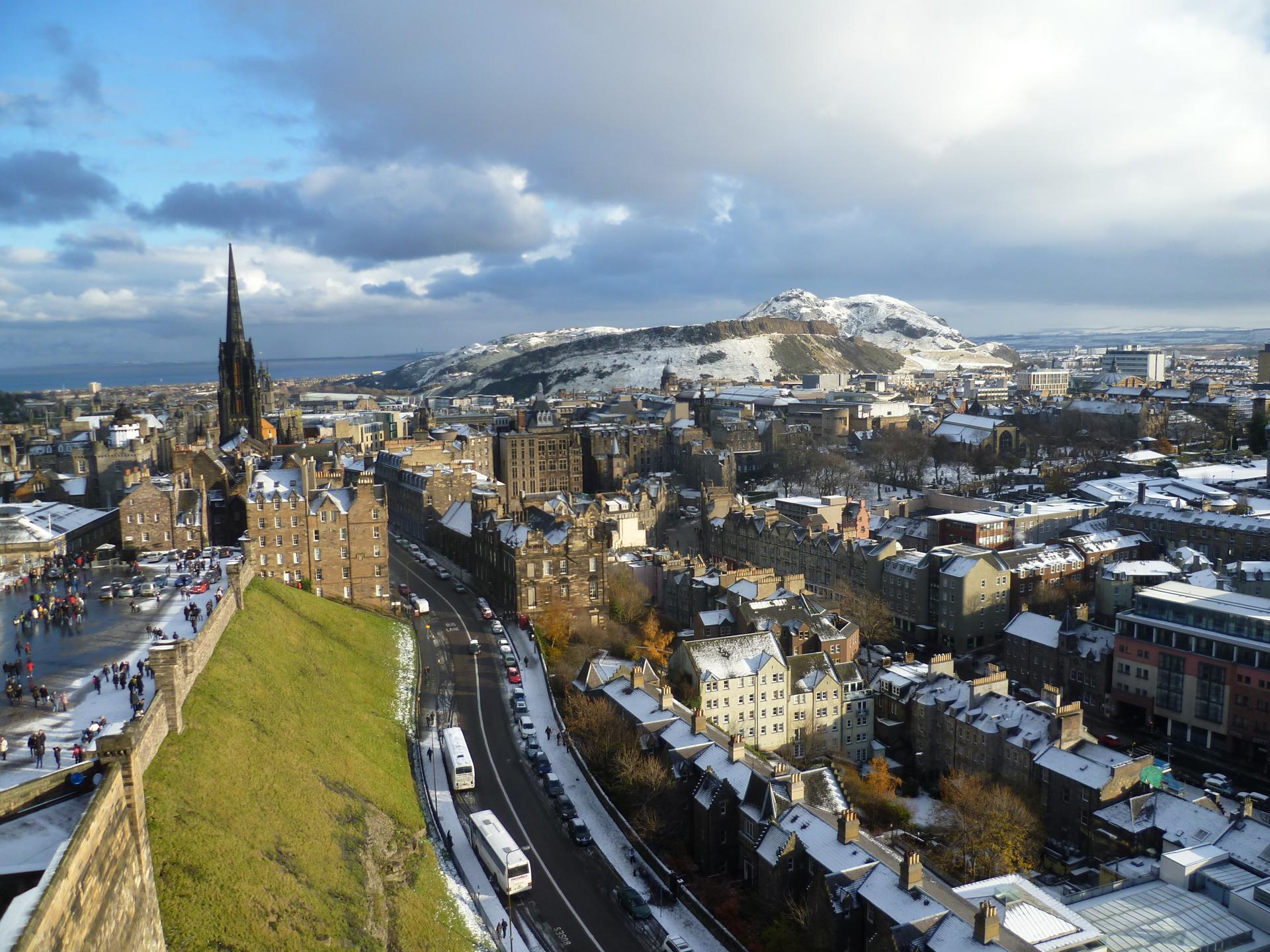
Looking beyond Rose St? Discover Edinburgh for broader travel guides, local hot-spots, and regional highlights.
Explore Edinburgh
Experience the elegance of The Dome in Edinburgh, where exquisite dining, vibrant cocktails, and afternoon tea await in a stunning Georgian setting.

Discover breathtaking, near eye-level views of Edinburgh Castle framed by historic gardens and vibrant city life at Princes Street.
