

Oxford Canal: A Historic Waterway and Tranquil Urban Escape
Explore the serene Oxford Canal, a historic 200-year-old waterway weaving heritage, nature, and community through Oxfordshire’s scenic landscapes.
The Oxford Canal is a picturesque 200-year-old waterway winding from Oxford city centre northwards through peaceful countryside to Banbury and beyond. Managed by the Canal & River Trust, its level towpath offers a scenic route for walking and cycling, passing historic locks, wildlife reserves, and charming villages. The canal’s heritage trail reveals its industrial past and connection to the River Thames, making it a serene yet culturally rich destination.
A brief summary to Oxford Canal
- GB
- Duration: 1 to 4 hours
- Free
-
 Outdoor
- Mobile reception: 4 out of 5
Local tips
- Use the Oxford Canal Heritage Trail audio guides via QR codes for enriched historical context along the towpath.
- Be mindful of cyclists and pedestrians sharing the narrow towpath; use bells and lights near low-visibility bridges.
- Visit natural highlights like the Trap Grounds Local Wildlife Site and Duke’s Lock Pond for wildlife spotting.
- Start your walk at Hythe Bridge near Oxford city centre for easy access and explore circular routes via Wolvercote village.

For the on-the-go comforts that matter to you
- Restrooms
- Drink Options
- Food Options
- Seating Areas
- Trash Bins
- Information Boards
Getting There
-
Bus
Take the Stagecoach bus routes 2 or 2A from Oxford city centre to Summertown or Wolvercote; from there, it’s a 10-15 minute walk to the canal towpath. Buses run every 15-30 minutes, fares around £2-£4.
-
Train
Arrive at Oxford Railway Station, then walk approximately 20 minutes to Hythe Bridge, the canal’s southern start point. The station is served by frequent trains from London and Birmingham.
-
Car
Park at Worcester Street car park near Oxford city centre for access to the canal at Hythe Bridge. Parking fees apply, typically £2-£4 per hour. Note city centre parking can be busy during peak times.
-
Cycling
Oxford is highly cycle-friendly; you can ride to the canal towpath from various city points using dedicated cycle lanes. Secure bike parking is available near Hythe Bridge and Summertown.
Oxford Canal location weather suitability
-
 Any Weather
-
 Rain / Wet Weather
-
 Clear Skies
-
 Mild Temperatures
Discover more about Oxford Canal
Historic Origins and Engineering Marvel
The Oxford Canal, hand-dug over two centuries ago, was a vital freight artery linking Oxford to the Midlands and London. Its construction began in the late 18th century, with many original features still visible today, including Grade II-listed bridges built by engineer James Brindley. The canal’s southern gateway at Isis Lock, opened in 1797, connects it to the River Thames, showcasing a distinctive iron turnover bridge that allowed horses to cross without unhitching from boats. This historic infrastructure highlights the canal’s importance in the industrial era and its enduring legacy.Scenic Towpath and Natural Highlights
The towpath along the Oxford Canal offers a tranquil, mostly level route ideal for walkers and cyclists. Starting near Oxford city centre at Hythe Bridge, the path meanders northwards through leafy corridors, past moored boats and waterside gardens. Notable natural sites include the Trap Grounds Local Wildlife Site, a preserved wetland habitat home to water voles and dragonflies, and Duke’s Lock Pond, an important wetland ecosystem. The canal’s banks are designated conservation areas, providing a peaceful nature escape within and beyond the city.Cultural and Community Connections
Along the canal, several historic and community landmarks enrich the experience. The Jericho Wharf boatyard reflects ongoing efforts to balance heritage conservation with modern development. Colorful murals at Frenchay Bridge and Elizabeth Jennings Way celebrate local culture and add vibrant touches to the canal environment. The Oxford Canal Heritage Trail, spanning 3 miles from Hythe Bridge Street to Duke’s Lock, features signposts with QR codes offering audio guides and maps, encouraging exploration of the canal’s stories and surroundings.Recreational Opportunities and Accessibility
The Oxford Canal is popular for gentle exercise and leisure, with a towpath suitable for all skill levels. Cyclists and pedestrians share the narrow path, requiring mutual courtesy, especially near low bridges with limited visibility. The route connects to nearby villages like Wolvercote and Summertown, offering circular walks and access to the Thames Path. The canal’s accessibility from Oxford city centre makes it a convenient urban retreat, while longer walks extend into the Oxfordshire countryside.Preservation and Environmental Stewardship
Managed by the Canal & River Trust, the Oxford Canal benefits from ongoing conservation efforts to protect its historic structures and natural habitats. The designation of conservation areas along its length safeguards wildlife such as the elusive water vole. Local initiatives, including the Oxford Canal Mural Project and community engagement, foster a sense of stewardship and celebrate the canal’s role as both a heritage asset and a living ecosystem.Experience and Atmosphere
Visitors to the Oxford Canal encounter a harmonious blend of history, nature, and community spirit. The gentle flow of water, the sight of traditional narrowboats, and the sounds of birdsong create a calming ambience. Whether strolling the heritage trail, cycling through green corridors, or pausing at locks and bridges steeped in history, the canal offers a unique perspective on Oxford’s past and present, inviting reflection and discovery.Iconic landmarks you can’t miss

Council House
13.2 km
A majestic Edwardian Tudor Revival building at Coventry’s heart, blending civic function with rich historical symbolism and artistic heritage.

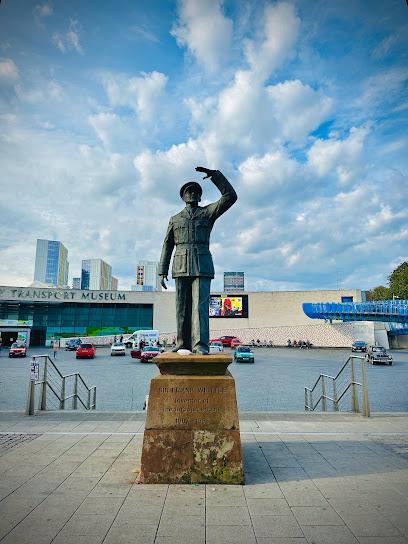
Sir Frank Whittle
13.3 km
Coventry's tribute to the jet engine pioneer who revolutionized aviation and transformed modern flight.
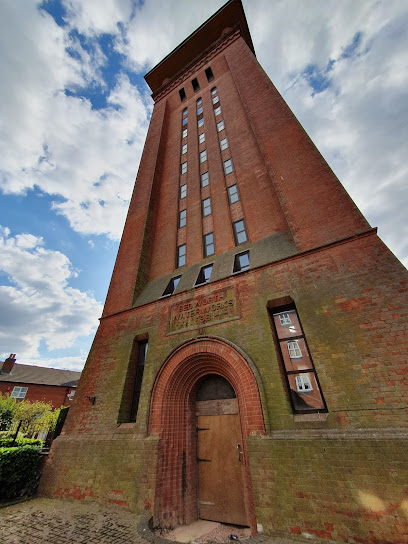
Bedworth Water Tower
14.1 km
A towering Romanesque water tower blending industrial heritage, architectural charm, and urban wildlife in the heart of Bedworth.
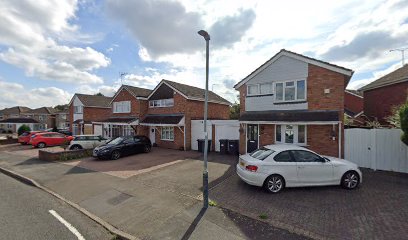
Westmorland Drive
18.2 km
Experience seamless travel in Nuneaton at the Westmorland Drive bus stop, your gateway to local attractions and vibrant community life.
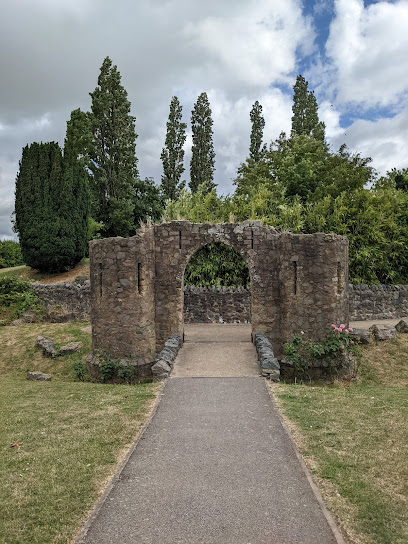
Earl Shilton Castle
20.0 km
Discover the Norman motte and bailey earthworks of Earl Shilton Castle, a historic hunting lodge and fortress near Leicester.
The Randolph Turpin Statue
22.9 km
Celebrate the legacy of British boxing champion Randolph Turpin with this striking bronze statue in Warwick’s historic Market Square.

King Lear
23.7 km
Explore Leicester’s legendary ties to King Lear, where Roman ruins and medieval myths converge in a captivating historical landmark.

The Newarke Houses Museum
28.4 km
Explore The Newarke Houses Museum in Leicester, where history comes alive through engaging exhibits and captivating stories from the past.

Leicester Castle
28.4 km
Explore Leicester Castle, a Norman fortress with Britain’s oldest timber Great Hall, steeped in medieval history and royal legacy.
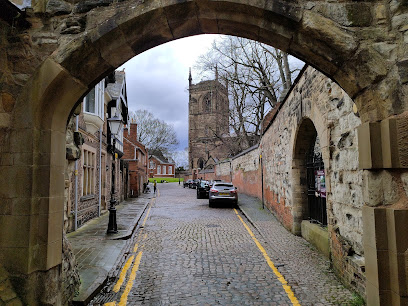
Leicester Roman West Gate site
28.5 km
Explore Leicester’s monumental Roman baths and the iconic Jewry Wall, a testament to ancient urban life and architecture.
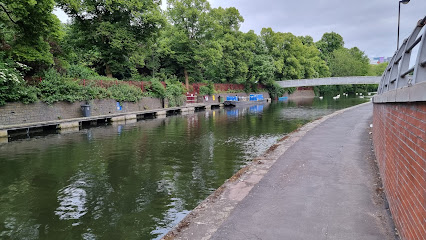
Welford Place
28.6 km
Explore the historic John Biggs statue at Welford Place, a Victorian landmark celebrating Leicester’s reformist legacy and civic pride.
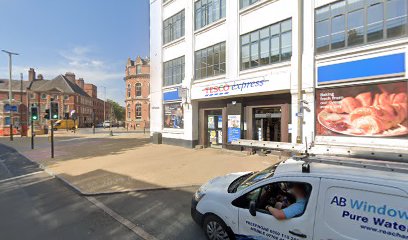
Jewry Wall & Roman Baths
28.7 km
Experience the grandeur of Roman Leicester at Jewry Wall & Roman Baths, a captivating historical landmark filled with stories of the past.
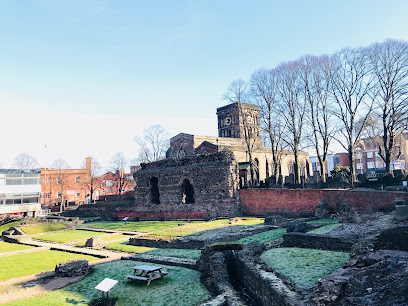
King Richard III Visitor Centre
28.7 km
Explore the rich history of King Richard III at the Visitor Centre in Leicester, where past meets present in an engaging and interactive environment.
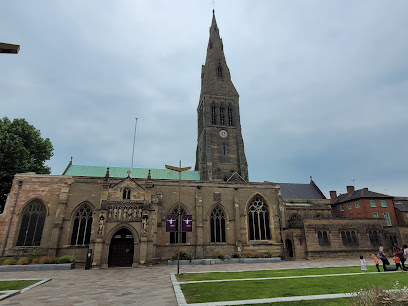
The Guildhall Museum
28.8 km
Explore The Guildhall Museum in Leicester, a historic landmark showcasing the city's rich cultural heritage through fascinating exhibits and stunning architecture.

23 St.Nicholas Pl
28.8 km
Leicester's oldest place of worship, where Roman foundations meet medieval splendour and 1,100 years of history.
Unmissable attractions to see

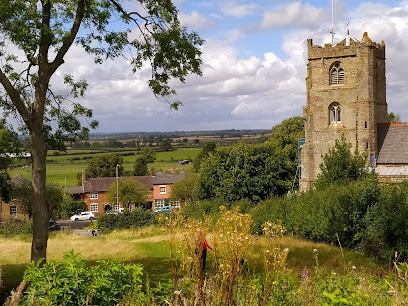
Brinklow Castle
3.3 km
Explore Brinklow Castle’s majestic Norman earthworks atop an ancient mound commanding the historic Fosse Way in Warwickshire.
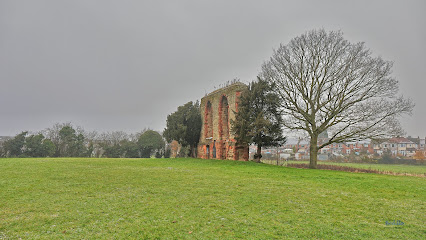
Caludon Castle Park
9.5 km
Explore medieval castle ruins and vibrant recreational zones in Coventry’s historic and family-friendly Caludon Castle Park.
Flight Simulators Midlands
11.3 km
Experience the thrill of flying with authentic Boeing 747 and other flight simulators at Coventry Aeroplane Club’s premier aviation hub.

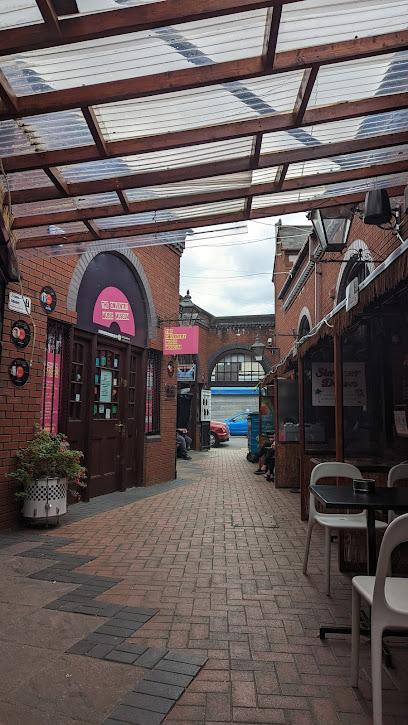
2-Tone Village
11.6 km
Explore Coventry’s iconic 2-Tone Village, a vibrant museum, café, and live music venue celebrating the city’s legendary ska heritage.
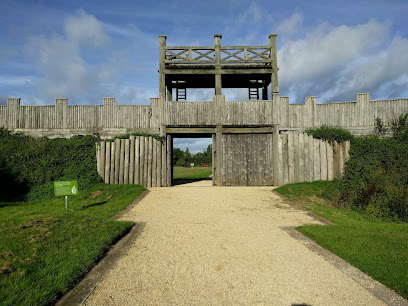
Lunt Roman Fort
12.7 km
Step back to AD 60 at Lunt Roman Fort, a unique reconstructed Roman cavalry base near Coventry with immersive history and living reenactments.
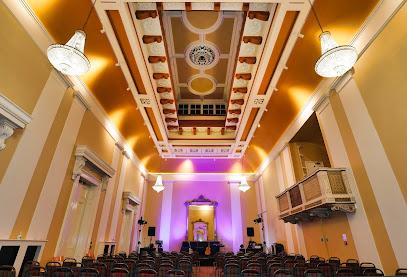
Drapers' Hall
13.1 km
Experience the rhythmic soul of Coventry at Drapers' Hall, a historic concert hall celebrated for its vibrant live music and stunning architecture.
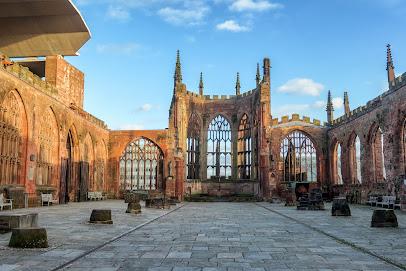
Coventry Cathedral
13.1 km
Where medieval ruins meet modern art—a powerful symbol of war’s cost and the enduring hope for peace and reconciliation.
St Mary's Guildhall
13.2 km
Explore Coventry’s medieval jewel where kings ruled, queens were imprisoned, and history lives through stunning tapestries and grand halls.
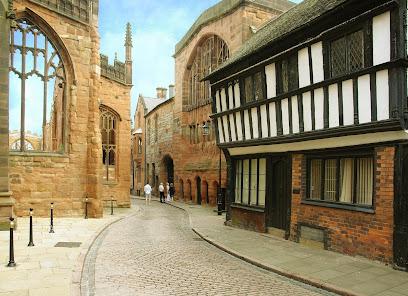
Lady Herbert's Gardens
13.2 km
A serene city-centre garden blending medieval heritage with floral beauty, created as a heartfelt memorial in 1930s Coventry.
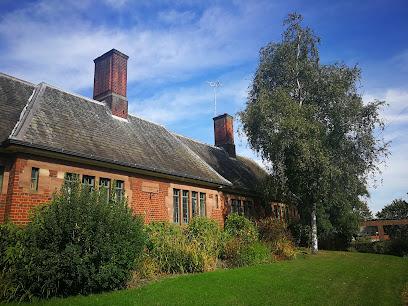
Golden Cross
13.2 km
Discover the Golden Cross in Coventry, a charming pub offering a delightful gluten-free dining experience and a vibrant atmosphere for all visitors.
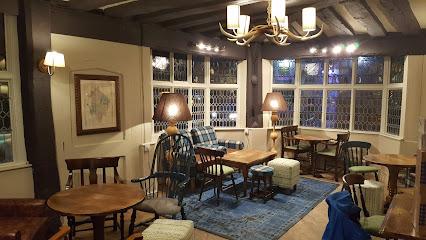
Priory Visitor Centre
13.2 km
Explore Coventry’s medieval roots and the beautifully preserved priory Undercrofts at this vibrant city centre heritage hub.
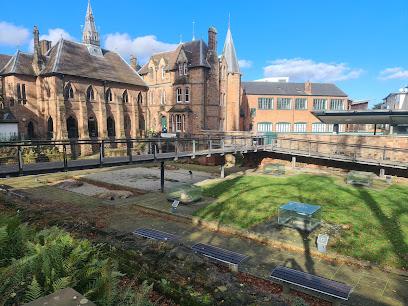
Holy Trinity Coventry
13.3 km
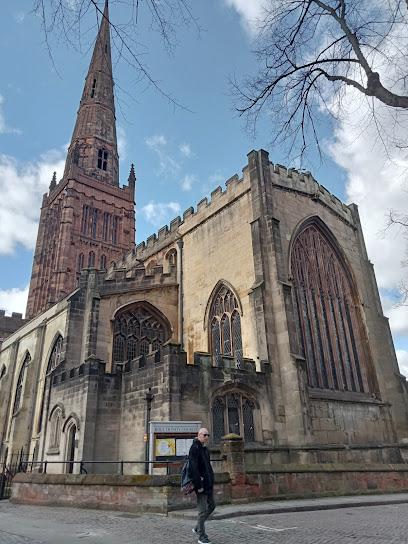
Discover Coventry’s medieval marvel with its soaring spire, stunning Doom painting, and rich history preserved through centuries.
New Buildings
13.3 km
Discover Coventry’s New Buildings area, where modern architecture meets rich heritage in England’s vibrant West Midlands city.
Millennium Place
13.3 km
Explore Coventry’s rich automotive heritage and marvel at record-breaking vehicles in a vibrant city-centre museum at Millennium Place.
Coventry Transport Museum
13.3 km
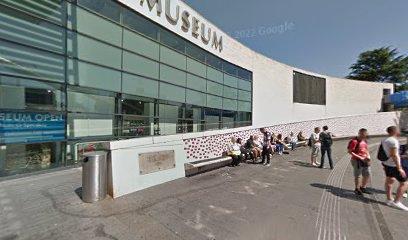
Explore the world’s largest public collection of British vehicles and experience Coventry’s rich transport heritage up close.

Essential places to dine

The White Swan
7.8 km
A historic 17th-century pub transformed into a bright, modern British fine dining restaurant with a welcoming, refined atmosphere in Shawell.
The Stag at Offchurch
16.4 km
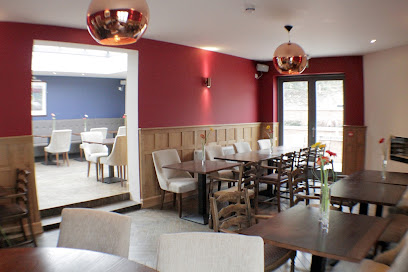
Historic 16th-century thatched pub offering refined British and European dining in the scenic village of Offchurch near Leamington Spa.
The Cross
18.8 km
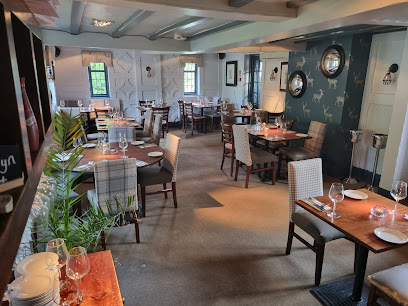
Michelin-starred fine dining in a historic Kenilworth inn, blending classic British flavors with modern elegance and local ingredients.
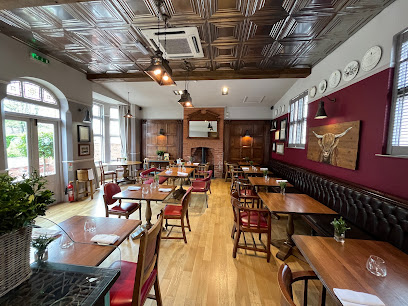
Hayashi Japanese Restaurant
19.0 km
Authentic Japanese flavors served fresh in a family-friendly, modern setting at the heart of Leamington Spa.
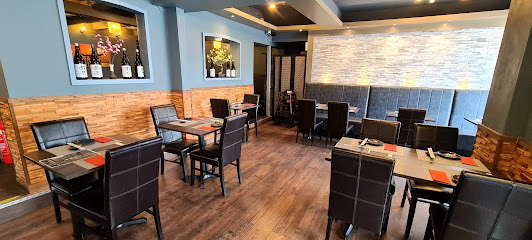
Oscars French Steakhouse and Bistro
19.1 km
Experience authentic French bistro charm and superb British steaks in the heart of Leamington Spa at Oscars French Steakhouse and Bistro.
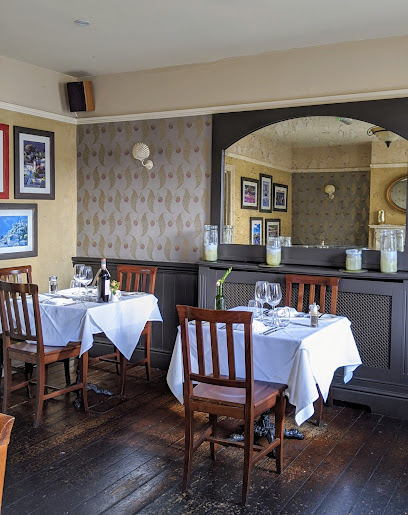
La Coppola Ristorante & Oyster Bar
19.2 km
Authentic Italian and seafood dining in an elegant, welcoming setting at the heart of Leamington Spa’s Parade.
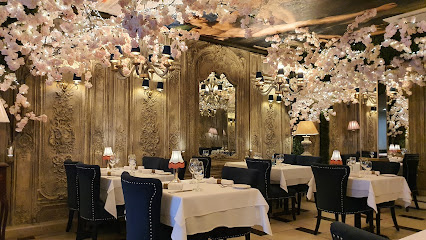
Villa Capri Ristorante Italiano & Cocktail Lounge
19.2 km
Experience authentic Italian cuisine and crafted cocktails in a vibrant Capri-inspired setting in the heart of Leamington Spa.
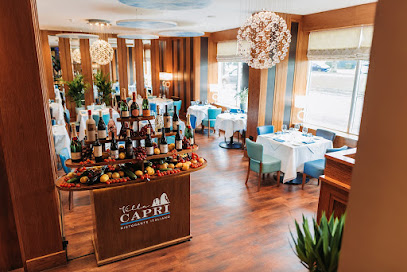
Giggling Squid - Leamington Spa
19.3 km
Experience vibrant Thai flavors and stylish sharing plates in the heart of Leamington Spa’s Royal Priors Shopping Centre.
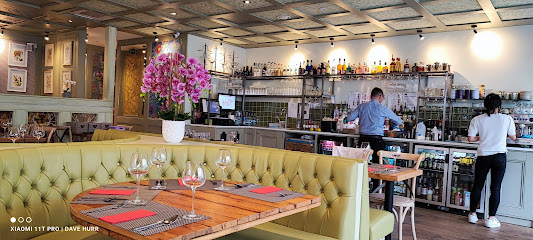
Côte Leamington Spa
19.3 km
Experience modern French cuisine and warm brasserie charm in the heart of Leamington Spa’s historic town centre.
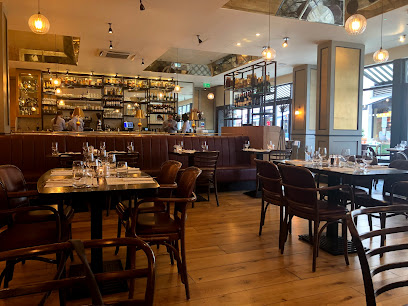
Habano Restaurant & Wine Bar
19.3 km
A vibrant Pan-Latin dining experience with fresh Cuban and Spanish flavors, friendly service, and a lively wine bar in the heart of Leamington Spa.
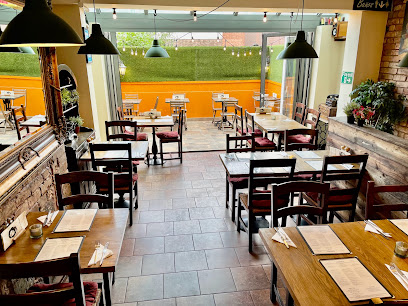
Eleven
19.5 km
An intimate, family-run French bistro in Leamington Spa offering classic dishes and warm hospitality in a cozy setting.
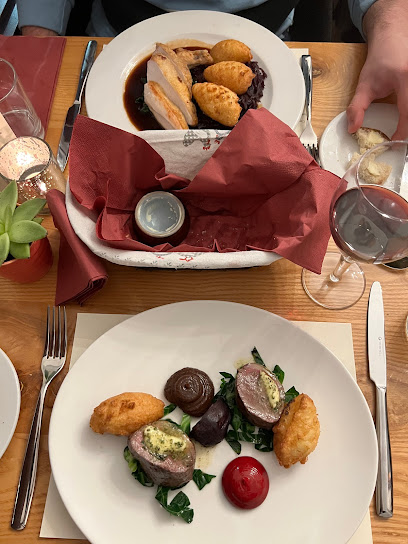
The Star & Garter
19.6 km
A stylish gastropub in Leamington Spa blending traditional charm with modern dining and lively social vibes.
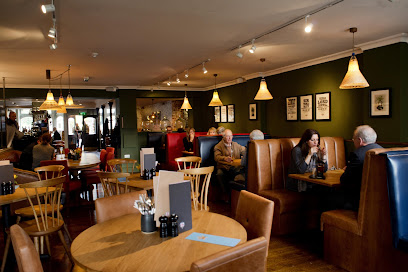
Fourwards Restaurant
20.0 km
A family-run British restaurant in Earl Shilton blending classic flavors with modern creativity in a warm, welcoming atmosphere.
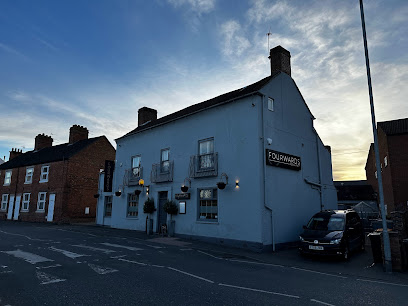
Oak Room Restaurant
20.3 km
Award-winning fine dining in a historic 17th-century manor with classic British dishes, flambé specialties, and a warm, intimate atmosphere.
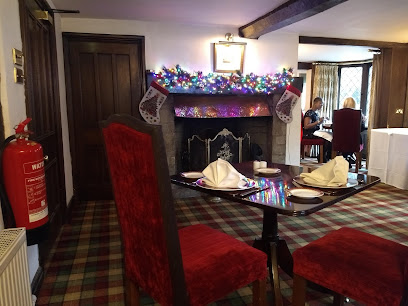
The Moorings at Myton
20.6 km
A charming canal-side gastropub in Royal Leamington Spa, serving locally sourced English classics in a family- and dog-friendly setting.
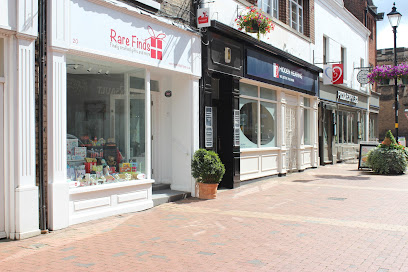
Markets, malls and hidden boutiques

Rare Finds Gift Shop
4.7 km
Curated gifts and one-of-a-kind treasures on Rugby's High Street.
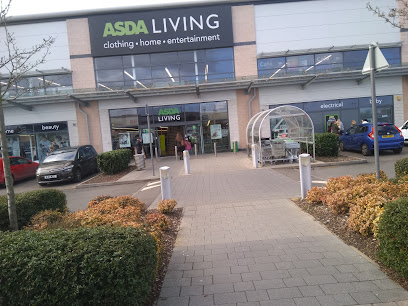
Warwickshire Shopping Park
8.1 km
Coventry's diverse shopping destination with major retailers, dining, and modern amenities.
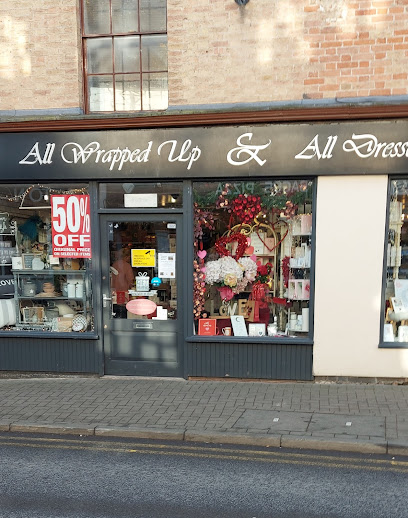
All Dressed Up Leicester
9.9 km
Leicester's independent gift shop where thoughtful curation meets personalized service on Church Street.
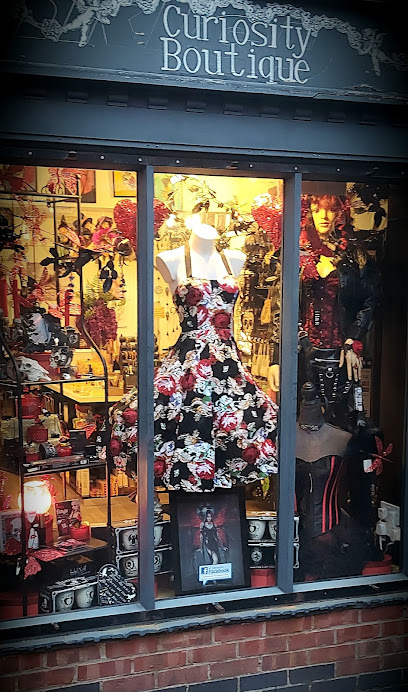
Curiosity Boutique Gothic , crystal & Holistic Shop.
16.3 km
Explore gothic elegance and holistic treasures at Hinckley’s Curiosity Boutique, your gateway to crystals, metaphysical supplies, and unique fashion.
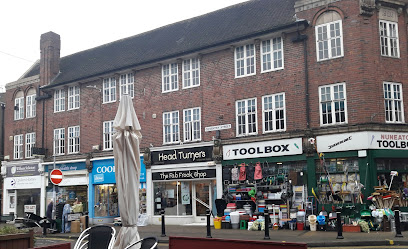
Daisy B's Boutique
17.2 km
Discover unique fashion pieces at Daisy B's Boutique in Southam, a must-visit destination for ladies' clothing and personalized service.

Ropewalk Shopping Centre
17.2 km
A vibrant, accessible shopping hub in Nuneaton offering diverse stores, eateries, and community events in a modern indoor setting.
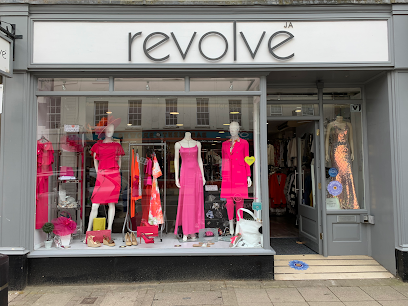
Revolve
19.1 km
Discover exclusive ladies’ fashion and wedding wear with personalized service at Revolve, Leamington Spa’s stylish boutique on Warwick Street.
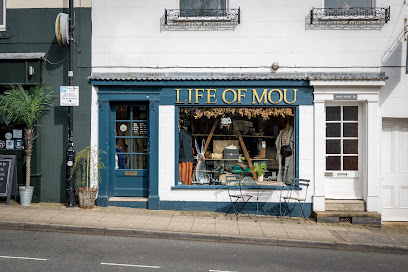
Life of Mou
19.2 km
Discover Life of Mou, a warm and curated slow fashion boutique blending vintage charm and sustainable style in Leamington Spa.
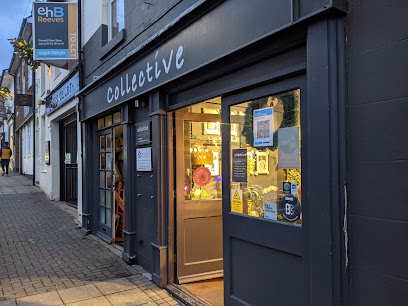
Collective Home Store
19.2 km
Discover unique home and lifestyle accessories in Leamington Spa’s eclectic Collective Home Store, where style meets quality and quirkiness.
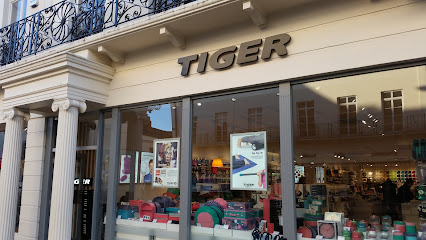
Flying Tiger Copenhagen
19.2 km
Discover quirky gifts, creative homewares, and joyful party supplies at Flying Tiger Copenhagen in Leamington Spa’s vibrant town centre.
Royal Priors Shopping Centre
19.2 km
Leamington Spa’s premier indoor shopping centre with spacious malls, diverse stores, and convenient access in the town’s historic heart.
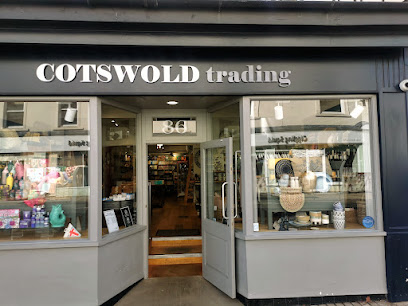
Cotswold Trading - Leamington Spa
19.3 km
Discover stylish homewares and unique gifts at Cotswold Trading, Leamington Spa’s award-winning destination for curated, quirky collections.
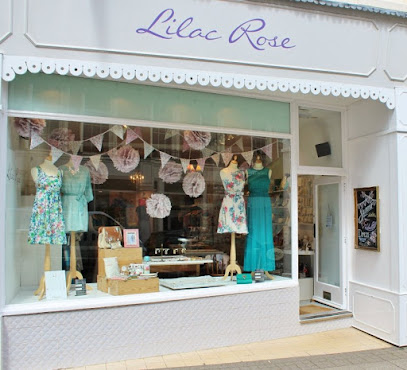
Lilac Rose
19.4 km
Discover unique British fashion and accessories at Lilac Rose, Leamington Spa’s vibrant independent boutique with a curated, colourful collection.
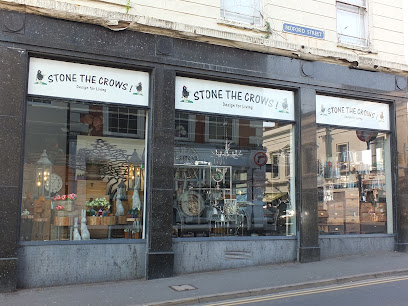
Stone The Crows
19.4 km
Discover quirky gifts and stylish homeware at Stone The Crows, a beloved Leamington Spa boutique known for unique finds and excellent service.
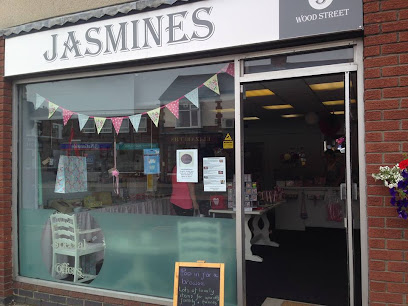
Jasmine's Gifts
19.6 km
Discover unique handmade treasures and local artisan gifts at Jasmine's Gifts in Earl Shilton, where community spirit meets charming craftsmanship.
Essential bars & hidden hideouts

Terrace Bar
16.9 km
A vibrant campus cocktail bar with scenic Piazza views, live music, and student events at the heart of University of Warwick nightlife.

The Clarendon Leamington Spa
19.0 km
Lively sports bar and pub in Leamington Spa with live games, craft beers, great food, and a welcoming atmosphere for all.
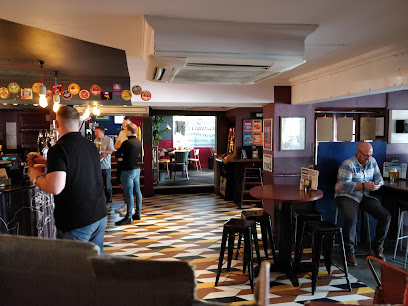
The Royal Pug
19.2 km
A lively and welcoming pub in Leamington Spa with great food, drinks, live entertainment, and a charming garden setting.
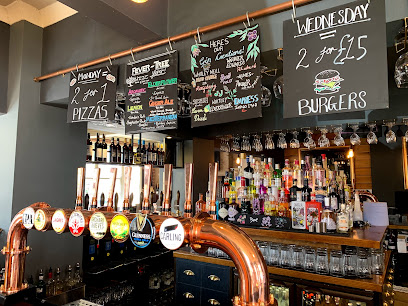
The Drawing Board
19.2 km
Eclectic gastropub with vintage comics, gourmet bar food, and award-winning craft beers in the heart of Leamington Spa.
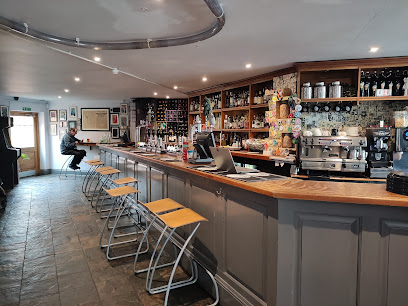
The White Horse
19.3 km
A charming blend of historic character and modern comfort, The White Horse offers classic British pub fare and a lively atmosphere in the heart of Leamington Spa.
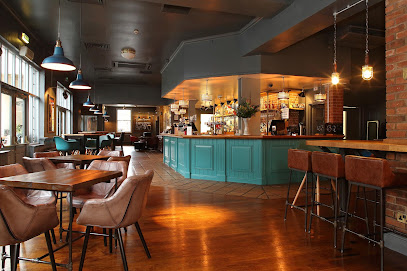
Bedford Street Bar
19.3 km
Lively grill and bar venue in Leamington Spa offering live jazz, classic British dishes, and a vibrant social atmosphere with heated outdoor seating.
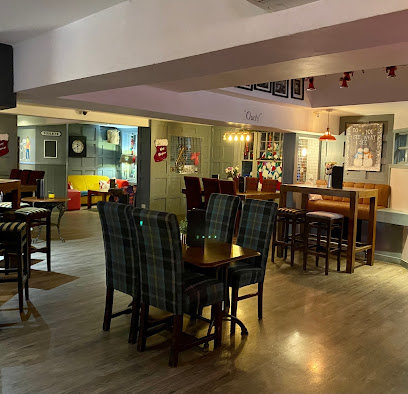
Fizzy Moon Brewhouse & Grill
19.5 km
Eclectic brewhouse and grill in Leamington Spa offering craft beers, hearty pub fare, and a uniquely stylish atmosphere.
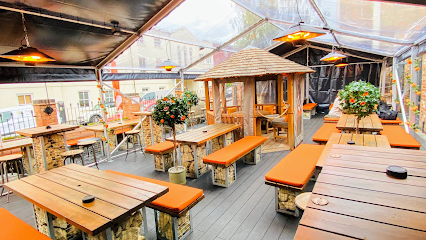
The Boiler Room
19.5 km
An independent, quirky craft beer bar in Leamington Spa with artisan ales, lively music, and a cozy, intimate vibe.

The Micro Pug
19.7 km
A lively canal-side pub and coffee spot in Leamington Spa, blending great drinks, fresh food, and a buzzing social scene with scenic waterside charm.
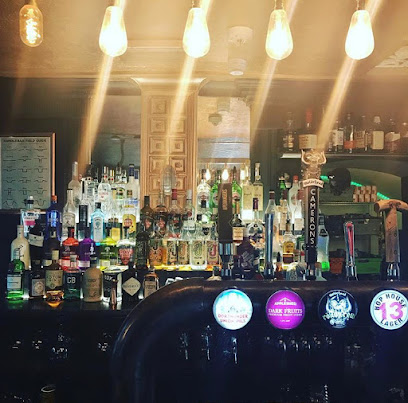
The Fat Pug
19.9 km
Quirky and welcoming gastro pub in Leamington Spa serving hearty British dishes and lively drinks in a vibrant, eclectic setting.
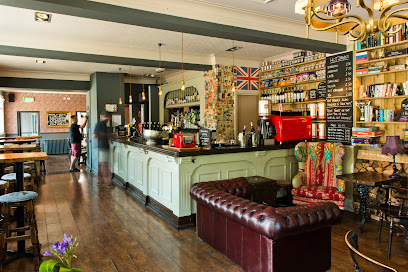
Royal Horse
21.0 km
A vibrant, family-friendly pub in Royal Leamington Spa offering hearty British fare, lively events, and warm hospitality since 2013.
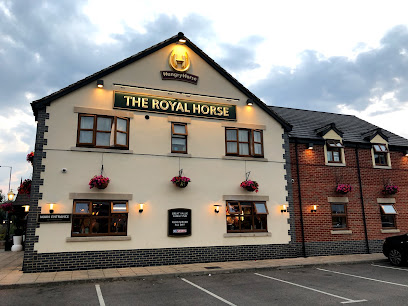
The Black Pug
22.0 km
A historic Tudor pub in Warwick offering quirky charm, great drinks, dog-friendly warmth, and a lively beer garden atmosphere.
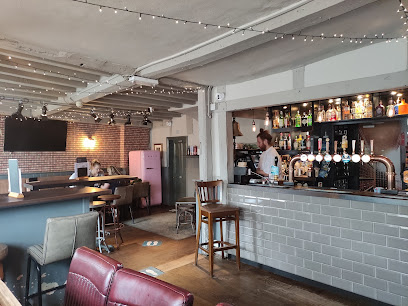
The Wild Boar
22.0 km
A cozy Warwick pub blending traditional charm, hearty British fare, and well-kept real ales in a welcoming atmosphere.
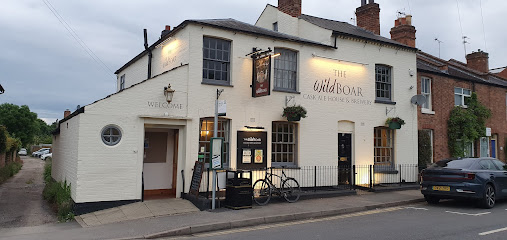
The Leopard Inn - Bishops Tachbrook
22.6 km
A classic British pub in Bishops Tachbrook offering hearty meals, excellent real ales, and a warm, welcoming atmosphere near Leamington Spa.
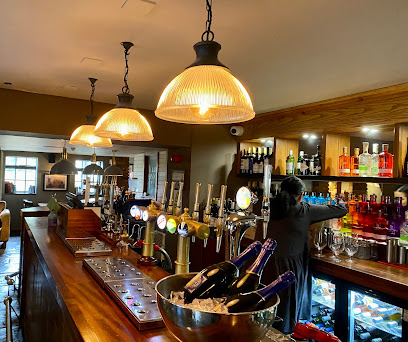
Ronnie's of Warwick
22.7 km
Eclectic bar in Warwick blending retro style, live music, and a vibrant atmosphere with a welcoming garden space.
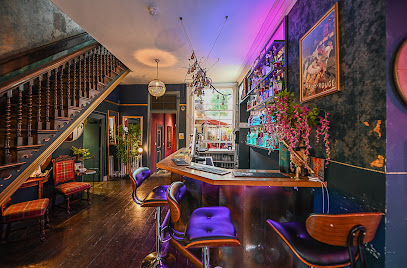
Nightclubs & after hour spots

Smack
19.2 km
Leamington Spa’s energetic and affordable two-floor nightclub with a storied past and a lively, if sometimes challenging, atmosphere.
Altoria Nightclub
19.3 km
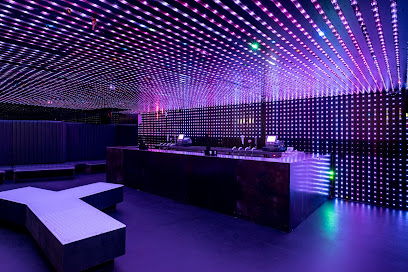
Experience Leamington Spa’s vibrant nightlife at Altoria Nightclub with diverse music floors, VIP service, and a unique rooftop terrace open till 3 am.
Neon
19.6 km
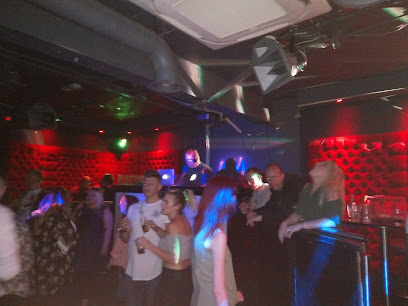
Leamington Spa’s largest nightclub, Neon delivers vibrant music, themed nights, and a dynamic party atmosphere every Friday until dawn.
The Cavern
22.6 km
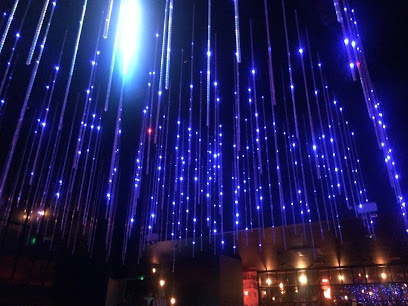
A vibrant night club in Warwick offering energetic music, lively dancing, and a social atmosphere for unforgettable nights out.
The 2Funky Lounge
28.3 km
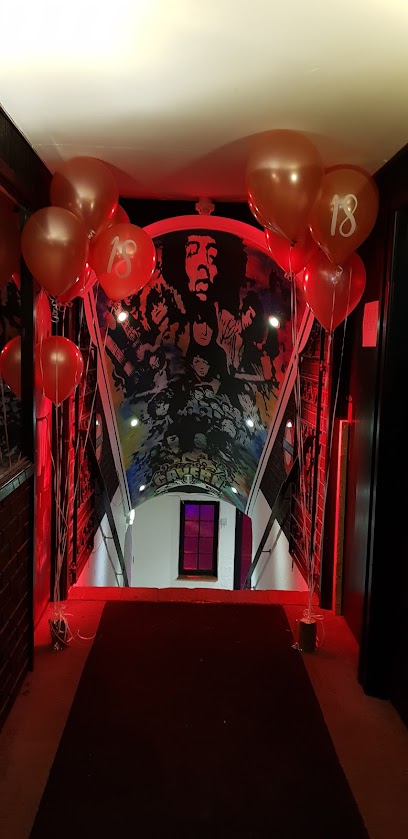
Leicester’s energetic two-floor nightclub with live music, private parties, and a rooftop terrace for unforgettable nights out.

The Basement
28.6 km
Leicester’s underground hotspot for late-night dancing, eclectic music, and unforgettable private events in a vintage-inspired setting.

TRUTH Leicester
28.7 km
Experience Leicester’s vibrant nightlife at TRUTH, a dynamic nightclub pulsing with music and energy in the city centre’s entertainment heart.

Mosh
28.7 km
Leicester’s vibrant three-floor alternative nightclub, buzzing with indie, emo, and metal beats and budget-friendly drinks.

Waikiki Nightclub
28.9 km
Experience Leicester’s electric nightlife with futuristic vibes, trendy cocktails, and top RnB beats at Waikiki Nightclub every weekend.

Helsinki
29.2 km
Leicester’s vibrant LGBTQ+ nightclub with electrifying drag shows, diverse music, and late-night celebrations in the heart of the city.

Club Republic
29.3 km
Experience Leicester’s ultimate clubbing hotspot with immersive audiovisuals, live gigs, and a vibrant student-friendly atmosphere.
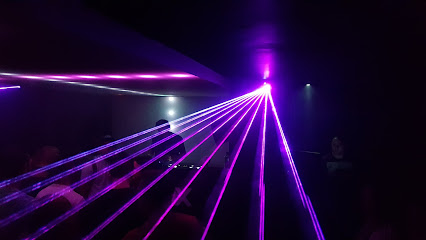
Motto Nightclub
29.4 km
Experience Leicester’s vibrant nightlife at Motto Nightclub, a dynamic venue where music, dancing, and late-night energy come alive.

The Fan Club
29.4 km
Leicester’s vibrant weekend nightclub with four rooms, diverse music, and a welcoming atmosphere for unforgettable nights out.
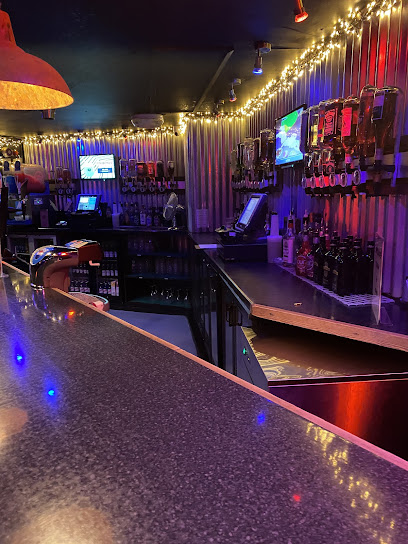
Corah Works
29.5 km
Experience Leicester’s rich textile heritage transformed into a vibrant nightlife hotspot at Corah Works on St John Street.

The Boston
33.4 km
Northampton’s welcoming LGBTQ+ nightclub and pub, The Boston offers lively music, themed nights, and a vibrant inclusive atmosphere.

For the vibe & atmosphere seeker
- Relaxing
- Tranquil
- Scenic
- Unique
- Casual
For the design and aesthetic lover
- Rustic Designs
- Colorful Aesthetics
For the architecture buff
- Historic
- Landmarks
- Parks & Gardens
For the view chaser and sunset hunter
- Iconic Views
- Panoramas
- Waterfront
- Sunset Spots
For the social media creator & influencer
- Instagrammable
- Photo Spots
- Selfie Spots
- Colorful Backdrops
For the eco-conscious traveler
- Eco-Friendly
- Low Impact
- Protected Area
- Public-Transport Accessible
- Locally Managed
- Wildlife Habitat
For the kind of experience you’re after
- Cultural Heritage
- Nature Escape
- Photowalk
- Day Trip
- Weekend Getaway
For how adventurous you want the journey to be
- Easy Access
Location Audience
- Family Friendly
- Senior Friendly
- Child Friendly
- Teen Friendly
- Wheelchair Access
- Pet Friendly
- Solo Friendly
- Couple Friendly
- Solo Female Friendly
- Vegetarian Friendly
- Vegan Friendly


