Arlington Row, The Cotswolds Travel Guide
Discover Arlington Row, Bibury’s iconic 14th-century cottages famed for timeless charm, historic wool trade roots, and picturesque Cotswold beauty.
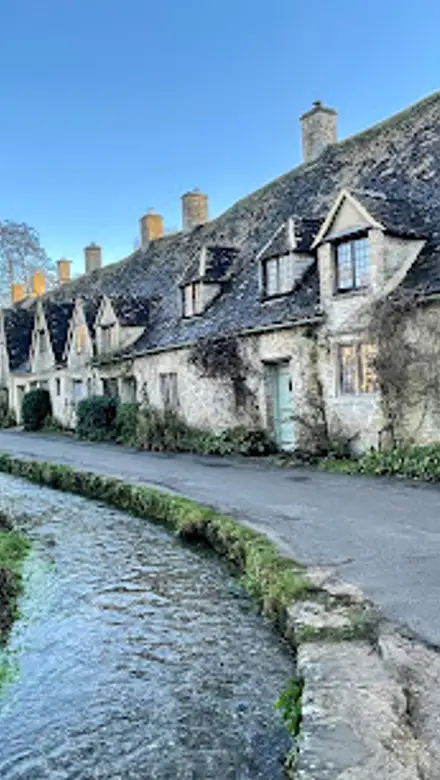
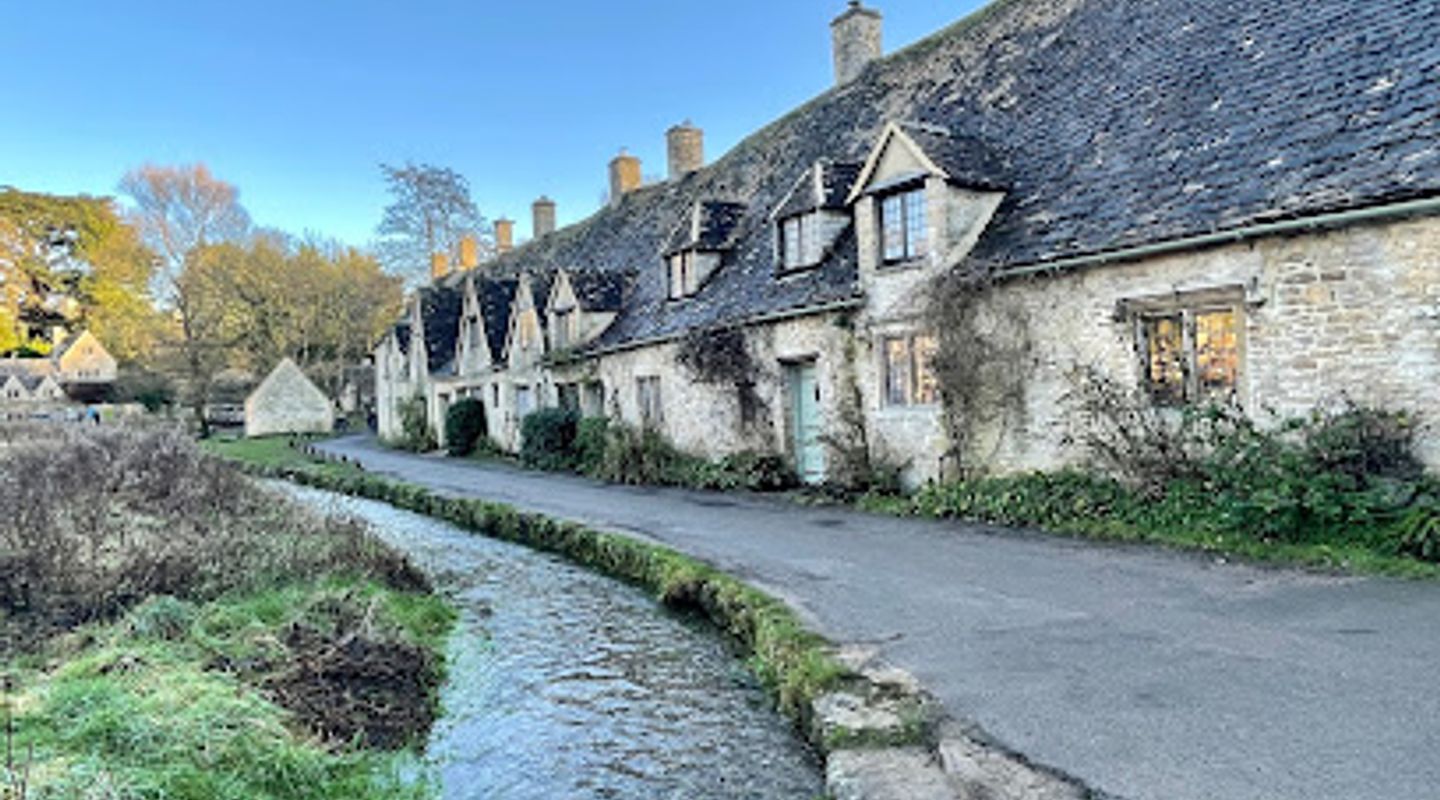
Arlington Row is a picturesque row of historic cottages in Bibury, Gloucestershire, built in 1380 as a monastic wool store and converted into weavers' cottages in the 17th century. Renowned for its honey-coloured limestone buildings with gabled cruck roofs, it is one of the most photographed scenes in the Cotswolds and a symbol of English rural heritage. Owned by the National Trust, the cottages remain private homes, with one available as a holiday let.
A brief summary to Arlington Row
- Awkward Hill, Cirencester, GL7 5NJ, GB
- Click to display
- Duration: 0.5 to 2 hours
- Budget
-
 Outdoor
- Mobile reception: 4 out of 5

Know before you go
Hi, I'm Eve. Here are a few practical things to know before exploring Arlington Row.
- Respect the privacy of residents; do not knock on doors or peer through windows as these are private homes.
- Visit early in the morning or late afternoon to avoid peak crowds and capture the best light for photography.
- Explore nearby Rack Isle meadow for scenic views of the cottages and the River Coln.
- Consider renting the holiday let cottage for a unique overnight experience in this historic setting.
Do you manage this location?
Take control to get all the benefits, like improved information, better appearance, and stronger visibility across AI-powered discovery. Learn more about listing your business on Evendo
Activate your presenceOther nearby places you may find interesting
The closest places of the same kind, if this one is not quite what you had in mind.
Explore Arlington Row on the Map
A handpicked selection of must-see spots near Arlington Row, mapped for you.
Unlock the Best of Arlington Row
Buy tickets
-
No tickets available
Book tours with entry


Getting There
-
Car
Driving from Cirencester to Arlington Row takes approximately 25-35 minutes via the A429 and B4425. Limited roadside parking is available near the cottages, but it fills quickly during peak times. Parking fees may apply in nearby village car parks, typically £3-£5 for a day.
-
Bus
Bus services from Cirencester to Bibury run several times daily, with journey times around 40-50 minutes. From the village center, Arlington Row is a 10-minute walk. Bus fares range from £5 to £8 one way. Services are less frequent on weekends.
-
Train and Taxi
The nearest train station is Kemble, about 20 km from Bibury. From Kemble, a taxi ride to Arlington Row takes around 25 minutes and costs approximately £35-£45. Train services connect Kemble with London and regional hubs.
-
Walking
For active travelers, walking from Bibury village center to Arlington Row is a gentle 10-15 minute stroll over mostly flat terrain, suitable for most fitness levels and accessible with some care.
For the on-the-go comforts that matter to you
-
 Restrooms
-
 Food Options
-
 Seating Areas
-
 Trash Bins
-
 Information Boards
Discover more about Arlington Row
Medieval Origins and Wool Trade Legacy
Arlington Row’s story begins in the late 14th century when it was constructed as a monastic wool storehouse by the monks of Osney Abbey. This strategic location in Bibury, alongside the River Coln and the marshy meadow known as Rack Isle, was integral to the thriving medieval wool industry. Wool yarn was stored here before being sent to nearby Arlington Mill for degreasing, and subsequently hung out to dry on wooden racks across the meadow. In the 17th century, the buildings were transformed into cottages for weavers, reflecting Bibury’s prosperity as a centre for wool production during this era.Architectural Features and Conservation
The cottages are built from the famous honey-hued Cotswold limestone, featuring two storeys with steep gabled roofs supported by cruck frames and covered in slate. Their uneven, charmingly crooked lines and quaint windows framed by climbing ivy and floral displays create an iconic English village scene. Recognised for their architectural and historic significance, Arlington Row is a Grade I listed site. The Royal Society of Arts first preserved the cottages in 1929, and the National Trust undertook major restoration work in the 1970s to maintain their character for future generations.Global Recognition and Cultural Impact
Arlington Row has gained international fame, appearing on the inside cover of UK passports and attracting visitors worldwide. The Japanese Emperor Hirohito, during his 1921 European tour as a prince, famously described his stay in Bibury as one of the best times of his life, adding to the row’s mystique. American industrialist Henry Ford was so enchanted by Arlington Row that he attempted to purchase the cottages to relocate them to Michigan, though this plan never materialized. The cottages have also served as film locations, notably in the 2007 fantasy film "Stardust" and "Bridget Jones's Diary," further cementing their place in popular culture.Visitor Experience and Village Setting
Set on Awkward Hill, Arlington Row overlooks the tranquil River Coln and the lush Rack Isle meadow, offering a serene, postcard-perfect environment. Visitors can admire the cottages from the roadside or across the meadow, but it is important to respect that these are private homes. The surrounding village of Bibury, often described as one of England’s most beautiful, features other historic buildings, a medieval stone bridge, and the nearby 11th-century St Mary’s Church. The area invites leisurely strolls, photography, and soaking in quintessential Cotswold charm.Preservation and Modern Use
Today, Arlington Row remains under the stewardship of the National Trust, which leases the cottages to private tenants, preserving their residential use and historic integrity. One cottage is available as a holiday let, allowing visitors a rare opportunity to experience living in this iconic setting. The National Trust’s ongoing conservation efforts ensure that Arlington Row continues to embody the heritage and pastoral beauty of the Cotswolds, balancing tourism with preservation.Enduring Symbol of English Heritage
Arlington Row stands as a timeless emblem of England’s rural past, blending centuries of history, architecture, and cultural significance in a single, captivating scene. Its enduring appeal lies not only in its visual charm but also in its rich narrative of medieval industry, artistic inspiration, and global admiration. For visitors, Arlington Row offers a window into the Cotswold way of life and the enduring legacy of England’s wool trade heritage.












Your all‑in‑one travel companion app
Explore expert travel guides, compare and book tours, experiences, hotels, and more—all from the palm of your hand. Download now for seamless trip planning wherever your wanderlust takes you.


Explore More of The Cotswolds
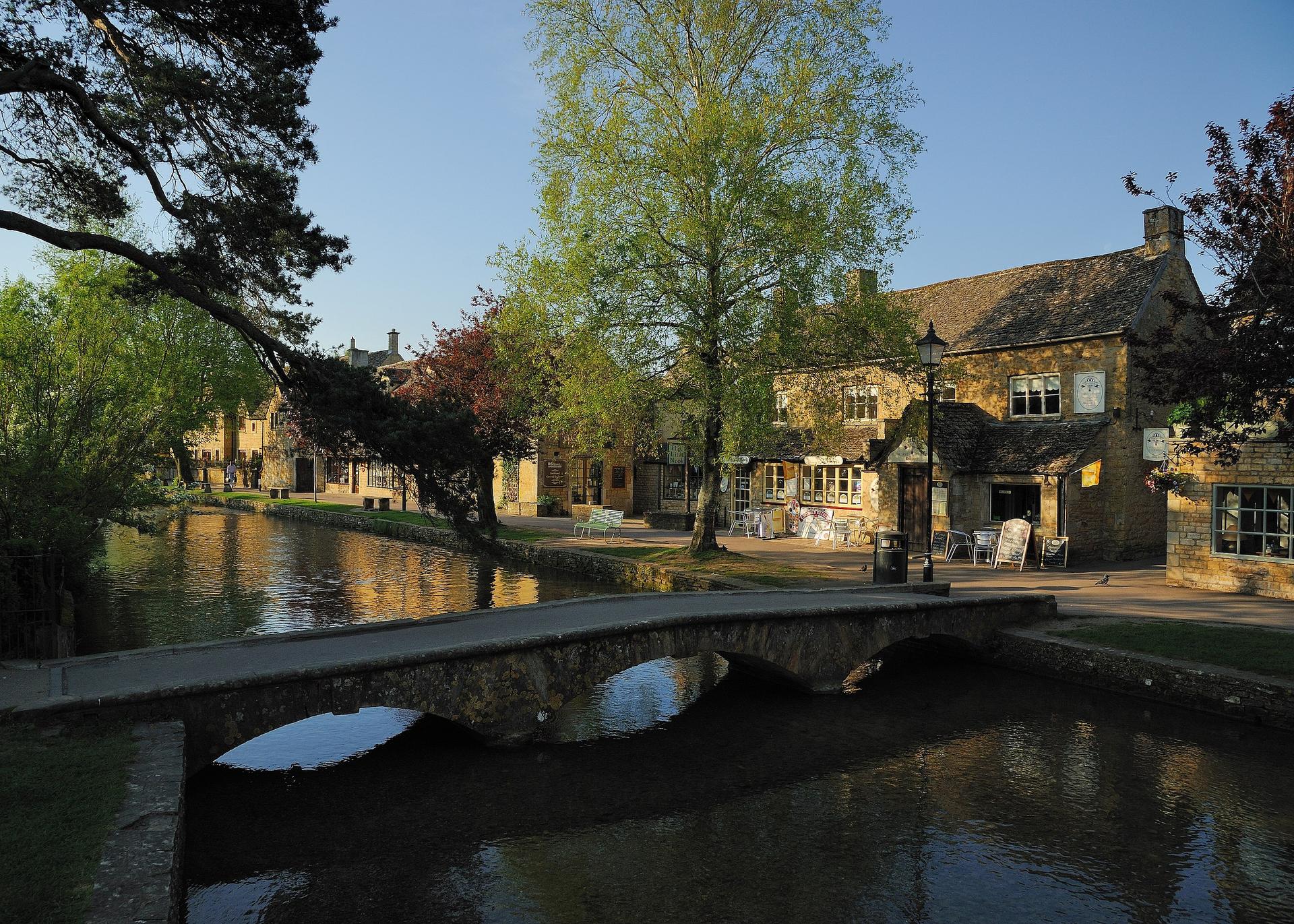
Looking beyond Arlington Row? Discover The Cotswolds for broader travel guides, local hot-spots, and regional highlights.
Explore The Cotswolds
Explore the Cotswolds’ rolling hills, honey-colored villages, and historic market towns in England’s largest Area of Outstanding Natural Beauty.
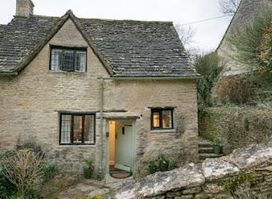
Discover Arlington Row, Bibury’s iconic 14th-century cottages, a timeless symbol of Cotswold heritage and England’s most photographed street.