
Bibury
England's most beautiful village, where honey-stone cottages meet the River Coln in timeless Cotswold charm.
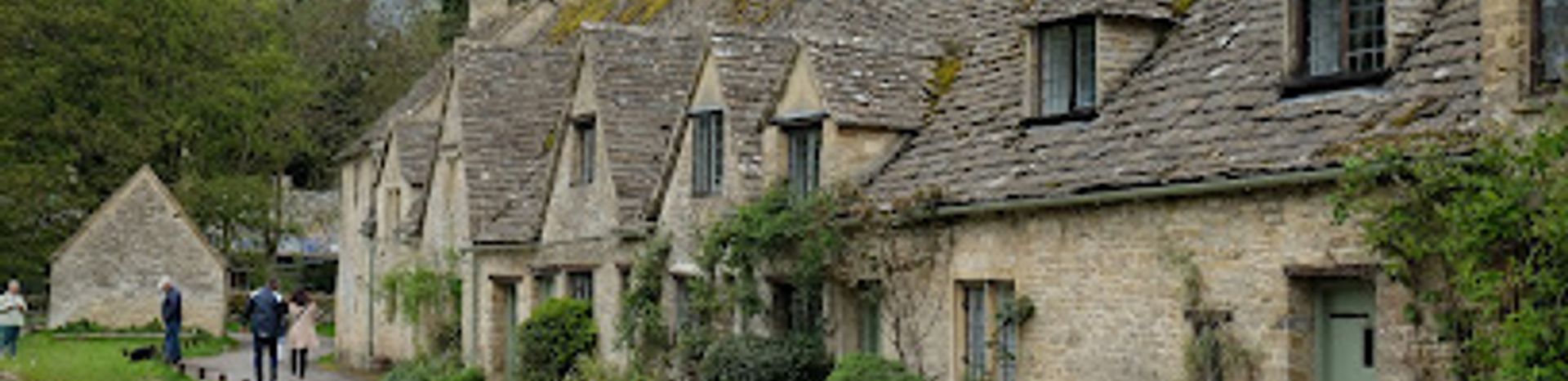
Bibury is a picturesque Cotswold village in Gloucestershire, England, renowned for Arlington Row—a stunning row of 17th-century weavers' cottages built of honey-colored stone that appear on British passports. Nestled on the banks of the River Coln, this charming settlement combines medieval heritage, working trout farms, and quintessential English countryside charm. William Morris famously called it 'the most beautiful village in England,' and it remains one of the Cotswolds' most visited and photographed destinations.
A brief summary to National Trust - Bibury
- Cirencester, Bibury, GL7 5NP, GB
- +441451844257
- Visit website
- Duration: 1.5 to 4 hours
- Free
-
 Outdoor
- Mobile reception: 4 out of 5
Local tips
- Arrive early in the morning or visit during off-season months to experience Arlington Row without crowds and capture photographs in optimal light.
- Respect the privacy of Arlington Row residents—the cottages are private homes and not open to public access. Admire the exterior architecture and reflections in the mill stream from public viewpoints.
- Combine your visit with a longer countryside walk—a 3-hour circular route connects Bibury to surrounding villages, avoiding parking challenges while revealing the broader Cotswold landscape.
- Visit the Bibury Trout Farm to understand the village's working heritage and sample locally-reared trout at The Catherine Wheel pub.
- Explore the Church of St Mary to see the 1927 Karl Parsons stained glass window and discover the village's Saxon ecclesiastical heritage.

For the on-the-go comforts that matter to you
- Restrooms
- Drink Options
- Drinking Water
- Food Options
- Seating Areas
- Sheltered Areas
- Picnic Areas
- Trash Bins
- Information Boards
Getting There
-
By Car from Cirencester
Bibury is located 7.5 miles northeast of Cirencester on the B4425 between Aldsworth and Barnsley, approximately 15 minutes' drive. Free off-road parking is available on The Street; a small chargeable car park operates opposite the Trout Farm (GL7 5NF), which offers free parking for Trout Farm visitors. Parking fills quickly during summer months and weekends—arriving early morning or visiting off-season is recommended.
-
By Public Bus from Cirencester
The Pulhams 855 bus service connects Bibury with Cirencester (approximately 30–40 minutes), Northleach, and Bourton-on-the-Water. Services operate Monday to Saturday; no Sunday services are available. Journey frequency varies seasonally, with reduced services during winter months.
-
By Train and Bus from Kemble Station
The nearest railway station is Kemble, approximately 12 miles south. From Kemble, take the Stagecoach 882 bus service to Cirencester (approximately 20–25 minutes), then transfer to the Pulhams 855 service to Bibury (approximately 30–40 minutes). Total journey time is typically 90–120 minutes depending on connection timing.
-
On Foot from Surrounding Villages
A 3-hour circular walking route connects Bibury to surrounding Cotswold villages, avoiding parking challenges entirely. A shorter 4-mile circular loop through Bibury Court Estate is also available. These routes traverse well-maintained footpaths through rolling countryside and offer immersive landscape experiences.
National Trust - Bibury location weather suitability
-
 Any Weather
-
 Clear Skies
-
 Mild Temperatures
Discover more about National Trust - Bibury
A Village Steeped in Medieval Heritage
Bibury's story stretches back over a thousand years. The Domesday Book of 1086 records the settlement as 'Becheberie,' when its lands and church were held by St Mary's Priory in Worcester. In 1130, ownership passed to Osney Abbey near Oxford, which retained control until the Dissolution of the Monasteries in 1540. This monastic heritage shaped the village's character profoundly. The iconic Arlington Row cottages, originally constructed around 1380, were built as wool stores for monks from the abbey before being converted into weavers' cottages in the 17th century. Archaeological evidence reveals the area's Roman past as well—a villa was discovered in 1880, yielding pottery, coins, and fragments of tessellated pavements that speak to centuries of continuous habitation.The Iconic Arlington Row and Conservation Legacy
Arlington Row stands as the village's crowning jewel and one of England's most photographed architectural ensembles. This row of honey-colored Cotswold stone cottages, draped with climbing flowers and ivy, has achieved iconic status—appearing on the inside cover of British passports and featured in Mini-Europe in Brussels. The cottages are now owned by the National Trust and remain private residences, though two serve as holiday lets. The row's architectural integrity is protected within a conservation area, preserving its 17th-century character with traditional latticed windows and period details. Visitors cannot enter the cottages or their gardens, but the exterior views from multiple angles—particularly reflected in the adjacent mill stream—create some of the most memorable vistas in the English countryside. The village's three medieval clusters are interspersed with substantial grass areas, creating a landscape that feels both intimate and spacious.The Living Landscape: River, Meadow, and Working Farm
The River Coln flows through Bibury's heart, sandwiched between the main village street and Rack Isle, a boggy water meadow of ecological importance. This waterway, a tributary of the Thames rising in the Cotswolds, has sustained human activity for centuries. In 1902, naturalist Arthur Severn established the Bibury Trout Farm, which continues as a working enterprise spawning up to six million trout ova annually to stock local rivers and streams with native brown trout. The farm represents a living connection to the village's agricultural past and remains a functional part of the community. The landscape itself tells a story of careful stewardship—the valley floor ranges from 98 to 108 metres above sea level, while the parish stretches northward to rolling, elevated terrain including the outlying settlement of Ablington. A footbridge connects both sides of the river, with numerous footpaths radiating outward through the surrounding countryside.Architectural Character and Village Layout
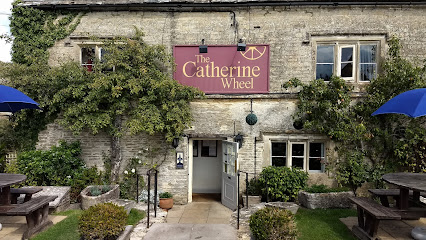
Bibury's built environment reflects centuries of organic development. The village proper, situated on the east bank of the Coln, comprises approximately 40 homes and businesses, including two prominent hotels. The Church of St Mary, a Saxon foundation, contains a stained glass window designed by Karl Parsons in 1927 that was featured on Royal Mail Christmas stamps in 1992. The Catherine Wheel, a 15th-century family-run pub, anchors the village centre with its separate bar and restaurant areas. Most buildings fall within the Bibury conservation area, which enforces strict guidelines to maintain the village's historic appearance. The architecture is predominantly Cotswold stone construction, characteristic of the region's vernacular building traditions, with period features including traditional windows and period-appropriate materials.Visitor Experience and Accessibility
Bibury welcomes thousands of international visitors annually, drawn by its reputation as one of England's most beautiful villages. The village offers level tarmac routes for walking in front of Arlington Row and around Rack Isle, though some footpaths narrow in places and include a small bridge crossing the mill stream. Free parking is available on The Street and opposite the Trout Farm, though spaces fill quickly during peak seasons and weekends. The village supports several accommodation options, including the Swan Hotel and The Catherine Wheel pub, alongside numerous holiday cottage rentals. Tea houses and restaurants serve both locals and visitors, offering traditional fare and locally sourced ingredients. Dogs are welcome on leads throughout the village.Iconic landmarks you can’t miss

Things To Do In The Cotswolds
6.5 km
Explore the enchanting Cotswolds, where rolling hills, charming villages, and rich history create the perfect getaway for travelers seeking beauty and adventure.

Cotswold Trails
6.5 km
Experience the breathtaking beauty and rich heritage of the Cotswolds with Cotswold Trails, where every journey is an adventure.
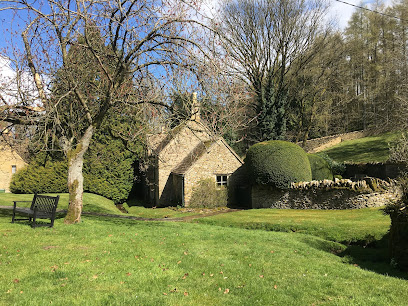
Whittington Court
17.3 km
Explore the enchanting Whittington Court, a historical landmark in Cheltenham, offering stunning architecture and serene gardens perfect for a leisurely visit.
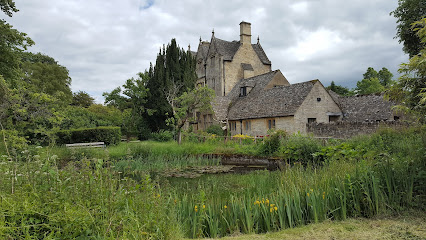
Groundwell Ridge Roman Site
17.4 km
Explore the Groundwell Ridge Roman Site, a captivating historical landmark in Swindon, where ancient ruins reveal the rich tapestry of Roman life in Britain.
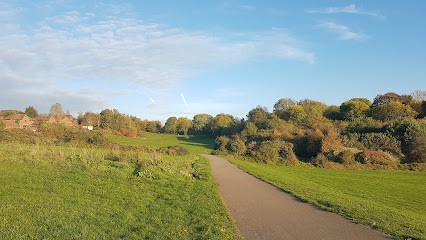
The Garden at Miserden
17.7 km
Discover the serene beauty of The Garden at Miserden, a stunning oasis in the Cotswolds perfect for nature lovers and relaxation seekers.
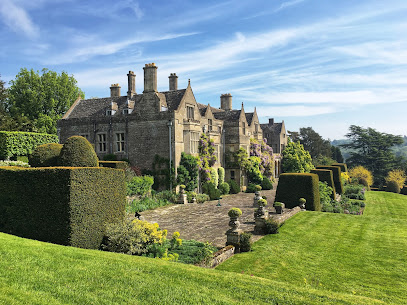
Siccaridge Wood
18.0 km
Explore Siccaridge Wood: A serene nature reserve near Cirencester, offering beautiful trails and diverse wildlife for nature lovers.
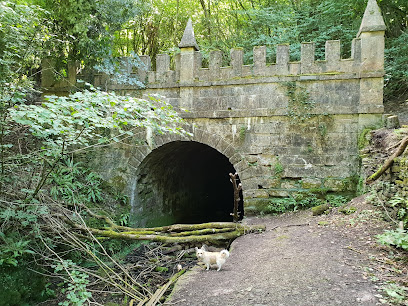
Barber wood
19.5 km
Experience the tranquility of Barber Wood, a nature reserve near Cheltenham, perfect for families and nature lovers seeking a peaceful outdoor escape.
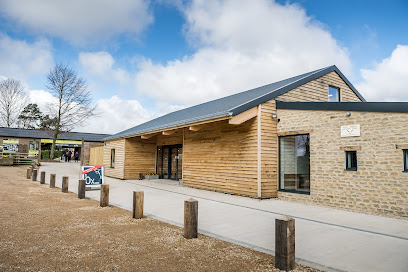
Cotswold Farm Park
19.9 km
Discover the enchanting Cotswold Farm Park, where children can explore a world of animals, play, and enjoy delicious local food in the stunning English countryside.
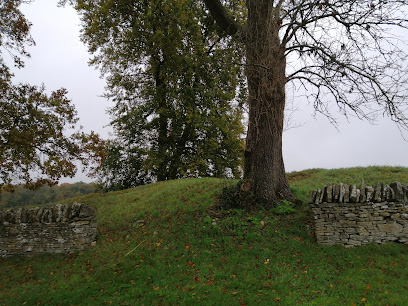
Rodmarton Long Barrow
20.4 km
Uncover the ancient secrets of Rodmarton Long Barrow, a Neolithic burial site that invites you to journey through time in the heart of the English countryside.
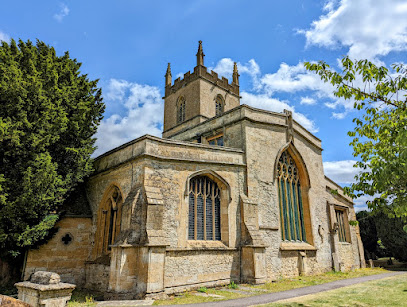
St Edward's Church
20.5 km
Explore St Edward's Church in Stow-on-the-Wold, a historic gem steeped in rich heritage and stunning architecture, perfect for culture enthusiasts.
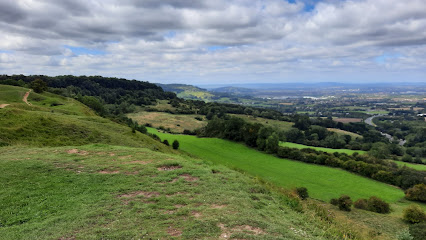
Cotswold Way
20.6 km
Discover the breathtaking landscapes and charming villages along the Cotswold Way, a premier hiking trail in England's stunning Cotswolds region.
Undiscovered Cotswolds
21.0 km
Discover the natural beauty and rich history of the Undiscovered Cotswolds, a unique tourist destination perfect for your next adventure.
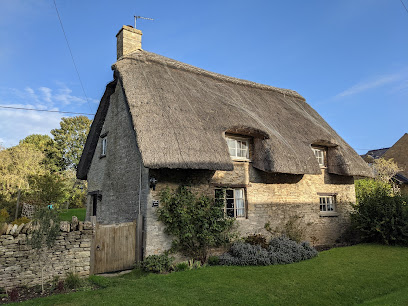
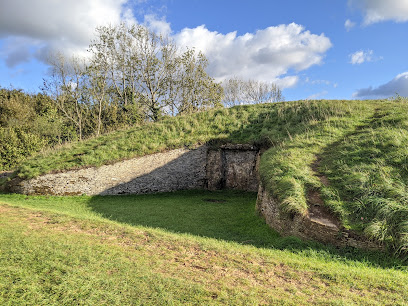
Belas Knap Long Barrow
21.0 km
A 5,000-year-old Neolithic mystery carved in stone, where ancient rituals and timeless Cotswolds views converge.
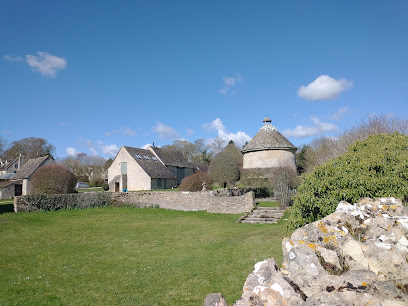
Minster Lovell Hall and Dovecote
21.4 km
Explore the enchanting ruins of Minster Lovell Hall and Dovecote, a historical gem in the Cotswolds offering picturesque views and rich heritage.
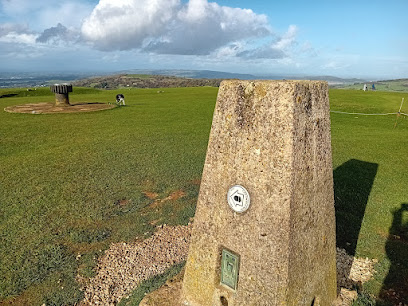
Cleeve Hill
21.4 km
Explore Cleeve Hill, the highest peak in the Cotswolds, offering breathtaking views, enchanting trails, and a rich tapestry of wildlife.
Unmissable attractions to see

9 Arlington Row
0.0 km
Discover Arlington Row, Bibury’s iconic 14th-century weavers’ cottages, a timeless symbol of England’s wool trade heritage and scenic charm.
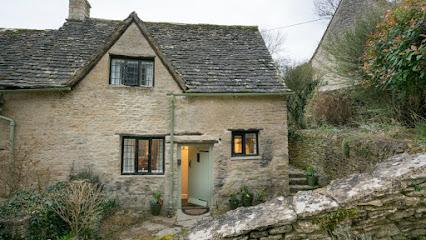
Arlington Row
0.0 km
Discover Arlington Row’s timeless medieval cottages and serene Cotswold landscape, a quintessential English village scene steeped in history and charm.
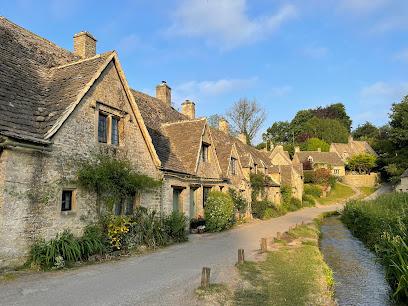
Bridge and footpath to Arlington Row
0.1 km
Timeless 14th-century weavers' cottages beside the River Coln, embodying the charm and history of the Cotswolds’ wool trade heritage.
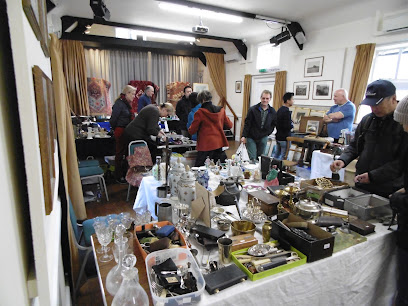
Bibury Antiques Fair
0.2 km
Discover timeless treasures and local charm at Bibury Antiques Fair, a monthly gathering of collectors and dealers in the heart of the Cotswolds.
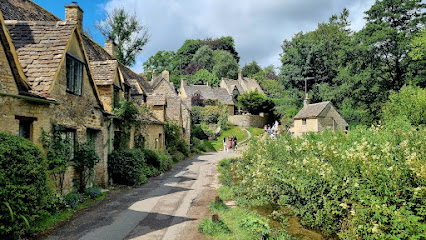
Bibury
0.3 km
Discover Bibury, the enchanting Cotswold village famed for its historic Arlington Row, tranquil river, and timeless English charm.
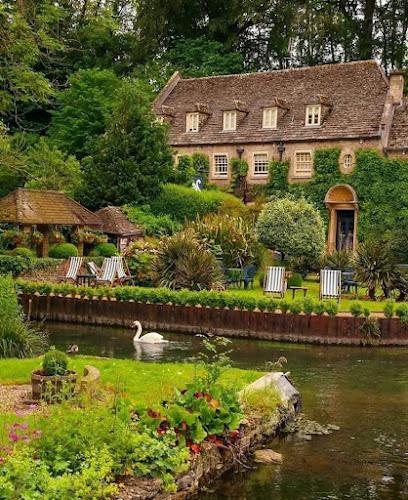
Bibury Village
0.3 km
Discover Bibury, the enchanting Cotswold village famed for its historic Arlington Row cottages and serene riverside charm.
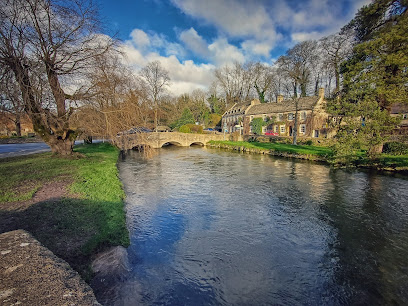
Barnsley Park
3.2 km
Explore Barnsley Park, a Georgian Baroque estate with historic gardens and tranquil Cotswolds parkland near Cirencester.
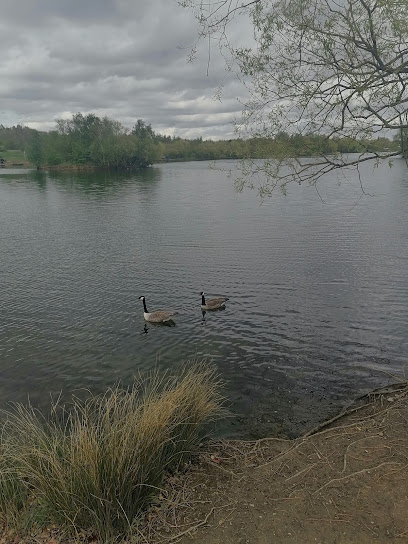
Cotswolds
5.3 km
Explore the Cotswolds’ rolling hills, honey-colored villages, and historic market towns in England’s largest Area of Outstanding Natural Beauty.
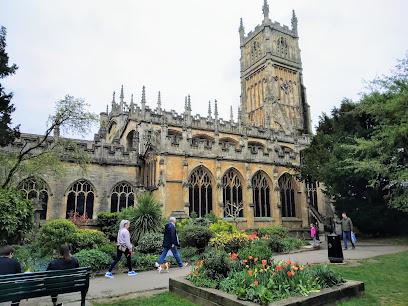
National Trust - Lodge Park and Sherborne Park Estate
6.3 km
Explore England’s only surviving 17th-century grandstand nestled in a tranquil Cotswold estate teeming with wildlife and historic landscapes.
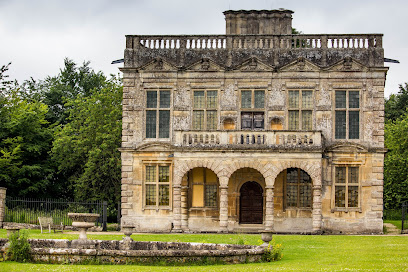
hotcotswolds.uk
6.5 km
Your friendly gateway to Chipping Campden and the Cotswolds, offering maps, local advice, and Cotswold crafts in a historic town centre setting.
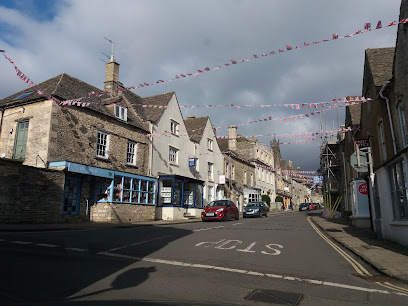
Marlborough Arms
6.6 km
Historic 17th-century pub in Fairford offering a wide selection of ales, craft beers, live music, and hearty pizzas in a lively, welcoming atmosphere.
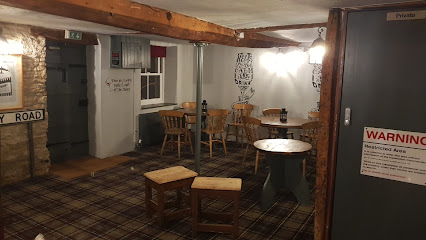
The Organic Farm Shop
7.8 km
A vibrant organic farm shop and cafe offering fresh, farm-grown produce and wholesome meals in a tranquil Cotswolds setting.
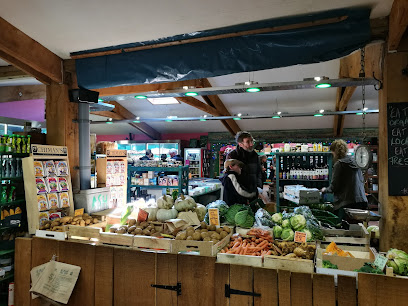
Church of St Peter and St Paul, Northleach
7.9 km
Discover the architectural splendor and historical significance of the Church of St Peter and St Paul in Northleach, a must-visit Cotswolds attraction.
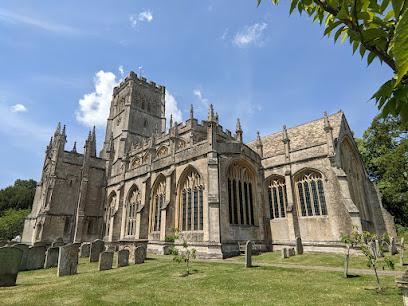
National Trust - Chedworth Roman Villa
9.2 km
Explore one of England’s largest Roman villas with stunning mosaics, bathhouses, and a Victorian museum set in tranquil Cotswold countryside.
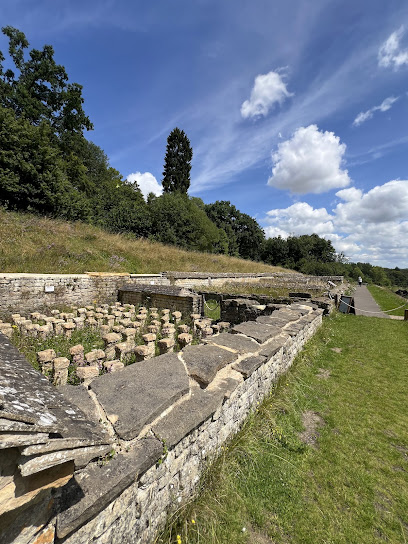
Cotswolds AONB
9.2 km
Discover the rolling hills, honey-colored villages, and timeless charm of England’s largest Area of Outstanding Natural Beauty.
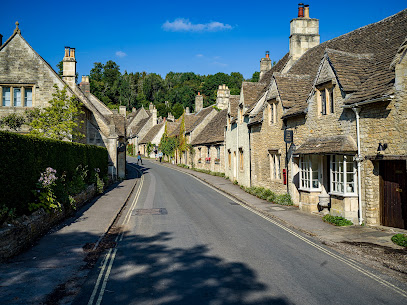
Essential places to dine

The Gallery Restaurant
0.2 km
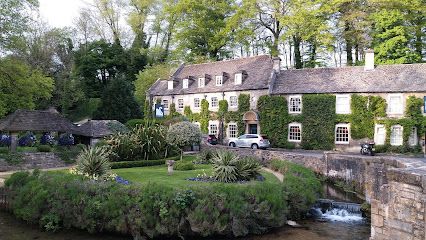
Modern European dining in the heart of Bibury, blending local Cotswold produce with elegant country charm at The Swan Hotel.
The Catherine Wheel
0.3 km
A family-run pub and inn in Bibury serving fresh local food with warm hospitality in the heart of the Cotswolds.
The Old Smokery
6.8 km
A lively Cotswolds hub blending rustic dining, vibrant events, and welcoming atmosphere at Far Peak Camping.
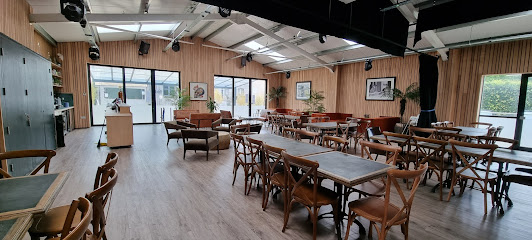
The Ox Barn
9.2 km
Experience modern British countryside cuisine in a beautifully restored 19th-century oxen house nestled in the tranquil Cotswold village of Southrop.
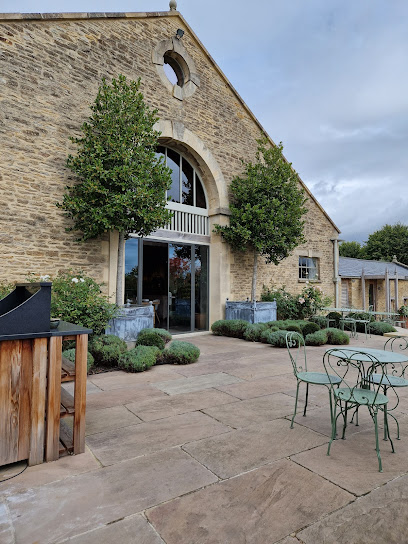
MBB BRASSERIE
10.2 km
Stylish modern British brasserie in Cirencester’s historic Corn Hall, serving classic and contemporary dishes in a vibrant open kitchen setting.
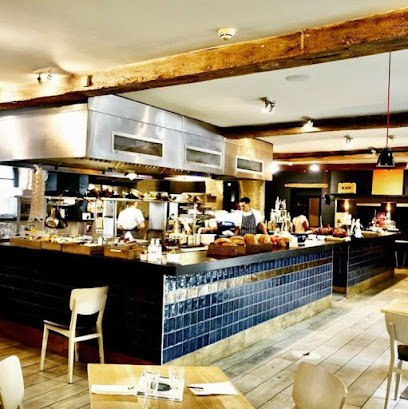
The Garden Restaurant
10.5 km
Refined modern British dining with scenic walled garden views in the heart of historic Stratton House Hotel, Cirencester.
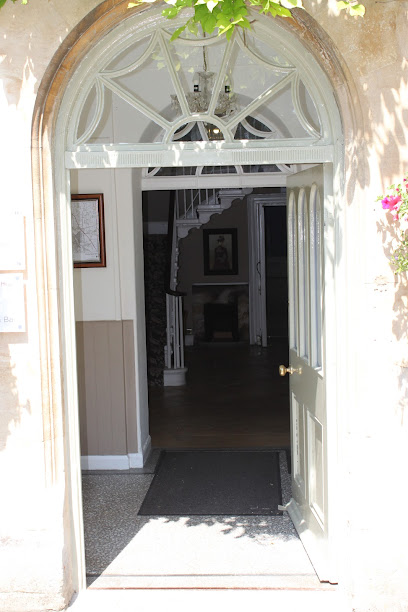
The Old Boathouse
10.6 km
Charming lakeside gastropub offering hearty British and European dishes with scenic views at Cotswold Water Park.
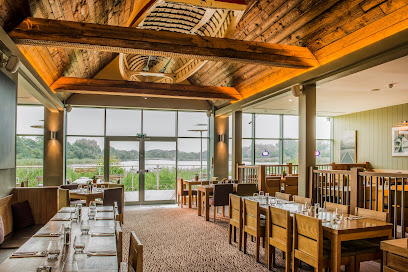
The Oak Tree Restaurant
12.4 km
Relax and refuel at The Oak Tree Restaurant, a family-friendly dining spot nestled within the scenic Cotswold Wildlife Park and Gardens.
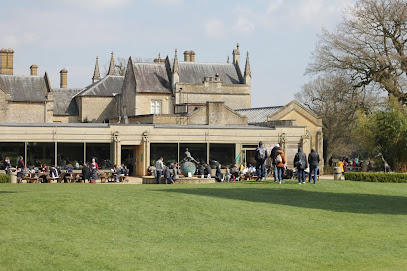
The Croft Restaurant
14.9 km
A charming riverside restaurant in Bourton-on-the-Water serving fresh, locally sourced English cuisine in a welcoming and scenic setting.

The Rose Tree Restaurant
14.9 km
Charming riverside British dining in a historic Cotswold cottage with cozy interiors and scenic garden views.

The Bell at Sapperton
17.0 km
Historic Cotswold inn blending seasonal British fare, a renowned wine wall, and cozy accommodations in the heart of picturesque Sapperton village.

The Feathered Nest Country Inn
17.7 km
A charming Cotswolds inn offering fine dining, stunning valley views, and cosy countryside comfort in historic Nether Westcote.
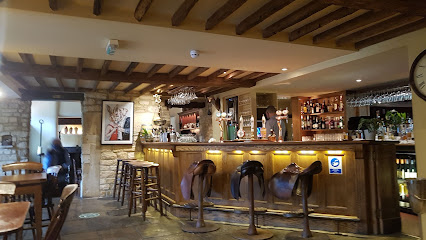
The Halfway at Kineton
20.0 km
A charming 17th-century Cotswold pub blending rustic ambiance with refined seasonal British cuisine and warm hospitality.
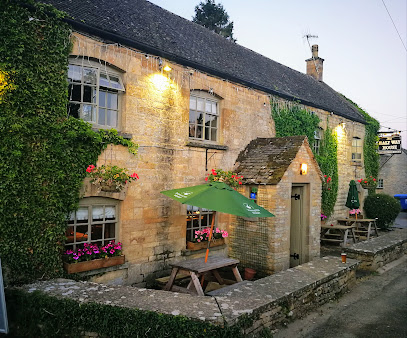
The Old Butchers
20.5 km
Historic charm meets exceptional seafood and charcoal-grilled cuisine in the heart of Stow-on-the-Wold’s vibrant dining scene.

The Porch House
20.5 km
Discover The Porch House: A historic pub offering traditional British cuisine and local ales in picturesque Stow-on-the-Wold.
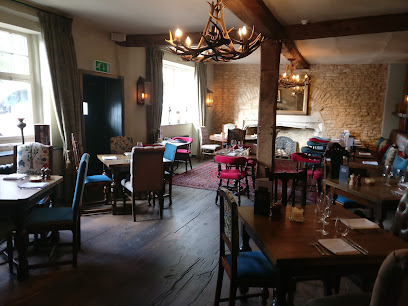
Markets, malls and hidden boutiques

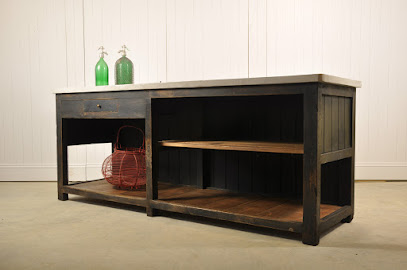
Original House
7.1 km
Discover authentic vintage and industrial furniture treasures in Cirencester’s Original House, a haven for unique statement pieces.
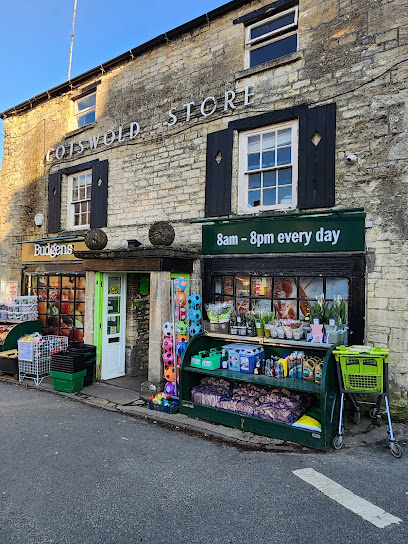
The Cotswold Stores
7.9 km
A welcoming convenience store in historic Northleach’s Market Place, offering local treats and everyday essentials daily from 8 AM to 8 PM.
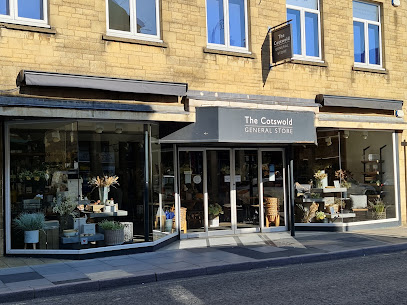
The Cotswold General Store
10.1 km
Discover unique gifts and local crafts at The Cotswold General Store, a charming boutique in the heart of historic Cirencester.
Surprises
10.2 km
Discover unique gifts and local charm at Surprises, Cirencester’s beloved Market Place gift shop open six days a week.
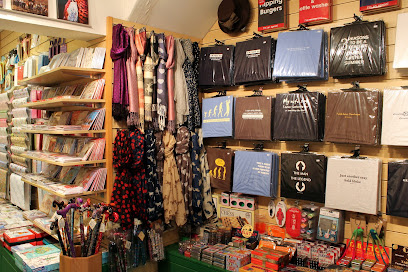
Moonstruck
10.2 km
Discover unique gifts and stylish homewares in the heart of Cirencester’s charming Market Place at Moonstruck.
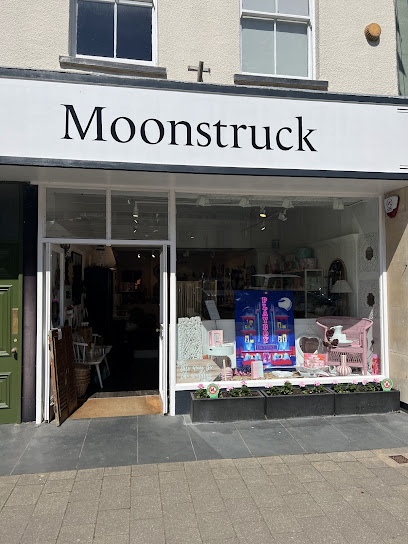
#now_vintage
10.3 km
Curated vintage treasures and antique finds in the heart of Cirencester's charming market town.
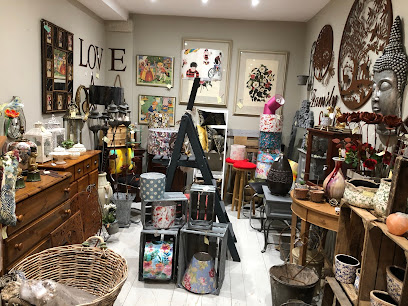
Landmark Cirencester
10.3 km
Premier British country clothing in the heart of Cirencester's historic market square.
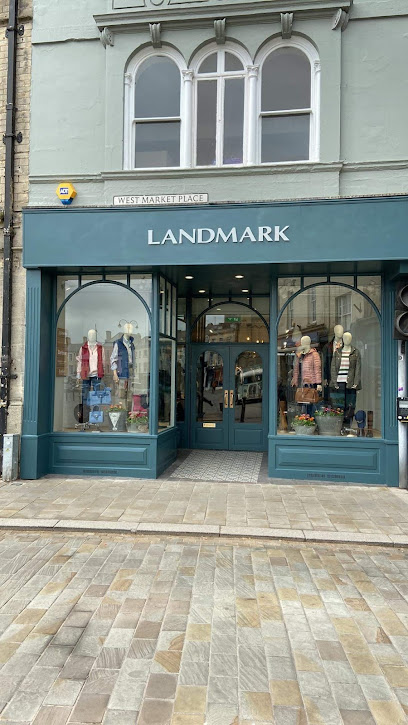
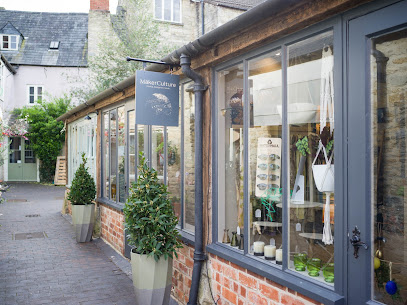
MākerCulture
10.4 km
Discover eco-friendly, handmade gifts and art crafted from recycled materials in the heart of Cirencester’s historic Stable Yard.
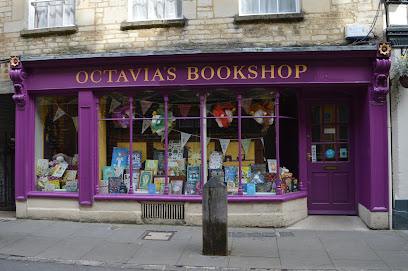
Octavia's Bookshop
10.4 km
Discover a tranquil independent bookshop in Cirencester offering a curated selection and warm, personal service in a charming setting.
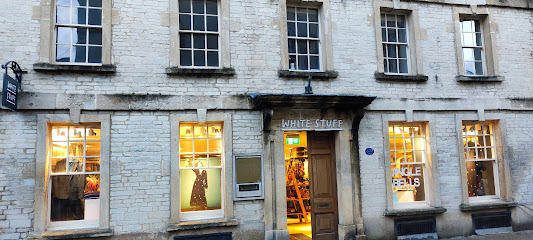
White Stuff Cirencester
10.4 km
Discover stylish, sustainable fashion for all ages at White Stuff Cirencester, nestled in the heart of historic Castle Street.
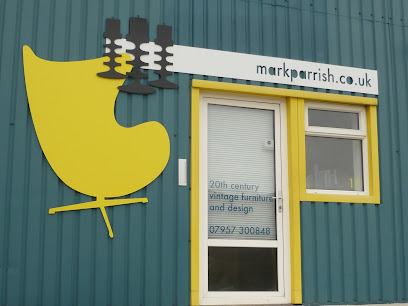
Mark Parrish mid century modern
10.4 km
Discover authentic mid-century modern furniture and timeless design treasures in Cirencester’s Love Lane Industrial Estate.
m.a.d.e.
10.4 km
British design and ethical craftsmanship in an eclectic Cotswolds emporium.
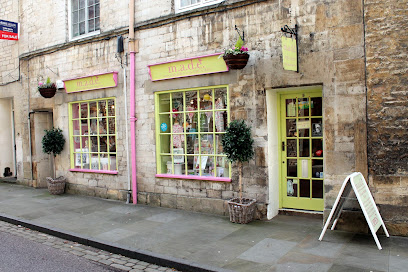
Cotswold Candle Hut
11.6 km
Discover handcrafted candles and natural fragrances in the heart of historic Cirencester at the charming Cotswold Candle Hut.

THINGS
13.0 km
Explore Cricklade's fabric shop for a world of crafting possibilities with a variety of fabrics, haberdashery, and creative inspiration.
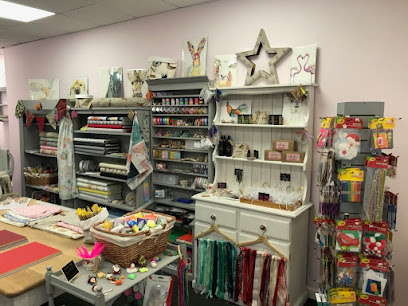
Caboodle
14.8 km
Handcrafted treasures and local artisan finds in the heart of picturesque Bourton-on-the-Water.
Essential bars & hidden hideouts

The Keepers Arms
4.0 km
Charming Cotswold pub and boutique inn offering warm hospitality, excellent food, and a peaceful village retreat near Cirencester.
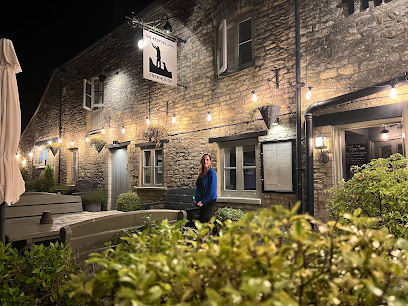
THE STUMP
5.4 km
A historic Cotswolds coaching inn blending rustic charm, acclaimed wood-fired pizzas, and cozy rooms for a quintessential English countryside experience.
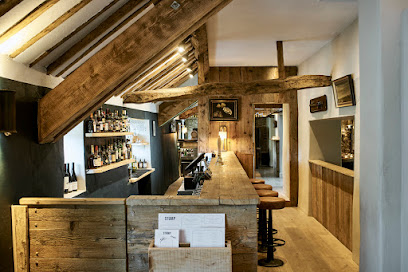
Bathurst Arms
9.6 km
A cozy riverside Cotswold pub and inn offering excellent local food, warm hospitality, and scenic charm in North Cerney.
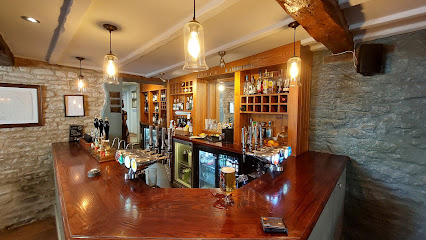
Bee's Knees
10.1 km
Authentic smoked BBQ and hearty British pub fare in a welcoming, rustic setting at Cirencester’s beloved Bee's Knees.
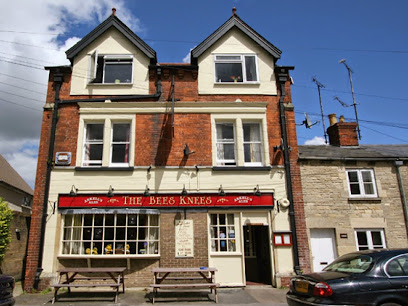
The Bear Inn, Cirencester
10.2 km
Historic 14th-century pub in Cirencester offering award-winning beers, seasonal local dishes, cosy ambiance, and a welcoming atmosphere for all.
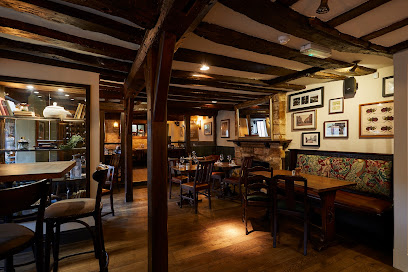
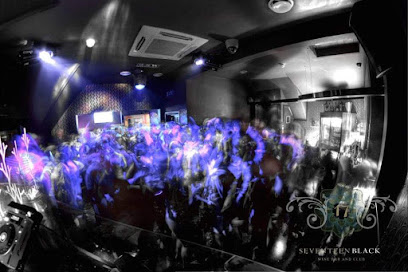
17 Black Restaurant, Cocktail and Wine Bar complete with Nightclub and Karaoke Room.
10.3 km
A stylish Cirencester hotspot offering award-winning seafood, crafted cocktails, a buzzing nightclub, and a private karaoke room for unforgettable nights.
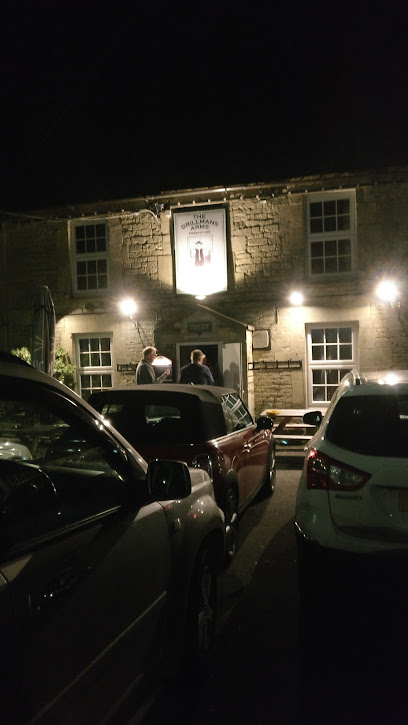
Drillmans Arms
10.4 km
Experience authentic British pub culture with real ales and timeless charm at the Drillmans Arms in Stratton, Cirencester.
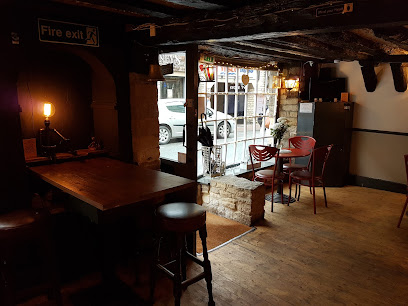
Mad Hatter Wine Bar
10.5 km
A lively wine bar in Cirencester blending whimsical charm, quality wines, and live music for memorable evenings.
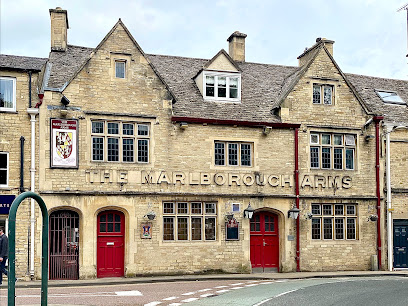
The Marlborough Arms
10.5 km
Historic Cirencester pub offering a rich selection of ales, traditional ciders, live music, and a warm, inviting atmosphere.
The Crown @ Cerney Wick
11.3 km
A charming Cotswolds pub blending British tradition with authentic Anglo-Indian flavors and warm hospitality.
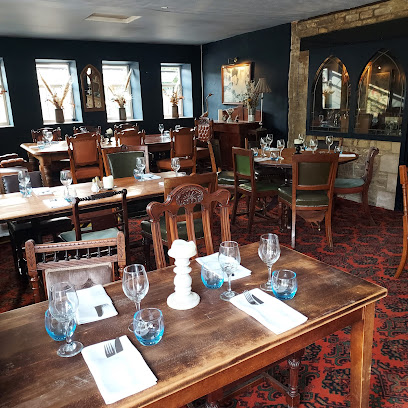
The Cotswold Arms
14.7 km
Historic 15th-century pub in Burford blending local ales, homemade food, live music, and a cozy beer garden for all ages.
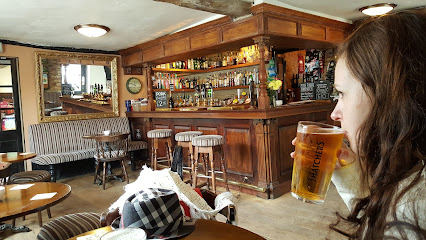
Kingsbridge
14.9 km
A classic riverside pub in Bourton-on-the-Water offering hearty British fare, cask ales, and warm hospitality in a scenic Cotswold village setting.

The Green Dragon Inn Pub & Shop
16.4 km
A historic 17th-century Cotswold inn blending rustic charm, fine dining, and countryside comfort in tranquil Cockleford near Cheltenham.
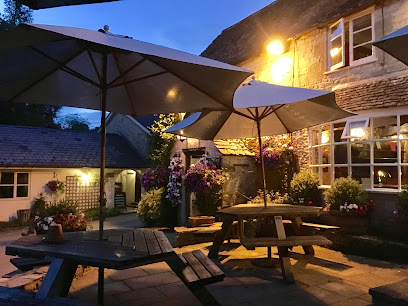
Experimental Cocktail Club Cotswolds
17.0 km
Sophisticated cocktails and vibrant DJ nights in the heart of the Cotswolds at Cowley Manor’s stylish Experimental Cocktail Club.
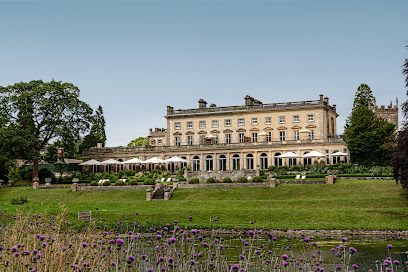
Hollow Bottom
18.4 km
A historic Cotswold pub blending hearty local fare, warm hospitality, and scenic countryside charm in the heart of Guiting Power.
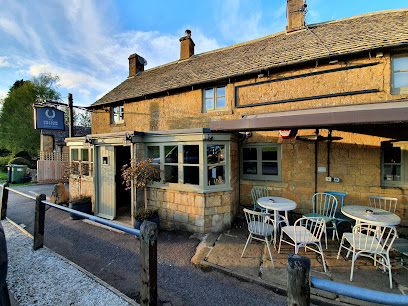
Nightclubs & after hour spots

ReVA Nightclub
10.3 km
Cirencester’s largest nightclub offering electrifying music, stylish cocktails, and a vibrant atmosphere for unforgettable nights.
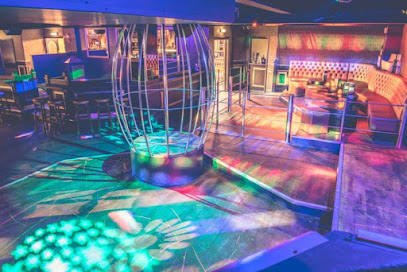
MooMoo Clubrooms Cheltenham
22.7 km
Experience Cheltenham’s vibrant nightlife with dynamic music, VIP vibes, and late-night energy at MooMoo Clubrooms.

Popworld - Cheltenham
22.7 km
Cheltenham’s lively late-night hotspot where cheesy pop tunes and creative cocktails fuel unforgettable party nights.
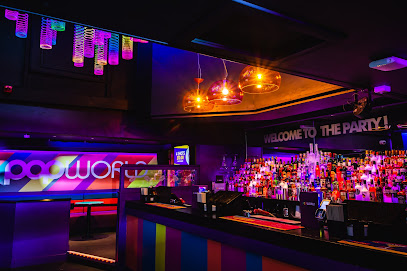
The 21 Club
22.8 km
Experience Cheltenham’s vibrant nightlife at The 21 Club, where music, dancing, and great drinks create unforgettable nights.
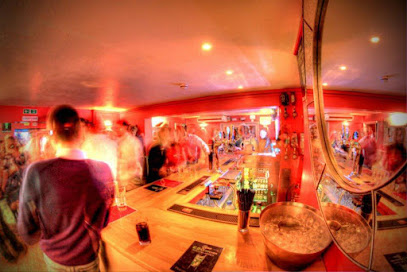
Coco
22.8 km
Cheltenham’s underground hotspot for vibrant nightlife, top DJs, and creative cocktails in a lively basement setting.
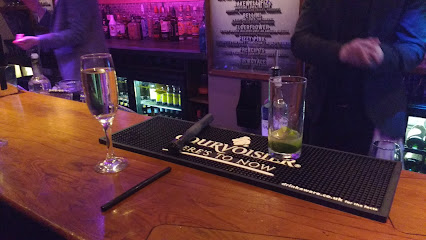
Under the Prom
22.8 km
Experience Cheltenham’s vibrant nightlife with premium drinks, three unique bars, and VIP service at Under The Prom nightclub.

2 PIGS
22.9 km
A lively Cheltenham nightclub with dual rooms spinning rock, punk, indie, and classic hits, known for affordable drinks and an alternative vibe.
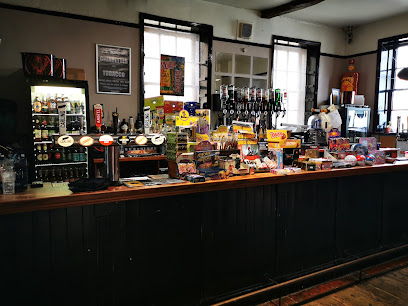
Thirteen Degrees
22.9 km
Cheltenham’s late-night hotspot for dancing, cocktails, and private events in a central urban setting.
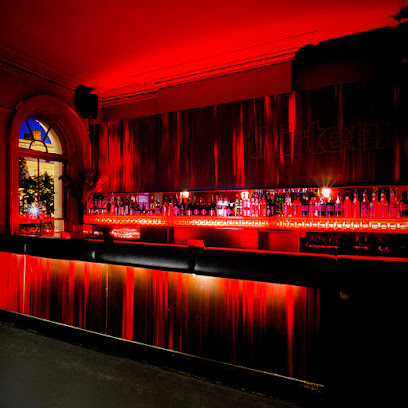
Home and Botanic Nightclub
22.9 km
Historic charm meets vibrant nightlife at Cheltenham’s Home and Botanic, a multi-room club offering cocktails, live piano, DJs, and unforgettable nights.

Venue Five-0 Night Club
24.4 km
Energetic weekend nights and diverse music await at Venue Five-0 Night Club, Royal Wootton Bassett’s lively nightlife hotspot.
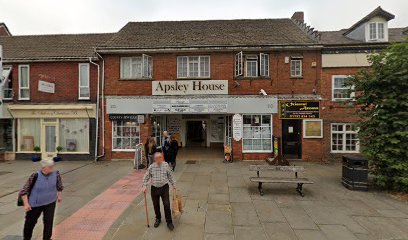
Trio Nightclub
26.4 km
Experience Stroud’s vibrant nightlife at Trio Nightclub, where music, dancing, and energetic vibes light up weekend nights.

ATIK Gloucester
30.1 km
Gloucester’s largest nightclub, ATIK pulses with vibrant music, student nights, and an energetic party atmosphere until the early hours.

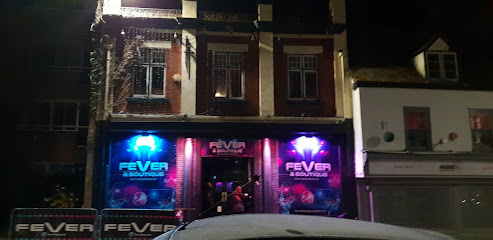
Bar Fever Gloucester
30.3 km
Experience Gloucester’s vibrant nightlife at Bar Fever, a trendy nightclub with dynamic music, stylish interiors, and a welcoming atmosphere.
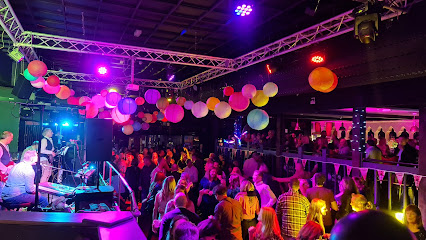
Jax Nightclub Gloucester
30.5 km
Energetic nightclub in Gloucester offering diverse music, two dance floors, and a welcoming atmosphere for late-night fun.
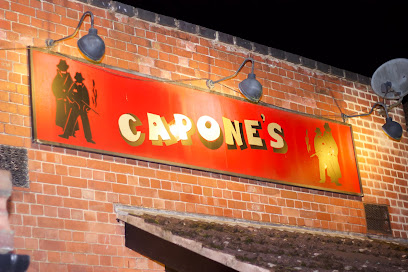
Capones
36.7 km
Historic nightclub in Dursley with legendary ties to Al Capone, offering vibrant weekend nightlife and pulsating music.
For the vibe & atmosphere seeker
- Romantic
- Scenic
- Tranquil
- Unique
- Casual
For the design and aesthetic lover
- Vintage Styles
- Rustic Designs
For the architecture buff
- Historic
- Heritage Neighborhoods
- Parks & Gardens
For the view chaser and sunset hunter
- Iconic Views
- Panoramas
- Waterfront
- Sunset Spots
For the social media creator & influencer
- Instagrammable
- Photo Spots
- Selfie Spots
- Aesthetic Corners
- Architectural Shots
For the eco-conscious traveler
- Protected Area
- Nature Reserve
- Locally Managed
- Wildlife Habitat
For the kind of experience you’re after
- Cultural Heritage
- Photowalk
- Nature Escape
- Day Trip
- Myth & Legends
For how adventurous you want the journey to be
- Easy Access
- Requires Hike
Location Audience
- Family Friendly
- Senior Friendly
- Wheelchair Access
- Pet Friendly
- Solo Friendly
- Couple Friendly
- Solo Female Friendly


