Dunskey Castle, Wigtownshire Travel Guide
Explore the dramatic cliffside ruins of Dunskey Castle, a historic 16th-century fortress steeped in legend and overlooking the wild Irish Sea.
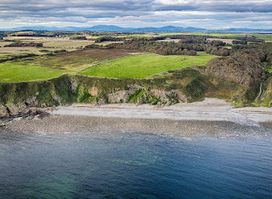
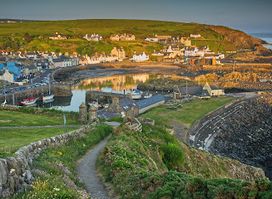
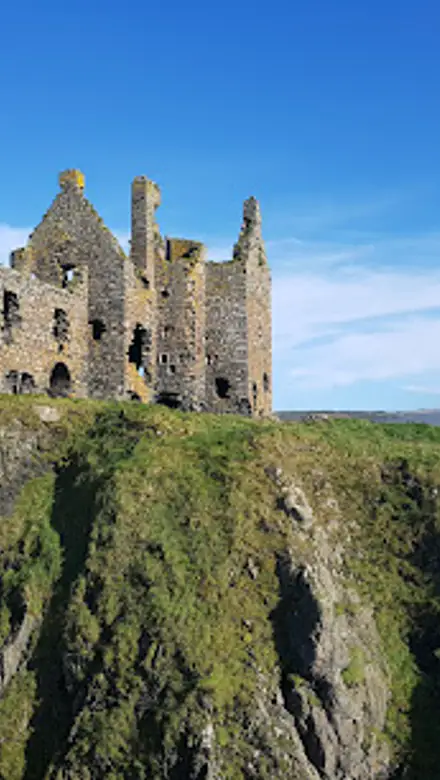
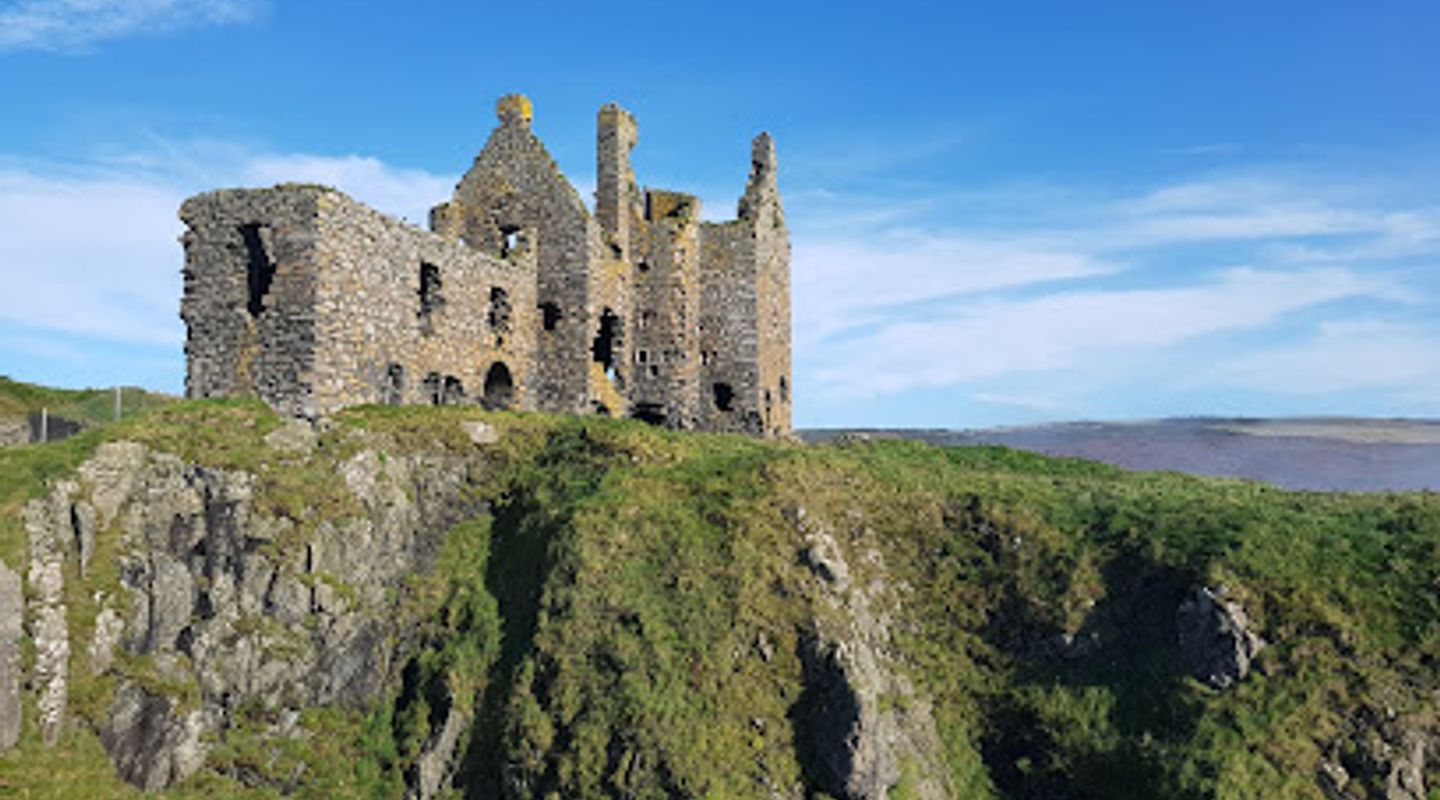
Perched dramatically on cliffs overlooking the Irish Sea near Portpatrick, Dunskey Castle is a striking 16th-century ruin with a rich history of feuds, family legacy, and haunting legends. Though the interior is inaccessible, its rugged setting and evocative remains offer a captivating glimpse into Scotland’s turbulent past and coastal heritage.
A brief summary to Dunskey Castle
- Dunskey Castle, Stranraer, DG9 9AA, GB
- Click to display
- Duration: 0.5 to 2 hours
- Free
-
 Outdoor
- Mobile reception: 4 out of 5

Know before you go
Hi, I'm Eve. Here are a few practical things to know before exploring Dunskey Castle.
- Wear sturdy footwear and stay on designated paths due to steep cliffs and uneven terrain.
- Visit during daylight hours for the best views and to safely explore the coastal surroundings.
- Bring a camera to capture the scenic sea vistas and atmospheric ruins.
- Combine your visit with a walk along the nearby coastal path for a fuller experience of the area’s natural beauty.
Do you manage this location?
Take control to get all the benefits, like improved information, better appearance, and stronger visibility across AI-powered discovery. Learn more about listing your business on Evendo
Activate your presenceOther nearby places you may find interesting
The closest places of the same kind, if this one is not quite what you had in mind.
Explore Dunskey Castle on the Map
A handpicked selection of must-see spots near Dunskey Castle, mapped for you.
Getting There
-
Car
Driving from Stranraer takes about 15–20 minutes via minor roads. Parking is limited near the castle, so arrive early during busy periods. No parking fees apply.
-
Bus
Local bus services run from Stranraer to Portpatrick in approximately 25 minutes. From Portpatrick, a 10-minute walk along the coastal path leads to the castle. Bus fares range from £3 to £5.
-
Walking
For active visitors, a scenic 1.5-hour walk from Portpatrick along well-marked coastal trails offers stunning views en route. Terrain includes some steep sections and uneven ground.
For the on-the-go comforts that matter to you
-
 Seating Areas
-
 Information Boards
Discover more about Dunskey Castle
A Storied Fortress on the Edge of the Sea
Dunskey Castle stands on a rocky promontory near Portpatrick, Galloway, commanding breathtaking views of the Irish Sea. The site’s origins trace back to the 12th century, with a medieval fortification that was destroyed by fire in 1489 during clan conflicts. The current ruins largely date from around 1510, when the Adairs of Kinhilt rebuilt the stronghold as a formidable L-plan tower house with four storeys. This tower was complemented by a northern wing added in the 1620s, though by 1700 the castle had fallen into ruin.Architectural Features and Defensive Design
The castle’s remains reveal a vaulted basement with three cellars, including a wine cellar with stairs leading to the hall above. The main entrance passes through the tower’s re-entrant angle to a wide stairway ascending to the first-floor hall, which boasts large windows and a grand fireplace. Defensive elements include a protective ditch on the landward side and bartizans crowning the tower, now mostly ruined. The castle’s rugged cliffside location added natural protection, but also demands caution from visitors due to steep and dangerous cliffs.Historical Turmoil and Ownership Transitions
Dunskey Castle’s history is marked by violent feuds, notably with the McCullochs of Myrton who destroyed the earlier castle around 1500. The Adairs rebuilt and expanded the castle, with notable events including the imprisonment and torture of the abbot of Soulseat Abbey to secure land rights. Ownership passed through several hands over the centuries, including Hew Montgomery in the 1620s and John Blair of Dunskey in the 1660s. By the late 17th century, the castle was largely derelict, with materials repurposed for nearby estates.Legends and Hauntings of Dunskey
Local lore enriches the castle’s atmosphere with tales of a brownie or hairy man and ghostly apparitions. Stories speak of a nursemaid who tragically dropped a baby from the castle windows onto the beach below, as well as a spectral piper and jester imprisoned within the stronghold’s caves. These eerie legends add a mystical dimension to the site’s rugged beauty.Surrounding Estate and Natural Beauty
The castle is part of a larger estate featuring Dunskey House, a grand baronial mansion built in 1904, with extensive gardens including woodland walks, Victorian glasshouses, mazes, and private beaches. The estate’s 2,000 acres encompass diverse landscapes, making the castle a dramatic focal point within a rich natural and cultural environment.Visitor Experience and Safety Considerations
While visitors cannot enter the castle itself, exploring the surrounding coastal paths offers spectacular views and a tangible connection to Scotland’s medieval past. The cliffs are steep and potentially hazardous, so staying on marked paths is essential. The site’s evocative ruins and coastal setting make it a memorable destination for history enthusiasts and nature lovers alike.












Your all‑in‑one travel companion app
Explore expert travel guides, compare and book tours, experiences, hotels, and more—all from the palm of your hand. Download now for seamless trip planning wherever your wanderlust takes you.


Explore More of Wigtownshire
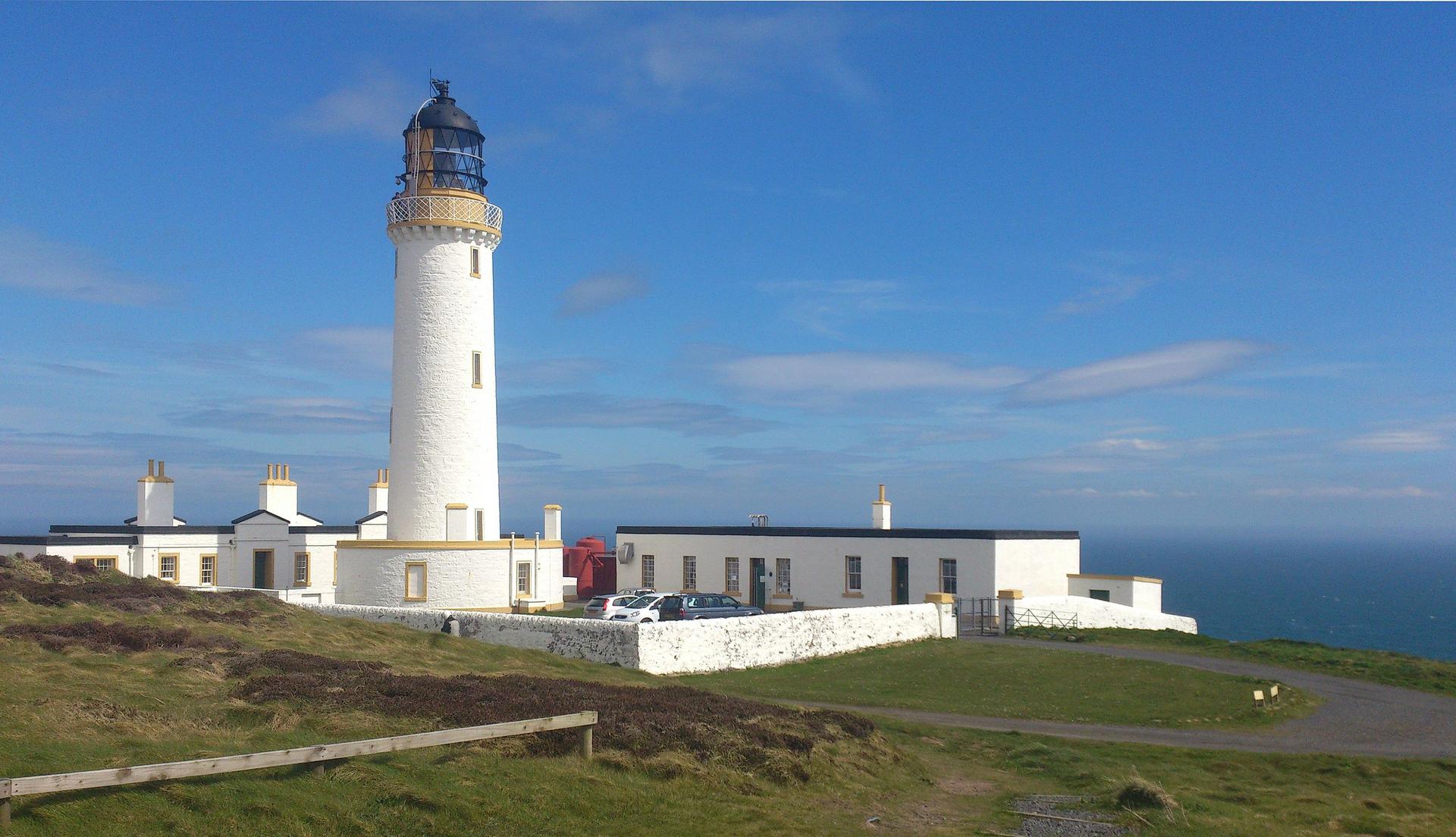
Looking beyond Dunskey Castle? Discover Wigtownshire for broader travel guides, local hot-spots, and regional highlights.
Explore Wigtownshire