

Soho Square: A Historic Garden Oasis in the Heart of London
Historic Soho Square blends Georgian elegance, royal heritage, and tranquil gardens in the vibrant heart of London’s Soho district.
Soho Square is a historic garden square in central London, originally laid out in 1681 and once known as King’s Square. It features a central statue of Charles II and is surrounded by Georgian architecture, reflecting its aristocratic and artistic past. Today, it serves as a tranquil green space amid Soho’s vibrant urban landscape, blending history, culture, and nature in one iconic spot.
A brief summary to Soho Square
- London, GB
- Duration: 0.5 to 2 hours
- Free
-
 Outdoor
- Mobile reception: 5 out of 5
Local tips
- Visit the central statue of Charles II and learn about its fascinating history of removal and return.
- Explore the nearby French Protestant Church to appreciate Soho’s immigrant heritage.
- Look for the blue plaque at 32 Soho Square commemorating renowned botanists Sir Joseph Banks, Robert Brown, and David Don.
- Enjoy a peaceful moment in the garden, a rare green oasis amid Soho’s bustling streets.

For the on-the-go comforts that matter to you
- Seating Areas
- Trash Bins
- Information Boards
Getting There
-
London Underground
Take the Tottenham Court Road or Oxford Circus Underground station, both approximately 10-15 minutes walk from Soho Square. Stations are served by multiple lines including Central, Northern, and Victoria. Tickets cost £2.50-£6.00 depending on zones and time. Stations have step-free access but walking routes may include some uneven pavements.
-
Bus
Several London bus routes serve Oxford Street and nearby Dean Street, within a 10-15 minute walk to Soho Square. Frequent daytime services operate with single fares around £1.75 using an Oyster card or contactless payment. Buses may be affected by traffic congestion during peak hours.
-
Taxi or Rideshare
Black cabs and rideshare services can drop you close to Soho Square. Travel times vary from 10 to 30 minutes depending on traffic. Expect fares starting around £8-£15 from central London locations. Note that traffic and limited parking restrict private vehicle access.
-
Walking
If staying nearby, Soho Square is easily accessible on foot via paved city streets. Walking times range from 5 to 20 minutes depending on starting point. The terrain is flat but busy urban sidewalks require attention to traffic and crowds.
Soho Square location weather suitability
-
 Any Weather
-
 Clear Skies
-
 Mild Temperatures
-
 Rain / Wet Weather
Discover more about Soho Square
Origins and Early Development
Soho Square was established in 1681 during London’s northward expansion, originally named King’s Square in honor of King Charles II. The area was once open fields used for hunting, with the name 'Soho' deriving from a 16th-century hunting cry. The square was designed following the French tradition of a place royale, centered on a formal garden with a fountain inspired by Bernini’s Fontana dei Quattro Fiumi in Rome. Early residents included aristocrats such as the Duke of Monmouth, who built an extravagant residence there, and other notable figures of the 17th century.Architectural and Cultural Evolution
By the late 17th century, Soho Square had become a fashionable residential area with 41 houses, many of which remain intact today as listed Georgian buildings. The square underwent a name change to Soho Square by the early 18th century, reflecting the district’s evolving identity. It attracted French Huguenot immigrants and later became a hub for artists, musicians, and publishers in the 19th and 20th centuries. The French Protestant Church, a striking red-brick building by Aston Webb, stands nearby, underscoring the area’s cultural heritage.The Statue of Charles II and Garden Features
At the heart of Soho Square stands a statue of Charles II, sculpted in 1681 by Caius Gabriel Cibber. Originally part of a fountain with figures representing four major rivers of England, the fountain was removed in the 19th century, and the statue was temporarily relocated to a country house. It was returned to the square in 1938, now positioned slightly north of its original site. The garden itself was transferred to Westminster City Council in 1954 and opened to the public, providing a peaceful green retreat amid the bustling city.Scientific Legacy and Notable Residents
Soho Square is also notable for its scientific heritage. The botanist Sir Joseph Banks, along with Robert Brown and David Don, lived at number 32, where the Linnean Society of London met in the 19th century. Banks was a key figure in British scientific advancement and botanical exploration, advising King George III and influencing the development of Kew Gardens. This legacy adds a layer of intellectual significance to the square’s rich history.Modern-Day Ambience and Usage
Today, Soho Square is a tranquil green space surrounded by media and music companies, maintaining its long-standing creative spirit. The garden offers seating and a calm atmosphere that contrasts with the lively Soho district around it. The square’s blend of historic architecture, cultural heritage, and natural beauty makes it a unique urban oasis cherished by locals and visitors alike.Unlikely Stories and Community Impact
Throughout its history, Soho Square has been home to a diverse range of residents and uses, from aristocrats and courtesans to creative professionals and charitable organizations. The House of St Barnabas, a Grade I listed building on the square, now serves as a charity for the homeless, reflecting the area’s evolving social fabric. The Soho Bazaar, a 19th-century indoor market, once thrived here, patronized by the royal family and adding to the square’s vibrant past.Iconic landmarks you can’t miss

Plaque: Tin Pan Alley & La Giaconda cafe
0.2 km
Discover the legendary Tin Pan Alley and La Giaconda Cafe at 9 Denmark Street, the historic heart of London’s music scene and creative spirit.
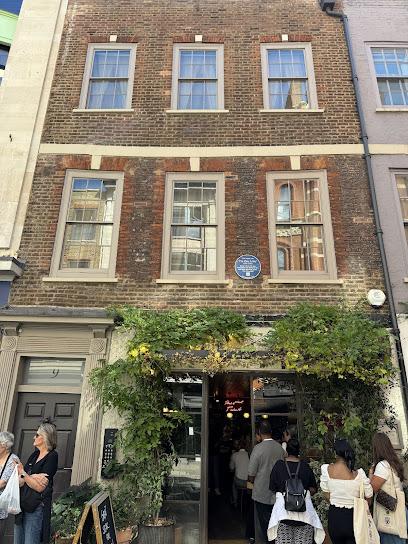
Denmark St
0.2 km
Britain's legendary Tin Pan Alley where rock and roll history was written in every studio, café, and guitar shop.
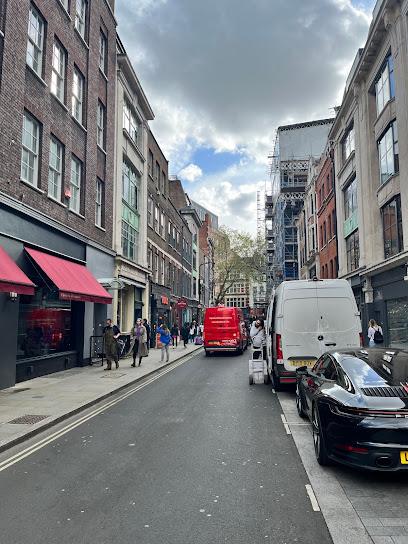
Historic Seven Dials
0.4 km
Discover Seven Dials, a historic London quarter where seven streets meet at a unique sundial pillar, blending rich heritage with vibrant culture.
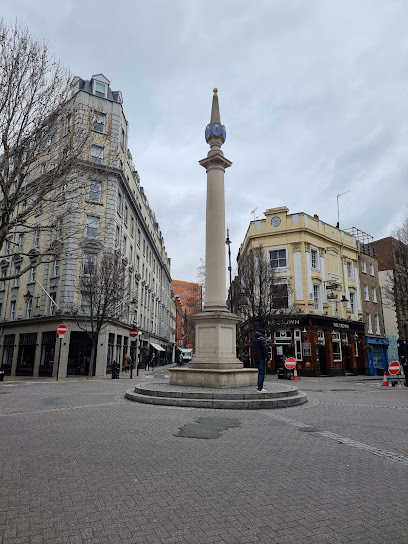
Neal’s Yard (Courtyard)
0.4 km
Discover Neal’s Yard, a colorful hidden courtyard in Covent Garden transformed from dereliction into a thriving hub of community, sustainability, and alternative culture.
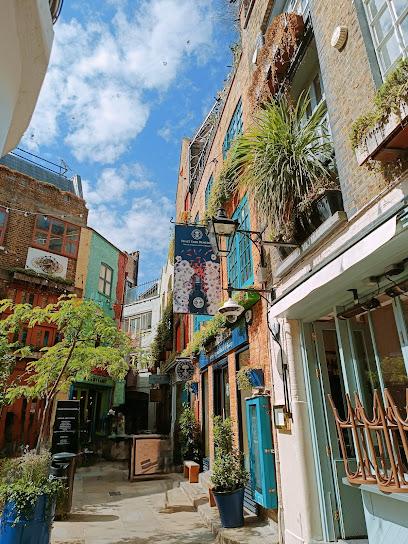
covent Garden ,
0.5 km
Explore Covent Garden's vibrant atmosphere filled with shopping, dining, and entertainment in the heart of London.
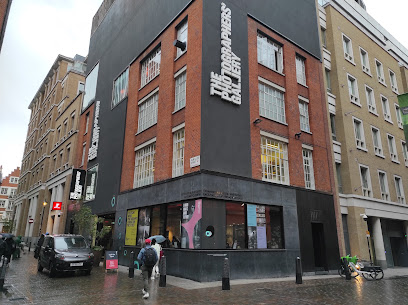
The Photographers' Gallery
0.5 km
Explore the captivating world of photography at The Photographers' Gallery, London's premier destination for stunning exhibitions and engaging workshops.
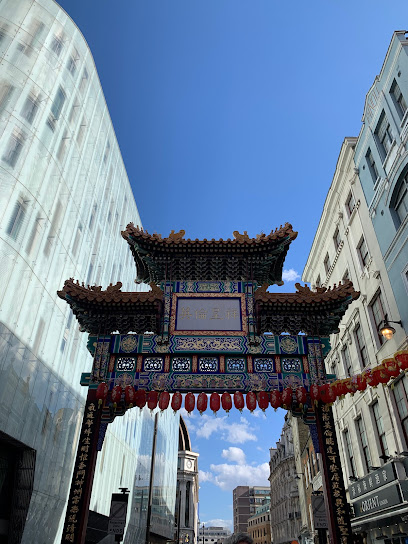
Chinatown Gate
0.5 km
Experience the vibrant spirit of London's Chinatown at the iconic Chinatown Gate, a cultural gem filled with culinary delights and rich heritage.
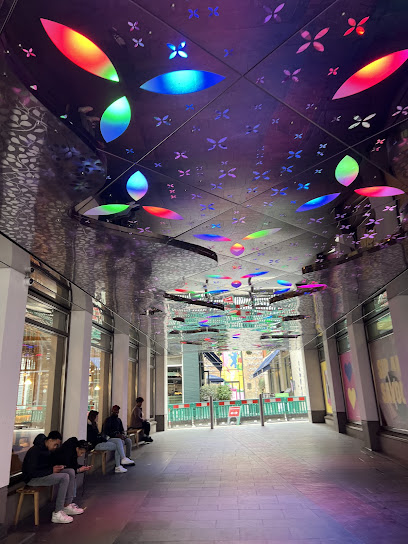
Mercer Walk
0.5 km
Experience the enchanting Mercer Walk in London, a charming alley brimming with boutique shops, cozy cafes, and artistic flair that captures the city's spirit.
Spirit of Soho Mural
0.5 km
Discover the Spirit of Soho Mural, a captivating tribute to London's vibrant culture and artistic heritage in the heart of Soho.
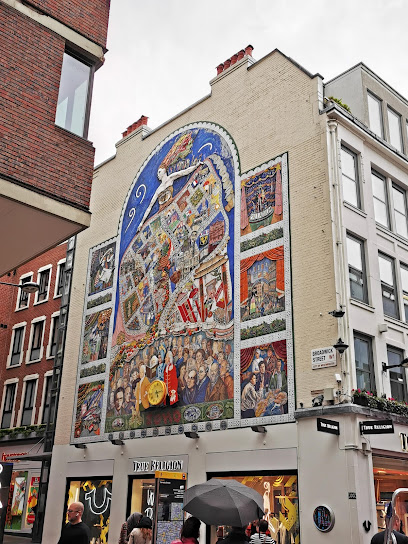
Agatha Christie memorial
0.5 km
A captivating bronze tribute to Agatha Christie, celebrating her literary genius and theatrical legacy in London's vibrant theatre district.
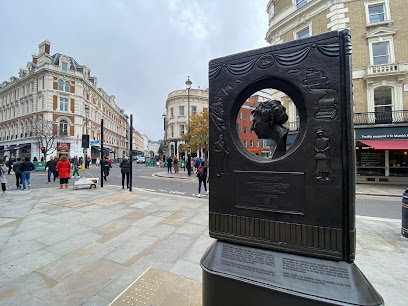
Bedford Square & Montague Pl
0.5 km
Discover Bedford Square & Montague Place, a serene Georgian oasis in Bloomsbury with elegant architecture and rich cultural heritage.
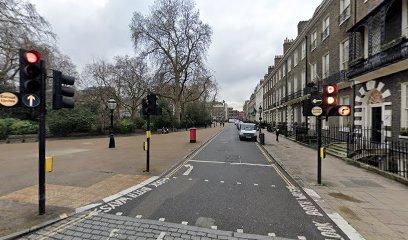
Goodge St
0.5 km
Discover the charm of Goodge Street in London, where history meets vibrant culture, shopping, and diverse dining options.
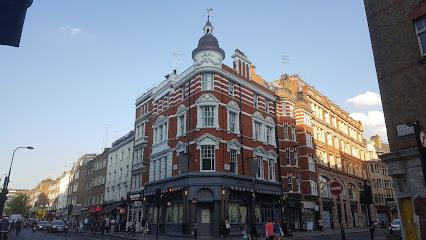
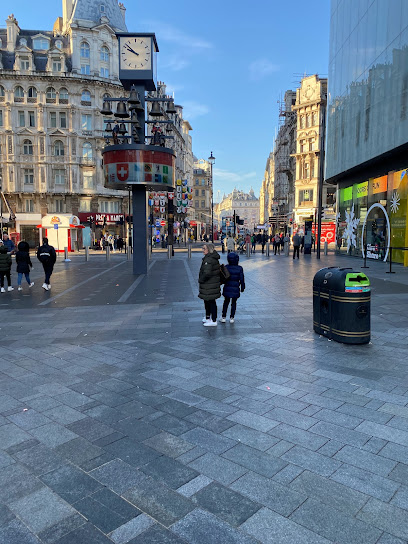
Leicester Square
0.5 km
London's glittering entertainment epicentre where cinema, theatre, and street culture converge in the heart of the West End.
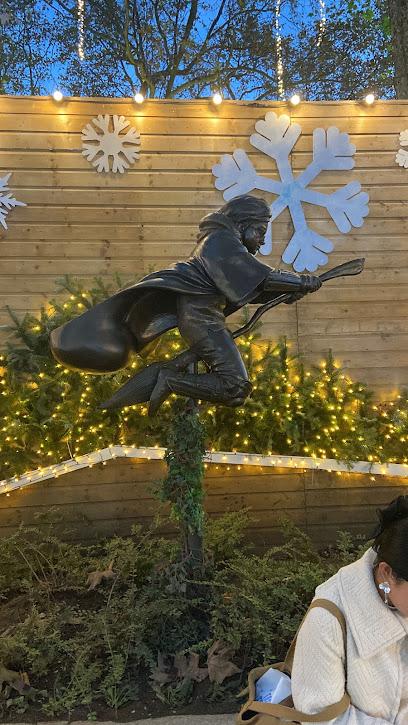
Harry Potter Statue
0.5 km
Where the boy wizard takes flight in London's cinematic heart—a bronze tribute to magic and movie history.
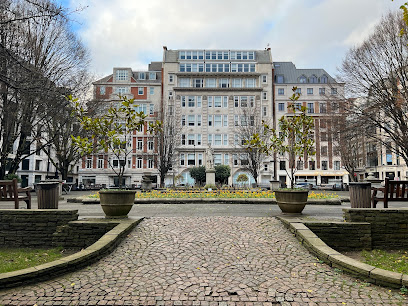
Golden Square
0.5 km
Discover the tranquility of Golden Square, a charming park in the heart of London, perfect for relaxation, picnics, and cultural experiences.
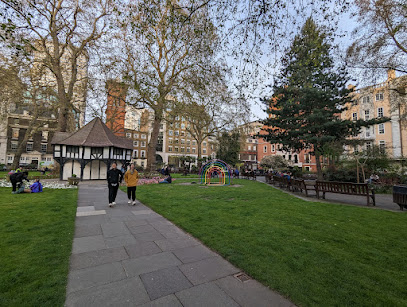
Unmissable attractions to see

Soho Square Gardens
0.0 km
A serene historic garden square in the heart of Soho, blending royal heritage with tranquil green space and vibrant cultural life.
#O hello sunshine Public Art Sculpture
0.0 km
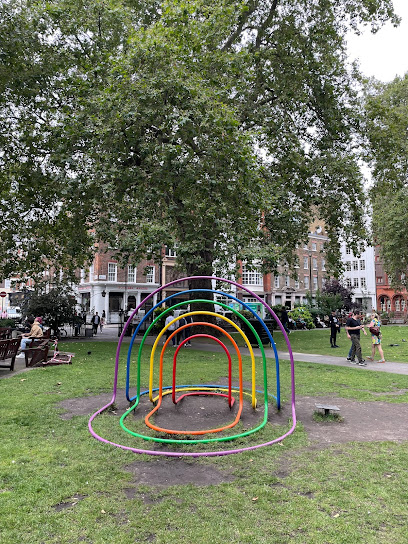
A vibrant rainbow sculpture celebrating Soho’s LGBTQ+ community spirit and creativity in the heart of London’s cultural district.
Self-Guided London Beatles Tour
0.0 km
Explore London’s Beatles landmarks at your own pace with an immersive self-guided audio tour featuring iconic sites and hidden gems.
Victorian Penny Chute
0.1 km
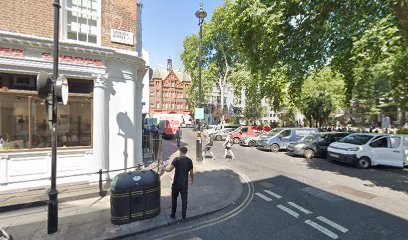
Discover the Victorian Penny Chute in Soho—a charming historic coin chute that channels charity donations through time at the House of St Barnabas.
The Nellie Dean
0.1 km
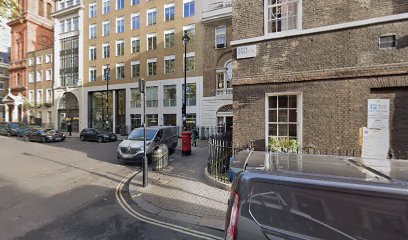
Historic Soho pub serving classic ales and hearty pies in a lively, welcoming atmosphere since the 18th century.

1 Soho Place
0.1 km
Contemporary business park in the heart of Soho, blending modern workspaces with London's vibrant cultural scene.
Priscilla The Party
0.2 km
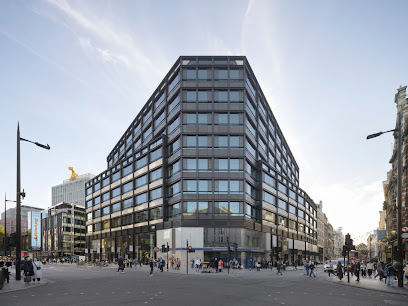
Experience the dazzling, immersive drag musical party inspired by Priscilla Queen of the Desert at HERE at Outernet, Soho’s cutting-edge venue.

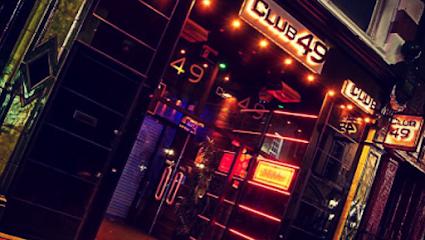
Club49Soho
0.2 km
Discover the vibrant nightlife at Club49 Soho, a premier bar and live music venue in the heart of London's iconic Soho district.
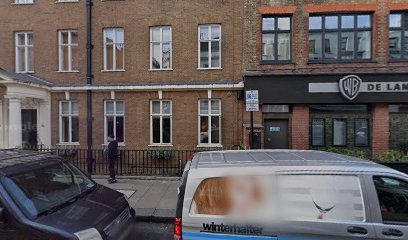
Nose sculpture
0.2 km
Explore the Nose Sculpture in London, a quirky landmark that embodies creativity and invites playful interaction in the heart of the city.
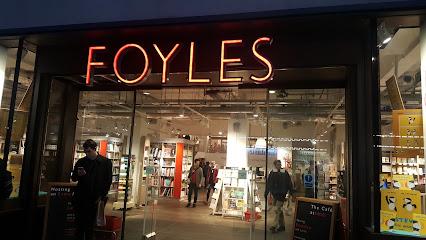
Foyles
0.2 km
Explore Foyles, London's legendary bookshop, where literature, coffee, and culture blend seamlessly in a vibrant atmosphere.
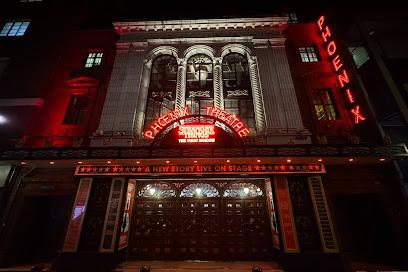
Phoenix Theatre
0.2 km
Experience timeless West End theatre in the elegant, Italian-inspired Phoenix Theatre on Charing Cross Road, home to iconic productions since 1930.
Dominion Theatre
0.2 km
Step into the spotlight at Dominion Theatre, London’s grand West End venue hosting blockbuster musicals like The Devil Wears Prada in a stunning art deco setting.

12 Bar Club
0.2 km
Historic London music venue famed for intimate gigs, antifolk festivals, and a vibrant independent spirit on legendary Denmark Street.

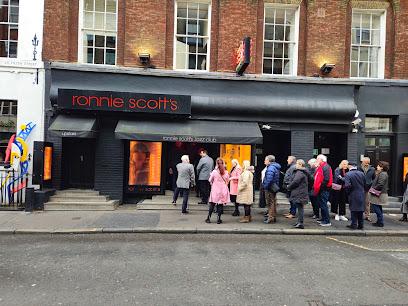
Ronnie Scott's
0.2 km
Experience world-class live jazz nightly at Ronnie Scott’s, London’s legendary Soho club since 1959, where music history and vibrant atmosphere meet.
Phoenix Arts Club
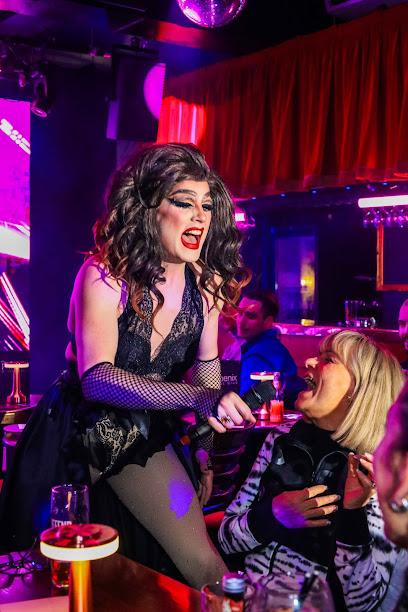
0.2 km
West End's best-kept secret: intimate cabaret, burlesque, and theatre in a deliberately seductive speakeasy.
Essential places to dine

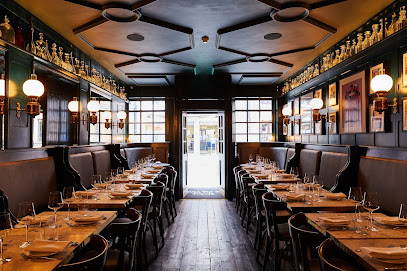
Noble Rot Soho
0.1 km
A Soho gem blending historic charm with modern European cuisine and an exceptional, accessible wine list in a cozy, clubby setting.
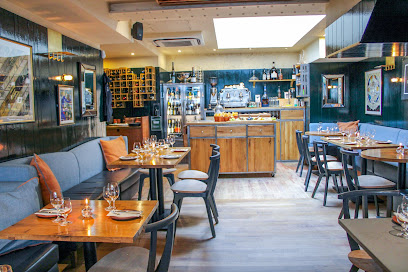
Sussex Bar & Restaurant
0.1 km
A vibrant Soho bistro blending Sussex countryside flavors with London’s energy, featuring seasonal British dishes and curated wines.
Quo Vadis
0.1 km
An iconic Soho dining destination blending refined modern British cuisine with elegant historical charm and a lively, convivial atmosphere.
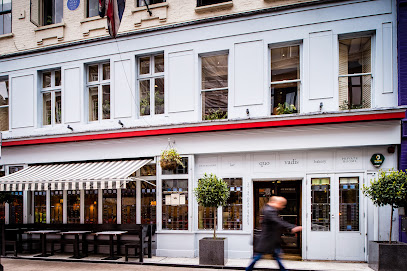
Inamo
0.2 km
Experience futuristic Asian fusion dining with interactive tables and vibrant sharing plates in the heart of London’s Covent Garden.
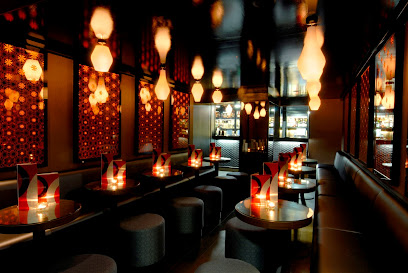
Hoppers Soho
0.2 km
Experience vibrant Sri Lankan street food and signature hoppers in a lively, intimate Soho setting bursting with authentic flavors and culture.
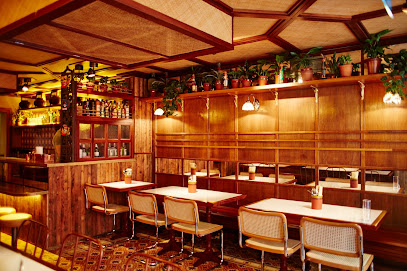
La Bodega Negra Restaurant
0.2 km
Experience daring Mexican cuisine and vibrant nightlife in Soho’s provocative La Bodega Negra, where edgy ambiance meets inventive flavors.
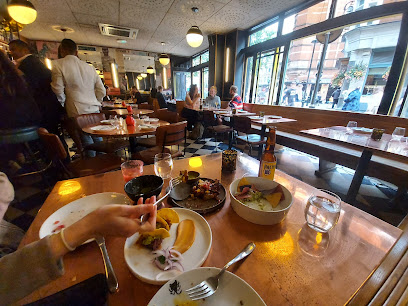
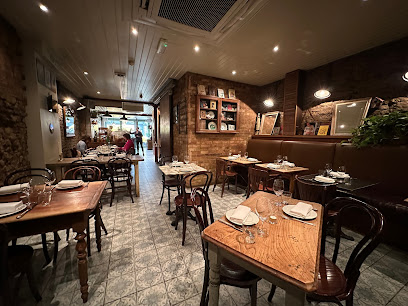
Blanchette
0.3 km
Cozy Soho French bistro serving modern small plates, charcuterie, and exquisite cheese and honey pairings in a Parisian-inspired setting.
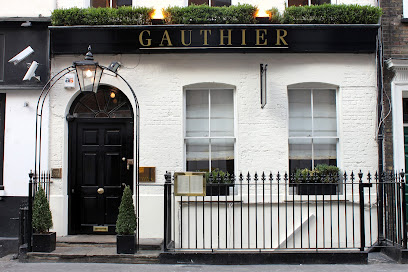
Gauthier Soho
0.3 km
Innovative vegan French fine dining in a stylish Soho townhouse, blending tradition with plant-based creativity.
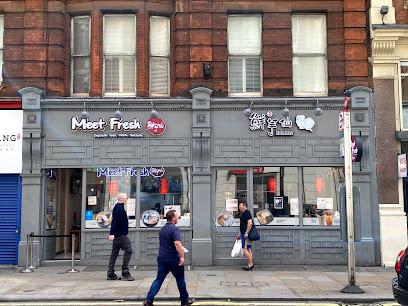
Meet Fresh
0.4 km
Authentic Taiwanese desserts in lively Soho, offering generous portions of mochi, taro balls, and refreshing fruit teas in a bustling urban setting.
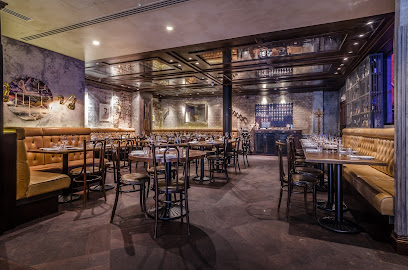
Social Eating House
0.4 km
Modern European dining in Soho with creative British flair, relaxed elegance, and an intimate chef’s counter experience.
Andrew Edmunds Restaurant
0.4 km
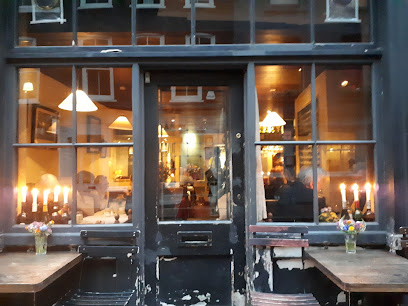
A romantic Soho townhouse serving refined Franco-Mediterranean dishes with an acclaimed wine list in an intimate, candlelit setting.
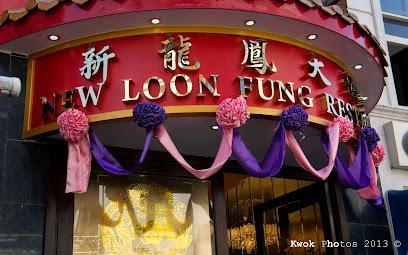
New Loon Fung Restaurant
0.4 km
Experience authentic Cantonese dim sum and classic Chinese dishes in one of Chinatown’s largest, long-standing restaurants on bustling Gerrard Street.
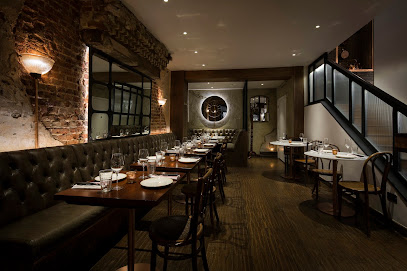
The Ninth
0.4 km
Michelin-starred modern French cuisine with Mediterranean flair in Fitzrovia’s chic and relaxed dining hotspot.
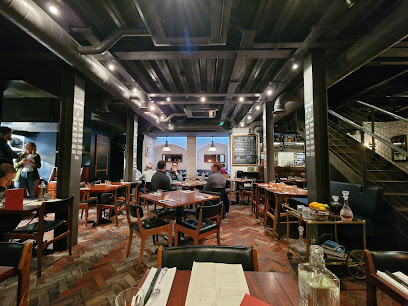
Blacklock Soho
0.4 km
A vibrant Soho basement chophouse serving exceptional grass-fed steaks and chops in a lively, rustic setting with unbeatable value.
Bantof
0.4 km
Discover Bantof, Soho’s intimate hotspot blending Michelin-starred modern European cuisine, inventive cocktails, and vibrant art in a stylish, welcoming setting.
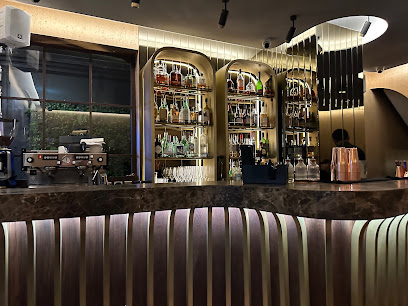
Markets, malls and hidden boutiques

Radha's Boutique
0.1 km
A small, curated Soho boutique offering tactile womenswear and accessories with friendly, personalised service in the heart of central London.
Oxford Street Gift Shop
0.1 km
A lively and colorful gift shop on Oxford Street offering quintessential London souvenirs with a vibrant atmosphere and a hint of retail adventure.
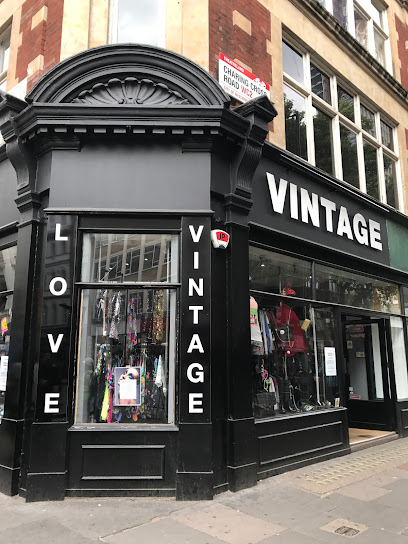
Goldsmith Vintage
0.1 km
Iconic Soho vintage shop since 1990: two floors of handpicked retro dresses, blazers, bags & accessories from decades past, with sales from £10.95.
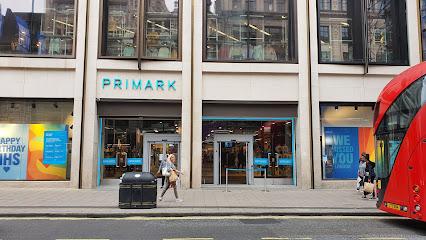
Primark
0.2 km
Discover unbeatable fashion and homeware bargains across multiple floors at Primark Oxford Street, London’s premier budget shopping destination.
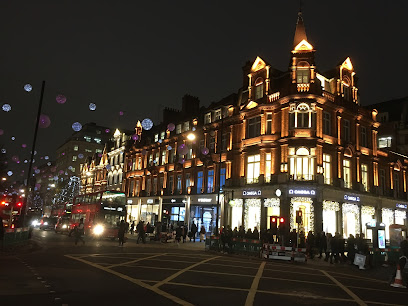
Souvenir Shop
0.2 km
Discover authentic British souvenirs in the heart of London’s iconic Oxford Street.
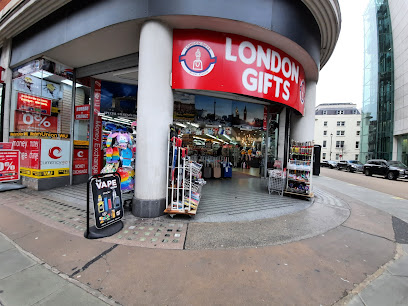
Pop Up 38
0.3 km
A compact, curated boutique on Broadwick Street offering rotating seasonal pieces and design-led accessories in the heart of Soho.
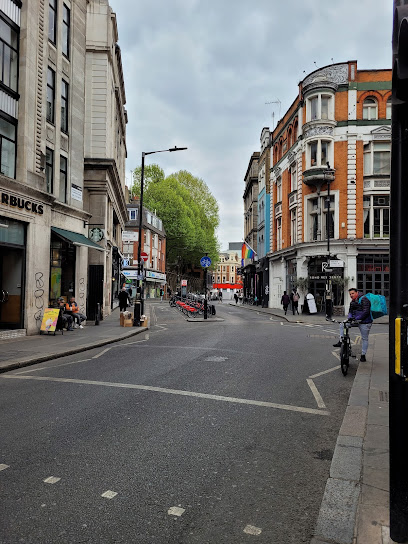
La Boutik
0.3 km
Soho's chic haven for European designer imports on buzzing Dean Street—unique fashion finds in London's creative epicenter.
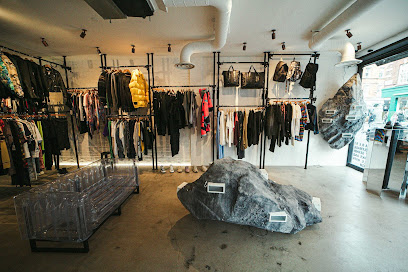
Glassworks London - Soho
0.3 km
Discover limited-edition London fashion at Glassworks Soho: quality designs, weekly drops, and timeless style on vibrant Berwick Street.
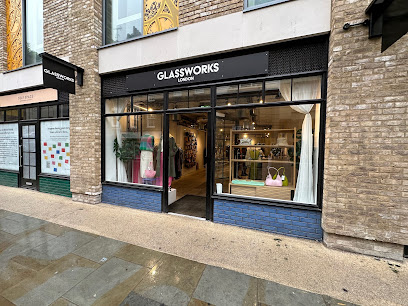
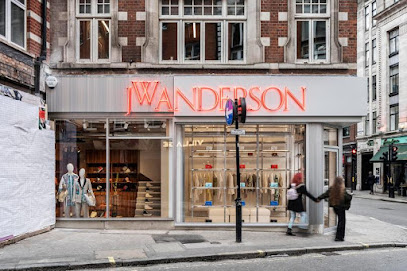
JW Anderson London Soho
0.3 km
Soho's avant-garde flagship: minimalist Shaker-inspired space brimming with gender-fluid luxury fashion, artisanal homewares, and exclusive collaborations.
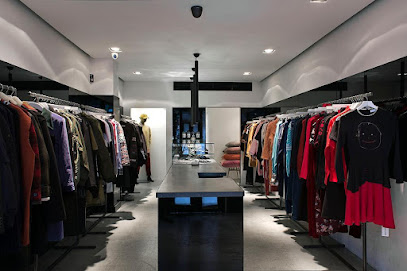
Machine-A
0.4 km
Small but influential Soho boutique showcasing curated avant‑garde and emerging fashion with gallery‑like presentation.
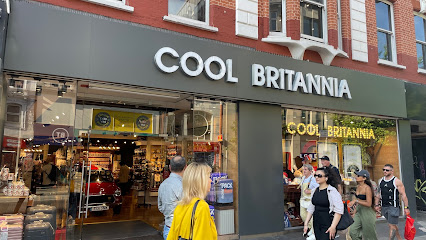
Cool Britannia Oxford Street
0.4 km
Discover authentic British souvenirs and capture timeless memories in the heart of London at Cool Britannia Oxford Street.
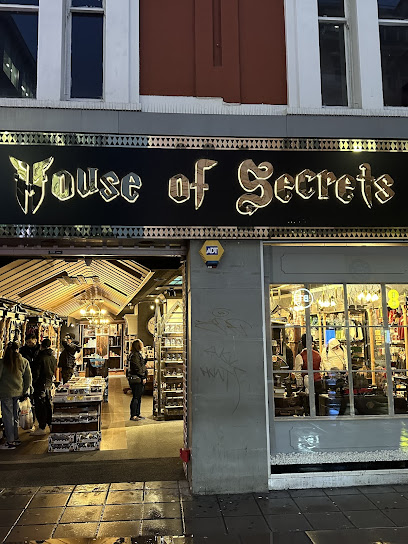
House of secrets
0.4 km
Step into House of Secrets on Oxford Street and discover a magical world of Harry Potter collectibles and enchanting souvenirs in the heart of London.
Neal's Yard Dairy (Covent Garden Shop)
0.4 km
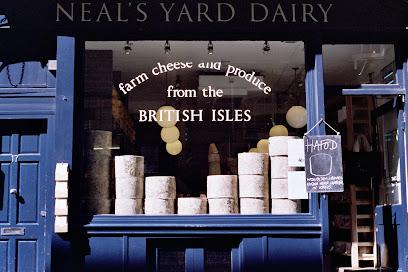
Discover the finest British and Irish farmhouse cheeses matured to perfection in the heart of Covent Garden’s vibrant Neal’s Yard.
CLOSET CASE SOHO LONDON
0.5 km
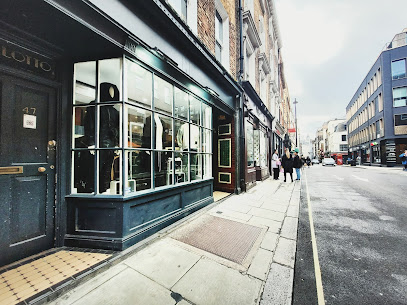
Discover avant-garde menswear from global designers in Soho's vibrant heart – unique finds for the bold dresser at Closet Case.
Good
0.5 km
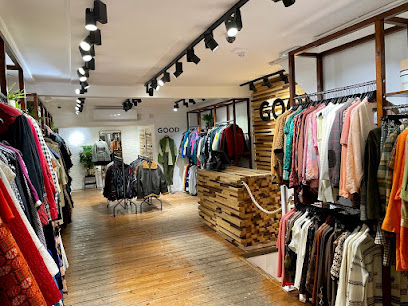
Discover sustainable style with curated preloved vintage and designer fashion at Good London’s Seven Dials shop.
Essential bars & hidden hideouts

Thirst Bar Soho
0.1 km
Compact Soho cocktail bar by day, pulsing DJ‑led club by night—cheap cocktails, leather booths and a lively basement scene.
The Little Scarlet Door
0.1 km
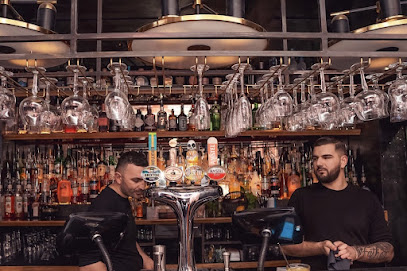
Step through the scarlet door to a playful Soho loft bar alive with inventive cocktails, secret rooms, and a lively house party vibe.
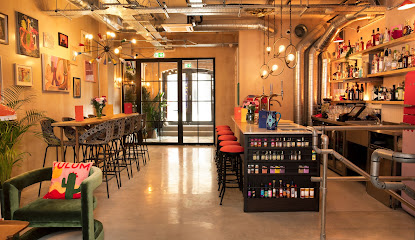
Henson's Bar and Social
0.1 km
Soho's oak-panelled cocktail sanctuary: precise classics, inventive signatures, and fireside intimacy amid Frith Street's electric vibe.
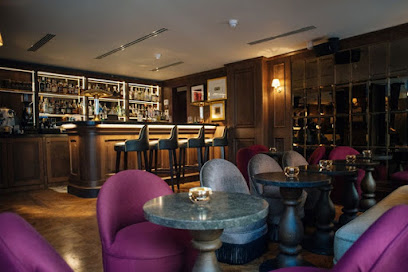
Simmons Bar | Soho
0.1 km
Soho's kitsch cocktail den with epic happy hours, retro karaoke vibes, and two floors of nostalgic nightlife fun.
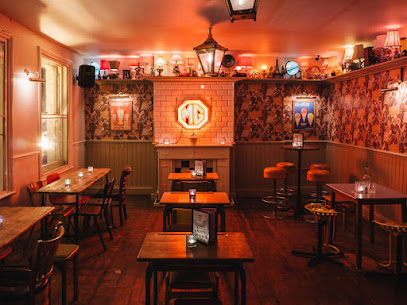
The Black Horse - Pub & Cocktail Bar
0.2 km
Experience the perfect blend of traditional pub charm and stylish cocktails in the heart of Soho’s vibrant nightlife.
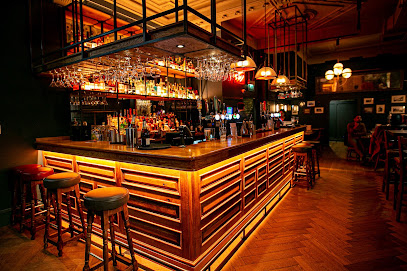
Swift Soho
0.2 km
Soho's split-level cocktail gem: aperitivo elegance upstairs, whisky-laced intimacy below, with live jazz and legendary mixes drawing night owls to Old Compton Street.
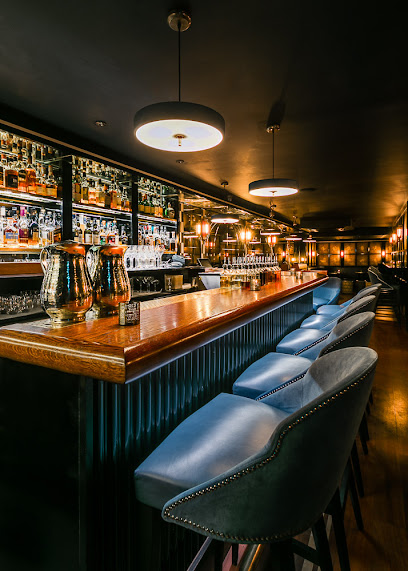
The Black Book
0.2 km
Soho's clandestine basement wine bar, pouring rare vintages by the glass alongside Mediterranean bites in a former members' club hideout—perfect for late-night indulgence.
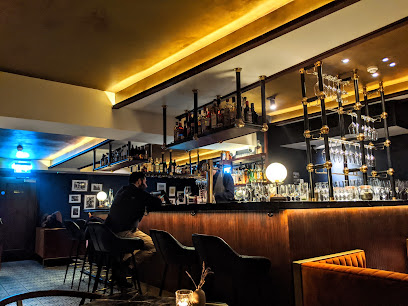
Basement Sate
0.2 km
Discover Soho’s chic basement bar where decadent desserts meet expertly crafted cocktails in an intimate, stylish setting.
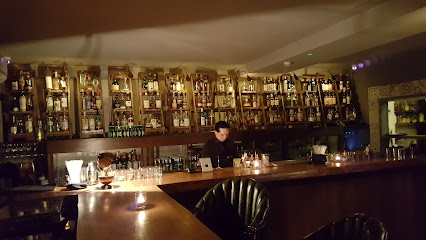
Bar Termini
0.2 km
An intimate Soho gem blending Italian cocktail artistry with a cozy, elegant atmosphere in London’s vibrant West End.
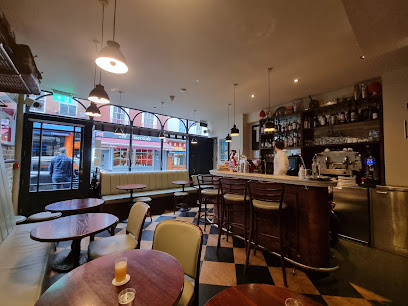
NQ64 Soho
0.3 km
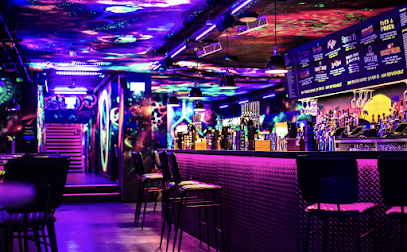
Dive into a neon-lit world of retro arcade games and themed cocktails in the heart of Soho’s vibrant nightlife scene.
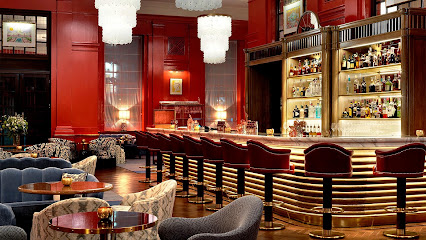
The Coral Room
0.3 km
Experience 1920s-inspired glamour and expertly crafted cocktails in the vibrant coral-hued heart of Bloomsbury Hotel.
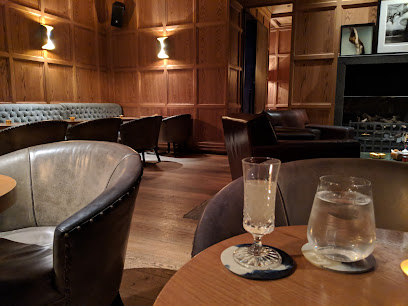
Punch Room
0.3 km
An exclusive Fitzrovia cocktail bar where historic punch traditions meet innovative craft mixology in a cozy, club-like setting.
The Blind Pig at Social Eating House
0.4 km
Soho's hidden speakeasy gem: storybook cocktails and Michelin bites in Prohibition-style elegance.
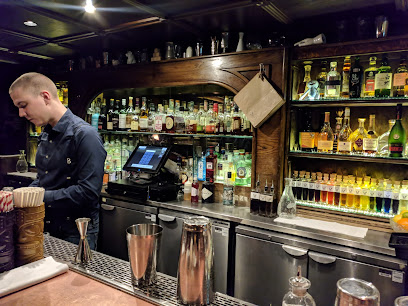
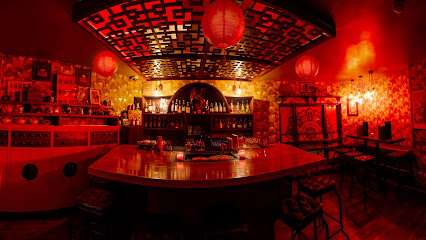
Opium Cocktail Bar - Soho
0.4 km
Discover a hidden Soho speakeasy blending 1920s Shanghai charm with inventive cocktails and exquisite dim sum in London’s Chinatown.
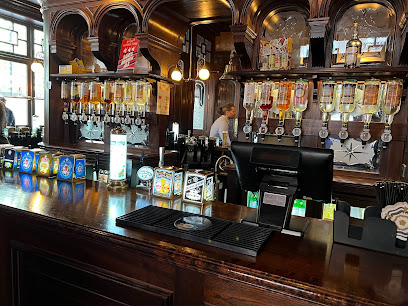
Duke of Argyll
0.4 km
Step into the Duke of Argyll for authentic Victorian pub charm, affordable ales, and a warm Soho atmosphere in central London.
Nightclubs & after hour spots

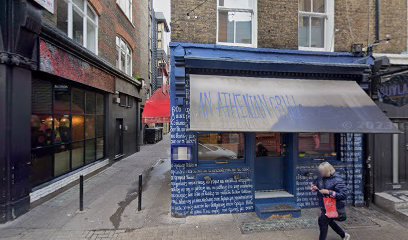
La Capannina Club
0.1 km
Discover Soho's discreet gentlemen's club: seductive stage shows, cosy vibes, and late-night allure in London's nightlife heart.
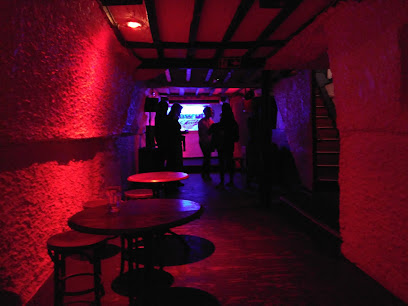
St Moritz Club
0.2 km
Soho's retro basement nightclub: 1960s vibes meet modern beats in an intimate, wood-paneled haven beneath a Swiss chalet restaurant.
101 Nightclub London
0.3 km
Soho's raw Saturday night pulse: intimate beats, crowded floors, and unfiltered London club energy on Wardour Street.
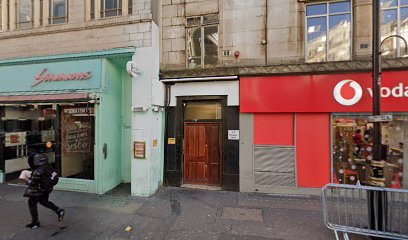
Bordello London
0.3 km
Dive into Soho's seductive basement beats at Bordello London, where Wardour Street's nightlife legacy ignites late-night frenzy on weekends.
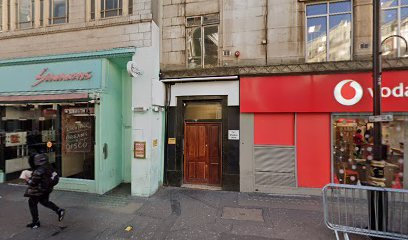
The Box Soho
0.3 km
A clandestine Soho cabaret where decadent staging, provocative shows and high‑end cocktails collide in an intense late‑night theatre.
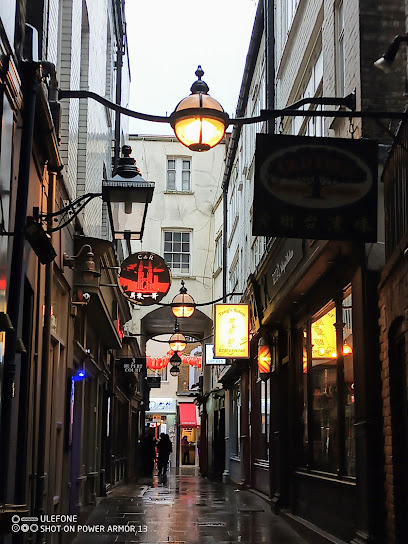
Versity Camp Nightclub
0.3 km
Dive into Soho's beating heart at Versity Camp Nightclub, where thumping bass, inventive cocktails, and an electric crowd fuel unforgettable nights until dawn.
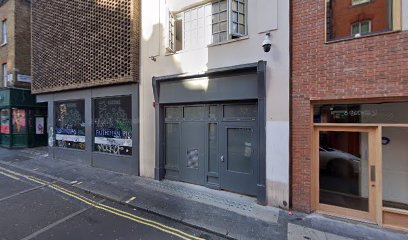
Sophisticats Soho
0.3 km
An intimate, late‑night Soho gentlemen’s club on Brewer Street offering staged performances, VIP seating and an upmarket, discreet atmosphere.
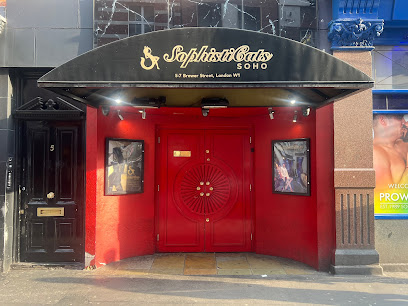
Sunset night club
0.4 km
Dive into Soho's electric nightlife at Sunset Night Club, where thumping beats, craft cocktails, and dawn-chasing energy define unforgettable nights in London's vibrant core.
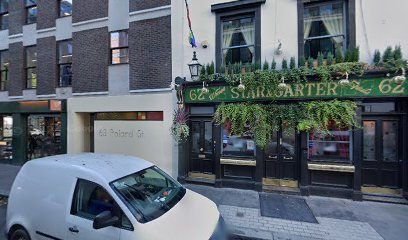
The Ivy Club
0.4 km
Art-Deco‑tinged members’ club above The Ivy — piano bars, discreet private dining and polished West End glamour.
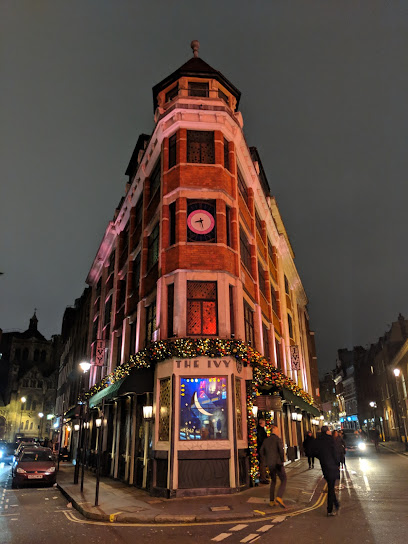
The Roxy
0.4 km
Soho's unbeatable happy hour cocktail bar by day, pulsing nightclub with live music and DJ nights till 3am—affordable vibes in London's nightlife heart.
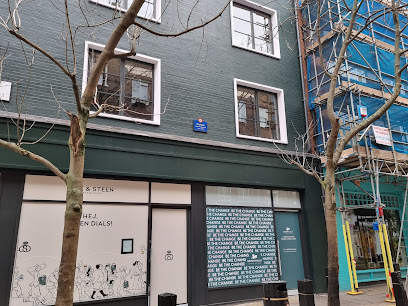
The Windmill Soho | Restaurant, Cabaret & Nightclub in Soho, London
0.5 km
Soho's legendary cabaret den revived: burlesque bites, theatrical feasts, and all-night beats in a historic hotspot of hedonism.
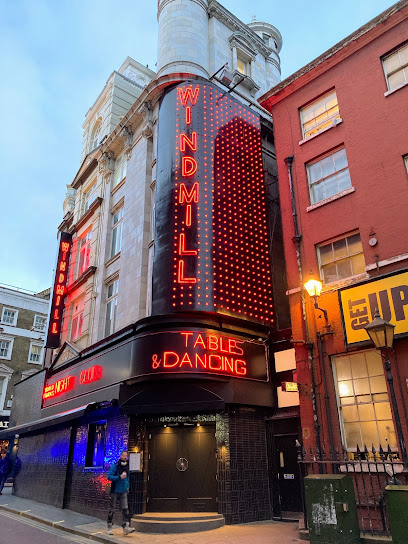
Comedy Carnival Covent Garden
0.5 km
London's premier stand-up comedy venue showcasing bold, award-winning international comedians in vibrant Covent Garden.

Whatdafunk Presents West End Urban Disco
0.5 km
Dive into London's grooviest urban disco beats at Whatdafunk, where Covent Garden's streets pulse with funk, soul, and non-stop dance energy in the heart of the West End.
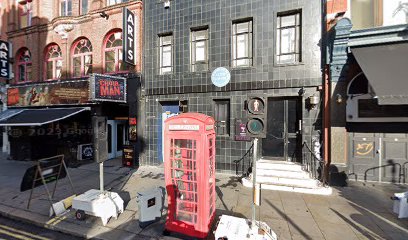
The Penthouse London
0.5 km
A compact, rooftop nightclub above Leicester Square — reached by a side lift, built for late‑night private parties and skyline glimpses.
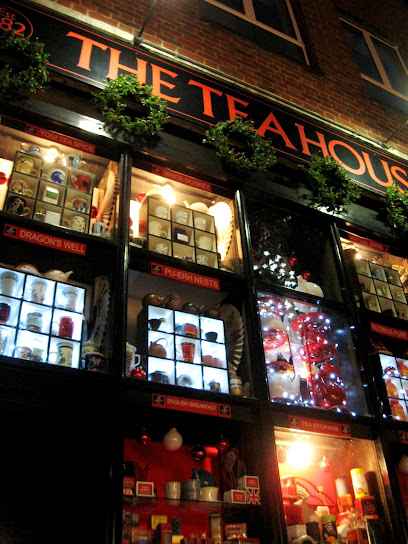
Zoo Bar & Club
0.5 km
Dive into Leicester Square's edgy nightlife hub: two floors of R&B beats, sports screens, and wild energy until 3am at Zoo Bar & Club.
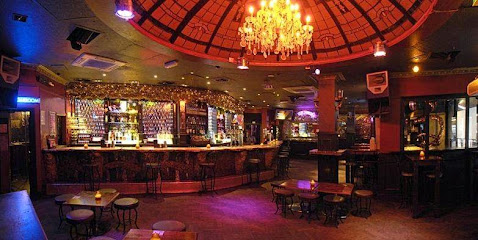
For the vibe & atmosphere seeker
- Tranquil
- Scenic
- Unique
- Casual
For the design and aesthetic lover
- Vintage Styles
- Rustic Designs
For the architecture buff
- Historic
- Landmarks
- Parks & Gardens
- Heritage Neighborhoods
For the view chaser and sunset hunter
- Iconic Views
- Panoramas
For the social media creator & influencer
- Instagrammable
- Photo Spots
- Selfie Spots
For the eco-conscious traveler
- Public-Transport Accessible
- Locally Managed
For the kind of experience you’re after
- Cultural Heritage
- Photowalk
- Day Trip
- Weekend Getaway
For how adventurous you want the journey to be
- Easy Access
Location Audience
- Family Friendly
- LGBT Friendly
- Senior Friendly
- Child Friendly
- Teen Friendly
- Wheelchair Access
- Pet Friendly
- Solo Friendly
- Couple Friendly
- Solo Female Friendly
- Vegetarian Friendly
- Vegan Friendly


