

Blackfriars Bridge: A Historic Thames Crossing in London
Historic Blackfriars Bridge: London’s iconic Thames crossing blending Victorian engineering with medieval heritage.
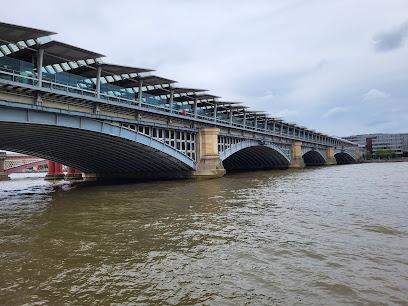
Blackfriars Bridge, spanning the River Thames in London, is a historic and architecturally significant bridge opened in 1869. It replaced an earlier 1769 stone bridge and is notable for its wrought-iron arches, ornate design elements referencing the medieval Blackfriars monastery, and its role as a vital transport link connecting the City of London with Southwark. The bridge is the widest over the Thames in London and features decorative motifs symbolizing the river’s tidal turning point.
A brief summary to Blackfriars Bridge
- Blackfriars Rd, London, SE1 9UD, GB
- Duration: 0.5 to 2 hours
- Free
-
 Outdoor
- Mobile reception: 5 out of 5
Local tips
- Visit during daylight to enjoy panoramic views of St Paul’s Cathedral and the London skyline.
- Look for the pulpit-shaped piers and gold emblems that reference the ancient Blackfriars monastery.
- Check out the decorative tiles in the southern pedestrian subway to see Robert Mylne’s original design details.
- Observe the remaining columns in the Thames from the original railway bridge alongside Blackfriars Bridge.
- Combine your visit with a stop at nearby Blackfriars Railway Station for a glimpse of historic and modern transport integration.

For the on-the-go comforts that matter to you
- Restrooms
- Drink Options
- Food Options
- Seating Areas
- Information Boards
Getting There
-
London Underground
Take the District or Circle line to Blackfriars Station, located adjacent to the bridge. The journey from central London stations like Westminster takes approximately 10-15 minutes. The station is fully accessible with lifts and escalators. Typical fare ranges from £2.50 to £5.00 depending on zones and ticket type.
-
Bus
Several London bus routes, including routes 45, 63, and 100, stop near Blackfriars Bridge on Blackfriars Road. Buses run frequently throughout the day with journey times from central London of 15-25 minutes. Contactless payment or Oyster cards are accepted, with fares around £1.75 per trip.
-
Bicycle
Blackfriars Bridge is part of Cycle Superhighway 6, providing a safe and direct route for cyclists. Bike hire docking stations are available nearby, including Santander Cycles. Cycling from central London takes about 10-20 minutes depending on starting point and traffic.
-
Walking
For pedestrians, the bridge is easily accessible on foot from nearby landmarks such as St Paul’s Cathedral or the South Bank. Walking times vary from 10 to 30 minutes depending on starting location. The bridge has wide sidewalks and is wheelchair accessible.
Blackfriars Bridge location weather suitability
-
 Any Weather
-
 Clear Skies
-
 Rain / Wet Weather
-
 Mild Temperatures
-
 Windy Conditions
Discover more about Blackfriars Bridge
The Origins and Early History of Blackfriars Bridge
Blackfriars Bridge stands on a site rich with history, originally named after the nearby Blackfriars monastery, a Dominican friary that existed until the Reformation. The first fixed crossing here was a stone bridge designed by Robert Mylne and opened in 1769. This original bridge, constructed from Portland stone with nine semi-elliptical arches, was the third bridge across the Thames in central London after London Bridge and Westminster Bridge. Initially called William Pitt Bridge after the Prime Minister, the name Blackfriars Bridge became the popular usage, reflecting the area's monastic heritage. The bridge was originally a toll bridge until the booths were destroyed during the Gordon Riots of 1780. Over time, pollution and river traffic damaged the stonework, necessitating extensive repairs and eventually replacement.The 1869 Reconstruction and Architectural Features
The current Blackfriars Bridge was opened by Queen Victoria on 6 November 1869, replacing the original structure. Designed by Joseph Cubitt, it features five elliptical wrought-iron arches, a pioneering design intended to minimize disruption to river currents and traffic. The bridge's piers are topped with pulpit-shaped structures, a tribute to the Dominican friars who once inhabited the area. Painted in red, white, and gold, the bridge is adorned with gold emblems and decorative motifs representing seabirds on the downstream (east) side and freshwater birds on the upstream (west) side, symbolizing the tidal turning point of the Thames. The southern end is guarded by a silver dragon statue, marking the boundary of the historic City of London.Evolution and Modern Use of the Bridge
Between 1907 and 1910, Blackfriars Bridge was widened from 21 meters to 32 meters to accommodate increasing traffic, including tram lines which operated until 1952. It remains the widest bridge over the Thames in London. The bridge carries a significant volume of daily traffic and since 2016 has also supported the north-south Cycle Superhighway 6, promoting sustainable transport. The bridge is owned and maintained by Bridge House Estates, a charitable trust responsible for several London bridges. Remnants of the original railway bridge, which once ran alongside, can still be seen as columns rising from the river, integrating the area's layered transport history.Visual and Cultural Significance of Blackfriars Bridge
Blackfriars Bridge offers iconic views of St Paul’s Cathedral and the London skyline, framed by its elegant arches and classical design. The bridge has inspired numerous artworks, including 18th-century paintings that capture its stately presence on the Thames. Decorative tiles in the southern pedestrian subway preserve Robert Mylne’s original design motifs, connecting visitors to the bridge’s 18th-century origins. The bridge’s location at the mouth of the River Fleet, one of London’s lost rivers, adds to its historical intrigue. Nearby, restored water fountains and plaques enrich the cultural landscape, commemorating Victorian-era philanthropy and engineering achievements.Blackfriars Bridge in the Context of London’s Urban Fabric
The bridge connects the City of London with the Southwark district, linking key thoroughfares such as Blackfriars Road and London Road. Its position at St George’s Circus creates a vital junction for road traffic and pedestrian movement. The surrounding area has evolved from industrial wharves and warehouses to a vibrant urban environment with modern developments alongside preserved historic structures. Blackfriars Bridge’s role as a transport artery and cultural landmark makes it an enduring symbol of London’s continuous development along the Thames.Legacy and Preservation Efforts
Maintained by the City of London Corporation through Bridge House Estates, Blackfriars Bridge is a Grade II listed structure recognized for its architectural and historic importance. Preservation efforts have ensured the bridge’s structural integrity and aesthetic appeal, including restoration of decorative elements and integration with modern infrastructure such as the adjacent Blackfriars Railway Station. The bridge’s design and history embody the intersection of engineering innovation, urban planning, and cultural heritage along one of London’s most storied river crossings.Iconic landmarks you can’t miss

Blackfriars Bridge
0.0 km
Historic and widest Thames crossing in London, blending Victorian engineering with medieval heritage and stunning river views.
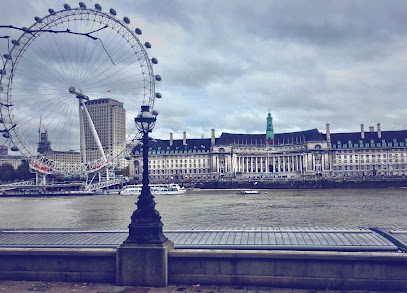
Victoria Embankment
0.2 km
A historic riverside promenade in London blending Victorian engineering, scenic gardens, iconic monuments, and stunning Thames views.
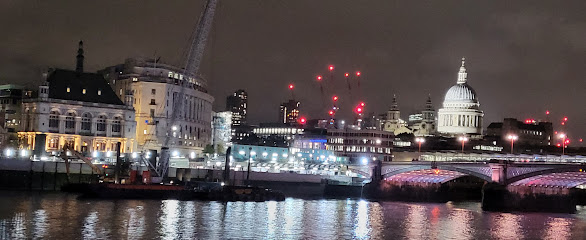
South Bank Community Area
0.3 km
A vibrant riverside cultural and historic district in central London, home to iconic landmarks, arts venues, and scenic Thames views.
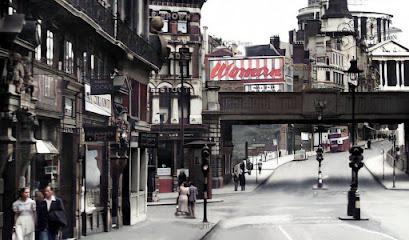
Ludgate Circus
0.5 km
Historic Victorian junction where London's ancient Ludgate once stood, blending rich legend, architecture, and urban vitality.
King's Reach commemoration memorial
0.5 km
Historic riverside memorial honoring King George V’s Silver Jubilee and the naming of London’s Thames stretch as 'King’s Reach'.
Queen Anne Statue
0.5 km
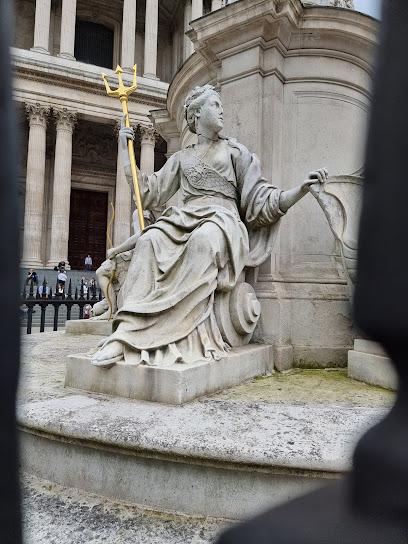
Historic statue commemorating Queen Anne’s reign and the completion of St. Paul’s Cathedral, symbolizing Britain’s royal heritage and resilience.
The National Firefighters Memorial
0.5 km
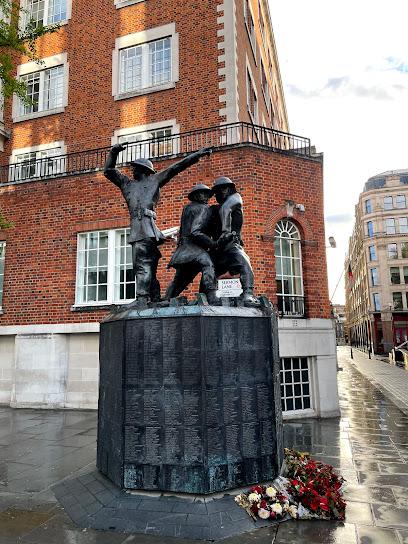
A solemn tribute in London honoring the bravery and sacrifice of firefighters who served during the Blitz and beyond.
Hare Pl
0.6 km
Discover Hare Place in Temple, London—a serene historic enclave steeped in centuries of legal tradition and architectural charm.
Temple Bar London
0.6 km
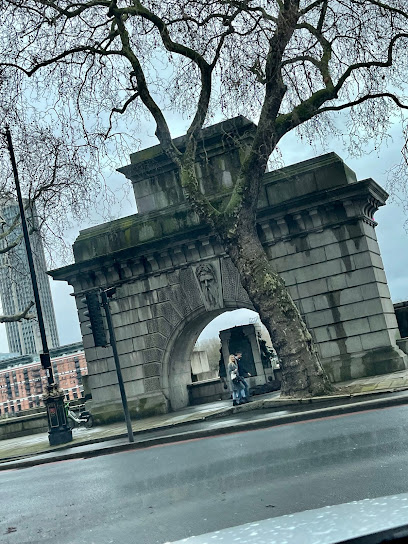
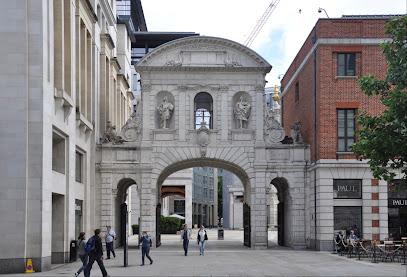
Explore Temple Bar, London’s historic ceremonial gateway rebuilt by Christopher Wren, rich with royal heritage and striking 17th-century architecture.
3 Gunpowder Square
0.6 km
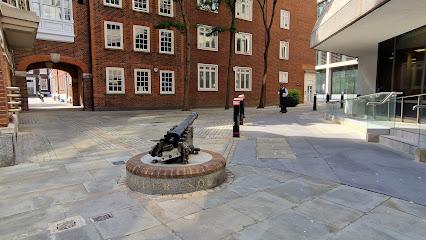
A modern square in London’s financial district commemorating the dramatic history of the 1605 Gunpowder Plot and Guy Fawkes’ daring conspiracy.
Prince Henry's Room
0.6 km
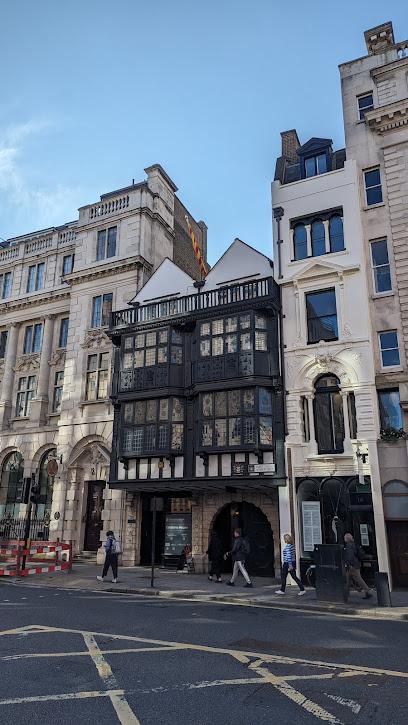
Discover a rare Jacobean timber-framed treasure on Fleet Street, rich with history, ornate plasterwork, and tales from London's past.
Southwark Bridge
0.7 km
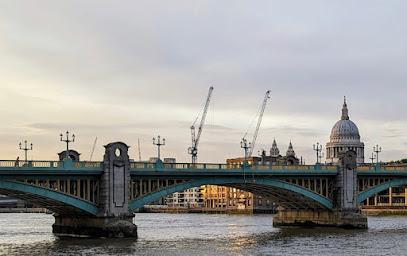
A graceful steel-arched Thames crossing with a rich history, distinctive green-and-yellow detailing, and a key role in London’s illuminated river landscape.
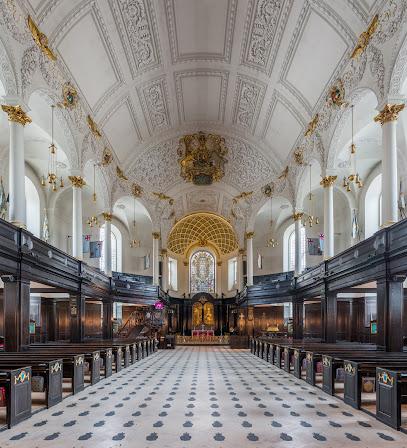
St Clement Danes Church
0.8 km
Historic London church and Central Church of the Royal Air Force, famed for its Wren architecture, RAF memorials, and iconic 'Oranges and Lemons' bells.
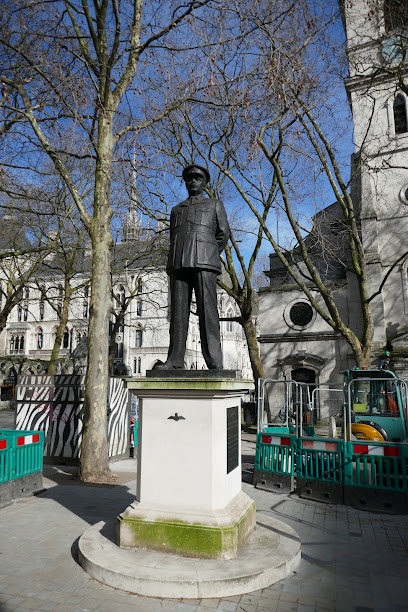
Bomber Harris Memorial
0.8 km
A solemn tribute to RAF Bomber Command’s leader and airmen, set within the historic St Clement Danes Church in London’s Temple district.
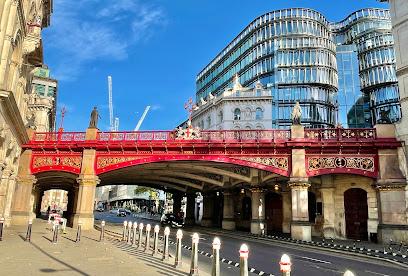
Holborn Viaduct
0.8 km
A grand Victorian bridge spanning London's hidden Fleet valley, blending engineering innovation with ornate artistry and rich history.
Unmissable attractions to see

Big Belly Bar & Comedy Club London
0.3 km
Experience top-tier comedy, delicious street food, and lively drinks at Southbank’s Big Belly Bar & Comedy Club, a hub for laughter and creativity.

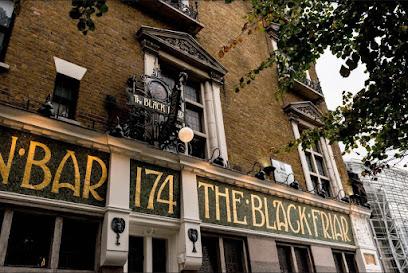
The Blackfriar
0.3 km
A Grade II* listed Art Nouveau pub on the site of a medieval Dominican friary, packed with friar-themed carvings, mosaics, and stained glass in the heart of London.
Bargehouse
0.3 km
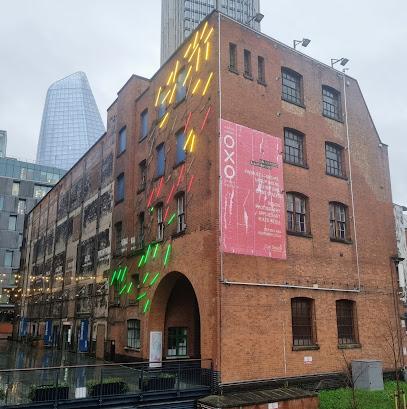
Explore Bargehouse at Oxo Tower Wharf, a raw industrial space on London’s South Bank, hosting cutting-edge art exhibitions and immersive creative events.
Apothecaries' Hall
0.4 km
Historic 17th-century livery hall near St Paul’s, blending rich heritage with elegant event spaces and timeless charm.

Millennium Bridge
0.4 km
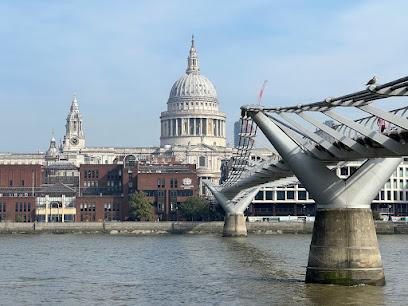
Explore the Millennium Bridge, a modern architectural gem in London, linking iconic landmarks with stunning river views and cultural experiences.
Church Entry
0.4 km
Discover Church Entry, a narrow medieval alley in Blackfriars tracing the ancient Blackfriars Priory’s sacred church line beneath modern London.
Tate Modern
0.4 km
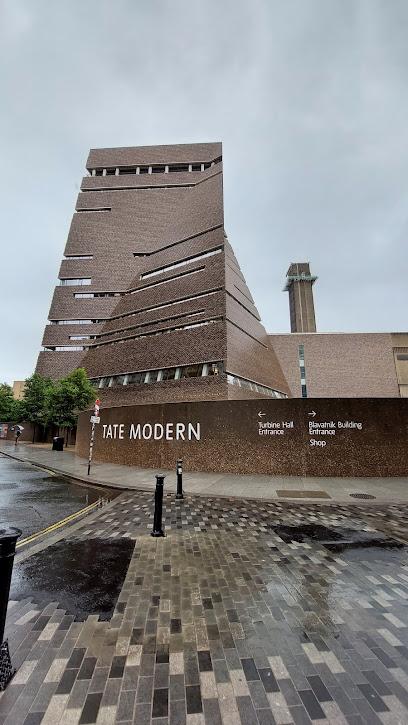
Discover groundbreaking modern and contemporary art in London's iconic former power station, featuring world-class collections and stunning river views.
Thames Beach
0.4 km
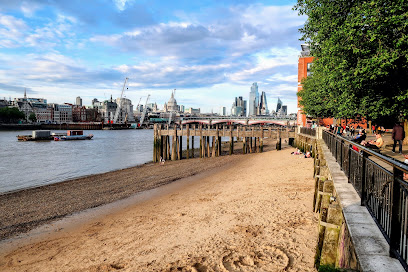
Discover Thames Beach, a tranquil urban riverside escape with sandy shores, iconic views, and family-friendly charm in the heart of London SE1.
Monument Queen Victoria
0.4 km
Historic gateway memorial with majestic statues of Queen Victoria and Edward VII, crowned by the iconic City of London dragon.
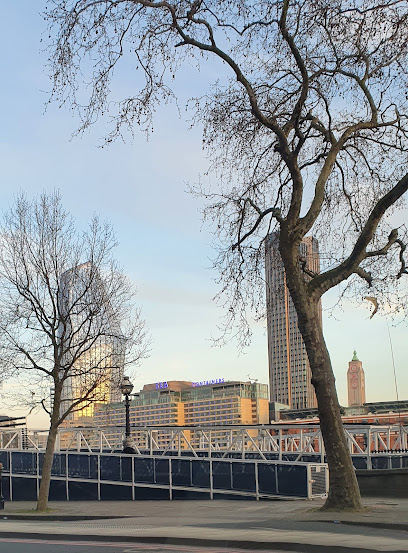
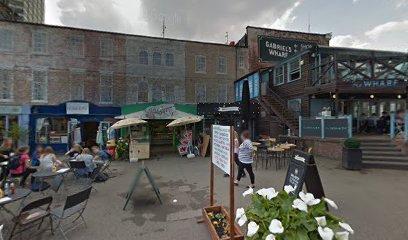
56 Gabriel's Wharf
0.5 km
A vibrant riverside enclave blending creative shops, art, and dining on London’s iconic South Bank.
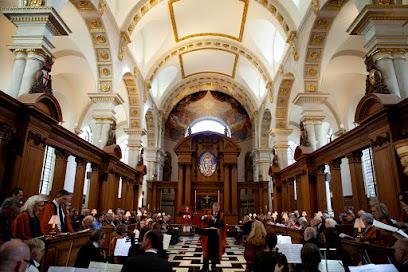
St Bride's Church, Fleet Street
0.5 km
Discover the historic heart of Fleet Street, where journalism, printing, and London’s past converge in a stunning Wren-designed church.
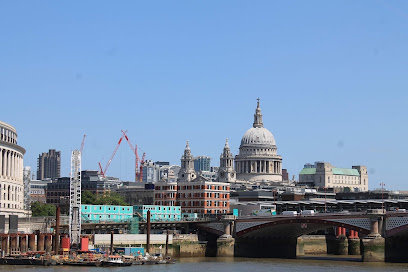
Observation Point
0.5 km
Breathtaking panoramic views of London's iconic skyline from a vibrant riverside vantage on the South Bank.
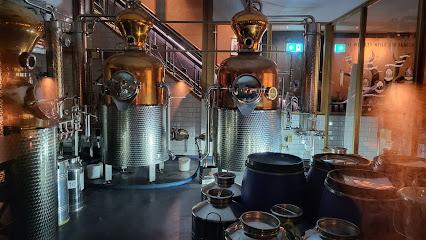
City of London Distillery & Bar
0.5 km
Discover London’s historic gin distillery and cocktail bar, blending tradition, innovation, and over 130 gins in a stylish subterranean setting.
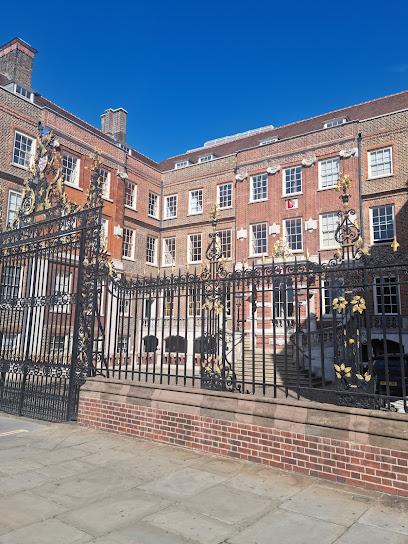
College of Arms
0.5 km
Explore centuries of heraldic tradition at the historic College of Arms, London's official authority on coats of arms and genealogy.
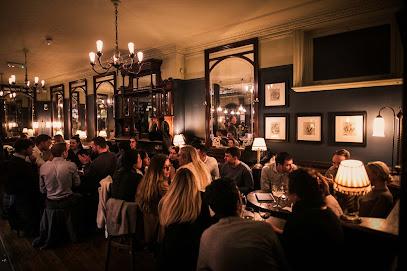
Punch Tavern
0.5 km
Discover The Punch Tavern, a historic pub on Fleet Street, serving traditional British fare and a vast selection of drinks in a charming atmosphere.
Essential places to dine

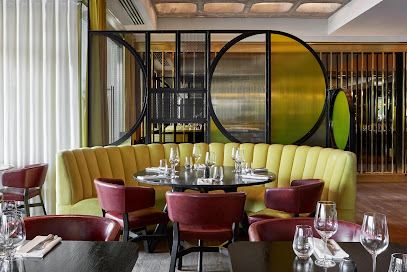
Sea Containers Restaurant
0.2 km
Stylish Modern British dining with iconic Thames views on London’s vibrant Southbank, perfect for brunch, dinner, and special occasions.
Paradiso Burger & Cocktail Bar Southbank
0.4 km
Vibrant riverside spot in Southbank serving gourmet burgers, cocktails, and bottomless brunch with stunning Thames views.
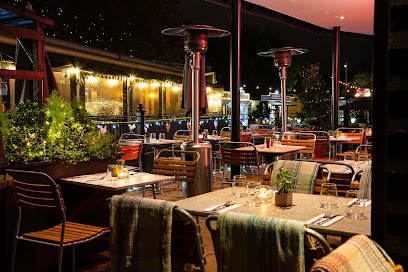
Madison
0.8 km
Stylish rooftop dining and cocktails with breathtaking views of St Paul’s Cathedral and London’s skyline.
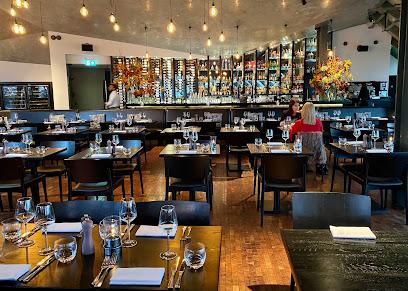
Ikoyi Restaurant
0.8 km
Discover Ikoyi, London’s two-Michelin-starred restaurant blending bold West African spices with British ingredients in an elegant, sensory tasting journey.
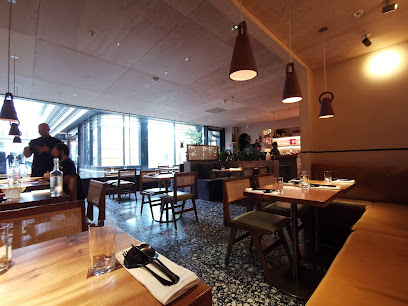
Brasserie Blanc - Southbank
0.9 km
Authentic French brasserie dining with hearty seasonal dishes and rustic charm on London’s lively South Bank.
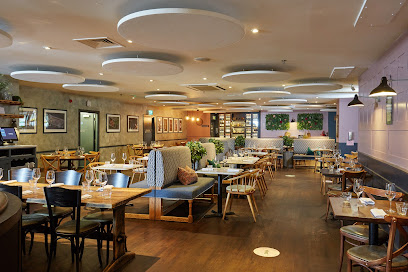
Wahaca Southbank
0.9 km
Experience vibrant Mexican street food in a unique riverside setting with scenic Thames views and lively atmosphere at Wahaca Southbank.
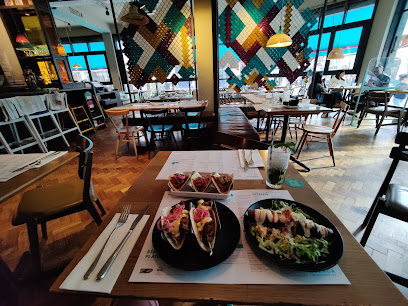
Southbank Centre Food Market
0.9 km
A lively weekend street food market on London’s South Bank offering diverse global cuisines in a vibrant riverside setting.
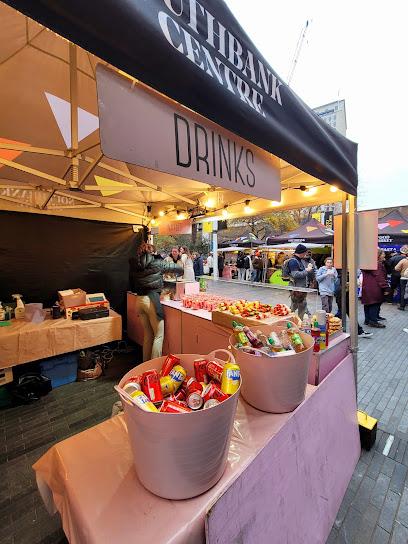
The Archduke
1.0 km
Lively steakhouse and wine bar in Waterloo with superb Scotch beef, classic desserts, and live jazz in a buzzy, inviting atmosphere.
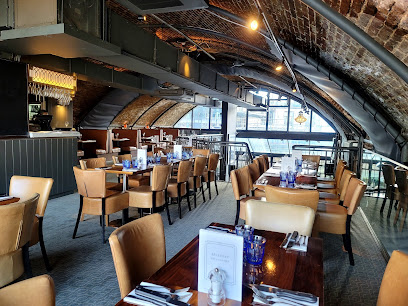
Ping Pong Southbank
1.0 km
Lively Southbank dim sum and cocktail bar blending traditional Chinese flavors with modern Asian fusion in a bustling riverside setting.
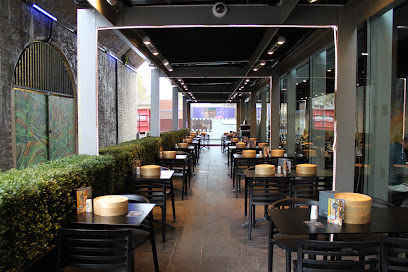
Strada Southbank
1.0 km
Authentic Southern Italian flavors served with vibrant riverside views in the heart of London’s Southbank.
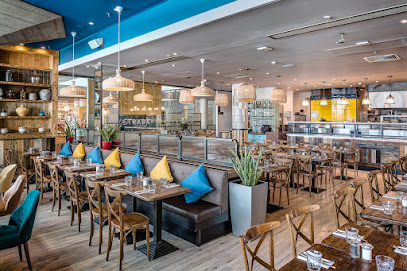
wagamama southbank
1.0 km
Lively riverside pan-Asian dining with fresh, bold flavors and stunning Thames views at London’s Royal Festival Hall.
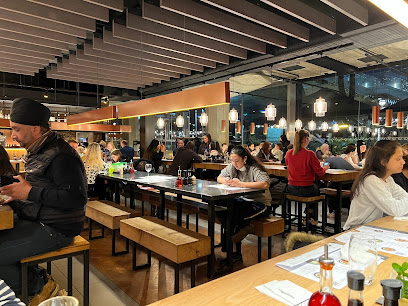
George
1.1 km
Step into London’s last galleried coaching inn, where history, hearty ales, and a lively courtyard blend in a timeless pub experience.
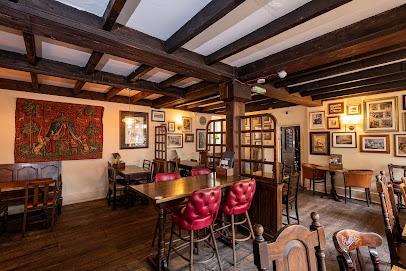
Cicchetti by San Carlo - London Covent Garden
1.2 km
Experience authentic Venetian small plates and seasonal Italian flavors in a stylish, lively Covent Garden setting.
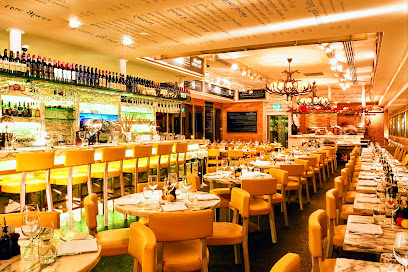
Sarastro
1.2 km
Experience vibrant Mediterranean flavors and live musical theatre in the heart of Covent Garden’s most theatrical restaurant.
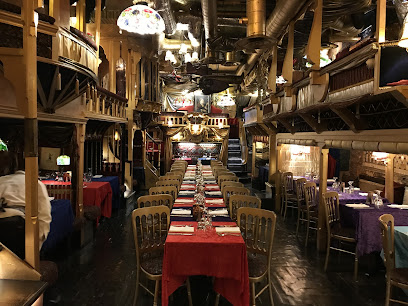
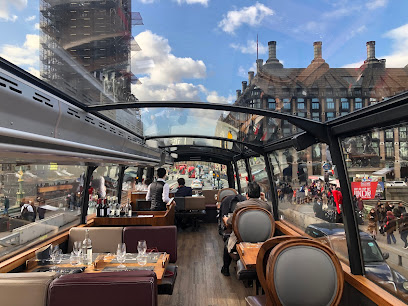
Bustronome London
1.2 km
Dine in luxury aboard a panoramic double-decker bus while touring London’s iconic landmarks with gourmet cuisine and fine wines.
Markets, malls and hidden boutiques

Bankside Arches Boutique
0.2 km
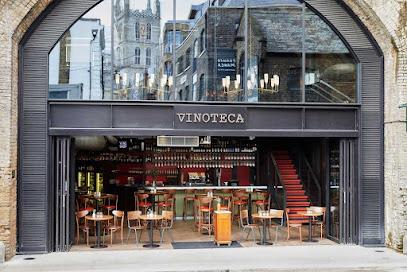
Discover unique London gifts and handcrafted treasures inside Blackfriars Station’s charming Bankside Arches Boutique.
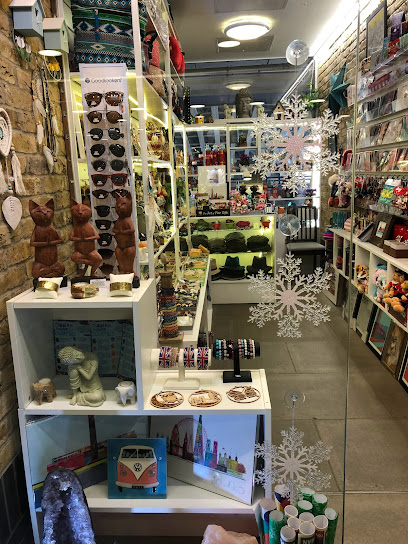
SUCK UK Alternative Gifts (OXO Tower)
0.3 km
Discover quirky, clever gifts and homewares at SUCK UK’s flagship store in London’s iconic OXO Tower.
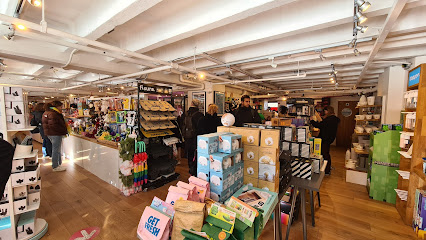
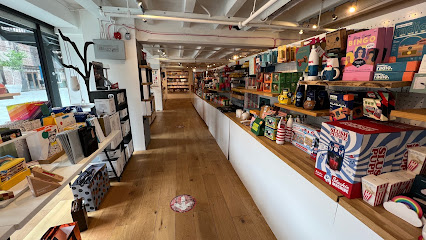
Brand Academy Independent Gift Shop
0.3 km
Dive into a world of whimsical designs and unique finds at this South Bank gem, where global brands meet emerging talents in the heart of Oxo Tower Wharf.
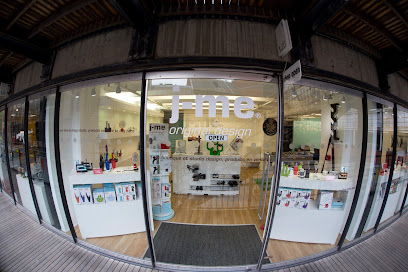
j-me original design ltd
0.4 km
Whimsical designs with a humorous twist from London's Oxo Tower creative hub – quirky home gifts blending fun, function, and British ingenuity.
Sugar And Style
0.5 km
Discover design-led fashion accessories in Gabriel's Wharf, London's arty South Bank riverside haven blending style, creativity, and Thames views.

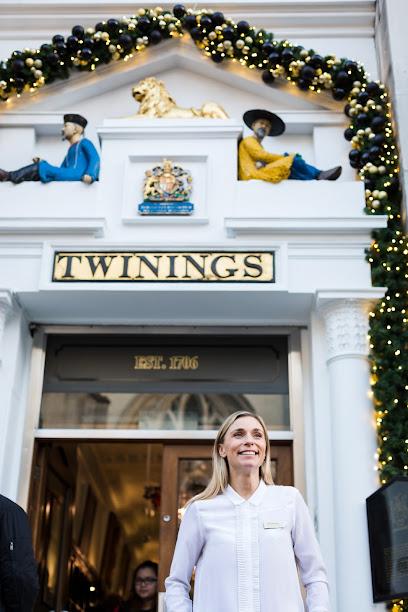
Twinings - The Strand
0.7 km
Discover over 300 years of tea heritage at London’s oldest tea shop, featuring historic charm, premium tastings, and a unique museum experience.
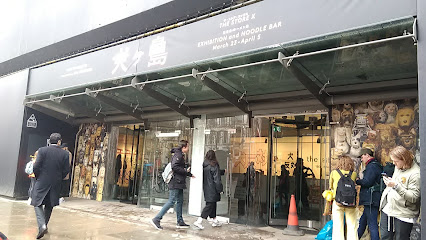
The Store X
0.8 km
A visionary space where London’s fashion, art, and culture converge in an immersive, innovative experience.
Borough Yards
1.0 km
Discover Borough Yards, a lively London district blending historic railway arches with cutting-edge shopping, dining, and culture near Borough Market.
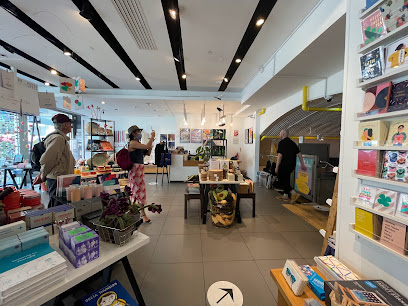
Southbank Centre Shop, Mandela Walk
1.0 km
Discover creative gifts, sustainable homewares, and arts-inspired souvenirs on vibrant Mandela Walk, opposite Royal Festival Hall—a stylish treat amid South Bank's cultural heartbeat.
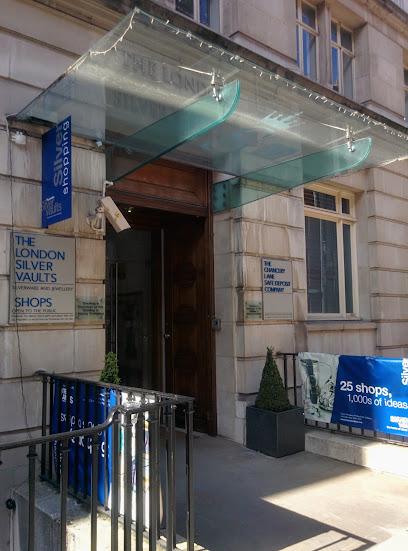
London Silver Vaults
1.0 km
The world's largest underground marketplace for fine antique and contemporary silver, hidden beneath historic Chancery Lane.
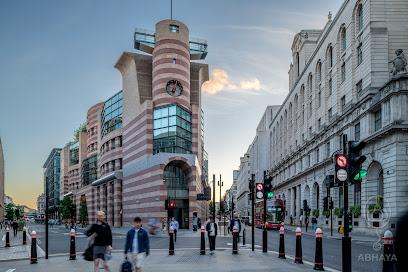
1 Poultry
1.0 km
Iconic postmodern office and retail building with vibrant limestone stripes, a colorful atrium, and a rooftop garden overlooking London’s financial district.
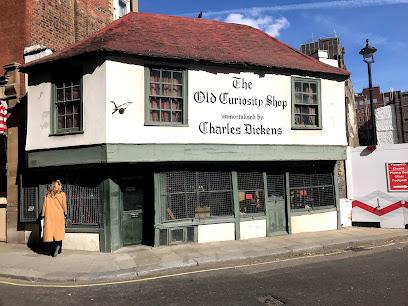
The Old Curiosity Shop
1.1 km
Step into a Tudor-era timbered cottage steeped in Dickensian lore, nestled amidst the vibrant heart of modern London.
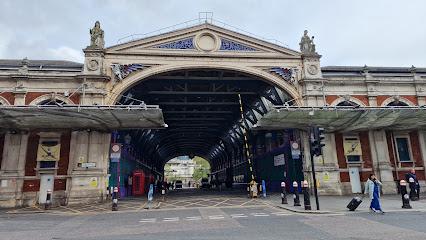
Smithfield Market
1.1 km
London’s oldest wholesale meat market, where history and commerce meet in the heart of the city.
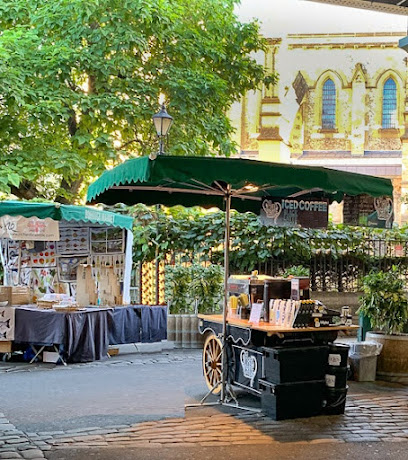
Custom Gifts By Jupiter
1.1 km
Unleash creativity with bespoke gifts and custom decor from this South Bank artisan haven near the Thames and iconic landmarks.
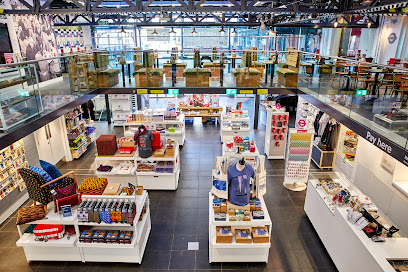
London Transport Museum - Shop
1.2 km
Discover unique transport-themed gifts and iconic London memorabilia at the London Transport Museum Shop in Covent Garden.
Essential bars & hidden hideouts

Doggett's Coat and Badge
0.1 km
A large, riverside Nicholson’s pub on Blackfriars Bridge offering classic British fare, real ales and a rooftop terrace with strong Thames views.
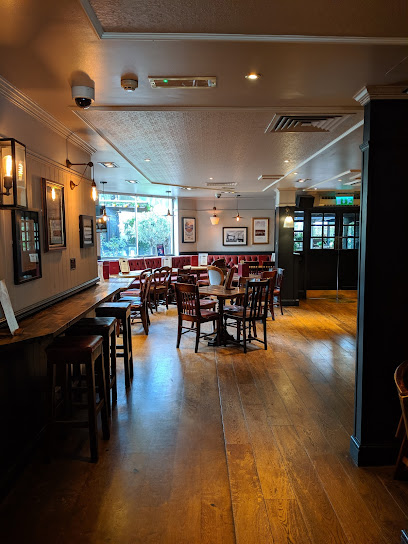
Lyaness
0.2 km
Innovative cocktails and sustainable mixology with stunning Thames views in London’s stylish South Bank hotspot.
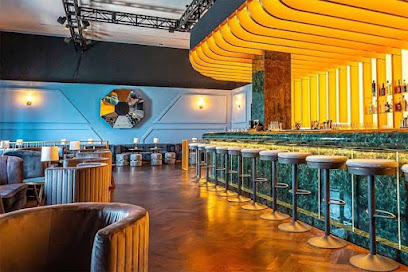
Black Parrot
0.5 km
Discover London’s top rum bar with expertly crafted cocktails, immersive masterclasses, and a lively yet intimate atmosphere in Bride Court.
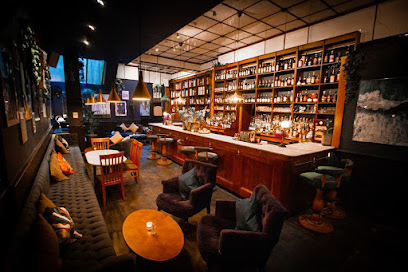
The Understudy
0.7 km
Riverside craft beers, KERB street food, and Thames views at the National Theatre's lively bar – perfect for pre-show bites or late-night hangs on London's South Bank.
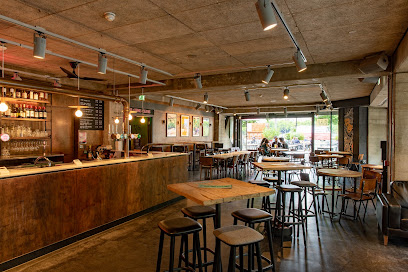
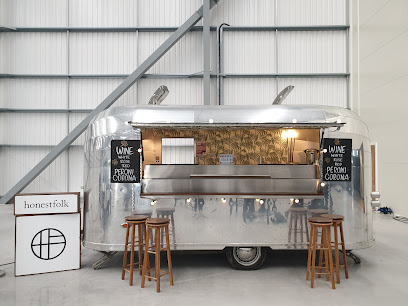
honestfolk Cocktail Bar (Southbank Centre Food Market)
0.9 km
Seasonal cocktails and classics from a cozy mobile bar at Southbank Centre Food Market, where Thames breezes mingle with market buzz and craft libations.
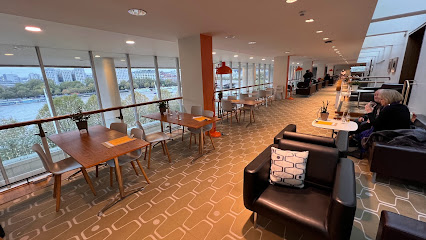
Southbank Centre, Members Bar
1.0 km
Elevated wine bar with Thames panoramas and cultured calm atop Royal Festival Hall—perfect for drinks amid London's arts heartbeat.
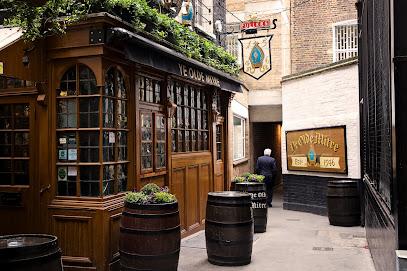
Ye Olde Mitre, Holborn
1.0 km
Discover Ye Olde Mitre, a hidden Tudor-era pub in Holborn where history, legend, and cozy charm converge in a secret London alley.
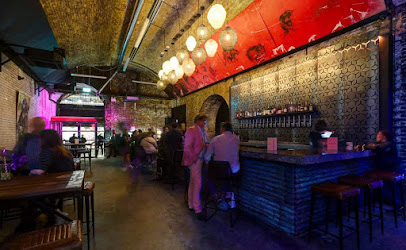
Bar @ 26 Leake Street
1.1 km
Experience London’s vibrant street art and nightlife culture at 26 Leake Street, a unique cocktail bar and event venue in Waterloo’s iconic graffiti tunnels.
Beaufort Bar
1.1 km
Step into the Beaufort Bar’s jet-black and gold Art Deco glamour for exquisite cocktails, live sultry music, and a timeless London night out.
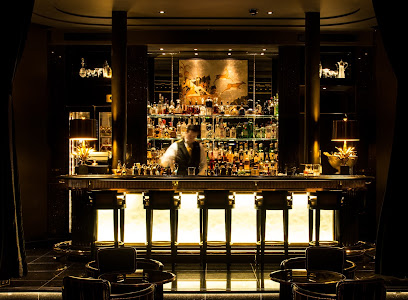
American Bar
1.1 km
Step into London’s oldest cocktail bar, where over a century of mixology mastery meets elegant Art Deco charm at The Savoy.
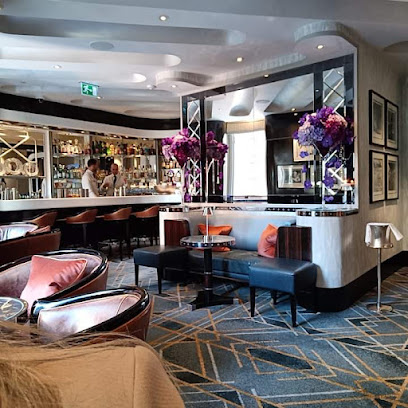
Be At One - Covent Garden Lyceum
1.1 km
Shake up your night in Covent Garden with 100+ cocktails, 2-for-1 happy hours, and masterclasses in a historic spot pulsing with theater-district energy.
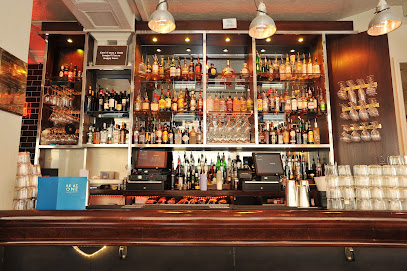
Waterloo Lost Property Office Speakeasy
1.1 km
Discover a hidden 1920s-inspired speakeasy in Waterloo serving expertly crafted cocktails in a seductive, vintage setting.
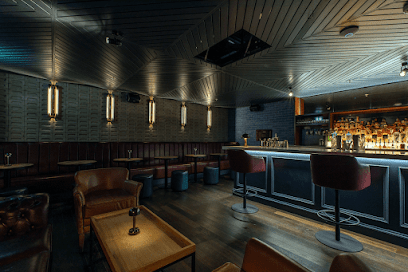
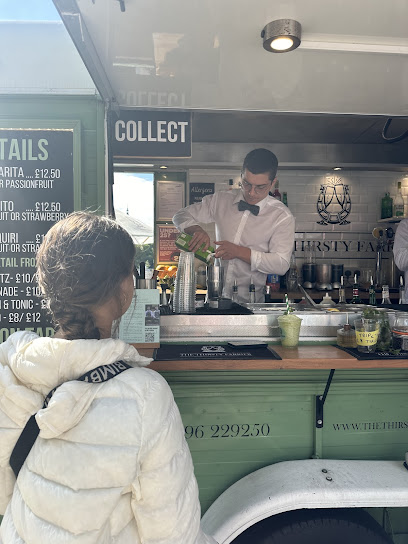
The Thirsty Farrier Cocktail Bar
1.1 km
A vibrant London cocktail bar offering expertly crafted seasonal drinks with scenic riverside views and a welcoming atmosphere.
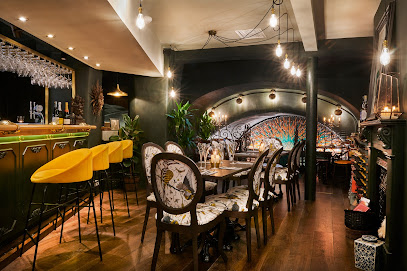
Plume Wine Bar
1.1 km
Covent Garden speakeasy in Dickens' old offices: sparkling wines from afar, cheesy sharing plates, and note-passing to strangers in candlelit luxury.
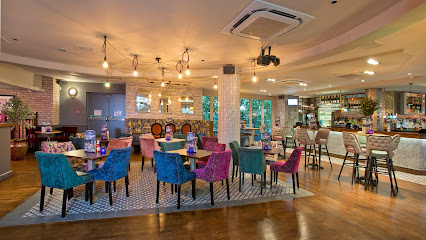
Slug & Lettuce - County Hall
1.2 km
Chic South Bank cocktail haven in County Hall: bottomless brunches, 2-for-1 sips, pub classics, and Thames views for London's liveliest lunches and nights out.
Nightclubs & after hour spots

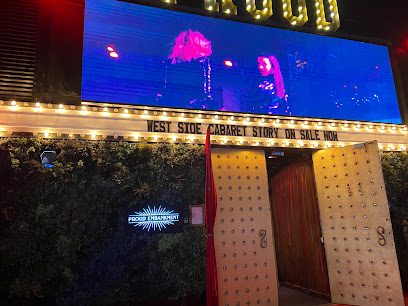
Proud Late
1.0 km
Dive into two-storey glamour under Waterloo Bridge: cabaret acrobatics, burlesque dazzle, supper feasts, and non-stop clubbing till 5am in London's West End nightlife epicenter.
The Steel Yard
1.0 km
Experience London’s premier industrial-chic nightclub set in historic Victorian railway arches, with world-class sound and late-night energy until 6am.
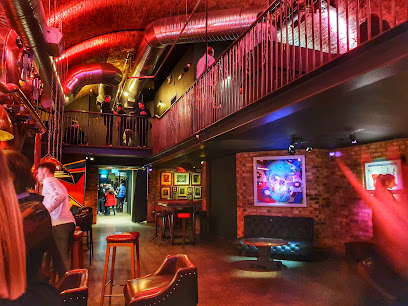
Cirque Du Soul
1.2 km
Dive into Leake Street's graffiti tunnel for soul-stirring electronic nights at this underground nightclub haven.
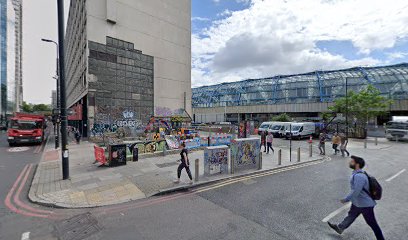
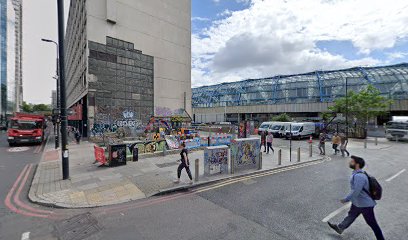
We Are Waterloo
1.2 km
Dive into Leake Street's graffiti heart where street art meets thumping beats in London's ultimate underground nightclub haven.
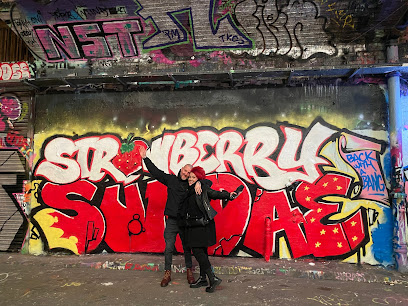
STRAWBERRY SUNDAE
1.2 km
Retro rave haven in Waterloo Arches: Daytime hardcore beats, 90s DJ legends, and industrial euphoria from midday to midnight.
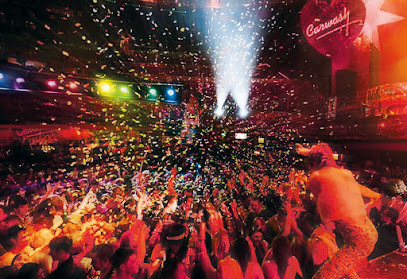
Carwash Nightclub
1.3 km
Experience Europe’s longest-running disco club in London’s West End, where retro beats, vibrant crowds, and themed parties create unforgettable nights.
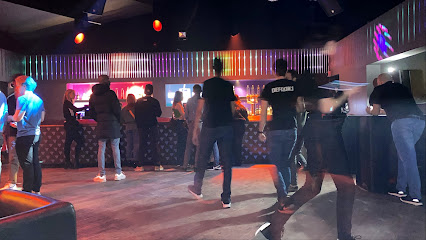
Ministry of Sound
1.4 km
London's legendary dance music cathedral since 1991, where world-class sound systems and global DJs fuel euphoric nights across four pulsing rooms.
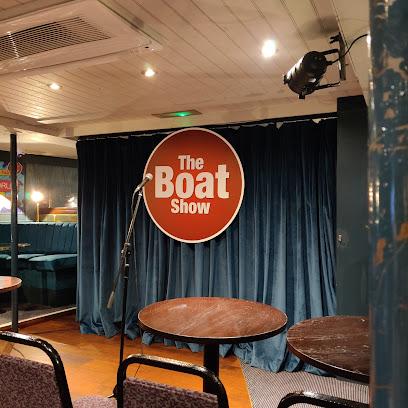
The Boat Show Comedy Club
1.4 km
London’s premier floating comedy club aboard the historic Tattershall Castle, blending laughter with iconic riverside views and vibrant nightlife.
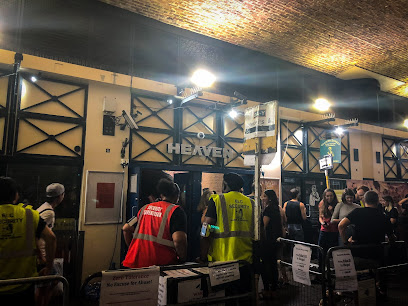
Heaven
1.4 km
London’s iconic gay superclub under the railway arches — big nights, loud music, drag, and late finishes in the heart of the West End.
Bunga Bunga Covent Garden
1.4 km
A neon-soaked, pizza-and-karaoke supper club under Drury Lane — 90s nostalgia, stage shows and shareable Italian feasts.
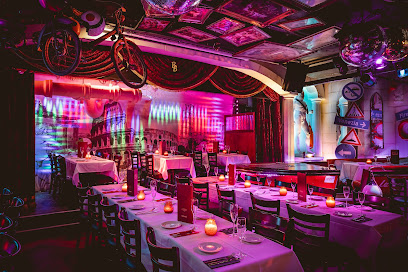
London Best Night Clubs
1.5 km
Experience London’s legendary Ministry of Sound, where cutting-edge sound meets dynamic club culture in a multi-room dance haven.
Comedy Carnival Covent Garden
1.6 km
London's premier stand-up comedy venue showcasing bold, award-winning international comedians in vibrant Covent Garden.

The Roxy
1.6 km
Soho's unbeatable happy hour cocktail bar by day, pulsing nightclub with live music and DJ nights till 3am—affordable vibes in London's nightlife heart.
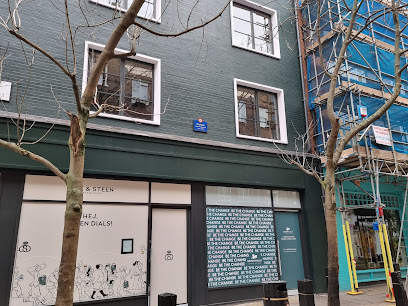
Whatdafunk Presents West End Urban Disco
1.6 km
Dive into London's grooviest urban disco beats at Whatdafunk, where Covent Garden's streets pulse with funk, soul, and non-stop dance energy in the heart of the West End.
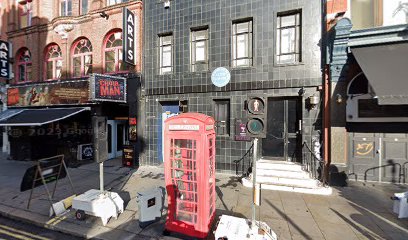
The Ivy Club
1.7 km
Art-Deco‑tinged members’ club above The Ivy — piano bars, discreet private dining and polished West End glamour.
For the vibe & atmosphere seeker
- Scenic
- Historic
- Relaxing
- Unique
For the design and aesthetic lover
- Vintage Styles
- Art Deco Styles
For the architecture buff
- Historic
- Landmarks
- Viewpoints
For the view chaser and sunset hunter
- Iconic Views
- Panoramas
- Sunset Spots
For the social media creator & influencer
- Instagrammable
- Photo Spots
- Architectural Shots
For the eco-conscious traveler
- Public-Transport Accessible
- Car-Free Access
For the kind of experience you’re after
- Cultural Heritage
- Photowalk
- Nature Escape
- Day Trip
For how adventurous you want the journey to be
- Easy Access
Location Audience
- Family Friendly
- Senior Friendly
- Child Friendly
- Teen Friendly
- Wheelchair Access
- Pet Friendly
- Solo Friendly
- Couple Friendly
- Solo Female Friendly


