
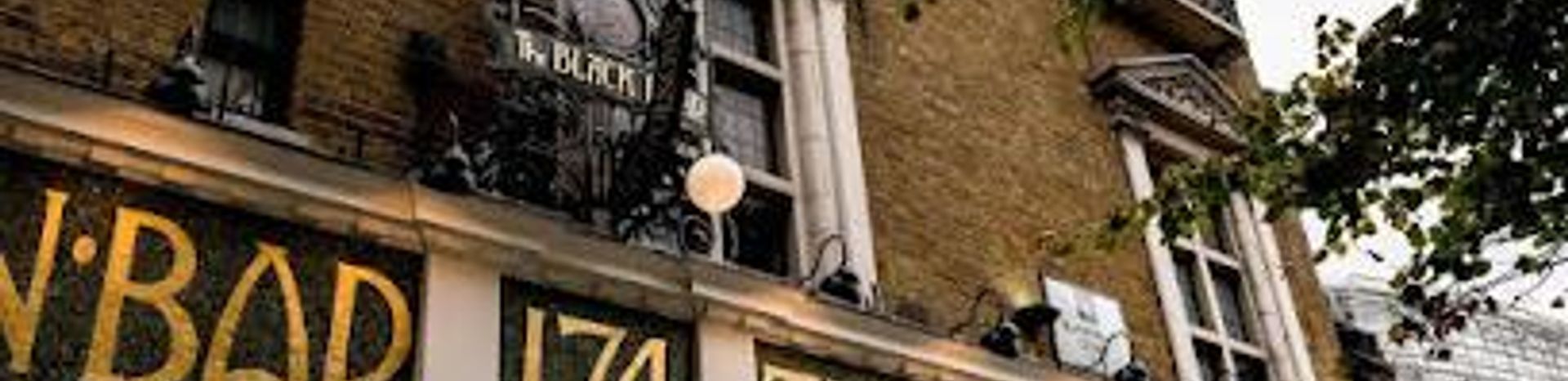
The Blackfriar Pub, London
A Grade II* listed Art Nouveau pub on the site of a medieval Dominican friary, packed with friar-themed carvings, mosaics, and stained glass in the heart of London.
Tucked beside Blackfriars Station, The Blackfriar is a striking wedge-shaped pub built in 1875 on the site of a medieval Dominican friary. Renowned for its Art Nouveau and Arts & Crafts interior, it’s a Grade II* listed gem packed with friar-themed sculptures, mosaics, stained glass, and carved wood. Saved from demolition in the 1960s by poet Sir John Betjeman, it feels more like a living museum than a typical pub, with cozy nooks, a vaulted dining room, and a playful atmosphere celebrating the jolly Black Friars of old.
A brief summary to The Blackfriar
- 174 Queen Victoria St, Greater, London, EC4V 4EG, GB
- +442072365474
- Visit website
- Duration: 1 to 3 hours
- Mid ranged
-
 Indoor
- Mobile reception: 4 out of 5
- Monday 11:30 am-11 pm
- Tuesday 11:30 am-11 pm
- Wednesday 11:30 am-11 pm
- Thursday 11:30 am-11 pm
- Friday 11:30 am-11 pm
- Saturday 11:30 am-11 pm
- Sunday 12 pm-6 pm
Local tips
- Visit in the late afternoon or early evening to see the stained glass and mosaics at their most colorful, when natural light filters through the windows.
- Enter through the side door under the trees to see the mosaic friars fishing and celebrating the catch before stepping into the main bar.
- Take time to explore the dining room and Grotto to appreciate the full range of carvings, mosaics, and the devil figures in the corners.
- Look for the Seven Deadly Sins on the ceiling and the witty mottos carved into the woodwork for a dose of medieval humor.
- If you’re a fan of architectural history, raise a glass to Sir John Betjeman, whose campaign saved this unique pub from demolition.

For the on-the-go comforts that matter to you
- Restrooms
- Drink Options
- Food Options
- Seating Areas
- Trash Bins
Getting There
-
Underground
From Blackfriars Underground station, exit towards Queen Victoria Street and walk about 120 metres along the pavement; the pub is clearly visible on the right, a distinctive wedge-shaped building just a short walk from the station entrance.
-
Walking
From St Paul’s Cathedral, walk south along Newgate Street and Ludgate Hill, then turn left onto Queen Victoria Street; the walk takes about 10 minutes and follows a well-paved, level route with clear signage.
-
Bus
Several bus routes serve the Blackfriars area; alight at a stop near Blackfriars station and follow signs for Queen Victoria Street, then walk a short distance to the pub along a busy but pedestrian-friendly street.
-
Riverboat
From a Thames riverboat stop at Blackfriars Pier, walk north along the riverside path and cross the road at the pedestrian crossing; the pub is a few minutes’ walk from the pier, along a level, accessible route.
The Blackfriar location weather suitability
-
 Any Weather
-
 Rain / Wet Weather
Discover more about The Blackfriar
A Pub with a Monastic Past
Standing on Queen Victoria Street, The Blackfriar occupies land once home to a Dominican priory founded in the 13th century. The friars, known as the Black Friars for their dark habits, ran an inn here for centuries, brewing beer and welcoming travelers. When this building was erected in 1875, it stood as a Victorian pub, but its true character emerged in the early 20th century. Architects and craftsmen transformed it into a tribute to the site’s monastic history, weaving the story of the Black Friars into every surface. The name is no accident: it’s a direct homage to the Dominican order that once dominated this riverside corner of the City.An Art Nouveau Masterpiece
The Blackfriar is widely regarded as London’s only Art Nouveau pub, a rare and exuberant example of the style in a city better known for Georgian and Victorian architecture. The wedge-shaped exterior, squeezed between roads and a railway bridge, gives little hint of the spectacle within. Inside, the space unfolds into a richly layered interior of green and red marble, stained glass, carved wood, and intricate mosaics. Sculptors Frederick T. Callcott and Henry Poole, working with architect Herbert Fuller-Clark, filled the bar and dining areas with friar-themed reliefs, bas-reliefs, and whimsical details that turn a simple drink into a visual feast. The result is a pub that feels more like a secular chapel dedicated to beer and good company.A Living Museum of Carvings and Mosaics
Everywhere you look, friars are at work and play. Bronze reliefs above the bar show monks harvesting fruit, catching fish, and singing carols, while carved capitals depict jolly monks tucking into pies and cheese. The stained glass windows add warmth and color, often showing friars in pastoral scenes. In the dining room, a barrel-vaulted ceiling is adorned with golden mosaics, and in each corner, a black marble devil amuses himself with an accordion, a paintbrush, a book, or a stage. The Seven Deadly Sins are playfully represented in silhouettes of monks’ heads, with gluttony, pride, and others clearly on display (lust, curiously, is missing). Mottos like “Haste is slow” and “Don’t advertise, tell a gossip” add a layer of wit and wisdom to the decor.Saved by a Poet, Loved by London
In the 1960s, when many historic buildings were being swept away for redevelopment, The Blackfriar was slated for demolition. Its location near Blackfriars Station made it a casualty of modern transport plans, but a public campaign, led by poet and architectural champion Sir John Betjeman, secured its survival. Betjeman, a regular here, recognized the pub’s unique character and fought to preserve it as a piece of London’s cultural fabric. Today, the pub is Grade II* listed, the highest heritage designation for a pub, ensuring that its extraordinary interiors remain protected. It’s a reminder that sometimes the most cherished landmarks are not grand cathedrals or palaces, but the places where ordinary Londoners have gathered for generations.Atmosphere and Experience
The Blackfriar strikes a rare balance between grandeur and cosiness. Despite its elaborate decoration, it remains a working pub where you can enjoy a pint, a meal, or a quiet moment in a booth. The lighting is warm and low, the seating is comfortable, and the acoustics keep conversation possible even on busy evenings. The Grotto dining room, carved into a railway vault, offers a particularly atmospheric spot for dinner. Whether you’re here for a quick drink, a full meal, or simply to admire the artistry, the pub invites you to linger, look up, and appreciate the craftsmanship that turns a simple visit into a small adventure in London’s history and design.Iconic landmarks you can’t miss

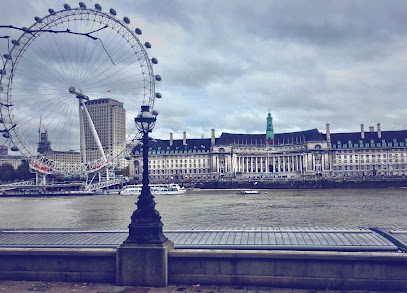
Victoria Embankment
0.1 km
A historic riverside promenade in London blending Victorian engineering, scenic gardens, iconic monuments, and stunning Thames views.
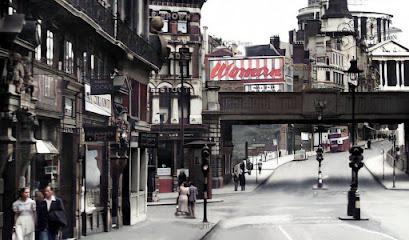
Ludgate Circus
0.2 km
Historic Victorian junction where London's ancient Ludgate once stood, blending rich legend, architecture, and urban vitality.
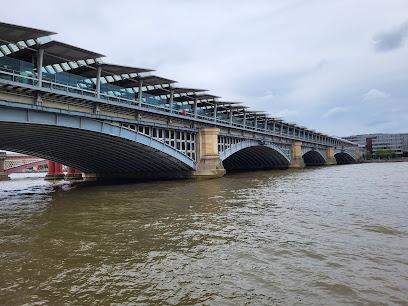
Blackfriars Bridge
0.3 km
Historic and widest Thames crossing in London, blending Victorian engineering with medieval heritage and stunning river views.
Queen Anne Statue
0.3 km
Historic statue commemorating Queen Anne’s reign and the completion of St. Paul’s Cathedral, symbolizing Britain’s royal heritage and resilience.
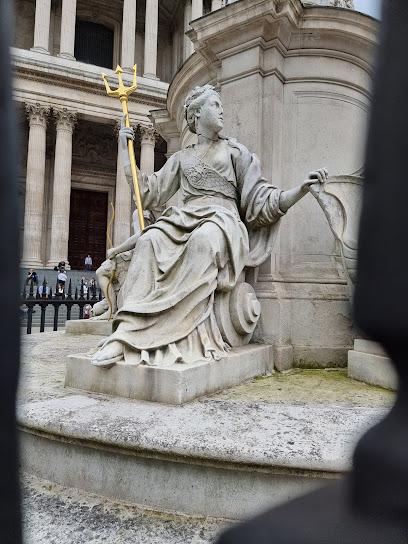
Temple Bar London
0.4 km
Explore Temple Bar, London’s historic ceremonial gateway rebuilt by Christopher Wren, rich with royal heritage and striking 17th-century architecture.
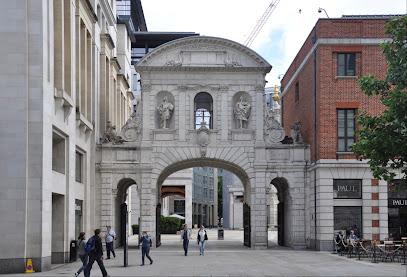
The National Firefighters Memorial
0.4 km
A solemn tribute in London honoring the bravery and sacrifice of firefighters who served during the Blitz and beyond.
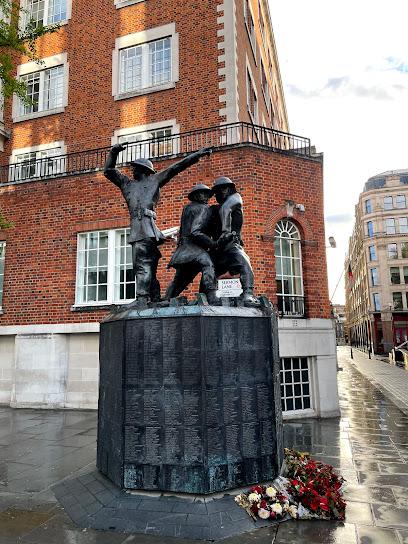
3 Gunpowder Square
0.4 km
A modern square in London’s financial district commemorating the dramatic history of the 1605 Gunpowder Plot and Guy Fawkes’ daring conspiracy.
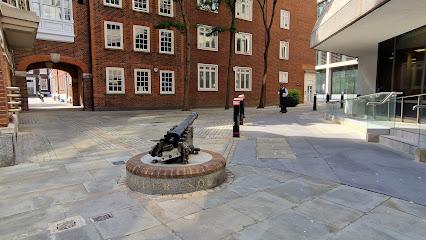
Hare Pl
0.4 km
Discover Hare Place in Temple, London—a serene historic enclave steeped in centuries of legal tradition and architectural charm.
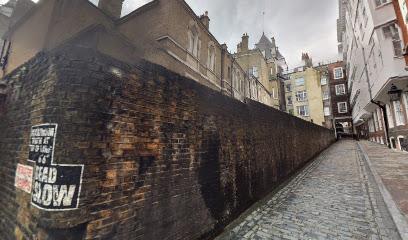
South Bank Community Area
0.5 km
A vibrant riverside cultural and historic district in central London, home to iconic landmarks, arts venues, and scenic Thames views.
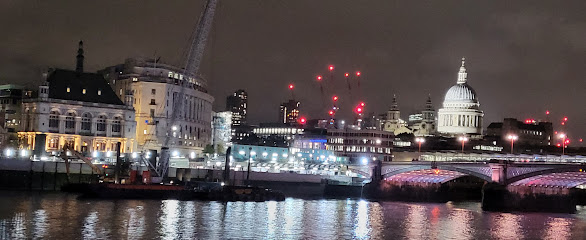
Prince Henry's Room
0.5 km
Discover a rare Jacobean timber-framed treasure on Fleet Street, rich with history, ornate plasterwork, and tales from London's past.
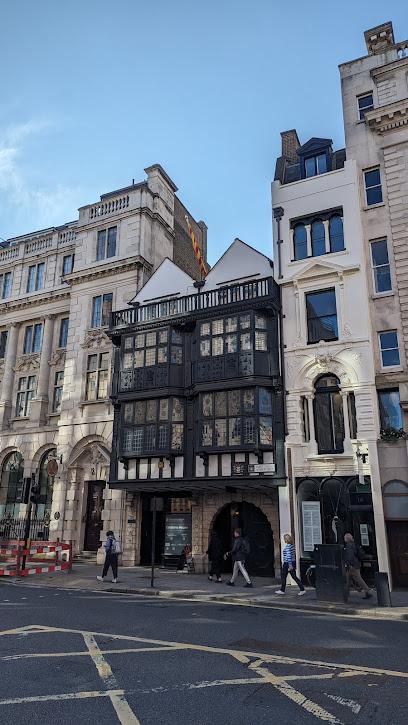
Holborn Viaduct
0.6 km
A grand Victorian bridge spanning London's hidden Fleet valley, blending engineering innovation with ornate artistry and rich history.
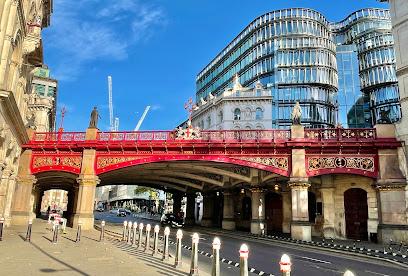
King's Reach commemoration memorial
0.6 km
Historic riverside memorial honoring King George V’s Silver Jubilee and the naming of London’s Thames stretch as 'King’s Reach'.
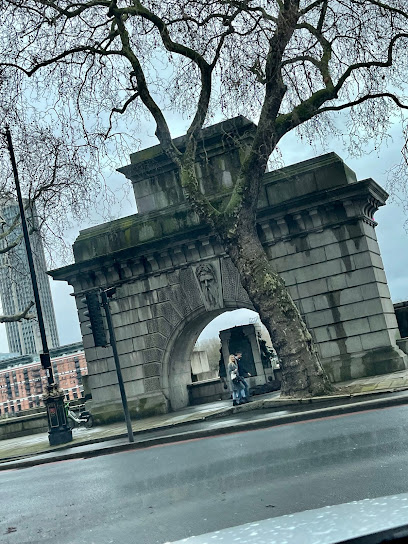
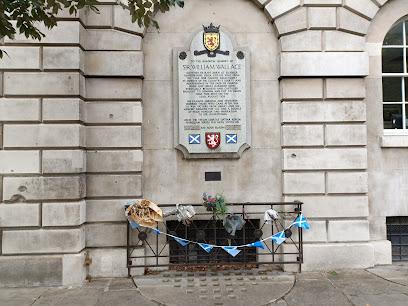
Sir William Wallace Memorial
0.7 km
A solemn 1956 memorial to Scotland's greatest patriot, executed here in 1305 for resisting English rule.
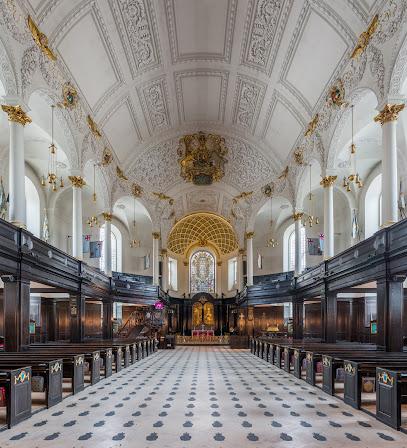
St Clement Danes Church
0.7 km
Historic London church and Central Church of the Royal Air Force, famed for its Wren architecture, RAF memorials, and iconic 'Oranges and Lemons' bells.
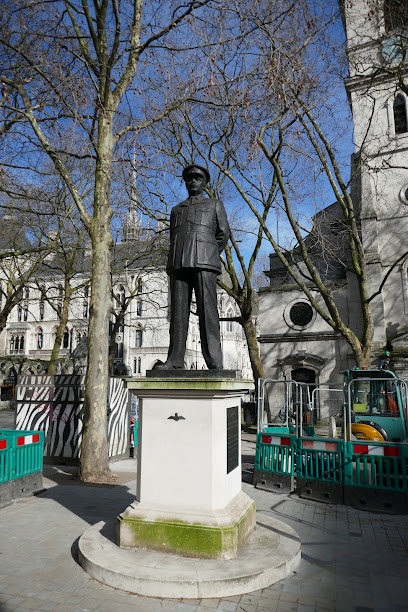
Bomber Harris Memorial
0.7 km
A solemn tribute to RAF Bomber Command’s leader and airmen, set within the historic St Clement Danes Church in London’s Temple district.
Unmissable attractions to see

Shakespeare in the City Walk
0.1 km
Discover Shakespeare’s London through hidden alleys, historic sites, and live performances on this immersive two-hour walking tour starting at Blackfriars Station.
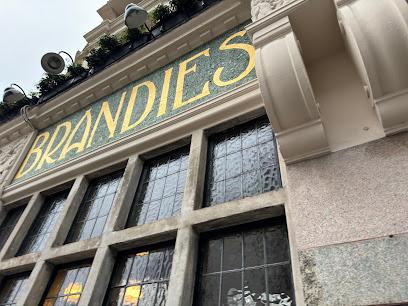
Apothecaries' Hall
0.1 km
Historic 17th-century livery hall near St Paul’s, blending rich heritage with elegant event spaces and timeless charm.

Church Entry
0.2 km
Discover Church Entry, a narrow medieval alley in Blackfriars tracing the ancient Blackfriars Priory’s sacred church line beneath modern London.
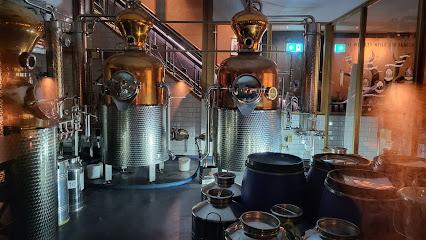
City of London Distillery & Bar
0.2 km
Discover London’s historic gin distillery and cocktail bar, blending tradition, innovation, and over 130 gins in a stylish subterranean setting.
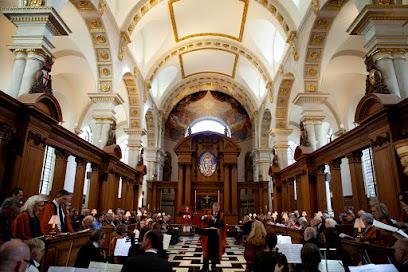
St Bride's Church, Fleet Street
0.2 km
Discover the historic heart of Fleet Street, where journalism, printing, and London’s past converge in a stunning Wren-designed church.
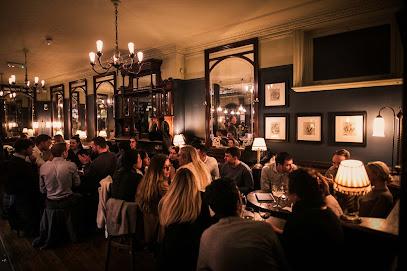
Punch Tavern
0.2 km
Discover The Punch Tavern, a historic pub on Fleet Street, serving traditional British fare and a vast selection of drinks in a charming atmosphere.
St Martin Ludgate
0.3 km
Discover St Martin Ludgate, a serene Wren church blending Roman history and 17th-century elegance in the heart of London’s ancient city.
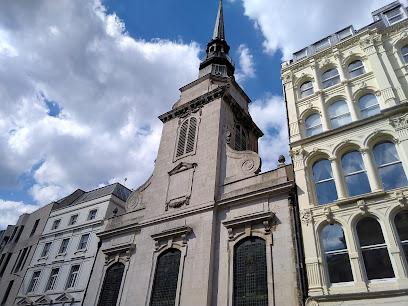
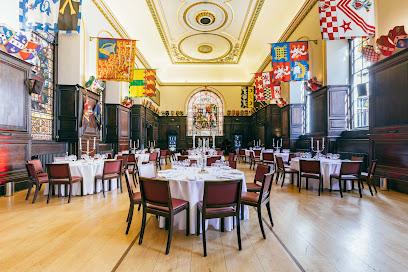
Stationers' Hall
0.3 km
Historic Grade I listed venue near St Paul’s Cathedral offering elegant event spaces and a secluded garden for weddings and corporate events.
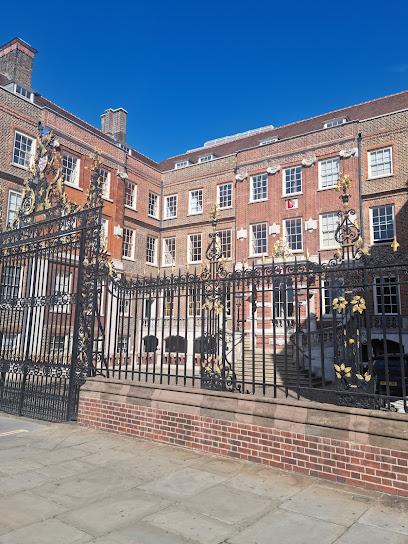
College of Arms
0.3 km
Explore centuries of heraldic tradition at the historic College of Arms, London's official authority on coats of arms and genealogy.
Fleet St
0.4 km
Historic London street famed as the traditional home of British journalism, rich in literary heritage and hidden urban secrets.
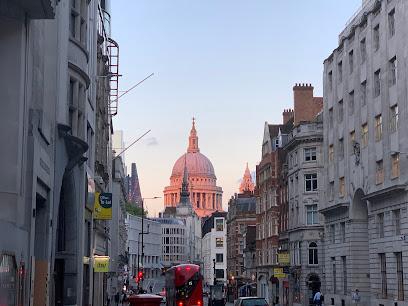
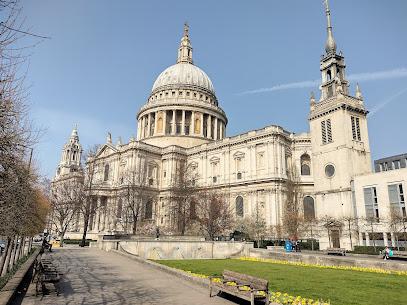
St. Paul's Cathedral
0.4 km
Explore the architectural beauty and spiritual significance of St. Paul's Cathedral, a must-visit landmark in the heart of London, offering stunning views and rich history.
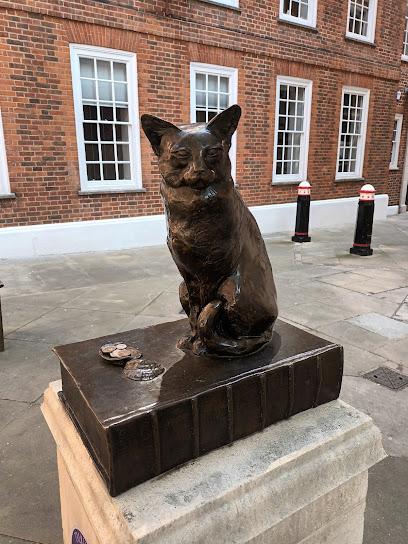
Hodge The Cat Statue
0.4 km
Discover the charming bronze statue of Hodge, Samuel Johnson's beloved cat, perched on a dictionary in historic Gough Square, London.
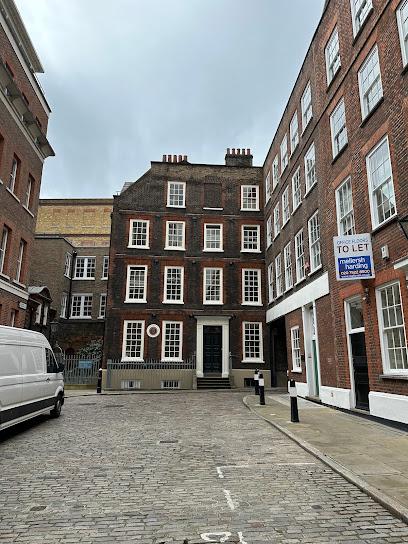
Dr Johnson's House
0.5 km
Step into the historic home of Samuel Johnson and explore the birthplace of the English dictionary in the heart of London’s literary past.
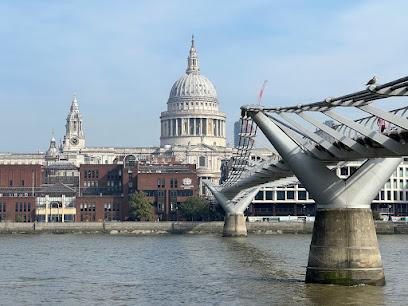
Millennium Bridge
0.5 km
Explore the Millennium Bridge, a modern architectural gem in London, linking iconic landmarks with stunning river views and cultural experiences.
Monument Queen Victoria
0.5 km
Historic gateway memorial with majestic statues of Queen Victoria and Edward VII, crowned by the iconic City of London dragon.
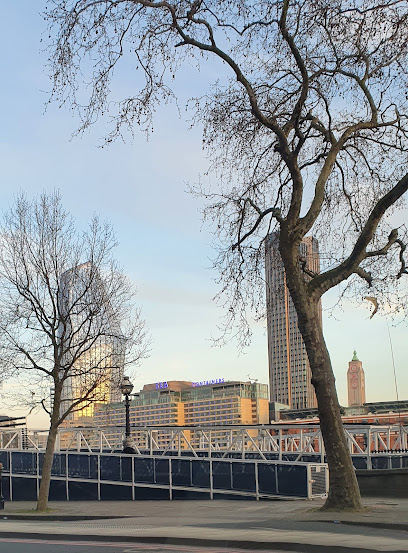
Essential places to dine

Sea Containers Restaurant
0.5 km
Stylish Modern British dining with iconic Thames views on London’s vibrant Southbank, perfect for brunch, dinner, and special occasions.
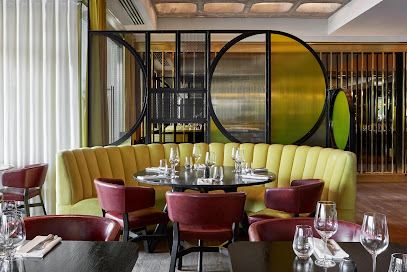
Madison
0.6 km
Stylish rooftop dining and cocktails with breathtaking views of St Paul’s Cathedral and London’s skyline.
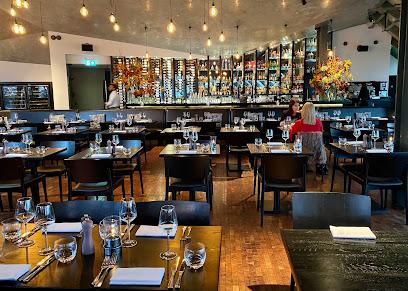
Paradiso Burger & Cocktail Bar Southbank
0.6 km
Vibrant riverside spot in Southbank serving gourmet burgers, cocktails, and bottomless brunch with stunning Thames views.
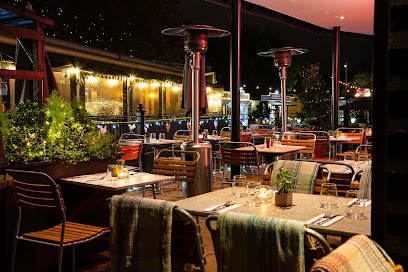
Ikoyi Restaurant
0.8 km
Discover Ikoyi, London’s two-Michelin-starred restaurant blending bold West African spices with British ingredients in an elegant, sensory tasting journey.
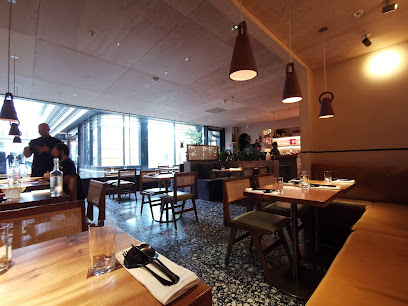
St. John
0.9 km
Experience authentic British nose-to-tail dining in the heart of London’s Barbican at St. John, where tradition meets modern culinary artistry.
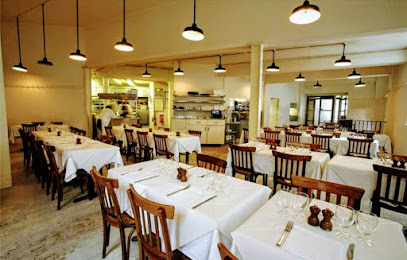
Wahaca Southbank
1.0 km
Experience vibrant Mexican street food in a unique riverside setting with scenic Thames views and lively atmosphere at Wahaca Southbank.
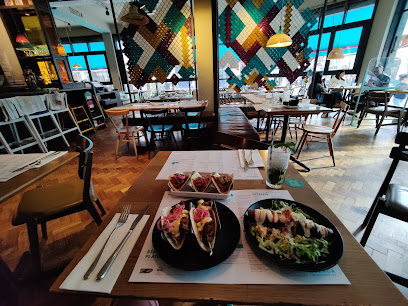
Dans le Noir ? London Restaurant
1.1 km
Experience dining like never before in total darkness, guided by visually impaired waitstaff in a sensory adventure at Dans le Noir ? London.
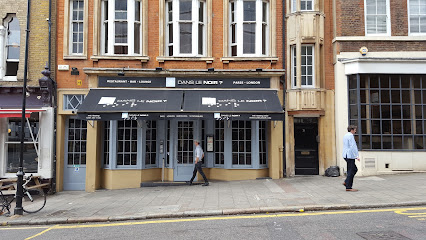
Brasserie Blanc - Southbank
1.1 km
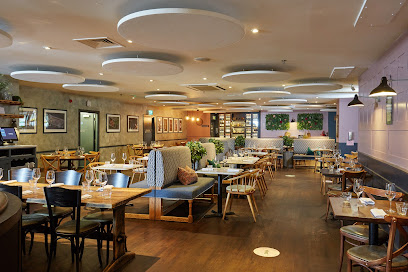
Authentic French brasserie dining with hearty seasonal dishes and rustic charm on London’s lively South Bank.
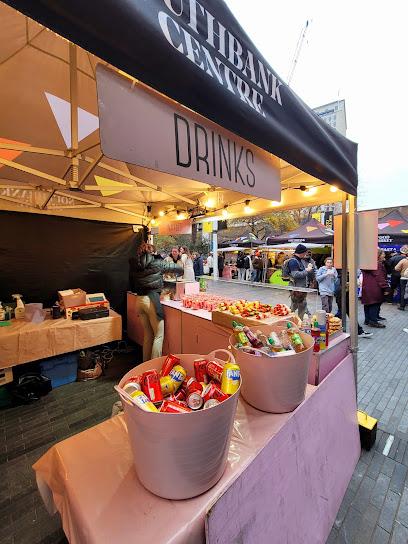
Southbank Centre Food Market
1.1 km
A lively weekend street food market on London’s South Bank offering diverse global cuisines in a vibrant riverside setting.
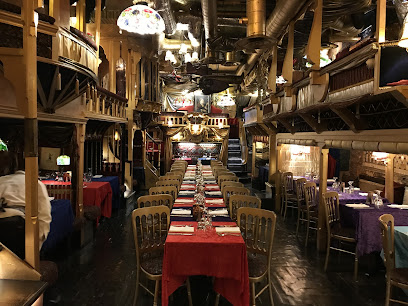
Sarastro
1.1 km
Experience vibrant Mediterranean flavors and live musical theatre in the heart of Covent Garden’s most theatrical restaurant.
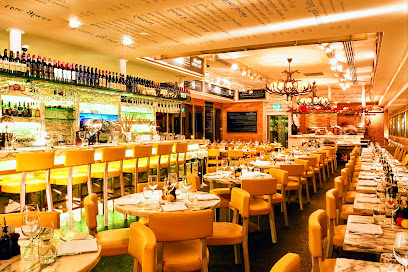
Cicchetti by San Carlo - London Covent Garden
1.2 km
Experience authentic Venetian small plates and seasonal Italian flavors in a stylish, lively Covent Garden setting.
The Archduke
1.2 km
Lively steakhouse and wine bar in Waterloo with superb Scotch beef, classic desserts, and live jazz in a buzzy, inviting atmosphere.
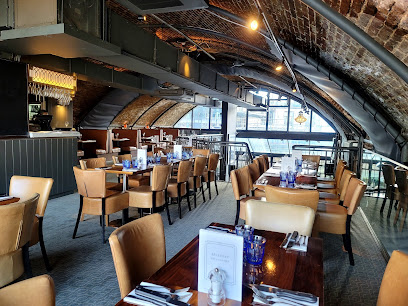
Strada Southbank
1.2 km
Authentic Southern Italian flavors served with vibrant riverside views in the heart of London’s Southbank.
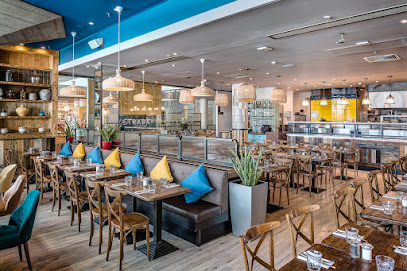
Ping Pong Southbank
1.2 km
Lively Southbank dim sum and cocktail bar blending traditional Chinese flavors with modern Asian fusion in a bustling riverside setting.
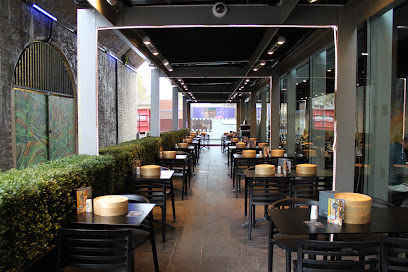
wagamama southbank
1.2 km
Lively riverside pan-Asian dining with fresh, bold flavors and stunning Thames views at London’s Royal Festival Hall.
Markets, malls and hidden boutiques

Bankside Arches Boutique
0.4 km
Discover unique London gifts and handcrafted treasures inside Blackfriars Station’s charming Bankside Arches Boutique.
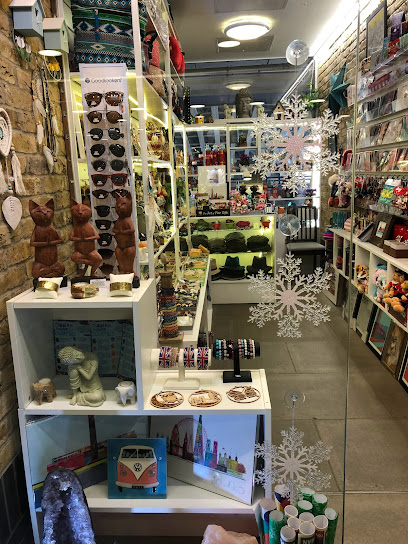
SUCK UK Alternative Gifts (OXO Tower)
0.5 km
Discover quirky, clever gifts and homewares at SUCK UK’s flagship store in London’s iconic OXO Tower.
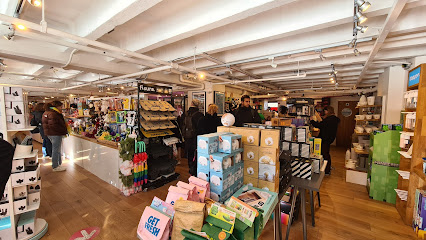
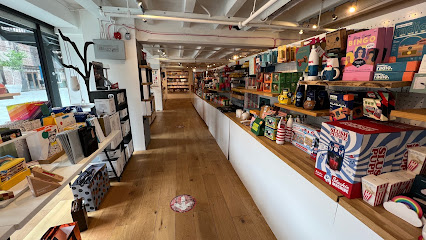
Brand Academy Independent Gift Shop
0.5 km
Dive into a world of whimsical designs and unique finds at this South Bank gem, where global brands meet emerging talents in the heart of Oxo Tower Wharf.
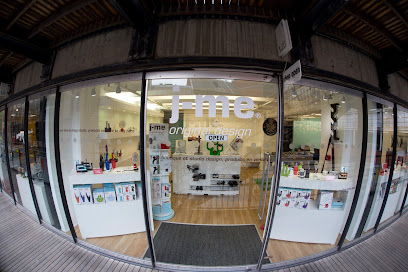
j-me original design ltd
0.6 km
Whimsical designs with a humorous twist from London's Oxo Tower creative hub – quirky home gifts blending fun, function, and British ingenuity.
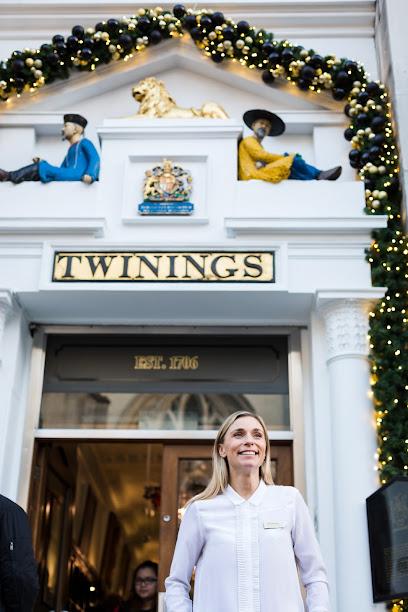
Twinings - The Strand
0.6 km
Discover over 300 years of tea heritage at London’s oldest tea shop, featuring historic charm, premium tastings, and a unique museum experience.
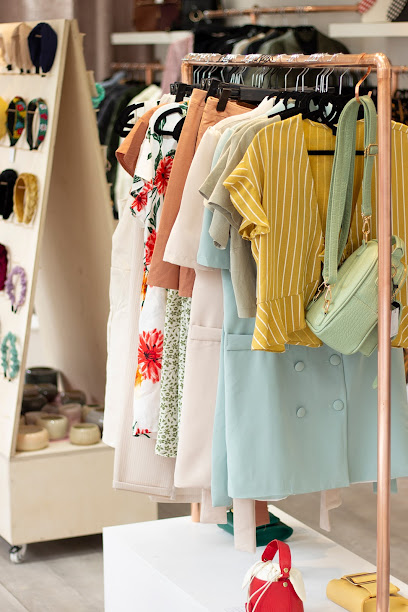
Sugar And Style
0.7 km
Discover design-led fashion accessories in Gabriel's Wharf, London's arty South Bank riverside haven blending style, creativity, and Thames views.
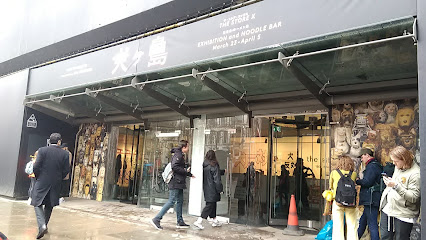
The Store X
0.8 km
A visionary space where London’s fashion, art, and culture converge in an immersive, innovative experience.
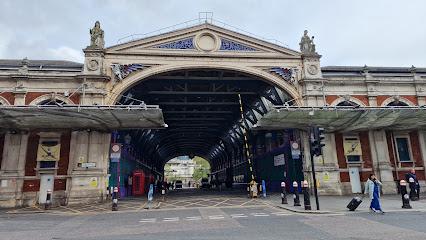
Smithfield Market
0.8 km
London’s oldest wholesale meat market, where history and commerce meet in the heart of the city.
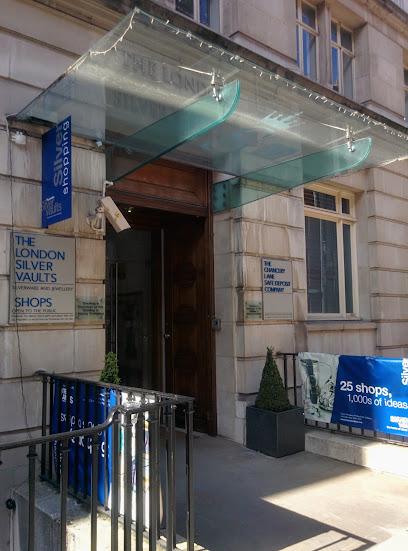
London Silver Vaults
0.8 km
The world's largest underground marketplace for fine antique and contemporary silver, hidden beneath historic Chancery Lane.
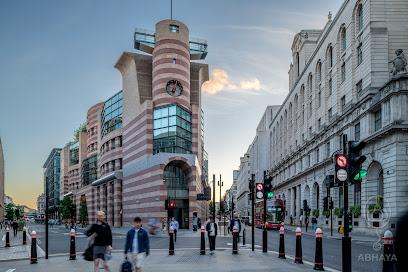
1 Poultry
0.9 km
Iconic postmodern office and retail building with vibrant limestone stripes, a colorful atrium, and a rooftop garden overlooking London’s financial district.
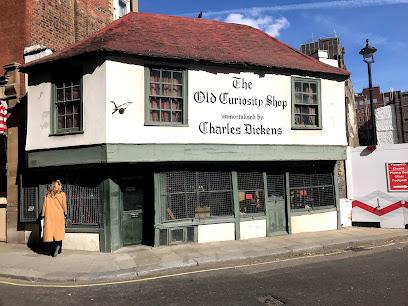
The Old Curiosity Shop
1.0 km
Step into a Tudor-era timbered cottage steeped in Dickensian lore, nestled amidst the vibrant heart of modern London.
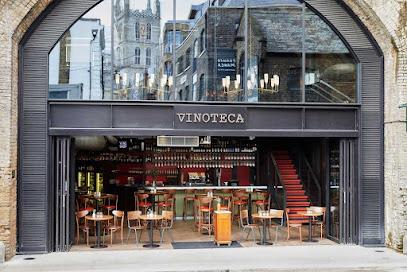
Borough Yards
1.1 km
Discover Borough Yards, a lively London district blending historic railway arches with cutting-edge shopping, dining, and culture near Borough Market.
not just a shop
1.1 km
Discover unique, handcrafted art and design by UAL’s students and alumni at this creative retail hub in central London.
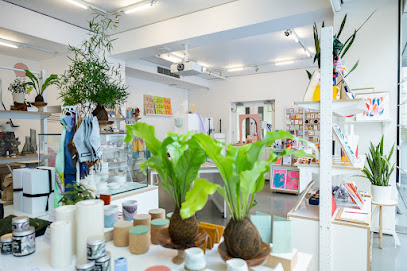
Barbican Shop
1.1 km
Discover curated art, design, music, and unique gifts at the Barbican Shop, a creative retail haven within London’s iconic Barbican Centre.
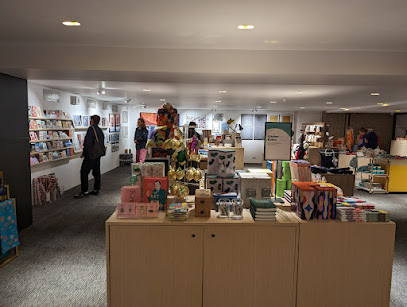
The Royal Exchange
1.1 km
A majestic neoclassical landmark blending 450 years of London’s trading history with luxury shopping in the City’s financial heart.
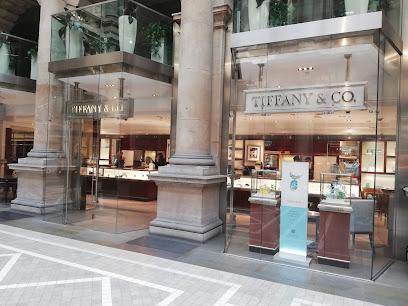
Essential bars & hidden hideouts

Black Parrot
0.2 km
Discover London’s top rum bar with expertly crafted cocktails, immersive masterclasses, and a lively yet intimate atmosphere in Bride Court.
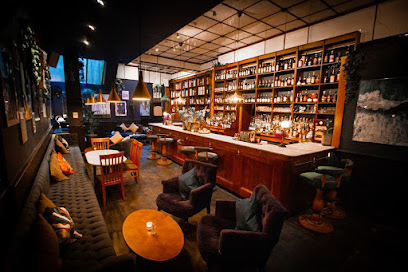
Doggett's Coat and Badge
0.4 km
A large, riverside Nicholson’s pub on Blackfriars Bridge offering classic British fare, real ales and a rooftop terrace with strong Thames views.
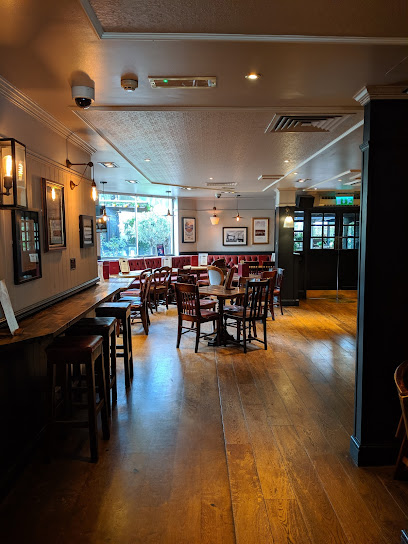
Lyaness
0.5 km
Innovative cocktails and sustainable mixology with stunning Thames views in London’s stylish South Bank hotspot.
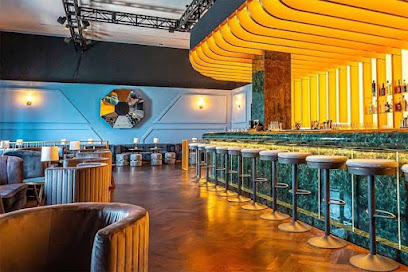
The Understudy
0.8 km
Riverside craft beers, KERB street food, and Thames views at the National Theatre's lively bar – perfect for pre-show bites or late-night hangs on London's South Bank.
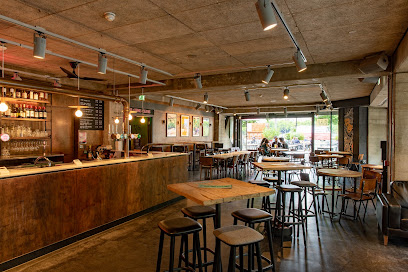
The Chocolate Cocktail Club
1.1 km
London’s intimate chocolate cocktail bar blending rich flavors, stylish ambiance, and over 20 unique chocolate-infused drinks.
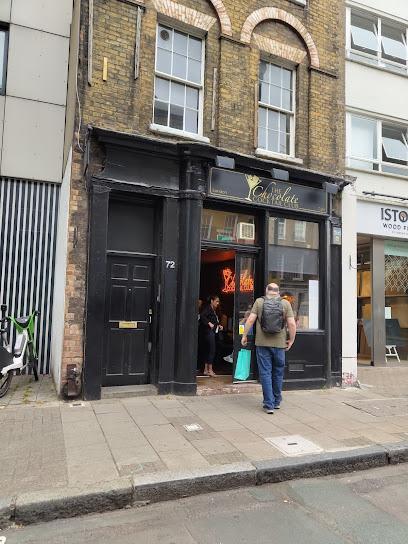
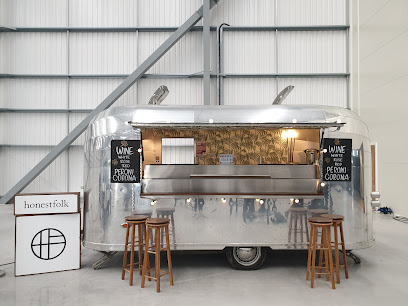
honestfolk Cocktail Bar (Southbank Centre Food Market)
1.1 km
Seasonal cocktails and classics from a cozy mobile bar at Southbank Centre Food Market, where Thames breezes mingle with market buzz and craft libations.
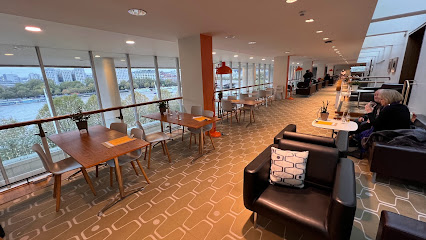
Southbank Centre, Members Bar
1.1 km
Elevated wine bar with Thames panoramas and cultured calm atop Royal Festival Hall—perfect for drinks amid London's arts heartbeat.
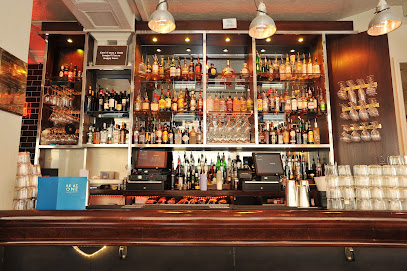
Be At One - Covent Garden Lyceum
1.1 km
Shake up your night in Covent Garden with 100+ cocktails, 2-for-1 happy hours, and masterclasses in a historic spot pulsing with theater-district energy.
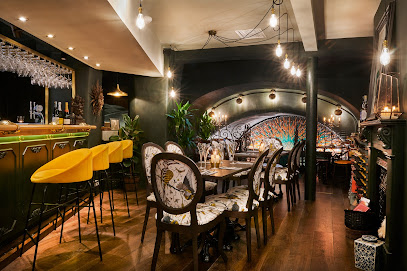
Plume Wine Bar
1.1 km
Covent Garden speakeasy in Dickens' old offices: sparkling wines from afar, cheesy sharing plates, and note-passing to strangers in candlelit luxury.
Beaufort Bar
1.2 km
Step into the Beaufort Bar’s jet-black and gold Art Deco glamour for exquisite cocktails, live sultry music, and a timeless London night out.
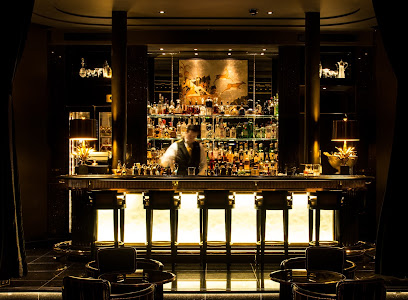
American Bar
1.2 km
Step into London’s oldest cocktail bar, where over a century of mixology mastery meets elegant Art Deco charm at The Savoy.
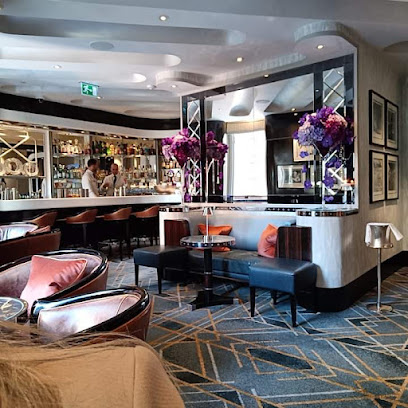
Be At One - Russell Street
1.2 km
Covent Garden’s vibrant cocktail bar with 100+ drinks, late-night parties, and unbeatable 2-for-1 happy hours in a stylish basement setting.
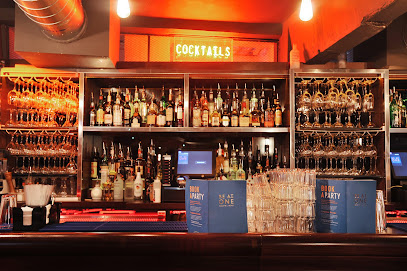
The Cocktail Club - Cocktail Bar near Monument
1.2 km
Vibrant underground cocktail bar near Monument, blending creative drinks with a lively, speakeasy-style party atmosphere.
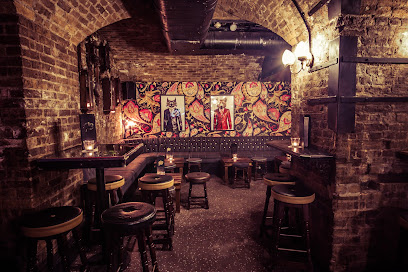
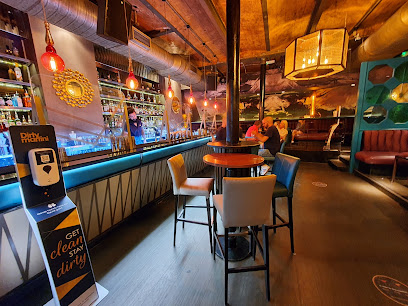
Dirty Martini - Covent Garden
1.2 km
Glamorous Covent Garden cocktail haven pulsing with martini magic, bottomless brunches, and late-night DJ vibes under sparkling chandeliers.
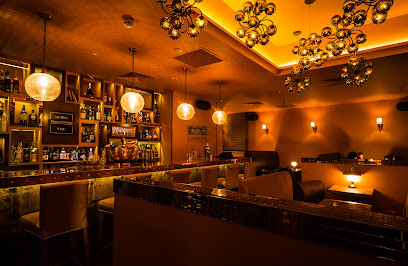
Demon, Wise & Partners
1.3 km
Classic basement cocktail bar blending historic City charm with expert mixology in London’s financial district.
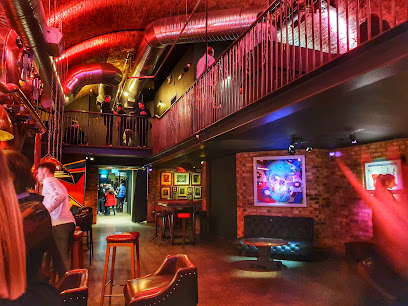
Nightclubs & after hour spots

The Steel Yard
1.0 km
Experience London’s premier industrial-chic nightclub set in historic Victorian railway arches, with world-class sound and late-night energy until 6am.
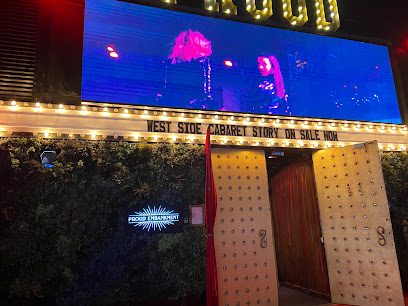
Proud Late
1.0 km
Dive into two-storey glamour under Waterloo Bridge: cabaret acrobatics, burlesque dazzle, supper feasts, and non-stop clubbing till 5am in London's West End nightlife epicenter.
Carwash Nightclub
1.2 km
Experience Europe’s longest-running disco club in London’s West End, where retro beats, vibrant crowds, and themed parties create unforgettable nights.
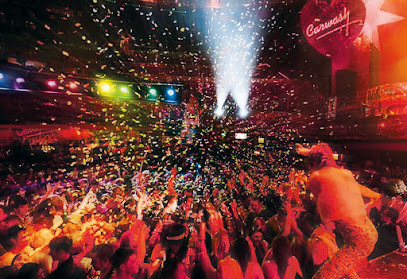
London Best Night Clubs
1.2 km
Experience London’s legendary Ministry of Sound, where cutting-edge sound meets dynamic club culture in a multi-room dance haven.
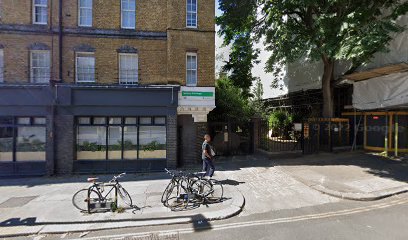
Bunga Bunga Covent Garden
1.4 km
A neon-soaked, pizza-and-karaoke supper club under Drury Lane — 90s nostalgia, stage shows and shareable Italian feasts.
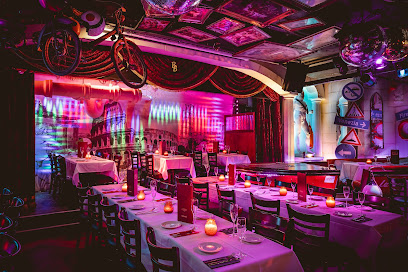
Cirque Du Soul
1.4 km
Dive into Leake Street's graffiti tunnel for soul-stirring electronic nights at this underground nightclub haven.
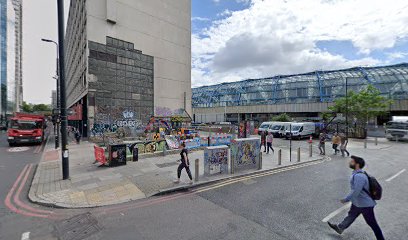
We Are Waterloo
1.4 km
Dive into Leake Street's graffiti heart where street art meets thumping beats in London's ultimate underground nightclub haven.
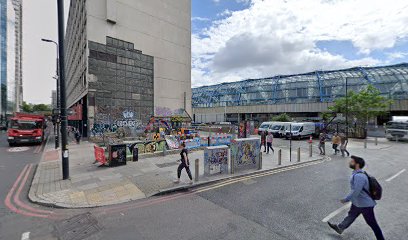
STRAWBERRY SUNDAE
1.4 km
Retro rave haven in Waterloo Arches: Daytime hardcore beats, 90s DJ legends, and industrial euphoria from midday to midnight.
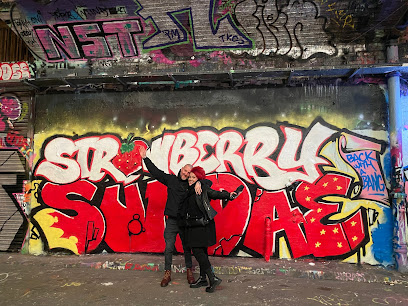
Heaven
1.5 km
London’s iconic gay superclub under the railway arches — big nights, loud music, drag, and late finishes in the heart of the West End.
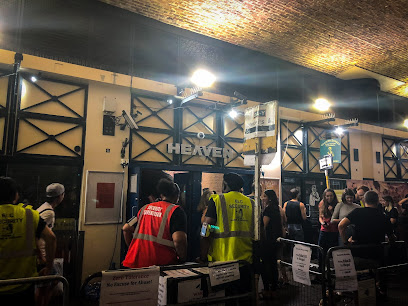
Comedy Carnival Covent Garden
1.5 km
London's premier stand-up comedy venue showcasing bold, award-winning international comedians in vibrant Covent Garden.

The Boat Show Comedy Club
1.6 km
London’s premier floating comedy club aboard the historic Tattershall Castle, blending laughter with iconic riverside views and vibrant nightlife.
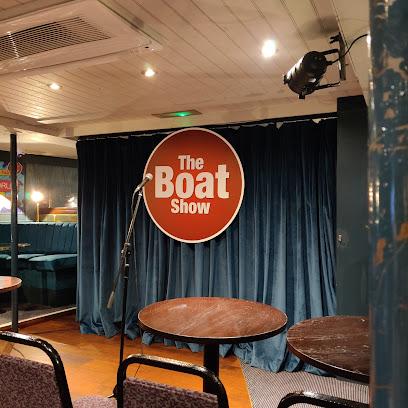
The Roxy
1.6 km
Soho's unbeatable happy hour cocktail bar by day, pulsing nightclub with live music and DJ nights till 3am—affordable vibes in London's nightlife heart.
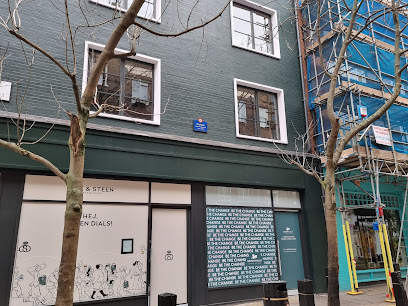
Ministry of Sound
1.6 km
London's legendary dance music cathedral since 1991, where world-class sound systems and global DJs fuel euphoric nights across four pulsing rooms.
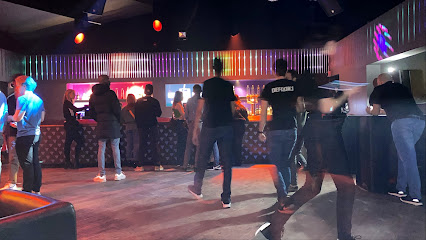
Whatdafunk Presents West End Urban Disco
1.6 km
Dive into London's grooviest urban disco beats at Whatdafunk, where Covent Garden's streets pulse with funk, soul, and non-stop dance energy in the heart of the West End.
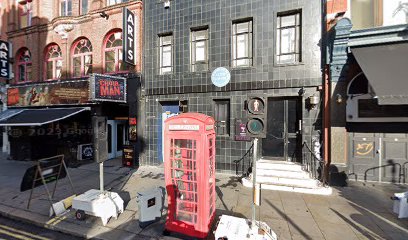
The Ivy Club
1.7 km
Art-Deco‑tinged members’ club above The Ivy — piano bars, discreet private dining and polished West End glamour.
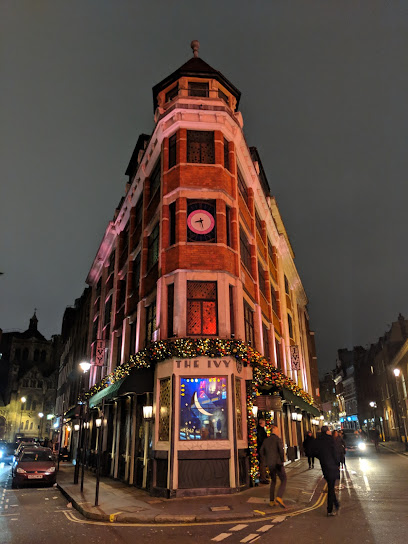
For the vibe & atmosphere seeker
- Scenic
- Fun-filled
- Lively
- Entertaining
- Unique
For the design and aesthetic lover
- Colorful Aesthetics
- Art Deco Styles
For the architecture buff
- Historic
- Landmarks
- Art & Design
- Heritage Neighborhoods
For the view chaser and sunset hunter
- Iconic Views
For the social media creator & influencer
- Instagrammable
- Photo Spots
- Selfie Spots
- Aesthetic Corners
- Architectural Shots
For the eco-conscious traveler
- Public-Transport Accessible
For the kind of experience you’re after
- Cultural Heritage
- Photowalk
For how adventurous you want the journey to be
- Easy Access
Location Audience
- Family Friendly
- LGBT Friendly
- Senior Friendly
- Child Friendly
- Teen Friendly
- Wheelchair Access
- Solo Friendly
- Couple Friendly
- Solo Female Friendly
- Vegetarian Friendly
- Vegan Friendly


