Queen Anne Statue, London Travel Guide
Free Guide: Historic statue commemorating Queen Anne’s reign and the completion of St. Paul’s Cathedral, symbolizing Britain’s royal heritage and resilience.


A brief summary of Queen Anne Statue
Historic statue commemorating Queen Anne’s reign and the completion of St. Paul’s Cathedral, symbolizing Britain’s royal heritage and resilience.
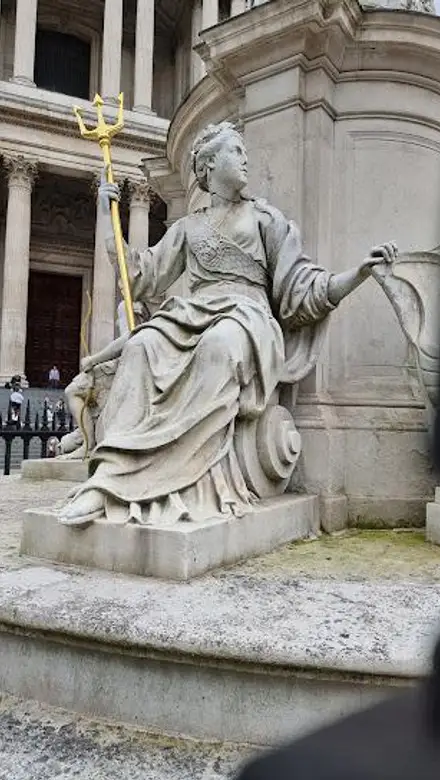
The Queen Anne Statue in St. Paul's Churchyard, London, is a historic landmark commemorating the completion of St. Paul's Cathedral after the Great Fire of London. Originally erected in 1712 by sculptor Francis Bird, the current statue is a faithful 1886 replica replacing the deteriorated original. The statue features Queen Anne adorned with regal symbols and four allegorical female figures representing Britannia, France, America, and Ireland at its base.
On-site amenities
 Restrooms
 Drink options
 Food options
 Seating areas
 Information boards
Opening hours
- Every dayOpen 24 hours
Opening hours as listed on the venue’s Google Business Profile. Hours can change for services and special events, so check with the venue before you go.
- Address
- St. Paul's Churchyard, London EC4M 8AY
- Website
Getting there
Public Transport
Bus
Taxi or Ride-Hailing
Discover more about Queen Anne Statue
Historical Significance of the Statue
The Queen Anne Statue stands prominently in St. Paul's Churchyard, marking a significant moment in British history. The original statue was commissioned in 1712 by Francis Bird, a renowned sculptor of the era, to celebrate the completion of St. Paul's Cathedral following the devastation of the Great Fire of London in 1666. Queen Anne's reign was pivotal, overseeing the unification of England and Scotland and laying foundations for the modern British monarchy that balanced power with Parliament rather than divine right.
Design and Symbolism
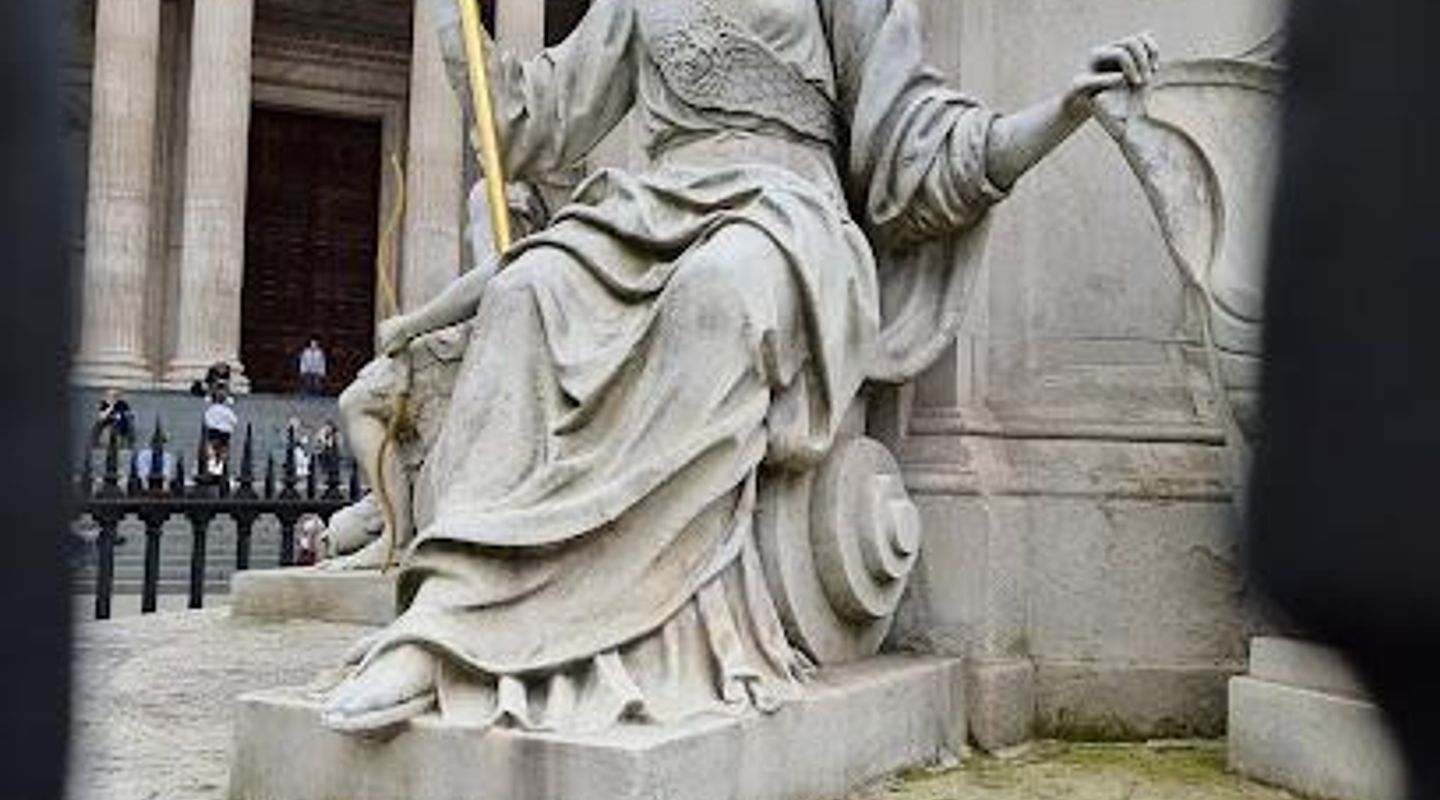
The statue depicts Queen Anne wearing a golden crown, holding a sceptre in her right hand and an orb in her left, symbolizing her sovereign authority. Around the base are four allegorical female figures representing the nations over which she ruled or claimed influence: Britannia (England), France, America, and Ireland. These figures reflect the geopolitical landscape of her reign and Britain's emerging imperial reach. The statue’s regal posture and detailed craftsmanship embody the dignity and authority of the queen.
The 1886 Replica and Its Backstory
By the late 19th century, the original statue had suffered significant deterioration and vandalism, including damage inflicted in 1769 by a Lascar who removed the globe and broke the sceptre. To preserve this important monument, a replica was commissioned and erected in 1886 at the same location. The sculptor Belt began the work but was imprisoned for fraud, leading to Malempre completing the statue. The original statue was relocated to the grounds of Holmhurst St Mary near Hastings, where it remains today.
Queen Anne’s Legacy and Cultural Impact
Queen Anne’s reign marked the creation of the United Kingdom as it is known today and the transition to a constitutional monarchy. Despite her significant contributions, historical perspectives on her have been mixed. The statue has witnessed key events, including Queen Victoria’s Diamond Jubilee in 1897, where Victoria famously refused to allow the statue’s removal, fearing it might set a precedent for her own statue’s fate.
Setting and Visitor Experience
Situated directly outside the west front of St. Paul’s Cathedral, the statue is a focal point in the churchyard, surrounded by the cathedral’s majestic architecture and bustling London life. Visitors can appreciate the statue’s intricate details and the symbolic figures at its base while absorbing the historic atmosphere of this iconic London location. The statue’s presence connects visitors to the story of London’s resilience and royal history.
Conservation and Preservation
The statue is Grade II listed, recognizing its historical and architectural importance. Conservation efforts have ensured the replica remains in good condition, preserving the legacy of Queen Anne and the artistry of Francis Bird. The site is a protected landmark, respected as a cultural heritage asset within the City of London.
Evendo Review Centre
 Google
Guest reviews
Best time to go
Quietest: Jan, Feb & Mar · before 6am or at 9pm
Busy times are Evendo estimates for a typical year, to help you plan. Actual crowds vary with events, school holidays and the weather.
Explore Queen Anne Statue on the map
A handpicked selection of must-see spots near Queen Anne Statue, mapped for you.
Get your free copy of our complete guide to Queen Anne Statue, delivered straight to you.
Everything on this page, from opening hours and how to get there to Eve’s tips and the best time to go, in one PDF you can read offline, print or share.
Already have an account? Sign in
Your Queen Anne Statue guide is ready.
We'll send it to · Not you? Sign out

Getting your guide ready…
We are putting together a fresh copy of the Queen Anne Statue guide. This can take up to a minute.
This can take a few moments. If your browser asks, choose Allow so the download can start. You'll find the guide in your Downloads folder.
Nothing happened? Download it again
Sorry, the guide is taking longer than usual. Please try again in a minute, or get it by email instead.
Unlock the best of Queen Anne Statue
Skip-the-line tickets, guided tours with entry, and walking tours of the area, booked in a few clicks.


Other nearby places you may find interesting
The closest places of the same kind, if this one is not quite what you had in mind.
-

-
-
-
-


Swipe for more places
More to explore near Queen Anne Statue

 Best experiences near Queen Anne Statue
 Best hotels near Queen Anne Statue
 Best landmarks near Queen Anne Statue
 Best attractions near Queen Anne Statue
 Best shops near Queen Anne Statue
 Best restaurants near Queen Anne Statue
 Best bars near Queen Anne Statue
Do you manage this location?
Take control to get all the benefits, like improved information, better appearance, and stronger visibility across AI-powered discovery.
Explore more

Explore more of London
Explore London: A city of iconic landmarks, rich history, vibrant culture, and endless attractions that cater to every taste, making it a must-visit destination.
Explore London
Explore more of United Kingdom
Discover the United Kingdom: A blend of rich history, stunning landscapes, and vibrant cities, offering a unique travel experience for every visitor.
Explore United Kingdom