
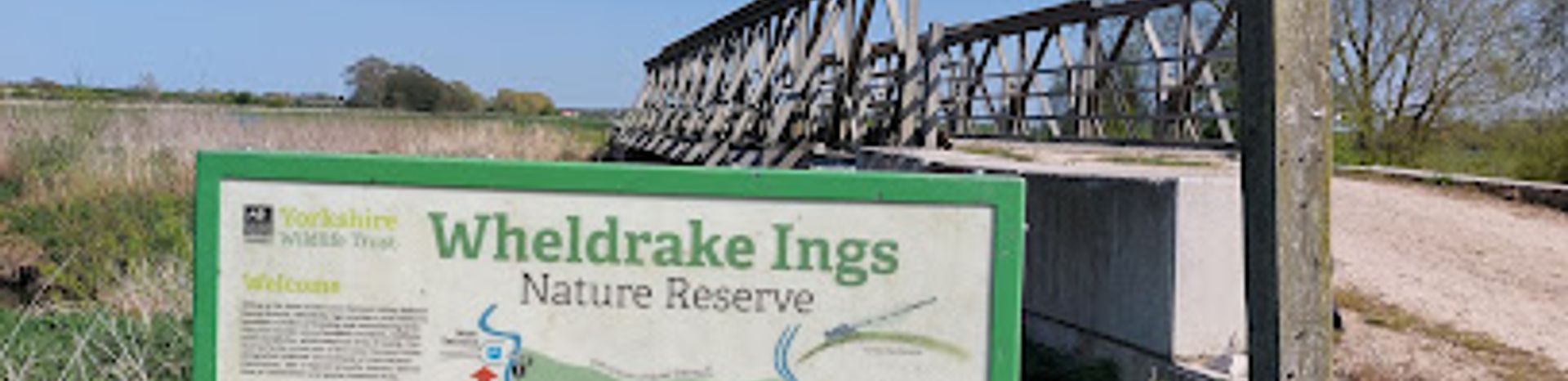
Wheldrake Ings Nature Reserve
A serene wetland sanctuary near York, Wheldrake Ings offers spectacular birdwatching, peaceful walks, and rich wildlife across its flood meadows and riverbanks.
Wheldrake Ings Nature Reserve, near York, is a tranquil 157-hectare wetland haven featuring diverse habitats like wetlands, meadows, and woodlands. Renowned for birdwatching, it hosts thousands of migratory birds in winter and breeding waders in spring. Visitors enjoy peaceful walks along gravel paths, bird hides, and scenic views of the River Derwent. The reserve offers rich wildlife encounters including butterflies, otters, and water voles, making it ideal for nature lovers and photographers.
A brief summary to Wheldrake Ings Nature Reserve
- Ings Ln, York, YO19 6AX, GB
- +441904659570
- Visit website
- Duration: 1 to 3 hours
- Free
-
 Outdoor
- Mobile reception: 4 out of 5
- Monday 12 am-12 am
- Tuesday 12 am-12 am
- Wednesday 12 am-12 am
- Thursday 12 am-12 am
- Friday 12 am-12 am
- Saturday 12 am-12 am
- Sunday 12 am-12 am
Local tips
- Bring binoculars and a camera with a zoom lens to maximize wildlife and birdwatching opportunities.
- Visit in early morning or late afternoon for the best chances to see active birds and other wildlife.
- Wear sturdy, comfortable shoes as trails can be uneven and muddy after rain.
- Check local updates on flooding conditions before visiting, especially in winter months.
- Pack a picnic to enjoy in the scenic spots along the River Derwent within the reserve.

For the on-the-go comforts that matter to you
- Restrooms
- Seating Areas
- Information Boards
- Trash Bins
Getting There
-
Car
From York city center, travel southeast on the A19 towards Selby for about 7 miles, then continue on the A64 following signs to Wheldrake Ings. Free parking is available on Ings Lane. The drive typically takes 20 to 30 minutes depending on traffic.
-
Bus and Walking
Take a regional bus from York to Wheldrake village, which takes approximately 40 to 50 minutes. From Wheldrake, a 20-minute walk along rural lanes leads to the reserve entrance. Note that bus services may be infrequent and walking paths are on country roads.
-
Cycling
Cyclists can reach Wheldrake Ings from York via quiet country lanes in about 45 to 60 minutes. The terrain is mostly flat but some roads may have light traffic. Secure bike parking is limited near the reserve.
Wheldrake Ings Nature Reserve location weather suitability
-
 Any Weather
-
 Rain / Wet Weather
-
 Clear Skies
-
 Low-Visibility Conditions
-
 Windy Conditions
-
 Mild Temperatures
Discover more about Wheldrake Ings Nature Reserve
A Sanctuary of Wetlands and Wildlife
Wheldrake Ings Nature Reserve spans 157 hectares of rich wetland habitats located just southeast of York. This expansive reserve encompasses flood meadows, pools, and woodlands along the River Derwent, creating a mosaic of environments that support a remarkable diversity of wildlife. The reserve is subject to seasonal flooding, which transforms the landscape dramatically, especially in winter when thousands of migratory birds arrive. The interplay of water, reeds, and open sky offers a serene setting where visitors can experience the rhythms of nature in a peaceful, often remote atmosphere.Birdwatching Paradise with Seasonal Highlights
The reserve is famed for its birdlife, attracting both resident and migratory species. From March to June, breeding waders and meadow birds nest here, supported by the rich insect life. In the colder months, from November to January, the flooded meadows become a staging ground for thousands of overwintering wildfowl and waders. Bird hides scattered throughout the reserve provide excellent vantage points to observe species such as Eurasian Curlew, Northern Lapwing, Barn Owl, and rare visitors like Osprey or Black Tern. The skies above often dance with flocks of birds, creating spectacular natural displays.Exploring the Reserve's Trails and Features
Visitors can follow a linear route along the edge of the meadows, with well-maintained gravel paths that are generally level but may become muddy after rain. Several bird hides are accessible, though some include steps, and an alternative entrance offers more level paths suitable for easier access. The River Derwent walk is especially scenic, providing tranquil riverbank views and opportunities to spot wildlife such as otters and water voles. Interpretive signage along the trails educates visitors about the local flora, fauna, and the importance of wetland conservation.Flora, Insects, and Other Wildlife
Beyond birds, Wheldrake Ings supports a variety of other wildlife including butterflies, dragonflies, and mammals. The reserve's wet meadows bloom with wildflowers in spring, enhancing the biodiversity and visual appeal. The presence of elusive species like water voles and otters adds to the reserve’s ecological value and visitor fascination. The quiet and natural sounds, from rustling reeds to distant bird calls, create an immersive sensory experience that connects visitors deeply with the environment.Conservation and Visitor Experience
Managed by the Yorkshire Wildlife Trust, Wheldrake Ings is committed to preserving its natural habitats and wildlife populations. The reserve is open at all times with free access and parking available on Ings Lane. While there is no formal visitor center, informative boards and well-placed hides enhance the educational experience. Visitors are encouraged to respect the quiet environment to avoid disturbing wildlife. The reserve’s accessibility and tranquil atmosphere make it suitable for families, solo explorers, photographers, and birdwatchers seeking a peaceful retreat close to York.Seasonal Changes and Best Visiting Times
Each season brings unique experiences: spring and early summer highlight breeding birds and wildflowers, while autumn and winter showcase dramatic bird migrations and flooded landscapes. The reserve’s dynamic nature means that each visit offers something different, from the vibrant colors of blooming meadows to the spectacle of vast bird flocks under expansive skies. Monitoring local conditions is advisable as flooding can temporarily restrict access, but this natural ebb and flow is part of the reserve’s charm and ecological importance.Iconic landmarks you can’t miss

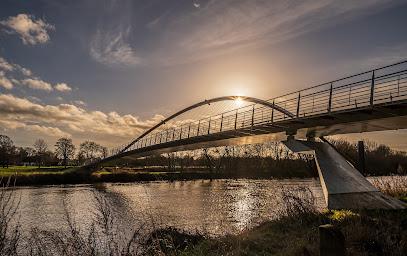
Millennium Bridge
10.7 km
Contemporary engineering meets riverside beauty—York's illuminated pedestrian bridge spanning the Ouse.
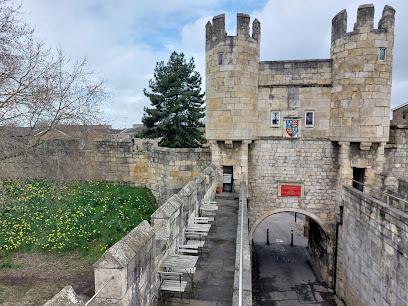
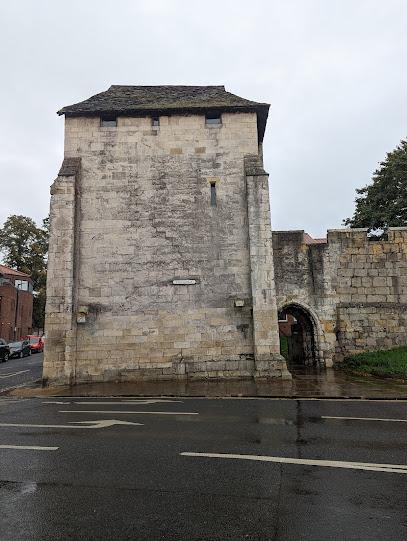
Walmgate Bar
10.8 km
York’s most complete medieval gatehouse, with the only surviving town gate barbican in England and a quirky coffee house inside its ancient walls.
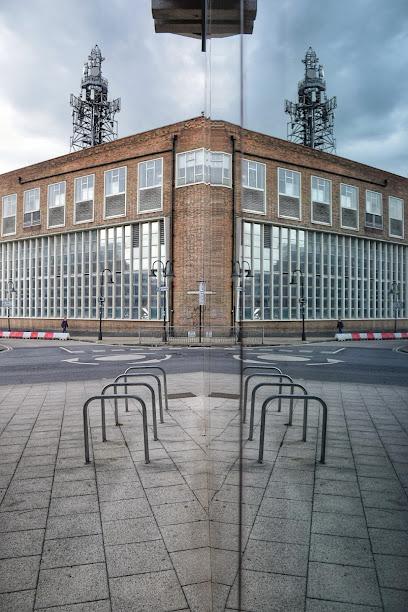
The Stonebow
11.4 km
A historic gateway blending medieval charm and architectural evolution at York’s vibrant city heart.
St Crux
11.6 km
Explore the echoes of medieval York at St Crux, where a grand church’s legacy lives on in a historic parish hall and poignant tales of martyrdom.
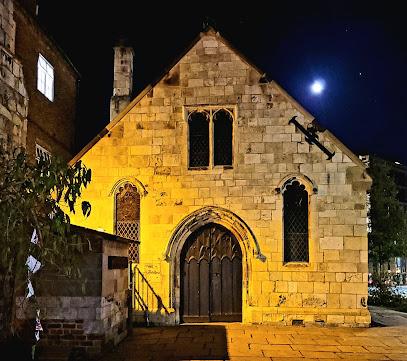
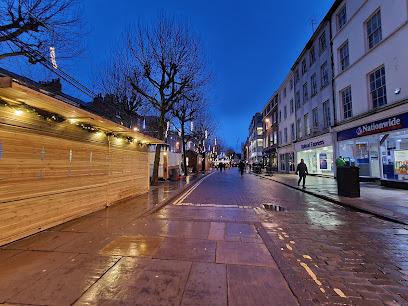
Parliament St
11.6 km
York's vibrant shopping street where Victorian commerce meets medieval heritage and market tradition.
GR8escape York
11.6 km
Experience the thrill of adventure at GR8escape York, the ultimate escape room destination for fun, teamwork, and unforgettable memories in the heart of York.
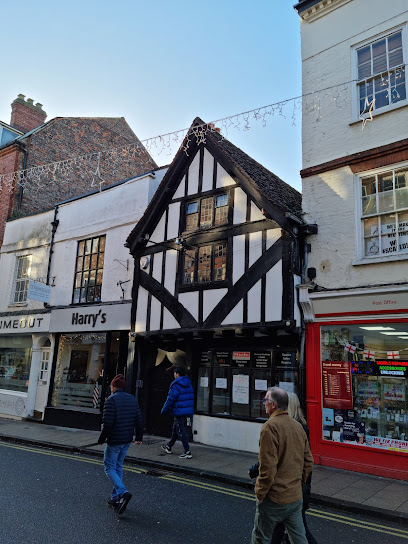
The York Ghost Merchants
11.6 km
Explore a unique blend of York's ghostly history and charming souvenirs at The York Ghost Merchants, your destination for eerie collectibles.
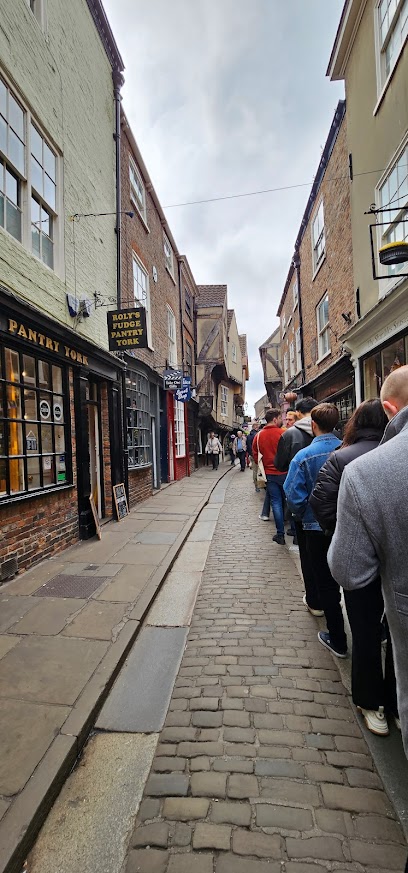
The Original Ghost Walk of York
11.6 km
Discover York's haunted past with The Original Ghost Walk, a captivating evening tour that unveils chilling tales and captivating history.
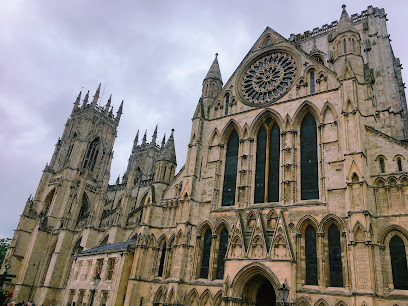
Ouse Bridge
11.6 km
Historic Ouse Bridge in York spans the River Ouse, blending medieval heritage with 19th-century architecture and city life.
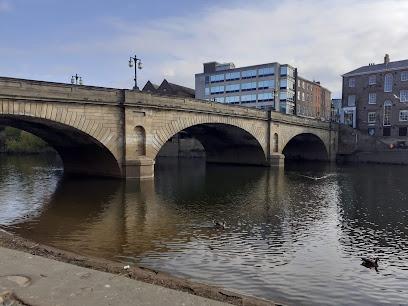
Ghost Hunt of York
11.6 km
Explore the haunted streets of York with the Ghost Hunt, where history and the supernatural collide in an unforgettable sightseeing experience.
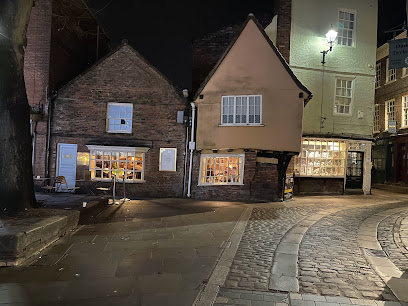
York's Chocolate Story
11.7 km
Explore the rich history of chocolate at York's Chocolate Story, where sweet indulgence meets captivating storytelling.
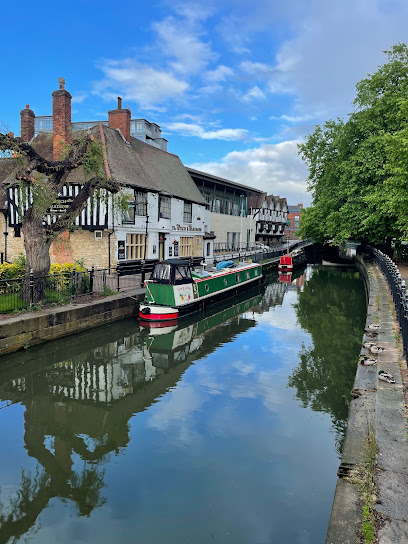
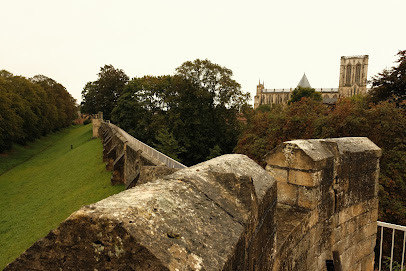
York City Walls
11.7 km
Discover the rich history and breathtaking views atop the ancient York City Walls, a must-see historical landmark in England.
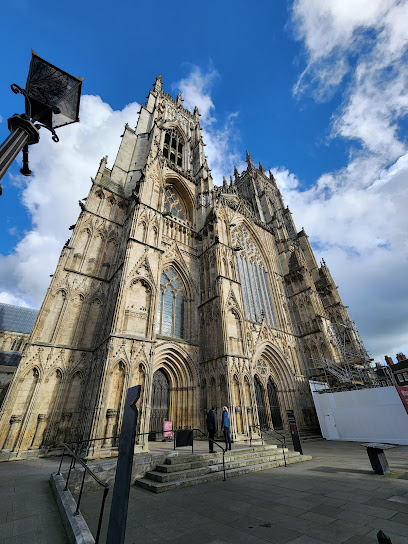
Visit York Information Centre & Gift Shop
11.7 km
Discover York's rich history and vibrant culture at the Visit York Information Centre & Gift Shop, your gateway to unforgettable experiences.
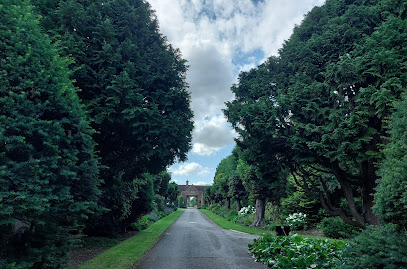
Goddards
11.7 km
Explore Goddards, a historic house and beautiful gardens in York, where history meets serenity in a captivating setting.
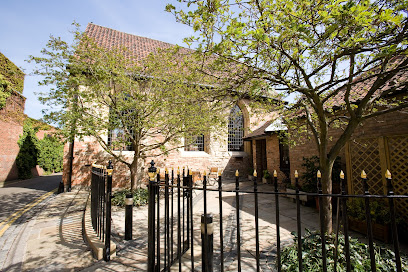
Bedern Hall
11.7 km
Experience the enchanting Bedern Hall in York, a perfect venue that beautifully blends history and elegance for unforgettable weddings and events.
Unmissable attractions to see

Yorkshire Air Museum and Allied Air Forces Memorial
4.0 km
Explore historic aircraft and wartime stories at the Yorkshire Air Museum, a living tribute on a former RAF bomber base near York.
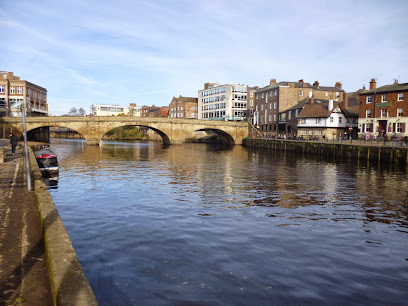
York Maze
6.0 km
Explore Europe’s largest maize maze and enjoy over 20 rides and attractions in a vibrant family adventure near York.
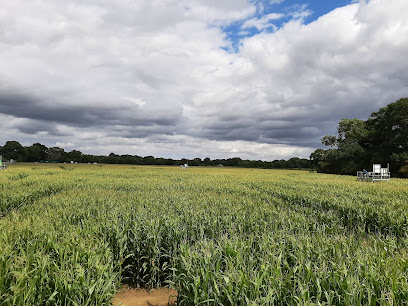
Murton Park
9.0 km
Explore Yorkshire’s rich farming heritage and living history on 14 acres of interactive exhibits, animals, and family fun near York.
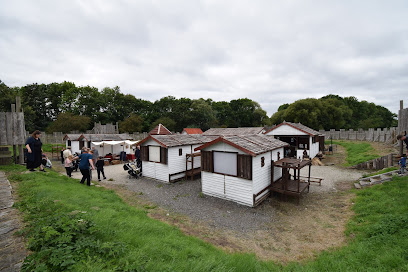
Danelaw Centre For Living History
9.0 km
Step back over a thousand years to explore authentic Viking and Roman life in a vibrant living history centre set within scenic rural Yorkshire.
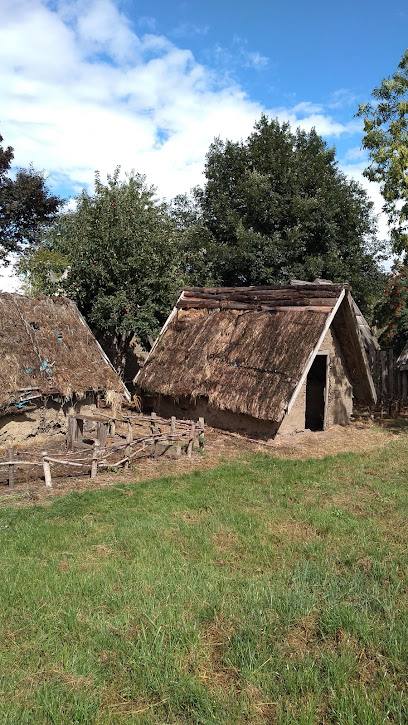
Designer Outlet York
9.3 km
Discover unbeatable designer discounts and family-friendly shopping just minutes from York city centre at McArthurGlen Designer Outlet York.

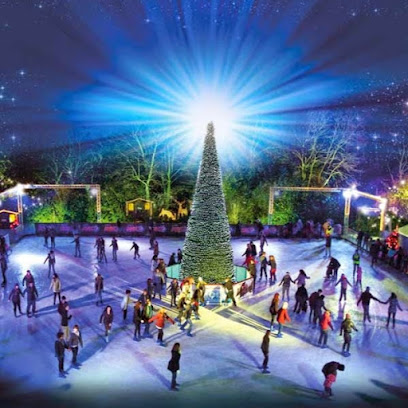
Yorkshire's Winter Wonderland
9.4 km
Experience York’s largest outdoor ice rink, vintage funfair, Santa’s Grotto, and festive shopping at Yorkshire’s Winter Wonderland.
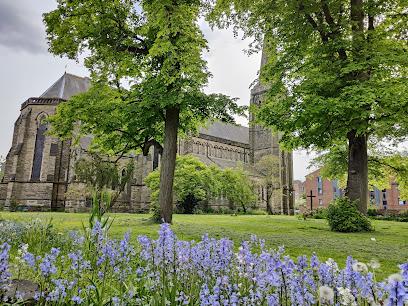
St Lawrence Parish Church, York
10.7 km
Discover York’s historic St Lawrence Parish Church, a serene blend of medieval roots and Victorian architectural grandeur on Lawrence Street.
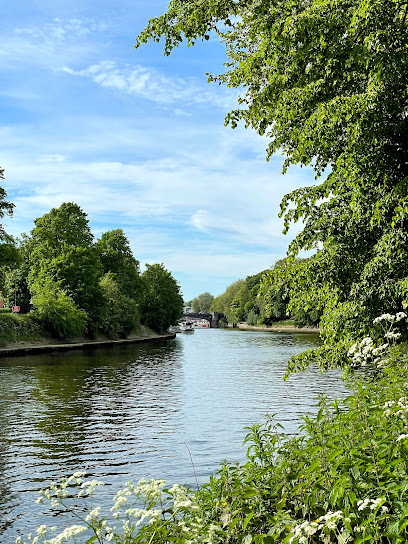
Pikeing Well
10.8 km
An 18th-century ornamental well by John Carr on York’s scenic New Walk, blending medieval stonework with historic riverside charm.
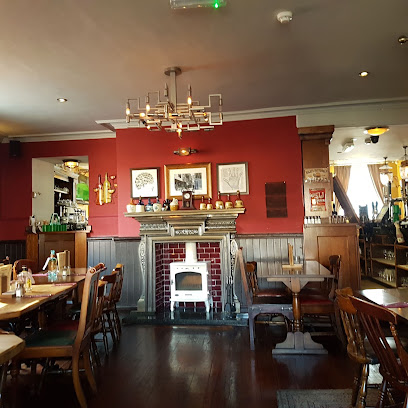
The Rose & Crown
10.8 km
Traditional charm and hearty British fare just steps from York’s historic centre, with cozy rooms and a welcoming pub atmosphere.
York Barbican
10.9 km
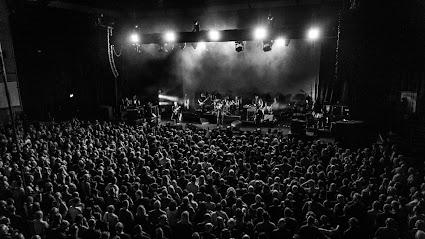
York's premier indoor entertainment venue hosting world-class concerts, comedy, sports, and conferences.
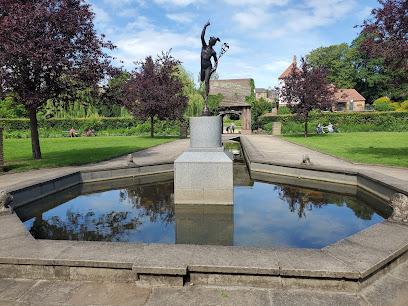
Rowntree Park
10.9 km
Historic riverside park in York offering gardens, sports, wildlife, and a welcoming café for all ages and interests.
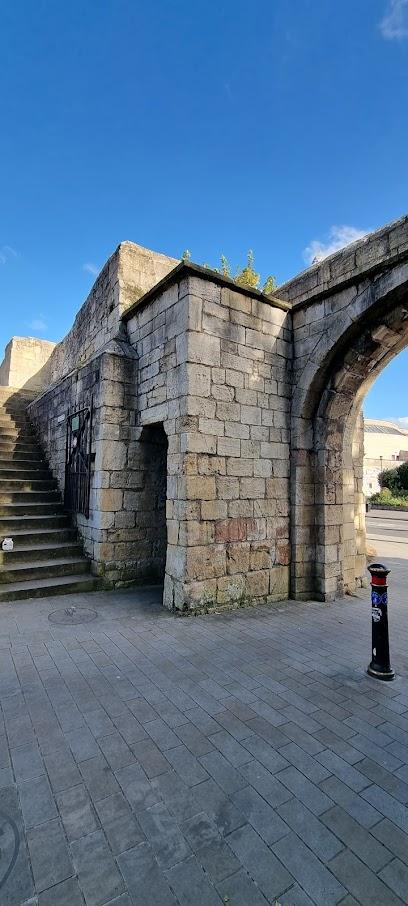
Fishergate Bar
11.0 km
Discover the historical significance and architectural beauty of Fishergate Bar, a captivating landmark in York rich with stories and charm.
Dick Turpins grave
11.1 km
Discover the infamous highwayman Dick Turpin’s final resting place in York’s historic St George’s Churchyard, steeped in legend and 18th-century intrigue.
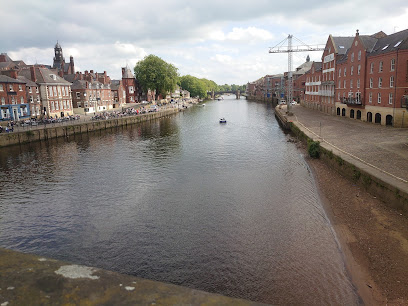
Red Tower
11.1 km
Explore York’s only brick medieval watchtower, now a vibrant community hub blending history, culture, and social spirit.
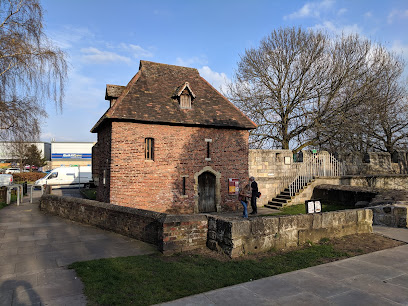
Fishergate Postern Tower
11.1 km
Discover the Fishergate Postern Tower, a historical landmark in York offering a glimpse into the city’s medieval past and stunning views.
Essential places to dine

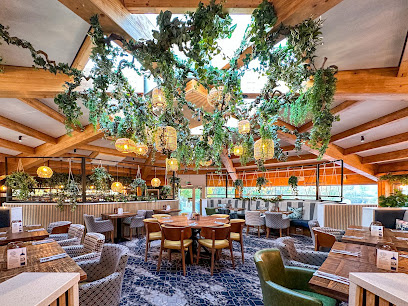
Bosun's at The Riverfront York
10.0 km
Experience award-winning riverside dining and tranquil outdoor escapes at Bosun's and The Riverfront York in Bishopthorpe.
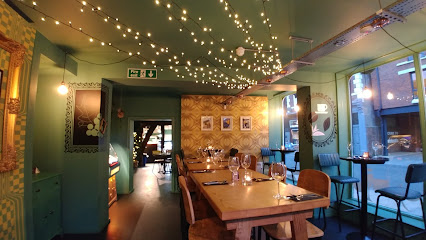
Tabanco By Ambiente
11.2 km
Experience authentic Spanish tapas and sherry in a warm, inviting atmosphere at Tabanco By Ambiente in York’s historic Walmgate.
Il Paradiso Del Cibo
11.3 km
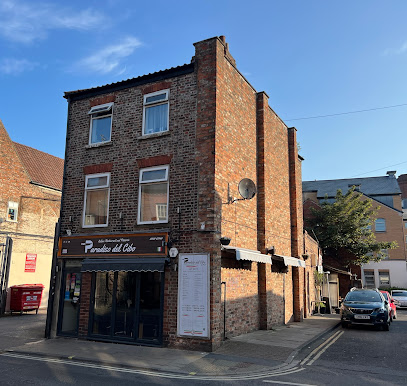
A lively, cash-only Italian gem on Walmgate, serving authentic Sardinian-style pizzas, pastas, and hearty meat dishes in a bustling, family-run setting.
Melton's Restaurant
11.3 km
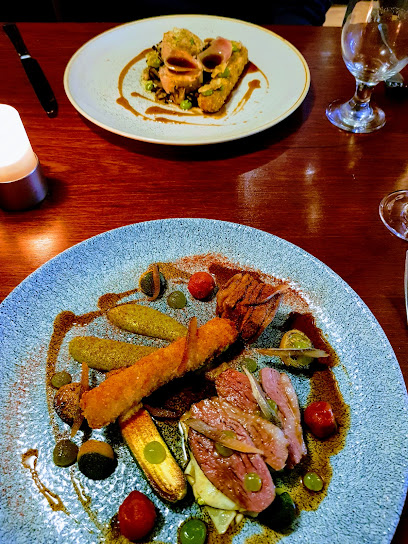
An intimate York gem offering inventive Modern British tasting menus with expert wine pairings in a warm, unpretentious setting.
The Olive Tree
11.4 km
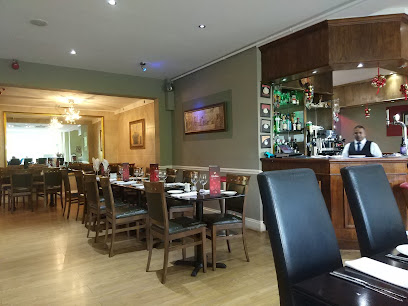
Authentic Mediterranean flavors and fresh seasonal dishes in the heart of historic York, near Clifford’s Tower.
The Blue Barbakan
11.4 km
Experience hearty Polish classics and warm hospitality in York’s vibrant Fossgate at The Blue Barbakan.
31 Castlegate Restaurant
11.4 km
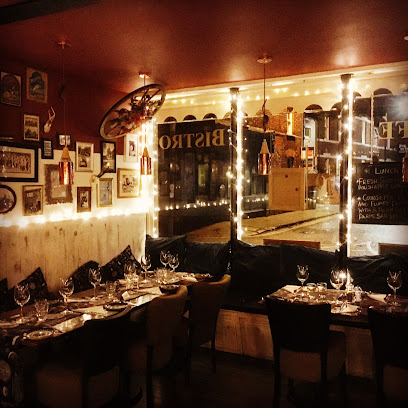
Experience refined modern European dining in the historic heart of York, blending seasonal flavors with warm hospitality.
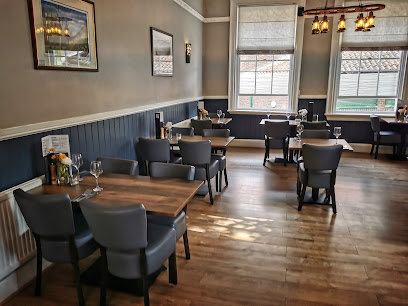
Ambiente Tapas Fossgate
11.4 km
Experience authentic Spanish tapas and vibrant atmosphere in York’s stylish Ambiente Tapas Fossgate, perfect for sharing, sipping, and socializing.
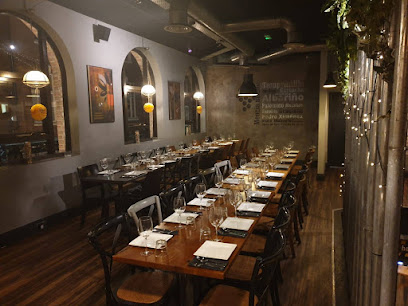
Rustique Restaurant
11.5 km
Experience authentic French flavors and vibrant bistro charm at Rustique, York’s beloved French restaurant with a welcoming atmosphere and great value.
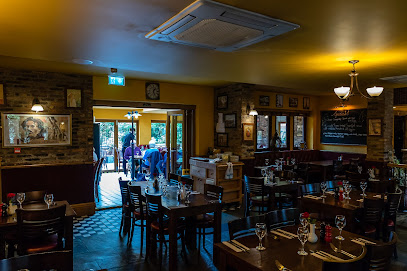
Cosy Club
11.5 km
Historic charm meets stylish dining and cocktails in York’s iconic Cosy Club on Fossgate, perfect for all-day indulgence and special celebrations.
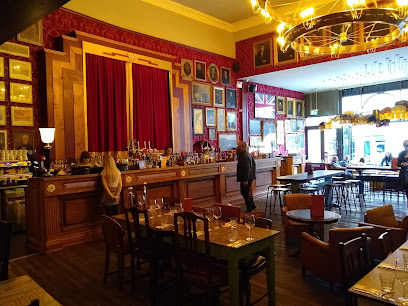
Arras
11.5 km
Innovative British cuisine with Mediterranean flair in a stylish, intimate setting tucked away in historic York.
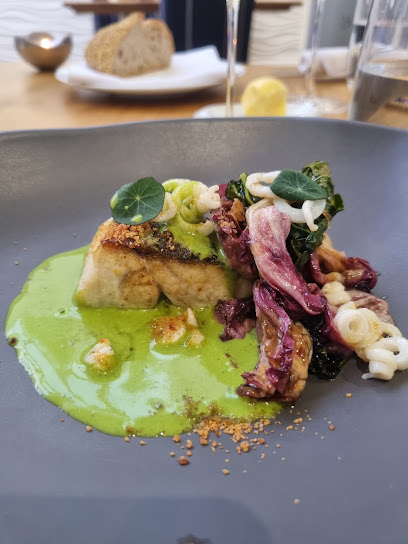
Marzano Italian & Grill
11.5 km
Experience authentic Italian flavors and warm hospitality in the heart of York’s vibrant Fossgate district.
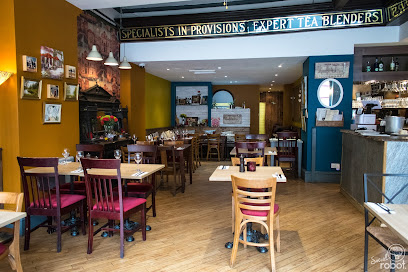
Pavement Vaults
11.5 km
Experience York’s vibrant grill and bar scene with generous smoked meats, craft beers, and a lively, welcoming atmosphere at Pavement Vaults.
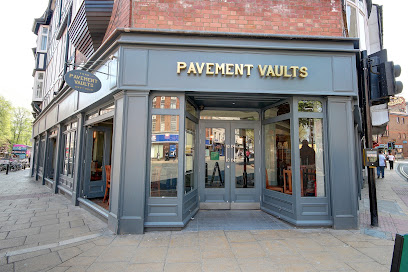
Ate O'Clock
11.6 km
Enchanting modern British dining in York’s fairy-lit alley, blending classic flavors with stylish charm and warm hospitality.
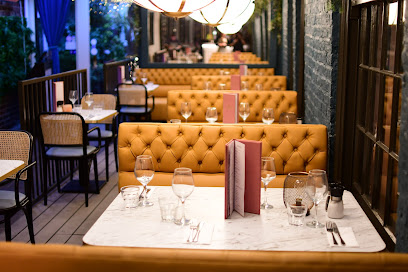
Corner Grill House
11.6 km
Award-winning Yorkshire steakhouse serving premium beef and local ingredients in York's vibrant city centre.
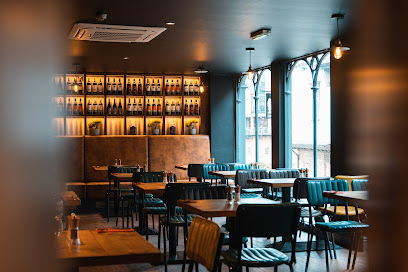
Markets, malls and hidden boutiques

Museum Shop
4.0 km
Explore the Museum Shop in York for unique gifts and souvenirs that celebrate the local culture and history.

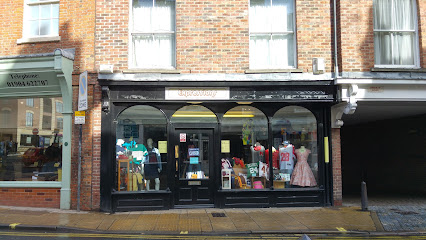
Expressions
11.3 km
Discover unique vintage American sportswear and retro styles at Expressions, York’s friendly and authentic vintage clothing shop on historic Walmgate.
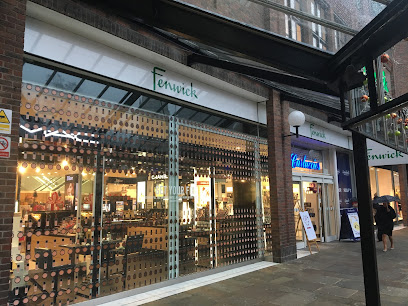
Fenwick York
11.4 km
Discover luxury fashion, beauty, and homeware at Fenwick York, a boutique department store nestled in the heart of Coppergate Centre.
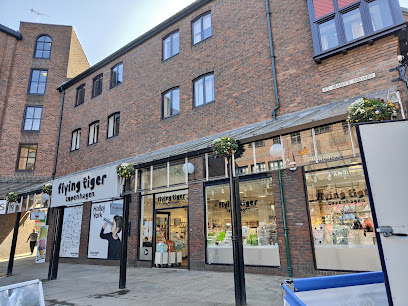
Flying Tiger Copenhagen
11.4 km
Scandinavian creativity meets quirky British charm in this beloved gift and lifestyle shop.
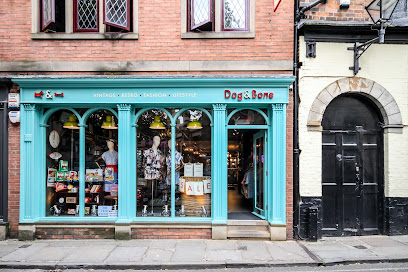
Dog & Bone Vintage
11.5 km
Discover timeless vintage fashion and unique homewares in York’s charming Dog & Bone Vintage, where style meets sustainability across two floors.
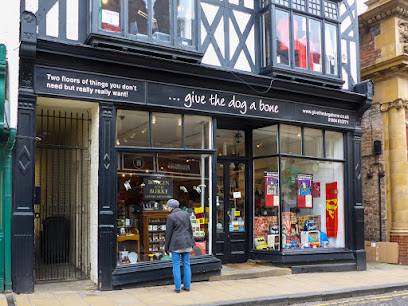
Give The Dog A Bone
11.5 km
Discover York’s quirky gift haven with two floors of unique treasures, from funky homeware to pop culture collectibles on historic Fossgate.
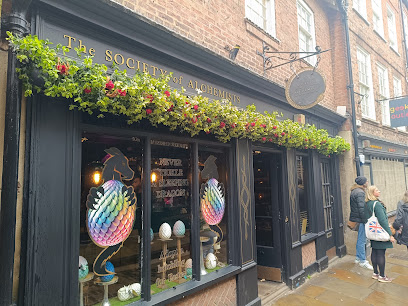
Gift Gallery
11.6 km
Discover unique gifts and charming souvenirs in the heart of York’s historic Shambles, where tradition meets thoughtful shopping.
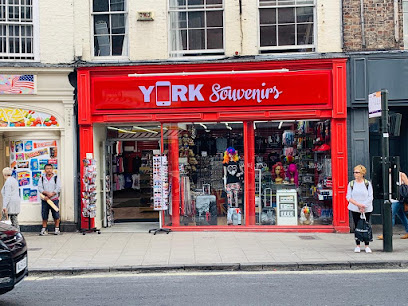
York Souvenir's
11.6 km
Discover authentic York treasures and charming souvenirs at this friendly, independent gift shop in the heart of York.
Mrs B's Emporium of Gifts
11.6 km
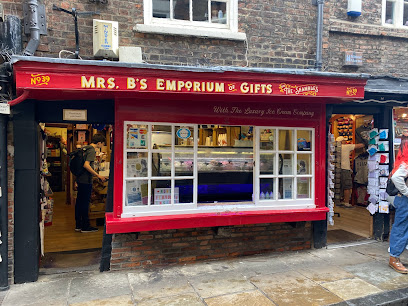
Discover quirky, unique gifts and playful treasures in the heart of York’s historic Shambles at Mrs B's Emporium of Gifts.
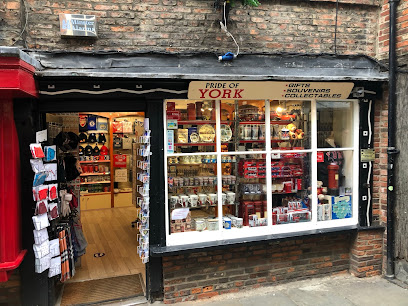
Pride of York Souvenirs
11.6 km
Discover authentic York treasures and unique souvenirs in the heart of the historic Shambles at Pride of York Souvenirs.
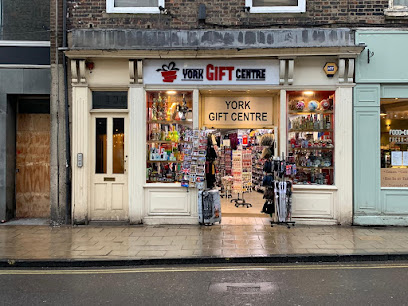
York Gift Center
11.6 km
Discover unique souvenirs and local crafts at York Gift Center, the perfect spot for tourists in the heart of York's historic charm.
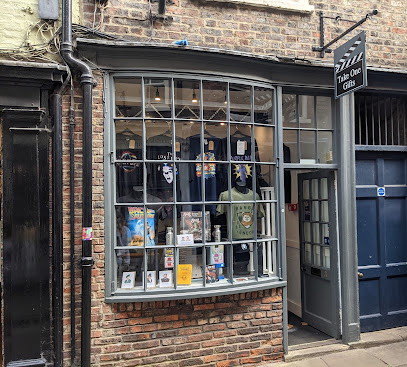
Take One Gifts
11.6 km
Explore Take One Gifts in York for unique souvenirs, artisan crafts, and memorable collectibles reflecting the city's charm.
Barghest
11.7 km
Discover Barghest, a quirky gift shop in York’s historic Shambles, offering unique film, TV, and music merchandise in a medieval setting.
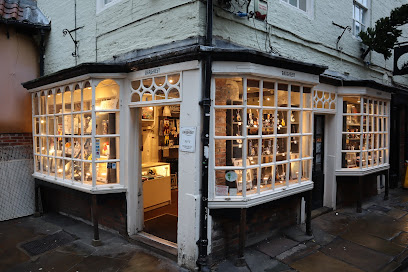
Sterling Souvenirs
11.7 km
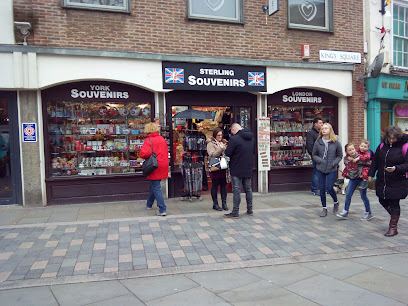
Discover authentic York treasures and unique souvenirs at Sterling Souvenirs, your friendly gift shop in the heart of King’s Square.
Greybear
11.7 km
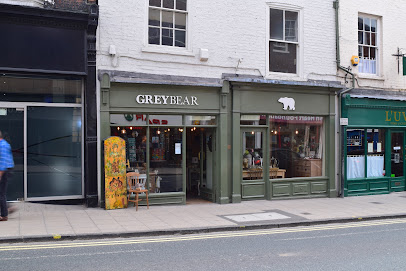
Discover timeless vintage treasures and unique gifts in the heart of York’s historic city centre at Greybear Vintage Gifts.
Essential bars & hidden hideouts

Dyls
11.3 km
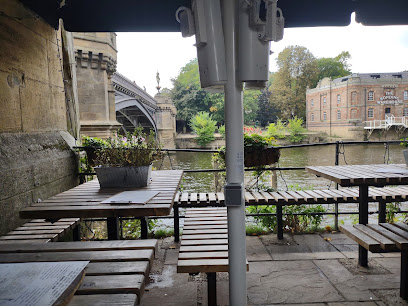
Historic bridge tower café-bar in York offering riverside views, locally sourced brunch, and vegan-friendly delights in a cozy, unique setting.
The Fossgate Social
11.4 km
A lively independent bar and coffee shop on York’s Fossgate, known for craft drinks, specialty coffee, and a welcoming atmosphere.
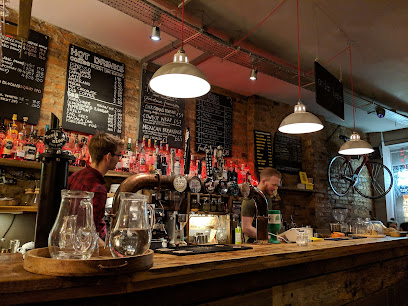
The Hop York
11.5 km
A lively York city centre bar known for its craft beers, stone-baked pizzas, and vibrant live music in a historic Victorian setting.
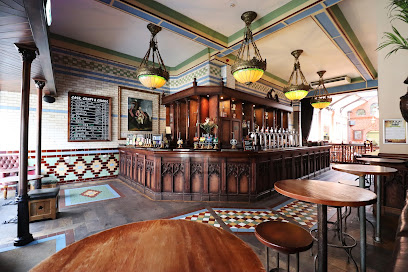
The Blue Bell
11.5 km
York’s smallest and most beloved Edwardian pub, famed for its authentic atmosphere, quality ales, and warm community spirit.
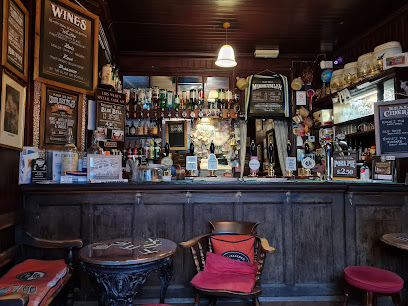
Golden Fleece York
11.5 km
York’s oldest haunted pub offering historic charm, classic ales, cozy rooms, and a lively social atmosphere in the heart of the city.
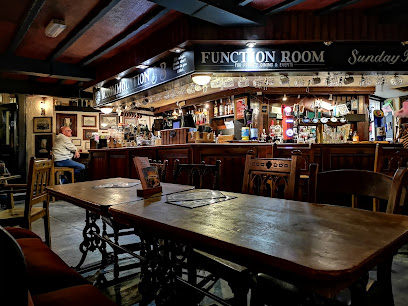
The Three Tuns
11.5 km
Step into The Three Tuns, a centuries-old timber-framed pub on Coppergate offering historic charm and hearty Yorkshire hospitality in York’s heart.
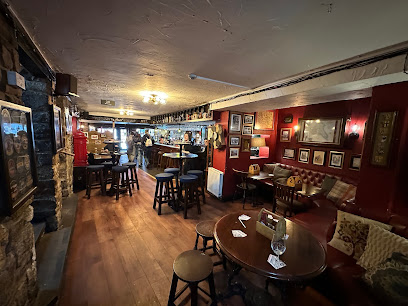
Plonkers
11.5 km
Family-run riverside wine bar and bistro in York serving home-cooked meals, fine wines, craft beers, and lively live music events since the 1980s.
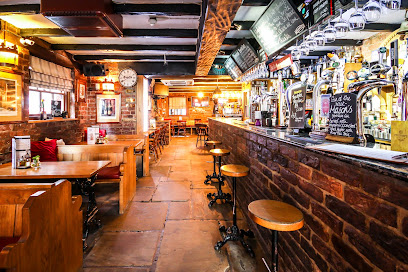
The Stone Roses Bar
11.6 km
York’s premier indie music bar, blending iconic memorabilia with lively vibes and friendly service in a central city location.
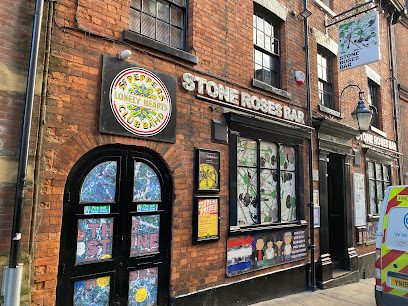
Social 8 Lounge
11.6 km
Stylish York lounge bar offering crafted cocktails, small plates, and boozy brunch in a relaxed, elegant setting with a courtyard garden.
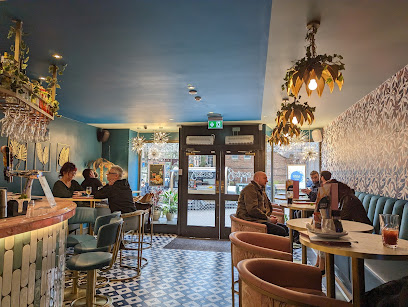
Slug & Lettuce York Riverside
11.6 km
Lively riverside bar and restaurant in York offering cocktails, casual dining, and vibrant social vibes with scenic river views.
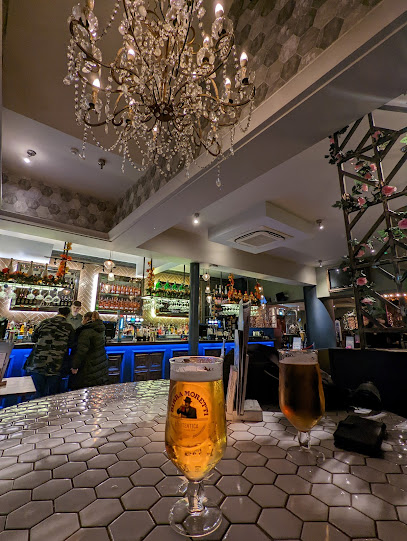
Pivní York
11.7 km
Historic 16th-century timber-framed pub in York offering an exceptional selection of local and global craft beers in a cosy, multi-floor setting.
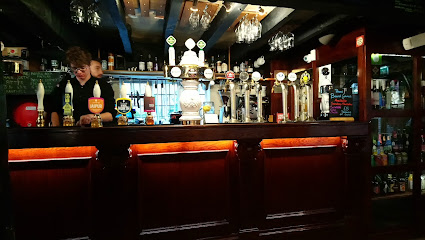
Tank & Paddle York
11.7 km
Craft beer paradise in York with riverside views, stone-baked pizzas, and 19 screens showing all major sports events.
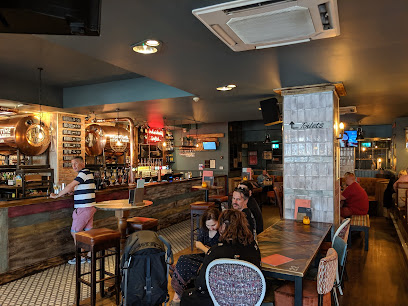
Jalou York
11.7 km
Historic church transformed into a vibrant cocktail bar with creative drinks and lively nightlife in the heart of York.
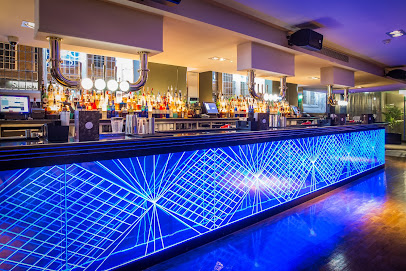
Vudu Lounge
11.7 km
York’s eclectic after-hours lounge blending quality cocktails with a lively, quirky nightlife vibe until the early morning.
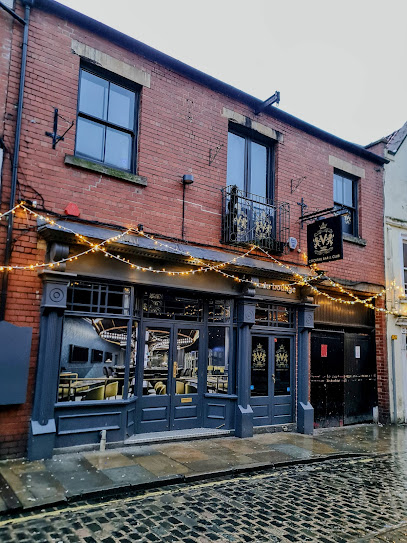
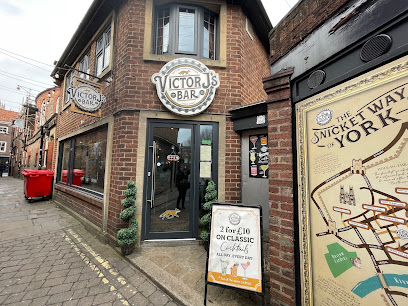
Victor J's
11.8 km
Eclectic art-inspired bar and restaurant in York’s heart, offering cozy seating, creative vibes, and lively weekend nights.
Nightclubs & after hour spots

Karaoke Rooms (KTV)
10.6 km
Experience lively private karaoke rooms in the heart of York’s vibrant nightlife at Chuandao Karaoke Bar.
Kuda
11.5 km
York’s vibrant nightclub offering diverse music, live DJs, and a lively late-night atmosphere in the heart of the city.
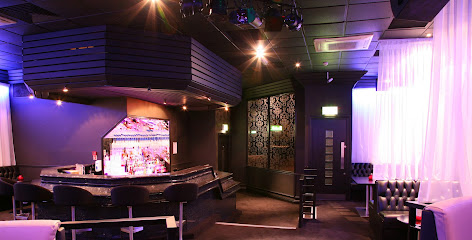
BlueBox
11.8 km
York’s premier late-night nightclub, BlueBox pulses with House, Tech House, and Disco beats until dawn in a vibrant city-center setting.

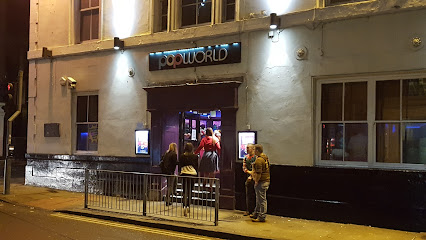
Popworld York
11.8 km
York’s lively nightclub with five decades of pop hits, a unique revolving dancefloor, and a safe, fun party atmosphere.
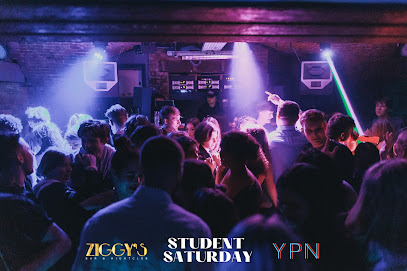
Ziggy's Bar & Nightclub
11.9 km
York’s iconic student nightclub offering energetic dance floors, affordable drinks, and a lively atmosphere since the 1980s.
Bar 55 York
11.9 km
York’s exclusive strip club offering sophisticated adult entertainment and premium nightlife in a stylish, historic setting.

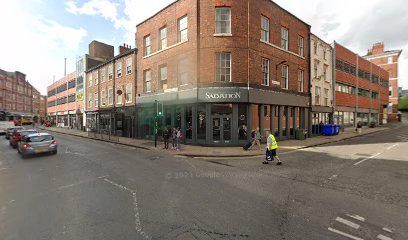
Club Salvation
11.9 km
York’s vibrant nightclub with dual music rooms, lively atmosphere, and fair-priced drinks for an unforgettable night out.
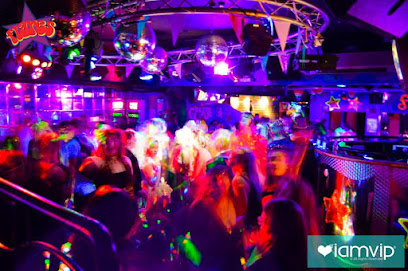
Flares - York
11.9 km
Experience York’s ultimate retro nightclub with decades-spanning hits, vibrant dance floors, and an inclusive party atmosphere.
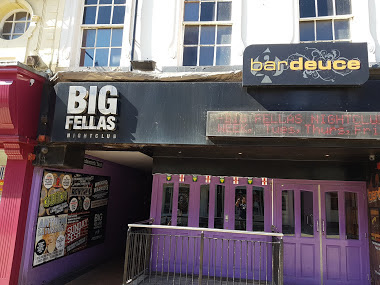
Big Fellas Nightclub
32.8 km
A lively and casual nightclub in Pontefract offering energetic late-night dancing and drinks in a central urban setting.
Arabian Night Lounge
39.5 km
Dive into Arabian enchantment on Leeds' nightlife scene: shisha, beats, and opulent vibes await at this Cherry Row gem.

Quadrophenia Night
39.9 km
Rev up for mod anthems, live ska-soul bands, and 60s film vibes at Leeds' ultimate Quadrophenia tribute night—pure energy and rebellion on the dancefloor.
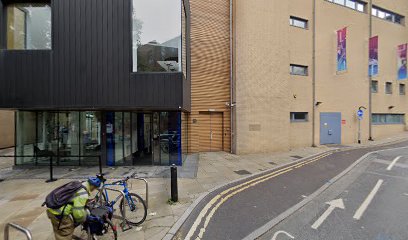
Disco Stu's
40.3 km
Pulse-pounding beats and sticky-floored euphoria on Vicar Lane—Disco Stu's delivers unfiltered Leeds nightlife with affordable drinks and all-night energy.

The Lab Nightclub Leeds
40.3 km
Experience Leeds' electric nightlife at The Lab Nightclub, where music flows smoothly and the party never stops in the heart of the city.
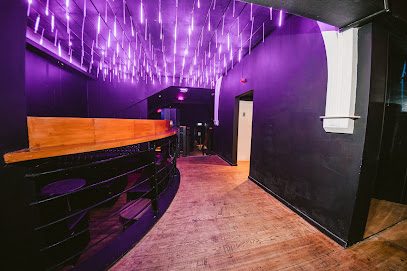
SAFARI AFRIQUE
40.4 km
A compact, high‑energy late‑night club on Assembly Street serving bass‑driven nights and lively weekend crowds.
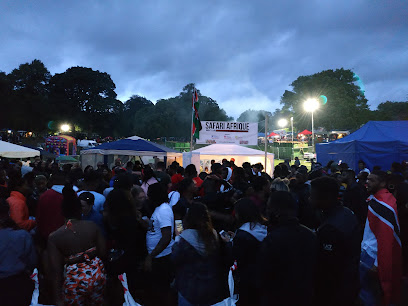
Wire
40.4 km
A compact, music-first basement club on Call Lane where tight crowds and a punchy sound system make late-night electronic parties feel immediate and intense.
For the vibe & atmosphere seeker
- Tranquil
- Relaxing
- Scenic
- Unique
- Casual
For the design and aesthetic lover
- Rustic Designs
- Colorful Aesthetics
For the architecture buff
- Parks & Gardens
- Viewpoints
- Heritage Neighborhoods
For the view chaser and sunset hunter
- Iconic Views
- Panoramas
- Waterfront
- Sunrise Spots
- Sunset Spots
For the social media creator & influencer
- Instagrammable
- Photo Spots
- Selfie Spots
- Aesthetic Corners
For the eco-conscious traveler
- Sustainable
- Eco-Friendly
- Low Impact
- Protected Area
- Public-Transport Accessible
- Leave-No-Trace Critical
- Locally Managed
- Wildlife Habitat
For the kind of experience you’re after
- Cultural Heritage
- Nature Escape
- Day Trip
- Photowalk
- Weekend Getaway
- Myth & Legends
For how adventurous you want the journey to be
- Easy Access
Location Audience
- Family Friendly
- Senior Friendly
- Child Friendly
- Teen Friendly
- Wheelchair Access
- Pet Friendly
- Solo Friendly
- Couple Friendly
- Solo Female Friendly
- Vegetarian Friendly
- Vegan Friendly


