
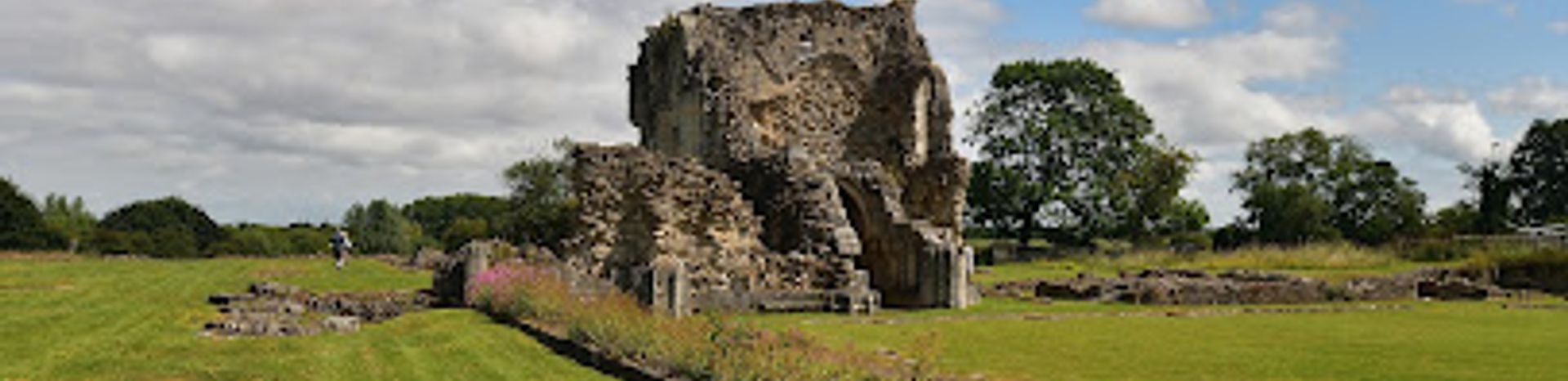
Thornton Abbey and Gatehouse: Majestic Medieval Heritage in North Lincolnshire
Explore one of England’s grandest medieval abbeys and its iconic fortified gatehouse, a masterpiece of 14th-century brick architecture.
Thornton Abbey and Gatehouse, near Ulceby in North Lincolnshire, is a remarkable medieval monastic site founded in 1139. Its iconic 14th-century brick gatehouse, one of England’s largest and best-preserved, showcases fortified architecture with turrets and battlements. The abbey ruins and surrounding earthworks reveal centuries of religious, economic, and architectural history, offering visitors a vivid glimpse into medieval monastic life and England’s Dissolution of the Monasteries.
A brief summary to Thornton Abbey and Gatehouse
- Abbey Road, Ulceby, DN39 6TU, GB
- +441469541445
- Visit website
- Duration: 1 to 3 hours
- Mid ranged
-
 Outdoor
- Mobile reception: 4 out of 5
Local tips
- Visit during April to October when the site is open daily from 10:00 to 17:00 for the best experience.
- Wear sturdy footwear as exploring the abbey ruins involves walking on gravel paths and uneven surfaces.
- Check accessibility options if you have mobility needs; the gatehouse has narrow spiral staircases and limited lift access.
- Allow time to explore the interpretation centre and displays inside the gatehouse to fully appreciate the site’s history.
- Bring a picnic to enjoy in the designated areas surrounded by the peaceful Lincolnshire countryside.

For the on-the-go comforts that matter to you
- Restrooms
- Drink Options
- Food Options
- Seating Areas
- Picnic Areas
- Information Boards
- Visitor Center
Getting There
-
Car
Driving from Scunthorpe or Grimsby takes approximately 30 to 45 minutes. Parking is available on-site but limited, so arriving early is recommended. The rural roads are narrow in places.
-
Bus
Local bus services connect Ulceby and nearby towns with the abbey area, with travel times around 40 to 60 minutes from Scunthorpe. Services may be infrequent on weekends.
-
Train and Taxi
The nearest train station is Ulceby, about 3 miles away. A taxi from the station to the abbey takes roughly 10 minutes. Taxi availability may vary, so pre-booking is advisable.
-
Walking
For active visitors, walking from Ulceby village to the abbey is a scenic 45-minute route over mostly flat terrain with gravel paths, suitable for most fitness levels.
Thornton Abbey and Gatehouse location weather suitability
-
 Any Weather
-
 Rain / Wet Weather
-
 Clear Skies
-
 Mild Temperatures
Discover more about Thornton Abbey and Gatehouse
A Storied Foundation and Monastic Legacy
Founded in 1139 by William le Gros, Earl of Yorkshire, Thornton Abbey began as an Augustinian priory and was elevated to abbey status in 1148. The abbey prospered through wool trade and generous endowments, becoming one of the wealthiest religious houses in the region. Its canons balanced communal monastic life with pastoral duties, shaping the spiritual and economic landscape of medieval Lincolnshire. The abbey was dissolved in 1539 during Henry VIII’s Dissolution of the Monasteries, marking the end of its religious function though it briefly served as a secular college.The Iconic Gatehouse: Architecture and Symbolism
The monumental gatehouse, constructed between 1377 and 1382, stands as one of England’s largest and earliest extensive brick buildings. This three-storey fortified structure features turrets, battlements, arrow loops, and a portcullis, reflecting military architectural influences more symbolic than defensive. Originally adorned with religious and allegorical statues, many of which have since been lost, the gatehouse housed administrative offices and possibly the abbey court. Its thick walls, narrow windows, and imposing presence dominate the surrounding landscape, offering a dramatic introduction to the abbey precinct.Ruins and Landscape: Echoes of a Medieval Complex
Beyond the gatehouse lie the remains of the abbey’s chapter house, cloister, and foundations of the church and ancillary buildings, uncovered through 19th-century excavations. The site is encircled by earthworks, a broad moat, and a long barbican, underscoring the abbey’s scale and sophisticated infrastructure, including 12th-century drainage systems. The abbey’s location near the tidal Skitter Beck, a tributary of the Humber estuary, facilitated trade and economic vitality, linking it to regional and international markets.Visitor Experience and Interpretation Today
Managed by English Heritage, Thornton Abbey offers visitors an immersive historical experience with interpretive displays, guided tours, and picnic areas amid tranquil countryside. The gatehouse interior reveals medieval rooms, passageways, and exhibitions that illuminate the abbey’s turbulent history and architectural significance. Accessibility is supported by level paths and an interpretation centre, though the gatehouse’s narrow spiral staircases may challenge those with limited mobility. The site’s peaceful setting also invites wildlife observation and quiet reflection.Historical Significance and Cultural Resonance
Thornton Abbey stands as a testament to England’s medieval ecclesiastical power and architectural innovation. Its survival through centuries of change, including royal visits and the Reformation, highlights its importance. The gatehouse’s brick construction was pioneering for its time, and the abbey’s economic role in the wool trade reflects broader medieval societal shifts. Today, it remains a vital cultural heritage site, connecting visitors to the rich tapestry of English history.Preservation and Future Prospects
The site has been under the care of English Heritage since 1938, with ongoing efforts to preserve the gatehouse and ruins. Structural repairs and conservation work ensure the longevity of this historic monument. As a protected heritage site, Thornton Abbey balances public access with preservation, inviting future generations to explore and appreciate its unique legacy.Iconic landmarks you can’t miss

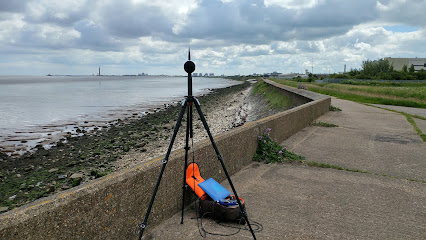
Humber
5.8 km
Experience the sublime elegance of the Humber Bridge, the world’s longest pedestrian-accessible single-span suspension bridge spanning England’s Humber Estuary.
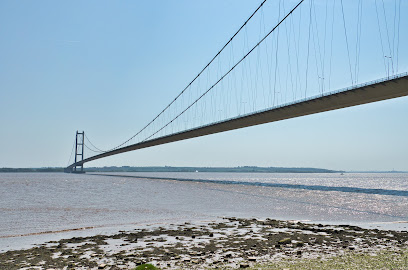
Humber Bridge
10.5 km
Walk or cycle the world's longest pedestrian-accessible suspension bridge across the Humber Estuary.
North Tower of the East Gate of the Wall of Roman Lindum Colonia (Lincoln)
48.9 km
Explore the impressive Roman North Tower of the East Gate, a gateway to Lincoln’s ancient Lindum Colonia and a testament to Roman urban grandeur.
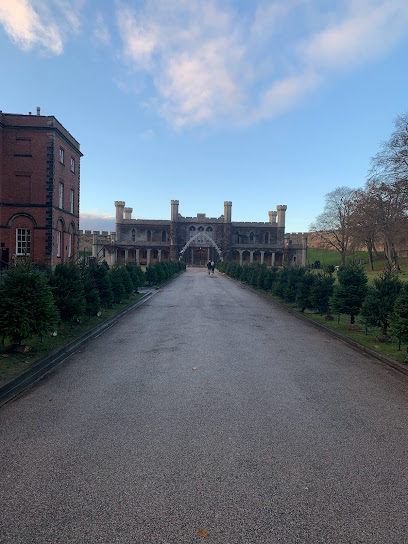
Priory Arch
49.0 km
A majestic Victorian Gothic arch marking the historic entrance to Lincoln’s cathedral quarter and the ancient Bailgate street.
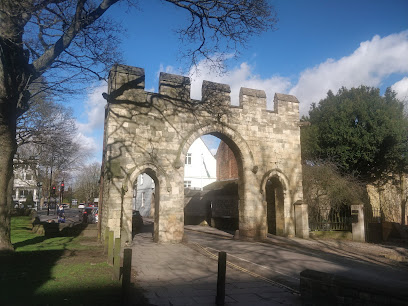
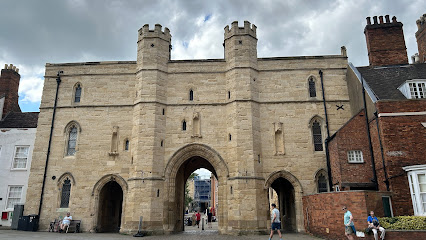
Exchequer Gate
49.1 km
Step through Exchequer Gate, a majestic 14th-century medieval archway guarding Lincoln’s historic heart between Castle and Cathedral.
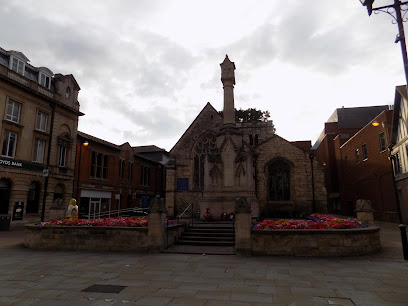
Lincoln War Memorial
49.8 km
A timeless symbol of unity and freedom, the Lincoln Memorial stands proudly at the heart of Washington, D.C.'s National Mall.
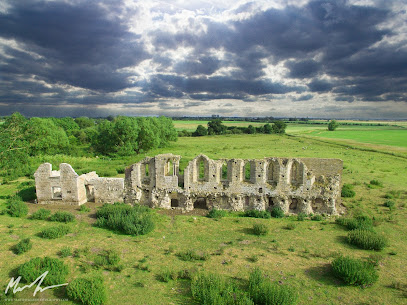
Tupholme Abbey
50.8 km
Medieval monastery transformed: where Premonstratensian canons once prayed, Tudor mansions rose and farmland endured.
Cawood Castle Gatehouse
57.1 km
Step into medieval history at Cawood Castle Gatehouse, a beautifully restored 15th-century archiepiscopal residence with panoramic Yorkshire views.
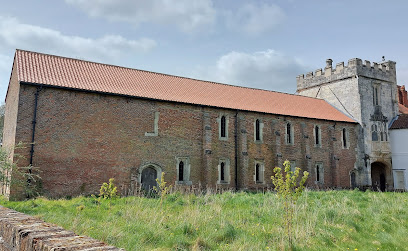
Howsham Mill
58.3 km
Explore the enchanting Howsham Mill, an 18th-century historical landmark in the heart of York's picturesque countryside, rich in industrial heritage.
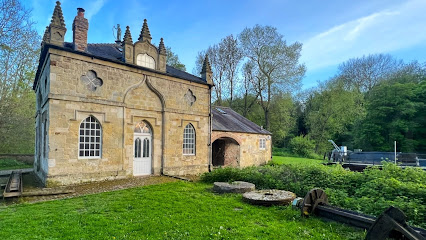
English Heritage - Bolingbroke Castle
58.7 km
Explore the historical grandeur of Bolingbroke Castle, a captivating medieval fortress in Lincolnshire, rich in heritage and scenic beauty.
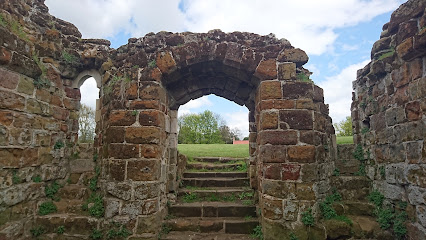
St Lawrence Parish Church, York
59.7 km
Explore the historical St Lawrence Parish Church in York, showcasing stunning architecture and a vibrant community spirit.
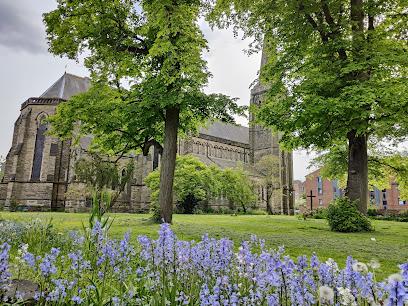
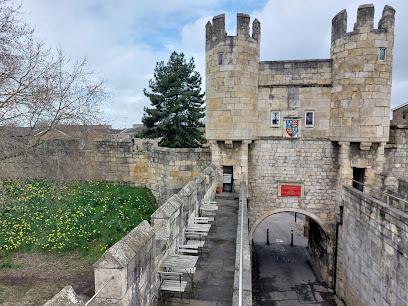
Walmgate Bar
59.8 km
York’s most complete medieval gatehouse, with the only surviving town gate barbican in England and a quirky coffee house inside its ancient walls.
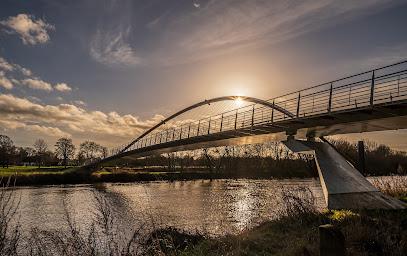
Millennium Bridge
59.8 km
Contemporary engineering meets riverside beauty—York's illuminated pedestrian bridge spanning the Ouse.
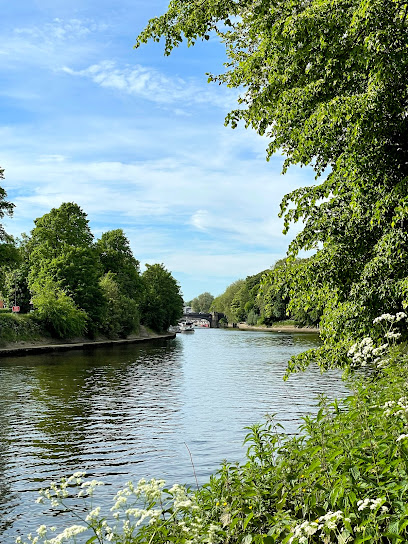
Pikeing Well
59.9 km
Discover Pikeing Well, an 18th-century riverside grotto in York blending medieval stonework and Viking artistry along the historic New Walk promenade.
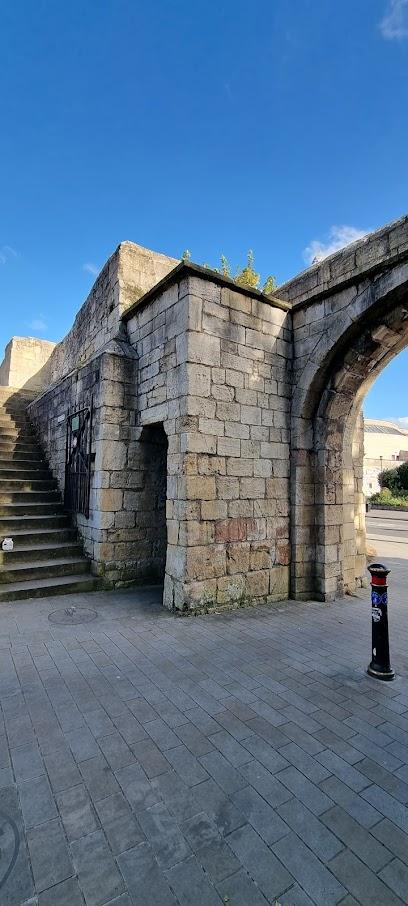
Fishergate Bar
60.0 km
Step through Fishergate Bar, a medieval gateway guarding York’s southern entrance, steeped in history and tales of rebellion.
Unmissable attractions to see

Waters' Edge Country Park & Visitor Centre
9.6 km
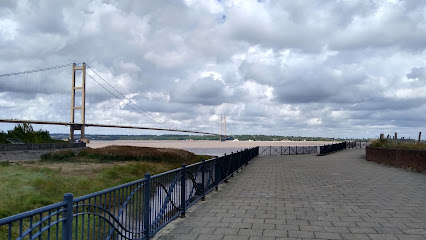
Explore 110 acres of wildlife-rich parkland with interactive exhibits and stunning Humber Bridge views at Waters' Edge Country Park.
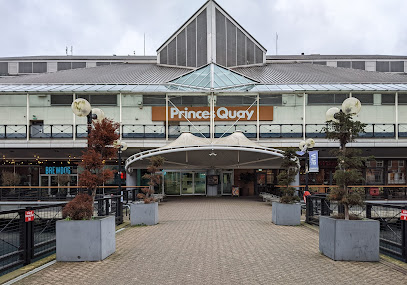
Princes Quay
9.8 km
A unique waterfront shopping and leisure destination in Hull blending retail, dining, and entertainment with scenic indoor canals.
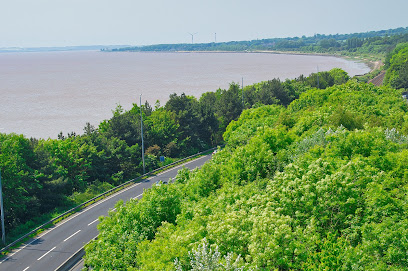
Humber Bridge Country Park
11.7 km
Explore scenic trails, chalk cliffs, and stunning Humber Bridge views at this family-friendly nature reserve in Hessle.
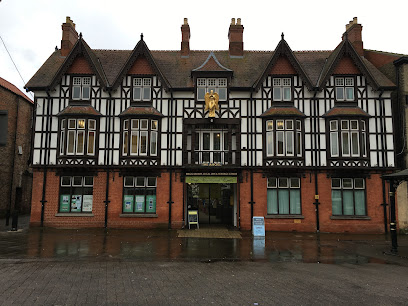
Brigg Heritage Centre
16.5 km
Discover Brigg’s ancient heritage and vibrant community spirit at the historic Angel Building’s Brigg Heritage Centre.
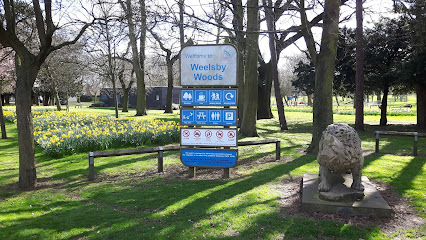
Weelsby Woods Country Park
20.2 km
A spacious woodland retreat on Grimsby's edge, offering tranquil walks, open fields, and year-round natural beauty for all ages.
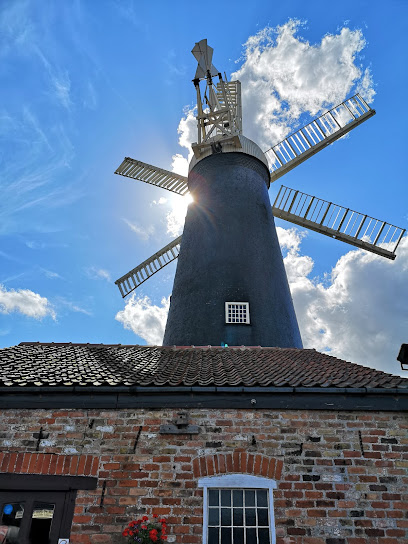
Waltham Windmill
21.3 km
Explore Waltham Windmill, a fully restored Victorian six-sail mill set on scenic Lincolnshire high ground, blending heritage, education, and family-friendly charm.
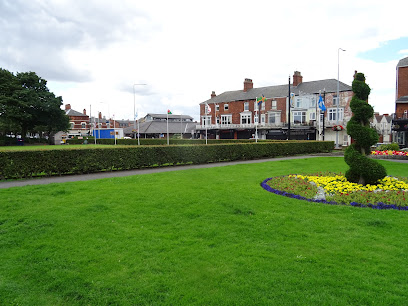
Cleethorpes Pier Gardens
21.7 km
A picturesque seaside garden offering family fun, scenic views, and classic coastal charm on Cleethorpes’ Central Promenade.
Hall Farm Park
22.1 km
Discover hands-on farm fun and friendly animals in the scenic Lincolnshire Wolds at Hall Farm Park, perfect for family days out.
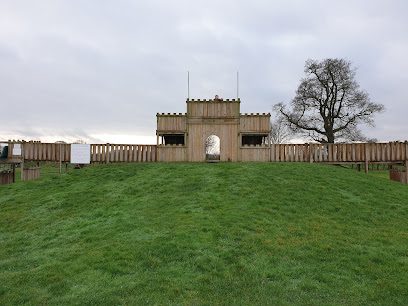
Cleethorpes Country Park
22.8 km
A tranquil 160-acre nature reserve with a scenic lake, accessible trails, and dog-friendly spaces in the heart of Cleethorpes.
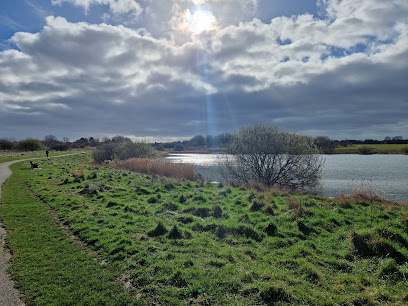
Cleethorpes Boating Lake
23.2 km
A peaceful lakeside retreat in Cleethorpes offering family fun, scenic walks, and nature encounters all year round.
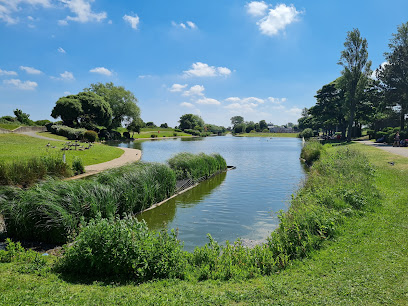
Lincolnshire coast
23.4 km
A classic British seaside bay with sandy beaches, historic charm, and vibrant family attractions on the Humber estuary.
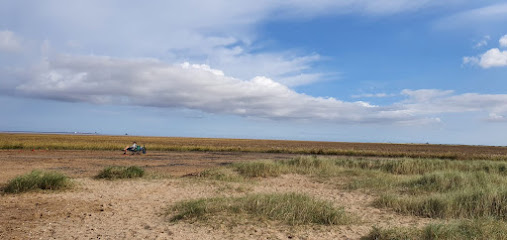
Cleethorpes Coast Light Railway
23.6 km
Historic miniature railway along the Lincolnshire coast with scenic rides, crazy golf, and the world’s smallest pub.
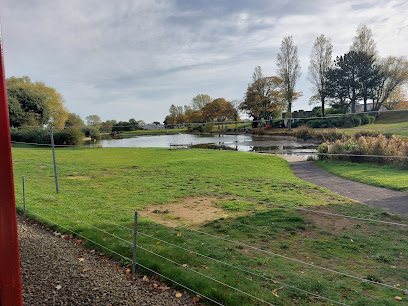
Bully Hill
27.5 km
Historic Bully Hill offers scenic views and springs that shaped Market Rasen’s industrial heritage and rural charm.
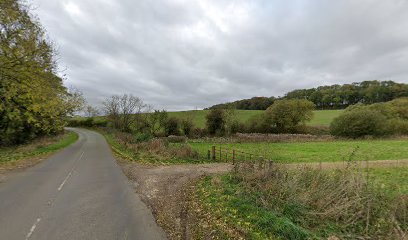
Messingham Zoo
28.5 km
Discover intimate wildlife encounters and family-friendly fun at Messingham Zoo, where animal welfare and education come first.
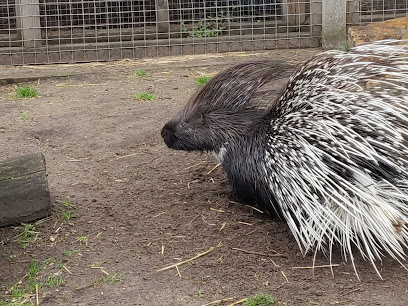
Lincolnshire Wolds National Landscape
32.0 km
Explore 216 square miles of rolling hills, hidden valleys, and rich heritage in Lincolnshire’s tranquil and unspoilt National Landscape.
Essential places to dine

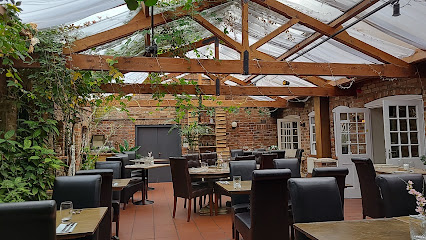
Imaginarium
8.8 km
Experience the vibrant flavors of Modern British cuisine in the heart of Barton-upon-Humber’s historic market square.
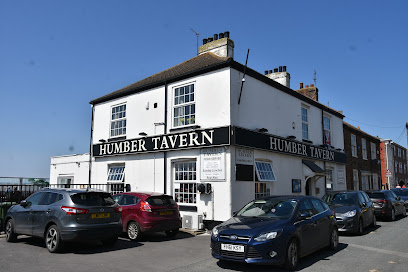
Humber Tavern
8.9 km
Traditional pub charm meets scenic Humber estuary views in Paull, offering hearty home-cooked meals and warm hospitality.
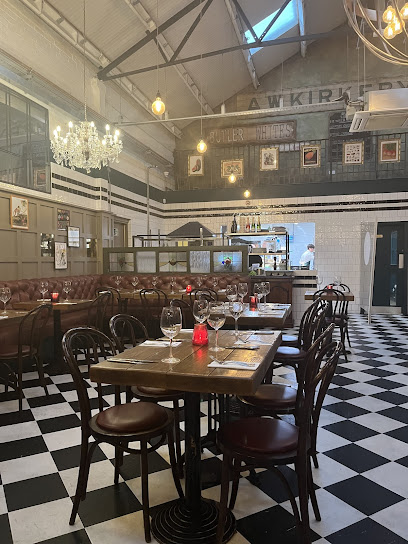
Butler Whites
9.4 km
Modern dining with gluten-free flair and lively atmosphere on Hull’s vibrant Humber Street food scene.
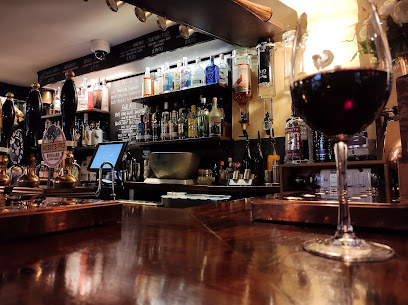
Pipe and Glass
30.4 km
A Michelin-starred Yorkshire pub blending rustic charm, hearty local cuisine, award-winning wines, and boutique luxury accommodation.
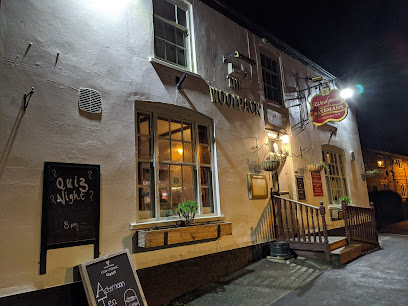
Woolpack Inn
38.1 km
Discover the heart of Louth at Woolpack Inn - where great food meets friendly faces in a cozy English pub atmosphere.
The Splash Pub
42.5 km
Historic 17th-century country pub with cosy charm, scenic gardens by a ford, traditional ales, and welcoming bed and breakfast near Louth.
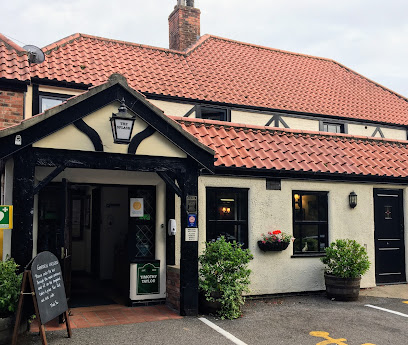
Duke William Hotel
48.9 km
Experience historic Lincoln hospitality with modern comforts, excellent British cuisine, and a welcoming atmosphere in the heart of the Cathedral Quarter.
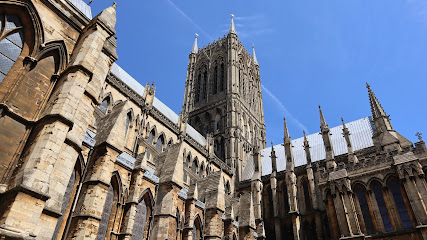
Harbour Lights
48.9 km
Chic grill and bistro at Burton Waters Marina offering stunning waterside views, refined English cuisine, and elegant event spaces near Lincoln.
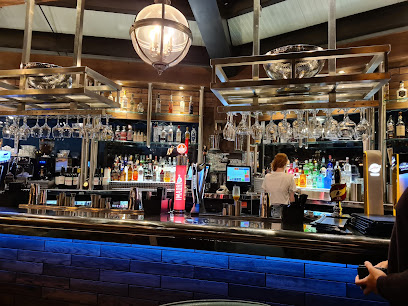
The Bronze Pig
49.0 km
Michelin-guided fine dining in Lincoln's historic quarter, celebrating local ingredients and Mediterranean-inspired creativity.
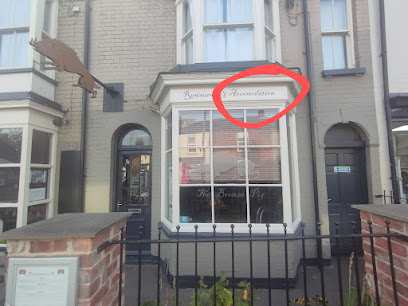
White Hart Hotel
49.1 km
Historic charm and modern luxury converge in Lincoln’s vibrant Bailgate at The White Hart Hotel, steps from cathedral and castle.

Hobbsons Restaurant and Pie Shop
49.1 km
Savor traditional British gourmet pies in a cozy, historic setting on Lincoln’s iconic Steep Hill.
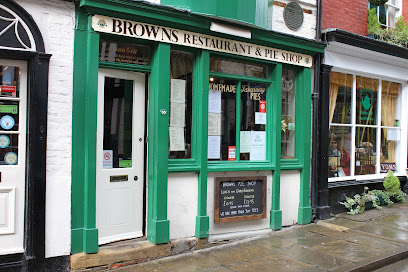
The Rest Hotel
49.3 km
Boutique 5-star comfort on Lincoln’s historic Steep Hill, blending modern luxury with medieval charm and a renowned coffee shop.
Premier Inn Lincoln City Centre
49.6 km
Modern comfort and friendly service in Lincoln’s historic heart, steps from the Cathedral and Castle.
Holiday Inn Lincoln, an IHG Hotel
49.8 km
Modern comfort and scenic waterfront views converge at Holiday Inn Lincoln, your gateway to the vibrant heart of Lincoln.
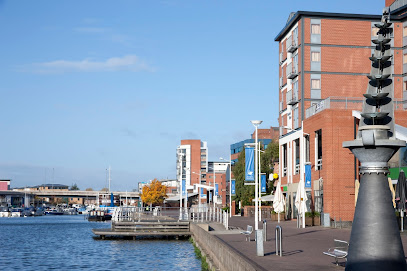
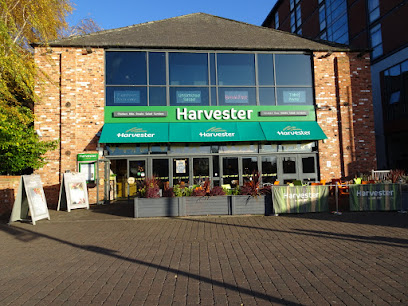
Harvester Brayford Wharf Lincoln
49.8 km
Casual British dining with a family-friendly vibe and scenic riverside views at Lincoln’s Brayford Wharf.
Markets, malls and hidden boutiques

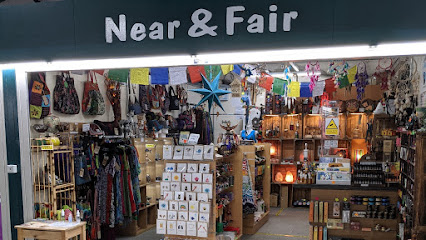
Near & Fair
9.8 km
Discover unique gifts and ethical fashion in the heart of Hull’s vibrant Trinity Market at Near & Fair.
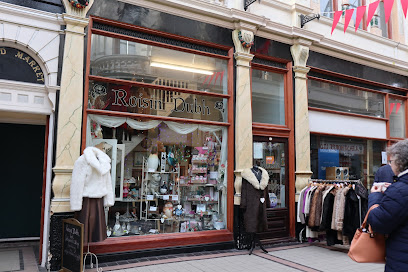
Roisin Dubh Vintage and Retro inspired clothing and gift Boutique
9.8 km
Discover timeless vintage fashion and unique gifts in the heart of Hull’s historic Hepworth's Arcade.
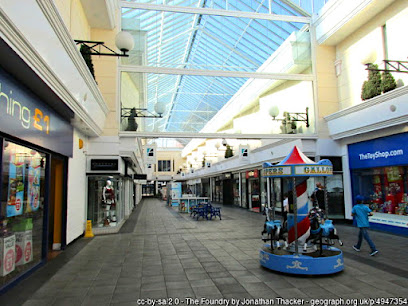
The Foundry
22.9 km
Central Scunthorpe’s welcoming shopping hub with diverse stores, cafes, and community events open seven days a week.
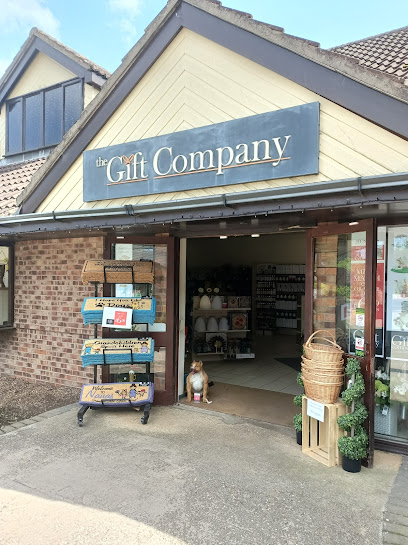
Hornsea Freeport
28.6 km
Discover the UK's first factory outlet village offering up to 50% off famous brands in a charming landscaped setting near Yorkshire’s coast.
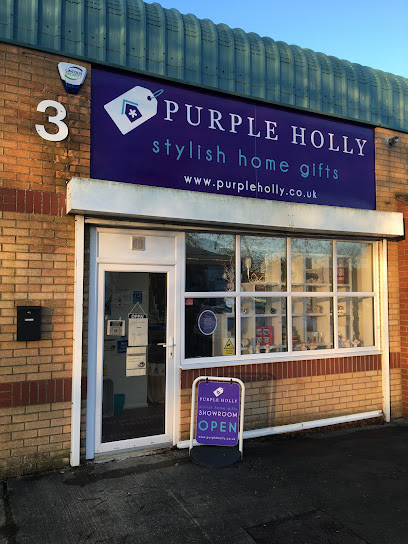
Purple Holly
48.2 km
Discover stylish gifts and charming homewares inspired by Lincolnshire’s countryside at Purple Holly, your boutique destination in Lincoln’s Newporte Business Park.
Pre-Loved From Lincolnshire
48.6 km
Discover unique handmade gifts and quality preloved treasures crafted and curated by local Lincolnshire artisans.
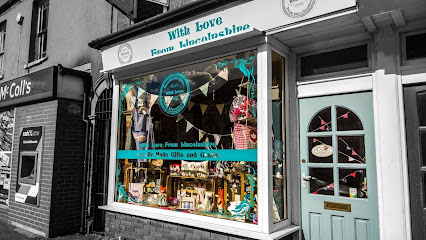
Quayside Gifts
48.8 km
Discover unique souvenirs and local treasures at Quayside Gifts in Burton Waters, Lincoln – a perfect stop for memorable gifts.
Follie
49.0 km
A charming independent gift shop in Lincoln’s historic Cathedral Quarter, offering unique home accessories, jewellery, cards and vintage-inspired finds.
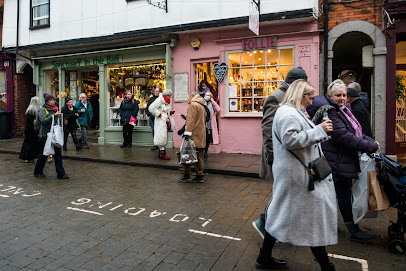
Object & line
49.0 km
Discover unique gifts and charming treats at Object & Line, Lincoln’s boutique of curated creativity and personal service.
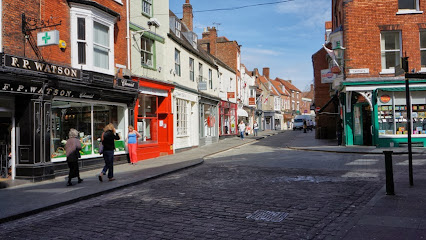
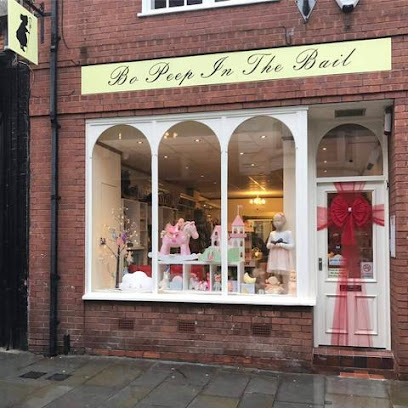
Bo Peep Boutique
49.0 km
Family-run children's clothing and toy boutique in Lincoln offering quality brands and charming gifts in a warm, historic setting.
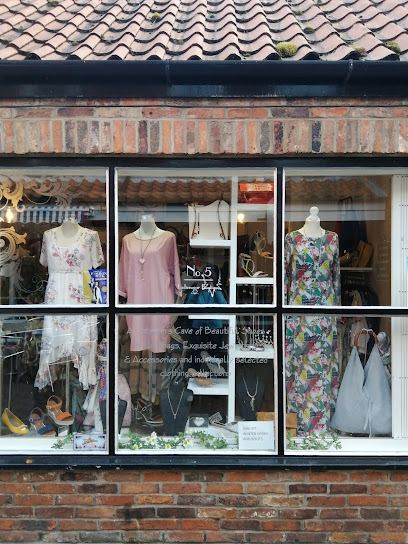
No.5 ladieswear boutique
49.0 km
Discover stylish designer ladieswear, handbags, and accessories at No.5 Ladieswear Boutique, Lincoln’s charming fashion destination.
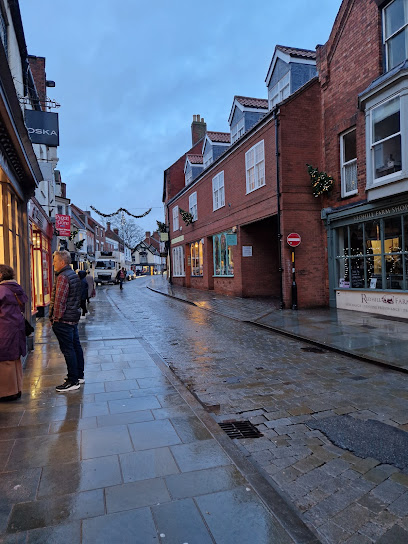
Pretty Little / Noa Noa
49.0 km
Discover unique ladies' fashion in the charming historic Bailgate district of Lincoln, blending style with personalized service.
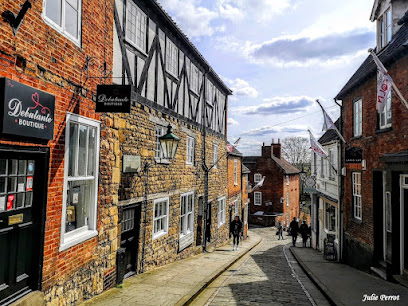
Debutante Boutique
49.2 km
Affordable, stylish ladies' clothing and accessories with French and Italian flair on Lincoln’s historic Steep Hill.
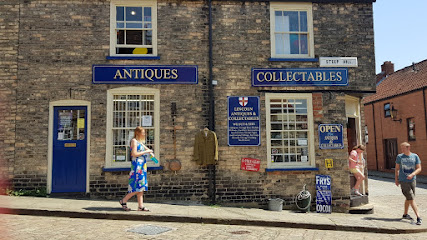
Lincoln Antiques & Collectables
49.3 km
Discover timeless treasures and vintage charm at Lincoln Antiques & Collectables, nestled on historic Steep Hill in the heart of Lincoln.
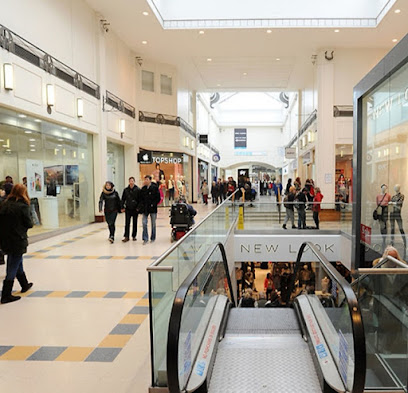
Waterside Shopping Centre
49.7 km
Compact and vibrant shopping hub in Lincoln’s city centre with popular brands, eateries, and family-friendly amenities.
Essential bars & hidden hideouts

Rooftop Bar
9.4 km
Enjoy panoramic city and harbor views with crafted cocktails atop Hull’s vibrant Humber Street.
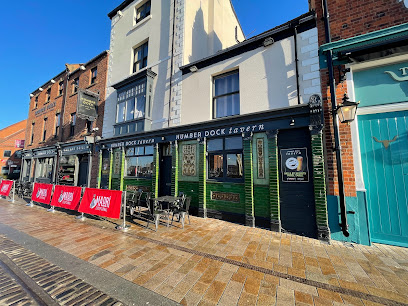
Humber Dock Bar & Grill
9.5 km
Relax by Hull’s marina at the Humber Dock Bar & Grill, where traditional ales, hearty pub food, and waterfront views create a welcoming local hub.
Furley & Co
9.8 km
Quirky dockside pub in Hull offering craft beers, hearty British fare, and a welcoming atmosphere with historic charm.
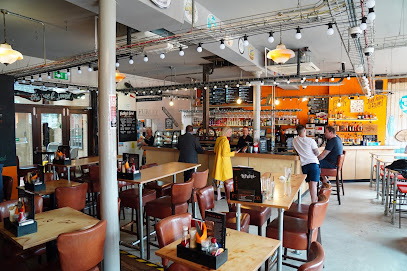
Harry's Bar
11.0 km
A lively Hessle bar blending live music, sports, and casual pub vibes for an affordable and fun night out.
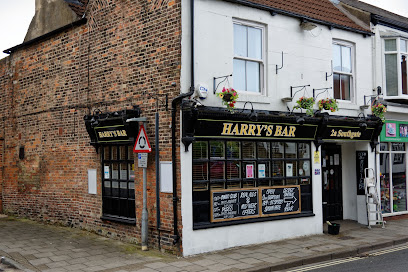
Lincolnshire Poacher
47.3 km
A warm, traditional pub in Lincoln offering classic ales, hearty meals, and a lively, family-friendly atmosphere year-round.
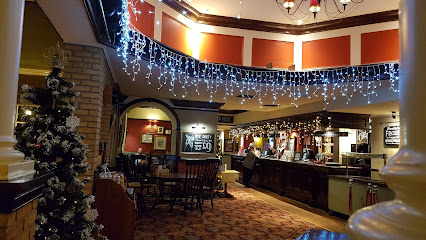
The Morning Star
48.9 km
A cozy traditional pub in Lincoln offering expertly kept ales, warm ambiance, and a prime spot near the cathedral.
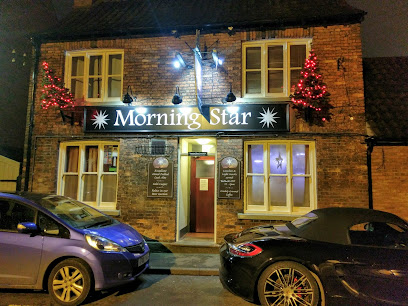
Lion & Snake
49.0 km
Experience historic charm and lively hospitality at Lincoln’s beloved Lion & Snake pub on Bailgate.
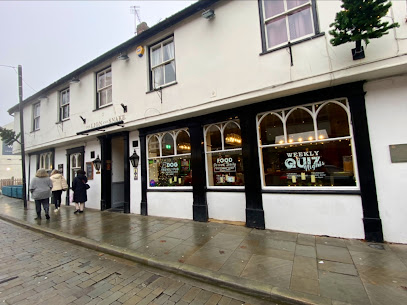
The Strugglers inn
49.0 km
A must-visit Lincoln pub famed for expertly poured cask ales, unique decor, and a warm, dog-friendly atmosphere.
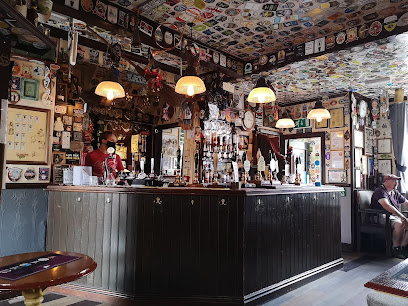
The Adam & Eve Tavern
49.1 km
Lincoln’s oldest tavern since the 1700s, blending historic charm with lively pub culture near the Cathedral.
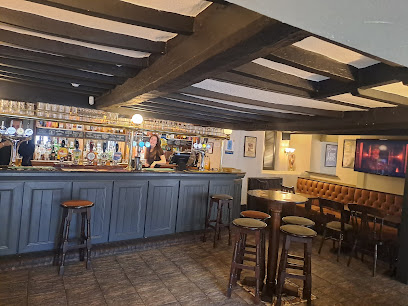
Magna Carta
49.1 km
Historic charm meets lively pub culture in Lincoln’s Magna Carta, a multi-level venue with great food, drinks, and views of the castle and cathedral.
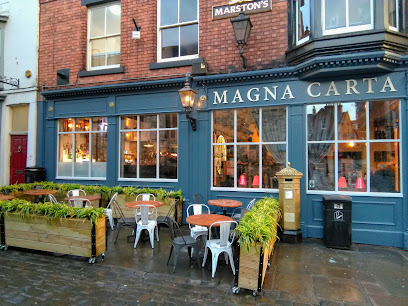
The Dog and Bone
49.4 km
A welcoming Lincoln pub with great ales, folk music gigs, and a charming beer garden in a cozy community setting.
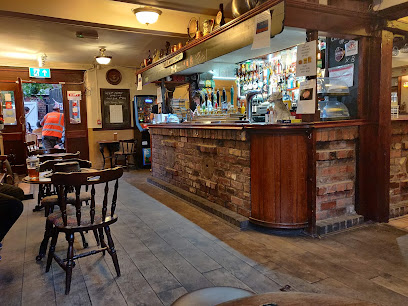
The Strait and Narrow
49.4 km
Lincoln’s quirky cocktail bar with inventive drinks, cozy nooks, and a unique social vibe featuring table phones for calling strangers.
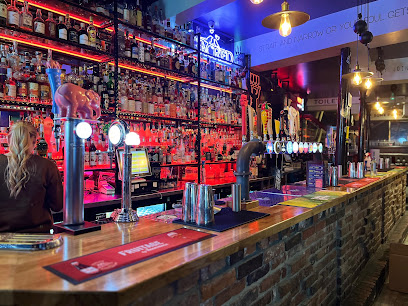
Be at One - Lincoln
49.4 km
Lively Lincoln cocktail bar with 100+ drinks, 2-for-1 happy hours, and a vibrant atmosphere on High Street.
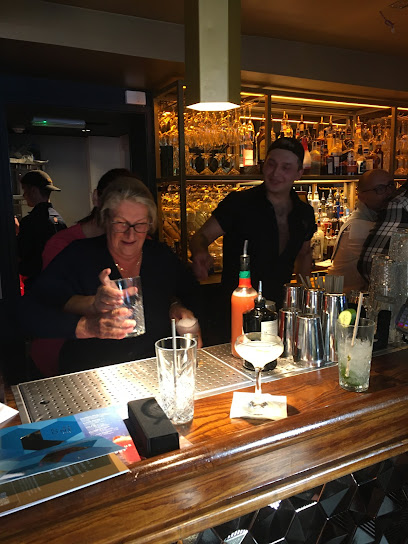
The Cardinal's Hat
49.4 km
Historic charm meets lively atmosphere at The Cardinal's Hat, Lincoln’s beloved pub with rich drinks and cozy vibes.
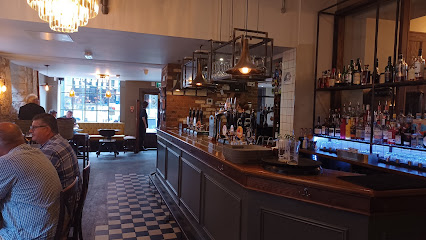
Slug & Lettuce - Lincoln
49.5 km
Lively cocktail bar and restaurant on Lincoln’s historic High Street, perfect for drinks, dining, and social nights out.
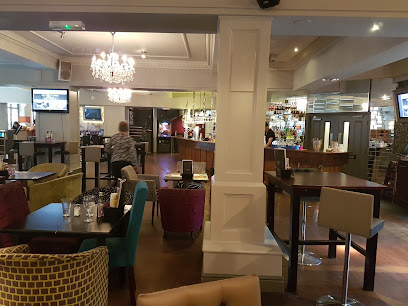
Nightclubs & after hour spots

Spiders
10.8 km
Hull’s legendary alternative nightclub with decades of goth, punk, and rock heritage, vibrant atmosphere, and welcoming community spirit.
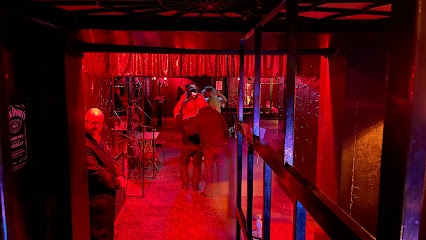
The Welly
11.2 km
Hull’s iconic alternative nightclub with over a century of live music, club nights, and a legendary atmosphere on Beverley Road.
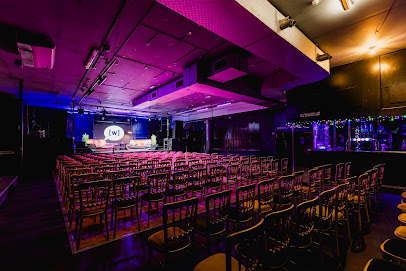
Void Nightclub
49.5 km
Lincoln’s stylish hotspot for electronic dance music, vibrant nights, and unforgettable clubbing experiences.
Popworld - Lincoln
49.5 km
Popworld Lincoln: Where cheesy pop hits and vibrant nightlife create unforgettable party nights on High Street.
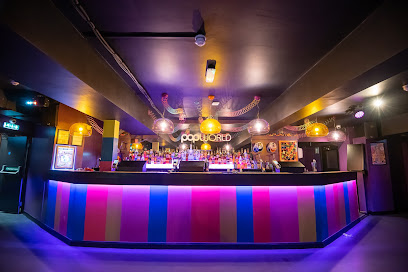
Sugarcubes Nightclub
49.6 km
Energetic and affordable nightlife in Lincoln with a unique cube-themed vibe and friendly atmosphere.
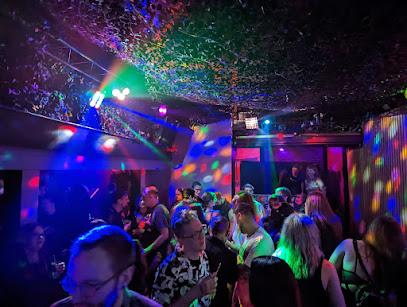
Club Desire
49.6 km
Experience Lincoln’s vibrant nightlife at Club Desire, where luxury meets affordability in a lively, welcoming gentlemen’s club setting.
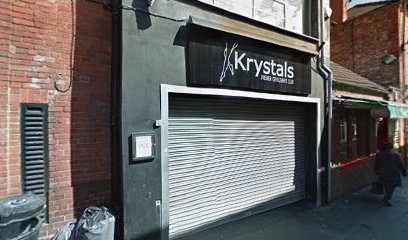
The Scene
49.7 km
Lincoln’s vibrant two-floor nightclub and LGBTQ+ venue, open nightly with diverse events and a welcoming atmosphere.
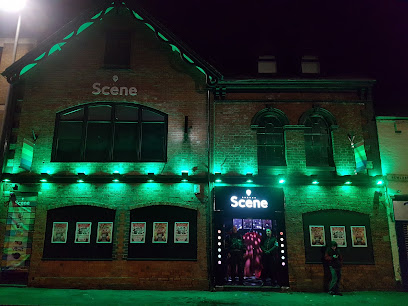
Lincoln Rock N Roll Club
55.1 km
A vibrant rock and roll nightspot in Waddington offering affordable drinks, energetic dancing, and a welcoming community atmosphere.
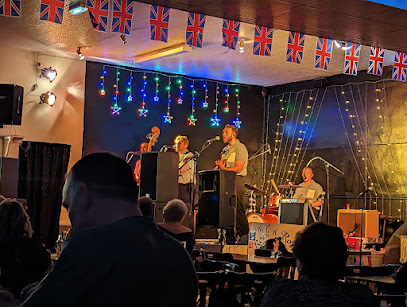
Karaoke Rooms (KTV)
59.6 km
Experience lively private karaoke rooms in the heart of York’s vibrant nightlife at Chuandao Karaoke Bar.
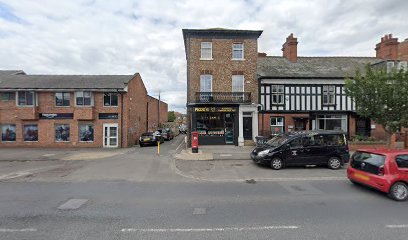
Kuda
60.5 km
York’s vibrant nightclub offering diverse music, live DJs, and a lively late-night atmosphere in the heart of the city.
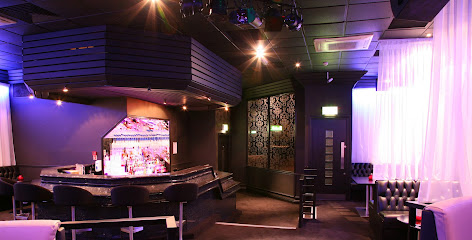
BlueBox
60.8 km
York’s premier late-night nightclub, BlueBox pulses with House, Tech House, and Disco beats until dawn in a vibrant city-center setting.

Popworld York
60.9 km
York’s lively nightclub with five decades of pop hits, a unique revolving dancefloor, and a safe, fun party atmosphere.
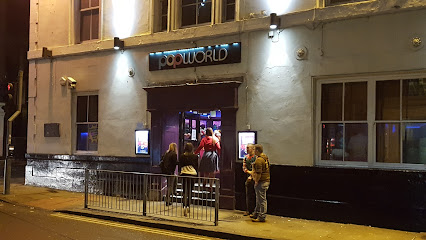
Ziggy's Bar & Nightclub
60.9 km
York’s iconic student nightclub offering energetic dance floors, affordable drinks, and a lively atmosphere since the 1980s.
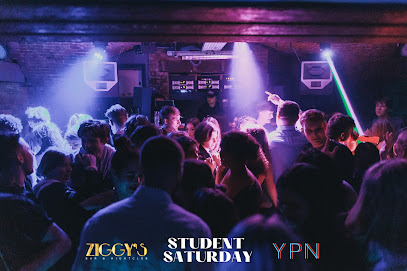
Bar 55 York
60.9 km
York’s exclusive strip club offering sophisticated adult entertainment and premium nightlife in a stylish, historic setting.

Flares - York
60.9 km
Experience York’s ultimate retro nightclub with decades-spanning hits, vibrant dance floors, and an inclusive party atmosphere.
For the vibe & atmosphere seeker
- Tranquil
- Scenic
- Historic
- Relaxing
For the design and aesthetic lover
- Rustic Designs
- Vintage Styles
For the architecture buff
- Historic
- Landmarks
- Heritage Neighborhoods
For the view chaser and sunset hunter
- Iconic Views
- Panoramas
For the social media creator & influencer
- Instagrammable
- Photo Spots
- Architectural Shots
For the eco-conscious traveler
- Protected Area
- Public-Transport Accessible
- Locally Managed
For the kind of experience you’re after
- Cultural Heritage
- Photowalk
- Day Trip
- Weekend Getaway
- Myth & Legends
For how adventurous you want the journey to be
- Easy Access
Location Audience
- Family Friendly
- Senior Friendly
- Child Friendly
- Couple Friendly
- Solo Friendly


