
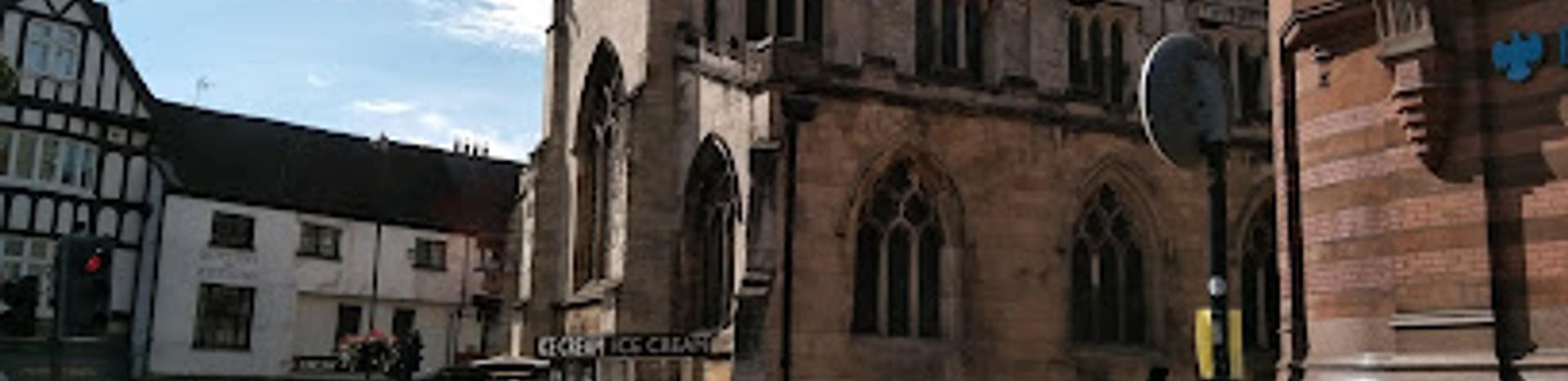
St Crux Parish Hall and Remnants, York
Discover the echoes of medieval York at St Crux, where history, martyrdom, and architectural fragments tell a timeless story.
St Crux in York stands on the site of a once grand medieval church, first recorded in the Domesday Book. Although the original 15th-century church was demolished by 1887 due to structural issues, parts of its fabric survive in the current parish hall built from its rubble. The site holds deep historical significance, including connections to Thomas Percy, a beheaded nobleman and Catholic martyr, whose memorials remain. Today, St Crux offers a glimpse into York’s rich ecclesiastical and civic history amid a modest, atmospheric setting.
A brief summary to St Crux
- York, York, GB
- Duration: 0.5 to 1.5 hours
- Free
-
 Outdoor
- Mobile reception: 4 out of 5
Local tips
- Visit the parish hall to see original 15th-century masonry and funerary monuments preserved from the old church.
- Explore the surrounding area to appreciate the historical context of York’s medieval churches and civic heritage.
- Learn about Thomas Percy, the Catholic martyr buried here, whose story is integral to the site’s significance.
- Enjoy the quiet atmosphere, perfect for contemplation and appreciating York’s layered history.

For the on-the-go comforts that matter to you
- Restrooms
- Seating Areas
- Information Boards
Getting There
-
Bus
Frequent local buses from York city center reach stops within 500 meters of St Crux in about 10-15 minutes. Services run every 10-20 minutes, with single fares around £2-£3. Note that evening service frequency reduces after 8 PM.
-
Walking
From York city center, a flat and accessible 15-minute walk along paved streets brings you to St Crux. The route is suitable for wheelchair users and families with strollers.
-
Taxi
Taxis from York railway station to St Crux take approximately 5-10 minutes depending on traffic, costing around £6-£10. Available 24/7 with pre-booking recommended during peak times.
St Crux location weather suitability
-
 Any Weather
-
 Rain / Wet Weather
-
 Clear Skies
-
 Mild Temperatures
Discover more about St Crux
A Storied Medieval Foundation
St Crux’s origins trace back to the Domesday Book of 1085-86, marking it as one of York’s earliest recorded churches. Originally a private chapel under St Mary’s Abbey, the church was rebuilt between 1402 and 1424 into a large medieval parish church, becoming the largest in York at the time. Its foundations, however, proved unstable, requiring ongoing maintenance. The church was renowned for its architectural grandeur, including a distinctive Italianate tower added in 1697, crowned with urns and a cupola that became a city landmark.Decline and Demolition in the 19th Century
By the 19th century, St Crux had fallen into disrepair and was closed to public worship around 1880 due to safety concerns. Despite efforts by the Society for the Protection of Ancient Buildings and local advocates to save it, the church was deemed unsafe and an eyesore. The Italianate tower, though sturdy, was demolished using dynamite, and the rest of the church was dismantled by 1887. The demolition process was protracted, with repeated pauses as proposals to restore the building were considered but ultimately rejected.Rebirth as a Parish Hall
In 1888, a simple parish hall was constructed on the site using much of the rubble from the former church. This hall incorporates surviving elements such as a perpendicular window and a section of the 15th-century north aisle wall. Several funerary monuments and memorials from the original church were preserved and integrated into the new structure, maintaining a tangible link to the past within a modest community space.Historical Figures and Memorials
St Crux was the burial place of Thomas Percy, 7th Earl of Northumberland, a Catholic martyr executed in 1572 for his faith. His headless body was interred inside the church, and he was later beatified by Pope Leo XIII in 1895. The site also holds memorials to prominent local figures, including city officials and court servants, reflecting its importance in York’s civic and religious history.Ghostly Legends and Local Lore
Despite the church’s demolition, stories of ghostly apparitions and funeral marches have long been associated with the site, adding a layer of mystery and folklore. These tales echo the church’s turbulent past and the enduring presence of those once connected to it, enriching the atmosphere for visitors exploring this historic corner of York.A Quiet Reflection of York’s Heritage
Today, St Crux offers visitors a serene and evocative glimpse into York’s medieval ecclesiastical heritage. The parish hall and surviving walls stand as silent witnesses to centuries of worship, community, and history, inviting reflection on the passage of time and the stories embedded within the city’s fabric.Iconic landmarks you can’t miss

St Crux
0.0 km
Explore the echoes of medieval York at St Crux, where a grand church’s legacy lives on in a historic parish hall and poignant tales of martyrdom.
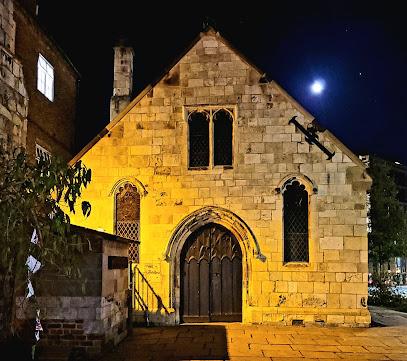
The York Ghost Merchants
0.1 km
Explore a unique blend of York's ghostly history and charming souvenirs at The York Ghost Merchants, your destination for eerie collectibles.
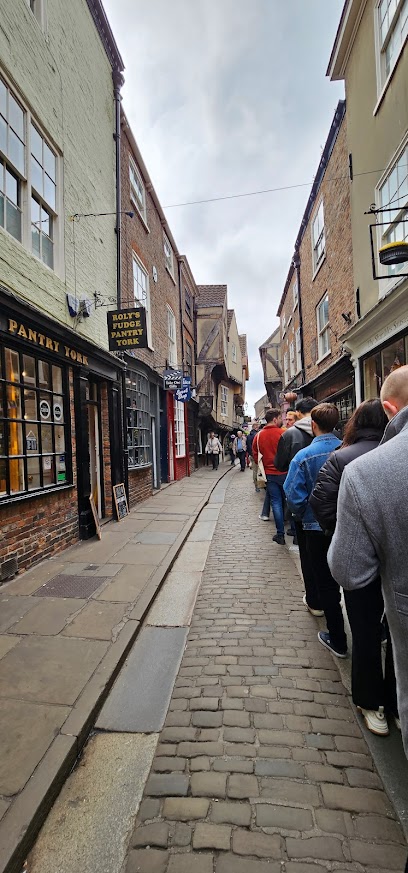
Ghost Hunt of York
0.1 km
Explore the haunted streets of York with the Ghost Hunt, where history and the supernatural collide in an unforgettable sightseeing experience.
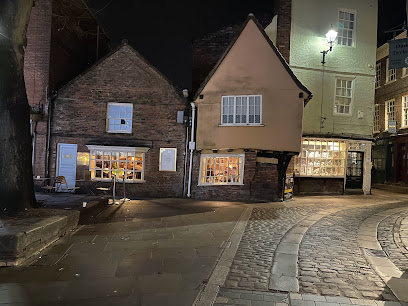
Parliament St
0.1 km
York's vibrant shopping street where Victorian commerce meets medieval heritage and market tradition.
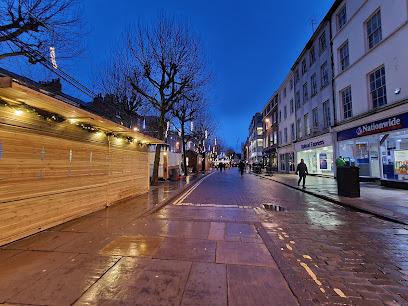
The Stonebow
0.2 km
A historic gateway blending medieval charm and architectural evolution at York’s vibrant city heart.
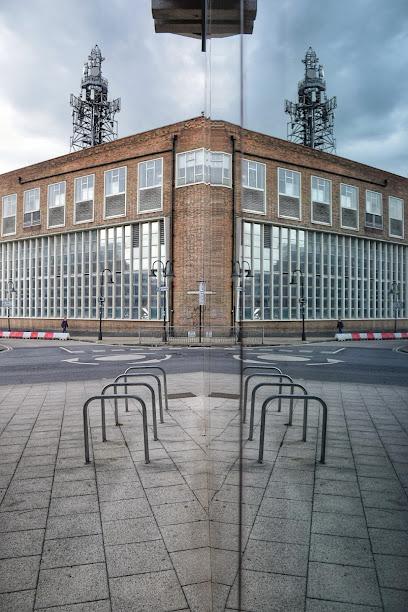
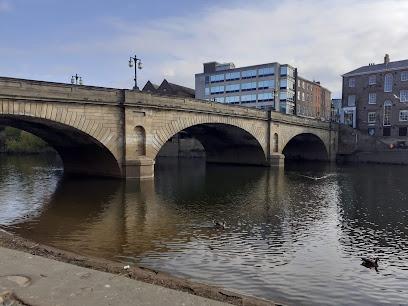
Ouse Bridge
0.3 km
Historic Ouse Bridge in York spans the River Ouse, blending medieval heritage with 19th-century architecture and city life.
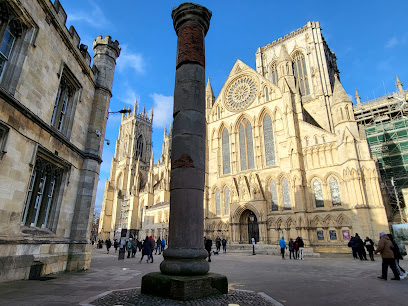
Roman Column
0.3 km
A 7.6-metre Roman column where Constantine may have been declared Emperor, standing in the shadow of York Minster since 1971.
Sundial Column
0.3 km
An elegant 18th-century sundial column on stone lions, quietly marking time just east of York Minster in a peaceful corner of the cathedral precincts.
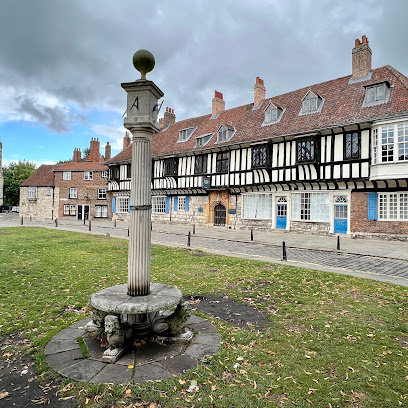
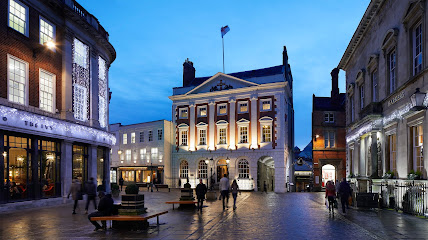
York Mansion House
0.4 km
Explore York Mansion House, a Georgian gem in the heart of York, showcasing the rich history and elegant lifestyle of the 18th century.
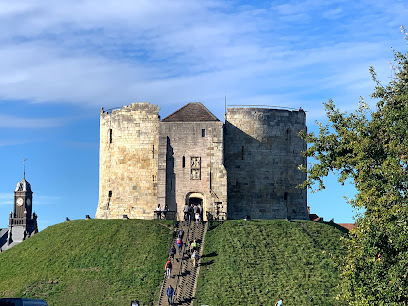
Clifford's Tower, York
0.4 km
Visit Clifford's Tower, a historic fortress in York, and experience England's rich heritage and stunning views from this iconic landmark.
The Bloody Tour of York
0.4 km
Discover the haunted tales of York on The Bloody Tour, where history and ghostly legends intertwine for an unforgettable experience.
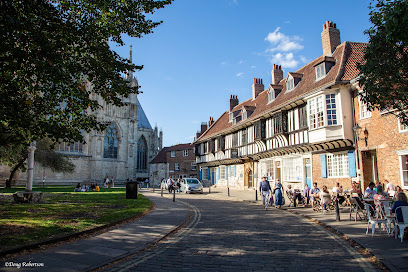
The Norman House
0.4 km
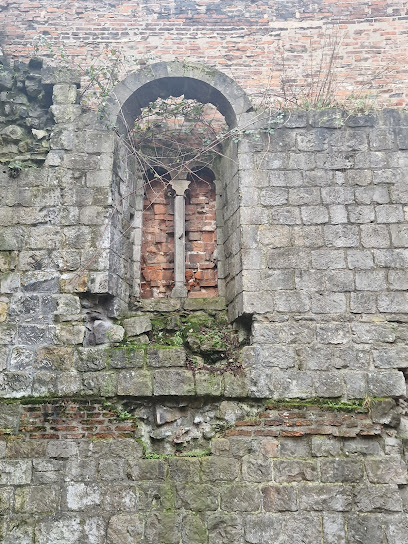
Discover York’s oldest medieval house, a Norman stone residence with rare surviving walls and a Norman window hidden behind Stonegate.
York City Walls
0.4 km
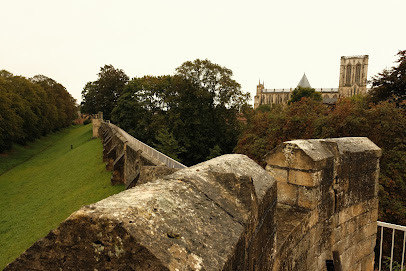
Discover the rich history and breathtaking views atop the ancient York City Walls, a must-see historical landmark in England.
St Michael Le Belfrey
0.4 km
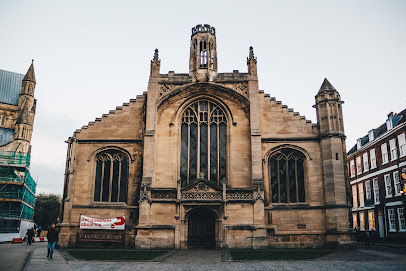
Discover the enchanting St Michael Le Belfrey, an Anglican church in York, rich in history and architectural beauty, perfect for spiritual reflection.
Shadows of York Ghost Walk
0.4 km
Experience York's haunted history with the Shadows of York Ghost Walk, a thrilling journey through the city's ghostly past and chilling legends.
Unmissable attractions to see

Wizard Walk of York - WINNER Best Tour and Best of York Award!
0.0 km
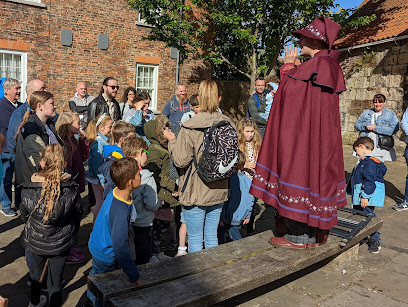
Experience the magic of York with the Wizard Walk, an award-winning tour that blends history, folklore, and captivating storytelling in a charming setting.
Whip-Ma-Whop-Ma Gate
0.0 km
Discover York’s tiniest street, Whip-Ma-Whop-Ma Gate, where mystery, medieval tales, and charming historic architecture converge in just a few meters.

28 Shambles
0.0 km
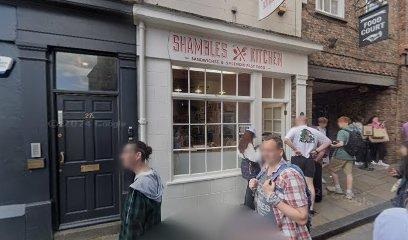
Discover the historical allure and vibrant atmosphere of 28 Shambles, York's iconic medieval street filled with charming shops and local delicacies.
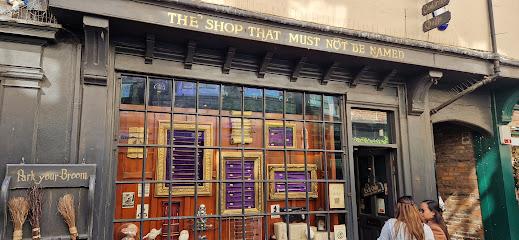
The Shop That Must Not Be Named
0.0 km
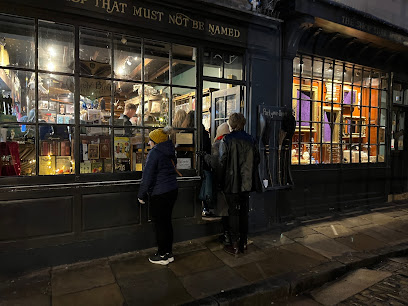
Step into York’s enchanting Shambles and discover The Shop That Must Not Be Named, a magical Harry Potter emporium filled with wizarding wonders and immersive charm.
Shrine of Saint Margaret Clitherow
0.0 km
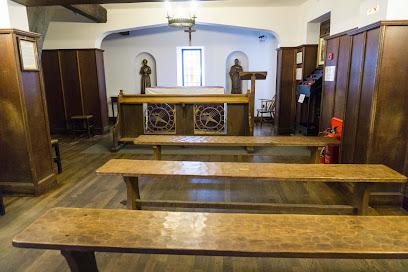
A modest yet powerful shrine in York’s Shambles honoring Saint Margaret Clitherow, the courageous Catholic martyr known as the Pearl of York.
Shambles
0.1 km
Step into York’s medieval heart on The Shambles, a narrow, timber-framed street rich with history, charm, and magical inspiration.
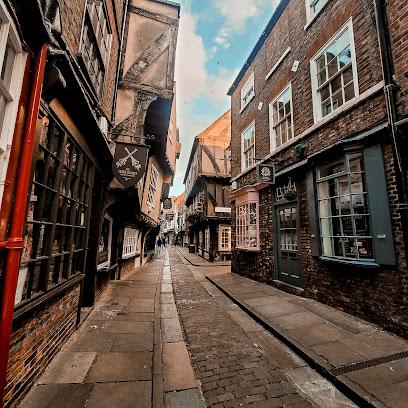
The Potions Academy
0.1 km
Step into a magical classroom in York’s historic Shambles and craft your own enchanting potions in an immersive family-friendly adventure.
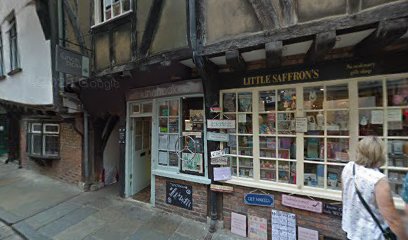
The York Vikings
0.1 km
Discover authentic Viking heritage and unique Norse collectibles in the heart of York’s historic Shambles street.
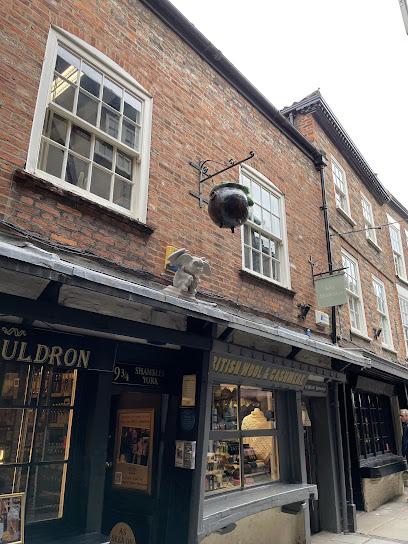
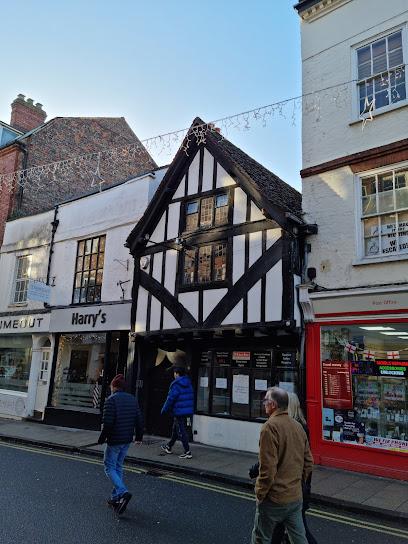
11 Shambles
0.1 km
Step into medieval York at 11 Shambles, where timber-framed buildings and cobbled streets tell tales of centuries-old butcher shops and vibrant history.

The Potions Cauldron
0.1 km
Step into York’s enchanting Potions Cauldron on The Shambles for magical brews, immersive potion experiences, and wizarding wonders.
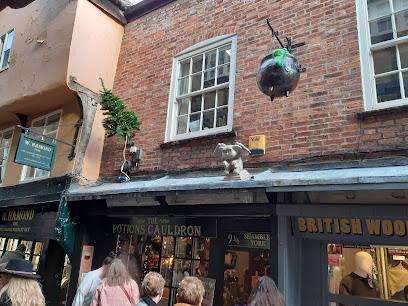
Shambles Market
0.1 km
Discover York's vibrant Shambles Market, a historic covered marketplace blending artisan crafts, fresh food, and lively atmosphere daily from 9am to 5pm.
GR8escape York
0.1 km
Discover York’s top escape room centre with immersive puzzles, unique themes, and friendly hosts in the city’s historic heart.
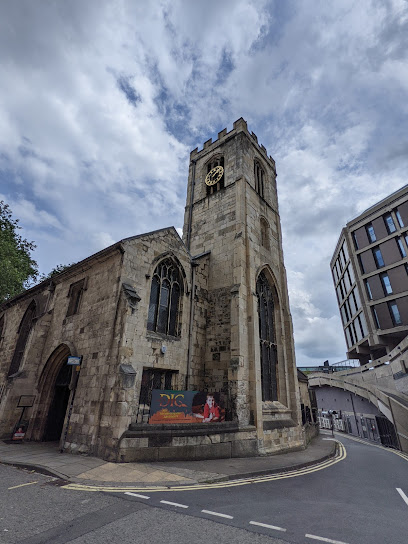
DIG: An Archaeological Adventure
0.1 km
Uncover 2,000 years of York’s history through hands-on archaeological adventures in a historic church setting, perfect for young explorers.
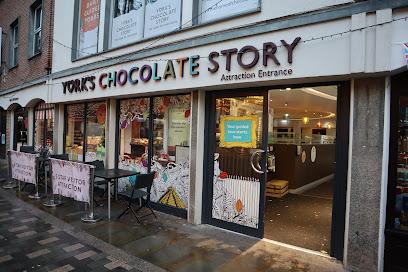
York's Chocolate Story
0.1 km
Discover York’s rich chocolate heritage through immersive tours, hands-on workshops, and delicious tastings at York’s Chocolate Story.
Parish of All Saints, Pavement
0.1 km
Discover York’s historic All Saints, Pavement—home to a medieval lantern tower beacon and centuries of rich heritage in the city’s heart.
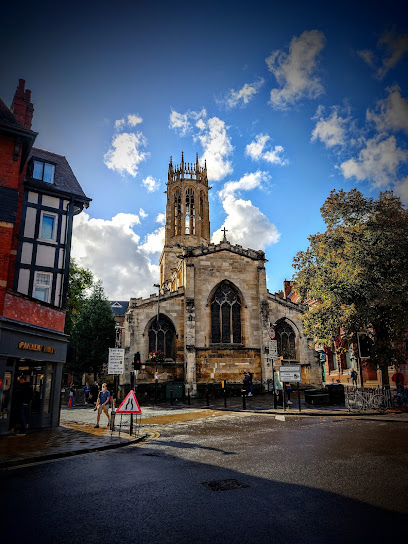
Essential places to dine

Marzano Italian & Grill
0.1 km
Experience authentic Italian flavors and warm hospitality in the heart of York’s vibrant Fossgate district.
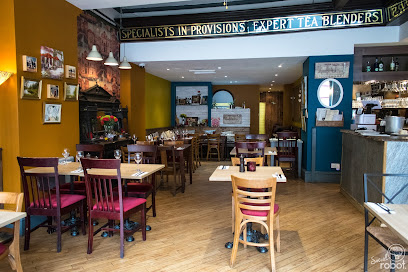
Cosy Club
0.1 km
Historic charm meets stylish dining and cocktails in York’s iconic Cosy Club on Fossgate, perfect for all-day indulgence and special celebrations.
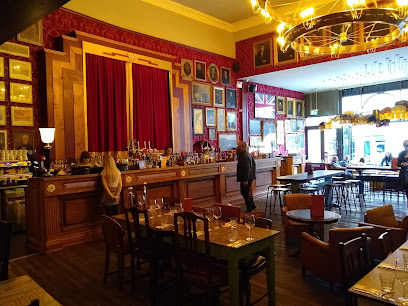
Pavement Vaults
0.1 km
Experience York’s vibrant grill and bar scene with generous smoked meats, craft beers, and a lively, welcoming atmosphere at Pavement Vaults.
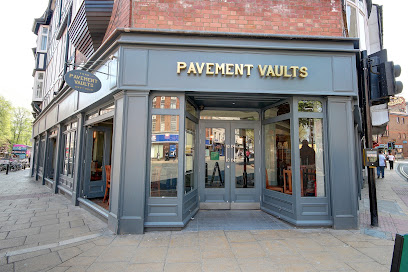
Valhalla York
0.1 km
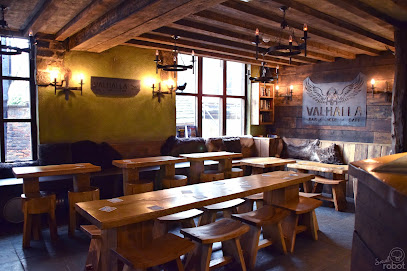
Experience hearty Viking-inspired tapas, unique ales, and a lively atmosphere at Valhalla York in the heart of the city.
Ate O'Clock
0.1 km
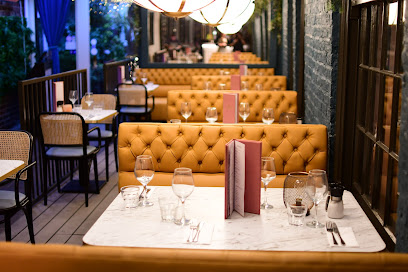
Enchanting modern British dining in York’s fairy-lit alley, blending classic flavors with stylish charm and warm hospitality.
Wine Stories
0.1 km
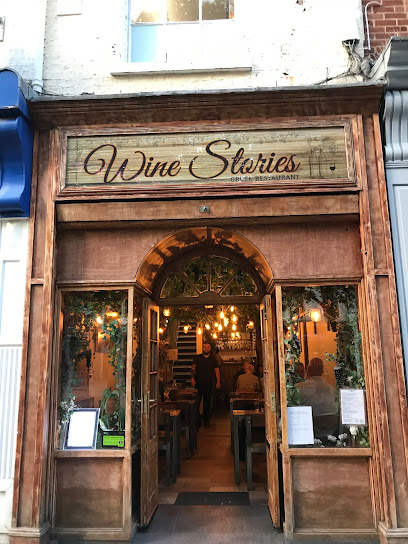
Experience authentic Greek cuisine and an extensive wine selection in the cozy heart of York’s historic center at Wine Stories.
Ambiente Tapas Fossgate
0.1 km
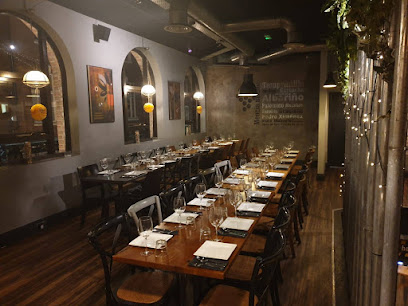
Experience authentic Spanish tapas and vibrant atmosphere in York’s stylish Ambiente Tapas Fossgate, perfect for sharing, sipping, and socializing.
The Blue Barbakan
0.2 km
Experience hearty Polish classics and warm hospitality in York’s vibrant Fossgate at The Blue Barbakan.
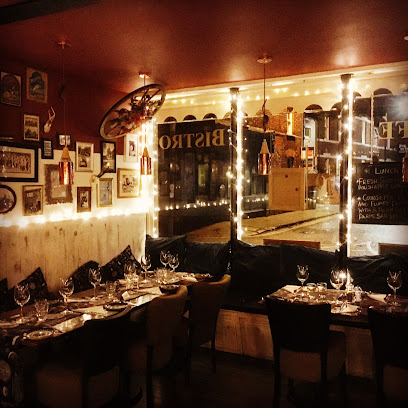
D'vine Restaurant And Social Bar
0.2 km
A vibrant York venue blending British, Italian, and Mediterranean flavors with a lively social bar atmosphere.
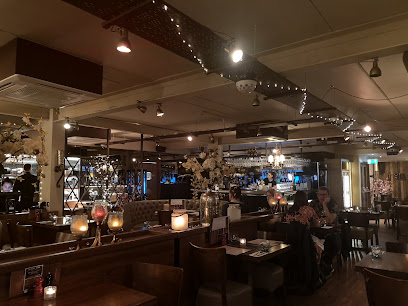
The Cut & Craft York
0.2 km
Stylish steakhouse in York’s historic St. Sampson’s Square, famed for premium cuts, craft beers, and inviting modern ambiance.
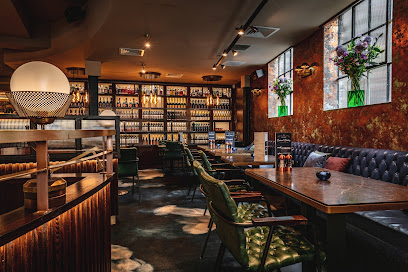
Wildwood
0.2 km
Cozy Italian dining with stone-baked pizzas, fresh pasta, and vegan-friendly options in the heart of historic York’s Low Petergate.
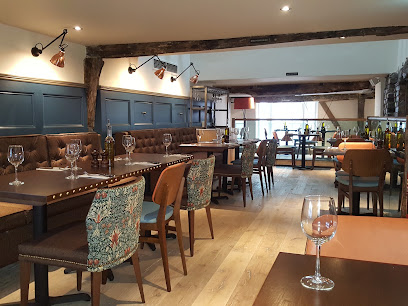
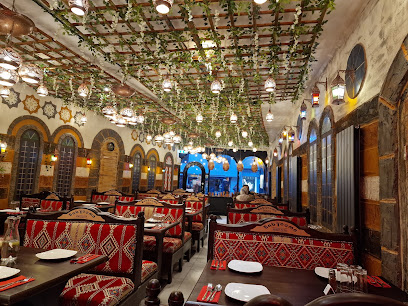
Bab Tooma York
0.2 km
Experience authentic Syrian cuisine in a warm, traditional setting with generous portions and BYOB in the heart of York.
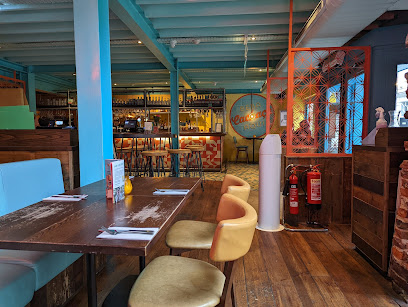
Las Iguanas - York
0.2 km
Experience vibrant Latin American flavours and lively cocktails in York’s historic city centre at Las Iguanas.
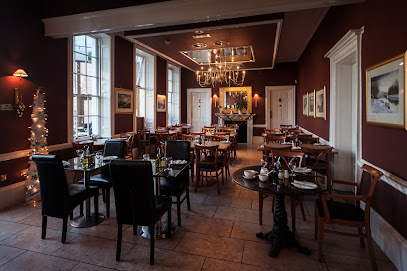
La Vecchia Scuola
0.2 km
Experience authentic Italian flavors and contemporary dining in the heart of historic York at La Vecchia Scuola.
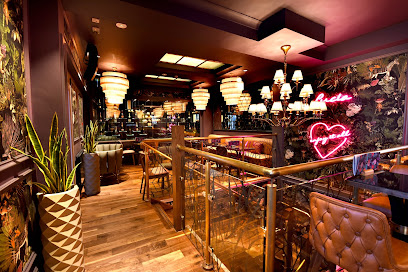
Lucia Restaurant
0.2 km
Experience vibrant Italian dining and cocktails in York’s heart, with a heated courtyard and stylish lounge for all-day enjoyment.
Markets, malls and hidden boutiques

Gift Gallery
0.0 km
Discover unique gifts and charming souvenirs in the heart of York’s historic Shambles, where tradition meets thoughtful shopping.
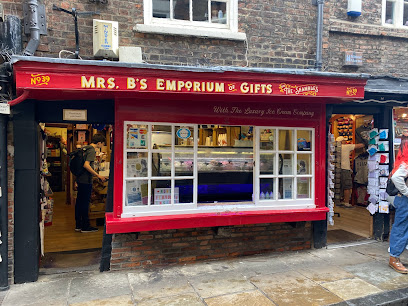
Mrs B's Emporium of Gifts
0.1 km
Discover quirky, unique gifts and playful treasures in the heart of York’s historic Shambles at Mrs B's Emporium of Gifts.
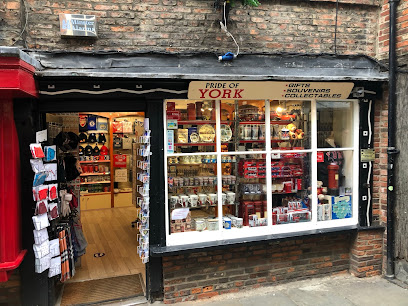
Pride of York Souvenirs
0.1 km
Discover authentic York treasures and unique souvenirs in the heart of the historic Shambles at Pride of York Souvenirs.
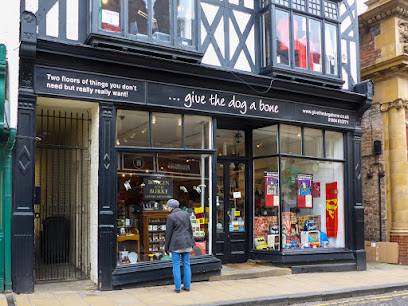
Give The Dog A Bone
0.1 km
Discover York’s quirky gift haven with two floors of unique treasures, from funky homeware to pop culture collectibles on historic Fossgate.
Take One Gifts
0.1 km
Explore Take One Gifts in York for unique souvenirs, artisan crafts, and memorable collectibles reflecting the city's charm.
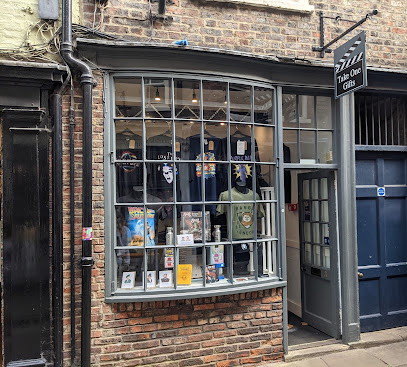
Barghest
0.1 km
Discover Barghest, a quirky gift shop in York’s historic Shambles, offering unique film, TV, and music merchandise in a medieval setting.
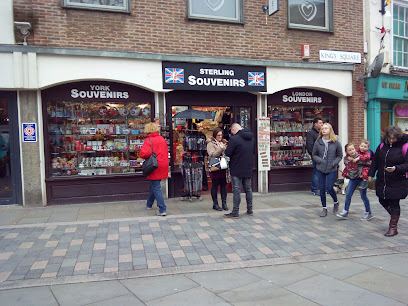
Sterling Souvenirs
0.1 km
Discover authentic York treasures and unique souvenirs at Sterling Souvenirs, your friendly gift shop in the heart of King’s Square.
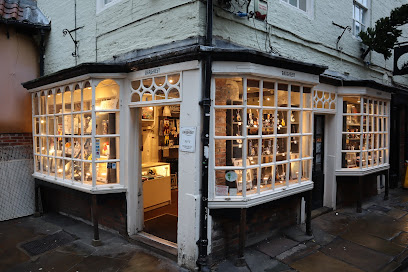
The Medieval Scribe
0.1 km
Discover unique medieval-inspired crafts and artisanal treasures in the heart of York’s historic Church Street.
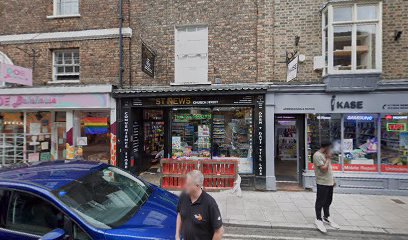
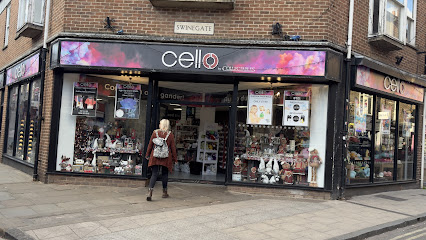
Cello by Collectables
0.2 km
Explore Cello by Collectables, a charming gift shop in York offering unique handcrafted treasures that embody the city's rich culture.
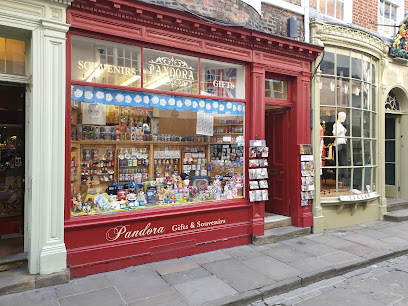
Pandora
0.2 km
Discover elegant, hand-finished jewellery crafted with care and inspired by timeless style at Pandora on Low Petergate, York.
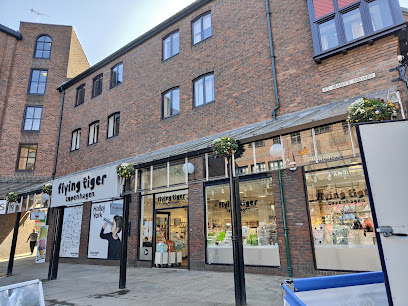
Flying Tiger Copenhagen
0.2 km
Scandinavian creativity meets quirky British charm in this beloved gift and lifestyle shop.
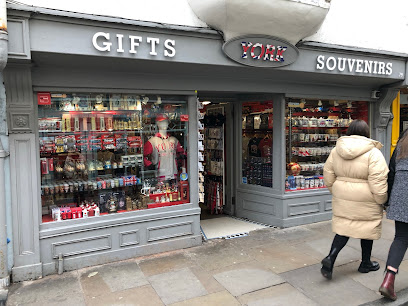
York Souvenirs and Gifts
0.2 km
Authentic Yorkshire souvenirs and handcrafted gifts in the heart of historic York’s medieval streets.
Expressions
0.2 km
Discover unique vintage American sportswear and retro styles at Expressions, York’s friendly and authentic vintage clothing shop on historic Walmgate.
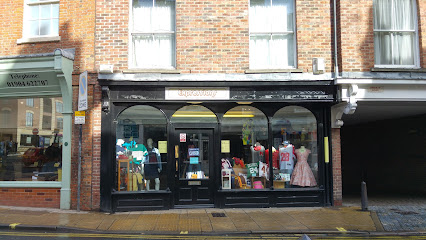
Paper Doll
0.2 km
Discover unique, colourful fashion and artisan jewellery in York’s charming Paper Doll boutique, a hidden gem for stylish and distinctive finds.
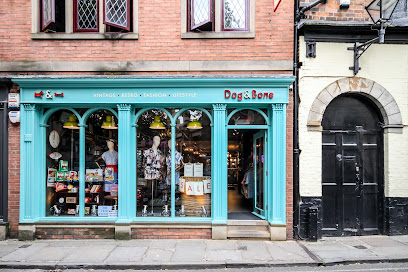
Dog & Bone Vintage
0.2 km
Discover timeless vintage fashion and unique homewares in York’s charming Dog & Bone Vintage, where style meets sustainability across two floors.
Essential bars & hidden hideouts

Golden Fleece York
0.0 km
York’s oldest haunted pub offering historic charm, classic ales, cozy rooms, and a lively social atmosphere in the heart of the city.
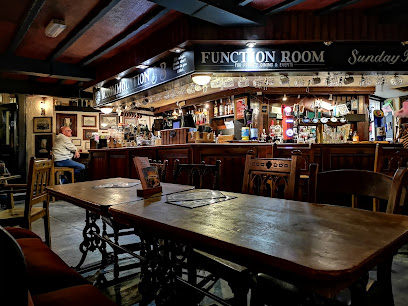
The Blue Bell
0.0 km
York’s smallest and most beloved Edwardian pub, famed for its authentic atmosphere, quality ales, and warm community spirit.
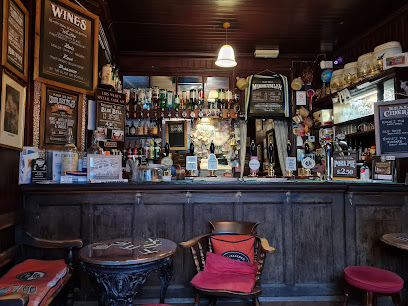
The Hop York
0.1 km
A lively York city centre bar known for its craft beers, stone-baked pizzas, and vibrant live music in a historic Victorian setting.
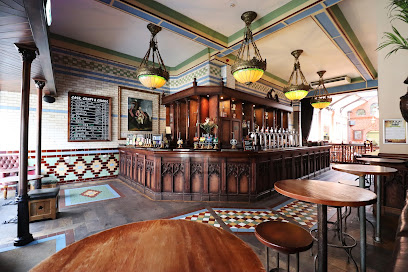
The Fossgate Social
0.1 km
A lively independent bar and coffee shop on York’s Fossgate, known for craft drinks, specialty coffee, and a welcoming atmosphere.
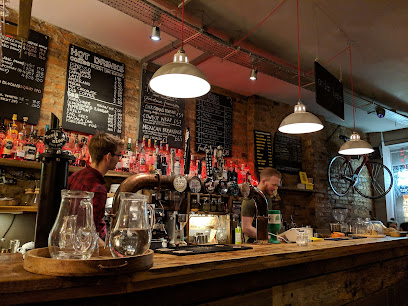
Pivní York
0.1 km
Historic 16th-century timber-framed pub in York offering an exceptional selection of local and global craft beers in a cosy, multi-floor setting.
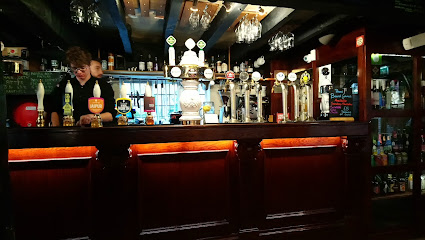
Social 8 Lounge
0.1 km
Stylish York lounge bar offering crafted cocktails, small plates, and boozy brunch in a relaxed, elegant setting with a courtyard garden.
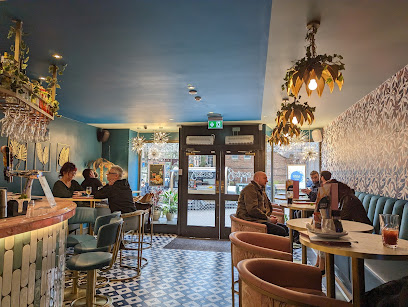
The Three Tuns
0.2 km
Step into The Three Tuns, a centuries-old timber-framed pub on Coppergate offering historic charm and hearty Yorkshire hospitality in York’s heart.
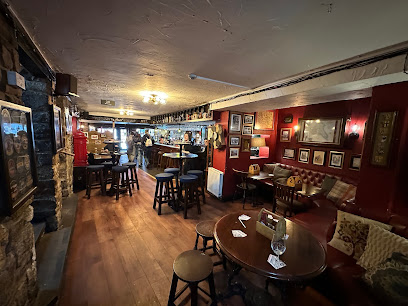
Vudu Lounge
0.2 km
York’s eclectic after-hours lounge blending quality cocktails with a lively, quirky nightlife vibe until the early morning.
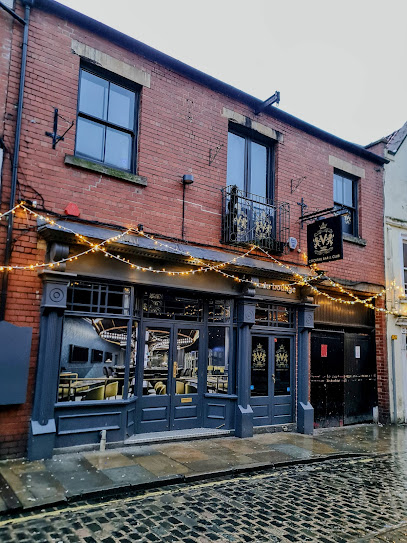
Victor J's
0.2 km
Eclectic art-inspired bar and restaurant in York’s heart, offering cozy seating, creative vibes, and lively weekend nights.
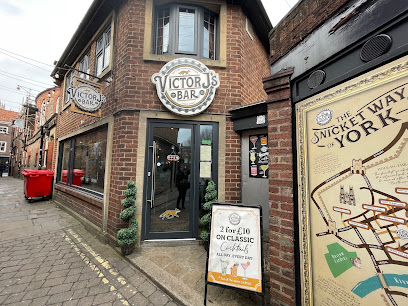
Oscar's Wine Bar & Bistro
0.2 km
A lively and welcoming wine bar in York offering quality food, diverse wines, and a charming atmosphere for all occasions.
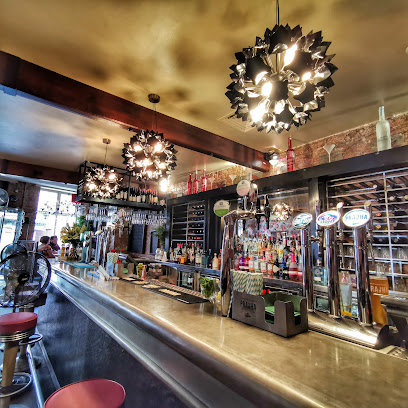
Slug & Lettuce - Swinegate York
0.2 km
A lively cocktail bar and casual dining spot in York’s historic centre, perfect for social drinks, events, and weekend late nights.
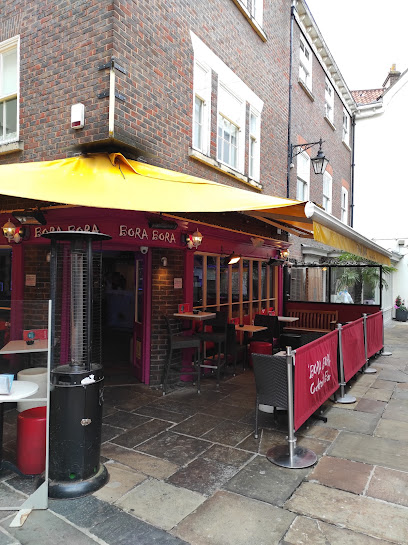
The Stone Roses Bar
0.3 km
York’s premier indie music bar, blending iconic memorabilia with lively vibes and friendly service in a central city location.
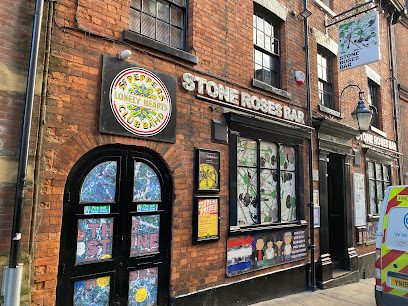
Bobos Cocktail Bar York
0.3 km
York’s vibrant two-floor cocktail bar with tropical drinks, heated shisha terrace, lively DJs, and unbeatable drink deals in the historic Quarter.
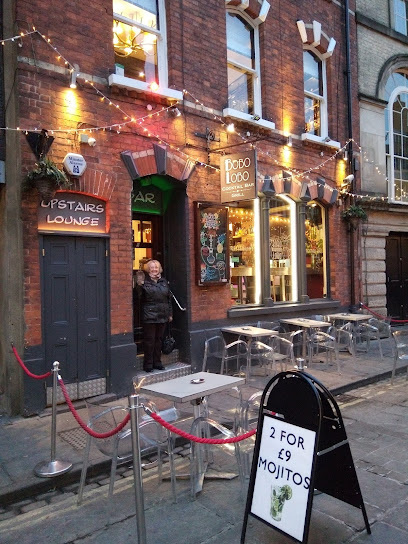
Dusk
0.3 km
A quirky and welcoming bar in York’s city centre, perfect for lively nights and casual drinks in a vibrant atmosphere.
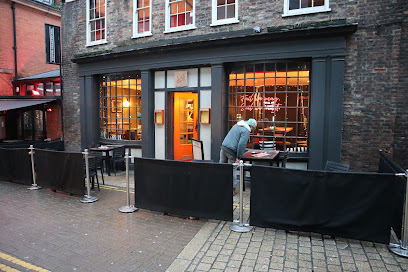
Slug & Lettuce York Riverside
0.3 km
Lively riverside bar and restaurant in York offering cocktails, casual dining, and vibrant social vibes with scenic river views.
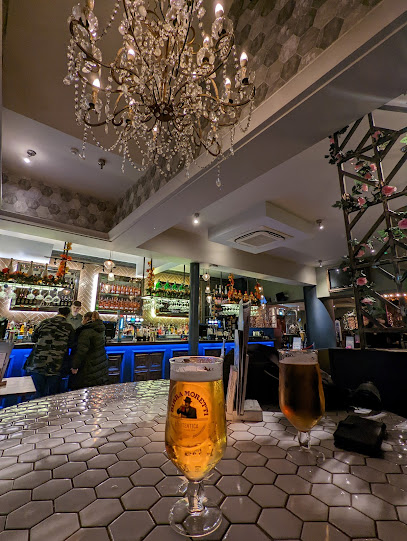
Nightclubs & after hour spots

BlueBox
0.3 km
York’s premier late-night nightclub, BlueBox pulses with House, Tech House, and Disco beats until dawn in a vibrant city-center setting.
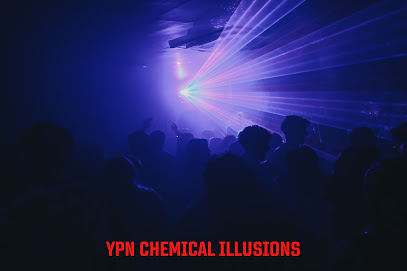
Kuda
0.3 km
York’s vibrant nightclub offering diverse music, live DJs, and a lively late-night atmosphere in the heart of the city.
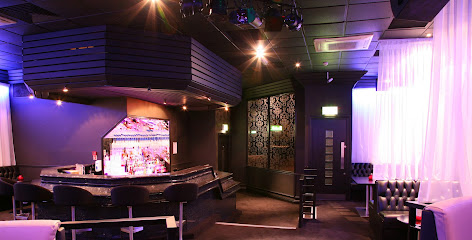
Flares - York
0.5 km
Experience York’s ultimate retro nightclub with decades-spanning hits, vibrant dance floors, and an inclusive party atmosphere.
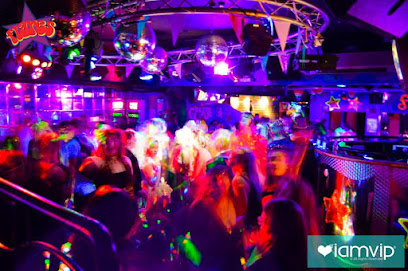
Popworld York
0.5 km
York’s vibrant pop music nightclub with a unique revolving dancefloor and a lively atmosphere for unforgettable nights out.
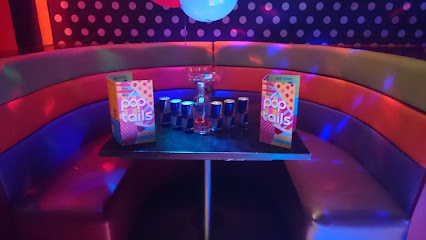
Club Salvation
0.5 km
York’s vibrant nightclub with dual music rooms, lively atmosphere, and fair-priced drinks for an unforgettable night out.
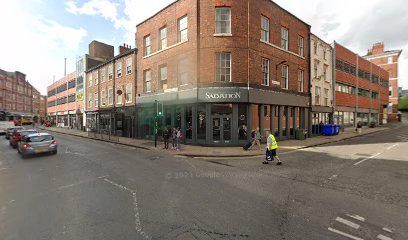
Ziggy's Bar & Nightclub
0.6 km
York’s iconic student nightclub offering energetic dance floors, affordable drinks, and a lively atmosphere since the 1980s.
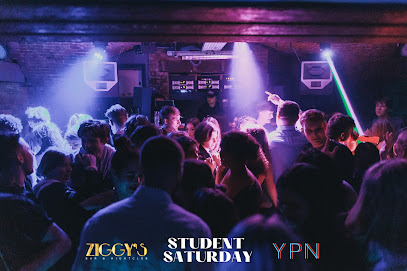
Bar 55 York
0.6 km
York’s exclusive strip club offering sophisticated adult entertainment and premium nightlife in a stylish, historic setting.
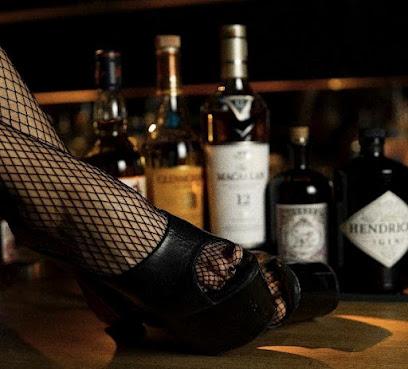
Karaoke Rooms (KTV)
1.0 km
Experience lively private karaoke rooms in the heart of York’s vibrant nightlife at Chuandao Karaoke Bar.
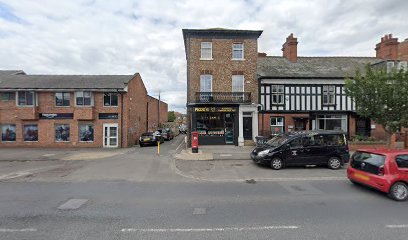
Big Fellas Nightclub
33.5 km
A lively and casual nightclub in Pontefract offering energetic late-night dancing and drinks in a central urban setting.
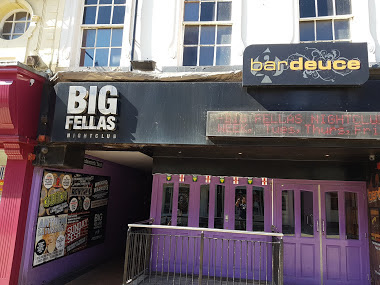
Arabian Night Lounge
34.1 km
Dive into Arabian enchantment on Leeds' nightlife scene: shisha, beats, and opulent vibes await at this Cherry Row gem.
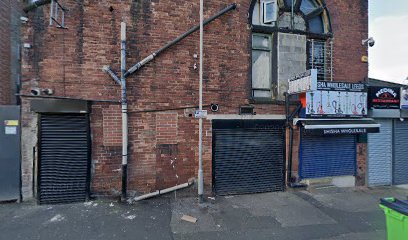
Quadrophenia Night
34.7 km
Rev up for mod anthems, live ska-soul bands, and 60s film vibes at Leeds' ultimate Quadrophenia tribute night—pure energy and rebellion on the dancefloor.
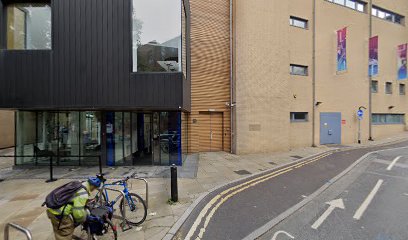
Disco Stu's
35.0 km
Pulse-pounding beats and sticky-floored euphoria on Vicar Lane—Disco Stu's delivers unfiltered Leeds nightlife with affordable drinks and all-night energy.

The Lab Nightclub Leeds
35.0 km
Experience Leeds' electric nightlife at The Lab Nightclub, where music flows smoothly and the party never stops in the heart of the city.
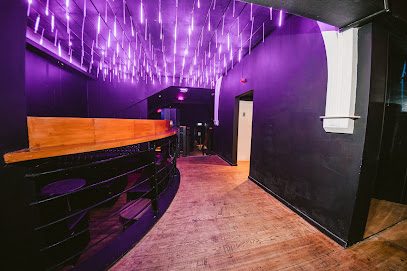
The Key Club
35.1 km
Intimate, no-frills live-music club in central Leeds where punk, indie and alternative acts play close and loud beneath Merrion Street.
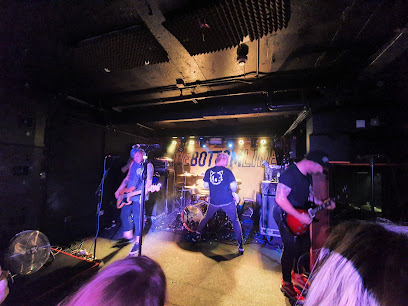
Wire
35.2 km
A compact, music-first basement club on Call Lane where tight crowds and a punchy sound system make late-night electronic parties feel immediate and intense.
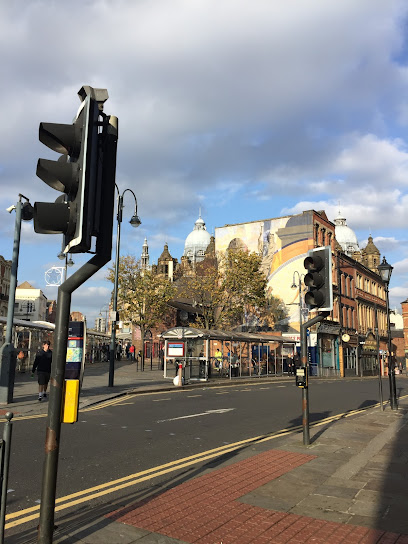
For the vibe & atmosphere seeker
- Tranquil
- Historic
- Unique
- Casual
For the design and aesthetic lover
- Rustic Designs
- Vintage Styles
For the architecture buff
- Historic
- Heritage Neighborhoods
For the view chaser and sunset hunter
- Iconic Views
For the social media creator & influencer
- Instagrammable
- Photo Spots
For the eco-conscious traveler
- Public-Transport Accessible
- Locally Managed
For the kind of experience you’re after
- Cultural Heritage
- Myth & Legends
- Photowalk
- Day Trip
For how adventurous you want the journey to be
- Easy Access
Location Audience
- Family Friendly
- Senior Friendly
- Child Friendly
- Couple Friendly
- Solo Friendly


