

Snowbird Ski Resort Travel Guide - Free Web & App
Your ultimate guide to Snowbird Ski Resort. Discover top landmarks, proposed trips, and local tips. Free on the web or via the Evendo companion app.


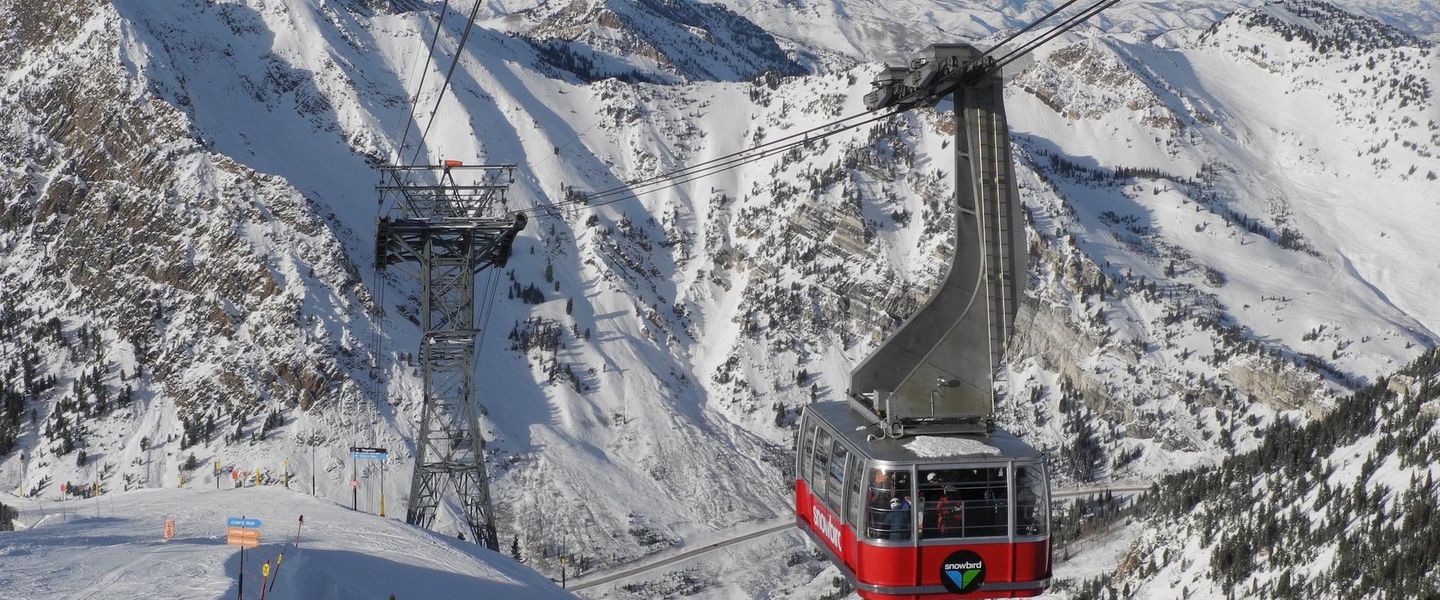


Snowbird Ski Resort in Utah combines Wasatch powder, steep alpine terrain, summer trails and canyon scenery with year-round mountain adventure near Salt Lake City.
Alpine Setting
Snowbird Ski Resort occupies the upper reaches of Little Cottonwood Canyon in Utah’s Wasatch Range, roughly 29 miles south-east of Salt Lake City. The resort is surrounded by steep, glaciated mountains, narrow chutes, wooded slopes and broad bowls that rise towards peaks including Hidden Peak and Mount Superior. Its elevation and position near the Great Salt Lake contribute to the region’s well-known dry, powder-friendly snow, while the canyon’s dramatic walls give Snowbird a distinctly alpine character despite its proximity to a major metropolitan area.Read more about Snowbird Ski Resort
Four-Season Mountain Culture
Exploring Little Cottonwood Canyon
When is the best time to visit Snowbird Ski Resort?
Best: June–August · 17–20°C| Month | High (°C) | Rainfall (mm) |
|---|---|---|
| January | -2 | 75 |
| February | 0 | 65 |
| March | 3 | 55 |
| April | 7 | 45 |
| May | 12 | 35 |
| June (best) | 17 | 25 |
| July (best) | 20 | 20 |
| August (best) | 19 | 25 |
| September | 16 | 30 |
| October | 10 | 35 |
| November | 3 | 45 |
| December | -1 | 65 |
Getting to and around Snowbird Ski Resort
How to get there
Transportation
Best attractions in Snowbird Ski Resort
Snowbird’s principal attraction is the mountain itself: a steep network of alpine bowls, wooded runs, ridgelines and challenging terrain rising above Little Cottonwood Canyon. The aerial tram to Hidden Peak provides access to high-elevation views and, when operating, a dramatic perspective over the Wasatch Range. In winter, the resort’s groomed pistes, powder fields and technical terrain serve different levels of skier and snowboarder, although some areas are intended for advanced users. During summer, the tram, hiking routes and mountain recreation reveal the canyon’s glacial landforms, exposed rock and broad views towards the Salt Lake Valley. Nearby Alta offers a separate but closely related ski-area experience, while the canyon road provides access to additional trailheads and scenery subject to seasonal conditions and restrictions. Visitors can also use Snowbird as a base for exploring the wider Wasatch Mountains, but attractions outside the resort should not be assumed to be walkable or directly connected by resort facilities.
-
Ski resort
Snowbird
Experience the thrill of skiing and breathtaking views at Snowbird, Utah's premier ski resort and adventure destination, perfect for all seasons.
-
Tourist attraction
White Pine Trailhead
Explore the breathtaking trails of White Pine Trailhead in Little Cottonwood Canyon, a paradise for hikers and nature lovers in Utah.
-
Ski resort
Snowbird Ski Resorts, Weather & Snow Report
Experience the ultimate winter getaway at Snowbird Ski Resort, where breathtaking mountain views and thrilling winter sports await every visitor.
-
Hiking area
Gloria Falls
Experience the breathtaking beauty of Gloria Falls, a serene hiking destination in Sandy, Utah, perfect for adventure seekers and nature lovers alike.


Best landmarks in Snowbird Ski Resort
The most recognisable landmark at Snowbird is the aerial tram, which climbs towards Hidden Peak and has become closely associated with the resort’s profile. The peak and the surrounding high ridges are natural landmarks as well as ski terrain, offering views across the glaciated forms of Little Cottonwood Canyon and the wider Wasatch Range. The canyon walls, alpine bowls and exposed rock formations provide the setting’s defining physical identity, while the road through Little Cottonwood Canyon links Snowbird with the broader history of mountain transport, mining and recreation. Mount Superior, visible near the upper canyon, is a prominent neighbouring summit rather than a Snowbird-built attraction. The resort village, lifts and tram are modern structures, but their significance lies in how they frame access to a demanding high-mountain landscape close to Salt Lake City.
-
Ski resort
Snowbird
Experience breathtaking mountain adventures year-round at Snowbird Resort, Utah's premier destination for skiing, hiking, and unforgettable events.

Explore Snowbird Ski Resort on the map
Plan your trip on one map. See where the top attractions, landmarks, restaurants and hotels are, and book hotels and experiences in a few clicks.
Best hotels in Snowbird Ski Resort
Best restaurants in Snowbird Ski Resort
Dining at Snowbird is concentrated in the resort village and its mountain lodges, where visitors can find casual meals, après-ski food, cafés and more formal dining alongside accommodation and ski services. Menus generally reflect the practical needs of a mountain resort, with warming dishes, burgers, soups, sandwiches, pizzas and drinks prominent in a setting where meals may be taken between activities. The wider Salt Lake Valley offers a much broader restaurant scene, from American and international cooking to Utah-produced beer and regional ingredients, but it requires a drive from the canyon. Nearby Alta provides additional resort and lodge dining, although it has its own businesses and operating arrangements. Visitors staying in self-catering accommodation may find it useful to shop before travelling up the canyon, as retail and food choices in the upper resort area are more limited than in Salt Lake City or the suburban communities below.
-
Restaurant
The Summit at Snowbird
Experience exquisite dining at The Summit at Snowbird - where culinary artistry meets breathtaking mountain views.
-
American
Mid-Gad Restaurant
Experience exquisite American cuisine at Mid-Gad Restaurant while soaking in breathtaking mountain vistas in Snowbird.
-
Fine Dining
The Aerie
Experience fine dining at The Aerie in Snowbird—where culinary artistry meets breathtaking mountain views.
-
Steak
Steak Pit Restaurant
Experience exquisite steak and seafood with breathtaking mountain views at Snowbird's premier dining destination.


Best bars in Snowbird Ski Resort
Snowbird’s evening scene is centred on après-ski, resort bars, lounges and informal social spaces rather than nightclubs or a large entertainment district. After skiing, visitors generally gather around the village restaurants and established resort venues for drinks, conversation and occasional music or seasonal programming, with the atmosphere varying according to the winter calendar and occupancy. The setting is compact and mountain-focused, so evening options are convenient for guests staying on-site but limited compared with Salt Lake City. Nearby Alta has a similarly quiet ski-resort character, while the Salt Lake Valley provides a wider choice of bars, live entertainment and late-night venues outside the destination itself. Visitors should check current resort listings for operating arrangements, as smaller mountain venues and seasonal events can change with the ski and summer calendars.
-
 Hotel
The Cliff Lodge
Discover luxury and adventure at The Cliff Lodge, an exquisite hotel nestled in the majestic Snowbird mountains, perfect for every traveler.
-
Lodge
The Iron Blosam
Discover The Iron Blosam, a lodge in Snowbird offering cozy accommodations and thrilling outdoor adventures amidst stunning mountain scenery.
-
Hotel
The Inn at Snowbird
Discover a mountain retreat at The Inn at Snowbird, where comfort meets adventure in the heart of Utah's stunning Wasatch Mountains.
-
Restaurant
The Summit at Snowbird
Experience exquisite dining at The Summit at Snowbird, where culinary excellence meets breathtaking mountain views in Utah’s stunning landscape.

Best shops in Snowbird Ski Resort
Shopping at Snowbird is practical and recreation-led, with resort outlets and equipment services focused on skis, snowboards, clothing, footwear, accessories and mountain essentials. Visitors can also find souvenirs and branded resort merchandise, while the retail offer in the upper canyon is much smaller than that of Salt Lake City and its suburban communities. For groceries, specialist equipment, gifts and a wider range of independent shops, the Salt Lake Valley provides more choice before or after the drive to Snowbird. Nearby Alta has its own small-scale mountain retail scene, but it should not be treated as part of Snowbird’s village. Regional products, outdoor clothing and locally made goods are more readily found in Salt Lake City, where shopping districts and food retailers reflect Utah’s broader cultural and commercial life.
-
Ski resort
Snowbird
Discover Snowbird, Utah's premier ski resort offering thrilling winter sports, breathtaking summer views, and unforgettable mountain experiences year-round.
-
Hotel
The Cliff Lodge
Experience luxury and adventure at The Cliff Lodge in Snowbird, Utah, offering stunning views, spa services, and direct access to skiing and hiking.
-
Tourist attraction
Snowbird Tram
Discover the breathtaking views of Utah's mountains with a thrilling ride on the Snowbird Tram, perfect for adventure seekers and nature lovers.
-
Hotel
The Inn at Snowbird
Experience the ultimate ski getaway at The Inn at Snowbird, where comfort meets adventure in the heart of Utah's stunning Wasatch Mountains.

Get your free copy of our complete guide to Snowbird Ski Resort, delivered straight to you.
Everything on this page, from attractions and restaurants to essentials and local phrases, in one PDF you can read offline, print or share.
Already have an account? Sign in
Your Snowbird Ski Resort guide is ready.
We'll send it to · Not you? Sign out

Getting your guide ready…
We are putting together a fresh copy of the Snowbird Ski Resort guide. This can take up to a minute.
This can take a few moments. If your browser asks, choose Allow so the download can start. You'll find the guide in your Downloads folder.
Nothing happened? Download it again
Sorry, the guide is taking longer than usual. Please try again in a minute, or get it by email instead.
Snowbird Ski Resort essentials
Currency and Payment
Safety
Emergency Situations
Do's and Don'ts
Local Tips
From Eve
Local phrases worth knowing
You don't need to get them perfect. A few words go a long way, and locals appreciate the effort.
Basics
| English | Local | Say it |
|---|---|---|
| Hello | Howdy | [haʊdi] |
| Goodbye | See ya | [si jə] |
| Yes | Yup | [jʌp] |
| No | Nah | [nɑ] |
| Please/You're welcome | Please/No worries | [pliːz / noʊ ˈwʌriz] |
| Thank you | Thanks | [θæŋks] |
| Excuse me/Sorry | Pardon me/My bad | [pɑrdn mi / maɪ bæd] |
| How are you? | How's it going? | [haʊz ɪt ˈɡoʊɪŋ] |
| Fine. And you? | Great. You? | [ɡreɪt juː] |
| Do you speak English? | You speak English? | [juː spiːk ˈɪŋɡlɪʃ] |
| I don't understand | I don't get it | [aɪ doʊnt ʌndərˈstænd] |
Eating & Drinking
| English | Local | Say it |
|---|---|---|
| I'd like to see the menu, please | Menu, please | [ˈmɛnju pliːz] |
| I don't eat meat | No meat for me | [noʊ mit fɔr mi] |
| Cheers! | Cheers! | [ʧɪrz] |
| I would like to pay, please | Check, please | [ʧɛk pliːz] |
Emergencies
| English | Local | Say it |
|---|---|---|
| Help! | Help! | [hɛlp] |
| Go away! | Get lost! | [ɡɛt lɔst] |
| Call the Police! | Call the cops! | [kɔl ðə kɑps] |
| Call a doctor! | Get a doc! | [ɡɛt ə dɑk] |
| I'm lost | Lost | [lɔst] |
| I'm ill | Sick | [sɪk] |
Shopping
| English | Local | Say it |
|---|---|---|
| I'd like to buy... | I wanna buy... | [aɪ wɑnə baɪ] |
| I'm just looking | Just browsing | [ʤʌst ˈbraʊzɪŋ] |
| How much is it? | How much? | [haʊ mʌʧ] |
| That's too expensive | Too pricey | [tuː ˈpraɪsi] |
| Can you lower the price? | Can you do better? | [kæn juː duː ˈbɛtər] |
Time & Numbers
| English | Local | Say it |
|---|---|---|
| What time is it? | What's the time? | [wʌts ðə taɪm] |
| It's one o'clock | It's one | [ɪts wʌn] |
| Half past (10) | Ten thirty | [tɛn ˈθɜrti] |
| Morning | Morning | [ˈmɔrnɪŋ] |
| Afternoon | Afternoon | [ˌæftərˈnun] |
| Evening | Evening | [ˈivnɪŋ] |
| Yesterday | Yesterday | [ˈjɛstərˌdeɪ] |
| Today | Today | [təˈdeɪ] |
| Tomorrow | Tomorrow | [təˈmɑroʊ] |
| 1 | One | [wʌn] |
| 2 | Two | [tu] |
| 3 | Three | [θri] |
| 4 | Four | [fɔr] |
| 5 | Five | [faɪv] |
| 6 | Six | [sɪks] |
| 7 | Seven | [ˈsɛvən] |
| 8 | Eight | [eɪt] |
| 9 | Nine | [naɪn] |
| 10 | Ten | [tɛn] |
Transport & Directions
| English | Local | Say it |
|---|---|---|
| Where's a/the...? | Where is the...? | [wɛr ɪz ðə] |
| What's the address? | Address? | [əˈdrɛs] |
| Can you show me (on the map)? | Show me (on map) | [ʃoʊ mi (ɒn mæp)] |
| When's the next (bus)? | Next (bus) time? | [nɛkst (bʌs) taɪm] |
| A ticket (to ....) | Ticket (to ...) | [ˈtɪkɪt (tu ...)] |
History of Snowbird Ski Resort
A Glaciated Wasatch Landscape
Little Cottonwood Canyon was shaped by powerful geological processes and later modified by alpine glaciers, leaving the steep rock walls, hanging valleys and high basins that define the Snowbird setting. The Wasatch Range itself forms part of the eastern margin of the Basin and Range Province, where uplift and faulting helped create the dramatic contrast between the Salt Lake Valley and the mountains. Snowbird’s terrain is therefore not an artificial mountain landscape but a resort developed within a naturally steep, snow-laden canyon environment.
Mining and Mountain Settlement
Before becoming a ski destination, Little Cottonwood Canyon was associated with mining and the expansion of Utah’s settlement around the Salt Lake Valley. Prospectors and miners worked deposits in the Wasatch during the nineteenth century, while roads and other transport links gradually penetrated the canyon. Mining shaped the names, routes and scattered historic traces found in the surrounding mountains, although Snowbird itself is a modern resort rather than a preserved mining town. The canyon’s rugged terrain and winter climate limited permanent settlement compared with the valley below.
The Resort Takes Shape
Snowbird was developed in the early 1970s by businessman and mountaineer Dick Bass with partners including Ted Johnson, opening for skiing during the 1971–72 season. Its design aimed to combine substantial lift-served terrain with a relatively concentrated mountain village in Little Cottonwood Canyon. The resort brought a new scale of tourism and accommodation to the upper canyon, while its challenging slopes helped establish Snowbird as an important destination for experienced skiers and snowboarders. Its aerial tram became one of the defining elements of the resort experience.
A Four-Season Mountain Economy
Snowbird’s identity has expanded beyond winter skiing as the resort developed summer operations, mountain dining and year-round accommodation. Its relationship with neighbouring Alta has also become central to the character of Little Cottonwood Canyon, where two separate ski areas occupy adjacent terrain. Today the resort’s history is closely connected with the wider evolution of Utah’s outdoor recreation economy: a high-use mountain landscape managed for tourism while remaining subject to snowfall, avalanche control, watershed concerns, traffic pressures and changing expectations of environmental stewardship.
Snowbird Ski Resort in Photos
Browse through our photo collection highlighting the charm and character of the destination.
Neighbouring destination travel guides
The closest destinations to Snowbird Ski Resort, if you have time for more than one.
-

-
-

-

-


Swipe for more destinations
Explore more
Explore more of Wasatch Front
Explore Utah’s Wasatch Front for mountain trails, Great Salt Lake scenery, historic cities, museums, local food and easy urban-to-outdoor journeys.
Explore Wasatch Front
Explore more of Utah
Explore Utah's stunning national parks, rich cultural heritage, and year-round outdoor adventures. Discover why this diverse state is a top destination for travelers.
Explore Utah