

Free St. George Travel Guide & Mobile App
Plan your St. George trip with Evendo. Get free guides to top attractions, restaurants, hotels, and bars. Web access or download the mobile app.


St. George, Utah pairs red-rock landscapes, pioneer history, desert trails, galleries and warm-weather adventures near Zion National Park and Snow Canyon.
Desert Landscape and City Life
St. George lies in south-western Utah, close to the Arizona border and within a landscape of vermilion cliffs, black volcanic rock and broad desert skies. Its relatively mild climate, palms and irrigated gardens give the city a distinct oasis character, while the surrounding Mojave Desert terrain brings hiking, climbing, cycling and scenic drives close to town. The red sandstone formations of Snow Canyon State Park and the rugged trails of the Red Cliffs Desert Reserve are nearby, although both are outside the city centre.Read more about St. George
Pioneer Architecture and Culture
Gateway to Southern Utah
When is the best time to visit St. George?
Best: March–April, October · 20–28°C| Month | High (°C) | Rainfall (mm) |
|---|---|---|
| January | 13 | 16 |
| February | 15 | 15 |
| March (best) | 20 | 14 |
| April (best) | 26 | 10 |
| May | 32 | 6 |
| June | 39 | 3 |
| July | 44 | 10 |
| August | 42 | 11 |
| September | 36 | 8 |
| October (best) | 28 | 11 |
| November | 19 | 13 |
| December | 13 | 14 |
Getting to and around St. George
How to get there
Transportation
Best attractions in St. George
St. George's principal attractions combine heritage, arts and accessible desert scenery. The St. George Utah Temple anchors the historic landscape with its pale sandstone architecture, while the Brigham Young Winter Home and St. George Tabernacle reveal how the pioneer settlement developed around religion, irrigation and community institutions. The St. George Dinosaur Discovery Site at Johnson Farm preserves fossilised dinosaur trackways and offers a close look at prehistoric life in the region. Pioneer Park, on the city's northern edge, has short trails, red-rock formations and elevated views across the valley. The Rosenbruch Wildlife Museum presents mounted specimens in a family-oriented setting, and the nearby Red Cliffs Desert Reserve introduces visitors to fragile desert habitats. Outside the city, Snow Canyon State Park adds lava flows, sandstone cliffs and longer trails, while Tuacahn Center for the Arts in Ivins combines performances with a dramatic red-rock setting.
-
Thunder Junction All Abilities Park
Explore Thunder Junction All Abilities Park in St. George, Utah - an inclusive haven for family fun, adventure, and community togetherness.
-
Pioneer Park
Explore the stunning landscapes and hiking trails of Pioneer Park in St. George, Utah – a paradise for nature lovers and adventure seekers.
-
Pioneer Park
Discover the natural beauty and outdoor adventures at Pioneer Park, St. George’s scenic oasis for nature lovers and families alike.
-
Red Cliffs National Conservation Area
Discover the stunning beauty and outdoor adventures of Red Cliffs National Conservation Area in St. George, Utah, where nature thrives in vibrant landscapes.


Best landmarks in St. George
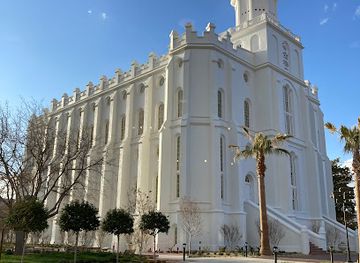
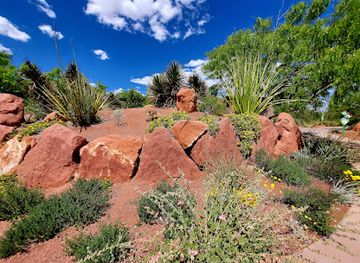
The St. George Utah Temple is the city's most recognisable historic structure, its white-painted sandstone walls reflecting the ambition of the nineteenth-century Latter-day Saint settlement; access to the temple interior is restricted to eligible church members, but the grounds and exterior are significant landmarks. Nearby, the St. George Tabernacle served as a major religious and civic gathering place after its completion in 1875. The Brigham Young Winter Home preserves the domestic scale of the community's early leadership, while the McQuarrie Memorial Pioneer Museum presents regional settlement history through a collection of objects and displays. The historic downtown streetscape, with early homes and civic buildings, connects these individual sites into a broader story of irrigation, faith and adaptation in the Virgin River valley. The red cliffs around Pioneer Park provide a natural landmark that frames the city.
-
Amphitheater
Tuacahn Center for the Arts
Experience the breathtaking Tuacahn Center for the Arts, where stunning performances meet the majestic beauty of Utah's red rock canyons.
35 min drive · 15 km from city centre
-
City park
Thunder Junction All Abilities Park
Explore Thunder Junction All Abilities Park, an inclusive oasis in St. George, Utah, offering fun and adventure for families and individuals of all abilities.
6 min drive · 2.1 km from city centre
-
Church of Jesus Christ of Latter-day Saints
St. George Utah Temple
Discover the stunning St. George Utah Temple, a serene spiritual landmark surrounded by breathtaking landscapes and rich history in the heart of Utah.
8 min drive · 2.7 km from city centre
-
Park
Pioneer Park
Experience the natural beauty and recreational bliss of Pioneer Park in St. George, Utah, a top destination for outdoor enthusiasts and families alike.
13 min drive · 4.3 km from city centre
Explore St. George on the map
Plan your St. George trip on one map. See where the top attractions, landmarks, restaurants, bars and hotels are, find what's near where you're staying, and book hotels and experiences in a few clicks.
Best hotels in St. George
Best restaurants in St. George
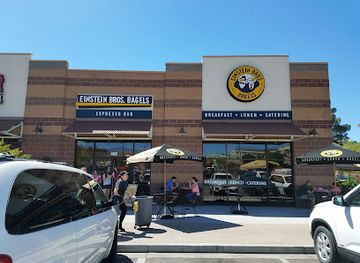
St. George's dining scene reflects southern Utah's western and Southwestern influences, with Mexican restaurants, American grills, cafés, bakeries and contemporary eateries spread through downtown and the newer commercial districts. Menus commonly draw on ingredients suited to the dry climate, including beef, chicken, corn, beans, chillies and fresh produce, while visitors will also find familiar national cuisines serving the city's large residential and visitor population. Downtown provides the most walkable concentration of independent cafés and restaurants, with additional choices along major suburban roads. Light meals, coffee and baked goods suit early starts for desert trails, while casual restaurants cater to families and outdoor travellers returning from the parks. Farmers' markets and seasonal produce stalls, when operating, offer a more local view of the agricultural valley and the wider Virgin River region.
-
Indian
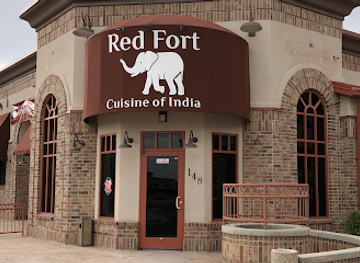
Red Fort Cuisine Of India
Experience the essence of authentic Indian cuisine at Red Fort Cuisine in St. George, Utah - where flavor meets tradition.
12 min drive · 3.8 km from city centre
-
American
Black Bear Diner St. George
Discover comfort food at Black Bear Diner St. George – your go-to destination for hearty breakfasts and family-friendly dining.
16 min walk · 1.3 km from city centre
-
Peruvian
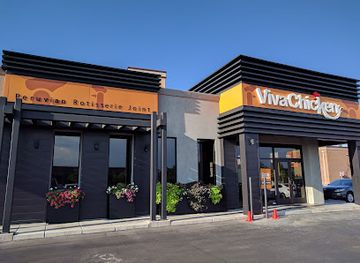
Viva Chicken
Discover the authentic taste of Peru at Viva Chicken in St. George - home to flavorful rotisserie chicken and vibrant Peruvian dishes.
11 min drive · 3.7 km from city centre
-
American
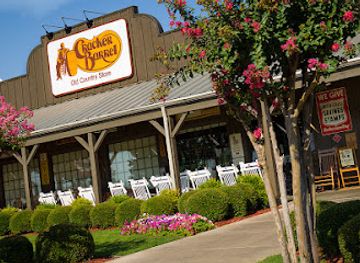
Cracker Barrel Old Country Store
Discover the charm of Southern cooking and unique shopping at Cracker Barrel Old Country Store in St. George.
8 min walk · 0.7 km from city centre

Best bars in St. George
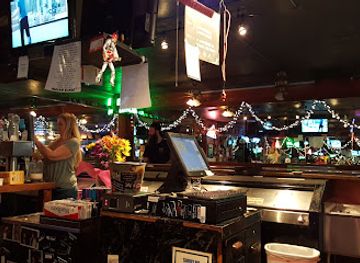
St. George's evening scene is relatively relaxed and shaped more by restaurants, cafés, theatre and live entertainment than by large nightclubs. Downtown provides some of the city's most walkable options for an evening meal or drink, while local breweries and bars offer informal social spaces where permitted under Utah's alcohol regulations. Tuacahn Center for the Arts in nearby Ivins is a major cultural presence, presenting theatre, concerts and other performances in an outdoor amphitheatre surrounded by red cliffs; schedules vary by season. Cinema, community events and occasional live music are also part of the after-dark landscape. Visitors should expect earlier and quieter evenings than in Las Vegas or Salt Lake City, with many people using the cooler hours for dining, performances or relaxed walks rather than late-night clubbing.
-
Restaurant
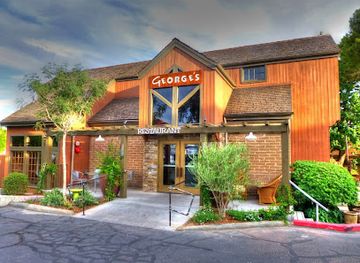
George's Corner Restaurant
Experience the vibrant flavors of St. George at George's Corner Restaurant, a beloved local dining spot offering delicious food and drinks.
11 min drive · 3.8 km from city centre
-
Applebee's Grill + Bar
Enjoy a hearty meal at Applebee's Grill + Bar, a family-friendly restaurant serving classic American dishes in St. George, Utah.
-
Chicken Wings
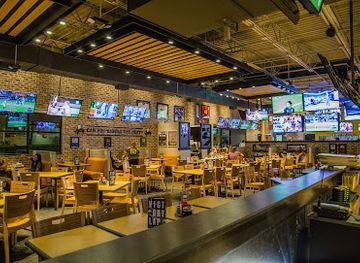
Buffalo Wild Wings
Experience the ultimate chicken wing destination in St. George, where flavor meets sports excitement at Buffalo Wild Wings.
11 min drive · 3.6 km from city centre
-
Hamburger
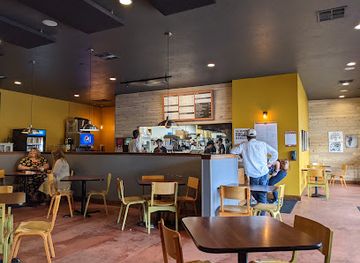
Morty's Cafe: St. George
Discover Morty's Café in St. George, where diverse culinary delights meet a warm, inviting atmosphere, perfect for every foodie.
11 min drive · 3.7 km from city centre

Best nightclubs in St. George
St. George's evening scene is relatively relaxed and shaped more by restaurants, cafés, theatre and live entertainment than by large nightclubs. Downtown provides some of the city's most walkable options for an evening meal or drink, while local breweries and bars offer informal social spaces where permitted under Utah's alcohol regulations. Tuacahn Center for the Arts in nearby Ivins is a major cultural presence, presenting theatre, concerts and other performances in an outdoor amphitheatre surrounded by red cliffs; schedules vary by season. Cinema, community events and occasional live music are also part of the after-dark landscape. Visitors should expect earlier and quieter evenings than in Las Vegas or Salt Lake City, with many people using the cooler hours for dining, performances or relaxed walks rather than late-night clubbing.
-
Bar
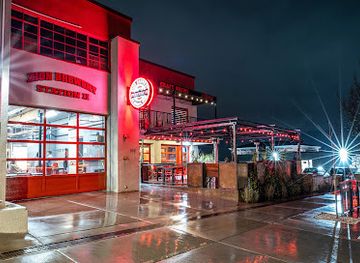
Station 2 Bar by Zion Brewery
Discover the energetic nightlife at Station 2 Bar by Zion Brewery, where craft beers and dancing create unforgettable experiences in St. George, Utah.
11 min drive · 3.8 km from city centre
-
Bar
One & Only
Discover the electrifying nightlife at One & Only, a premier bar and nightclub in St. George offering dancing, karaoke, and a vibrant atmosphere.
11 min drive · 3.8 km from city centre
-
Cocktail bar
Spiritual Cocktail Parlor
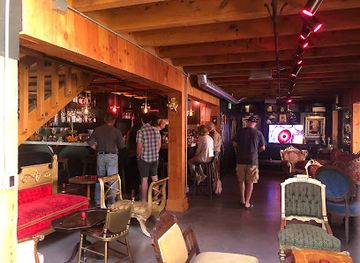
Discover a unique blend of spirituality and nightlife at the Spiritual Cocktail Parlor in St. George, Utah, where cocktails and good vibes await.
11 min drive · 3.8 km from city centre
-
Bistro
Social District Boutique & Bistro
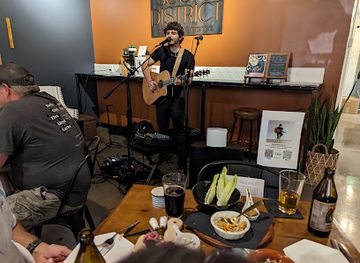
Discover a unique blend of gourmet bistro dining and chic fashion at Social District Boutique & Bistro in St. George, UT.
13 min drive · 4.3 km from city centre
Best shops in St. George
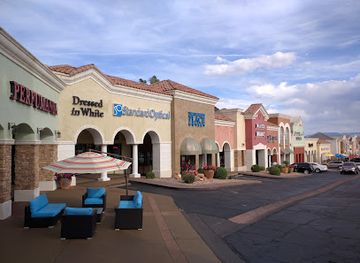
Shopping in St. George ranges from independent businesses in the historic downtown to modern retail centres along the city's major roads. Downtown streets contain boutiques, galleries, gift shops and specialist retailers, with locally produced art and desert-inspired objects offering more character than generic souvenirs. The Red Cliffs Mall and surrounding commercial area provide department stores, familiar chains and practical supplies for longer stays or outdoor travel. Visitors may find regional foods, handmade jewellery, pottery, paintings and Utah-themed gifts, although the availability of individual products varies by shop and season. Farmers' markets and craft events, when scheduled, provide a closer connection to local growers and makers. Outdoor retailers are particularly relevant in a city positioned near Zion, Snow Canyon and the Red Cliffs Desert Reserve, while the historic district offers the most concentrated browsing in a pedestrian-friendly setting.
-
Shopping mall
Red Cliffs Mall
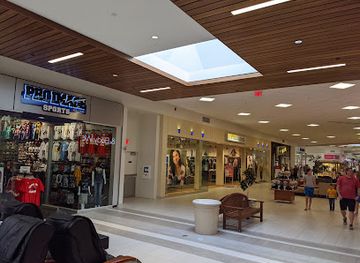
Explore Red Cliffs Mall in St. George, Utah, for a premier shopping and dining experience with a vibrant local atmosphere.
16 min drive · 5.2 km from city centre
-
Shopping mall
The Shoppes at Zion
Discover a unique shopping experience at The Shoppes at Zion, featuring diverse stores, delightful dining, and stunning views of Utah's red rock landscape.
13 min drive · 4.5 km from city centre
-
Shopping mall
Red Rock Commons
Explore Red Rock Commons, St. George's premier shopping destination, with diverse shops, delightful dining, and stunning desert scenery.
12 min drive · 4.0 km from city centre
-
Vitamin & supplements store
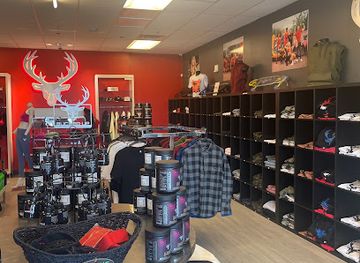
Bucked Up Retail Store St George
Discover premium vitamins and supplements at Bucked Up Retail Store in St. George, Utah, to support your health and fitness goals.
13 min drive · 4.3 km from city centre
Get your free copy of our complete guide to St. George, delivered straight to you.
Everything on this page, from attractions and restaurants to essentials and local phrases, in one PDF you can read offline, print or share.
Already have an account? Sign in
Your St. George guide is ready.
We'll send it to · Not you? Sign out

Getting your guide ready…
We are putting together a fresh copy of the St. George guide. This can take up to a minute.
This can take a few moments. If your browser asks, choose Allow so the download can start. You'll find the guide in your Downloads folder.
Nothing happened? Download it again
Sorry, the guide is taking longer than usual. Please try again in a minute, or get it by email instead.
St. George essentials
Currency and Payment
Safety
Emergency Situations
Do's and Don'ts
Local Tips
From Eve
Local phrases worth knowing
You don't need to get them perfect. A few words go a long way, and locals appreciate the effort.
Basics
| English | Local | Say it |
|---|---|---|
| Hello | Howdy | [haw-dee] |
| Goodbye | See ya | [see-yuh] |
| Yes | Yup | [yuhp] |
| No | Nope | [nohp] |
| Please/You're welcome | Please/No worries | [pleez/noh wur-eez] |
| Thank you | Thanks | [thanks] |
| Excuse me/Sorry | Pardon me/My bad | [par-dn mee/my bad] |
| How are you? | Howdy | [haw-dee] |
| Fine. And you? | I'm good too, thanks | [ahym good too, thanks] |
| Do you speak English? | Ya speak English? | [yah speak ing-glish] |
| I don't understand | I'm clueless | [ahym kloo-less] |
Eating & Drinking
| English | Local | Say it |
|---|---|---|
| I'd like to see the menu, please | Can I check out the menu? | [kan eye chek out the men-yoo] |
| I don't eat meat | I'm veggie | [ahym veh-jee] |
| Cheers! | Cheers! | [cheers] |
| I would like to pay, please | I'll settle up, thanks | [ahyl set-l uhp, thanks] |
Emergencies
| English | Local | Say it |
|---|---|---|
| Help! | Help! | [help] |
| Go away! | Get lost! | [get lost] |
| Call the Police! | Call the cops! | [call the cops] |
| Call a doctor! | Get me a doc! | [get mee uh doc] |
| I'm lost | I'm turned around | [ahym turned uh-round] |
| I'm ill | I'm feelin' sick | [ahym feel-in sik] |
Shopping
| English | Local | Say it |
|---|---|---|
| I'd like to buy... | I'm lookin' to buy... | [ahym look-in to buy] |
| I'm just looking | Just browsin' | [just brow-zin] |
| How much is it? | What's the damage? | [wuts the dam-ij] |
| That's too expensive | That's steep | [thats steep] |
| Can you lower the price? | Can ya cut me a deal? | [kan yuh kut mee uh deal] |
Time & Numbers
| English | Local | Say it |
|---|---|---|
| What time is it? | What's the time? | [wuts the tyme] |
| It's one o'clock | It's one | [its one] |
| Half past (10) | Half past ten | [half past ten] |
| Morning | Mornin' | [mornin] |
| Afternoon | Afternoon | [afternoon] |
| Evening | Evenin' | [evenin] |
| Yesterday | Yest'day | [yes-t-day] |
| Today | Today | [today] |
| Tomorrow | Tomorrah | [tomor-rah] |
| 1 | One | [wun] |
| 2 | Two | [too] |
| 3 | Three | [three] |
| 4 | Four | [four] |
| 5 | Five | [five] |
| 6 | Six | [six] |
| 7 | Seven | [seven] |
| 8 | Eight | [eight] |
| 9 | Nine | [nine] |
| 10 | Ten | [ten] |
Transport & Directions
| English | Local | Say it |
|---|---|---|
| Where's a/the...? | Where's the...? | [wheres the] |
| What's the address? | What's the addy? | [wuts the addy] |
| Can you show me (on the map)? | Can ya point it out (on the map)? | [kan yuh point it out on the map] |
| When's the next (bus)? | When's the next (bus)? | [whens the next bus] |
| A ticket (to ....) | A ticket (to ....) | [uh ticket to] |
History of St. George
Paiute Homeland and Desert Settlement
Before Euro-American settlement, the St. George area formed part of the homeland of the Southern Paiute, whose communities understood and used the region's springs, waterways, plants and desert corridors. Their history is often overshadowed by the later pioneer narrative, but the landscape around the Virgin River reflects a much older relationship between people and the arid environment. In the mid-nineteenth century, expanding Latter-day Saint settlement brought new farms, irrigation works and towns to southern Utah. The area that became St. George was selected during a period when church leaders sought to establish a cotton-producing economy and strengthen settlement across the territory.
The Cotton Mission
St. George was founded in 1861 as part of the Southern Utah cotton mission directed by Brigham Young. Settlers attempted to grow cotton and other crops in the hot Virgin River valley, importing labour, agricultural knowledge and building traditions into a difficult desert environment. The experiment did not develop into the large cotton industry its planners envisioned, partly because of economic conditions and the challenges of farming. Nevertheless, irrigation and cultivation transformed the valley, while the settlement became an administrative, religious and commercial centre for the surrounding region. The name St. George commemorated George A. Smith, a prominent Latter-day Saint leader.
Building a Regional Community
During the later nineteenth century, residents constructed substantial public and religious buildings that remain central to St. George's identity. The St. George Tabernacle, completed in 1875, served as a place of worship and community assembly, while the Brigham Young Winter Home reflects the period when church leaders spent winters in the milder southern climate. The St. George Utah Temple, begun in 1871 and dedicated in 1877, became the first temple completed in Utah by the Church of Jesus Christ of Latter-day Saints. Together, these buildings demonstrate the settlement's growing institutional importance and the labour required to create a permanent town in the desert.
Modernisation and Regional Connections
St. George gradually shifted from an isolated agricultural settlement towards a regional service centre as roads, communications and commercial networks improved. Farming remained important, but construction, trade, public administration and tourism increasingly shaped the local economy. The arrival of improved highways connected the city more directly with Las Vegas, Salt Lake City and other communities across the Intermountain West. Its warm climate and scenic surroundings also encouraged retirement, seasonal residence and outdoor recreation. Urban growth spread beyond the historic centre, creating the broad suburban form visible today while leaving the early civic buildings as reminders of the original settlement.
A Contemporary Desert City
In the late twentieth and early twenty-first centuries, St. George experienced sustained population and economic growth, influenced by retirement migration, construction, healthcare, education and recreation. The expansion brought new neighbourhoods, roads and commercial districts across Washington County, while conservation efforts sought to protect fragile Mojave Desert habitats and red-rock formations. The city now combines pioneer heritage with galleries, performing arts, collegiate institutions and an economy linked to outdoor travel. Its modern identity is therefore shaped by both development and landscape stewardship, with the historic centre, desert reserves and surrounding recreational destinations providing different expressions of southern Utah's character.
St. George in Photos
Browse through our photo collection highlighting the charm and character of the destination.
Cities near St. George
The closest cities to St. George, if you have time for more than one stop.
-

-
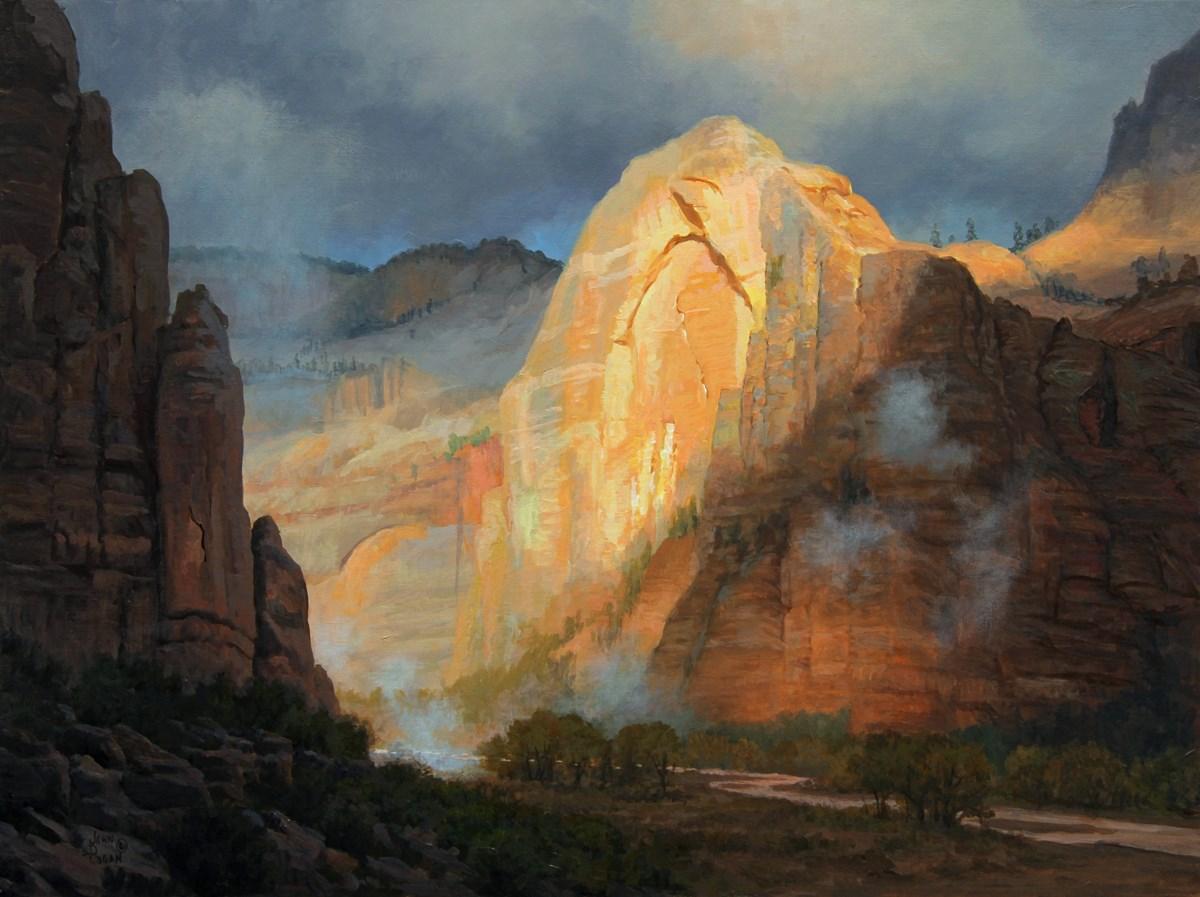 Mt Carmel
, Utah, offers quiet high-desert scenery, pioneer history and easy access to Zion National Park, scenic drives and canyon-country adventures.
Mt Carmel
Mt Carmel, Utah, offers quiet high-desert scenery, pioneer history and easy access to Zion National Park, scenic drives and canyon-country adventures.
-

-

-


Swipe for more cities
Explore more

Explore more of Utah
Explore Utah's stunning national parks, rich cultural heritage, and year-round outdoor adventures. Discover why this diverse state is a top destination for travelers.
Explore Utah