

Free Mt Carmel Travel Guide & Mobile App
Plan your Mt Carmel trip with Evendo. Get free guides to top attractions, restaurants, hotels, and bars. Web access or download the mobile app.


Mt Carmel, Utah, offers quiet high-desert scenery, pioneer history and easy access to Zion National Park, scenic drives and canyon-country adventures.
A Small Settlement in Red-Rock Country
Mt Carmel is a small Kane County community in southern Utah, positioned among the pale cliffs, juniper-covered slopes and broad high-desert views of the Colorado Plateau. Its location on US 89 places it close to the eastern approach to Zion National Park, while the surrounding landscape stretches towards Grand Staircase–Escalante National Monument, Bryce Canyon country and the engrossing formations of the wider canyonlands. The settlement itself is quiet and lightly developed, with open scenery and a rural atmosphere rather than a conventional resort-centre feel.Read more about Mt Carmel
Pioneer Heritage and Creative Landscapes
When is the best time to visit Mt Carmel?
Best: April–May, October · 22–27°C| Month | High (°C) | Rainfall (mm) |
|---|---|---|
| January | 8 | 16 |
| February | 11 | 14 |
| March | 16 | 13 |
| April (best) | 22 | 10 |
| May (best) | 27 | 7 |
| June | 32 | 4 |
| July | 37 | 12 |
| August | 36 | 13 |
| September | 31 | 9 |
| October (best) | 24 | 8 |
| November | 16 | 9 |
| December | 9 | 13 |
Getting to and around Mt Carmel
How to get there
Transportation
Best attractions in Mt Carmel
Mt Carmel’s attractions are primarily scenic and historical rather than urban. The settlement’s historic area and cemetery provide a quiet introduction to the Mormon pioneer community founded here in 1864, while the Maynard Dixon Legacy Museum explores the western artist’s connection with southern Utah through a collection displayed in the wider Mt Carmel area; opening arrangements should be checked in advance. Nearby, the eastern approach to Zion National Park leads towards the park’s East Entrance, Checkerboard Mesa and the dramatic Zion–Mount Carmel Highway, whose route crosses sculpted sandstone and the deep Zion–Mount Carmel Tunnel. These are outside the settlement itself but form the area’s principal sightseeing draw. US 89 also opens long views across Kane County, with routes towards Grand Staircase–Escalante country, Bryce Canyon and other regional landscapes. The appeal lies in changing colour, open space and the contrast between a small historic community and immense public-land scenery.
-
Hiking area
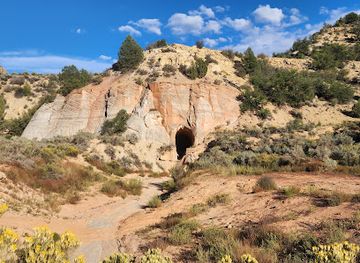
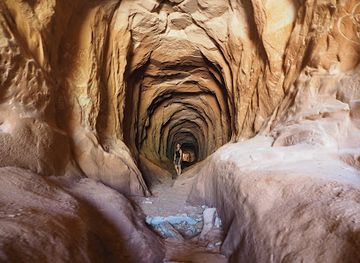
The Belly of the Dragon (Trailhead)
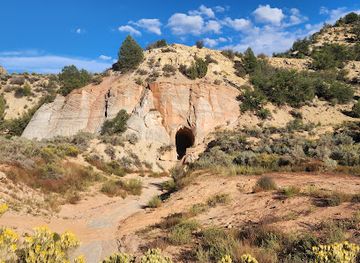
Discover the stunning Belly of the Dragon in Mount Carmel, UT - a unique hiking destination blending adventure and breathtaking landscapes.
7 min drive · 2.3 km from city centre
-
Hiking area
The Belly of the Dragon (Trailhead)
Discover breathtaking trails and unique geological wonders at The Belly of the Dragon, a must-visit hiking area in Utah's stunning landscapes.
7 min drive · 2.3 km from city centre
-
Hiking area
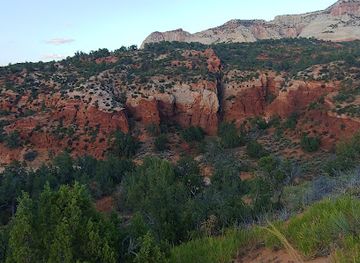
Red Hollow Canyon Trailhead
Experience the stunning natural beauty and adventure of Red Hollow Canyon Trailhead in Orderville, Utah, a hiker's paradise in the heart of the Southwest.
18 min drive · 6.0 km from city centre
-
Tourist attraction
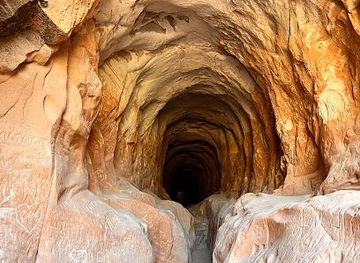
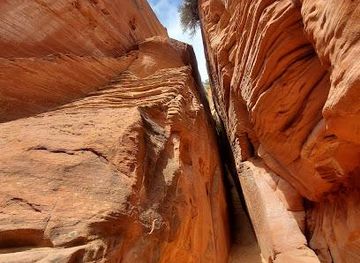
Elkheart Cliffs Slot Canyon Trailhead
Explore the stunning Elkheart Cliffs Slot Canyon Trailhead in Utah, where breathtaking rock formations and serene hiking trails await nature lovers and adventurers.
11 min drive · 3.6 km from city centre
Best landmarks in Mt Carmel
Mt Carmel’s most significant landmarks reflect settlement history and the dramatic geology surrounding it. The community’s historic buildings and cemetery preserve the physical memory of the 1864 Mormon settlement, with simple forms suited to a remote agricultural environment. In the surrounding East Zion landscape, Checkerboard Mesa is a particularly recognisable natural landmark, marked by intersecting horizontal and vertical weathering patterns in pale sandstone. The Zion–Mount Carmel Tunnel, completed as part of the 1930s highway project, is an important engineering landmark that links the park’s east and south sides through the cliffs; it lies within Zion National Park, not in Mt Carmel itself. The nearby Maynard Dixon Legacy Museum adds a cultural landmark associated with the artist’s interpretations of the American West, connecting local scenery with the history of western landscape art.
-
American
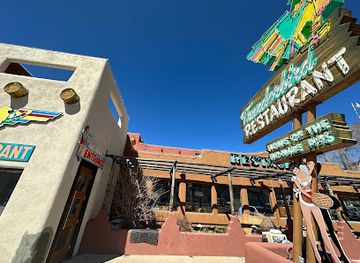
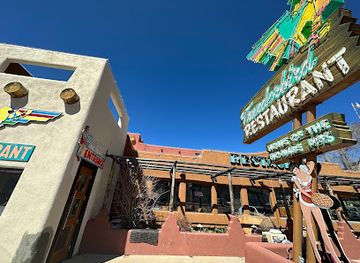
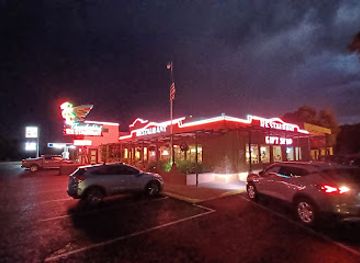
Thunderbird Restaurant
Discover the culinary delights of Thunderbird Restaurant in Mt. Carmel, Utah, where American flavors meet warm hospitality.
17 min walk · 1.3 km from city centre
-
Hotel
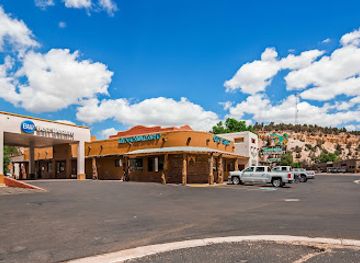
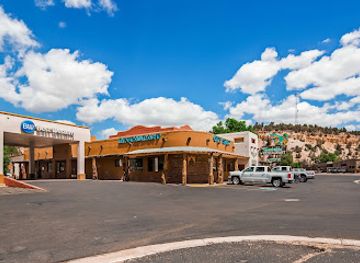
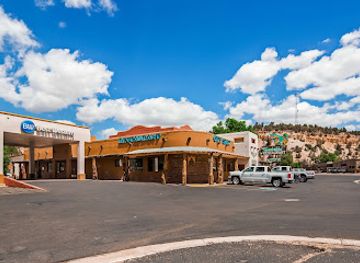
Best Western East Zion Thunderbird Lodge
Experience comfort and adventure at Best Western East Zion Thunderbird Lodge, your ideal base for exploring the breathtaking landscapes of southern Utah.
17 min walk · 1.3 km from city centre
-
Resort hotel
East Zion Resort
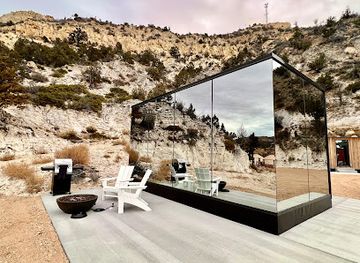
Experience the breathtaking beauty and adventure of East Zion Resort, your ultimate getaway in Utah's stunning landscapes.
20 min drive · 6.5 km from city centre
-
Hiking area
The Belly of the Dragon (Trailhead)
Discover the breathtaking beauty of The Belly of the Dragon, a breathtaking hiking area in Mount Carmel, Utah, perfect for nature lovers and adventurers.
7 min drive · 2.3 km from city centre
Explore Mt Carmel on the map
Plan your Mt Carmel trip on one map. See where the top attractions, landmarks, restaurants, bars and hotels are, find what's near where you're staying, and book hotels and experiences in a few clicks.
Best hotels in Mt Carmel
Best restaurants in Mt Carmel
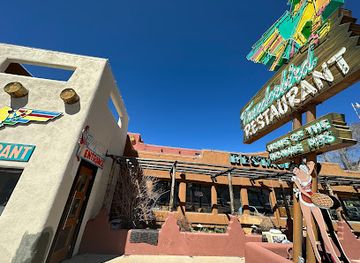
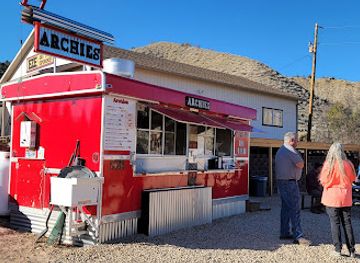
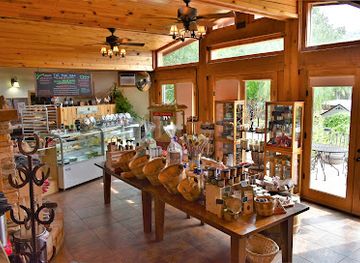
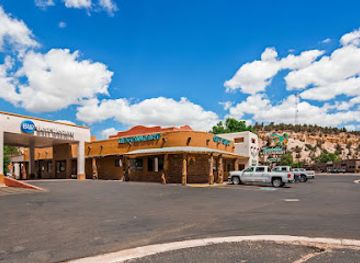
Dining in Mt Carmel is limited and closely linked to the wider East Zion corridor, so visitors should expect a small selection rather than a concentrated restaurant district. Casual meals, breakfast, sandwiches and familiar American fare are more characteristic than an elaborate local cuisine, with additional options around Mt Carmel Junction, Orderville and the approach to Zion. Grocery and picnic supplies are useful for travellers spending long days on scenic roads or trails, since services become sparse beyond the main communities. Utah’s broader western food culture appears in hearty comfort dishes, grilled meats, baked goods and café-style meals, while the region’s ranching history and frontier setting contribute to the practical, informal character of dining. Hours and seasonal availability can vary, particularly outside the busiest travel months, making advance planning valuable in this rural part of Kane County.
-
American
Thunderbird Restaurant
Experience delightful American comfort food at Thunderbird Restaurant in Mt. Carmel, where every meal feels like home.
17 min walk · 1.3 km from city centre
-
Fast Food
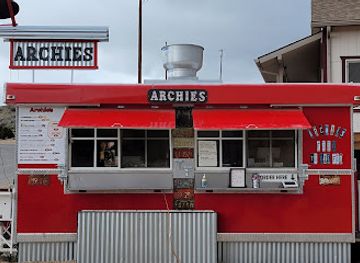
Archie's Food to Die For
Discover Archie's Food to Die For: Your go-to fast food destination in Orderville offering delicious meals amidst stunning Utah scenery.
20 min drive · 6.6 km from city centre
-
Restaurant
Blue Mule Cafe and Bakery
Discover delightful homemade meals and irresistible pastries at Blue Mule Cafe and Bakery in scenic Mount Carmel, Utah.
9 min drive · 2.8 km from city centre
-
Restaurant
Thunderbird Resort
Experience the perfect blend of relaxation and adventure at Thunderbird Resort in Mount Carmel, Utah.
17 min walk · 1.4 km from city centre
Best bars in Mt Carmel
Mt Carmel has no substantial bar or nightclub scene, and evenings are generally quiet once visitors return from the surrounding parks and scenic roads. Social options are more likely to be found in restaurants, accommodation lounges or casual gathering places in the wider East Zion area than in dedicated entertainment districts. The absence of bright urban nightlife is part of the setting: clear skies, dark desert horizons and early starts for Zion or other public lands shape the rhythm of a stay. Alcohol service and retail sales follow Utah law, which has specific licensing and service requirements, so visitors should not assume that every dining venue serves alcohol. Evening activities may instead include stargazing, photography, talks or quiet time outdoors, provided local fire, lighting and land-management rules are respected.
-
American
Thunderbird Restaurant
Discover the essence of American dining at Thunderbird Restaurant, a culinary gem in Mount Carmel, Utah, perfect for travelers and food enthusiasts alike.
17 min walk · 1.3 km from city centre
-
Hotel
Best Western East Zion Thunderbird Lodge
Experience comfort and adventure at Best Western East Zion Thunderbird Lodge in Mount Carmel, Utah, near stunning Zion National Park.
17 min walk · 1.3 km from city centre
-
Coffee shop
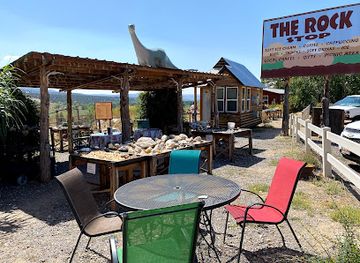
The Rock Stop
Discover The Rock Stop in Orderville, Utah, where exceptional coffee meets stunning geological treasures in a unique shopping experience.
16 min drive · 5.3 km from city centre
-
Fast Food
Archie's Food to Die For
Experience the best in fast food at Archie's Food to Die For in Orderville, Utah, where delicious flavors meet friendly service.
20 min drive · 6.6 km from city centre
Best nightclubs in Mt Carmel
Mt Carmel has no substantial bar or nightclub scene, and evenings are generally quiet once visitors return from the surrounding parks and scenic roads. Social options are more likely to be found in restaurants, accommodation lounges or casual gathering places in the wider East Zion area than in dedicated entertainment districts. The absence of bright urban nightlife is part of the setting: clear skies, dark desert horizons and early starts for Zion or other public lands shape the rhythm of a stay. Alcohol service and retail sales follow Utah law, which has specific licensing and service requirements, so visitors should not assume that every dining venue serves alcohol. Evening activities may instead include stargazing, photography, talks or quiet time outdoors, provided local fire, lighting and land-management rules are respected.
-
American
Thunderbird Restaurant
Experience the best of American cuisine at Thunderbird Restaurant in Mt. Carmel, Utah, where hearty meals and friendly service await every visitor.
17 min walk · 1.3 km from city centre
-
Hotel
Best Western East Zion Thunderbird Lodge
Experience comfort and adventure at Best Western East Zion Thunderbird Lodge, your perfect base for exploring Zion National Park and its stunning landscapes.
17 min walk · 1.3 km from city centre
-
 Motel
MotelMt. Carmel Motel and RV Park
Discover the perfect blend of comfort and nature at Mt. Carmel Motel and RV Park, your gateway to exploring Utah's breathtaking landscapes.
5 min drive · 1.7 km from city centre
-
Resort hotel
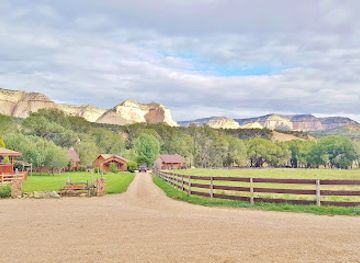
Arrowhead Country Inn and Cabins
Discover the beauty of Mount Carmel at Arrowhead Country Inn and Cabins, your serene escape in the heart of Utah's stunning landscapes.
9 min drive · 2.8 km from city centre
Best shops in Mt Carmel
Shopping in Mt Carmel is small-scale and practical, centred on visitor supplies, local art and items connected with southern Utah’s landscape rather than a traditional retail district. The Maynard Dixon Legacy Museum area provides an opportunity to encounter western art and related cultural material, while galleries and craft-oriented businesses in the wider East Zion corridor may offer paintings, photography, jewellery and handmade goods. Travellers can also look for regional food products, outdoor supplies and souvenirs in nearby communities such as Orderville and Mt Carmel Junction. Because the settlement is rural, opening times and stock can vary, and larger shopping requirements are better handled in Kanab or other regional centres. Purchases should respect restrictions on removing natural, archaeological or historic material from protected lands.
-
Gift shop
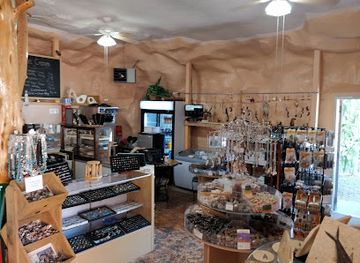
The Rock Stop
Explore The Rock Stop in Orderville, Utah - a unique gift shop and coffee haven showcasing stunning rocks, minerals, and handcrafted treasures.
16 min drive · 5.3 km from city centre
-
Hiking area
The Belly of the Dragon (Trailhead)
Explore the enchanting Belly of the Dragon Trailhead in Mt. Carmel, Utah, for an unforgettable hiking adventure amid stunning landscapes.
7 min drive · 2.3 km from city centre
-
Rock shop
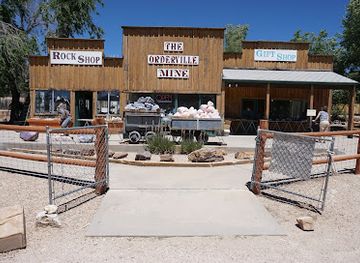
Orderville Mine Rock Shop
Explore the Orderville Mine Rock Shop, a gem-filled paradise for rock enthusiasts and curious travelers in Utah.
16 min drive · 5.2 km from city centre
-
Gift shop
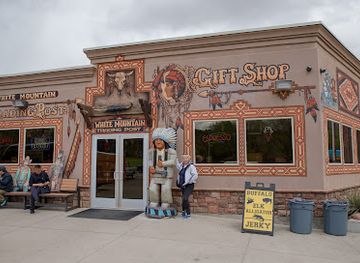
White Mountain Trading Post
Explore unique gifts and local crafts at White Mountain Trading Post, a charming gift shop in Orderville, Utah, perfect for memorable souvenirs.
16 min walk · 1.3 km from city centre
Get your free copy of our complete guide to Mt Carmel, delivered straight to you.
Everything on this page, from attractions and restaurants to essentials and local phrases, in one PDF you can read offline, print or share.
Already have an account? Sign in
Your Mt Carmel guide is ready.
We'll send it to · Not you? Sign out

Getting your guide ready…
We are putting together a fresh copy of the Mt Carmel guide. This can take up to a minute.
This can take a few moments. If your browser asks, choose Allow so the download can start. You'll find the guide in your Downloads folder.
Nothing happened? Download it again
Sorry, the guide is taking longer than usual. Please try again in a minute, or get it by email instead.
Mt Carmel essentials
Currency and Payment
Safety
Emergency Situations
Do's and Don'ts
Local Tips
From Eve
Local phrases worth knowing
You don't need to get them perfect. A few words go a long way, and locals appreciate the effort.
Basics
| English | Local | Say it |
|---|---|---|
| Hello | Howdy | [haʊdi] |
| Goodbye | See ya | [siː jə] |
| Yes | Yup | [jʌp] |
| No | Nah | [nɑː] |
| Please/You're welcome | Please/You're welcome | [pliːz/jər ˈwɛlkəm] |
| Thank you | Thanks | [θæŋks] |
| Excuse me/Sorry | Pardon me | [ˈpɑːrdn miː] |
| How are you? | Howdy | [haʊdi] |
| Fine. And you? | Fine. And you? | [faɪn. ænd juː] |
| Do you speak English? | Ya speak English? | [jə spiːk ˈɪŋɡlɪʃ] |
| I don't understand | I dunno | [aɪ ˈdənə] |
Eating & Drinking
| English | Local | Say it |
|---|---|---|
| I'd like to see the menu, please | Can I check the menu? | [kæn aɪ tʃɛk ðə ˈmɛnjuː] |
| I don't eat meat | I don't eat meat | [aɪ doʊnt it mit] |
| Cheers! | Cheers! | [ʧɪrz] |
| I would like to pay, please | Can I pay, please? | [kæn aɪ peɪ, pliːz] |
Emergencies
| English | Local | Say it |
|---|---|---|
| Help! | Help! | [hɛlp] |
| Go away! | Git! | [ɡɪt] |
| Call the Police! | Call the Sheriff! | [kɔl ðə ˈʃɛrɪf] |
| Call a doctor! | Call a Doc! | [kɔl ə dɑktər] |
| I'm lost | I'm lost | [aɪm lɔst] |
| I'm ill | I'm sick | [aɪm sɪk] |
Shopping
| English | Local | Say it |
|---|---|---|
| I'd like to buy... | I wanna buy... | [aɪ ˈwɑnə baɪ] |
| I'm just looking | Just browsing | [ʤʌst ˈbraʊzɪŋ] |
| How much is it? | How much? | [haʊ ˈmʌtʃ] |
| That's too expensive | Too pricey | [tuː ˈpraɪsi] |
| Can you lower the price? | Can ya drop the cost? | [kæn jə drɑp ðə koʊst] |
Time & Numbers
| English | Local | Say it |
|---|---|---|
| What time is it? | What's the time? | [wɑːts ðə taɪm] |
| It's one o'clock | It's one | [ɪts wʌn] |
| Half past (10) | Half ten | [hæf tɛn] |
| Morning | Morning | [ˈmɔrnɪŋ] |
| Afternoon | Afternoon | [ˌæftərˈnuːn] |
| Evening | Evening | [ˈivnɪŋ] |
| Yesterday | Yesterday | [ˈjɛstərdeɪ] |
| Today | Today | [təˈdeɪ] |
| Tomorrow | Tomorrow | [təˈmɔroʊ] |
| 1 | One | [wʌn] |
| 2 | Two | [tuː] |
| 3 | Three | [θriː] |
| 4 | Four | [fɔr] |
| 5 | Five | [faɪv] |
| 6 | Six | [sɪks] |
| 7 | Seven | [ˈsɛvən] |
| 8 | Eight | [eɪt] |
| 9 | Nine | [naɪn] |
| 10 | Ten | [tɛn] |
Transport & Directions
| English | Local | Say it |
|---|---|---|
| Where's a/the...? | Where's the...? | [wɛərz ðə] |
| What's the address? | What's the address? | [wɑːts ðə əˈdrɛs] |
| Can you show me (on the map)? | Can you show me (on the map)? | [kæn jə ʃoʊ miː (ɒn ðə mæp)] |
| When's the next (bus)? | When's the next (bus)? | [wɛnz ðə nɛkst (bʌs)] |
| A ticket (to ....) | A ticket (to ....) | [ə ˈtɪkɪt (tu ...)] |
History of Mt Carmel
Paiute Country Before Settlement
The valleys, plateaux and canyon systems around present-day Mt Carmel form part of the traditional homeland of Southern Paiute communities. Their knowledge of seasonal water sources, plants and travel routes developed long before Euro-American settlement. The landscape was not an empty wilderness: it was a lived-in environment shaped by movement, observation and cultural connection. Later roads and farms followed some of the same natural corridors through the Virgin River drainage and the surrounding uplands, although the settlement history recorded in local buildings largely begins with nineteenth-century Mormon colonisation.
Mormon Settlement in 1864
Mount Carmel was established in 1864 by Mormon settlers during a period of expansion into southern Utah. The community took its name from Mount Carmel in the eastern Mediterranean, reflecting the religious naming traditions common among settlements founded by members of The Church of Jesus Christ of Latter-day Saints. Farming and stock-raising depended on limited water and demanding soils, while the settlement’s position near routes across Kane County gave it a modest connection to regional travel. The surviving historic landscape represents this effort to create an agricultural community in a dry, rugged environment.
Farming on the High Desert
Early Mount Carmel families adapted to short growing seasons, irregular rainfall and the practical difficulties of transporting goods across southern Utah. Irrigation, livestock and locally available materials shaped both the economy and the appearance of the settlement. Relations between neighbouring communities were important because supplies, mail and trade moved along difficult roads rather than modern highways. These conditions limited the town’s growth, yet they also produced the plain domestic buildings, open plots and working landscapes associated with its pioneer heritage. The area’s isolation remained a defining feature well into the twentieth century.
Changing Roads and Regional Connections
The development of better roads gradually altered Mount Carmel’s place in the region. Improved links along the US 89 corridor connected Kane County with larger markets and with the emerging tourist economy of southern Utah. Zion National Park, established in 1919, became increasingly important to travel through the area, although the park’s principal facilities lie elsewhere. The opening of the Zion–Mount Carmel Highway in the 1930s created a spectacular east–west route through the national park and strengthened the importance of the settlements near its eastern approach.
A Quiet Community in Modern Utah
Modern Mt Carmel remains small, with its identity shaped more by landscape, historic continuity and proximity to major public lands than by urban development. Tourism has brought accommodation, galleries and visitor services to the wider East Zion area, while the community itself retains a rural scale. The historic settlement and nearby artistic associations sit within a region now valued for conservation, scenic driving and outdoor recreation. Today, Mt Carmel’s story is visible in the contrast between its modest pioneer footprint and the nationally recognised red-rock landscapes that draw travellers through southern Utah.
Mt Carmel in Photos
Browse through our photo collection highlighting the charm and character of the destination.
Cities near Mt Carmel
The closest cities to Mt Carmel, if you have time for more than one stop.
-

-

-

-

-


Swipe for more cities
Explore more

Explore more of Utah
Explore Utah's stunning national parks, rich cultural heritage, and year-round outdoor adventures. Discover why this diverse state is a top destination for travelers.
Explore Utah