

Free Uinta Mountains Travel Guide & Mobile App
Explore Uinta Mountains with free travel guides. Discover regional history, expert tips, proposed trips, and audio guides on web or mobile app.


Explore Utah’s Uinta Mountains for alpine lakes, Kings Peak, forested byways, wilderness trails and high-country camping near Kamas and Vernal.
Read more about Uinta Mountains
Getting to and around Uinta Mountains
How to get there
Transportation
Best attractions in Uinta Mountains
The Utah Uintas offer a combination of accessible mountain scenery and demanding wilderness travel. The Mirror Lake Scenic Byway is the best-known scenic corridor, climbing from Kamas through conifer forest to Mirror Lake, numerous smaller waters and viewpoints near the crest. Its campgrounds and short trails suit day visitors, anglers and families when the road is open, while longer paths lead towards more remote basins. The High Uintas Wilderness provides the region’s most substantial backpacking environment, with glacial valleys, alpine lakes, passes and high summits reached on foot or by stock. Kings Peak is the principal objective for experienced backpackers, though it requires a serious multi-day approach. Ashley National Forest adds eastern landscapes of forest, canyon and open mountain country, with opportunities for fishing, wildlife watching, camping and scenic driving. Lower-elevation communities and valleys around Duchesne, Roosevelt and Vernal provide useful contrasts to the alpine terrain, including ranching landscapes and access routes towards the mountains. Conditions vary sharply by elevation, so trail availability and road access should be checked before setting out.
-
National park
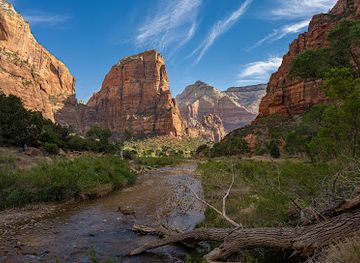
Zion National Park
Explore breathtaking landscapes and diverse wildlife at Zion National Park, a jewel of Utah's natural beauty and adventure.
-
National park
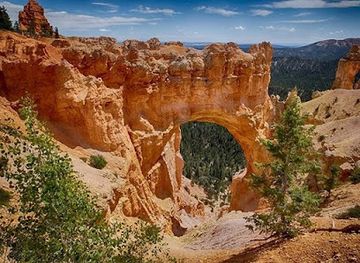
Bryce Canyon National Park
Explore the breathtaking landscapes of Bryce Canyon National Park, a natural wonder with stunning hoodoos and vibrant scenery that enchants every visitor.
-
National park
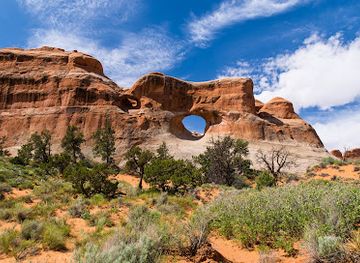
Arches National Park
Explore the breathtaking sandstone arches and diverse landscapes of Arches National Park, a must-visit destination for nature lovers and adventure seekers.
-
National park
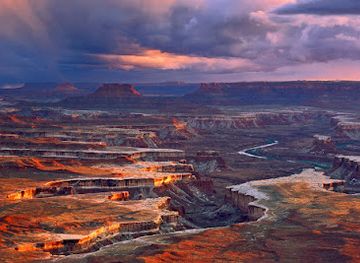
Canyonlands National Park
Discover the breathtaking landscapes of Canyonlands National Park, a stunning natural wonder in Utah offering adventure and tranquility in the heart of the American Southwest.
Best landmarks in Uinta Mountains
Mirror Lake is the most recognisable accessible landmark in the Utah Uintas, reflecting the surrounding spruce forest and high ridges along the scenic route from Kamas. The lake is culturally and recreationally prominent, but the broader landscape of glacial basins and alpine waters gives the corridor its significance. Kings Peak, rising to 13,528 feet, is Utah’s highest point and the defining natural landmark of the range; its remoteness and demanding approach are integral to its character. The east–west alignment of the Uintas itself is geographically distinctive, creating broad high valleys and long ridgelines unlike the more commonly north–south ranges of the American West. The High Uintas Wilderness protects the central mountain core, where peaks, passes, tundra and glacial lakes form a continuous roadless landscape. At lower elevations, the forested slopes and river valleys associated with Ashley National Forest provide a contrasting setting, with roads and working landscapes connecting the mountains to communities in the Uinta Basin. These landmarks are best understood as parts of a large mountain system rather than isolated roadside monuments.
-
Historical place museum
Bluff Fort Historic Site
Discover the captivating history of the pioneers at Bluff Fort Historic Site, an engaging museum surrounded by breathtaking Utah landscapes.
-
Historical landmark
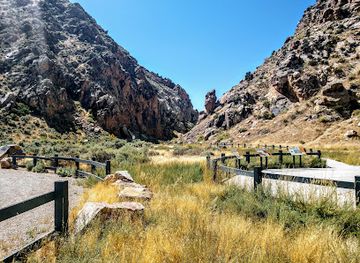
Parowan Gap Petroglyphs
Explore the Parowan Gap Petroglyphs in Utah, a historical landmark showcasing ancient rock art and rich indigenous heritage amidst stunning desert landscapes.
-
Cultural landmark
Newspaper Rock State Historical Monument
Explore the captivating petroglyphs and scenic beauty at Newspaper Rock State Historical Monument, a key cultural landmark in Utah's history.
-
Historical landmark
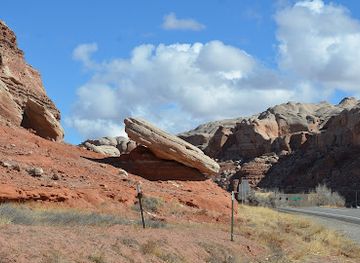
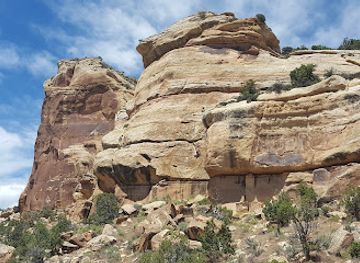
McConkie Ranch Petroglyphs
Discover the ancient petroglyphs of McConkie Ranch, a historical landmark in Utah that showcases the rich cultural heritage of Native American art.
Explore Uinta Mountains on the map
Plan your trip on one map. See where the top cities, national parks and sights are, and book hotels and experiences in a few clicks.
Best hotels in Uinta Mountains
Best restaurants in Uinta Mountains
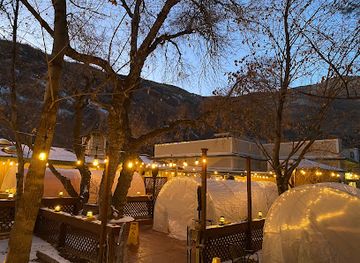
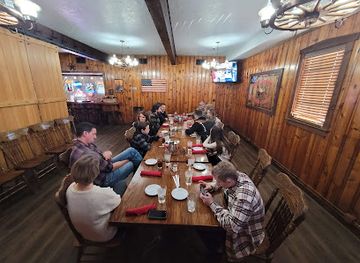
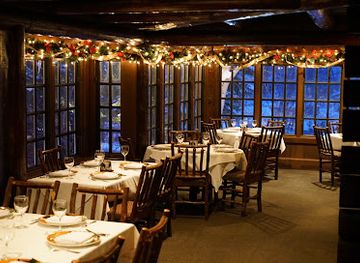
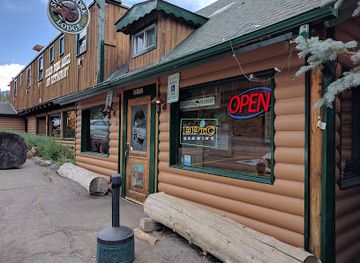
Dining in the Uinta Mountains is concentrated in gateway communities rather than at high-elevation attractions. Kamas provides the most convenient western starting point for the Mirror Lake corridor, with casual cafés, diners, takeaway options and places suited to stocking up before a mountain day. Duchesne, Roosevelt and Vernal serve different eastern and southern approaches and offer a broader selection of American regional cooking, bakeries, supermarkets and family restaurants. Menus commonly reflect Utah and the wider Intermountain West through burgers, steaks, sandwiches, Mexican-American dishes, breakfast plates and locally sourced or ranch-associated ingredients, rather than a narrowly defined mountain cuisine. In the mountains themselves, visitors should expect picnic areas, camp cooking and occasional seasonal concessions rather than a continuous restaurant scene. Farmers' markets and local shops, where operating, can provide produce, baked goods and provisions, while nearby towns are the practical places to obtain ice, water and packed lunches. Reservations and opening arrangements can be seasonal, so remote diners should plan food supplies in advance.
-
Diner
Ruth's Diner
Discover Ruth's Diner: A delightful escape serving classic American comfort food amidst breathtaking canyon views.
-
Steak
Prairie Schooner Steak House
Discover the taste of premium steaks at Prairie Schooner Steak House in Ogden, Utah - where every meal is a celebration of flavor.
-
American
Log Haven
Experience exquisite American cuisine at Log Haven nestled in Mill Creek Canyon's natural beauty near Salt Lake City.
-
Restaurant
Silver Fork Lodge and Restaurant
Discover culinary delights at Silver Fork Lodge and Restaurant amidst breathtaking Big Cottonwood Canyon scenery.
Best bars in Uinta Mountains
Evening life around the Utah Uintas is low-key and centred on gateway communities rather than a major nightclub district. Kamas and the eastern towns of Duchesne, Roosevelt and Vernal have local restaurants, bars and social venues where visitors may find food, televised sport and occasional live entertainment, but hours and offerings vary. In the mountain corridors, darkness, distance and early trail starts make campfires, stargazing and quiet evenings more typical than late-night entertainment; campfires are permitted only where current conditions and local rules allow. Vernal is the largest of the main eastern service towns and generally offers the broadest choice of dining and evening venues, although it remains a small regional centre rather than a club-oriented destination. Alcohol laws and service practices follow Utah regulations, and visitors should check current rules rather than assume that every restaurant or accommodation serves alcohol. Designated drivers are particularly important because mountain roads are dark, winding and remote.
-
Grill
No Name Saloon
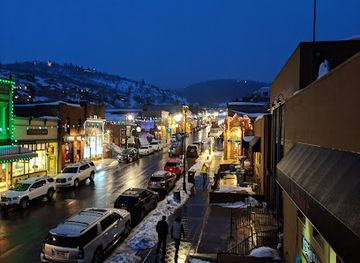
Experience the vibrant atmosphere and delicious offerings of No Name Saloon in Park City, a must-visit grill for every traveler.
-
Bar
The Green Pig Pub
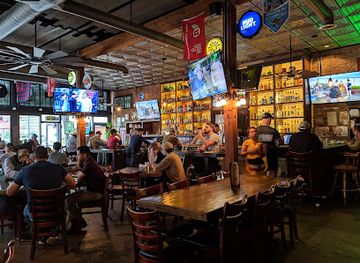
Discover The Green Pig Pub: Salt Lake City's vibrant bar and restaurant offering craft drinks, delicious food, and a lively nightlife experience.
-
Cocktail bar
Whiskey Street Cocktails & Dining
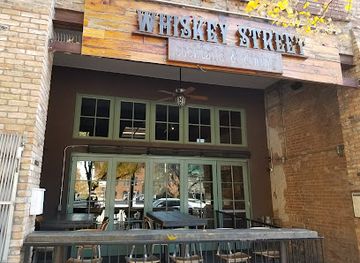
Discover a lively cocktail bar and restaurant in downtown Salt Lake City, offering craft cocktails and a unique dining experience.
-
Bar
Lake Effect
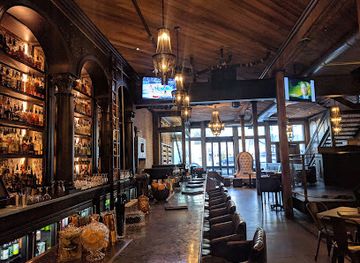
Experience the vibrant nightlife of Salt Lake City at Lake Effect, where exceptional cocktails meet live music in a lively setting.
Best nightclubs in Uinta Mountains
Evening life around the Utah Uintas is low-key and centred on gateway communities rather than a major nightclub district. Kamas and the eastern towns of Duchesne, Roosevelt and Vernal have local restaurants, bars and social venues where visitors may find food, televised sport and occasional live entertainment, but hours and offerings vary. In the mountain corridors, darkness, distance and early trail starts make campfires, stargazing and quiet evenings more typical than late-night entertainment; campfires are permitted only where current conditions and local rules allow. Vernal is the largest of the main eastern service towns and generally offers the broadest choice of dining and evening venues, although it remains a small regional centre rather than a club-oriented destination. Alcohol laws and service practices follow Utah regulations, and visitors should check current rules rather than assume that every restaurant or accommodation serves alcohol. Designated drivers are particularly important because mountain roads are dark, winding and remote.
-
Club
Club 90
Experience the vibrant nightlife of Sandy, Utah at Club 90, where live music and dancing create unforgettable memories.
-
Night club
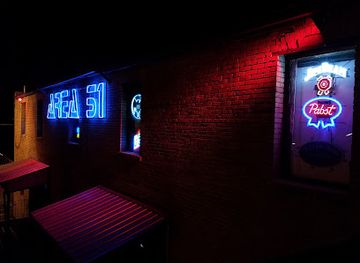
Area 51
Dive into Salt Lake City's nightlife at Area 51, where music, dancing, and a vibrant atmosphere await you in a unique night club experience.
-
Dance hall
Peak Nights
Explore the vibrant nightlife at Peak Nights, Provo's premier dance hall, where music and movement come together for an unforgettable experience.
-
Night club
Sky SLC
Experience the vibrant nightlife at Sky SLC, Salt Lake City's premier night club and concert hall with a lively atmosphere and great drinks.


Get your free copy of our complete guide to Uinta Mountains, delivered straight to you.
Everything on this page, from attractions and restaurants to essentials and local phrases, in one PDF you can read offline, print or share.
Already have an account? Sign in
Your Uinta Mountains guide is ready.
We'll send it to · Not you? Sign out

Getting your guide ready…
We are putting together a fresh copy of the Uinta Mountains guide. This can take up to a minute.
This can take a few moments. If your browser asks, choose Allow so the download can start. You'll find the guide in your Downloads folder.
Nothing happened? Download it again
Sorry, the guide is taking longer than usual. Please try again in a minute, or get it by email instead.
Uinta Mountains essentials
Currency and Payment
Safety
Emergency Situations
Do's and Don'ts
Local Tips
From Eve
Local phrases worth knowing
You don't need to get them perfect. A few words go a long way, and locals appreciate the effort.
Basics
| English | Local | Say it |
|---|---|---|
| Hello | Howdy | [How-dee] |
| Goodbye | See ya later | [See ya lay-ter] |
| Yes | Yep | [Yep] |
| No | Nah | [Nah] |
| Please/You're welcome | No problem | [No prob-lum] |
| Thank you | Thanks a lot | [Thanks uh lot] |
| Excuse me/Sorry | Sorry 'bout that | [Sorry 'bout that] |
| How are you? | How's it going? | [How's it goin'?] |
| Fine. And you? | Good. And you? | [Good. An' you?] |
| Do you speak English? | Do ya speak English? | [Do ya speak English?] |
| I don't understand | I ain't got it | [I ain't got it] |
Eating & Drinking
| English | Local | Say it |
|---|---|---|
| I'd like to see the menu, please | Can I see the menu? | [Can I see the menu?] |
| I don't eat meat | I don't eat meat | [I don't eat meat] |
| Cheers! | Cheers! | [Cheers!] |
| I would like to pay, please | Can I get the check? | [Can I get the check?] |
Emergencies
| English | Local | Say it |
|---|---|---|
| Help! | Help! | [Help!] |
| Go away! | Get lost! | [Get lost!] |
| Call the Police! | Call the cops! | [Call the cops!] |
| Call a doctor! | Get a doc! | [Get a doc!] |
| I'm lost | I'm turned around | [I'm turned around] |
| I'm ill | I'm not feeling well | [I'm not feelin' well] |
Shopping
| English | Local | Say it |
|---|---|---|
| I'd like to buy... | I want to buy... | [I want to buy...] |
| I'm just looking | Just browsing | [Just browsing] |
| How much is it? | What's the price? | [What's the price?] |
| That's too expensive | That's a bit pricey | [That's a bit pricey] |
| Can you lower the price? | Can ya knock down the price? | [Can ya knock down the price?] |
Time & Numbers
| English | Local | Say it |
|---|---|---|
| What time is it? | What time ya got? | [What time ya got?] |
| It's one o'clock | It's one | [It's one] |
| Half past (10) | Half past ten | [Half past ten] |
| Morning | Morning | [Morning] |
| Afternoon | Afternoon | [Afternoon] |
| Evening | Evening | [Evening] |
| Yesterday | Yesterday | [Yesterday] |
| Today | Today | [Today] |
| Tomorrow | Tomorrow | [Tomorrow] |
| 1 | One | [One] |
| 2 | Two | [Two] |
| 3 | Three | [Three] |
| 4 | Four | [Four] |
| 5 | Five | [Five] |
| 6 | Six | [Six] |
| 7 | Seven | [Seven] |
| 8 | Eight | [Eight] |
| 9 | Nine | [Nine] |
| 10 | Ten | [Ten] |
Transport & Directions
| English | Local | Say it |
|---|---|---|
| Where's a/the...? | Where's the...? | [Where's the...?] |
| What's the address? | What's the address? | [What's the address?] |
| Can you show me (on the map)? | Can ya point it out? | [Can ya point it out?] |
| When's the next (bus)? | When's the next bus? | [When's the next bus?] |
| A ticket (to ....) | A ticket to... | [A ticket to...] |
History of Uinta Mountains
Ute Homelands and Indigenous Travel
The Uinta Mountains lie within the broader homeland of the Ute peoples, whose communities used the region’s valleys, forests and high-country resources through seasonal movement, hunting, gathering and travel. The name Uinta is generally connected with Ute linguistic and geographic traditions, although interpretations of Indigenous place names can be complex. Today, the Ute Indian Tribe remains an important part of the region’s cultural and political landscape, particularly through the Uintah and Ouray Reservation south of the mountains. Visitors should understand the range not as an empty wilderness but as a landscape shaped by longstanding Indigenous relationships and continuing sovereignty.
Glaciated Mountain Formation
The Uintas are an ancient mountain range whose present appearance was strongly shaped by much later glaciation. Ice carved broad U-shaped valleys, cirques, benches and basins, leaving behind the lakes and rounded high-country terrain seen around the Mirror Lake corridor and the High Uintas. Unlike many major western ranges, the Uintas run broadly east to west, influencing weather, drainage and travel across northern Utah. Their geology and elevation created a landscape of exposed ridges, alpine tundra and conifer forests that later attracted scientific study, exploration and recreation.
Nineteenth-Century Exploration and Settlement
Euro-American exploration increased during the nineteenth century as federal expeditions, surveyors, trappers and settlers travelled through northern Utah and the surrounding basins. Permanent settlement concentrated mainly in lower valleys and nearby communities rather than in the inhospitable high country. Mormon agricultural colonisation and later development in the Uinta Basin changed regional transport and land use, while Indigenous communities faced the pressures of federal policy, displacement and reservation-making. The resulting history is shared across mountain, basin and reservation landscapes rather than confined to a single historic town.
Grazing, Forestry and Mineral Development
During the late nineteenth and early twentieth centuries, livestock grazing, timber harvesting and mineral prospecting became important uses of the Uintas and their surrounding valleys. Roads and trails were improved to serve ranches, forest operations and mining claims, although the high range remained difficult to cross. These activities left traces in old routes, cabins, clearings and working communities, but much of the mountain core retained a remote character. Resource use also helped prompt the development of more formal forest administration and management.
National Forest Administration
The creation of national forest reserves and, later, national forests brought federal management to large areas of the Utah Uintas. The lands now associated chiefly with Ashley National Forest and Uinta-Wasatch-Cache National Forest came to be managed for combinations of watershed protection, habitat, timber, grazing and public recreation. Administrative boundaries and policies changed over time, but the central idea of maintaining extensive public mountain lands shaped modern access. Roads, campgrounds and overlooks were developed without converting the range into an urbanised resort landscape.
The High Uintas Wilderness Era
The designation of the High Uintas Wilderness under the United States wilderness system gave additional protection to a large, roadless part of the central range. Wilderness status limits motorised access and emphasises the preservation of natural processes, solitude and primitive recreation. It also explains why many of the most dramatic lakes, passes and summits require travel on foot or by pack animal. Kings Peak, Utah’s highest summit, is part of this high-country setting and represents the demanding expedition character of the range rather than a conventional roadside attraction.
Scenic Recreation and Modern Access
Twentieth-century road building, especially along the route now known as the Mirror Lake Scenic Byway, made selected high-elevation landscapes accessible to motorists, anglers, campers and day visitors. At the same time, improved trail information and public land management supported backpacking, horse trips, climbing and wildlife observation. Modern visitation remains seasonal because of snow, high-altitude weather and road closures. The contemporary Uinta Mountains therefore combine accessible scenic corridors with extensive backcountry where travel remains slow, self-reliant and dependent on careful preparation.
Uinta Mountains in Photos
Browse through our photo collection highlighting the charm and character of the destination.
Neighbouring regions of Uinta Mountains
The closest regions to Uinta Mountains, if you have time for more than one.
-
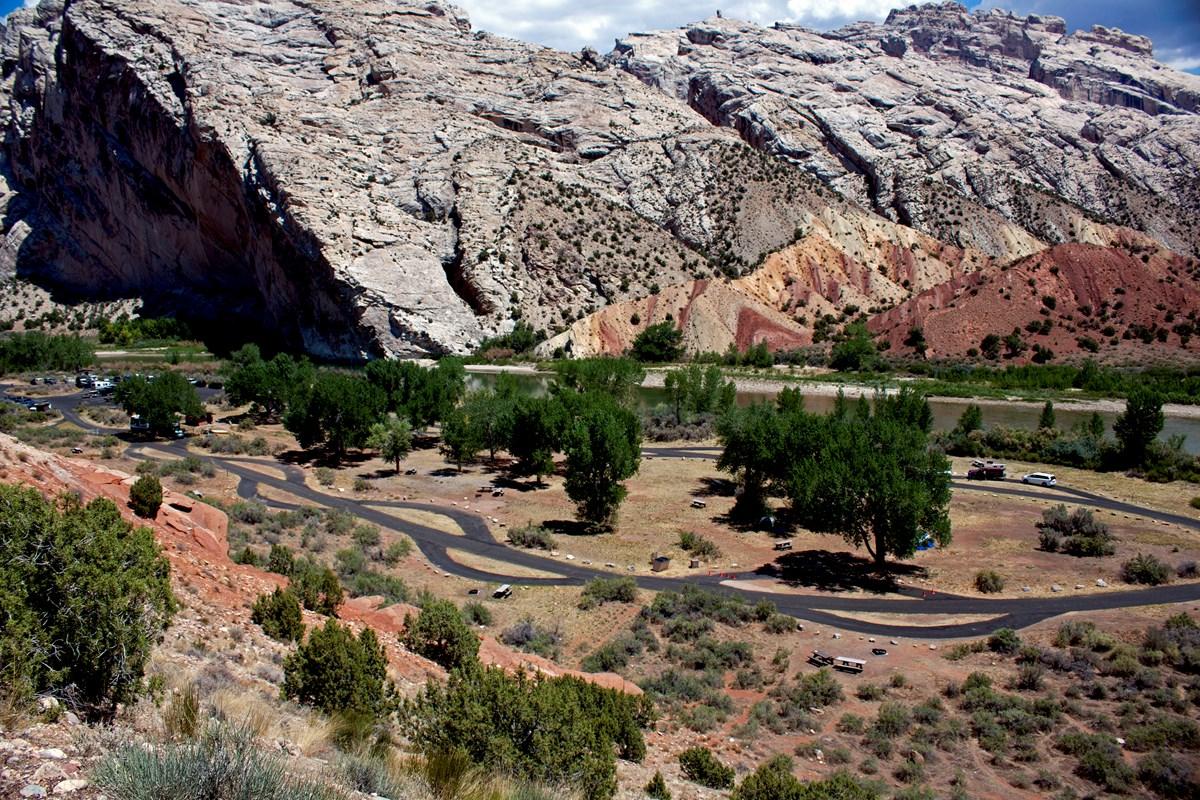 Uintah Basin
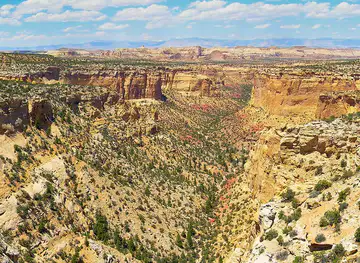
Explore Utah's Uintah Basin for dinosaur fossils, Ute heritage, red-rock canyons, river recreation and mountain landscapes around Vernal and Roosevelt.
-
-

-
-


Swipe for more regions
Explore more

Explore more of Utah
Explore Utah's stunning national parks, rich cultural heritage, and year-round outdoor adventures. Discover why this diverse state is a top destination for travelers.
Explore Utah