

Vatican Museums, Vatican City Travel Guide
Explore the Vatican Museums in Vatican City: A breathtaking collection of art, history, and culture, featuring masterpieces by Michelangelo, Raphael, and more.
The Vatican Museums, nestled in the heart of Vatican City, are a treasure trove of art, history, and culture. Established in the 16th century, these museums house an extensive collection of masterpieces amassed by the Roman Catholic Church over centuries. Visitors can marvel at breathtaking works by legendary artists such as Michelangelo, Raphael, and Caravaggio, as well as an array of ancient artifacts and religious relics. One of the most iconic highlights of the Vatican Museums is the Sistine Chapel. Adorned with Michelangelo's awe-inspiring frescoes, including the famous 'Creation of Adam,' the chapel is a must-see for any art lover. The Raphael Rooms, another major attraction, showcase the genius of Raphael through stunning frescoes that depict religious and philosophical themes. Apart from the renowned artworks, the Vatican Museums also offer unique experiences, like the Vatican Gardens and the Etruscan Museum. The gardens provide a serene escape with lush greenery and ornate fountains, while the Etruscan Museum highlights ancient history with fascinating artifacts from the Etruscan civilization. Whether you're an art aficionado, a history buff, or simply a curious traveler, the Vatican Museums promise an unforgettable journey through time and beauty.

Know before you go
Hi, I'm Eve. Here are a few practical things to know before exploring Vatican Museums.
- Book tickets online in advance to skip the long lines.
- Visit early in the morning or late in the afternoon to avoid the busiest times.
- Wear comfortable shoes as the museums are vast and require a lot of walking.
- Take a guided tour to gain deeper insights into the artworks and their history.
- Don't miss the Vatican Gardens for a peaceful break from the crowds.
Explore Vatican Museums: Things to Do, Places to Eat, Hotels & More
Handpicked recommendations for top attractions, local dining, accommodations, and more

Best attractions in Vatican Museums
Top-rated picks
Best Attractions

Trevi Fountain
Discover the magic of the Trevi Fountain, a must-see baroque masterpiece in the heart of Rome, where legends of love and return come alive.

Colosseum
Explore the grandeur of Rome at the Colosseum, a timeless symbol of history and architectural brilliance, captivating millions of visitors each year.

Pantheon
Discover the Pantheon in Rome, a breathtaking architectural marvel and historical landmark, blending ancient history with stunning artistry.

Piazza Navona
Experience the charm of Piazza Navona, Rome's iconic square filled with rich history, stunning fountains, and vibrant local culture.

Best landmarks in Vatican Museums
Top-rated picks
Best Landmarks

St. Peter's Basilica
Explore the magnificent St. Peter's Basilica in Vatican City, a masterpiece of Renaissance architecture and a symbol of the Catholic Church.

Spanish Steps
Discover the elegance and charm of the Spanish Steps, a monumental masterpiece in the heart of Rome, blending history, art, and vibrant culture.
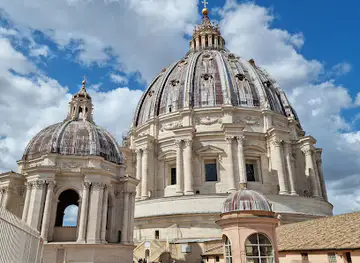
Sistine Chapel
Explore the Sistine Chapel in Vatican City, home to Michelangelo's stunning frescoes and a major historical and religious landmark.

Monument to Victor Emmanuel II
Explore the Monument to Victor Emmanuel II, an iconic symbol of Italy's unity and a breathtaking architectural marvel in the heart of Rome.

Best restaurants in Vatican Museums
Top-rated picks
Best Restaurants

Ristorante Pizzeria Castello
Experience authentic Italian flavors at Ristorante Pizzeria Castello in Rome—home of exquisite pizzas and fresh seafood.

Pastasciutta
Experience authentic Italian flavors at Pastasciutta, Rome's beloved fast food destination for pasta lovers.
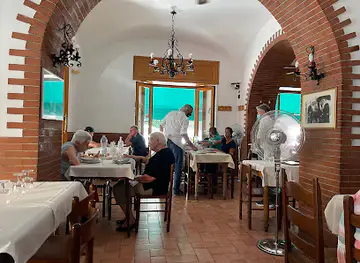
Ristorante dei Musei
Experience authentic Italian cuisine at Ristorante dei Musei in Rome—home to delicious pizzas and warm hospitality amidst historic charm.
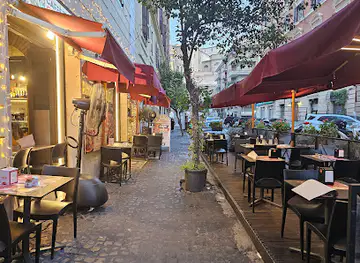
Caffè Delle Commari
Discover Caffè Delle Commari: A charming restaurant in Rome offering exquisite coffee, delightful cocktails, and authentic Italian cuisine.

Best bars in Vatican Museums
Top-rated picks
Best Bars

Caffè Delle Commari
Experience the heart of Rome at Caffè Delle Commari, where exceptional coffee and delightful cuisine meet vibrant nightlife.

Be.Re. + Trapizzino
Experience the unique flavors of trapizzino at Be.Re. + Trapizzino, a vibrant gastropub in Rome offering craft beers and delicious street food.

Wine Bar De' Penitenzieri
Discover the heart of Italian wine culture at Wine Bar De' Penitenzieri, where exquisite selections and a cozy atmosphere await in Rome.

Caffè Vaticano
Experience authentic Italian espresso culture at Caffè Vaticano, a must-visit café near the Vatican, offering delightful drinks and a vibrant atmosphere.

Best nightclubs in Vatican Museums
Top-rated picks
Best Nightclubs

The Basement - Pub. Cocktail Bar. Events
Experience the vibrant nightlife of Rome at The Basement, a pub and cocktail bar with eclectic events and a welcoming atmosphere.

Saxophone Live Pub
Discover the vibrant Saxophone Live Pub in Rome, where live music and a lively atmosphere create unforgettable nights.

Alexanderplatz Jazz Club
Immerse yourself in the enchanting world of live jazz at Alexanderplatz, Rome's iconic musical club offering unforgettable performances.

Titan Club
Discover the vibrant rhythm of Latin American nightlife at Titan Club, a premier disco and live music venue in Rome.

Best shops in Vatican Museums
Top-rated picks
Best Shops

Designer Outlet Castel Romano
Experience luxury shopping at unbeatable prices at the Designer Outlet Castel Romano, Rome's premier outlet destination for fashion and dining.

Valmontone Outlet
Discover unbeatable prices at Valmontone Outlet, Italy's top shopping destination for fashion lovers and bargain hunters alike.

RINASCENTE Rome
Explore RINASCENTE Rome: A premier shopping destination blending luxury brands and local flair in the heart of Italy's capital.

Galleria Alberto Sordi
Experience the elegance of shopping at Galleria Alberto Sordi, a historic mall in Rome featuring exquisite boutiques and delightful cafes.

Explore Vatican Museums on the Map
A handpicked selection of must-see spots in Vatican Museums, mapped for you.
Vatican Museums Essentials
-
The Vatican Museums are located in Vatican City, which is situated within the city of Rome, Italy. The nearest international airport is Leonardo da Vinci–Fiumicino Airport (FCO), approximately 30 kilometers away. From the airport, you can take a taxi, which takes around 45 minutes. Alternatively, you can take a train to Rome Termini Station and then transfer to the metro (Line A) towards Battistini, getting off at the Ottaviano-San Pietro station. The Vatican Museums are a short walk from there.
-
Public transport is the most convenient way to get to the Vatican Museums. The Rome Metro Line A stops at Ottaviano-San Pietro and Cipro stations, both within a 10-minute walk from the museums. Buses 49, 32, 81, 982, and tram 19 also stop nearby. Taxis and ride-sharing services like Uber are widely available in Rome. If you prefer to drive, there are parking facilities near the Vatican, but be prepared for limited availability and high prices.
-
The official currency in Vatican City is the Euro (EUR). Credit cards are widely accepted in the Vatican Museums, including for ticket purchases and at gift shops. There are ATMs near the entrance to the museums. It is advisable to carry some cash for small purchases or if you plan to explore nearby local shops and cafes.
-
Vatican City and the surrounding areas in Rome are generally safe for tourists. However, pickpocketing can be an issue, especially in crowded places. Be vigilant with your personal belongings and avoid displaying valuables. The areas around Termini Station and some parts of Trastevere have higher crime rates targeting tourists, so exercise caution if you visit these neighborhoods.
-
In case of emergency, dial 112 for immediate assistance. The Vatican Museums have security personnel and first aid stations. The nearest hospital is Ospedale Santo Spirito in Sassia, located in Rome, about 1.5 kilometers from Vatican City. It is advisable to have travel insurance that covers medical emergencies. Pharmacies are available near the Vatican for minor health issues.
-
Fashion: Do dress modestly. Shoulders and knees should be covered to enter religious sites. Avoid wearing shorts, sleeveless tops, and revealing clothing. Religion: Do respect the religious significance of the Vatican. Speak softly and avoid disruptive behavior. Photography is restricted in certain areas, so observe posted signs. Public Transport: Do validate your metro or bus ticket before boarding. Don’t eat or drink on public transport. Greetings: Do greet people with a polite 'Buongiorno' (Good morning) or 'Buonasera' (Good evening). A simple nod or handshake is customary. Eating & Drinking: Do try local Italian cuisine. Don’t leave a tip on the table; instead, round up the bill or leave a small amount as tipping is not obligatory but appreciated.
-
To experience the Vatican Museums like a local, consider booking a guided tour, which often includes skip-the-line access. Early mornings and late afternoons are less crowded. Download the Vatican Museums' official app for an enhanced self-guided tour experience. Nearby, explore the local markets and small restaurants in the Borgo Pio area for authentic Roman cuisine and souvenirs. Don’t miss the chance to attend a Papal Audience on Wednesdays if the Pope is in residence.
When is the best time to visit Vatican Museums?
Useful Local Phrases for Vatican Museums
You don't need to speak the language perfectly. Even learning a few simple words can make conversations warmer—and locals usually appreciate the effort.
— Eve

Here are the phrases I use most often in Vatican Museums. Try a few—you'll be surprised how far they go! 😊
❤️
-
- HelloCiao
[chow] - GoodbyeArrivederci
[ar-ree-veh-dehr-chee] - YesSì
[see] - NoNo
[noh] - Please/You're welcomePer favore/Prego
[pehr fah-voh-reh/preh-goh] - Thank youGrazie
[grah-tsyeh] - Excuse me/SorryMi scusi/Scusa
[mee skoo-zee/skoo-sah] - How are you?Come stai?
[koh-meh stai] - Fine. And you?Bene. E tu?
[beh-neh. eh too] - Do you speak English?Parla inglese?
[pahr-lah een-gleh-zeh] - I don't understandNon capisco
[nohn kah-pee-skoh]
- HelloCiao
-
- I'd like to see the menu, pleaseVorrei vedere il menu, per favore
[vohr-ray veh-deh-reh eel meh-noo, pehr fah-voh-reh] - I don't eat meatNon mangio carne
[nohn mahn-joh kahr-neh] - Cheers!Salute!
[sah-loo-teh] - I would like to pay, pleaseVorrei pagare, per favore
[vohr-ray pah-gah-reh, pehr fah-voh-reh]
- I'd like to see the menu, pleaseVorrei vedere il menu, per favore
-
- Help!Aiuto!
[ah-yoo-toh] - Go away!Vai via!
[vah-ee vee-ah] - Call the Police!Chiama la polizia!
[kee-ah-mah lah poh-lee-tsyah] - Call a doctor!Chiama un dottore!
[kee-ah-mah oon doh-toh-reh] - I'm lostMi sono perso
[mee soh-no pehr-soh] - I'm illMi sento male
[mee sehn-toh mah-leh]
- Help!Aiuto!
-
- I'd like to buy...Vorrei comprare...
[vohr-ray kohm-prah-reh] - I'm just lookingSto solo guardando
[stoh soh-loh gwar-dahn-doh] - How much is it?Quanto costa?
[kwahn-toh koh-stah] - That's too expensiveÈ troppo caro
[eh troh-po kah-roh] - Can you lower the price?Può abbassare il prezzo?
[pwoh ab-bah-sah-reh eel preh-tsoh]
- I'd like to buy...Vorrei comprare...
-
- What time is it?Che ora è?
[keh ohr-ah eh] - It's one o'clockÈ l'una
[eh loo-nah] - Half past (10)Sono le dieci e mezza
[soh-no leh dyeh-chee eh meh-tzah] - MorningMattina
[mah-ttee-nah] - AfternoonPomeriggio
[poh-meh-ree-joh] - EveningSera
[seh-rah] - YesterdayIeri
[yeh-ree] - TodayOggi
[oh-jee] - TomorrowDomani
[doh-mah-nee] - 1Uno
[oo-noh] - 2Due
[doo-eh] - 3Tre
[treh] - 4Quattro
[kwah-troh] - 5Cinque
[cheen-kweh] - 6Sei
[say] - 7Sette
[seh-tteh] - 8Otto
[oh-ttoh] - 9Nove
[noh-veh] - 10Dieci
[dyeh-chee]
- What time is it?Che ora è?
-
- Where's a/the...?Dove si trova...?
[doh-veh see troh-vah] - What's the address?Qual è l'indirizzo?
[kwahl eh leen-dee-reet-tsoh] - Can you show me (on the map)?Puoi mostrarmi (sulla mappa)?
[pwoh-ee mohs-trar-mee (sool-lah mahp-pah)] - When's the next (bus)?Quando passa il prossimo (autobus)?
[kwahn-doh pah-ssah eel prohs-see-moh (ow-toh-boos)] - A ticket (to ....)Un biglietto (per ....)
[oon bee-lyet-toh (pehr)]
- Where's a/the...?Dove si trova...?
History of Vatican Museums
-
The Vatican Museums trace their origins back to 1506 when Pope Julius II established the first collection. The nucleus of the collection was the discovery of the Laocoön statue, an ancient Roman sculpture, which set the foundation for the extensive collections of art and artifacts that would follow.
-
Throughout the 16th and 17th centuries, successive popes expanded the collection, adding numerous works of art and antiquities. Notable contributions came from Pope Clement XIV and Pope Pius VI, who established the Pio-Clementine Museum in the late 1700s, specifically focusing on classical sculpture.
-
During the Renaissance and Baroque periods, the Vatican Museums benefited from the patronage of influential popes and the talents of renowned artists such as Michelangelo and Raphael. Michelangelo's Sistine Chapel ceiling and Raphael's Rooms (Stanze di Raffaello) are prime examples of this era's artistic achievements.
-
The 19th century saw significant growth in the museums' collections, particularly under Pope Gregory XVI, who founded the Etruscan Museum in 1837 and the Egyptian Museum in 1839. These new sections enriched the diversity of the collections, showcasing artifacts from ancient civilizations.
-
In the 20th century, the Vatican Museums underwent modernization and expansion to accommodate the increasing number of visitors and new acquisitions. Notable developments include the opening of the Vatican Pinacoteca in 1932, housing a vast collection of paintings, and the establishment of the Ethnological Museum in 1926.
-
One of the most significant events in the recent history of the Vatican Museums was the restoration of Michelangelo's Sistine Chapel frescoes, completed between 1980 and 1994. This meticulous project revealed the original vibrant colors and details of Michelangelo's masterpiece, attracting global attention.
-
The Vatican Museums have continued to evolve in the 21st century, embracing technology to enhance the visitor experience. Virtual tours, digital archives, and interactive exhibits have been introduced, making the vast collections more accessible to a global audience.


Cities near Vatican Museums
The closest cities to Vatican Museums, if you have time for more than one stop.


Your all‑in‑one travel companion app
Explore expert travel guides, compare and book tours, experiences, hotels, and more—all from the palm of your hand. Download now for seamless trip planning wherever your wanderlust takes you.


Vatican Museums in Photos
Browse through our photo collection highlighting the charm and character of the destination.


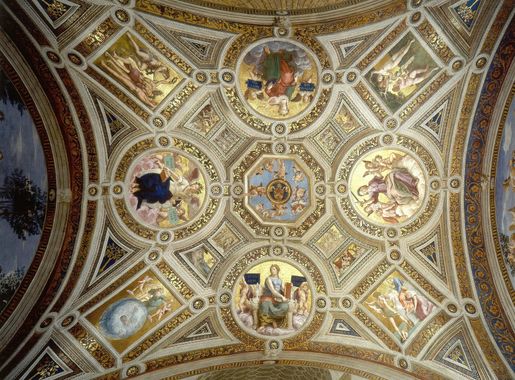


The Timeless Wonders of the Vatican Museums
The Vatican Museums, nestled in the heart of Vatican City, are a treasure trove of art, history, and culture. Established in the 16th century, these museums house an extensive collection of masterpieces amassed by the Roman Catholic Church over centuries. Visitors can marvel at breathtaking works by legendary artists such as Michelangelo, Raphael, and Caravaggio, as well as an array of ancient artifacts and religious relics. One of the most iconic highlights of the Vatican Museums is the Sistine Chapel. Adorned with Michelangelo's awe-inspiring frescoes, including the famous 'Creation of Adam,' the chapel is a must-see for any art lover. The Raphael Rooms, another major attraction, showcase the genius of Raphael through stunning frescoes that depict religious and philosophical themes. Apart from the renowned artworks, the Vatican Museums also offer unique experiences, like the Vatican Gardens and the Etruscan Museum. The gardens provide a serene escape with lush greenery and ornate fountains, while the Etruscan Museum highlights ancient history with fascinating artifacts from the Etruscan civilization. Whether you're an art aficionado, a history buff, or simply a curious traveler, the Vatican Museums promise an unforgettable journey through time and beauty.
Explore More of Passetto di Borgo

Looking beyond Vatican Museums? Discover Passetto di Borgo for broader travel guides, local hot-spots, and regional highlights.
Explore Passetto di BorgoExplore More of Vatican City
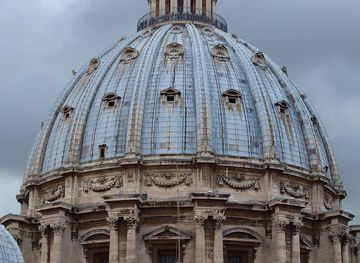
Looking beyond Vatican Museums? Discover Vatican City for broader travel guides, local hot-spots, and regional highlights.
Explore Vatican City