

Free Northern Virginia Travel Guide & Mobile App
Explore Northern Virginia with free travel guides. Discover regional history, expert tips, proposed trips, and audio guides on web or mobile app.


Explore Northern Virginia for historic Alexandria, Civil War sites, Potomac landscapes, diverse dining and the vineyards and farms of Loudoun County.
Read more about Northern Virginia
Getting to and around Northern Virginia
How to get there
Transportation
Top city travel guides in Northern Virginia
The cities of Northern Virginia, and the easiest places to base yourself.
-
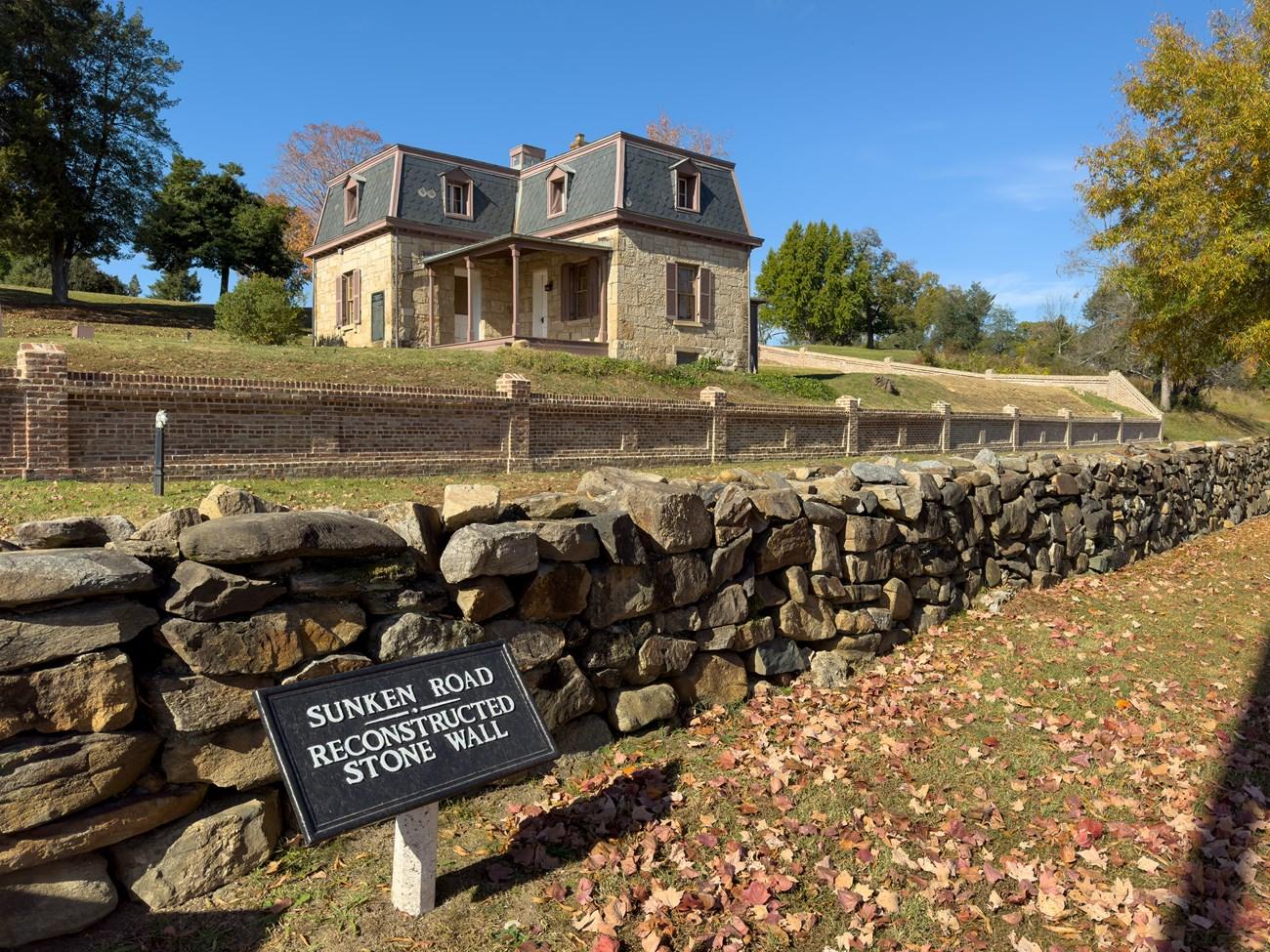 Fredericksburg
Discover Fredericksburg, Virginia: A historic gem with charming streets, vibrant arts, delicious cuisine, and natural beauty, perfect for history buffs, foodies, and nature lovers.
-


Swipe for more cities
Destinations in Northern Virginia
Resorts, valleys and scenic spots worth a trip of their own.

Swipe for more destinations
Best attractions in Northern Virginia
Northern Virginia’s attractions range from urban history to protected countryside. Old Town Alexandria provides a walkable concentration of eighteenth- and nineteenth-century streets, museums, churches and waterfront architecture, while Arlington National Cemetery and the nearby Pentagon memorial landscape offer a more solemn encounter with national history. George Washington’s Mount Vernon, on the Potomac in Fairfax County, interprets plantation life, the early republic and the people who lived and worked on the estate. In Fairfax, the Steven F. Udvar-Hazy Center displays major aircraft and spacecraft in large hangars near Dulles, complementing the Smithsonian’s aviation collections in Washington, DC, which is outside the region. Great Falls Park presents the Potomac at its most forceful, with viewpoints and trails, while Meadowlark Botanical Gardens offers cultivated landscapes and seasonal planting. Manassas National Battlefield Park and Ball’s Bluff Battlefield Regional Park combine walking with Civil War interpretation. Western Loudoun adds vineyards, breweries, horse country and rural roads, and the W&OD Trail links several settled and rural districts for cycling and walking.
-
Park
National Mall
Explore the National Mall in Washington, DC—a stunning park filled with iconic monuments, memorials, and museums that celebrate American history.
-
Zoo
Smithsonian National Zoological Park
Discover the Smithsonian National Zoological Park, a must-visit destination in Washington, D.C., where wildlife conservation meets family fun.
-
Memorial park
World War II Memorial
Explore the World War II Memorial in Washington, D.C.: a tribute to sacrifice and valor with stunning fountains and a serene atmosphere.
-
Monument
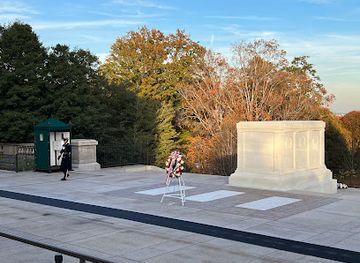
The Tomb of the Unknown Soldier
Explore the Tomb of the Unknown Soldier in Arlington National Cemetery, a solemn tribute to the valor of unidentified soldiers and a symbol of national honor.


Best landmarks in Northern Virginia
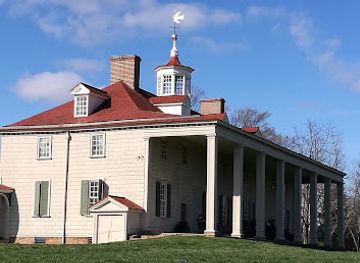
The region’s best-known landmarks reveal its proximity to the American capital while retaining distinct local histories. Arlington National Cemetery occupies a prominent hillside above the Potomac and contains the Tomb of the Unknown Soldier, the Arlington House estate and numerous memorials; it is a working national cemetery as well as a historic site. Alexandria’s Old Town waterfront and its grid of brick streets form one of Northern Virginia’s most recognisable built landscapes, with the Carlyle House and Christ Church among the notable survivals of earlier periods. George Washington’s Mount Vernon is a major Potomac landmark, its mansion and grounds presenting the public image and complicated plantation context of the first US president. Great Falls, where the Potomac breaks through a rocky gorge, is the region’s principal natural landmark. In western Loudoun, the Blue Ridge foothills and historic villages around Middleburg create a rural landscape distinct from the inner suburbs, while Manassas National Battlefield Park preserves open ground associated with two decisive Civil War battles. The Washington Aqueduct and historic canal and river infrastructure further demonstrate how water shaped the capital region’s growth.
-
Historical landmark
George Washington's Mount Vernon
Explore the historic estate of George Washington, where adventure meets education in a beautiful riverside setting.
-
Battle site
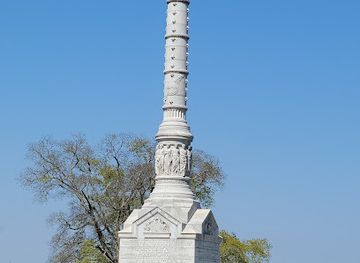
Yorktown Battlefield
Discover the historic Yorktown Battlefield, the site of the last major battle of the American Revolutionary War, blending rich history with beautiful landscapes.
-
Memorial park
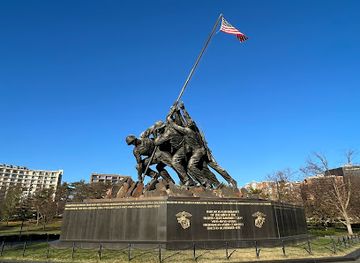
US Marine Corps War Memorial
Discover the US Marine Corps War Memorial, a powerful tribute to the bravery and sacrifice of U.S. Marines, set in the heart of Arlington, Virginia.
-
National reserve
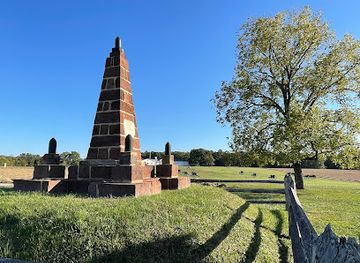
Manassas National Battlefield Park
Uncover the deep historical significance of the American Civil War at Manassas National Battlefield Park, a stunning natural reserve in Virginia.
Explore Northern Virginia on the map
Plan your trip on one map. See where the top cities, national parks and sights are, and book hotels and experiences in a few clicks.
Best hotels in Northern Virginia
Best restaurants in Northern Virginia
Northern Virginia’s dining scene reflects its position in the Washington metropolitan region and the international character of its population. Alexandria and Arlington offer dense concentrations of restaurants, cafés, bakeries and bars, with cuisines from across the Middle East, South and East Asia, Latin America, Africa and Europe alongside American cooking. Fairfax County is particularly noted for a broad pan-Asian and Korean dining presence, while the Tysons, Falls Church and Annandale areas provide varied suburban food corridors rather than a single traditional centre. Local produce appears at farmers’ markets and in seasonal menus, and Loudoun’s farms and vineyards support tasting rooms, rural restaurants and brewery kitchens. Virginia wines, cider, craft beer, Chesapeake-influenced seafood and regional specialities such as crab-based dishes can be found, though they belong to wider Virginia and Mid-Atlantic food traditions rather than Northern Virginia alone. Reservations are useful for well-known restaurants and winery dining, while historic town centres offer a more relaxed choice of independent cafés, pubs and bakeries.
-
American
Virtue Feed & Grain
Discover exceptional American cuisine at Virtue Feed & Grain in Alexandria - where local ingredients meet vibrant flavors in a historic setting.
-
Seafood
Chart House
Experience fine seafood dining at Chart House in Alexandria with breathtaking waterfront views and an exquisite menu that delights every palate.
-
Seafood
Coastal Flats
Discover Coastal Flats in Fairfax, VA – where fresh seafood meets vibrant atmosphere for an unforgettable dining experience.
-
Steak
Texas de Brazil - Fairfax
Experience authentic Brazilian steakhouse dining at Texas de Brazil - Fairfax with exceptional service and delicious grilled meats.


Best bars in Northern Virginia
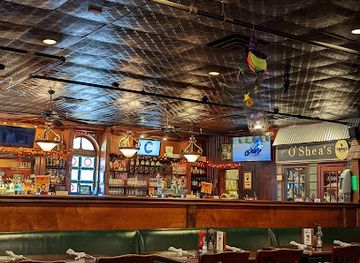
Evening life is strongest in Arlington, Alexandria and the denser parts of Fairfax County. Clarendon, Ballston, Rosslyn, Shirlington and parts of Old Town Alexandria contain bars, pubs, restaurants and live-music venues, while Tysons and Reston provide further options in large commercial districts. Alexandria’s historic buildings give some drinking venues an older architectural setting, although the local scene is contemporary rather than a preserved colonial tradition. Northern Virginia also has breweries, cideries, distilleries and winery tasting rooms, especially in Loudoun, where evenings are more likely to centre on food, conversation and occasional live music than on nightclubs. Manassas and Leesburg provide smaller-town pub and restaurant scenes. Closing times, age checks, transport availability and admission arrangements vary, so visitors should plan a safe journey back, particularly after visiting rural producers or venues outside rail corridors.
-
Irish pub
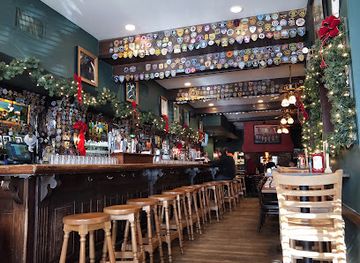
Murphy's Grand Irish Pub
Experience authentic Irish cuisine and warm hospitality at Murphy's Grand Irish Pub in the heart of Alexandria's historic district.
-
American
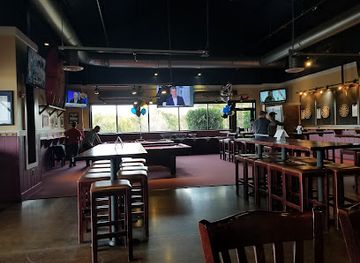
The Bungalow Lakehouse
Discover The Bungalow Lakehouse, where American cuisine meets lakeside tranquility and vibrant sports bar vibes in Sterling, Virginia.
-
Irish pub
The Auld Shebeen
Discover The Auld Shebeen, an authentic Irish pub in Fairfax, VA, offering traditional dishes, live music, and a welcoming atmosphere.
-
American
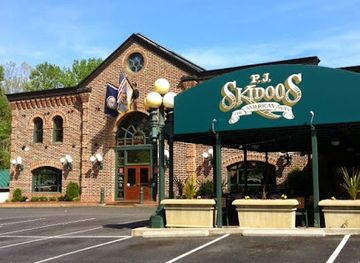
P.J. Skidoos
Experience the flavors of America at P.J. Skidoos, a vibrant restaurant in Fairfax known for its delicious dishes and inviting atmosphere.
Best nightclubs in Northern Virginia
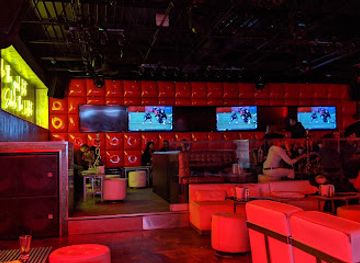
Evening life is strongest in Arlington, Alexandria and the denser parts of Fairfax County. Clarendon, Ballston, Rosslyn, Shirlington and parts of Old Town Alexandria contain bars, pubs, restaurants and live-music venues, while Tysons and Reston provide further options in large commercial districts. Alexandria’s historic buildings give some drinking venues an older architectural setting, although the local scene is contemporary rather than a preserved colonial tradition. Northern Virginia also has breweries, cideries, distilleries and winery tasting rooms, especially in Loudoun, where evenings are more likely to centre on food, conversation and occasional live music than on nightclubs. Manassas and Leesburg provide smaller-town pub and restaurant scenes. Closing times, age checks, transport availability and admission arrangements vary, so visitors should plan a safe journey back, particularly after visiting rural producers or venues outside rail corridors.
-
Grill
Bar Louie - Stonebridge
Experience the vibrant atmosphere of Bar Louie - Stonebridge, where delicious American cuisine meets crafted cocktails in a lively gastropub setting.
-
Gay bar
Freddie's Beach Bar & Restaurant
Experience the vibrant culture and delicious American cuisine at Freddie's Beach Bar & Restaurant, a welcoming LGBTQ+ hotspot in Arlington, Virginia.
-
Pool hall
Breakers Sky Lounge
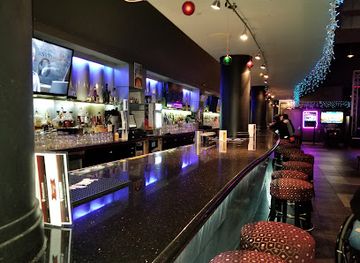
Experience vibrant nightlife, delicious food, and engaging entertainment at Breakers Sky Lounge in Herndon, Virginia.
-
Lounge
Darna
Experience the vibrant atmosphere of Darna Lounge in Arlington, offering delicious cuisine, refreshing beverages, and an extensive hookah selection.


Best shops in Northern Virginia
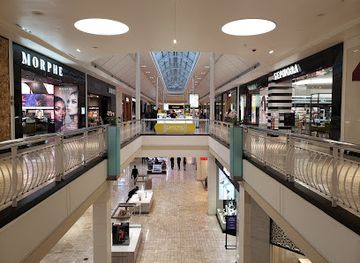
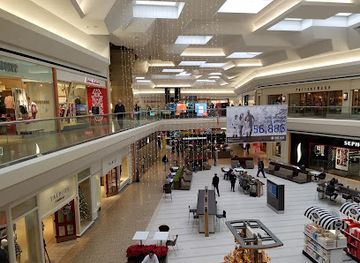
Shopping varies from historic main streets to large metropolitan retail districts and rural producer outlets. Old Town Alexandria is the most concentrated pedestrian shopping area, with independent boutiques, galleries, bookshops, jewellers, homeware stores and food businesses in historic buildings. Arlington’s neighbourhood centres, including Clarendon and Ballston, combine national retailers with restaurants and smaller specialist shops, while Tysons is the region’s principal large-scale fashion and department-store destination. Fairfax, Falls Church, Annandale and Centreville reflect Northern Virginia’s international population through specialist grocers, bakeries and restaurants. Leesburg’s historic centre offers independent retail and antiques, with larger commercial shopping nearby, while Middleburg is associated with equestrian goods, galleries and country-oriented shops. Farmers’ markets across the region are useful for Virginia produce, baked goods, cider and locally made foods; Loudoun’s farms and wineries provide additional opportunities to buy regional products. Check seasonal market schedules, since many operate weekly or at limited times rather than every day.
-
Shopping mall
Tysons Corner Center
Experience the ultimate shopping and dining adventure at Tysons Corner Center, Virginia's premier shopping destination with diverse options for all tastes.
-
Shopping mall
Fashion Centre at Pentagon City
Explore a shopping haven at the Fashion Centre at Pentagon City, featuring over 170 stores and diverse dining options in Arlington, VA.
-
Shopping mall
Fair Oaks Mall
Explore Fair Oaks Mall: A shopper's paradise in Fairfax, VA with diverse retail, dining, and entertainment options for all visitors.
-
Shopping mall
Mosaic District
Mosaic District: A vibrant mix of shopping, dining, and entertainment in Fairfax, Virginia, perfect for every visitor's taste.

Get your free copy of our complete guide to Northern Virginia, delivered straight to you.
Everything on this page, from attractions and restaurants to essentials and local phrases, in one PDF you can read offline, print or share.
Already have an account? Sign in
Your Northern Virginia guide is ready.
We'll send it to · Not you? Sign out

Getting your guide ready…
We are putting together a fresh copy of the Northern Virginia guide. This can take up to a minute.
This can take a few moments. If your browser asks, choose Allow so the download can start. You'll find the guide in your Downloads folder.
Nothing happened? Download it again
Sorry, the guide is taking longer than usual. Please try again in a minute, or get it by email instead.
Northern Virginia essentials
Currency and Payment
Safety
Emergency Situations
Do's and Don'ts
Local Tips
From Eve
Local phrases worth knowing
You don't need to get them perfect. A few words go a long way, and locals appreciate the effort.
Basics
| English | Local | Say it |
|---|---|---|
| Hello | Hey | [hey] |
| Goodbye | See you later | [see you lay-ter] |
| Yes | Yeah | [yeh] |
| No | Nope | [nohp] |
| Please/You're welcome | Sure thing | [shur thing] |
| Thank you | Thanks | [thangs] |
| Excuse me/Sorry | Sorry about that | [sor-ree about that] |
| How are you? | How's it going? | [how's it goin?] |
| Fine. And you? | Good. You? | [gud. You?] |
| Do you speak English? | Do you speak English? | [do you speak ing-glish?] |
| I don't understand | I don't get it | [I don't get it] |
Eating & Drinking
| English | Local | Say it |
|---|---|---|
| I'd like to see the menu, please | Can I see the menu? | [can I see the menu?] |
| I don't eat meat | I'm vegetarian | [I'm vedg-tair-ee-an] |
| Cheers! | Cheers! | [cheers] |
| I would like to pay, please | Can I get the check, please? | [can I get the check, please?] |
Emergencies
| English | Local | Say it |
|---|---|---|
| Help! | Help! | [help] |
| Go away! | Leave me alone! | [leave me a-lone] |
| Call the Police! | Call 911! | [call nine-one-one] |
| Call a doctor! | Get a doctor! | [get a doctor] |
| I'm lost | I'm kinda lost | [I'm kinda lost] |
| I'm ill | I'm not feeling well | [I'm not feelin well] |
Shopping
| English | Local | Say it |
|---|---|---|
| I'd like to buy... | I'm looking to buy... | [I'm lookin to buy...] |
| I'm just looking | Just browsing | [just browsin] |
| How much is it? | What’s the price? | [what's the price?] |
| That's too expensive | That's a bit pricey | [that's a bit pry-see] |
| Can you lower the price? | Can you give me a better deal? | [can you give me a better deal?] |
Time & Numbers
| English | Local | Say it |
|---|---|---|
| What time is it? | What time is it? | [what time is it?] |
| It's one o'clock | It's one | [it's one] |
| Half past (10) | Half past ten | [half past ten] |
| Morning | Morning | [morning] |
| Afternoon | Afternoon | [afternoon] |
| Evening | Evening | [evening] |
| Yesterday | Yesterday | [yesterday] |
| Today | Today | [today] |
| Tomorrow | Tomorrow | [tomorrow] |
| 1 | One | [one] |
| 2 | Two | [two] |
| 3 | Three | [three] |
| 4 | Four | [four] |
| 5 | Five | [five] |
| 6 | Six | [six] |
| 7 | Seven | [seven] |
| 8 | Eight | [eight] |
| 9 | Nine | [nine] |
| 10 | Ten | [ten] |
Transport & Directions
| English | Local | Say it |
|---|---|---|
| Where's a/the...? | Where’s the...? | [where's the...?] |
| What's the address? | What's the address? | [what's the address?] |
| Can you show me (on the map)? | Can you point it out? | [can you point it out?] |
| When's the next (bus)? | When's the next bus? | [when's the next bus?] |
| A ticket (to ....) | A ticket to...? | [a ticket to...?] |
History of Northern Virginia
Indigenous Lands and the Potomac Frontier
Long before European settlement, the Potomac valley and the uplands of present-day Northern Virginia were inhabited and used by Indigenous peoples, including communities associated with the Powhatan world and other regional groups. Rivers, forests and fertile terraces supported travel, fishing, hunting and agriculture. European colonisation altered land ownership, settlement patterns and political authority, but Indigenous geography remains visible in many local names and in the enduring importance of the Potomac and its tributaries. The region’s later roads, plantations and towns developed along routes that had already connected the river, falls and interior.
Colonial Ports, Plantations and Roads
Alexandria was established in the eighteenth century as a Potomac port, linking agricultural hinterlands with Atlantic commerce. Tobacco, wheat and other products moved through the port, while roads connected plantations, ferries and market centres across what is now Arlington, Fairfax and Loudoun. Historic houses, churches, courthouses and town plans preserve aspects of this period, although they must also be understood through the history of enslaved labour that underpinned much of colonial and early American prosperity. Leesburg, founded in 1758, became an important county seat and commercial centre in the western part of the region.
The Early Republic and the Federal Capital
Northern Virginia’s position beside the new federal capital shaped its development after American independence. The Potomac supplied transport, while roads and turnpikes connected Alexandria and inland settlements with Washington and the wider Chesapeake economy. George Washington’s Mount Vernon, in the region’s southern part, reflects the plantation world of the early republic, including the lives and labour of the people he enslaved. Alexandria was incorporated into the District of Columbia for part of the nineteenth century before being retroceded to Virginia in 1846, a political change that remains important to the city’s historical identity.
Civil War in the Capital’s Hinterland
Northern Virginia became a major military landscape during the American Civil War because it surrounded Washington, DC, and contained roads, railways and river crossings of strategic value. The First and Second Battles of Manassas, fought in 1861 and 1862, demonstrated the war’s scale and helped establish the area as a principal theatre. Fortifications were built around Washington, many centred in present-day Arlington and Fairfax. Sites such as Manassas National Battlefield Park, Ball’s Bluff Battlefield Regional Park and surviving forts preserve parts of this history, alongside difficult stories of occupation, emancipation, displacement and civilian disruption.
Railways, Suburban Growth and the Automobile
Railways helped turn Northern Virginia’s towns and rural stations into increasingly connected communities during the nineteenth and early twentieth centuries. Alexandria and Manassas retained important rail roles, while electric streetcars and later roads encouraged suburban growth closer to Washington. After the Second World War, highways, federal employment and defence-related development accelerated the transformation of Arlington, Fairfax and Prince William. Farms and older villages were surrounded by subdivisions, shopping areas and office corridors. The resulting landscape explains why historic buildings, modern business centres and protected open spaces often stand within short distances of one another.
The Capital Region’s Modern Economic Transformation
From the late twentieth century, Northern Virginia became one of the most important centres of government contracting, technology, telecommunications and international business in the United States. Development around Tysons, Reston, Crystal City and the Dulles corridor reshaped employment and transport, while the arrival of Metrorail extensions encouraged denser urban districts in places once dominated by roads and parking. The region’s population has become highly diverse, with communities from across the United States and the world contributing to its languages, restaurants, businesses and cultural institutions. Its modern identity is therefore metropolitan, economically influential and locally varied.
Northern Virginia in Photos
Browse through our photo collection highlighting the charm and character of the destination.
Neighbouring regions of Northern Virginia
The closest regions to Northern Virginia, if you have time for more than one.
-

-

-

-

-


Swipe for more regions
Explore more

Explore more of Virginia
Discover Virginia: A blend of historic landmarks, natural beauty, and vibrant culture perfect for history buffs, nature lovers, and culture seekers.
Explore Virginia