

Free Southwest Virginia Travel Guide & Mobile App
Explore Southwest Virginia with free travel guides. Discover regional history, expert tips, proposed trips, and audio guides on web or mobile app.


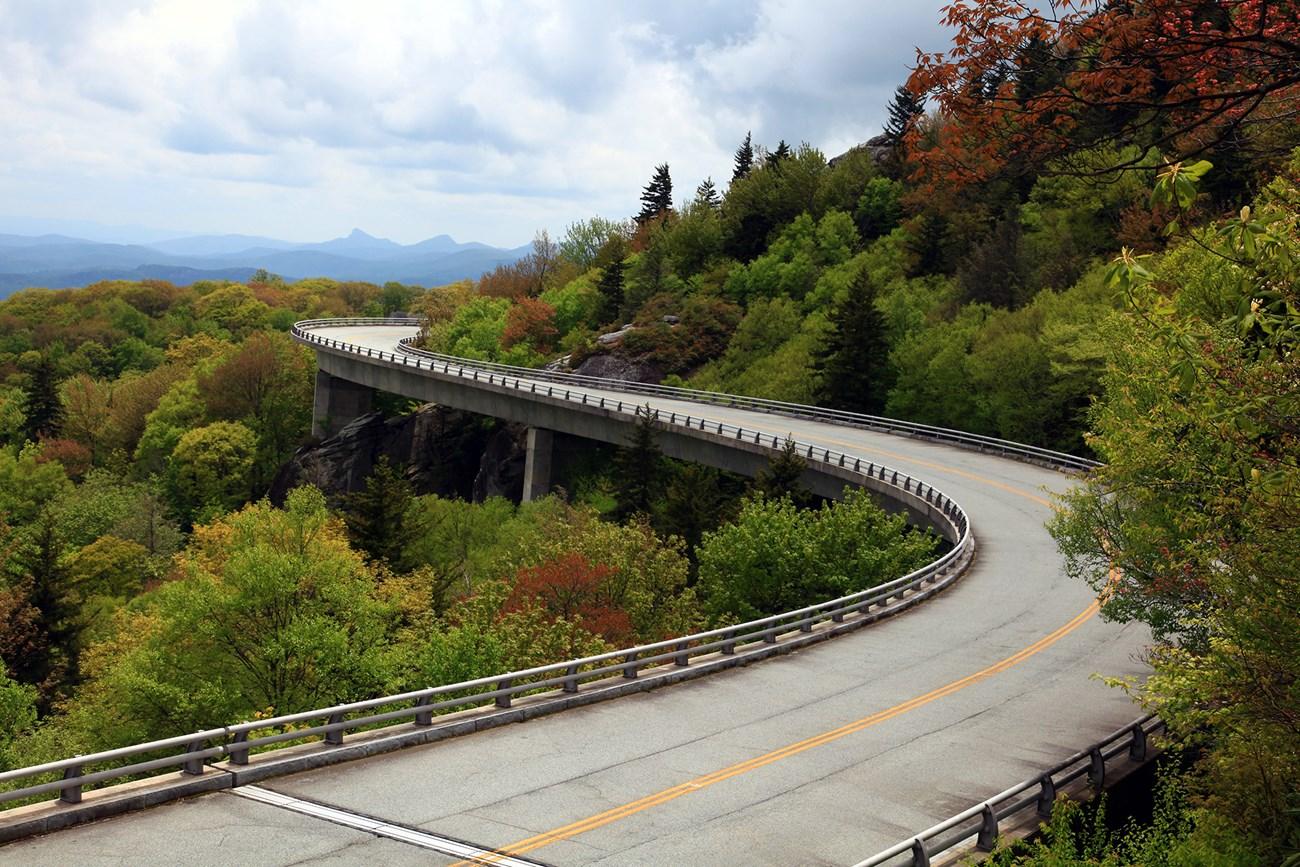


Southwest Virginia combines Appalachian mountain scenery, country music heritage, historic trails, rivers and small-town culture across the Commonwealth's western highlands.
Getting to and around Southwest Virginia
How to get there
Transportation
Top city travel guides in Southwest Virginia
The cities of Southwest Virginia, and the easiest places to base yourself.
-

-
-


Swipe for more cities
Destinations in Southwest Virginia
Resorts, valleys and scenic spots worth a trip of their own.
-

-


Swipe for more destinations
Best attractions in Southwest Virginia
Southwest Virginia's attractions are spread across mountain landscapes, historic towns and former industrial districts. In the high country, Mount Rogers National Recreation Area and Grayson Highlands offer hiking, camping, wildlife viewing and broad views across open ridges; the Appalachian Trail passes through this elevated landscape. Natural Tunnel State Park combines walking, scenic viewpoints and a railway tunnel formed through limestone. Breaks Interstate Park, on the Virginia-Kentucky border, protects the deep gorge of the Russell Fork River, while New River Trail State Park follows a former railway corridor through river country. The Virginia Creeper Trail links Abingdon with the highlands near Whitetop and is particularly associated with cycling and walking. Cultural attractions include the Birthplace of Country Music Museum in Bristol, the Barter Theatre in Abingdon, the Carter Family Fold near Hiltons and the Ralph Stanley Museum in Clintwood. Wilderness Road State Park and the Historic Crab Orchard Museum interpret migration, settlement and local heritage. Together these places offer a mixture of outdoor recreation, Appalachian music, transport history, living craft traditions and community storytelling rather than a concentrated circuit of urban museums.
-
Museum
Steven F. Udvar-Hazy Center
Explore the Steven F. Udvar-Hazy Center, a premier museum showcasing space history, iconic aircraft, and interactive exhibits for all ages.
-
 National park
Shenandoah National Park
Discover the natural beauty of Shenandoah National Park in Virginia, a perfect blend of adventure, wildlife, and stunning mountain vistas.
-
Park
Maymont
Experience the beauty of Maymont, a stunning park in Richmond, VA, featuring gardens, wildlife, and historical architecture for a perfect day of exploration.
-
State park
Natural Bridge State Park
Discover the natural beauty and historical significance of Natural Bridge State Park, a stunning landmark in Virginia's wilderness.

Best landmarks in Southwest Virginia
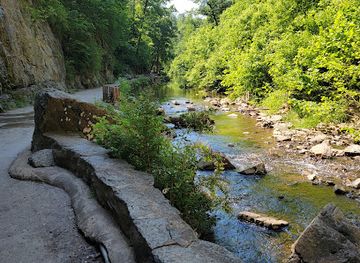
Mount Rogers is Southwest Virginia's defining natural landmark and the highest point in the Commonwealth, rising above a landscape of spruce-fir forest, open balds and high meadows. Nearby Grayson Highlands is recognised for its granite formations, extensive views and free-roaming ponies. Farther west, the enormous natural passage at Natural Tunnel is both a geological landmark and a reminder of the railway engineering that opened the mountains to commerce. Breaks Canyon, carved by the Russell Fork along the Virginia-Kentucky boundary, is one of the region's most dramatic landforms. Bristol's State Street is a civic and cultural landmark because the Virginia-Tennessee line runs through its centre, giving the twin city an unusually visible interstate identity. In Abingdon, the historic core and the Barter Theatre express the town's long-standing role as a regional cultural centre. The Virginia Creeper Trail and New River Trail are linear landmarks of transport history: their paths follow former railway corridors now reinterpreted as public recreation routes. In the western coalfields, rail grades, company-town remnants and mining landscapes reveal the industrial forces that shaped modern Southwest Virginia.
-
Historical landmark
George Washington's Mount Vernon
Experience the historic allure of George Washington's Mount Vernon, where history, culture, and scenic beauty come together in a remarkable journey.
-
Historical landmark
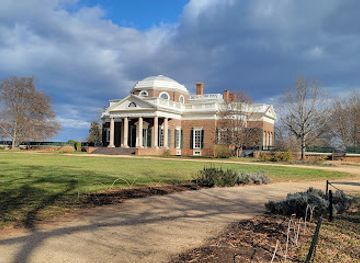
Monticello
Explore Monticello, the historic estate of Thomas Jefferson, a UNESCO World Heritage site that captures the essence of American history and architecture.
-
History museum
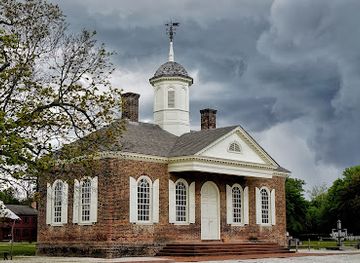
Colonial Williamsburg
Explore the rich history of America at Colonial Williamsburg, a living museum showcasing life in the 18th century with engaging reenactments and interactive experiences.
-
History museum
Jamestown Settlement
Discover the rich history of America's first settlement at Jamestown Settlement, a captivating living-history museum in Virginia.

Explore Southwest Virginia on the map
Plan your trip on one map. See where the top cities, national parks and sights are, and book hotels and experiences in a few clicks.
Best hotels in Southwest Virginia
Best restaurants in Southwest Virginia
Dining in Southwest Virginia reflects Appalachian foodways as well as the region's contemporary small-town economy. Independent restaurants, cafés and traditional diners commonly draw on biscuits, country ham, beans, greens, trout, fried chicken, barbecue and seasonal vegetables, while bakeries and farm stands provide local interpretations of breads, pies and other home-style foods. Bristol, Abingdon, Galax, Wytheville and Marion offer the broadest choice of cafés, breweries and sit-down restaurants, whereas smaller mountain communities are more likely to centre on family-run eateries, country stores and rural inns. Farmers' markets and roadside producers provide opportunities to find apples, preserves, honey and other regional goods when in season. Menus differ across the region: river and mountain districts may highlight trout and produce, while the coalfield counties retain a strong tradition of filling, practical cooking associated with working communities. Tipping is generally expected in American table-service restaurants, and diners should check whether small venues accept cards before ordering.
-
Steak
The Great 611 Steak Company
Experience mouthwatering steaks and exceptional service at The Great 611 Steak Company in Roanoke, Virginia - a haven for food lovers.
-
Breakfast
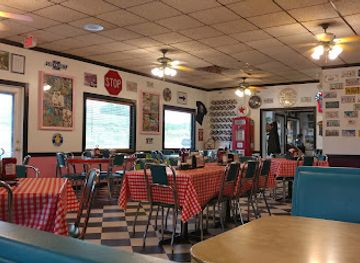
The Pink Cadillac Diner
Experience nostalgia and delicious breakfasts at The Pink Cadillac Diner in Natural Bridge, Virginia - where every meal is a classic.
-
American
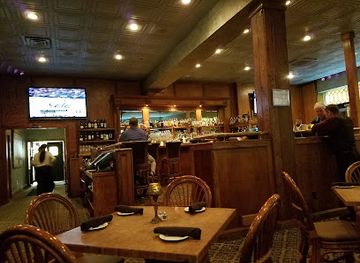
BILLY’S
Experience the best of traditional American cuisine at Billy's in Downtown Roanoke – where every meal is a celebration!
-
Breakfast
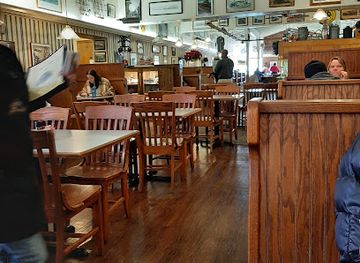
Scratch Biscuit Company
Experience the warmth of Southern hospitality with homemade biscuits at Scratch Biscuit Company in Roanoke, VA.

Best bars in Southwest Virginia
Nightlife in Southwest Virginia is generally social and community-based rather than centred on large club districts. Bristol has the region's most concentrated evening scene, with restaurants, pubs, breweries and live-music settings around its historic downtown and state-line centre. Abingdon adds theatre performances, wine and cocktail options and relaxed restaurants, while Galax and Marion are important for traditional music and occasional live events. Across the coalfield towns, evening entertainment is more likely to involve local bars, restaurants, community venues or performances than late-night dance clubs. Music remains a central part of the region's night-time culture, ranging from old-time and bluegrass to gospel, country and contemporary acts. Schedules are seasonal and change frequently, so confirm performances and transport arrangements before setting out. In rural areas, distances between venues can be considerable, and visitors should arrange a sober driver or other safe transport rather than relying on late public services.
-
Bar
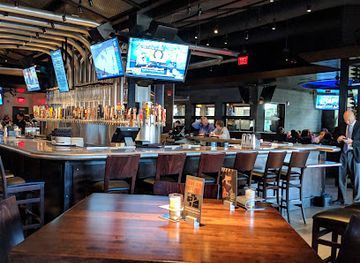
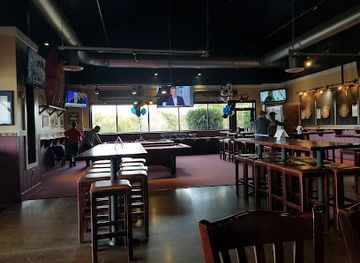
Yard House
Discover Yard House in Springfield, a vibrant gastropub offering an extensive menu of New American cuisine and a vast selection of craft beers.
-
Restaurant
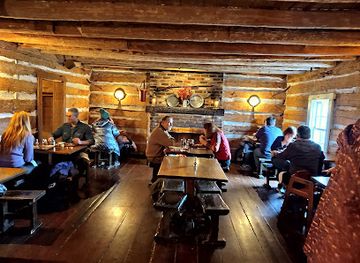
Michie Tavern ca. 1784
Discover Michie Tavern, where history and Southern cuisine meet in a charming 18th-century setting, perfect for all travelers.
-
American
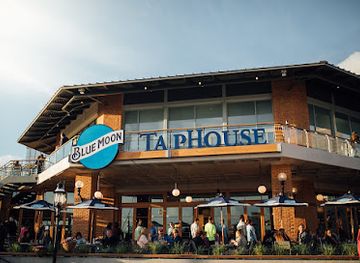
Blue Moon Taphouse
Discover the lively spirit of Norfolk at Blue Moon Taphouse – a premier destination for American cuisine and craft beers in a vibrant beer garden.
-
American
The Bungalow Lakehouse
Experience the best of American cuisine and lively entertainment at The Bungalow Lakehouse, a perfect spot for relaxation and socializing.
Best nightclubs in Southwest Virginia
Nightlife in Southwest Virginia is generally social and community-based rather than centred on large club districts. Bristol has the region's most concentrated evening scene, with restaurants, pubs, breweries and live-music settings around its historic downtown and state-line centre. Abingdon adds theatre performances, wine and cocktail options and relaxed restaurants, while Galax and Marion are important for traditional music and occasional live events. Across the coalfield towns, evening entertainment is more likely to involve local bars, restaurants, community venues or performances than late-night dance clubs. Music remains a central part of the region's night-time culture, ranging from old-time and bluegrass to gospel, country and contemporary acts. Schedules are seasonal and change frequently, so confirm performances and transport arrangements before setting out. In rural areas, distances between venues can be considerable, and visitors should arrange a sober driver or other safe transport rather than relying on late public services.
-
Night club
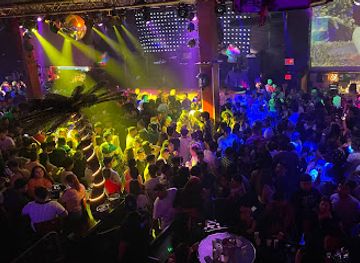
Peabody's Nightclub
Discover the energy and excitement of Peabody's Nightclub in Virginia Beach, a must-visit destination for nightlife enthusiasts and live music lovers.
-
Night club
Fallout
Discover Richmond's nightlife at Fallout, a lively night club offering great music, delicious food, and a welcoming atmosphere for everyone.
-
Night club
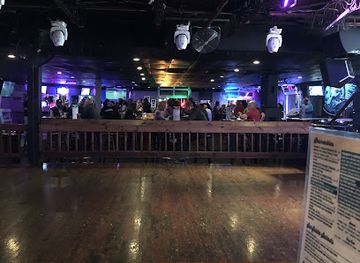
The Park Dance Club
Discover the vibrant nightlife at The Park Dance Club in Roanoke, a lively hub for dancing, drinks, and diverse entertainment.
-
Night club
Rio Cantina
Discover the vibrant nightlife of Rio Cantina, a premier night club and bar in Sterling, Virginia, offering unforgettable music and drinks.


Best shops in Southwest Virginia
Shopping in Southwest Virginia is strongest in historic downtowns, market towns and cultural venues rather than large luxury retail districts. Abingdon and Bristol provide independent bookshops, galleries, antiques, clothing stores, cafés and craft outlets within walkable central areas, while Galax is associated with traditional Appalachian music and handmade culture. The Southwest Virginia Cultural Center and Marketplace in Abingdon is a useful place to encounter work by regional makers, including pottery, woodwork, textiles, basketry and other crafts. Farmers' markets and seasonal roadside stands offer produce, apples, honey, preserves, baked goods and other locally made foods, although dates and availability vary. Visitors interested in distinctive souvenirs should look for locally made instruments, folk-art objects, quilts, turned wood and regionally produced food rather than generic mountain-themed merchandise. Smaller communities may have limited retail hours and fewer card-accepting businesses, so buying from independent makers and carrying an alternative payment method can be practical when travelling beyond the main towns.
-
Outlet mall
Norfolk Premium Outlets
Discover great deals and an outdoor shopping experience at Norfolk Premium Outlets, your go-to destination for discounted brand-name shopping.
-
Outlet mall
Leesburg Premium Outlets
Experience unbeatable savings at Leesburg Premium Outlets, Virginia's premier shopping destination with over 100 brand-name stores.
-
Shopping mall
Wytheville Commons
Explore Wytheville Commons, the premier shopping mall in Virginia offering a diverse selection of stores and dining experiences for all visitors.
-
Gift shop
Shenandoah Heritage Market
Explore Shenandoah Heritage Market: A Unique Shopping Experience with Antiques, Local Produce, and Artisan Goods in Harrisonburg, Virginia.

Get your free copy of our complete guide to Southwest Virginia, delivered straight to you.
Everything on this page, from attractions and restaurants to essentials and local phrases, in one PDF you can read offline, print or share.
Already have an account? Sign in
Your Southwest Virginia guide is ready.
We'll send it to · Not you? Sign out

Getting your guide ready…
We are putting together a fresh copy of the Southwest Virginia guide. This can take up to a minute.
This can take a few moments. If your browser asks, choose Allow so the download can start. You'll find the guide in your Downloads folder.
Nothing happened? Download it again
Sorry, the guide is taking longer than usual. Please try again in a minute, or get it by email instead.
Southwest Virginia essentials
Currency and Payment
Safety
Emergency Situations
Do's and Don'ts
Local Tips
From Eve
Local phrases worth knowing
You don't need to get them perfect. A few words go a long way, and locals appreciate the effort.
Basics
| English | Local | Say it |
|---|---|---|
| Hello | Howdy | [Ha-dee] |
| Goodbye | See ya | [See ya] |
| Yes | Yep | [Yep] |
| No | Nope | [Nope] |
| Please/You're welcome | Please/You’re welcome | [Please/You’re welcome] |
| Thank you | Thank ya | [Thank ya] |
| Excuse me/Sorry | Excuse me/Sorry | [Excuse me/Sorry] |
| How are you? | How ya doin'? | [How ya doin'?] |
| Fine. And you? | I’m fine. And you? | [I’m fine. An' you?] |
| Do you speak English? | Can ya speak English? | [Can ya speak English?] |
| I don't understand | I don’t get it | [I don’t get it] |
Eating & Drinking
| English | Local | Say it |
|---|---|---|
| I'd like to see the menu, please | Can I see the menu, please? | [Can I see the menu, please?] |
| I don't eat meat | I don’t eat meat | [I don’t eat meat] |
| Cheers! | Cheers! | [Cheers!] |
| I would like to pay, please | I’d like to pay, please | [I’d like to pay, please] |
Emergencies
| English | Local | Say it |
|---|---|---|
| Help! | Help! | [Help!] |
| Go away! | Leave me alone! | [Leave me alone!] |
| Call the Police! | Call the cops! | [Call the cops!] |
| Call a doctor! | Call a doc! | [Call a doc!] |
| I'm lost | I’m lost | [I’m lost] |
| I'm ill | I’m sick | [I’m sick] |
Shopping
| English | Local | Say it |
|---|---|---|
| I'd like to buy... | I wanna buy... | [I wanna buy...] |
| I'm just looking | Just lookin' | [Just lookin'] |
| How much is it? | How much is that? | [How much is that?] |
| That's too expensive | That’s too high | [That’s too high] |
| Can you lower the price? | Can ya lower the price? | [Can ya lower the price?] |
Time & Numbers
| English | Local | Say it |
|---|---|---|
| What time is it? | What time is it? | [What time is it?] |
| It's one o'clock | It’s one o’clock | [It’s one o’clock] |
| Half past (10) | Half past ten | [Half past ten] |
| Morning | Mornin' | [Mornin'] |
| Afternoon | Afternoon | [Afternoon] |
| Evening | Evenin' | [Evenin'] |
| Yesterday | Yesterday | [Yesterday] |
| Today | Today | [Today] |
| Tomorrow | Tomorrow | [Tomorrow] |
| 1 | One | [One] |
| 2 | Two | [Two] |
| 3 | Three | [Three] |
| 4 | Four | [Four] |
| 5 | Five | [Five] |
| 6 | Six | [Six] |
| 7 | Seven | [Seven] |
| 8 | Eight | [Eight] |
| 9 | Nine | [Nine] |
| 10 | Ten | [Ten] |
Transport & Directions
| English | Local | Say it |
|---|---|---|
| Where's a/the...? | Where’s the...? | [Where’s the...?] |
| What's the address? | What’s the address? | [What’s the address?] |
| Can you show me (on the map)? | Can ya show me on the map? | [Can ya show me on the map?] |
| When's the next (bus)? | When’s the next bus? | [When’s the next bus?] |
| A ticket (to ....) | A ticket to... | [A ticket to...] |
History of Southwest Virginia
Indigenous Homelands and the Appalachian Landscape
Long before European settlement, the mountains and river valleys of Southwest Virginia were inhabited and travelled by Indigenous peoples, including communities associated with the Cherokee and other Native nations. Rivers such as the New and the Clinch served as routes through the landscape, while hunting, agriculture and seasonal movement shaped relationships with the uplands. European colonisation, warfare, treaties and forced dispossession profoundly altered these communities. Archaeological evidence and place names provide partial reminders of much older histories that are not limited to the region's later pioneer narrative.
The Great Road and the Wilderness Road
During the eighteenth century, routes across the Appalachian ridges connected eastern Virginia and the Carolinas with the western frontier. The Great Road passed through the region, while the Wilderness Road led migrants towards Kentucky through the Cumberland Gap. These routes encouraged the establishment of settlements and linked Southwest Virginia to expanding colonial markets. Wilderness Road State Park near Ewing interprets this period, although the broader migration corridor extended well beyond the modern boundaries of the park and the region.
Railways, Towns and Industrial Connection
Nineteenth-century rail construction transformed Southwest Virginia by linking isolated valleys and mountain communities to national markets. Railways carried timber, agricultural goods and mineral resources while encouraging the growth of towns such as Abingdon, Bristol, Big Stone Gap and Marion. Bridges, depots and rail alignments remain visible reminders of this change. The railway tunnel at Natural Tunnel, later incorporated into a major rail route, illustrates how engineers adapted transportation infrastructure to the region's difficult geological terrain.
Coalfield Development
Coal mining became central to the economy and social history of the western part of Southwest Virginia from the late nineteenth century onwards. Towns in Wise, Dickenson, Buchanan, Tazewell and Russell counties developed around mines, railways and company investment, attracting workers and creating distinctive communities. Mining brought employment and industrial growth but also difficult labour conditions, environmental disruption and economic dependence on a volatile commodity. As production has declined, communities have worked to preserve mining memories while diversifying through education, tourism, manufacturing and outdoor recreation.
The Bristol Sessions of 1927
In 1927, recording executive Ralph Peer held sessions in Bristol that captured performances by musicians including the Carter Family and Jimmie Rodgers. The recordings helped carry Appalachian musical forms into the expanding commercial recording industry and gave Bristol a lasting place in the history of country music. The sessions did not create the region's musical traditions, which already existed in homes, churches and community gatherings, but they documented and distributed them widely. The Birthplace of Country Music Museum interprets this cultural turning point.
Appalachian Music and Cultural Preservation
Throughout the twentieth century, old-time, bluegrass and gospel music continued through family traditions, radio, festivals and performance venues. The Carter Family Fold near Hiltons, associated with the Carter family's musical legacy, became an important setting for traditional performances. Institutions such as the Lincoln Theatre in Marion and the Rex Theater in Galax have also supported regional arts and music. These traditions are living practices rather than museum material alone, and contemporary musicians continue to adapt them while maintaining links to older repertories.
Conservation, Heritage Tourism and Economic Change
Late twentieth- and early twenty-first-century Southwest Virginia saw growing emphasis on conserving forests, rivers, trails and historic sites as traditional industries changed. State parks, national recreation areas and rail-trails created new opportunities for hiking, cycling, fishing and heritage travel. Cultural initiatives have promoted local music, crafts, foodways and Appalachian storytelling, while former industrial communities have sought new economic roles. This transition remains uneven, but it has made the region's landscape and cultural history central to its contemporary identity.
Southwest Virginia in Photos
Browse through our photo collection highlighting the charm and character of the destination.
Neighbouring regions of Southwest Virginia
The closest regions to Southwest Virginia, if you have time for more than one.
-
 Blue Ridge Highlands
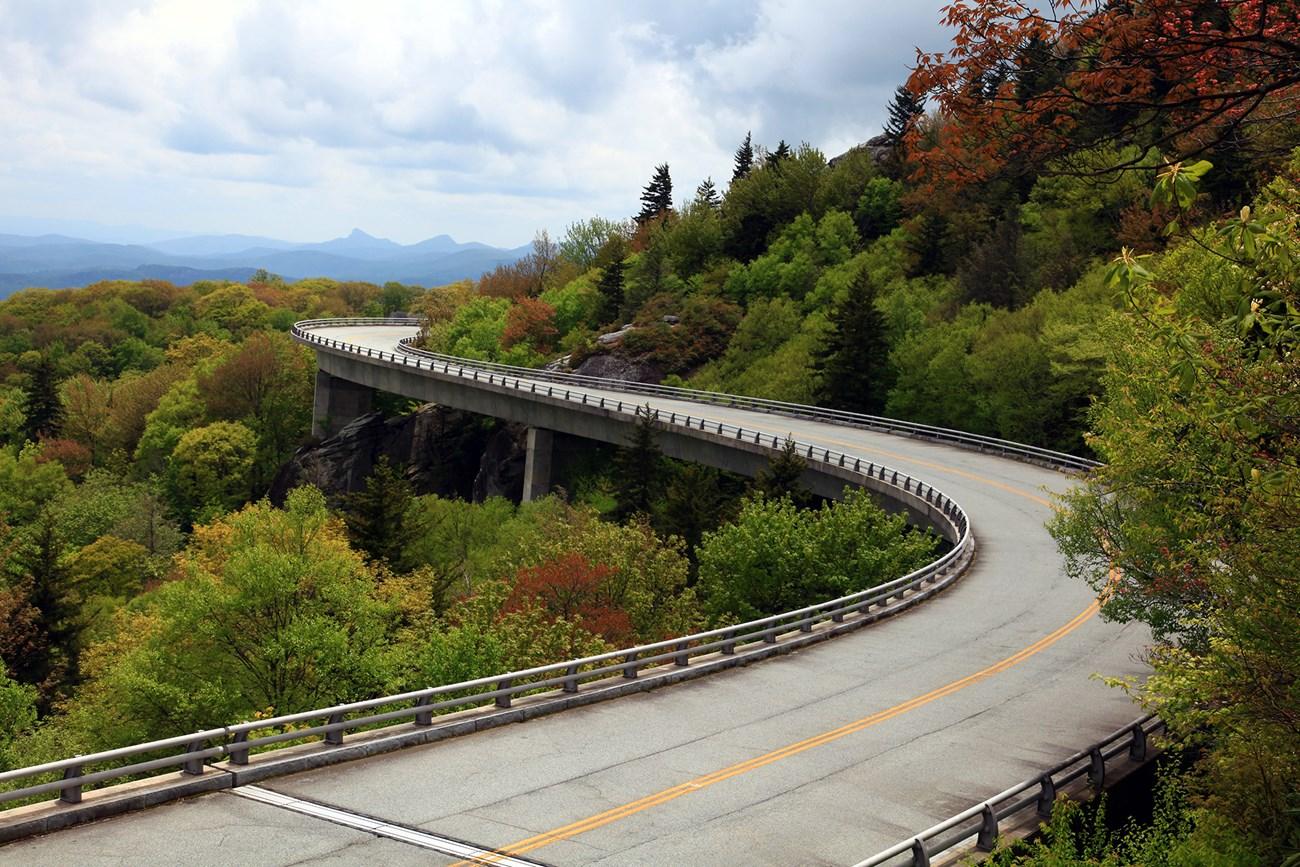
Explore Virginia’s Blue Ridge Highlands for mountain trails, historic towns, Appalachian music, scenic rail trails and high-country landscapes.
-
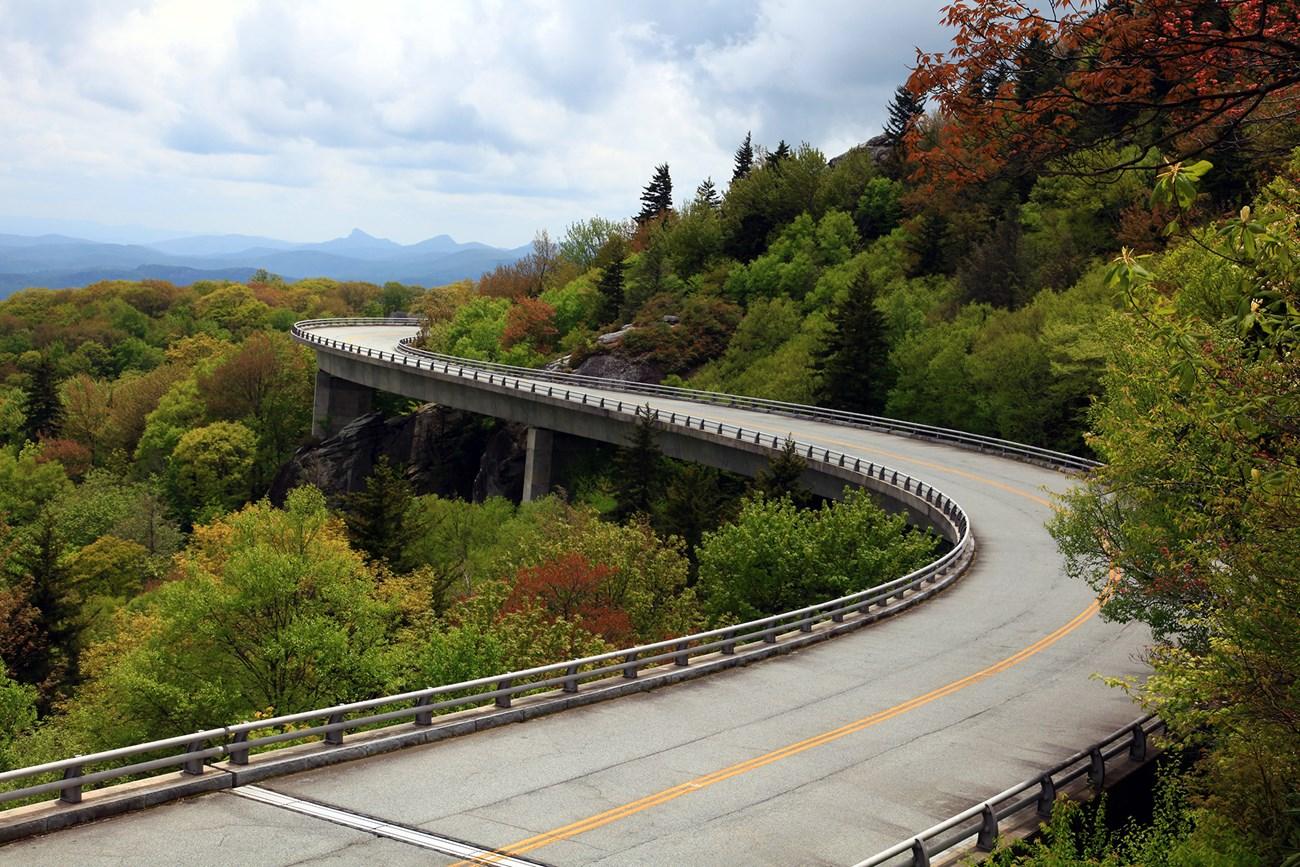 Roanoke Valley
 pairs Blue Ridge trails, railway heritage, Appalachian food and lively Virginia towns with easy access to scenic mountain drives.
-

-

-


Swipe for more regions
Explore more

Explore more of Virginia
Discover Virginia: A blend of historic landmarks, natural beauty, and vibrant culture perfect for history buffs, nature lovers, and culture seekers.
Explore Virginia