

Free Blue Ridge Highlands Travel Guide & Mobile App
Explore Blue Ridge Highlands with free travel guides. Discover regional history, expert tips, proposed trips, and audio guides on web or mobile app.


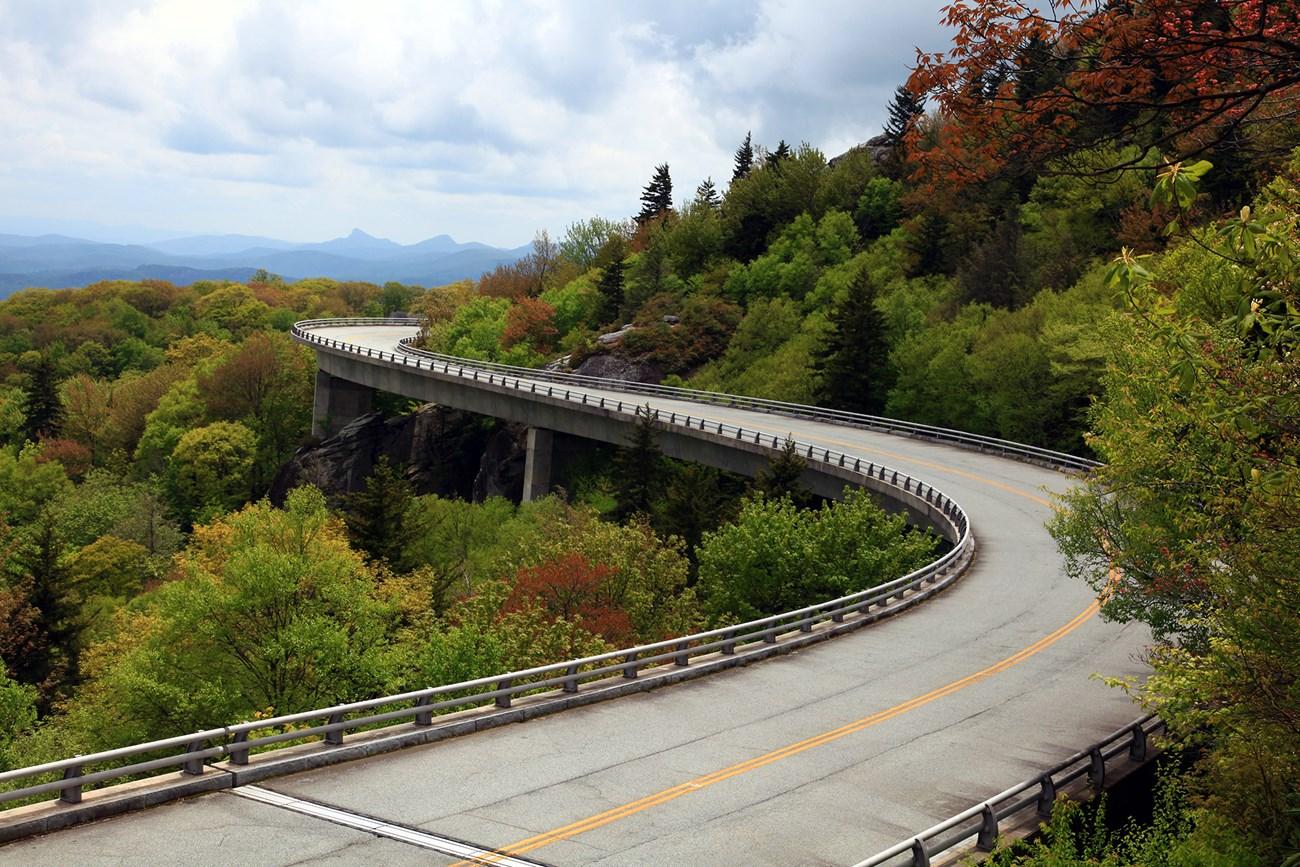


Discover the Blue Ridge Highlands in Virginia – a haven of stunning landscapes, outdoor adventures, and rich cultural heritage in the heart of the Appalachian Mountains.
Read more about Blue Ridge Highlands
Getting to and around Blue Ridge Highlands
How to get there
Transportation
Top city travel guides in Blue Ridge Highlands
The cities of Blue Ridge Highlands, and the easiest places to base yourself.
-

-


Swipe for more cities
Destinations in Blue Ridge Highlands
Resorts, valleys and scenic spots worth a trip of their own.
-

-


Swipe for more destinations
Best attractions in Blue Ridge Highlands
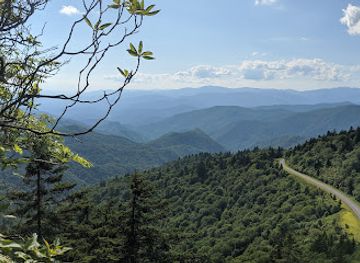
Nestled in the stunning Appalachian landscape, the Blue Ridge Highlands of Virginia beckon travelers with a tapestry of natural beauty and rich history. Visitors can embark on the iconic Blue Ridge Parkway, a scenic drive that offers breathtaking vistas, vibrant fall foliage, and access to numerous hiking trails like the challenging yet rewarding Mount Rogers. History enthusiasts can delve into the past at sites such as the fascinating New River Trail State Park, where remnants of the area's industrial heritage are woven into the fabric of the lush surroundings. The charming town of Abingdon, with its historic Barter Theatre—the longest-running professional theatre in the nation—offers cultural delights, while local wineries and breweries provide a taste of the region's craft. For a touch of nostalgia, the Blue Ridge Music Center celebrates the roots of American music with live performances that echo through the hills. With each turn, the Blue Ridge Highlands reveal a new story, waiting to enchant and inspire all who wander its trails.
-
State park
Natural Bridge State Park
Discover the breathtaking beauty and rich history at Natural Bridge State Park, a must-visit destination in Virginia for nature lovers and adventure seekers.
-
Cultural landmark
Mill Mountain Star
Discover the breathtaking views and cultural significance of Mill Mountain Star, Roanoke's iconic landmark in the heart of Virginia.
-
Park
Mill Mountain Park
Experience the beauty and tranquility of Mill Mountain Park in Roanoke, VA, featuring scenic trails, stunning views, and abundant wildlife.
-
State park
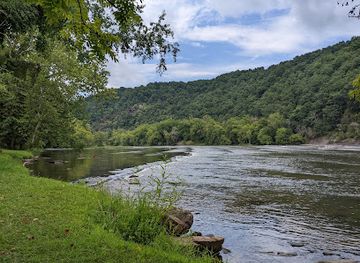
New River Trail State Park
Discover the breathtaking beauty and endless outdoor adventures at New River Trail State Park, a must-visit destination in Virginia for nature lovers.
Best landmarks in Blue Ridge Highlands
The Blue Ridge Highlands in Virginia offer a captivating tapestry of history and natural beauty that beckons travelers to explore its wonders. Visitors can immerse themselves in the breathtaking vistas of the Blue Ridge Parkway, a scenic drive that winds through lush forests and rolling mountains, providing panoramic views that are particularly stunning in the fall. History enthusiasts will find delight in the New River Valley, home to the historic town of Floyd, where the vibrant Friday Night Jamboree fills the air with traditional Appalachian music. The region is also steeped in Civil War history, with sites like the Battle of Wytheville offering a glimpse into the past. Meanwhile, outdoor adventurers can hike the Appalachian Trail or explore the cascading falls of the Cascades National Recreation Trail. Whether it's savoring local wines at a picturesque vineyard or stepping back in time at the charming Mabry Mill, the Blue Ridge Highlands offer a diverse range of experiences that cater to every traveler's passion.
-
State park
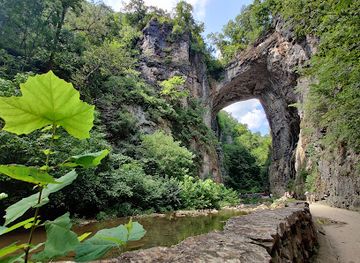
Natural Bridge State Park
Discover the stunning Natural Bridge State Park in Virginia, a historical landmark and natural wonder that captivates visitors with its breathtaking scenery.
-
Cultural landmark
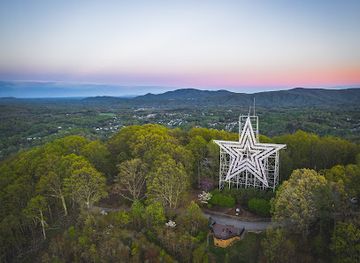
Mill Mountain Star
Discover the breathtaking views and cultural heritage of Mill Mountain Star in Roanoke, Virginia, a must-visit landmark for every traveler.
-
Historical place museum
Mabry Mill
Explore Mabry Mill, a historical landmark on the Blue Ridge Parkway, where nature and culture intertwine in a breathtaking setting.
-
Visitor center
Waterrock Knob Visitor Center
Experience breathtaking views and rich natural heritage at Waterrock Knob Visitor Center on the scenic Blue Ridge Parkway.
Explore Blue Ridge Highlands on the map
Plan your trip on one map. See where the top cities, national parks and sights are, and book hotels and experiences in a few clicks.
Best hotels in Blue Ridge Highlands
Best restaurants in Blue Ridge Highlands
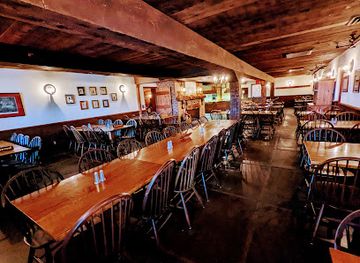
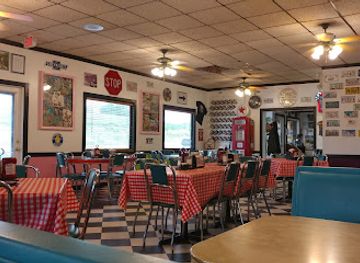
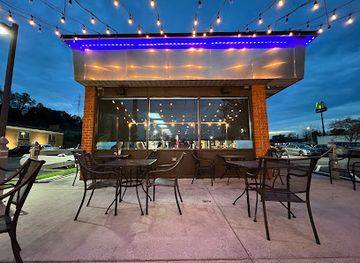
Nestled within the scenic beauty of Virginia's Blue Ridge Highlands, the dining scene is a delightful exploration of both traditional Southern flavors and innovative culinary experiences. Visitors can indulge in farm-to-table eateries that showcase the region's rich agricultural bounty, offering dishes crafted from locally sourced ingredients like mountain trout and fresh produce. The area boasts an array of charming country inns and rustic taverns, where hearty comfort foods are served alongside craft beers from local breweries. For those with a penchant for the unique, there are establishments that blend Appalachian influences with modern gastronomy, ensuring an unforgettable dining adventure. Whether savoring a gourmet meal with panoramic views of the rolling hills or enjoying a casual barbecue feast by a roaring fireplace, the Blue Ridge Highlands promises a culinary journey as captivating as its landscapes.
-
Restaurant
Michie Tavern ca. 1784
Experience authentic Southern cuisine and rich history at Michie Tavern - an iconic 18th-century landmark in Charlottesville.
-
Breakfast
The Pink Cadillac Diner
Experience the charm of The Pink Cadillac Diner – where retro meets delicious breakfast classics in Natural Bridge, Virginia.
-
Breakfast
Angelle's Diner
Experience delicious American cuisine at Angelle's Diner in Troutville, VA—your go-to spot for breakfast and lunch!
-
American
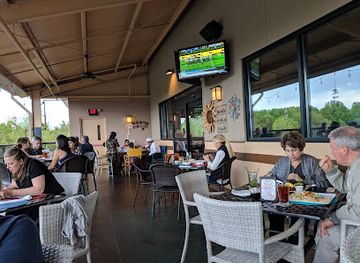
The Bungalow Lakehouse
Experience the perfect blend of delicious American cuisine and scenic lake views at The Bungalow Lakehouse in Sterling.
Best bars in Blue Ridge Highlands
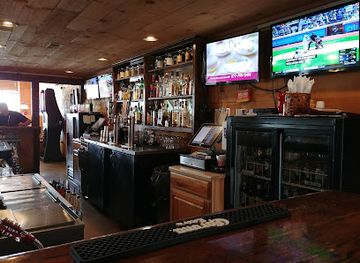
The Blue Ridge Highlands in Virginia boasts a unique nightlife scene that blends rustic charm with vibrant energy, offering visitors an eclectic mix of experiences. As the sun sets behind the rolling Appalachian hills, downtown areas such as Roanoke and Abingdon come alive with music and laughter. You can start your evening at a local brewery, sipping on craft beers brewed with locally sourced ingredients, while enjoying live performances from talented regional musicians. For those seeking a more intimate atmosphere, cozy wine bars nestled in historic buildings provide a perfect setting to unwind with a glass of Virginia wine. If you're in the mood for dancing, head to one of the lively clubs where you can groove to a diverse range of music genres from bluegrass to contemporary hits. The Blue Ridge Highlands' nightlife is a delightful fusion of local culture and modern entertainment, offering something for every taste and ensuring an unforgettable night out.
-
Historical place museum
Mabry Mill
Experience the rich history and breathtaking scenery of Mabry Mill, a beloved landmark along Virginia's Blue Ridge Parkway.
-
Country food restaurant
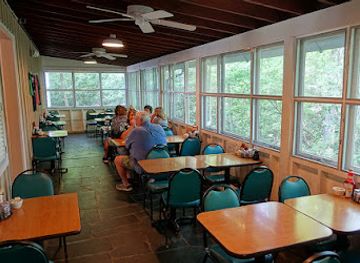
Mabry Mill Restaurant & Gift Shop
Experience the heart of Appalachian culture at Mabry Mill Restaurant & Gift Shop, where delicious country food meets stunning mountain views.
-
American
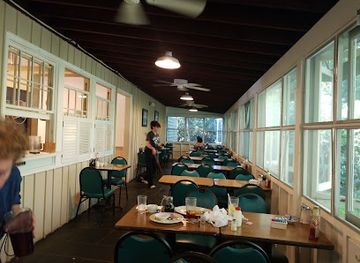
The Mason Jar
Discover the flavors of American cuisine at The Mason Jar, Hillsville's favorite bar and grill, where every meal is a celebration of local tastes and hospitality.
-
Campground
Rocky Knob Recreation Area
Discover the beauty and serenity of Rocky Knob Recreation Area, a perfect retreat for camping, hiking, and family fun in Virginia's Blue Ridge Mountains.
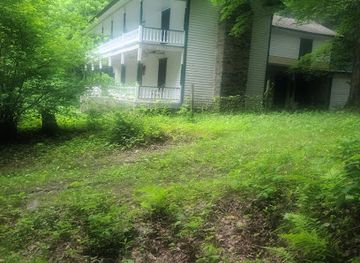
Best nightclubs in Blue Ridge Highlands
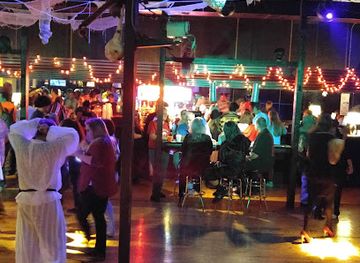
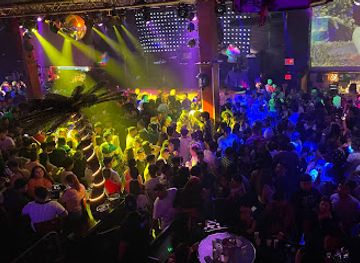
The Blue Ridge Highlands in Virginia boasts a unique nightlife scene that blends rustic charm with vibrant energy, offering visitors an eclectic mix of experiences. As the sun sets behind the rolling Appalachian hills, downtown areas such as Roanoke and Abingdon come alive with music and laughter. You can start your evening at a local brewery, sipping on craft beers brewed with locally sourced ingredients, while enjoying live performances from talented regional musicians. For those seeking a more intimate atmosphere, cozy wine bars nestled in historic buildings provide a perfect setting to unwind with a glass of Virginia wine. If you're in the mood for dancing, head to one of the lively clubs where you can groove to a diverse range of music genres from bluegrass to contemporary hits. The Blue Ridge Highlands' nightlife is a delightful fusion of local culture and modern entertainment, offering something for every taste and ensuring an unforgettable night out.
-
Night club
Tropicabana
Dive into Richmond's nightlife at Tropicabana, where vibrant music, signature cocktails, and an energetic vibe create unforgettable evenings.
-
Night club
The Park Dance Club
Experience Roanoke's vibrant nightlife at The Park Dance Club, a welcoming space for dance, music, and community spirit in Virginia.
-
Night club
Rio Cantina
Experience the vibrant nightlife of Sterling at Rio Cantina, a lively night club and bar serving delicious drinks and great music.
-
Night club
The Wave Night Club
Discover the vibrant nightlife of Norfolk at The Wave Night Club, where music, dancing, and unforgettable memories await you.


Best shops in Blue Ridge Highlands
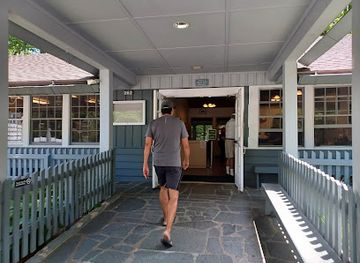
Nestled in the scenic expanse of the Blue Ridge Highlands, the shopping scene offers a charming blend of artisanal crafts, antiques, and local treasures that captivate every visitor. Stroll through quaint towns like Floyd, where vibrant markets and eclectic boutiques brim with handcrafted jewelry, pottery, and textiles made by local artisans who draw inspiration from the surrounding natural beauty. In Galax, discover antique stores filled with unique finds and musical instruments that echo the region's rich heritage in bluegrass music. Venture into the heart of Abingdon to explore its historic district, where galleries showcase the work of regional artists, offering paintings and sculptures that reflect the cultural tapestry of the Highlands. Whether you're searching for a one-of-a-kind souvenir or simply wish to immerse yourself in the local culture, the shopping in Blue Ridge Highlands is an experience that promises to enchant and inspire.
-
Gift shop
Mabry Mill Restaurant & Gift Shop
Discover the flavors and crafts of the Blue Ridge Mountains at Mabry Mill Restaurant & Gift Shop, where tradition meets natural beauty.
-
Gift shop
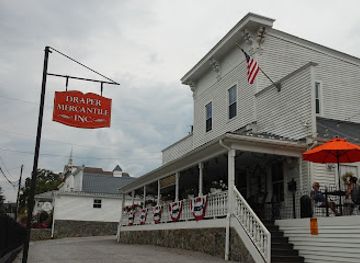
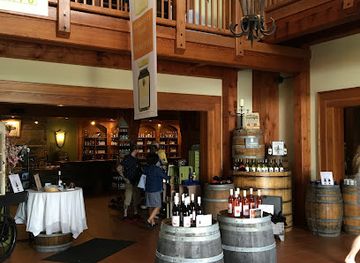
The Draper Mercantile and Trading Company
Discover the heart of Draper at The Draper Mercantile and Trading Company, offering unique gifts, delicious food, and unforgettable experiences in Virginia.
-
Amphitheater
The Blue Ridge Music Center
Experience the soulful sounds and rich heritage of Appalachian music at The Blue Ridge Music Center in Virginia.
-
Winery
Chateau Morrisette Winery
Discover the picturesque Chateau Morrisette Winery, where fine wines, scenic views, and culinary delights await in the heart of Virginia's wine country.

Get your free copy of our complete guide to Blue Ridge Highlands, delivered straight to you.
Everything on this page, from attractions and restaurants to essentials and local phrases, in one PDF you can read offline, print or share.
Already have an account? Sign in
Your Blue Ridge Highlands guide is ready.
We'll send it to · Not you? Sign out

Getting your guide ready…
We are putting together a fresh copy of the Blue Ridge Highlands guide. This can take up to a minute.
This can take a few moments. If your browser asks, choose Allow so the download can start. You'll find the guide in your Downloads folder.
Nothing happened? Download it again
Sorry, the guide is taking longer than usual. Please try again in a minute, or get it by email instead.
Blue Ridge Highlands essentials
Currency and Payment
Safety
Emergency Situations
Do's and Don'ts
Local Tips
From Eve
Local phrases worth knowing
You don't need to get them perfect. A few words go a long way, and locals appreciate the effort.
Basics
| English | Local | Say it |
|---|---|---|
| Hello | Howdy | [How-dee] |
| Goodbye | See ya later | [See ya lay-ter] |
| Yes | Yup | [Yup] |
| No | Nope | [Nope] |
| Please/You're welcome | Please/You’re welcome | [Pleez/You’re wel-kum] |
| Thank you | Thanks a lot | [Thanks a lot] |
| Excuse me/Sorry | Excuse me/Sorry | [Ex-kyoos mee/Sor-ree] |
| How are you? | How ya doin'? | [How ya doin'?] |
| Fine. And you? | I’m doin’ fine, how ’bout you? | [I’m doin’ fine, how ’bout you?] |
| Do you speak English? | You speakin’ English? | [You speakin’ English?] |
| I don't understand | I don’t get it | [I don’t get it] |
Eating & Drinking
| English | Local | Say it |
|---|---|---|
| I'd like to see the menu, please | Can I see the menu, please? | [Can I see the menu, pleez?] |
| I don't eat meat | I don’t eat meat | [I don’t eat meat] |
| Cheers! | Cheers! | [Cheers!] |
| I would like to pay, please | Can I pay, please? | [Can I pay, pleez?] |
Emergencies
| English | Local | Say it |
|---|---|---|
| Help! | Help! | [Help!] |
| Go away! | Leave me be! | [Leave me be!] |
| Call the Police! | Call the cops! | [Call the cops!] |
| Call a doctor! | Get a doctor! | [Get a doctor!] |
| I'm lost | I’m lost | [I’m lost] |
| I'm ill | I’m sick | [I’m sick] |
Shopping
| English | Local | Say it |
|---|---|---|
| I'd like to buy... | I wanna buy... | [I wanna buy...] |
| I'm just looking | I’m just lookin’ | [I’m just lookin’] |
| How much is it? | How much’s that? | [How much’s that?] |
| That's too expensive | That’s too pricey | [That’s too pricey] |
| Can you lower the price? | Can ya drop the price? | [Can ya drop the price?] |
Time & Numbers
| English | Local | Say it |
|---|---|---|
| What time is it? | What time is it? | [What time is it?] |
| It's one o'clock | It’s one o’clock | [It’s one o’clock] |
| Half past (10) | Half past ten | [Half past ten] |
| Morning | Mornin’ | [Mornin’] |
| Afternoon | Afternoon | [Afternoon] |
| Evening | Evenin’ | [Evenin’] |
| Yesterday | Yesterday | [Yesterday] |
| Today | Today | [Today] |
| Tomorrow | Tomorrow | [Tomorrow] |
| 1 | One | [One] |
| 2 | Two | [Two] |
| 3 | Three | [Three] |
| 4 | Four | [Four] |
| 5 | Five | [Five] |
| 6 | Six | [Six] |
| 7 | Seven | [Seven] |
| 8 | Eight | [Eight] |
| 9 | Nine | [Nine] |
| 10 | Ten | [Ten] |
Transport & Directions
| English | Local | Say it |
|---|---|---|
| Where's a/the...? | Where’s the...? | [Where’s the...?] |
| What's the address? | What’s the address? | [What’s the address?] |
| Can you show me (on the map)? | Can ya show me on the map? | [Can ya show me on the map?] |
| When's the next (bus)? | When’s the next bus? | [When’s the next bus?] |
| A ticket (to ....) | A ticket to... | [A ticket to...] |
History of Blue Ridge Highlands
The Native American Heritage
Before European settlers arrived, the Blue Ridge Highlands were home to various Native American tribes, including the Cherokee and the Monacan. These tribes lived off the land, utilizing the rich natural resources of the area for hunting, fishing, and agriculture. Evidence of their presence can still be found in the form of arrowheads, pottery, and ancient trails.
Colonial Settlement
The 18th century saw the arrival of European settlers to the Blue Ridge Highlands, drawn by the promise of fertile land and natural beauty. These early settlers established small farms and communities, gradually pushing the Native American tribes out of their ancestral lands. The town of Abingdon, founded in 1778, became a key hub for settlers in the region.
The Revolutionary War Era
The Blue Ridge Highlands played a significant role during the American Revolutionary War. The Overmountain Men, a group of American frontiersmen from west of the Appalachian Mountains, gathered at Abingdon before marching to the Battle of Kings Mountain in 1780. This pivotal battle was a turning point in the war, leading to American victory and independence.
The Civil War and the Confederacy
During the American Civil War, the Blue Ridge Highlands became a strategic location for the Confederate Army. The region's railroads and natural barriers provided critical support to Confederate operations. The Battle of Saltville, fought in 1864, was one of the significant conflicts in the area. Confederate forces successfully defended the salt mines, which were vital for preserving food.
The Rise of Railroads
The late 19th and early 20th centuries brought significant changes to the Blue Ridge Highlands with the construction of railroads. The Norfolk and Western Railway connected the region to larger markets, facilitating the transport of goods such as timber, coal, and agricultural products. Towns like Roanoke flourished as major transportation hubs, transforming the local economy.
Cultural Renaissance
The Blue Ridge Highlands have long been a center for Appalachian culture, known for its unique music, crafts, and traditions. The region experienced a cultural renaissance in the early 20th century, with the establishment of institutions like the Barter Theatre in Abingdon in 1933. Today, the Crooked Road, Virginia’s Heritage Music Trail, celebrates the rich musical heritage of the area.
The Birth of the Blue Ridge Parkway
In 1935, construction began on the Blue Ridge Parkway, a scenic road that would connect the Great Smoky Mountains National Park in North Carolina to Shenandoah National Park in Virginia. Completed in 1987, the Parkway runs through the Blue Ridge Highlands, offering breathtaking views and becoming a major draw for tourists seeking to experience the natural beauty and tranquility of the area.
Modern-Day Preservation
Today, the Blue Ridge Highlands are a testament to successful preservation efforts. Numerous state parks, national forests, and conservation areas protect the landscape and its wildlife. The region's history is preserved in museums, historic sites, and cultural festivals, ensuring that the rich heritage of the Blue Ridge Highlands continues to be celebrated and remembered.
Blue Ridge Highlands in Photos
Browse through our photo collection highlighting the charm and character of the destination.
Neighbouring regions of Blue Ridge Highlands
The closest regions to Blue Ridge Highlands, if you have time for more than one.
-
 Southwest Virginia
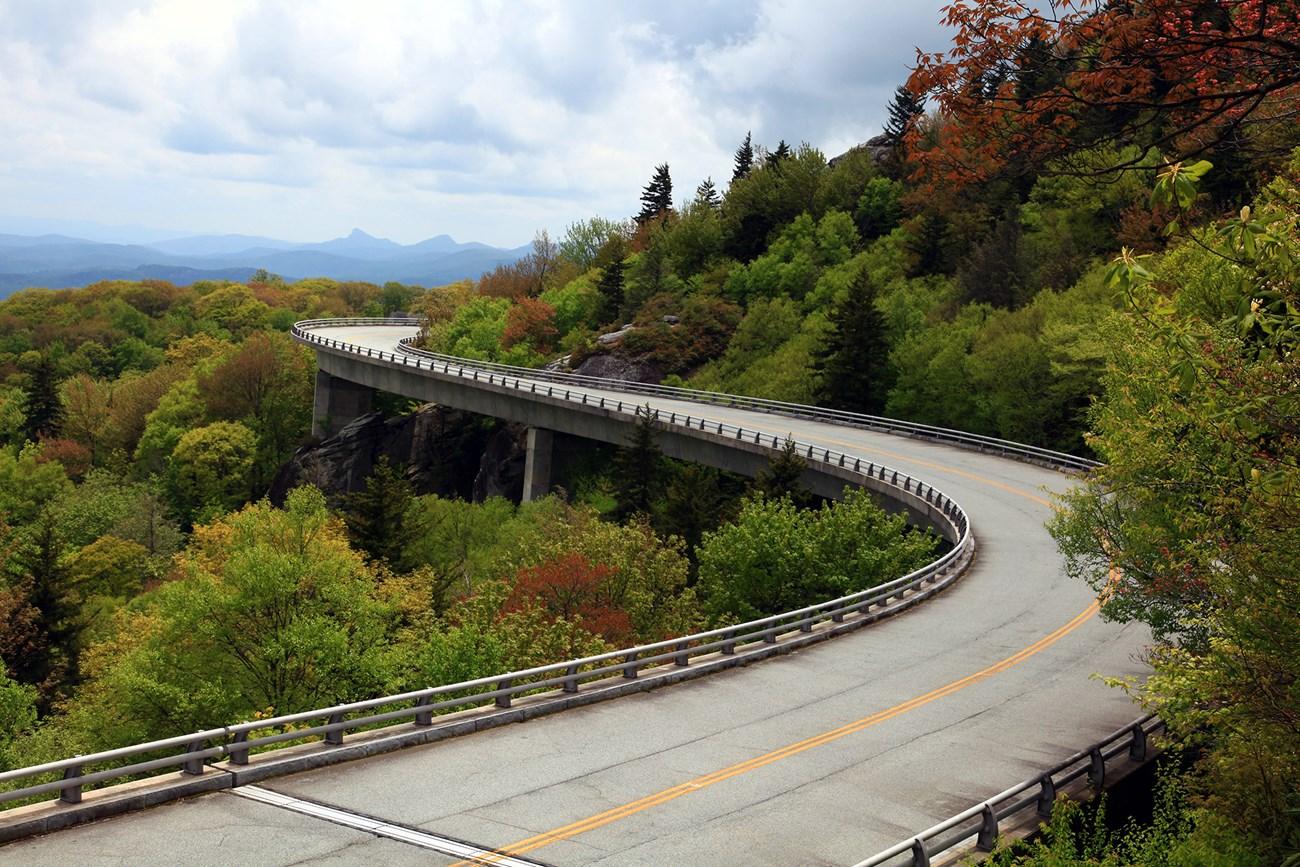
Explore Southwest Virginia's stunning landscapes, historical landmarks, and rich cultural heritage, all set against the backdrop of the beautiful Blue Ridge Mountains.
Southwest Virginia
Explore Southwest Virginia's stunning landscapes, historical landmarks, and rich cultural heritage, all set against the backdrop of the beautiful Blue Ridge Mountains.
-
 Roanoke Valley
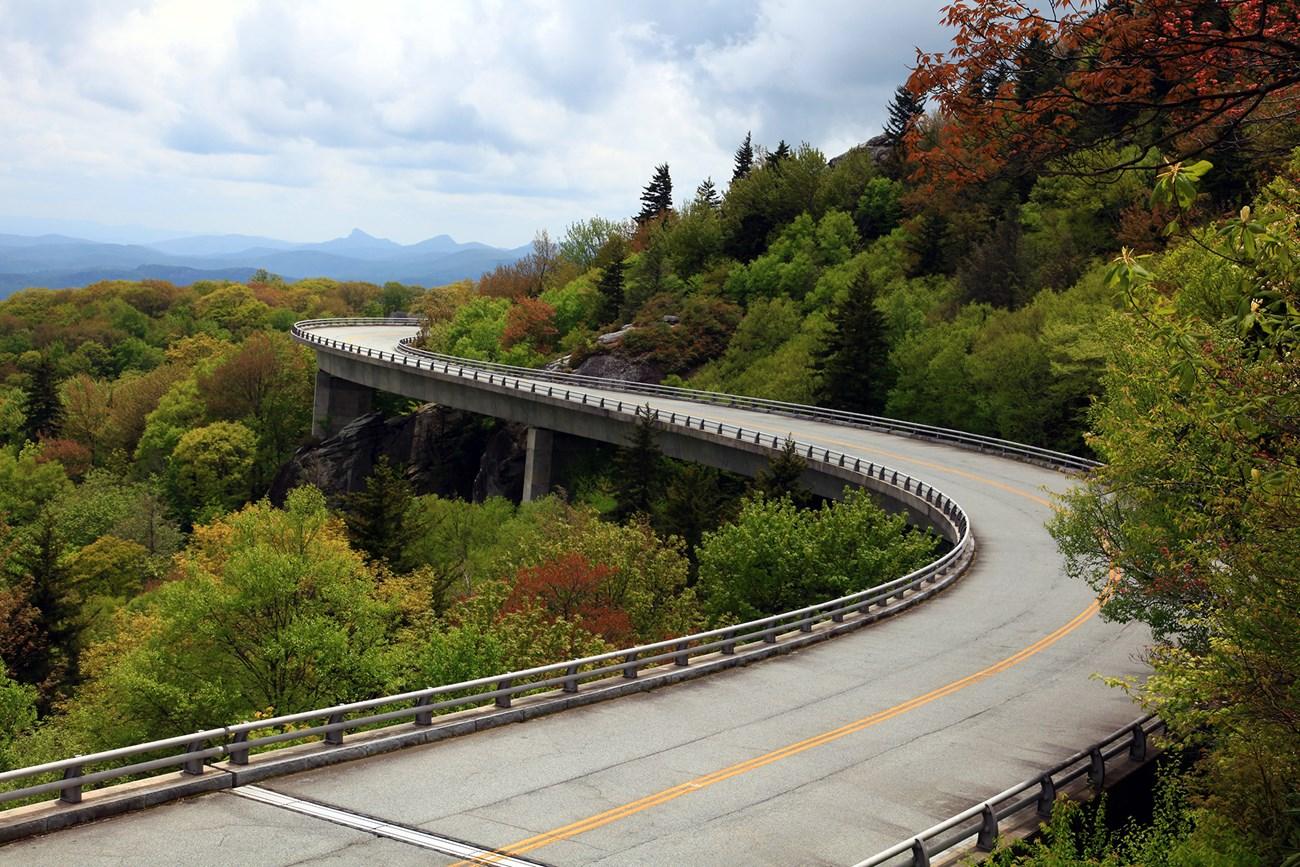
Discover the Roanoke Valley: A harmonious blend of natural beauty, cultural richness, and culinary delight in the heart of Virginia's Blue Ridge Mountains.
Roanoke Valley
Discover the Roanoke Valley: A harmonious blend of natural beauty, cultural richness, and culinary delight in the heart of Virginia's Blue Ridge Mountains.
-

-

-


Swipe for more regions

