

Pike Place Market (Seattle) Travel Guide - Free
Explore Pike Place Market in Seattle with Evendo's free guide. Find the best shops, historic streets, restaurants, and gems on web or mobile.


Pike Place Market in Seattle blends historic stalls, waterfront views, local food, crafts, restaurants and lively public spaces in the city centre.
A Market Shaped by the Waterfront
Pike Place Market occupies a compact, steeply sloping district above Elliott Bay, where Seattle’s commercial centre meets the waterfront. Established in 1907 to connect shoppers directly with regional farmers, it remains a working public market rather than a single indoor attraction. Its arcades, stalls and covered passages stretch around Pike Place, First Avenue, Western Avenue and Post Alley, with views opening towards the piers and ferries below.Read more about Pike Place Market
Stalls, Small Businesses and Everyday Theatre
Layers of Seattle Life
Best attractions in Pike Place Market
Pike Place Market’s attractions are woven into its working spaces rather than arranged as a single ticketed sight. The Main Arcade brings together produce stalls, flower sellers, bakers, fishmongers and small food businesses, with the familiar spectacle of fish being carried and tossed at Pike Place Fish Market. Rachel the Piggy Bank marks the corner near the market entrance, while Post Alley leads to the much-photographed Gum Wall and a quieter network of lower-level shops. The MarketFront extends the experience westwards with public terraces, art and broad views across Elliott Bay. Visitors can browse craft stalls, descend into the original lower arcades, listen to musicians and watch traders serving customers. The market’s changing displays, working deliveries and mix of public and commercial spaces are as important to the visit as any individual shop or viewpoint.
-
Tourist attraction
The Gum Wall
Discover Seattle's quirky Gum Wall, a vibrant attraction where creativity meets whimsy in a colorful display of chewing gum art.
1 min walk · 0.1 km from neighbourhood centre

Best landmarks in Pike Place Market
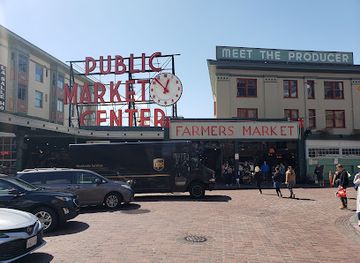
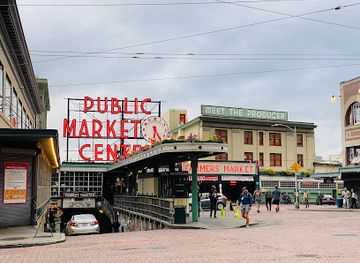
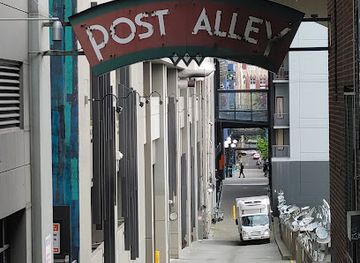
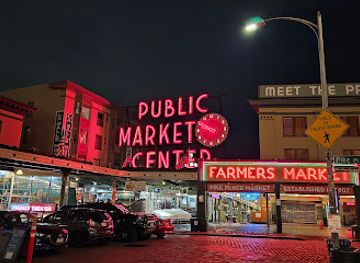
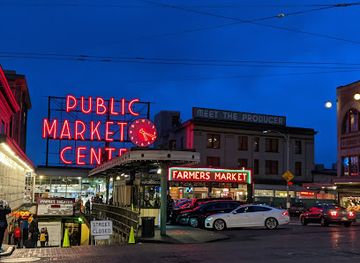
The market’s principal landmark is the surviving complex of arcades, sheds and historic commercial buildings arranged along Pike Place above Elliott Bay. The Main Arcade expresses the original public-market purpose, while the clock and neon sign over the entrance have become familiar symbols of Seattle. Rachel the Piggy Bank, installed in 1986, is both a practical donation point for the market’s social programmes and a recognisable meeting place. Beneath the market, Post Alley preserves a narrow, layered urban route ending at the Gum Wall, whose accumulated chewing gum has become an unconventional modern marker. The MarketFront is a newer landmark, distinguished by its terraces, public art and expansive outlook. Together these structures show how Pike Place combines commercial architecture, community functions and waterfront geography rather than presenting heritage as a single monumental building.
-
Market
Pike Place Market
Discover the heart of Seattle at Pike Place Market, where fresh produce, unique crafts, and delicious food come together in a vibrant cultural experience.
1 min walk · 0.1 km from neighbourhood centre
-
Tourist attraction
The Gum Wall
Explore Seattle's iconic Gum Wall, a colorful landmark that showcases creativity and community spirit in a unique, quirky setting.
1 min walk · 0.1 km from neighbourhood centre
-
Tourist attraction
Original Selfie Museum | Seattle
Experience the vibrant world of art and creativity at Seattle's Original Selfie Museum, where every corner is a perfect photo opportunity.
1 min walk · 0.1 km from neighbourhood centre
-
Market
Pike Place Public Market
Experience the vibrant energy of Pike Place Public Market, Seattle's iconic destination for fresh produce, local crafts, and unforgettable culinary delights.
2 min walk · 0.1 km from neighbourhood centre
Explore Pike Place Market on the map
A handpicked selection of must-see spots in Pike Place Market, mapped for you.
Best hotels in Pike Place Market
Best restaurants in Pike Place Market
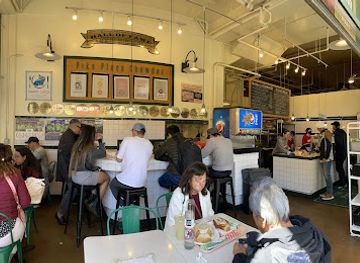
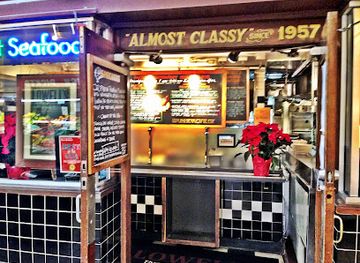
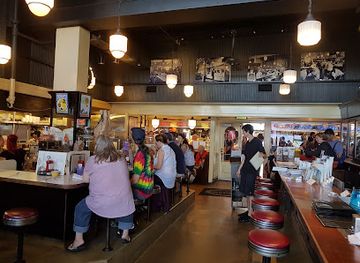
Eating around Pike Place Market means choosing between quick counter food, regional produce, classic seafood and sit-down restaurants occupying different levels of the complex. Long-established names such as Lowell’s and Matt’s in the Market offer views and a fuller meal, while The Pink Door combines Italian-inspired food with an established entertainment programme. Piroshky Piroshky is known for filled Russian-style pastries, and the market’s bakeries, cheese counters, fruit stalls and specialist food shops make grazing an easy way to explore. Pike Place Chowder is associated with the market’s casual seafood scene, while cafés and breakfast counters fill the arcades and surrounding streets. Restaurant options vary from informal bites to reservations-oriented dining, with the strongest concentration around Pike Place, First Avenue and the market’s lower levels rather than across the wider downtown grid.
-
Seafood
Pike Place Chowder
Discover award-winning chowders at Pike Place Chowder - A culinary highlight on Seattle's Waterfront.
1 min walk · 0.1 km from neighbourhood centre
-
Seafood
Lowell's Restaurant
Experience exquisite seafood dining at Lowell's Restaurant in Pike Place Market - where fresh flavors meet stunning views.
1 min walk · 0.1 km from neighbourhood centre
-
Seafood
The Athenian Seafood Restaurant And Bar
Experience exquisite seafood dishes with stunning waterfront views at The Athenian Seafood Restaurant And Bar in Seattle.
1 min walk · 0.1 km from neighbourhood centre
-
American
Matt's in the Market
Experience exquisite American cuisine with stunning views at Matt's in the Market, Seattle’s premier dining destination overlooking Pike Place Market.
1 min walk · 0.1 km from neighbourhood centre
Best bars in Pike Place Market
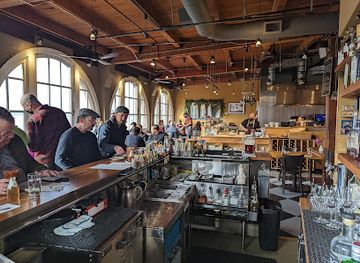
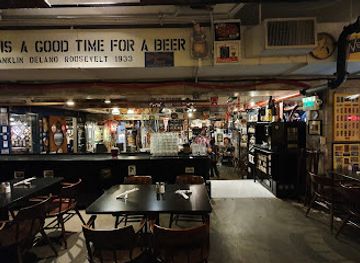
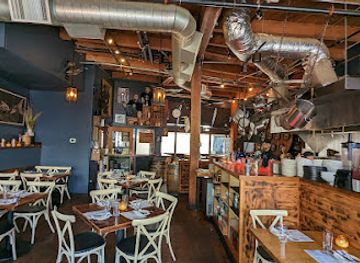
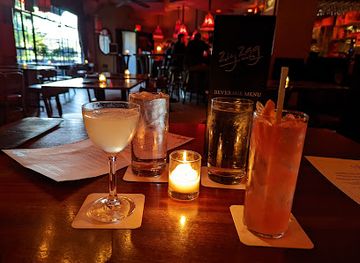
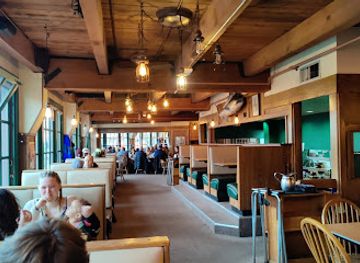
Pike Place Market is liveliest during trading hours, and its evening scene is more intimate than Seattle’s dedicated club districts. Restaurants and bars within and immediately around the market provide places for cocktails, beer, wine and late meals, including the Alibi Room below the market, Il Bistro in the Post Alley area and Old Stove Brewing in the market complex. Zig Zag Café, reached from the Pike Place and Western Avenue side, is associated with carefully made cocktails in a tucked-away setting. The market’s historic bars and dining rooms can feel atmospheric after the daytime crowds thin, while live music and performances are more closely tied to individual venues than to a large-scale nightlife strip. Visitors should expect a mixed commercial and residential area, with quieter passages and a different rhythm from downtown Seattle’s late-night entertainment zones.
-
Brewpub
The Pike Brewing Company
Discover the best of Seattle's craft beer scene at The Pike Brewing Company, where family-friendly dining meets exceptional brewing.
1 min walk · 0.1 km from neighbourhood centre
-
Bar
Radiator Whiskey
Discover Radiator Whiskey, a vibrant bar in Seattle offering a unique blend of expertly crafted drinks and delicious American cuisine in a welcoming atmosphere.
1 min walk · 0.1 km from neighbourhood centre
-
Cocktail bar
Zig Zag Cafe
Zig Zag Cafe: Discover Seattle's vibrant cocktail culture at this welcoming bar on the waterfront, known for its artisanal drinks and warm atmosphere.
1 min walk · 0.1 km from neighbourhood centre
-
Grill
Pike Place Bar & Grill
Experience the flavors of Seattle at Pike Place Bar & Grill, where local ingredients meet a vibrant market atmosphere.
1 min walk · 0.1 km from neighbourhood centre
Best nightclubs in Pike Place Market
Pike Place Market is liveliest during trading hours, and its evening scene is more intimate than Seattle’s dedicated club districts. Restaurants and bars within and immediately around the market provide places for cocktails, beer, wine and late meals, including the Alibi Room below the market, Il Bistro in the Post Alley area and Old Stove Brewing in the market complex. Zig Zag Café, reached from the Pike Place and Western Avenue side, is associated with carefully made cocktails in a tucked-away setting. The market’s historic bars and dining rooms can feel atmospheric after the daytime crowds thin, while live music and performances are more closely tied to individual venues than to a large-scale nightlife strip. Visitors should expect a mixed commercial and residential area, with quieter passages and a different rhythm from downtown Seattle’s late-night entertainment zones.
-
Night club
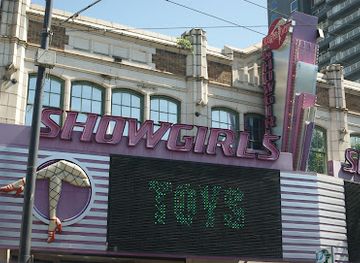
Deja Vu Showgirls Seattle
Discover the heart of Seattle's nightlife at Deja Vu Showgirls, your ultimate destination for adult entertainment and vibrant performances.
1 min walk · 0.1 km from neighbourhood centre
Best shops in Pike Place Market
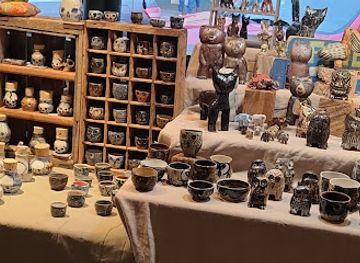
Shopping at Pike Place Market centres on independent trading and locally produced goods rather than standard high-street chains. The Main Arcade is the place for seasonal flowers, fruit, vegetables, seafood, preserves, spices and baked goods, with stalls changing according to supply and season. Craft sellers offer ceramics, jewellery, textiles, prints and other handmade work, while the lower levels contain antiques, collectibles, vintage items, books and specialist curiosities. MarketSpice is associated with teas, spices and gifts, and the surrounding arcades include small food retailers suited to edible souvenirs. Pike Place Books adds a literary stop within the market complex. Shopping here is part of a working exchange: browse without obstructing service, ask before handling handmade goods and remember that many traders are serving Seattle residents as well as visitors.
-
Souvenir store
Seattle Shirt Company
Explore the Seattle Shirt Company for unique T-shirts and souvenirs that capture the vibrant spirit of Seattle's culture and landmarks.
1 min walk · 0.1 km from neighbourhood centre
-
Gift shop
The Purple Store
Discover the eclectic charm of The Purple Store in Seattle, where unique gifts and creative finds await every visitor.
2 min walk · 0.2 km from neighbourhood centre
-
Gift shop
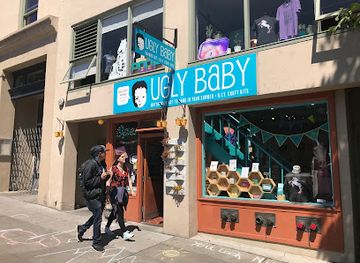
Ugly Baby
Explore Ugly Baby, a unique gift shop in Seattle, offering an eclectic mix of local crafts, art, and one-of-a-kind souvenirs.
1 min walk · 0.1 km from neighbourhood centre
-
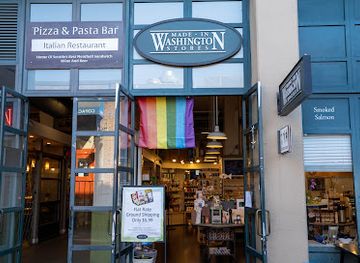
Gift shop
Made In Washington
Discover unique Seattle souvenirs at Made In Washington, your destination for local crafts and artisan gifts in the heart of the city.
1 min walk · 0.1 km from neighbourhood centre
Pike Place Market essentials
Getting There
Getting Around
Safety
Emergency Situations
Do's and Don'ts
Local Tips

From Eve
Local phrases worth knowing
You don't need to get them perfect. A few words go a long way, and locals appreciate the effort.
Basics
| English | Local | Say it |
|---|---|---|
| Hello | Howdy | [haw-dee] |
| Goodbye | Catch ya later | [ketch ya lay-ter] |
| Yes | Yup | [yuhp] |
| No | Nah | [nah] |
| Please/You're welcome | Sure thing | [shore thing] |
| Thank you | Thanks a bunch | [thanks uh bunch] |
| Excuse me/Sorry | Pardon me | [pahr-dun me] |
| How are you? | Howdy partner? | [haw-dee par-tner?] |
| Fine. And you? | Just peachy. How 'bout you? | [just pee-chee. How 'bout yuh?] |
| Do you speak English? | Y'all speak English? | [yawl speak ing-glish?] |
| I don't understand | I ain't got a clue | [eye aint got uh clue] |
Eating & Drinking
| English | Local | Say it |
|---|---|---|
| I'd like to see the menu, please | I reckon I'll take a gander at the menu, if ya don't mind | [eye reck-on eye'll take uh gan-der at the menu, if yuh don't mind] |
| I don't eat meat | I'm a veggie kind of fella | [aim uh ved-jee kind of fella] |
| Cheers! | Bottoms up! | [bot-ums up!] |
| I would like to pay, please | I reckon it's time to settle up | [eye reck-on its time to set-tul up] |
Emergencies
| English | Local | Say it |
|---|---|---|
| Help! | SOS! | [ess-oh-ess!] |
| Go away! | Scram! | [skram!] |
| Call the Police! | Get the fuzz! | [get the fuz!] |
| Call a doctor! | Get the doc! | [get the dok!] |
| I'm lost | I'm all turned around | [aim all turned uh-round] |
| I'm ill | I'm under the weather | [aim un-der the weath-er] |
Shopping
| English | Local | Say it |
|---|---|---|
| I'd like to buy... | I reckon I'll take... | [eye reck-on eye'll take] |
| I'm just looking | I'm just browsin' | [aim just brow-sin] |
| How much is it? | What's the damage? | [whats the dam-ij?] |
| That's too expensive | That's a bit steep | [thats uh bit steep] |
| Can you lower the price? | Can ya cut me a deal? | [can yuh cut me uh deal?] |
Time & Numbers
| English | Local | Say it |
|---|---|---|
| What time is it? | What's the time, partner? | [whats the time, par-tner?] |
| It's one o'clock | It's high noon | [its high noon] |
| Half past (10) | Half past ten | [half past ten] |
| Morning | Mornin' | [mor-nin'] |
| Afternoon | Afternoon | [after-noon] |
| Evening | Evenin' | [ee-ven-in'] |
| Yesterday | Yestiddy | [yes-tid-dee] |
| Today | Today | [to-day] |
| Tomorrow | Tomorra | [toh-mor-ah] |
| 1 | One | [wun] |
| 2 | Two | [too] |
| 3 | Three | [three] |
| 4 | Four | [four] |
| 5 | Five | [five] |
| 6 | Six | [six] |
| 7 | Seven | [sev-en] |
| 8 | Eight | [ate] |
| 9 | Nine | [nine] |
| 10 | Ten | [ten] |
Transport & Directions
| English | Local | Say it |
|---|---|---|
| Where's a/the...? | Where's the... | [wheres the] |
| What's the address? | What's the addy? | [whats the add-ee] |
| Can you show me (on the map)? | Can ya point it out? | [can yuh point it out] |
| When's the next (bus)? | When's the next (bus)? | [whens the next (bus)] |
| A ticket (to ....) | A ticket to... | [uh ticket to] |
History of Pike Place Market
A Public Market Takes Shape
Pike Place Market opened in August 1907 after rising dissatisfaction with the cost and distribution of fresh produce in Seattle encouraged support for a municipal market. Farmers initially sold from temporary sheds and tables along Pike Place, allowing shoppers to buy directly from growers rather than relying solely on middlemen. Permanent structures followed, including the arcades and Main Arcade buildings that established the market’s characteristic arrangement above the waterfront. Its location reflected Seattle’s rapid growth as a Pacific port: produce from the surrounding region could reach a central urban marketplace, while shoppers from the expanding city could reach it on foot and by streetcar.
A Working District and Its Communities
During the first half of the twentieth century, the market developed into a dense commercial district of farmers, fish sellers, florists, grocers, cafés and specialist traders. Its history also reflects the injustices affecting Seattle’s communities. In 1942, the forced removal and incarceration of Japanese Americans during the Second World War disrupted established businesses and families, including Japanese American farmers who had sold produce at the market. Later decades brought changing shopping habits, competition from supermarkets and concerns that the ageing market buildings would be cleared for larger redevelopment. Pike Place therefore survived not as an untouched relic, but as a place repeatedly altered by economic pressure and public policy.
Preservation Becomes a Civic Cause
By the 1960s, proposals for a major redevelopment scheme threatened to replace much of Pike Place Market with modern offices, hotels and apartments. Architect Victor Steinbrueck and preservation campaigners helped build opposition, while Seattle voters approved a 1971 bond measure supporting protection and rehabilitation. The Pike Place Market Preservation and Development Authority was created to manage the complex as a public institution, with an unusual mandate combining historic preservation, commerce, housing and social services. Renovation during the 1970s retained the market’s arcades and irregular circulation while improving buildings and infrastructure, ensuring that preservation did not turn the area into a purely commemorative site.
A Market Extended Towards the Bay
In the twenty-first century, Pike Place Market continued to evolve while retaining its working identity. The MarketFront project, opened in 2017 on the west side of Western Avenue, created additional market space, apartments, public art and terraces facing Elliott Bay. It also linked the historic complex more clearly with the changing waterfront. Today the market includes small businesses, low-income housing, social-service programmes and public areas alongside its food and craft stalls. Its contemporary significance rests partly on this mixed purpose: it is a major visitor destination, but also a managed civic neighbourhood intended to preserve affordable work and community functions within central Seattle.
Pike Place Market in Photos
Browse through our photo collection highlighting the charm and character of the destination.
Neighbourhoods near Pike Place Market
The closest neighbourhoods to Pike Place Market, if you have time for more than one stop.
-
-

-


Swipe for more neighbourhoods
Explore more

Explore more of Seattle
Seattle blends Puget Sound scenery, coffee culture, music history and landmark architecture with museums, markets and urban adventures in Washington State.
Explore Seattle