

Downtown Seattle (Seattle) Travel Guide - Free
Explore Downtown Seattle in Seattle with Evendo's free guide. Find the best shops, historic streets, restaurants, and gems on web or mobile.





Downtown Seattle blends Pike Place Market, waterfront parks, museums, shopping and skyline views with easy access to the city’s cultural core.
City Centre and Waterfront
Downtown Seattle occupies the central urban basin between Elliott Bay and the steep rise towards First Hill, with the recognised core stretching from the waterfront and Pike Place Market inland towards the retail and civic districts. It is Seattle at its most concentrated: glass towers stand beside early twentieth-century commercial blocks, ferries cross the bay, and steep streets reveal changing views of water, mountains and the working city. The rebuilt waterfront, shaped by the removal of the Alaskan Way Viaduct, has added broad promenades, public spaces and easier pedestrian connections between the shoreline and the market district.Read more about Downtown Seattle
Markets, Culture and Architecture
Everyday Downtown
Best attractions in Downtown Seattle
Pike Place Market is Downtown Seattle’s central attraction, but it is best understood as a working market as well as a sightseeing stop: visitors can browse produce, seafood, flowers, prepared food and craft stalls across its main arcade and lower levels. The Seattle Waterfront now offers a more open sequence of promenades, overlooks and public spaces along Elliott Bay, with ferry movements and maritime views providing much of the appeal. The Seattle Art Museum presents changing exhibitions and a significant permanent collection near the market, while the Seattle Central Library is notable for its unusual glass-and-steel architecture and public interior spaces. Westlake Park, the retail streets around Pine Street and the passages linking the market to the shoreline offer a close-up view of downtown’s commercial life, including street performers, commuters and event crowds.
-
Art museum
Chihuly Garden and Glass
Discover the enchanting fusion of art and nature at Chihuly Garden and Glass in Seattle, showcasing Dale Chihuly's stunning glass sculptures.
5 min drive · 1.8 km from neighbourhood centre
-
Historical landmark
Smith Tower
Discover the breathtaking views and rich history at Smith Tower, Seattle's premier historical landmark and observation deck, perfect for tourists.
8 min walk · 0.7 km from neighbourhood centre
-
Tourist attraction
Beneath the Streets
Unearth Seattle's history with a journey through Beneath the Streets, an extraordinary underground attraction revealing the city's storied past.
6 min walk · 0.5 km from neighbourhood centre
-
Tourist attraction
Original Selfie Museum | Seattle
Explore the Original Selfie Museum in Seattle—a modern art haven filled with interactive exhibits and vibrant backdrops for your perfect selfies and creative memories.
3 min walk · 0.3 km from neighbourhood centre


Best landmarks in Downtown Seattle
Pike Place Market is Downtown Seattle’s most recognisable landmark, established in 1907 and still legible as a layered complex of market buildings, arcades and lower-level shops. The market’s historic façades and steep relationship to the waterfront reveal how commerce developed between the bay and the city’s raised streets. The Seattle Central Library is a contrasting civic landmark, designed by Rem Koolhaas and Joshua Prince-Ramus with LMN and opened in 2004; its faceted glass exterior and dramatic interior spaces reflect Seattle’s contemporary architectural ambitions. Benaroya Hall anchors the cultural centre, while Colman Dock connects the downtown shoreline to the region’s ferry network. Around the waterfront, new promenades sit alongside older piers and maritime infrastructure, showing the district’s continuing change from working port edge to public urban shoreline.
-
Observation deck
Space Needle
Experience breathtaking views and rich history at Seattle's iconic Space Needle, a must-visit observation deck for every traveler.
5 min drive · 1.8 km from neighbourhood centre
-
Event venue
Seattle Center
Experience the dynamic blend of culture, entertainment, and history at Seattle Center, the heart of Seattle's vibrant arts scene.
6 min drive · 1.8 km from neighbourhood centre
-
Art museum
Chihuly Garden and Glass
Explore the breathtaking beauty of Chihuly Garden and Glass, where vibrant sculptures meet stunning gardens in the heart of Seattle.
5 min drive · 1.8 km from neighbourhood centre
-
Art museum
Museum of Pop Culture
Explore the Museum of Pop Culture in Seattle, a vibrant hub of music, film, and interactive exhibits celebrating the essence of contemporary creativity.
5 min drive · 1.8 km from neighbourhood centre


Explore Downtown Seattle on the map
A handpicked selection of must-see spots in Downtown Seattle, mapped for you.
Best hotels in Downtown Seattle
Best restaurants in Downtown Seattle
Downtown Seattle’s food scene is anchored by Pike Place Market, where visitors can eat seafood, baked goods, fresh produce, prepared meals and international specialities without leaving the market complex. The surrounding streets contain everything from long-established cafés and counter-service eateries to full-service restaurants, hotel dining rooms and contemporary venues shaped by the city’s Pacific Northwest identity. Seafood, coffee, seasonal produce and Asian-influenced cooking are recurring themes, though the district’s dining is more varied than any single culinary label suggests. The waterfront adds restaurants oriented towards Elliott Bay, while Westlake and the office core provide quick weekday meals and cafés. Market stalls can be a practical way to sample several foods in one visit, but busy periods mean that seating and passageways may be limited.
-
Italian
The Pink Door
Experience exquisite Italian cuisine at The Pink Door in Seattle - where culinary artistry meets enchanting performances.
7 min walk · 0.6 km from neighbourhood centre
-
Restaurant
Elephant & Castle
Experience Seattle's vibrant dining scene at Elephant & Castle – where local flavors meet international flair in a cozy atmosphere.
4 min walk · 0.3 km from neighbourhood centre
-
French
Le Pichet
Discover authentic French cuisine at Le Pichet in Seattle's Waterfront district—where every dish tells a story.
8 min walk · 0.6 km from neighbourhood centre
-
French
Maximilien Restaurant
Discover exquisite French cuisine at Maximilien Restaurant in Seattle's Waterfront, where culinary artistry meets breathtaking views.
4 min walk · 0.4 km from neighbourhood centre


Best bars in Downtown Seattle
Downtown Seattle’s evening life is concentrated around restaurants, hotel bars, market-adjacent drinking spots, cocktail lounges and venues associated with theatre and live music rather than one continuous club district. The streets around Pike Place Market and the waterfront become more atmospheric after office hours, while Westlake and the central business area can feel considerably quieter outside events. Benaroya Hall brings classical and other scheduled performances to the centre, and major concerts, theatre productions and sports events elsewhere downtown can change the evening crowds. Pioneer Square, immediately south of the central downtown area, has additional bars and clubs, but it should be treated as a neighbouring district rather than folded into Downtown Seattle. Check current venue information before relying on a particular performance or late-night opening.
-
Grill
Some Random Bar
Explore the vibrant blend of grill cuisine and lively atmosphere at Some Random Bar in Seattle's Belltown neighborhood.
17 min walk · 1.4 km from neighbourhood centre
-
Bar
Radiator Whiskey
Discover Radiator Whiskey: A vibrant bar in Seattle's Waterfront, offering creative cocktails and locally inspired cuisine in a lively atmosphere.
5 min walk · 0.4 km from neighbourhood centre
-
New American
Damn the Weather
Experience the essence of New American cuisine at Damn the Weather, a premier gastropub in Seattle's Pioneer Square with artisanal cocktails and fresh ingredients.
9 min walk · 0.7 km from neighbourhood centre
-
Bar
Bathtub Gin & Co.
Discover the enchanting Bathtub Gin & Co., a speakeasy cocktail bar in Seattle's Belltown, known for its unique drinks and cozy atmosphere.
12 min walk · 0.9 km from neighbourhood centre


Best nightclubs in Downtown Seattle
Downtown Seattle’s evening life is concentrated around restaurants, hotel bars, market-adjacent drinking spots, cocktail lounges and venues associated with theatre and live music rather than one continuous club district. The streets around Pike Place Market and the waterfront become more atmospheric after office hours, while Westlake and the central business area can feel considerably quieter outside events. Benaroya Hall brings classical and other scheduled performances to the centre, and major concerts, theatre productions and sports events elsewhere downtown can change the evening crowds. Pioneer Square, immediately south of the central downtown area, has additional bars and clubs, but it should be treated as a neighbouring district rather than folded into Downtown Seattle. Check current venue information before relying on a particular performance or late-night opening.
-
Night club
Xtadium
Experience the electrifying nightlife of Seattle at Xtadium, the ultimate night club with an atmosphere that promises unforgettable memories.
11 min walk · 0.9 km from neighbourhood centre
-
Night club
Sarajevo Nightclub
Discover the vibrant nightlife of Seattle at Sarajevo Nightclub, where beats and energy unite for an unforgettable experience.
12 min walk · 1.0 km from neighbourhood centre
-
Night club
Vue Lounge
Discover the electrifying atmosphere of Vue Lounge, Seattle's premier night club offering stunning views, great music, and unforgettable nights.
14 min walk · 1.1 km from neighbourhood centre
-
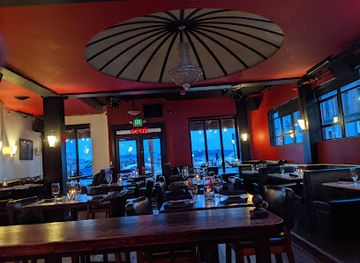
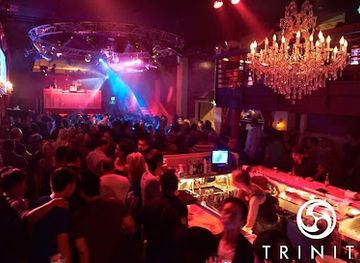
Night club
Trinity
Experience the vibrant nightlife of Seattle at Trinity Nightclub, where music, dancing, and unforgettable moments come alive.
8 min walk · 0.7 km from neighbourhood centre


Best shops in Downtown Seattle
Shopping in Downtown Seattle ranges from the specialised stalls of Pike Place Market to mainstream retail around Westlake and Pine Street. The market is the most distinctive place to browse, with flowers, food products, handmade goods, souvenirs and small independent businesses distributed through its main building and adjoining levels; it is also a working trading environment, not simply a souvenir arcade. Westlake Center and the blocks around Fifth Avenue provide more conventional fashion, department-store and chain retail, while Pacific Place adds an indoor shopping and dining setting. Bookshops, galleries, food retailers and specialist sellers appear among the larger commercial uses, although the exact mix changes as leases and redevelopment progress. Visitors interested in local products should look for regional food, crafts and market goods rather than assuming every stall represents Seattle-made merchandise.
-
Gift shop
Ye Olde Curiosity Shop
Discover a treasure trove of unique gifts and curiosities at Ye Olde Curiosity Shop, Seattle's iconic destination for eclectic shopping experiences.
5 min walk · 0.4 km from neighbourhood centre
-
Gift shop
The Purple Store
Explore The Purple Store in Seattle for a colorful selection of gifts, clothing, and unique home decor that embodies the spirit of the city.
7 min walk · 0.5 km from neighbourhood centre
-
Gift shop
Simply Seattle
Discover the heart of Seattle shopping at Simply Seattle, your go-to gift shop for local crafts, clothing, and unique souvenirs.
5 min walk · 0.4 km from neighbourhood centre
-
Gift shop
Made In Washington
Explore Made In Washington: A premier gift shop in Seattle, offering unique local souvenirs and hand-crafted treasures that celebrate the spirit of the Pacific Northwest.
5 min walk · 0.4 km from neighbourhood centre


Downtown Seattle essentials
Getting There
Getting Around
Safety
Emergency Situations
Do's and Don'ts
Local Tips

From Eve
Local phrases worth knowing
You don't need to get them perfect. A few words go a long way, and locals appreciate the effort.
Basics
| English | Local | Say it |
|---|---|---|
| Hello | Hey | [hey] |
| Goodbye | See ya | [see ya] |
| Yes | Yep | [yep] |
| No | Nah | [nah] |
| Please/You're welcome | Sure thing | [sure thing] |
| Thank you | Thanks | [thanks] |
| Excuse me/Sorry | My bad | [my bad] |
| How are you? | How's it going? | [hows it going] |
| Fine. And you? | Good. You? | [good you] |
| Do you speak English? | You speak English? | [you speak english] |
| I don't understand | I'm lost | [im lost] |
Eating & Drinking
| English | Local | Say it |
|---|---|---|
| I'd like to see the menu, please | Menu, please | [menu please] |
| I don't eat meat | No meat for me | [no meat for me] |
| Cheers! | Cheers! | [cheers] |
| I would like to pay, please | Check please | [check please] |
Emergencies
| English | Local | Say it |
|---|---|---|
| Help! | Help! | [help] |
| Go away! | Leave me alone! | [leave me alone] |
| Call the Police! | Call the cops! | [call the cops] |
| Call a doctor! | Need a doctor! | [need a doctor] |
| I'm lost | Lost | [lost] |
| I'm ill | Feeling sick | [feeling sick] |
Shopping
| English | Local | Say it |
|---|---|---|
| I'd like to buy... | I want to buy... | [i want to buy] |
| I'm just looking | Just browsing | [just browsing] |
| How much is it? | How much? | [how much] |
| That's too expensive | Too pricey | [too pricey] |
| Can you lower the price? | Can you do a deal? | [can you do a deal] |
Time & Numbers
| English | Local | Say it |
|---|---|---|
| What time is it? | What time? | [what time] |
| It's one o'clock | It's one | [its one] |
| Half past (10) | Ten thirty | [ten thirty] |
| Morning | Morning | [morning] |
| Afternoon | Afternoon | [afternoon] |
| Evening | Evening | [evening] |
| Yesterday | Yesterday | [yesterday] |
| Today | Today | [today] |
| Tomorrow | Tomorrow | [tomorrow] |
| 1 | One | [one] |
| 2 | Two | [two] |
| 3 | Three | [three] |
| 4 | Four | [four] |
| 5 | Five | [five] |
| 6 | Six | [six] |
| 7 | Seven | [seven] |
| 8 | Eight | [eight] |
| 9 | Nine | [nine] |
| 10 | Ten | [ten] |
Transport & Directions
| English | Local | Say it |
|---|---|---|
| Where's a/the...? | Where is...? | [where is] |
| What's the address? | Address? | [address] |
| Can you show me (on the map)? | Can you show me? | [can you show me] |
| When's the next (bus)? | Next (bus) time? | [next bus time] |
| A ticket (to ....) | One ticket (to ...) | [one ticket to] |
History of Downtown Seattle
Settlement Around Elliott Bay
The area now understood as Downtown Seattle developed on land long used by the Coast Salish peoples, including the Duwamish, before the arrival of American settlers. The Denny Party reached the Elliott Bay area in 1851 after an initial settlement at Alki, and the settlement that became Seattle grew around the bay's shoreline and the lower slopes inland. Early commercial activity centred on the waterfront, where timber, shipping and trade connected the young town to regional waterways and the Pacific coast. The original terrain was uneven, with steep hills and tidal margins shaping the first streets and wharves.
The Fire and the Regrade
Seattle's Great Fire of 1889 destroyed much of the wooden commercial centre, creating the opportunity for a more substantial downtown built in brick and stone. Reconstruction accelerated around today's Pioneer Square and the waterfront, while engineers altered the city's difficult topography through a series of regrades. Hills were cut down and earth was moved to improve streets and expand developable land, helping the commercial centre extend northwards. The resulting changes explain both Downtown Seattle's dramatic level differences and the surviving elevated doorways, retaining walls and older street relationships visible around the historic core.
Markets, Transit and Department Stores
During the early twentieth century, Seattle's downtown became the region's principal centre for retail, offices, hotels, transport and entertainment. Pike Place Market opened in 1907 in response to demand for a municipal public market where producers could sell directly to customers, and it developed into a lasting institution despite repeated pressure for redevelopment. Streetcars, ferries and later buses brought shoppers and workers into the centre, while department stores and commercial buildings extended activity along Second, First, Pine and Stewart Streets. The district's architecture from this period still provides much of its visual identity.
Modern Renewal and the Waterfront
After the Second World War, Downtown Seattle gained larger office buildings, new cultural institutions and extensive parking and road infrastructure, while some older commercial areas experienced decline. The 1960s and later decades brought preservation campaigns, including protection for Pike Place Market, alongside redevelopment around Westlake and the civic centre. The Alaskan Way Viaduct, opened in stages in the mid-twentieth century, long separated much of downtown from Elliott Bay. Its removal in the 2010s enabled a major waterfront renewal programme, including new public spaces and pedestrian connections that continue to reshape the relationship between the commercial core and the shoreline.
Downtown Seattle in Photos
Browse through our photo collection highlighting the charm and character of the destination.
Neighbourhoods near Downtown Seattle
The closest neighbourhoods to Downtown Seattle, if you have time for more than one stop.
-

-

-


Swipe for more neighbourhoods
Explore more

Explore more of Seattle
Seattle blends Puget Sound scenery, coffee culture, music history and landmark architecture with museums, markets and urban adventures in Washington State.
Explore Seattle