

Free Southern Wisconsin Travel Guide & Mobile App
Explore Southern Wisconsin with free travel guides. Discover regional history, expert tips, proposed trips, and audio guides on web or mobile app.


Explore Southern Wisconsin for Madison and Milwaukee culture, glacial landscapes, lake recreation, historic towns, farms and distinctive regional food.
Read more about Southern Wisconsin
Getting to and around Southern Wisconsin
How to get there
Transportation
Top city travel guides in Southern Wisconsin
The cities of Southern Wisconsin, and the easiest places to base yourself.
-

-

-

-

-

-
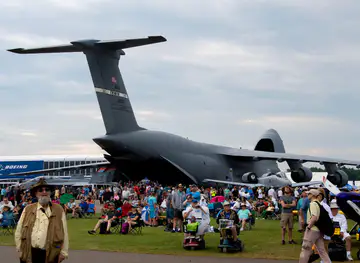


Swipe for more cities
Destinations in Southern Wisconsin
Resorts, valleys and scenic spots worth a trip of their own.
-

-

-


Swipe for more destinations
Best attractions in Southern Wisconsin
Southern Wisconsin offers a varied mixture of urban culture, historic sites and outdoor landscapes. Madison's Capitol Square, lakeside paths, museums and university institutions provide the region's strongest concentration of civic and cultural attractions, while Milwaukee adds major collections, lakefront venues, public markets and former industrial spaces. Outside the cities, Taliesin near Spring Green explores Frank Lloyd Wright's architecture and landscape, Cave of the Mounds presents a protected limestone cave near Blue Mounds, and Old World Wisconsin near Eagle interprets immigrant-era rural life through historic buildings and demonstrations. The south-west's Mississippi and Wisconsin river valleys are suited to scenic drives, hiking, paddling and cycling, while the Ice Age National Scenic Trail crosses glacial landforms through southern and central parts of the state. Lake Geneva and other inland lakes support boating, swimming and walking, and communities such as Mineral Point, New Glarus and Monroe bring mining, Swiss and agricultural histories into the visitor experience. Summer festivals and county fairs add seasonal activity, but the region's attraction landscape is equally rewarding in spring, autumn and winter when museums, architecture and food culture become more prominent.
-
State park
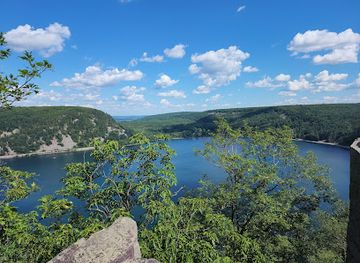
Devil's Lake State Park
Explore the breathtaking beauty of Devil's Lake State Park, Wisconsin's premier outdoor destination for hiking, camping, and water activities.
-
Heritage museum
Harley-Davidson Museum
Dive into the rich history of Harley-Davidson at the Milwaukee Museum, showcasing iconic motorcycles and the spirit of American freedom.
-
Tourist attraction
The House on the Rock
Discover the whimsical world of The House on the Rock in Wisconsin, where imagination and creativity come to life in an extraordinary architectural marvel.
-
Botanical garden
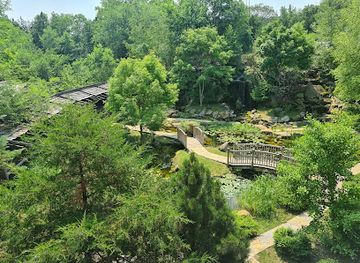
Olbrich Botanical Gardens
Discover the beauty and tranquility of Olbrich Botanical Gardens in Madison, Wisconsin – a perfect retreat for nature enthusiasts and tourists alike.
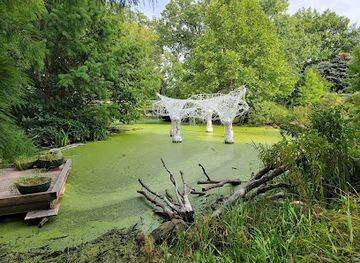
Best landmarks in Southern Wisconsin
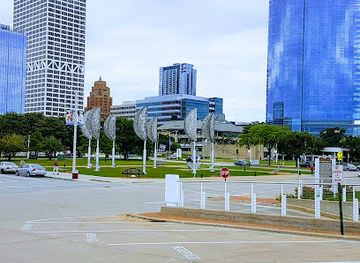
The Wisconsin State Capitol in Madison is Southern Wisconsin's most recognisable civic landmark, rising above Capitol Square and expressing the importance of the city as the state's political centre. Madison's lakes and isthmus are landmarks in their own right, giving the capital a distinctive physical setting between Lake Mendota and Lake Monona. In Milwaukee, the Basilica of Saint Josaphat, the historic Pabst Mansion and the Milwaukee Art Museum's sculptural lakefront building represent different layers of religious, domestic and modern civic architecture. The Hoan Bridge is a prominent visual marker over Milwaukee's harbour, although its significance is chiefly infrastructural rather than historic. Taliesin near Spring Green is both a major architectural landmark and a place closely associated with Frank Lloyd Wright's life and work. Mineral Point's surviving lead-mining-era buildings, New Glarus's Swiss-influenced townscape and the limestone bluffs of the Mississippi valley provide more intimate regional landmarks. Cave of the Mounds and the glacial hills around Blue Mounds demonstrate that Southern Wisconsin's defining landmarks are not all built: geology and ice-shaped terrain are central to its identity.
-
Historical place museum
Old World Wisconsin
Discover the rich cultural heritage of the 19th-century Midwest at Old World Wisconsin, a living history museum with authentic experiences and engaging activities.
-
Historical place museum
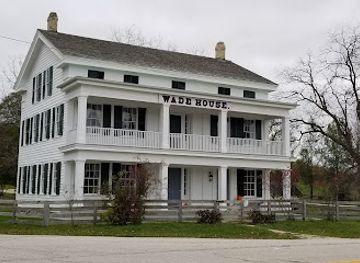
Wade House Historic Site
Explore the Wade House Historic Site in Greenbush, Wisconsin, and immerse yourself in 19th-century history with engaging exhibits and beautiful landscapes.
-
Historical landmark
Villa Louis Historic Site
Explore the Villa Louis Historic Site, a captivating glimpse into Wisconsin's rich history with stunning architecture and beautiful gardens.
-
Historical landmark
Cedarburg Covered Bridge
Explore the Cedarburg Covered Bridge, a historic landmark surrounded by stunning views, perfect for a serene escape into Wisconsin's beautiful landscapes.
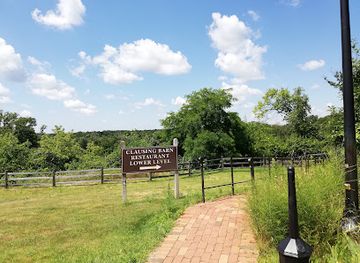
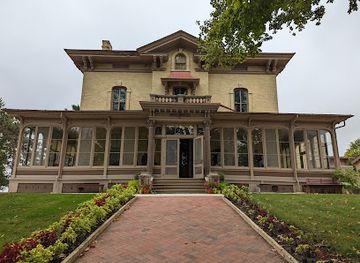

Explore Southern Wisconsin on the map
Plan your trip on one map. See where the top cities, national parks and sights are, and book hotels and experiences in a few clicks.
Best hotels in Southern Wisconsin
Best restaurants in Southern Wisconsin
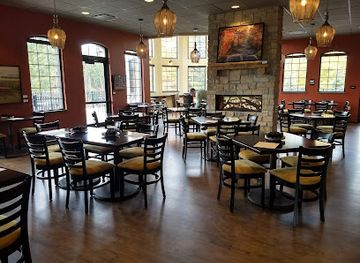
Dining in Southern Wisconsin combines farm-country produce with the culinary traditions of Madison and Milwaukee. Cheese curds, bratwurst, sausages, dairy products, rye-based baking and Friday fish fries are widely associated with Wisconsin, while the supper-club tradition remains visible in rural communities and smaller towns. Milwaukee's food culture reflects German, Polish, Italian and other immigrant influences, with old neighbourhood bakeries and taverns alongside contemporary restaurants. Madison has a strong farmers' market and farm-to-table identity, supported by nearby vegetable farms, cheesemakers and livestock producers. In the south-west, independent cafés, bakeries, country restaurants and seasonal farm stands suit road trips through the river valleys and agricultural districts. Racine-style Danish kringle is a notable south-eastern speciality, and local breweries, cider makers and dairies provide regional drinks and ingredients. Menus vary considerably, so visitors should distinguish Wisconsin-wide favourites from dishes genuinely tied to a particular town or community.
-
Swedish
Al Johnson’s Swedish Restaurant & Butik
Discover authentic Swedish cuisine at Al Johnson's Restaurant & Butik in Sister Bay – where every meal feels like a trip to Sweden.
-
Restaurant
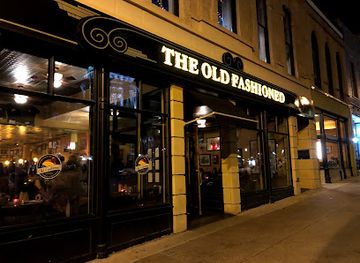
The Old Fashioned
Discover the taste of Wisconsin at The Old Fashioned - where classic American cuisine meets local charm in Madison.
-
Fondue
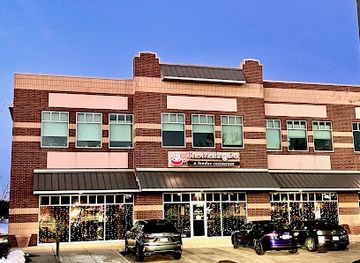
The Melting Pot
Discover the exquisite world of fondue at The Melting Pot in Madison – where every meal becomes a memorable experience.
-
Fine Dining
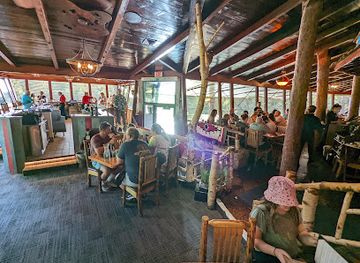
Ishnala Supper Club
Indulge in fine dining at Ishnala Supper Club with breathtaking lake views and an exceptional menu featuring steak and seafood.
Best bars in Southern Wisconsin
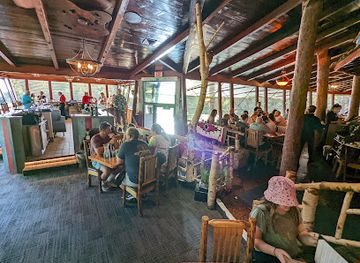
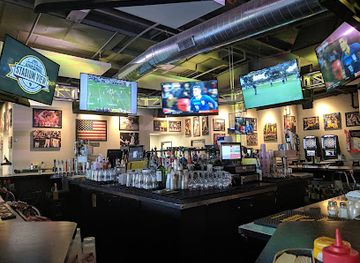
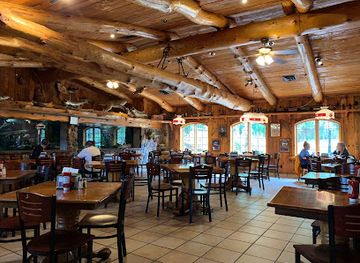
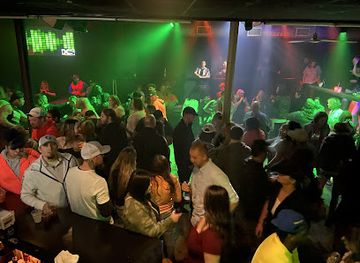
Evening life is concentrated in Madison and Milwaukee, with the two cities offering the greatest choice of pubs, breweries, cocktail bars, live music and late-night venues. Madison's university population supports a busy central bar scene, while neighbourhoods away from the campus provide quieter restaurants, taprooms and performance spaces. Milwaukee's nightlife ranges from historic taverns and brewery taprooms to music venues, theatre, cocktail bars and bars in former industrial or warehouse areas. Smaller cities such as Janesville, Beloit, Racine and Kenosha have local pubs, restaurants and occasional live entertainment, but their nightlife is more limited and community-oriented. In rural Southern Wisconsin, traditional taverns, supper clubs, bowling venues and seasonal events are often more significant than nightclubs. Drinking is not necessary to experience the region's evening culture; concerts, galleries, theatre, sporting events and late dining offer alternatives, and transport should be planned before consuming alcohol.
-
Bar
Ishnala Supper Club
Experience the exquisite tastes and stunning views at Ishnala Supper Club, Wisconsin's premier fine dining destination.
-
Grill
Stadium View Bar, Restaurant, & Event Halls
Experience the best of American cuisine, sports, and vibrant events at Stadium View Bar, Restaurant, & Event Halls in Green Bay.
-
Pub
River's Edge Pub & Grub
Discover River's Edge Pub & Grub: A vibrant pub in Wisconsin Dells offering delicious food, local brews, and a lively atmosphere for all.
-
Grill
The Wicked Hop
Experience the vibrant atmosphere and delicious flavors at The Wicked Hop, Milwaukee's premier grill and bar in the Historic Third Ward.

Best nightclubs in Southern Wisconsin
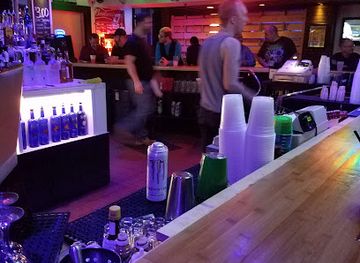
Evening life is concentrated in Madison and Milwaukee, with the two cities offering the greatest choice of pubs, breweries, cocktail bars, live music and late-night venues. Madison's university population supports a busy central bar scene, while neighbourhoods away from the campus provide quieter restaurants, taprooms and performance spaces. Milwaukee's nightlife ranges from historic taverns and brewery taprooms to music venues, theatre, cocktail bars and bars in former industrial or warehouse areas. Smaller cities such as Janesville, Beloit, Racine and Kenosha have local pubs, restaurants and occasional live entertainment, but their nightlife is more limited and community-oriented. In rural Southern Wisconsin, traditional taverns, supper clubs, bowling venues and seasonal events are often more significant than nightclubs. Drinking is not necessary to experience the region's evening culture; concerts, galleries, theatre, sporting events and late dining offer alternatives, and transport should be planned before consuming alcohol.
-
Night club
Crucible
Experience the pulse of Madison's nightlife at Crucible, where music, dancing, and unforgettable moments await.
-
Gay night club
FIVE Nightclub
Discover the electric atmosphere of FIVE Nightclub, Madison's premier gay nightclub, where unforgettable nights of dancing and fun await you.
-
Night club
Mad Planet
Discover the vibrant nightlife at Mad Planet, Milwaukee's top night club and bar, where great music and affordable drinks create unforgettable nights.
-
Night club
XS Nightclub
Discover the electrifying nightlife at XS Nightclub in Green Bay, WI, where music and dance unite for unforgettable nights.


Best shops in Southern Wisconsin
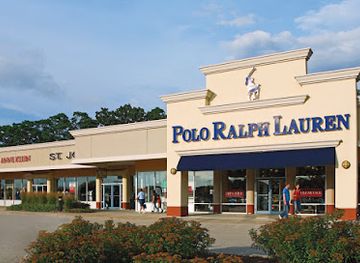
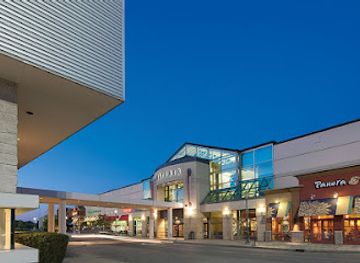
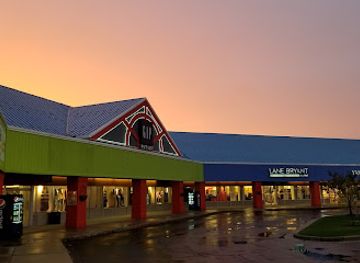
Shopping in Southern Wisconsin is strongest in Madison and Milwaukee, where independent boutiques, bookshops, galleries, design stores, vintage retailers and established commercial districts sit alongside national chains. Madison's Capitol Square and surrounding neighbourhoods are particularly useful for Wisconsin-made foods, books, crafts and practical outdoor goods, while Milwaukee offers public-market shopping, gallery districts, specialty food shops and neighbourhood high streets. Smaller communities such as Mineral Point, New Glarus, Monroe and Lake Geneva have distinct main streets with antiques, locally made crafts, art, clothing and gifts, although opening patterns can be seasonal. Farmers' markets are a good source of cheese, preserves, baked goods, vegetables and other products from surrounding farms. Regional purchases may include Wisconsin cheese, maple products, beer, kringle, pottery, woodwork and locally produced artwork. In rural areas, farm stands and specialist producers may accept limited payment methods, so carrying a small amount of cash remains useful.
-
Outlet mall
Pleasant Prairie Premium Outlets
Discover amazing deals on designer brands at Pleasant Prairie Premium Outlets, your ultimate shopping destination in Wisconsin.
-
Shopping mall
Mayfair
Shop, dine, and explore at the vibrant Mayfair Shopping Mall in Wauwatosa, a perfect destination for retail therapy and entertainment.
-
Outlet mall
Johnson Creek Premium Outlets
Explore Johnson Creek Premium Outlets for an exceptional shopping experience with great deals on your favorite brands.
-
Outlet mall
The Outlet Shoppes at Oshkosh
Discover unbeatable prices and a delightful shopping experience at The Outlet Shoppes at Oshkosh, where style meets savings.

Get your free copy of our complete guide to Southern Wisconsin, delivered straight to you.
Everything on this page, from attractions and restaurants to essentials and local phrases, in one PDF you can read offline, print or share.
Already have an account? Sign in
Your Southern Wisconsin guide is ready.
We'll send it to · Not you? Sign out

Getting your guide ready…
We are putting together a fresh copy of the Southern Wisconsin guide. This can take up to a minute.
This can take a few moments. If your browser asks, choose Allow so the download can start. You'll find the guide in your Downloads folder.
Nothing happened? Download it again
Sorry, the guide is taking longer than usual. Please try again in a minute, or get it by email instead.
Southern Wisconsin essentials
Currency and Payment
Safety
Emergency Situations
Do's and Don'ts
Local Tips
From Eve
Local phrases worth knowing
You don't need to get them perfect. A few words go a long way, and locals appreciate the effort.
Basics
| English | Local | Say it |
|---|---|---|
| Hello | Hi | [hai] |
| Goodbye | See ya | [see yah] |
| Yes | Yeah | [yeh] |
| No | Nah | [nah] |
| Please/You're welcome | Please / No problem | [pleez / noh prob-lem] |
| Thank you | Thanks | [thangks] |
| Excuse me/Sorry | Excuse me / Sorry | [ek-skyoos mee / sor-ree] |
| How are you? | How's it going? | [how's it goin?] |
| Fine. And you? | Good. And you? | [gud. and yoo?] |
| Do you speak English? | Do ya speak English? | [doo yah speek ing-glish?] |
| I don't understand | I don’t get it | [I dont get it] |
Eating & Drinking
| English | Local | Say it |
|---|---|---|
| I'd like to see the menu, please | Can I see the menu, please? | [can I see the men-yoo, pleez?] |
| I don't eat meat | I don't eat meat | [I dont eet meet] |
| Cheers! | Cheers! | [cheers] |
| I would like to pay, please | Can I pay, please? | [can I pay, pleez?] |
Emergencies
| English | Local | Say it |
|---|---|---|
| Help! | Help! | [help] |
| Go away! | Get outta here! | [get outta here] |
| Call the Police! | Call the cops! | [call the cops] |
| Call a doctor! | Get a doctor! | [get a doc-tor] |
| I'm lost | I'm lost | [I'm lost] |
| I'm ill | I'm not feeling well | [I'm not feel-ing well] |
Shopping
| English | Local | Say it |
|---|---|---|
| I'd like to buy... | I wanna buy... | [I wanna buy...] |
| I'm just looking | Just browsing | [just brow-zing] |
| How much is it? | What's the price? | [what's the price?] |
| That's too expensive | That's a bit steep | [that's a bit steep] |
| Can you lower the price? | Can ya make it cheaper? | [can yah make it chee-per?] |
Time & Numbers
| English | Local | Say it |
|---|---|---|
| What time is it? | What time ya got? | [what time ya got?] |
| It's one o'clock | It's one o'clock | [it's one o'clock] |
| Half past (10) | Half past ten | [half past ten] |
| Morning | Morning | [mor-ning] |
| Afternoon | Afternoon | [af-ter-noon] |
| Evening | Evening | [ee-ven-ing] |
| Yesterday | Yesterday | [yes-ter-day] |
| Today | Today | [to-day] |
| Tomorrow | Tomorrow | [to-mor-row] |
| 1 | One | [wun] |
| 2 | Two | [too] |
| 3 | Three | [three] |
| 4 | Four | [for] |
| 5 | Five | [fiv] |
| 6 | Six | [siks] |
| 7 | Seven | [sev-en] |
| 8 | Eight | [ate] |
| 9 | Nine | [nayn] |
| 10 | Ten | [ten] |
Transport & Directions
| English | Local | Say it |
|---|---|---|
| Where's a/the...? | Where's the...? | [where's the...?] |
| What's the address? | What's the address? | [what's the ad-dress?] |
| Can you show me (on the map)? | Can ya show me on the map? | [can yah show me on the map?] |
| When's the next (bus)? | When's the next bus? | [when's the next bus?] |
| A ticket (to ....) | A ticket to ... | [a tick-et to ...] |
History of Southern Wisconsin
Indigenous Homelands and Ho-Chunk History
Southern Wisconsin has long been home to Indigenous peoples, including the Ho-Chunk, whose ancestral lands encompass much of the region around the Wisconsin River and Madison, and the Potawatomi and other nations with historical connections to the southern Great Lakes. Indigenous communities developed established lifeways, trade networks and political relationships before European settlement. Treaties, warfare, land cessions and forced removals during the nineteenth century profoundly altered these relationships, although Native nations and communities remain part of Wisconsin's present-day cultural and political life.
Lead Mining in the South-West, 1820s–1850s
The mineral-rich south-western part of the region, particularly around Mineral Point and the Upper Mississippi lead district, became one of the earliest areas of intensive Euro-American mining in what became Wisconsin. Lead ore was extracted from shallow deposits, often by immigrant miners and their families, and transported through river and overland networks. Mining encouraged permanent settlement, commercial agriculture and the growth of towns, while leaving distinctive vernacular buildings, mine sites and landscapes. Its decline later in the nineteenth century helped shift the local economy towards farming and other industries.
Territorial Government and Wisconsin Statehood
Madison was selected as the capital of the Wisconsin Territory in the 1830s, and its position between major lakes helped shape the city's later development. Wisconsin entered the Union as a state in 1848, by which time southern communities were connected by roads, waterways and expanding commercial networks. The State Capitol and surrounding civic district embody Madison's continuing role in government, while the region's older towns preserve evidence of the period when land speculation, immigrant settlement and agricultural expansion transformed the southern part of the state.
Immigration, Agriculture and Brewing
During the nineteenth century, German, Irish, Scandinavian, Polish and other immigrant communities helped shape southern Wisconsin's farms, towns and cities. Milwaukee became a major brewing centre, supported by German expertise, lake transport, local water and a large urban market. In the countryside, dairy farming became increasingly important, while specialised settlements such as New Glarus reflected Swiss migration. Religious buildings, food traditions, languages, schools and neighbourhood patterns still reveal these layered histories, although the region has continued to change through later migration and urban development.
Industrial Milwaukee and the Lake Michigan Waterfront
Milwaukee grew from a lakeside trading settlement into a major industrial city through the nineteenth and twentieth centuries. Grain, machinery, metalworking, meatpacking, leather and brewing all contributed to its economy, supported by harbour facilities, railways and the urban labour force. Industrial wealth produced substantial civic buildings, churches and houses, while working-class and immigrant neighbourhoods developed distinctive identities. Although manufacturing has declined from its historic peak, the waterfront, museums, markets and surviving factories continue to express the city's relationship with industry and Lake Michigan.
Progressive Politics and Madison's Civic Role
Southern Wisconsin was an important setting for the Progressive movement, a reform tradition associated with public-interest government, education, conservation and regulation during the late nineteenth and early twentieth centuries. Robert M. La Follette, who served as Wisconsin governor and later as a United States senator, became one of its most influential figures. Madison's university and state institutions helped sustain a strong environment for policy debate and reform. The legacy remains visible in the capital's civic life and in Wisconsin's long association with political experimentation.
Frank Lloyd Wright and Twentieth-Century Design
Frank Lloyd Wright was born in Richland Center, in south-western Wisconsin, and spent much of his professional life connected with the region. His home, studio and school at Taliesin near Spring Green became a major centre for his architectural practice and ideas about buildings in relation to landscape. Wright's work is part of a wider southern Wisconsin design story that includes Prairie School architecture, modern civic buildings and carefully planned university and cultural spaces. The surviving sites help explain the region's importance in American architectural history.
Post-war Suburbanisation and Urban Renewal
After the Second World War, population growth, automobile ownership and new highways reshaped southern Wisconsin. Milwaukee expanded through suburban development while confronting industrial decline and major changes to its inner-city economy; Madison grew as a state, university and technology centre. New shopping areas and residential districts spread beyond historic cores, even as preservation movements protected older neighbourhoods and rural landmarks. Contemporary southern Wisconsin is therefore a layered landscape in which Indigenous history, nineteenth-century settlement, industrial infrastructure, modern institutions and agricultural land remain closely connected.
Southern Wisconsin in Photos
Browse through our photo collection highlighting the charm and character of the destination.
Neighbouring regions of Southern Wisconsin
The closest regions to Southern Wisconsin, if you have time for more than one.
-

-

-

-

-


Swipe for more regions
Explore more

Explore more of Wisconsin
Discover Wisconsin: A Midwestern gem offering stunning natural landscapes, rich cultural experiences, and a taste of America's finest dairy products.
Explore Wisconsin