Romance travel is having a renaissance, and this time it knows your love language, sleep chronotype, Spotify playlists, and favorite table by the sea before you even arrive.The modern romantic getaway is no longer a generic beachfront room with rose petals scattered in a heart shape on the bed. Increasingly, couples are seeking escapes that feel as singular as their relationship itself: hyper-tailored weekends with scents tuned to shared memories, playlists built from the songs they first danced to, and experiences that unfold as fluidly as a great conversation. Behind the scenes, an intricate mesh of data, artificial intelligence, and human intuition is quietly orchestrating it all, pushing the travel industry into a new, deeply personal era.
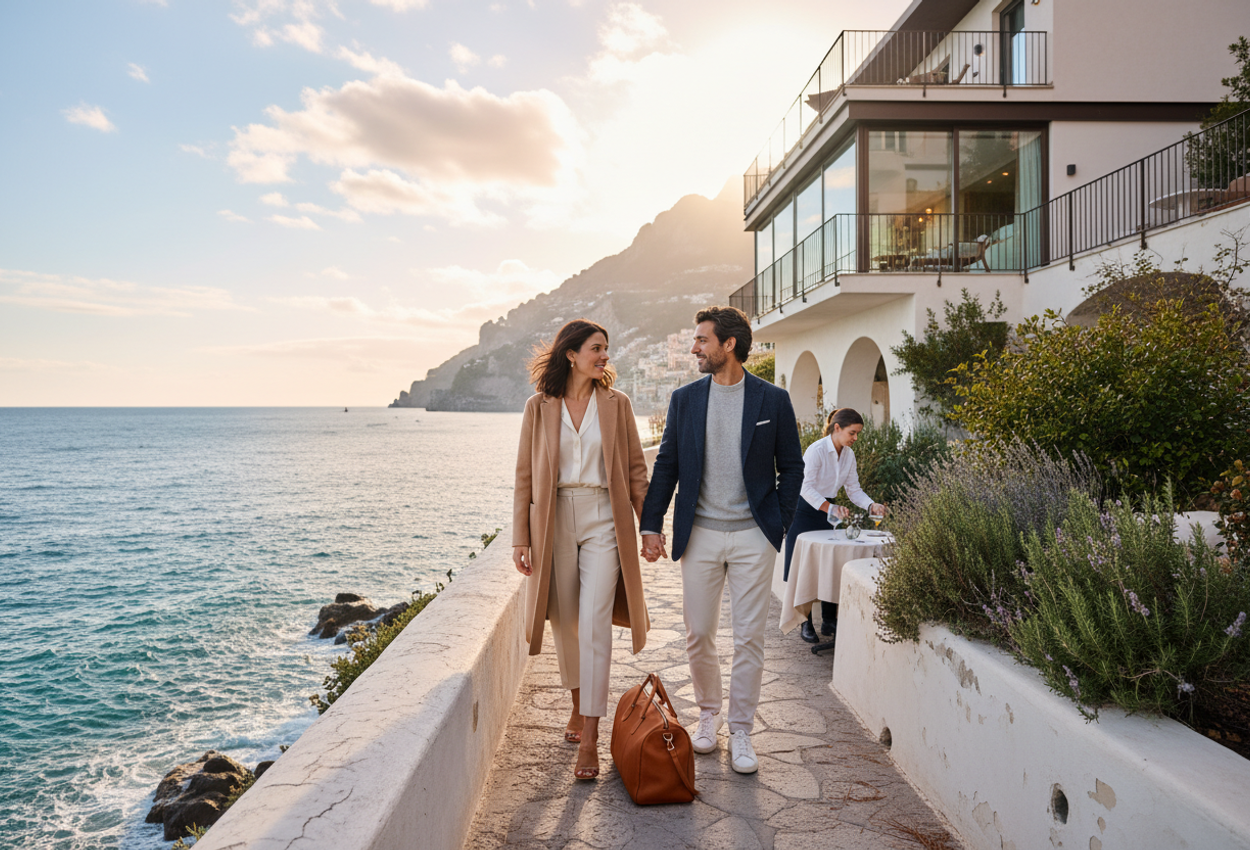
This shift has been building for years, as travelers came to expect personalization in every other part of their digital lives. But in the wake of the pandemic and a broader re-evaluation of how we spend our time and money, couples are demanding more: fewer things, more meaning; fewer checklists, more stories. Romance, with its intensity and symbolism, has become the natural frontier for the most ambitious forms of personalization. The result is a new generation of romantic getaways that treat every couple less like a booking reference and more like an unfolding narrative.
The age of the algorithmic matchmaker
At the heart of this transformation is data—much of it volunteered, some of it inferred, and all of it increasingly orchestrated by powerful AI systems. Where a traditional hotel might have asked whether a guest prefers a king bed or twins, today’s romance-focused brands probe gently into how a couple likes to spend Sunday mornings, whether they unwind with wine or hiking boots, how adventurous they are with food, even how they tend to argue and make up.
At first glance, the process is disarmingly simple: a slick pre-arrival questionnaire embedded in a booking journey, or a chat window that opens and asks open-ended questions about what makes a trip feel special. Underneath, however, machine-learning models are mapping those answers against a growing universe of anonymized guest behavior. The couple that binge-watches moody Nordic dramas and lists bookstores, natural wine bars, and artisan bakeries as top interests may be gently nudged away from the stereotypical tropical honeymoon toward a dusky, candlelit long weekend in Copenhagen or Porto, complete with private pastry workshop and late-night jazz.
Large language models, once novelty tools for trip planning, are being woven deeply into these systems. Specialist frameworks developed for travel have taught AI to read between the lines, distinguishing between couples whose definition of adventure is a helicopter glacier landing and those whose fantasy is simply sleeping in without an alarm. On the back end, these models are orchestrating thousands of moving parts—availability, transit times, seasonal conditions, local events—while leaving room for spontaneity. The AI does not just sequence activities; it scripts emotional arcs, working with human travel designers in a new kind of human–machine matchmaking.
One of the industry’s quiet revolutions is the rise of multi-agent AI planning tools, in which different digital agents play distinct roles in crafting a journey: one curates potential experiences, another optimizes the route, a third tracks live weather and crowd levels, and a fourth checks back with the couple via messaging to fine-tune the plan. For romantic trips, this means that a sunset sail can be nudged thirty minutes later to avoid a passing shower, or a surprise proposal spot can be shifted from an overrun viewpoint to a quieter, equally scenic cove that only locals used to know.
From preference to presence: hotels as emotional choreographers
While technology hums in the background, for couples the magic still happens in the physical, tactile world: in the way a room smells upon arrival, the specific curve of a bay window framing the sea, the feel of linen sheets cooled just so after an afternoon swim. Hyper-personalization has transformed hotels and resorts from static spaces into responsive stages, tuned to each pair’s rhythm.
Across romance-forward properties, the pre-arrival process has become almost as important as check-in. A few weeks before a stay, couples might receive a message from a digital romance concierge, a blend of human planner and AI assistant, who invites them to share a story: how they met, a favorite memory, something they are celebrating or healing from. Those details become the raw material for subtle gestures. A couple who fell in love while backpacking through vineyards may find, waiting in their room, a flight of local natural wines selected to echo regions they once roamed. Another who has survived a difficult year of long-distance goodbyes might arrive to a handwritten note—drafted by AI, refined by a real person—expressing hope that the next few days feel like an exhale.
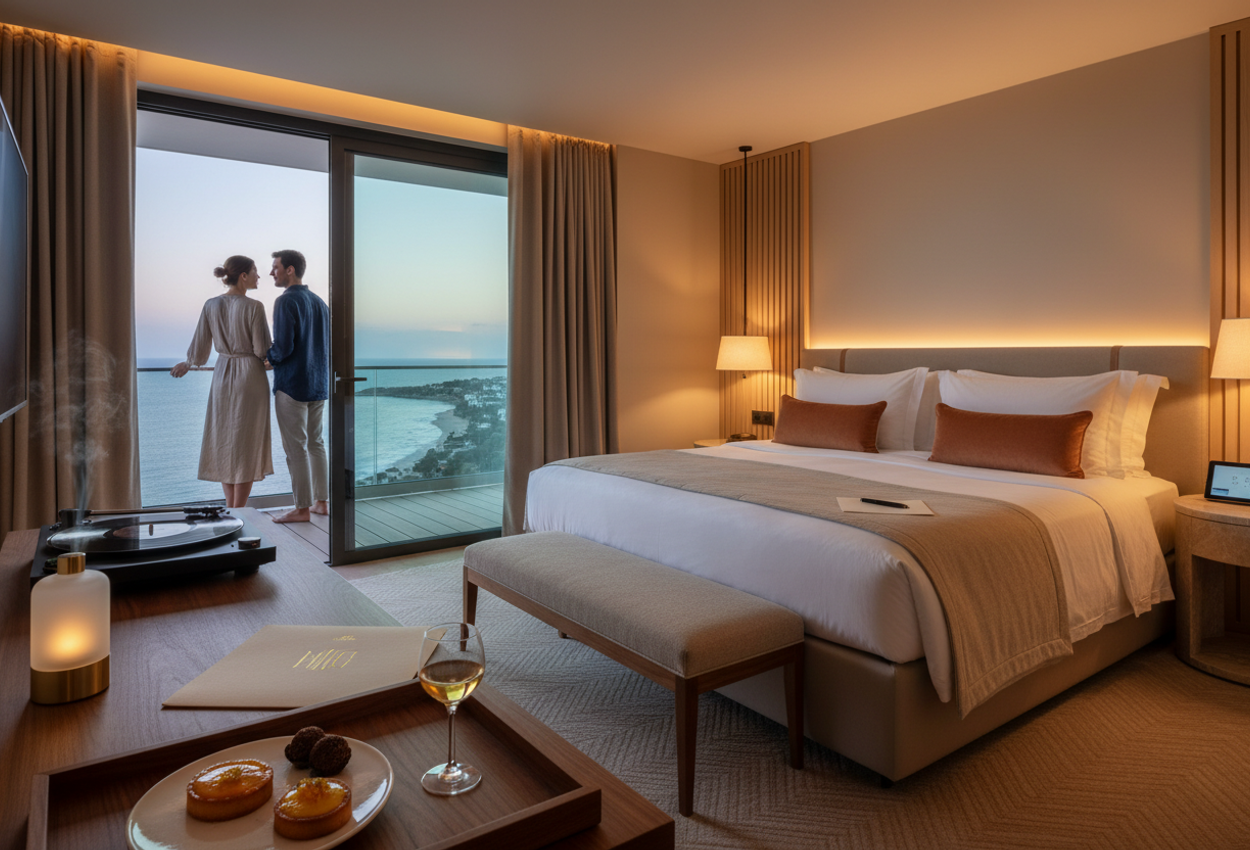
Some properties are taking personalization into the realm of what might be called emotional design. Lighting systems shift color temperatures and intensity based on circadian data, helping jet-lagged couples sync their bodies and moods more quickly. Smart speakers, linked to the couple’s pre-shared playlists, know when to softly cue their favorite song during an in-room dinner. Scent diffusers release fragrances keyed to the time of day—citrus and rosemary in the mornings, sandalwood and fig at night—chosen from a menu of scent profiles the couple has chosen, or even assembled by AI based on their stated preferences.
Importantly, the most successful hotels are not just deploying technology for its own sake. The innovation is subtlety. Take the romantic personal assistant concept pioneered at cliffside retreats along Italy’s Amalfi Coast, where couples sit down with a dedicated planner who builds a completely bespoke set of experiences: a vintage convertible drive to a lemon grove where a picnic has been laid out; a private rooftop dinner timed to the rise of a nearly full moon; a cooking class that replicates a grandmother’s recipe emailed in advance. Behind the scenes, the assistant is often backed by AI tools that track availability, weather, and transit, but what the couple remembers is the sense of being seen and anticipated.
Wellness-led country estates in England and elsewhere are going even further, designing hyper-personal wellness retreats for couples that meld relationship counseling, sleep diagnostics, nutrition, and nature immersion. Here, personalization starts long before arrival: guests complete detailed assessments on sleep quality, stress levels, and emotional goals, often supported by data from wearables. By the time they reach the property’s tree-lined drive, their schedule has been quietly optimized: shared forest bathing at the hour when their combined heart rates tend to be lowest, contrast therapy sessions paired with guided journaling, nutrition menus designed to avoid ingredients that disrupt either partner’s sleep.
Data, but make it intimate: how much couples are sharing
The intimacy of these new offerings raises a crucial question: how much are couples truly willing to share? The answer, according to recent market research, is more than ever—provided they perceive genuine value, clear boundaries, and robust protections. Surveys indicate that a decisive majority of travelers now expect some level of personalization, and a significant portion are willing to pay extra for experiences tuned just for them. In romance travel, where emotions run high and milestones are at stake, that willingness is even stronger.
Hyper-personalized romantic getaways typically draw from three data streams. The first is explicit preference data: forms, interviews, chat exchanges, and direct requests. The second is behavioral data, collected both online and on-property: which photos a couple lingers on, which destinations they search for, what they order at the bar, whether they request late check-outs or early breakfasts. The third, increasingly, is contextual data—seasonality, global events, local festivals, and even real-time crowding patterns in key neighborhoods or at iconic viewpoints.
As systems become more sophisticated, they can spot the subtle signals that differentiate a routine vacation from a high-stakes romantic trip. A flurry of messages about ring boxes and camera positions flags an impending proposal, triggering a more proactive, white-glove style of service. A request to keep everything low-key and discrete after a recent loss might lead to a quieter form of personalization: secluded tables, flexible spa slots, and staff briefed gently to avoid the word celebration.
For many couples, the trade-off between data and magic feels worthwhile when the results are palpable. That might mean walking into a room where the temperature is set exactly to their shared comfort zone, the minibar is stocked with the dark chocolate one partner loves and the non-alcoholic aperitifs the other prefers, and tomorrow’s schedule is already adjusted to accommodate the late evening they wound up having under the stars. The experience feels less like being tracked and more like being cared for—provided transparency and consent are handled with rigor.
Local tip: how to share just enough
Couples eager to benefit from hyper-personalization without feeling overexposed are adopting a simple rule of thumb: share stories, not secrets. Rather than uploading entire medical histories or sensitive financial details, they focus on describing moods, desires, and boundaries. Many leading operators now explicitly highlight the option to decline certain types of data sharing and still receive a thoughtful, if slightly less granular, level of personalization.
New playgrounds for bespoke romance: from vineyards to VR
Hyper-personalized romantic travel is not confined to traditional beachfront resorts. It is remapping where and how couples travel together, with three broad categories emerging as the most fertile testing grounds: nature-based retreats, urban hideaways, and experiential hubs built around food, wine, or wellness.
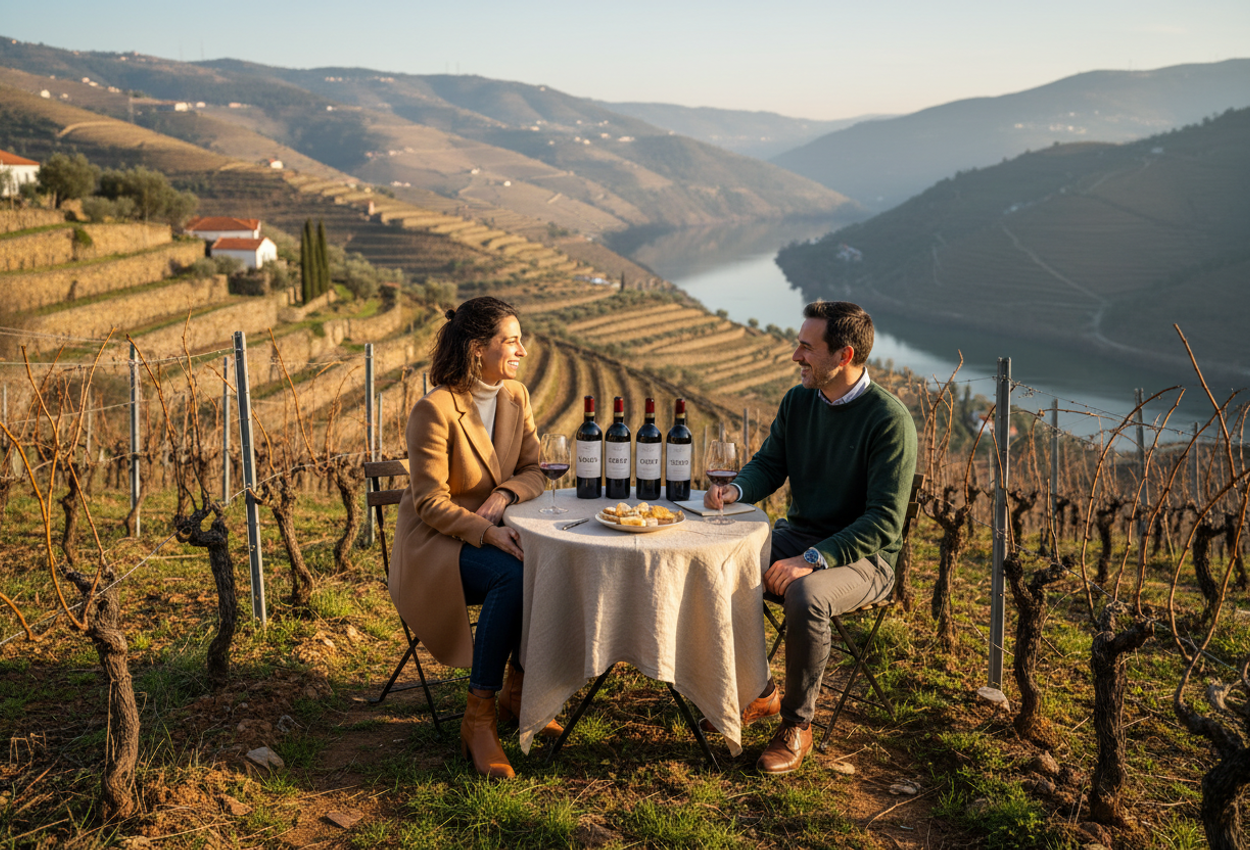
In wine regions from California to Portugal’s Douro Valley, boutique estates are designing what feel like living love letters for oenophile couples. An AI-enhanced sommelier engine, trained on both global wine databases and previous guest feedback, can build a tasting program that reflects not just a couple’s stated preferences but the emotional story they want to tell. One evening might be devoted to wines from the years they first met, moved in together, and got married. Another might focus on bottles from regions they hope to visit in the future, effectively turning a tasting into a vision board for the next decade of their relationship.
Urban hotels, for their part, are leaning into hyper-local, micro-personalized itineraries that can turn a familiar city into a private playground. In neighborhoods from Paris to Tokyo, AI-guided concierges build intricate, hour-by-hour explorations that reflect the specific tempo of each pair. For introverted couples, that might mean a trail of cozy wine bars, independent cinemas, and late-night record shops, each pre-briefed to welcome them by name. For more extroverted travelers, the algorithm may favor speakeasies, supper clubs, and intimate live music venues chosen for their potential to spark conversation with strangers.
Perhaps the most striking frontier, however, lies in pre-trip inspiration. Romance travel specialists are experimenting with immersive virtual previews of suites, beaches, and chapels. Using VR headsets or even simple browser-based 360-degree tours, couples can wander through potential proposal spots or honeymoon suites before committing, tweaking details with planners in real time: more candles along this pathway, a string quartet instead of a solo violinist, a dessert flavored with the citrus that grew in the bride’s childhood garden. The final event feels inevitable, as if it were always meant to look and feel exactly that way.
For some, hyper-personalization even begins before the destination is chosen. AI-driven discovery tools, embedded in online booking platforms and messaging apps, take couples through branching-story questionnaires that feel more like personality games than trip planning. As they make choices about imagined scenes—mountain mist or sea breeze, street food or tasting menus, linen or cashmere—the system builds a profile, surfacing destinations and accommodations that match not just budget and logistics but shared identity. The result is that a couple who thought they wanted a standard Caribbean honeymoon may discover that, in fact, a sustainably minded eco-lodge in Costa Rica or a remote fjord-side retreat in Norway is a more resonant fit.
Human touch in a world of hyper-tech
For all the sophistication of the technology involved, the most successful hyper-personalized romantic getaways still hinge on human warmth. Industry leaders are adamant that AI should never replace the serendipity of a bartender who notices a nervous guest slipping a ring box into a pocket, or a housekeeper who realizes that a certain song puts a smile on a guest’s face and quietly ensures it plays again at turn-down. Instead, AI is increasingly framed as a backstage assistant, freeing staff from rote tasks so they can focus on high-emotion moments.
Some of the most innovative hospitality brands now run their own internal matchmaking labs, where data scientists sit alongside veteran concierges and wedding planners. Together, they review anonymized trip transcripts and guest feedback, identifying patterns: which gestures felt most meaningful, which surprises fell flat, where expectations were exceeded or missed. Those insights feed back into both the algorithms and the training of on-property staff, refining the choreography of romance.
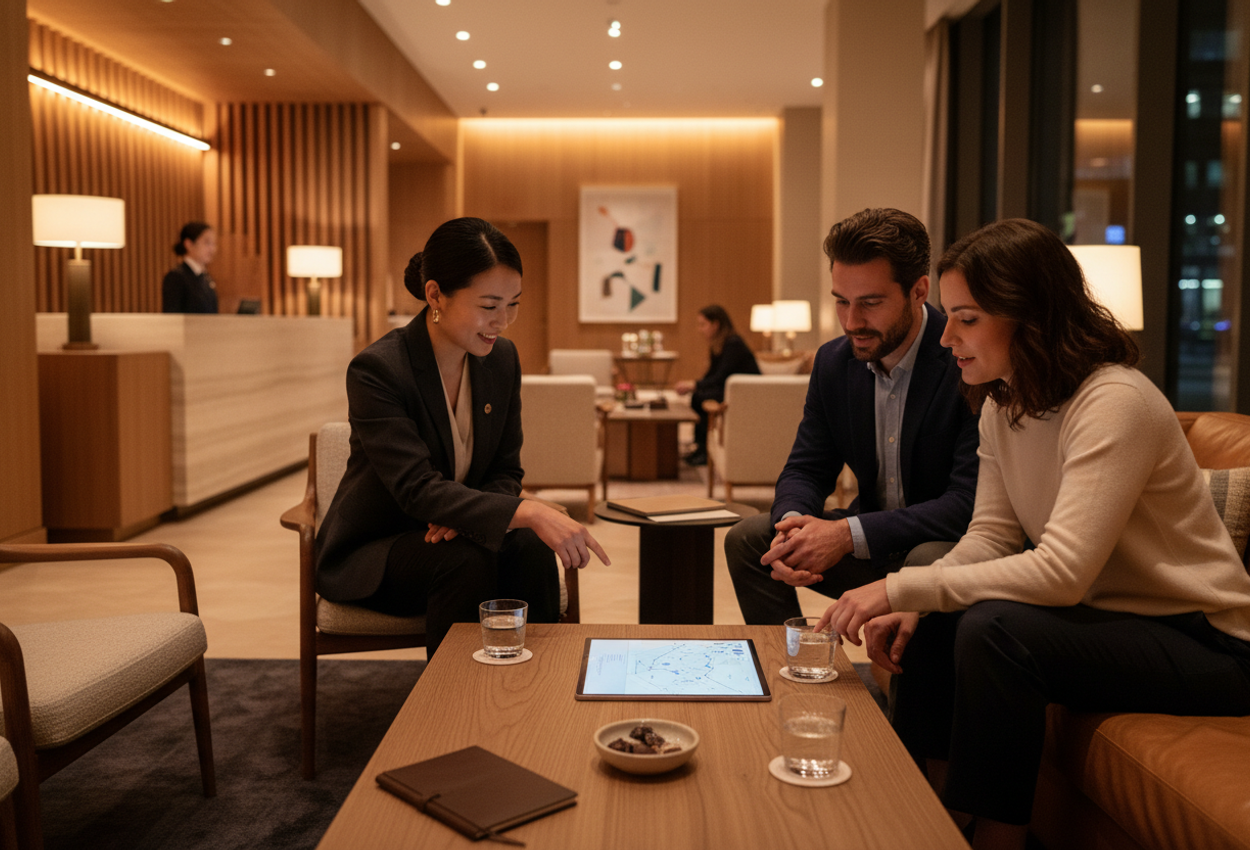
Consider the role of the dedicated romance concierge, a position once limited to a handful of luxury resorts, now spreading to cruise lines, city hotels, and even sleeper trains. This person becomes the couple’s primary human contact—a curator and confidante backed by AI but grounded in empathy. They might suggest a last-minute vow renewal on a rooftop in Barcelona, or gently steer an overwhelmed partner away from an overcomplicated proposal scheme toward something simpler and more authentic.
Industry reports show that brands offering this hybrid model—high-touch human service supported by low-friction technology—are seeing strong repeat business. Couples who feel genuinely understood on a first visit are more likely to return for anniversaries, baby moons, and milestone birthdays, expecting that the property will evolve its understanding of them over time. In effect, these hotels and operators are becoming long-term participants in a couple’s story, rather than brief one-off backdrops.
Hidden gem: the romance lab behind the scenes
Several leading travel companies have quietly established internal teams that function almost like think tanks for love. They experiment with new forms of personalization—trialing, for instance, AI-generated poetry that can be edited by staff and left on pillows, or dynamic room art that changes to reflect the couple’s favorite landscapes. These experiments rarely make the marketing copy, but they are shaping the subtle emotional layers that distinguish a good getaway from a life-marker trip.
Ethics, consent, and the boundaries of personalization
As the romance travel sector pushes the limits of what can be tailored, it is also confronting sharp questions about what should be. Couples on a break from social media might be disconcerted to discover that an AI has inferred their favorite views or restaurants from past tagged photos. Guests with complex histories around family, fertility, or identity may find certain assumptions—about weddings, children, or traditional relationship structures—deeply off-key. For hyper-personalization to feel like care rather than intrusion, the industry is being forced to examine its ethics with unusual rigor.
Forward-thinking brands are adopting a consent-first approach: clearly labeled options that allow couples to opt in to different tiers of personalization. The lightest tier might limit data use to practical preferences—bed type, dietary choices, activity level—while higher tiers allow more emotional and behavioral data to be used. At each step, couples can see in plain language what they are giving and what they are getting in return: more tailored surprises, pre-arrival room setup, or flexible, AI-managed daily itineraries.
Some operators are partnering with privacy experts to introduce concepts like data minimization, ensuring that once a stay is complete, only the information necessary for future visits is stored. Others are using blockchain-based systems to make loyalty programs and bookings more transparent and secure, an appealing proposition for couples entrusting them with high-value events like destination weddings and honeymoons. The overall direction is clear: the future of romantic travel will be built on trust as much as on technology.
There is also a growing movement to re-center inclusivity. Hyper-personalized romance cannot be limited to heterosexual honeymooners in white linen. The most progressive brands are actively training both staff and algorithms to recognize and honor a spectrum of relationships: queer couples, polyamorous constellations, chosen families, and friends marking platonic milestones. For AI, that means retraining models on more diverse datasets and flagging language that defaults to traditional scripts. For staff, it means learning to ask open questions—who is important to you on this trip, what are you celebrating—rather than making assumptions.
Looking ahead: when the trip remembers you
The trajectory of hyper-personalized romantic travel suggests a near future in which the getaway does not start at the airport, but weeks or months earlier, and does not end at checkout. Instead, trips will live as evolving relationships between couples and the brands they choose, with each experience informing the next. The hotel that hosted a proposal today may, in a few years, propose a family suite arrangement that quietly incorporates the nap schedules of toddlers whose sleep data has been shared. The eco-lodge where a couple spent their first anniversary may reach out, unprompted, with a customized itinerary for a 10-year vow renewal that revisits original memories with more sustainable, low-impact options.
Artificial intelligence will only become more adept at this sort of longitudinal personalization. Advanced systems are already capable of synthesizing data across messages, bookings, reviews, and social media content to build nuanced profiles of traveler behavior. In the romantic space, this might mean an AI that remembers not just where a couple went, but how a trip made them feel—gleaned from survey language, on-trip chat tone, and even biometric signals from voluntary wearables—and uses that to guide future suggestions. The couple who returns from a mountain retreat reporting that they have never felt more connected may find themselves nudged toward similar nature-immersive experiences, while the duo who loved a bustling city escape but felt drained afterward might be guided toward slightly slower-paced, yet equally culture-rich, alternatives next time.
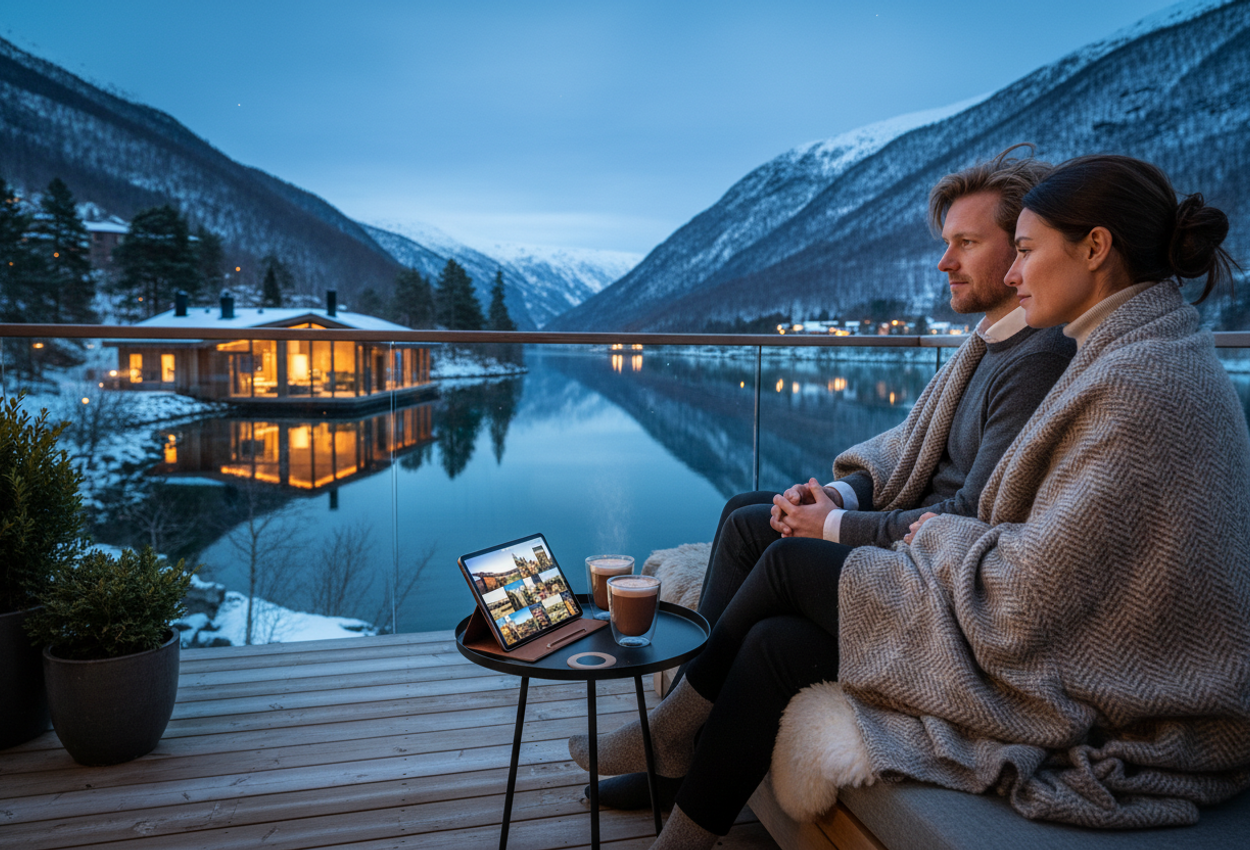
Yet even as the systems grow more intricate, the essence of the romantic getaway may circle back to something beautifully simple: two people alone in a place that feels exactly right, with time carved out and the outside world gently dimmed. If hyper-personalization succeeds, it will not be because it dazzles with technology, but because it quietly removes friction, reduces decision fatigue, and creates a sense that, just for a few days, the universe has been arranged in their favor.
For industry leaders, the mandate is clear. The future of romance travel lies not in building ever grander infinity pools or taller overwater villas, but in listening more deeply—to what couples say, what they show, and what they leave unsaid. It lies in investing as much in data ethics as in decor, as much in staff training as in sensor networks. Above all, it lies in recognizing that in an age defined by personalization, the most compelling luxury is to feel not just catered to, but genuinely known.
As the line between online and offline worlds continues to blur, couples will carry the echoes of these carefully tuned escapes back into their daily lives: a scent that recalls a perfect weekend on the coast, a playlist that recreates the electric hush of a rooftop proposal, a new ritual—sunrise coffee on the balcony, handwritten notes traded at turndown—that outlasts the passport stamp. In that sense, hyper-personalized romantic getaways are not just a trend, but a quiet reimagining of what travel, at its most intimate, can do.