
Lake Guntersville State Park, Alabama Travel Guide
Discover the natural beauty and outdoor adventures at Lake Guntersville State Park, Alabama's premier destination for wildlife, water sports, and relaxation.
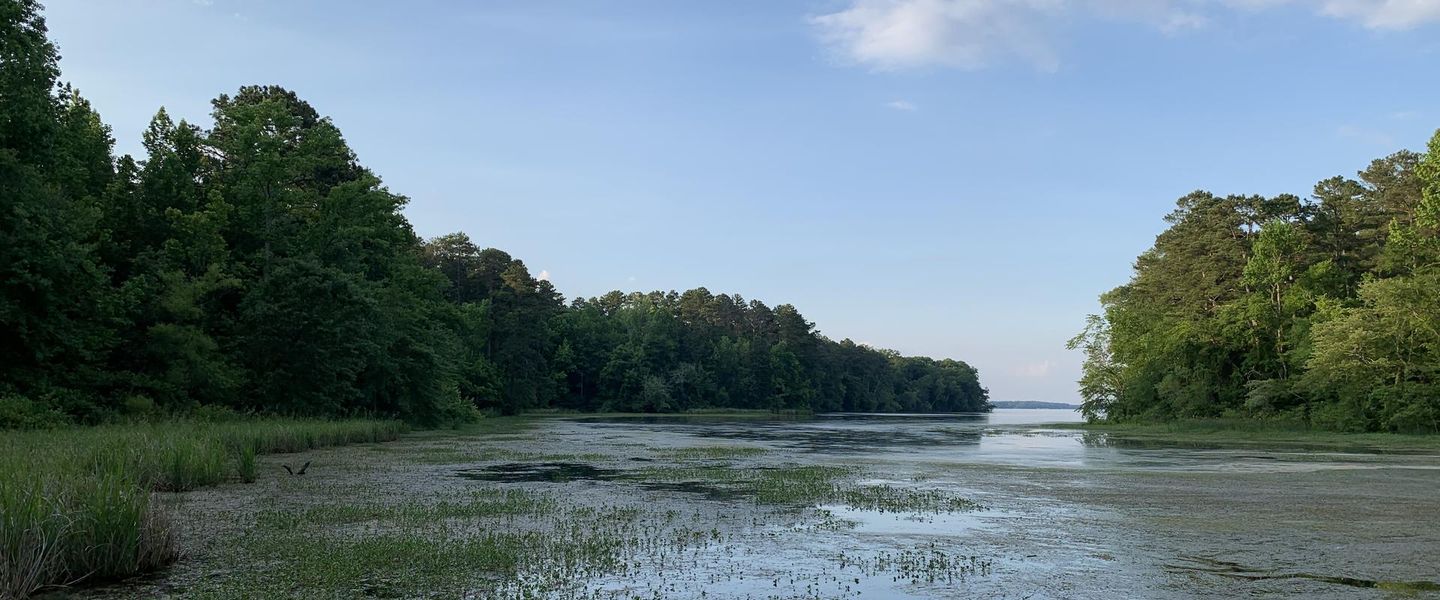
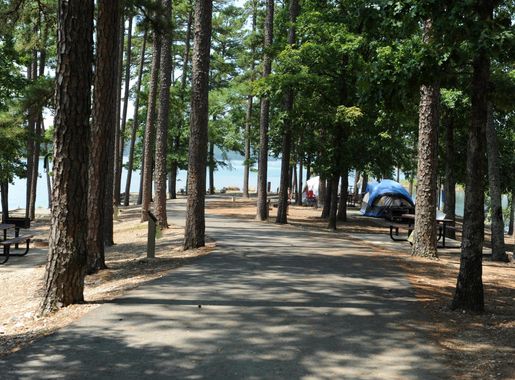
Nestled in the heart of Alabama, Lake Guntersville State Park is a treasure trove for nature lovers and adventure seekers alike. This sprawling park spans over 6,000 acres and offers a variety of activities that cater to all ages and interests. From the serene waters of Lake Guntersville to the lush forests and rolling hills, the park is a visual feast. Wildlife enthusiasts will be thrilled with the park's rich biodiversity. The area is home to numerous bird species, including the majestic bald eagle. The park's Eagle Awareness Program, held during the winter months, provides fantastic opportunities to observe these magnificent birds in their natural habitat. Hiking trails of varying difficulty levels weave through the park, offering stunning vistas and the chance to spot deer, wild turkeys, and other wildlife. Water sports enthusiasts can take advantage of the lake's expansive waters for fishing, boating, and kayaking. The park's marina offers boat rentals, making it easy for visitors to explore the lake. Golfers can enjoy a round at the park's 18-hole championship golf course, which boasts spectacular views and a challenging layout. For those looking to relax, the park offers a beach area, picnic spots, and a cozy lodge with cabins and campsites, providing a perfect retreat after a day of adventure.

Know before you go
Hi, I'm Eve. Here are a few practical things to know before exploring Lake Guntersville State Park.
- Visit during the winter months for the best chance to see bald eagles.
- Pack comfortable hiking shoes to explore the park's numerous trails.
- Rent a boat from the marina for a unique perspective of Lake Guntersville.
- Book accommodations in advance, especially during peak seasons, to secure your preferred lodging.
- Bring binoculars for bird watching and wildlife observation.
Explore Lake Guntersville State Park: Things to Do, Places to Eat, Hotels & More
Handpicked recommendations for top attractions, local dining, accommodations, and more

Best attractions in Lake Guntersville State Park
Top-rated picks
Best Attractions

Screaming Eagle Aerial Adventures at Lake Guntersville State Park
Experience the thrill of ziplining through the treetops at Lake Guntersville State Park with Screaming Eagle Aerial Adventures.

Buckeye Pavilion at Lake Guntersville State Park
A perfect spot for lakeside gatherings and family fun, near the beach and campground at beautiful Lake Guntersville State Park.

Beach Complex
Enjoy swimming, sunbathing, and water activities at the scenic Beach Complex in Lake Guntersville State Park, Alabama.

Beach Pavilion at Lake Guntersville State Park
Enjoy lakeside events and gatherings at the Beach Pavilion in Lake Guntersville State Park, offering scenic views and convenient amenities for a memorable experience.

Best landmarks in Lake Guntersville State Park
Top-rated picks
Best Landmarks

Screaming Eagle Aerial Adventures at Lake Guntersville State Park
Soar through the treetops at Lake Guntersville State Park with thrilling zipline adventures and breathtaking views for an unforgettable experience.

Buckeye Pavilion at Lake Guntersville State Park
Enjoy lakeside gatherings and outdoor fun at Buckeye Pavilion, nestled in the heart of Lake Guntersville State Park's scenic beauty and recreational activities.

Explore Lake Guntersville State Park on the Map
A handpicked selection of must-see spots in Lake Guntersville State Park, mapped for you.
Lake Guntersville State Park Essentials
-
Lake Guntersville State Park is located in northeastern Alabama, near the city of Guntersville. The nearest major airport is Huntsville International Airport (HSV), which is approximately 60 miles away. From Huntsville, you can rent a car and drive to the park, which takes about an hour. Alternatively, Birmingham-Shuttlesworth International Airport (BHM) is about 100 miles away, and the drive from Birmingham takes around two hours. For those preferring public transport, Greyhound buses operate routes to Guntersville, but having a car is recommended for convenience and flexibility.
-
Having your own vehicle is the most convenient way to explore Lake Guntersville State Park and its surroundings. The park has well-maintained roads and ample parking. For those without a car, local taxi services and rideshare options like Uber and Lyft are available in Guntersville. Biking is also a popular mode of transportation within the park, with several trails suitable for cyclists.
-
The official currency in the United States is the US Dollar (USD). Credit and debit cards are widely accepted at most establishments within and around Lake Guntersville State Park, including hotels, restaurants, and shops. However, it is advisable to carry some cash for smaller vendors or in case of any technical issues with card payment systems. ATMs are available in Guntersville and at some locations within the park.
-
Lake Guntersville State Park is generally safe for tourists. However, as with any travel destination, it is important to stay vigilant. Avoid leaving valuables in your car and always lock your vehicle. While the park itself is safe, it is best to avoid isolated areas at night. Guntersville, the nearest town, has a low crime rate, but it is always wise to stay aware of your surroundings.
-
In case of emergency, dial 911 for immediate assistance. The park has its own ranger station where you can report emergencies or seek help. There is a medical clinic in Guntersville and the nearest hospital is Marshall Medical Center North, about 15 minutes away. It is recommended to have travel insurance that covers medical emergencies. For minor health issues, there are pharmacies in Guntersville where you can purchase over-the-counter medications.
-
Fashion: Do wear comfortable, weather-appropriate clothing and sturdy shoes, especially if you plan to hike. Avoid overly revealing clothing to respect local sensibilities. Religion: Do respect the local religious customs, though the area is predominantly secular. Public Transport: Do be courteous to drivers and other passengers if using local taxis or rideshares. Since public transport is limited, plan your trips accordingly. Greetings: Do greet people with a smile and a friendly 'hello.' Southerners are known for their hospitality. Eating & Drinking: Do try local Southern cuisine, including catfish and barbecue. Don’t forget to tip your server, as tipping is customary in the United States.
-
To experience Lake Guntersville State Park like a local, visit the park's golf course, which offers stunning views of the lake. Engage with park rangers and attend guided tours or educational programs to learn more about the local flora and fauna. Fishing is a popular activity at the park, so consider obtaining a fishing license and trying your hand at catching bass or crappie. For a unique experience, take a boat tour on the lake to enjoy the scenic beauty and wildlife.
When is the best time to visit Lake Guntersville State Park?
Useful Local Phrases for Lake Guntersville State Park
You don't need to speak the language perfectly. Even learning a few simple words can make conversations warmer—and locals usually appreciate the effort.
— Eve

Here are the phrases I use most often in Lake Guntersville State Park. Try a few—you'll be surprised how far they go! 😊
❤️
-
- HelloHey y'all
[Hey y'all] - GoodbyeSee ya later
[See ya later] - YesYessir
[Yessir] - NoNah
[Nah] - Please/You're welcomePlease/You're welcome
[Please/You're welcome] - Thank youThank ya kindly
[Thank ya kindly] - Excuse me/SorryBeg your pardon
[Beg your pardon] - How are you?How y'all doin'?
[How y'all doin'?] - Fine. And you?Fine. And you?
[Fine. And you?] - Do you speak English?Y'all speak English?
[Y'all speak English?] - I don't understandI ain't catchin' on
[I ain't catchin' on]
- HelloHey y'all
-
- I'd like to see the menu, pleaseCan I see the menu, please
[Can I see the menu, please] - I don't eat meatI don't eat meat
[I don't eat meat] - Cheers!Cheers!
[Cheers!] - I would like to pay, pleaseI would like to pay, please
[I would like to pay, please]
- I'd like to see the menu, pleaseCan I see the menu, please
-
- Help!Help!
[Help!] - Go away!Git!
[Git!] - Call the Police!Call the Sheriff!
[Call the Sheriff!] - Call a doctor!Call the Doc!
[Call the Doc!] - I'm lostI'm turned around
[I'm turned around] - I'm illI'm feelin' poorly
[I'm feelin' poorly]
- Help!Help!
-
- I'd like to buy...I reckon I'll buy...
[I reckon I'll buy...] - I'm just lookingI'm just lookin'
[I'm just lookin'] - How much is it?How much does it run?
[How much does it run?] - That's too expensiveThat's too steep
[That's too steep] - Can you lower the price?Can ya knock the price down?
[Can ya knock the price down?]
- I'd like to buy...I reckon I'll buy...
-
- What time is it?What's the time?
[What's the time?] - It's one o'clockIt's one o'clock
[It's one o'clock] - Half past (10)Half past ten
[Half past ten] - MorningMornin'
[Mornin'] - AfternoonAfternoon
[Afternoon] - EveningEvenin'
[Evenin'] - YesterdayYest'day
[Yest'day] - TodayToday
[Today] - TomorrowTomorrer
[Tomorrer] - 1One
[One] - 2Two
[Two] - 3Three
[Three] - 4Four
[Four] - 5Five
[Five] - 6Six
[Six] - 7Seven
[Seven] - 8Eight
[Eight] - 9Nine
[Nine] - 10Ten
[Ten]
- What time is it?What's the time?
-
- Where's a/the...?Where's a/the...?
[Where's a/the...?] - What's the address?What's the address?
[What's the address?] - Can you show me (on the map)?Can you show me (on the map)?
[Can you show me (on the map)?] - When's the next (bus)?When's the next (bus)?
[When's the next (bus)?] - A ticket (to ....)A ticket (to ....)
[A ticket (to ....)]
- Where's a/the...?Where's a/the...?
History of Lake Guntersville State Park
-
Long before European settlers arrived, the area now known as Lake Guntersville State Park was inhabited by Indigenous peoples, primarily the Cherokee. Evidence of their presence can be found in the numerous artifacts and burial mounds scattered throughout the region. The Cherokee utilized the fertile land and abundant waters for farming, fishing, and hunting, creating a rich, sustainable lifestyle that thrived for centuries.
-
In the early 16th century, Spanish explorers like Hernando de Soto traversed the Southeast, including the area around present-day Lake Guntersville. These early expeditions marked the beginning of European interest in the region, although permanent settlements would not be established for several more centuries. The arrival of Europeans brought significant changes to the Indigenous way of life through trade, conflict, and disease.
-
The town of Guntersville, named after early settler John Gunter, was established in the early 19th century. Gunter, a Scotsman who married into the Cherokee tribe, played a crucial role in the development of the area. The town quickly became a hub for trade and commerce due to its strategic location along the Tennessee River, fostering economic growth and attracting more settlers.
-
During the American Civil War, Guntersville and the surrounding areas saw significant military activity. The Union Army targeted the town due to its strategic importance, leading to skirmishes and the eventual burning of Guntersville in 1864. The post-war Reconstruction era was a time of rebuilding and transformation, as the community worked to recover from the destruction and economic turmoil.
-
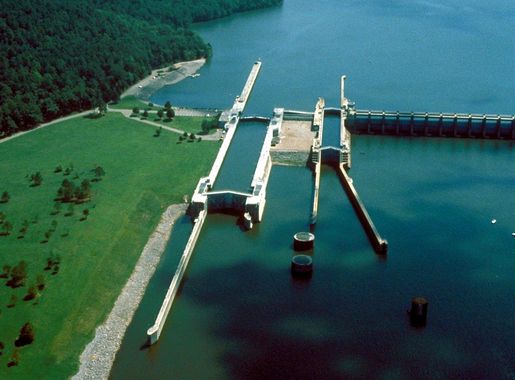
Lake Guntersville itself was created in 1939 as a result of the Tennessee Valley Authority's (TVA) hydroelectric dam project. The construction of Guntersville Dam led to the flooding of the Tennessee River valley, forming the 69,000-acre lake. This project was part of a broader effort to provide electricity, improve navigation, and control flooding in the Tennessee Valley region.
-
Lake Guntersville State Park was officially established in 1947, offering a natural oasis for recreation and wildlife preservation. The park spans over 6,000 acres and includes a diverse range of ecosystems, from dense forests to serene waterfronts. Its creation was part of a movement to promote outdoor recreation and conservation efforts, ensuring the area's natural beauty would be preserved for future generations.
-
In recent decades, Lake Guntersville State Park has seen numerous improvements and expansions, including the development of modern amenities such as lodges, campgrounds, and golf courses. These enhancements have made the park a premier destination for tourists and outdoor enthusiasts, while also supporting local economies through tourism-related activities.
Neighbouring destination travel guides
Browse our curated selection of top destinations, scenic points, and must-visit spots in the area.



Your all‑in‑one travel companion app
Explore expert travel guides, compare and book tours, experiences, hotels, and more—all from the palm of your hand. Download now for seamless trip planning wherever your wanderlust takes you.


Explore More of Lake Guntersville

Looking beyond Lake Guntersville State Park? Discover Lake Guntersville for broader travel guides, local hot-spots, and regional highlights.
Explore Lake GuntersvilleExplore More of Alabama

Looking beyond Lake Guntersville State Park? Discover Alabama for broader travel guides, local hot-spots, and regional highlights.
Explore AlabamaLake Guntersville State Park in Photos
Browse through our photo collection highlighting the charm and character of the destination.





Nature's Haven: Lake Guntersville State Park
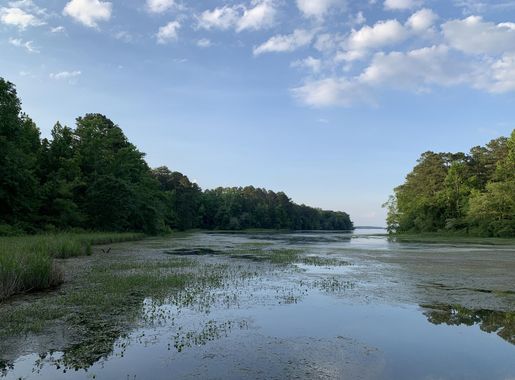
Nestled in the heart of Alabama, Lake Guntersville State Park is a treasure trove for nature lovers and adventure seekers alike. This sprawling park spans over 6,000 acres and offers a variety of activities that cater to all ages and interests. From the serene waters of Lake Guntersville to the lush forests and rolling hills, the park is a visual feast. Wildlife enthusiasts will be thrilled with the park's rich biodiversity. The area is home to numerous bird species, including the majestic bald eagle. The park's Eagle Awareness Program, held during the winter months, provides fantastic opportunities to observe these magnificent birds in their natural habitat. Hiking trails of varying difficulty levels weave through the park, offering stunning vistas and the chance to spot deer, wild turkeys, and other wildlife. Water sports enthusiasts can take advantage of the lake's expansive waters for fishing, boating, and kayaking. The park's marina offers boat rentals, making it easy for visitors to explore the lake. Golfers can enjoy a round at the park's 18-hole championship golf course, which boasts spectacular views and a challenging layout. For those looking to relax, the park offers a beach area, picnic spots, and a cozy lodge with cabins and campsites, providing a perfect retreat after a day of adventure.