

Ksamil Region, Albania Travel Guide
Discover Ksamil, Albania's coastal paradise with stunning beaches, ancient ruins, and delicious local cuisine. A hidden gem perfect for a tranquil getaway.
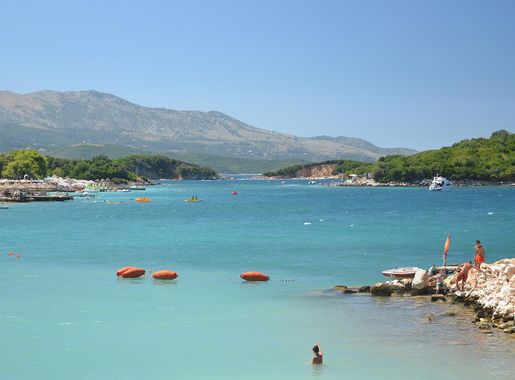
Nestled along the Albanian Riviera, the Ksamil region is a hidden treasure waiting to be discovered. Known for its crystal-clear waters, pristine beaches, and lush landscapes, Ksamil offers a serene escape from the hustle and bustle of everyday life. Whether you're looking to relax on sandy shores or explore vibrant marine life, this destination has something for everyone. The beaches of Ksamil are famous for their white sand and turquoise waters. Many small islands are just a short boat ride away, perfect for a day trip of sunbathing and swimming. The area is also home to the Butrint National Park, a UNESCO World Heritage site. Here, you can walk through ancient ruins and learn about the rich history of the region. Local cuisine is another highlight of Ksamil. Fresh seafood is a staple, and many restaurants offer stunning views of the sea. Don't miss out on trying local specialties like Tave Kosi and Byrek. With its natural beauty, historical significance, and delicious food, Ksamil is a must-visit destination that promises an unforgettable experience.

Know before you go
Hi, I'm Eve. Here are a few practical things to know before exploring Ksamil Region.
- Visit during the shoulder seasons (May-June or September) for fewer crowds and pleasant weather.
- Bring cash, as some local businesses may not accept credit cards.
- Rent a kayak or a paddleboard to explore the nearby small islands.
- Stay hydrated and use sunscreen, as the sun can be quite strong.
- Sample local seafood at beachfront restaurants for the freshest catch.
Explore Ksamil Region: Things to Do, Places to Eat, Hotels & More
Handpicked recommendations for top attractions, local dining, accommodations, and more

Best attractions in Ksamil Region
Top-rated picks
Best Attractions

Pulëbardha Beach
Discover Pulëbardha Beach: A serene escape with crystal-clear waters and stunning natural beauty nestled in Albania's Butrint National Park.

Ohana Beach Bar Ksamil
Experience the beauty of the Albanian Riviera at Ohana Beach Bar in Sarandë, where relaxation meets vibrant beach life, and every moment is a memory.

Isole Gemelle di Ksamil
Discover the breathtaking beauty of Isole Gemelle di Ksamil, where turquoise waters and sandy beaches create a perfect getaway in Albania.

Bora Bora beach
Discover the idyllic Bora Bora Beach in Ksamil, Albania, where stunning azure waters meet soft sands for a perfect beach getaway.

Best landmarks in Ksamil Region
Top-rated picks
Best Landmarks

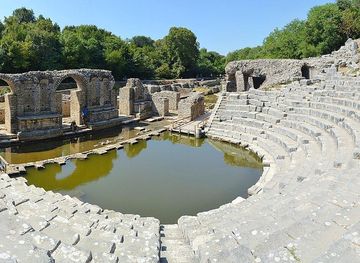
Butrint National Archaeological Park
Discover Butrint National Park: A UNESCO World Heritage Site blending ancient history with Albania's stunning natural beauty.

Plazhi Ksamilit
Experience paradise at Plazhi Ksamilit, Albania's stunning beach with turquoise waters, soft sands, and breathtaking island views.

Bora Bora Ksamil (Beach Bar & Restaurant)
Experience the allure of Bora Bora Ksamil: turquoise waters, white sands, and Albanian hospitality on the stunning Albanian Riviera.

Lori Beach
Discover Lori Beach in Ksamil: Soft sands, clear waters, and serene relaxation on the Albanian Riviera. Perfect for a tranquil escape.

Best restaurants in Ksamil Region
Top-rated picks
Best Restaurants

Guvat Bar Restorant
Experience authentic Albanian flavors at Guvat Bar Restorant in Ksamil - a delightful culinary retreat by the sea.

Bora Bora Ksamil (Beach Bar & Restaurant)
Discover Bora Bora Ksamil: An enchanting beach bar and restaurant offering delectable dishes and breathtaking views along Albania's stunning coastline.

Abiori Restaurant Pizzeria
Discover exquisite Mediterranean cuisine at Abiori Restaurant Pizzeria in Ksamil – where delicious seafood and authentic pizza await.

Grill Zone
Experience the authentic flavors of Albania at Grill Zone in Ksamil - where tradition meets taste amidst stunning coastal views.

Best bars in Ksamil Region
Top-rated picks
Best Bars

Guvat Bar Restorant
Experience the vibrant flavors of Albanian cuisine at Guvat Bar Restorant in Ksamil, nestled among stunning landscapes and lively ambiance.

Bora Bora Ksamil (Beach Bar & Restaurant)
Experience the vibrant atmosphere and culinary delights at Bora Bora Ksamil, the perfect beach bar and restaurant in Albania's stunning coastal haven.

Bar Restorant Korali Ksamil
Experience exquisite dining with stunning views at Bar Restorant Korali in Ksamil, a culinary haven showcasing the best of Albanian flavors.
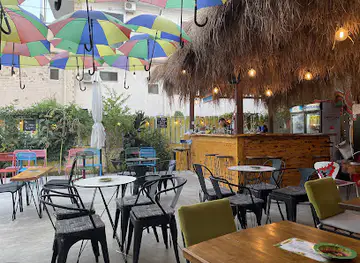
Vamosksamil
Experience the lively atmosphere and exceptional cocktails at Vamosksamil, Ksamil's premier bar for tourists seeking unforgettable nights.

Best nightclubs in Ksamil Region
Top-rated picks
Best Nightclubs

Vamosksamil
Discover Vamosksamil, a vibrant beach bar in Ksamil, Albania, offering stunning views, refreshing drinks, and a lively atmosphere for a perfect night out.

Poda Beach Bar
Experience the vibrant atmosphere and stunning views at Poda Beach Bar in Ksamil, a perfect getaway for relaxation and entertainment.

Africana Beach Club Ksamil Sarande
Experience the vibrant nightlife and stunning views at Africana Beach Club, the perfect beachside bar in Ksamil, Albania.

Lounge Bar BERMUDA Ksamil
Experience the vibrant nightlife of Ksamil at Lounge Bar BERMUDA, where exquisite cocktails and stunning views await.

Best shops in Ksamil Region
Top-rated picks
Best Shops

Supermarket Gjordeni
Discover the best of local and international products at Gjordeni Supermarket in Ksamil, Albania, your go-to for culinary treasures.

Barber Milo Ksamil
Discover Barber Milo in Ksamil for a unique grooming experience that blends tradition with modern style, perfect for tourists looking to enhance their look.

Memaj Bakery & Pastry
Discover the delightful flavors of Albania at Memaj Bakery & Pastry in Ksamil, where fresh ingredients meet traditional baking.

Good Vibes Only Creperie&Pizza
Experience the best crêpes and pizzas in Ksamil at Good Vibes Only Creperie & Pizza, where delightful flavors meet a vibrant atmosphere.

Explore Ksamil Region on the Map
A handpicked selection of must-see spots in Ksamil Region, mapped for you.
Ksamil Region Essentials
-
Ksamil is located in southern Albania, near the Greek border. The nearest international airport is Corfu International Airport in Greece. From Corfu, you can take a ferry to Saranda, which is approximately 15 kilometers from Ksamil. Alternatively, you can fly into Tirana International Airport, and from there, take a bus or rent a car for the roughly 4-hour drive to Ksamil. Regular buses and minibuses (furgons) also connect Saranda with major Albanian cities, making it accessible by public transport.
-
Once in Ksamil, getting around is relatively straightforward. The area is small and many attractions are within walking distance. For longer distances, local taxis are available, but it's advisable to agree on a fare before starting your journey. Renting a car or scooter is also a popular option, offering the flexibility to explore the surrounding areas. Public transportation is limited, but local buses do connect Ksamil with nearby towns like Saranda.
-
The official currency in Albania is the Albanian Lek (ALL). While credit cards are increasingly accepted in hotels, restaurants, and larger shops, many smaller establishments only accept cash. ATMs are available in Ksamil and nearby Saranda, but it's advisable to carry some cash, especially when traveling to more remote areas. Currency exchange services are available in Saranda, and it's best to exchange your money there or in Tirana for better rates.
-
Ksamil is generally a safe destination for tourists. However, it's always advisable to take standard precautions. Avoid isolated areas at night and keep an eye on your belongings in crowded places. While there are no specific high-crime areas targeting tourists, petty theft can occur, particularly in busier tourist spots. Always be vigilant and aware of your surroundings.
-
In case of emergency, dial 112 for immediate assistance. The nearest medical facilities are in Saranda, which has a hospital and several pharmacies. It's recommended to have travel insurance that covers medical emergencies. For minor health issues, there are pharmacies in Ksamil where you can purchase over-the-counter medications. Always carry a copy of your insurance details and emergency contact numbers.
-
Fashion: Do dress comfortably and modestly, especially when visiting religious sites. Avoid overly revealing clothing. Religion: Do respect local customs, particularly in places of worship. Always dress conservatively and behave respectfully. Public Transport: Do be polite and considerate. Public transport is limited, so if you take a bus, be patient and respect other passengers. Greetings: Do greet people with a handshake and a smile. Albanians are known for their hospitality, so reciprocate their friendliness. Eating & Drinking: Do try local delicacies and accept food offerings graciously. Don’t refuse hospitality, as it is considered impolite. Avoid drinking tap water; opt for bottled water instead.
-
To experience Ksamil like a local, visit the local markets where you can buy fresh produce and traditional Albanian goods. Engage with locals, as they are often friendly and willing to share stories about the area's history and culture. Don't miss the chance to explore the nearby Butrint National Park, a UNESCO World Heritage Site, for its stunning archaeological sites. For a unique experience, take a boat trip to the nearby islands, which offer beautiful beaches and crystal-clear waters.
When is the best time to visit Ksamil Region?
Useful Local Phrases for Ksamil Region
You don't need to speak the language perfectly. Even learning a few simple words can make conversations warmer—and locals usually appreciate the effort.
— Eve

Here are the phrases I use most often in Ksamil Region. Try a few—you'll be surprised how far they go! 😊
❤️
-
- HelloPërshëndetje
[per-shen-de-tye] - GoodbyeMirupafshim
[mee-roo-paf-sheem] - YesPo
[poh] - NoJo
[yo] - Please/You're welcomeJu lutem
[yoo loo-tem] - Thank youFaleminderit
[fa-le-min-de-reet] - Excuse me/SorryMë falni
[muh fal-nee] - How are you?Si jeni?
[see yeh-nee] - Fine. And you?Mirë. Dhe ju?
[mee-ruh. thuh yoo] - Do you speak English?Flisni anglisht?
[flee-snee ahn-gleesht] - I don't understandNuk kuptoj
[nook koop-toy]
- HelloPërshëndetje
-
- I'd like to see the menu, pleaseDo të doja të shihja menunë, ju lutem
[doh tuh do-ya tuh shee-ya meh-noo-nuh yoo loo-tem] - I don't eat meatUnë nuk ha mish
[oo-neh nook hah meesh] - Cheers!Gëzuar!
[guh-zoo-ar] - I would like to pay, pleaseDo të doja të paguaja, ju lutem
[doh tuh do-ya tuh pah-gwah-yah yoo loo-tem]
- I'd like to see the menu, pleaseDo të doja të shihja menunë, ju lutem
-
- Help!Ndihmë!
[ndee-muh] - Go away!Shko larg!
[shko lar-guh] - Call the Police!Thirrni policin!
[theer-nee poh-lee-tseen] - Call a doctor!Thirrni një doktor!
[theer-nee nyuh dohk-tohr] - I'm lostJam humbur
[yahm hoom-boor] - I'm illJam i sëmurë
[yahm ee suh-moo-ruh]
- Help!Ndihmë!
-
- I'd like to buy...Do të doja të blaja...
[doh tuh do-ya tuh blah-ya] - I'm just lookingPo vetëm shikoj
[poh vet-em shee-koy] - How much is it?Sa kushton?
[sah koosh-ton] - That's too expensiveKjo është shumë e shtrenjtë
[kyoh esh-teh shoo-muh eh shtren-jteh] - Can you lower the price?A mund ta ulni çmimin?
[ah moon-d tah ool-nee chmee-meen]
- I'd like to buy...Do të doja të blaja...
-
- What time is it?Sa është ora?
[sah esh-teh oh-rah] - It's one o'clockËshtë një orë
[esh-teh nyuh oh-ruh] - Half past (10)Njëmbëdhjetë
[nyuhm-buh-dh-yeh-teh] - MorningMëngjes
[muhn-jes] - AfternoonPasdite
[pahs-dee-teh] - EveningMbrëmje
[mbruhm-yeh] - YesterdayDje
[dje] - TodaySot
[sot] - TomorrowNesër
[neh-ser] - 1Një
[nyuh] - 2Dy
[duh] - 3Tre
[treh] - 4Katër
[ka-ter] - 5Pesë
[peh-seh] - 6Gjashtë
[gjahsht] - 7Shtatë
[shta-tuh] - 8Tetë
[teh-tuh] - 9Nëntë
[nuhn-tuh] - 10Dhjetë
[th-yeh-teh]
- What time is it?Sa është ora?
-
- Where's a/the...?Ku është një/të...
[koo esh-teh nyuh/teh] - What's the address?Çfarë është adresa?
[chfa-reh esh-teh ah-dreh-sah] - Can you show me (on the map)?A mund të më tregoni (në hartë)?
[ah moon-d tuh muh tro-goh-nee (nuh hahr-tuh)] - When's the next (bus)?Kur është autobusi i ardhshëm?
[koor esh-teh ah-ow-boos-ee ee ardh-shem] - A ticket (to ....)Një biletë (për ....)
[nyuh bee-le-teh (pair)]
- Where's a/the...?Ku është një/të...
History of Ksamil Region
-
The history of the Ksamil Region can be traced back to the Illyrian tribes, who were the earliest known inhabitants of this area. The Illyrians were known for their seafaring skills and trade networks, which extended across the Adriatic and Ionian Seas. Archaeological evidence, including pottery and fortifications, indicates that the region was an integral part of the Illyrian civilization. The strategic location near the sea made it a vital point for both trade and defense.
-
During the 4th century BCE, the region saw significant influence from the Greek city-states, particularly from the nearby city of Butrint. Butrint, a UNESCO World Heritage site, was a major center of Greek culture, and its influence spread to Ksamil. The Hellenistic period brought advancements in architecture, art, and urban planning to the region. Ruins of Greek temples and theaters in the vicinity serve as a testament to this era.
-
In the 2nd century BCE, the Romans conquered the region, incorporating it into the Roman Empire. The Romans recognized the strategic importance of Ksamil and the surrounding areas, developing infrastructure such as roads, aqueducts, and military fortifications. Butrint became a Roman colony, and its prosperity spilled over into Ksamil. The Romans also introduced new agricultural practices and crops, which have had a lasting impact on the local economy.
-
Following the fall of the Western Roman Empire, the region came under Byzantine control. The Byzantines fortified the area extensively to protect against invasions and pirate attacks. Churches and monasteries were built, many of which featured intricate mosaics and frescoes. The Byzantine influence also brought about a cultural renaissance, with increased emphasis on art, literature, and theology.
-
During the medieval period, the region experienced a series of conflicts and power struggles, including invasions by the Normans, Venetians, and various local lords. In the late 15th century, the Ottoman Empire conquered the region, ushering in a long period of Ottoman rule. The Ottomans left a lasting legacy, including architecture, cuisine, and religious practices. The town of Ksamil itself began to take shape during this period, with the establishment of small fishing and farming communities.
-
In the early 20th century, Albania declared its independence from the Ottoman Empire, and the Ksamil region became part of the newly-formed Albanian state. The region saw significant development during the communist era under Enver Hoxha, with the establishment of agricultural cooperatives and industrial projects. Since the fall of communism in the early 1990s, Ksamil has transformed into a popular tourist destination, known for its pristine beaches, crystal-clear waters, and historical sites.
Neighbouring destination travel guides
Browse our curated selection of top destinations, scenic points, and must-visit spots in the area.


Your all‑in‑one travel companion app
Explore expert travel guides, compare and book tours, experiences, hotels, and more—all from the palm of your hand. Download now for seamless trip planning wherever your wanderlust takes you.


Explore More of Laberia

Looking beyond Ksamil Region? Discover Laberia for broader travel guides, local hot-spots, and regional highlights.
Explore LaberiaExplore More of Albania

Looking beyond Ksamil Region? Discover Albania for broader travel guides, local hot-spots, and regional highlights.
Explore AlbaniaKsamil Region in Photos
Browse through our photo collection highlighting the charm and character of the destination.






Ksamil: Albania's Coastal Gem
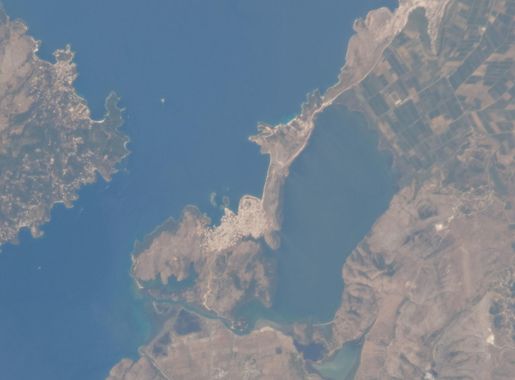
Nestled along the Albanian Riviera, the Ksamil region is a hidden treasure waiting to be discovered. Known for its crystal-clear waters, pristine beaches, and lush landscapes, Ksamil offers a serene escape from the hustle and bustle of everyday life. Whether you're looking to relax on sandy shores or explore vibrant marine life, this destination has something for everyone. The beaches of Ksamil are famous for their white sand and turquoise waters. Many small islands are just a short boat ride away, perfect for a day trip of sunbathing and swimming. The area is also home to the Butrint National Park, a UNESCO World Heritage site. Here, you can walk through ancient ruins and learn about the rich history of the region. Local cuisine is another highlight of Ksamil. Fresh seafood is a staple, and many restaurants offer stunning views of the sea. Don't miss out on trying local specialties like Tave Kosi and Byrek. With its natural beauty, historical significance, and delicious food, Ksamil is a must-visit destination that promises an unforgettable experience.