From Eve
Know before you go
Hi, I'm Eve. Here are a few practical things to know before exploring Makaravank Monastery Complex.
Local know-how to help you travel smarter and make the most of every moment.


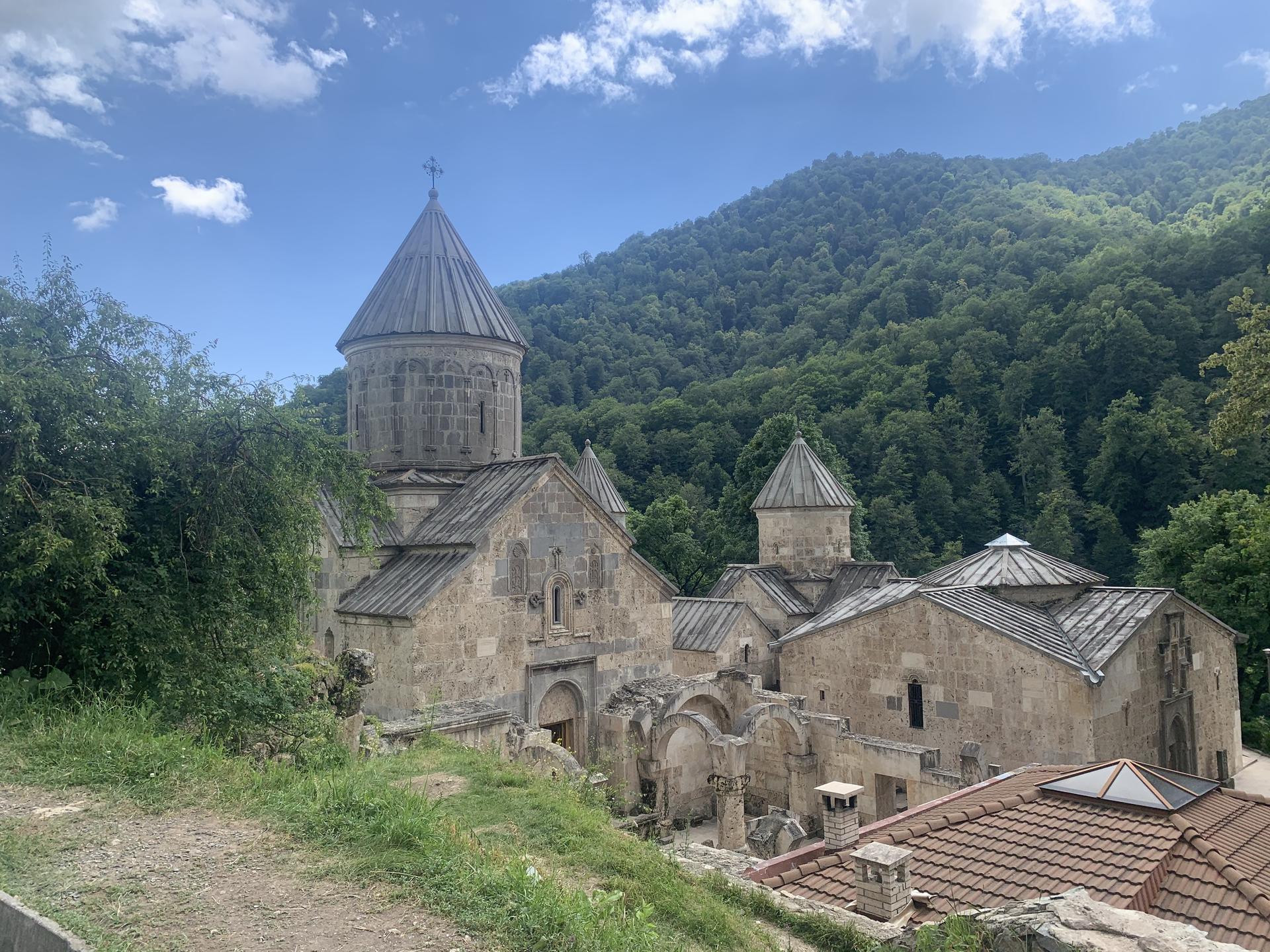
Discover the architectural splendor and serene beauty of Makaravank Monastery, a hidden gem of medieval Armenia nestled in the Tavush region.
Nestled in the lush Tavush region, the Makaravank Monastery is a stunning example of 10th-13th century Armenian architecture. The well-preserved complex features multiple churches adorned with intricate carvings, offering a serene escape into Armenia's rich cultural and spiritual heritage.
Opening times, essentials, and a few local tips gathered into one calmer, easier-to-scan planning section.
Hi, I'm Eve. Here are a few practical things to know before exploring Makaravank Monastery Complex.
Local know-how to help you travel smarter and make the most of every moment.
Taxi
From the town of Ijevan, taxis are readily available. A taxi ride to Makaravank Monastery, approximately 10 km away, typically costs around 1,500-2,000 AMD. Ensure the driver knows the way, as the monastery is slightly off the main road.
Public Transport
From Yerevan, take a bus or marshrutka (minibus) from the Central Bus Station to Ijevan, which takes approximately 2-2.5 hours. The fare is around 800-1,200 AMD. Upon arrival in Ijevan, hire a local taxi to Makaravank Monastery.
Use Tower Bridge as your starting point for nearby food, family ideas, nightlife, and more local discoveries.

Explore expert travel guides, compare and book tours, experiences, hotels, and more—all from the palm of your hand. Download now for seamless trip planning wherever your wanderlust takes you.
Explore the magical landscapes and rich cultural heritage of Dilijan National Park, Armenia's hidden gem for nature lovers and history buffs.
Tell me more about Dilijan National Park