
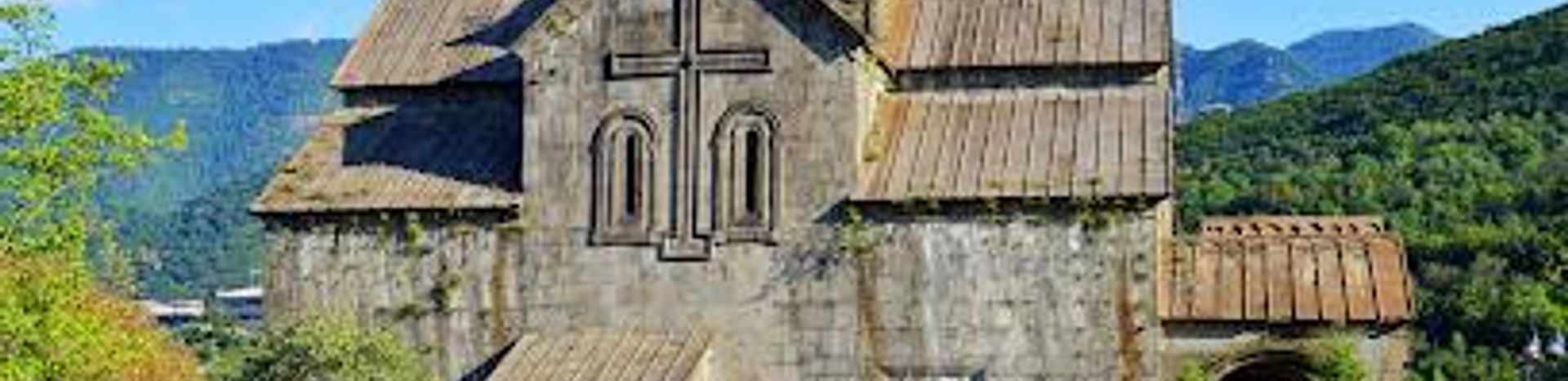
Akhtala Monastery Fortress, Lori Travel Guide
Explore Armenia's Akhtala Monastery: A medieval fortress with stunning frescoes, blending Armenian, Georgian, and Byzantine art and architecture.
Akhtala Monastery-Fortress, dating back to the 10th century, is a captivating blend of Armenian, Georgian, and Byzantine architectural styles, known for its stunning frescoes and strategic defensive location in the Lori region of Armenia.
A brief summary to Akhtala Monastery Fortress
- 5Q27+5HW, Akhtala, AM
- Click to display

Know before you go
Hi, I'm Eve. Here are a few practical things to know before exploring Akhtala Monastery Fortress.
- Wear comfortable shoes for walking on the fortress grounds, as the terrain can be uneven.
- Visit in the late spring or early fall for pleasant weather and fewer crowds.
- Take your time to explore the frescoes inside the main church, as they are a highlight of the monastery.
- Check out the views from the fortress walls overlooking the Debed River canyon.
Do you manage this location?
Take control to get all the benefits, like improved information, better appearance, and stronger visibility across AI-powered discovery. Learn more
Activate your presenceOther nearby places you may find interesting
The closest places of the same kind, if this one is not quite what you had in mind.

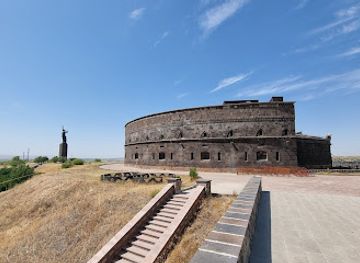
Explore Akhtala Monastery Fortress on the Map
A handpicked selection of must-see spots near Akhtala Monastery Fortress, mapped for you.
Getting There
-
Car
From Yerevan, take the M3 highway north towards Vanadzor. Continue onto the M6 highway towards Alaverdi, then follow local roads to Akhtala. The drive is approximately 2.5-3 hours. Parking is available near the monastery. There is no entrance fee.
-
Public Transport
From Yerevan, take a bus or minibus to Alaverdi. From Alaverdi, take a taxi to Akhtala Monastery, which is about 6 km away. The taxi fare is approximately 1,500-2,000 AMD. Alternatively, you can walk from Alaverdi to Akhtala, following the road signs (approximately 1.5-2 hours).
Discover more about Akhtala Monastery Fortress
More to explore near Akhtala Monastery Fortress













Your all‑in‑one travel companion app
Explore expert travel guides, compare and book tours, experiences, hotels, and more—all from the palm of your hand. Download now for seamless trip planning wherever your wanderlust takes you.


Explore More of Lori
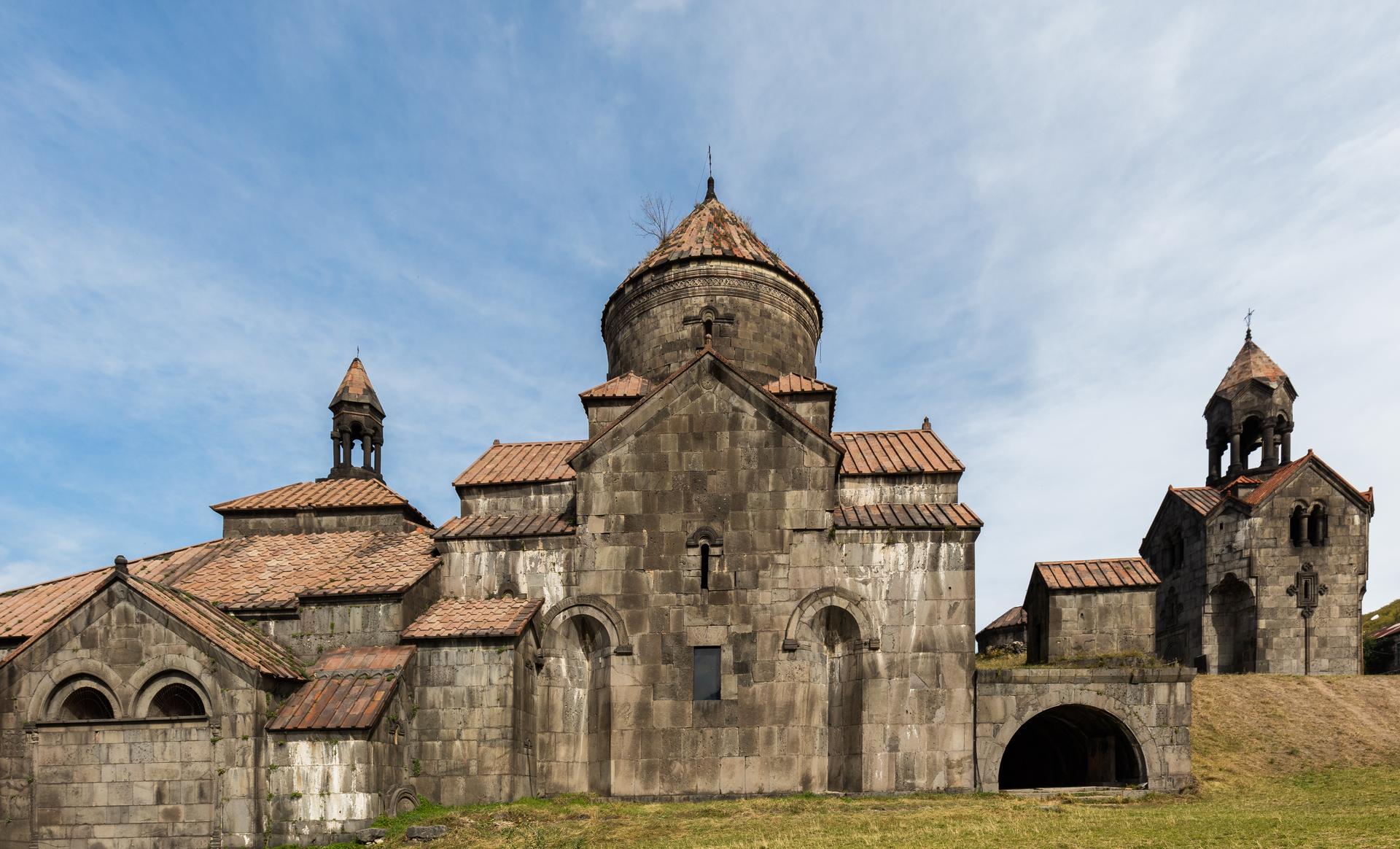
Looking beyond Akhtala Monastery Fortress? Discover Lori for broader travel guides, local hot-spots, and regional highlights.
Explore Lori
Discover Tsover Lake: A serene Armenian escape offering natural beauty, tranquil hikes, and a peaceful retreat from the everyday hustle.

Explore the medieval Akhtala Fortress in Armenia, a historic site with stunning frescoes and panoramic views, showcasing the region's rich cultural heritage.
