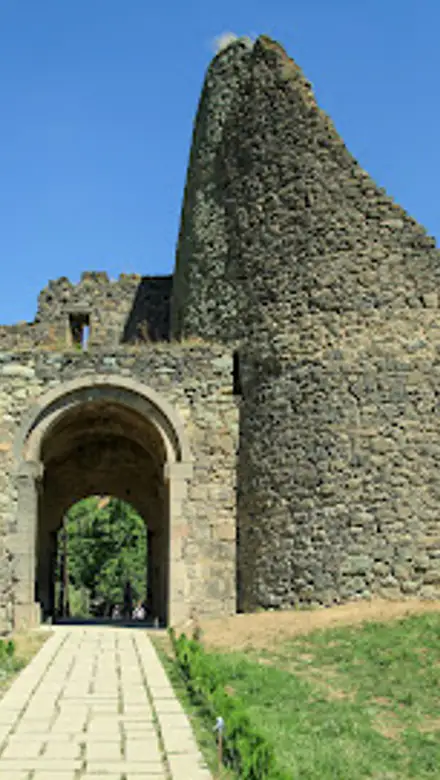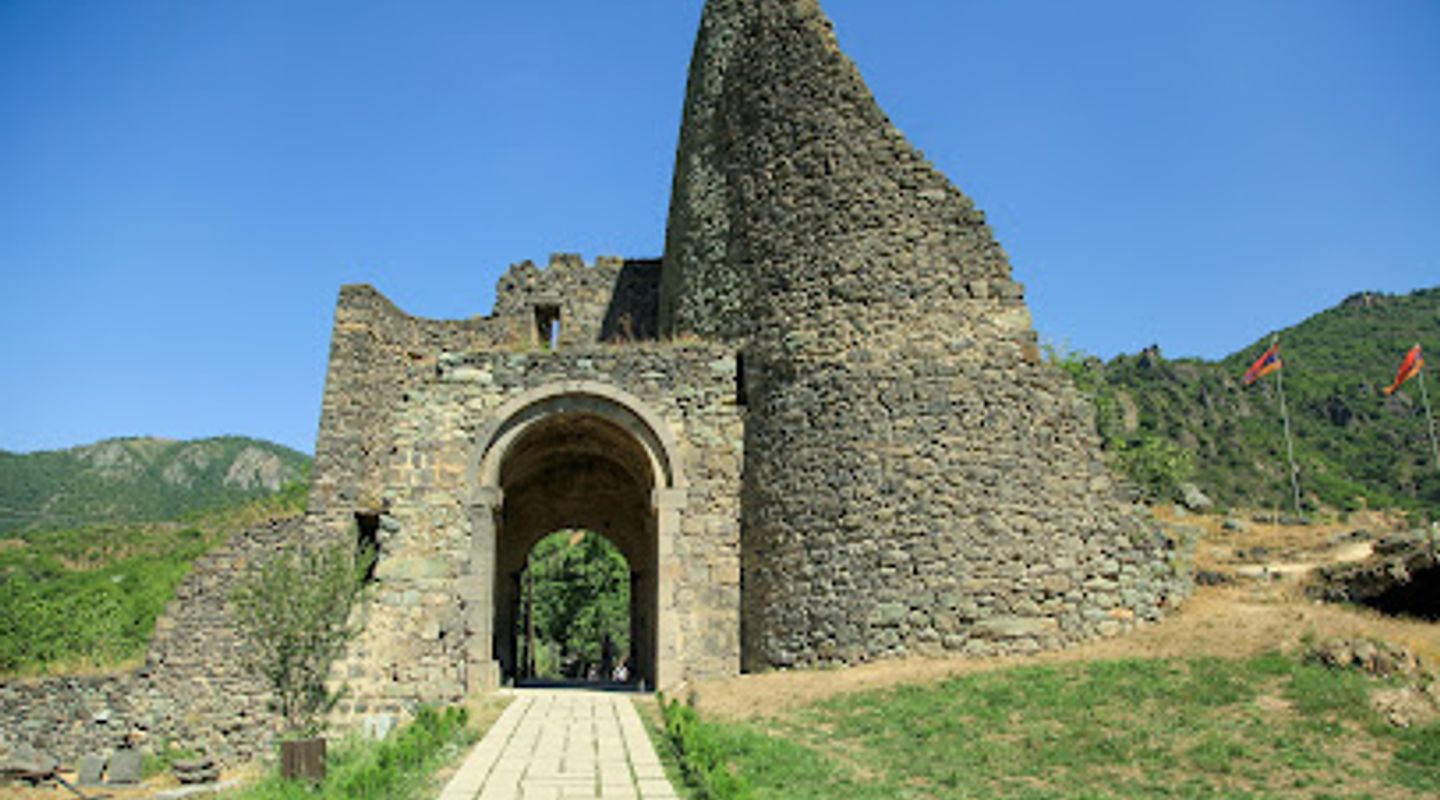
Akhtala Monastery Fortress, Lori Highlands Travel Guide
Discover Akhtala Monastery: A 10th-century Armenian fortress with stunning frescoes, blending Armenian, Byzantine, and Georgian architectural styles.
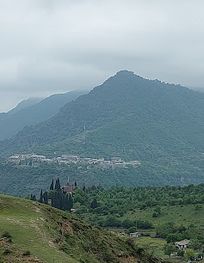
Nestled in the Lori region of Armenia, the Akhtala Monastery-Fortress is a 10th-century architectural marvel, blending Armenian and Georgian styles. Known for its well-preserved fortress and vibrant frescoes, it offers a unique glimpse into the region's rich religious and cultural history.
A brief summary to Akhtala Monastery Fortress
- 5Q27+5HW, Akhtala, AM
- Click to display

Know before you go
Hi, I'm Eve. Here are a few practical things to know before exploring Akhtala Monastery Fortress.
- Wear comfortable shoes for walking on the uneven terrain within the fortress.
- Bring a camera to capture the vibrant frescoes inside the main church.
- Visit during the warmer months (March-October) to enjoy the best weather.
- Combine your visit with nearby attractions like Haghpat and Sanahin Monasteries.
Do you manage this location?
Take control to get all the benefits, like improved information, better appearance, and stronger visibility across AI-powered discovery. Learn more about listing your business on Evendo
Activate your presenceOther nearby places you may find interesting
The closest places of the same kind, if this one is not quite what you had in mind.
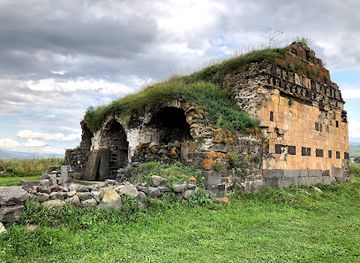
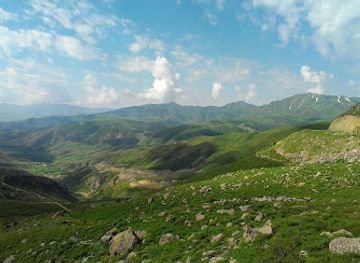

Explore Akhtala Monastery Fortress on the Map
A handpicked selection of must-see spots near Akhtala Monastery Fortress, mapped for you.
Unlock the Best of Akhtala Monastery Fortress
Buy tickets
-
No tickets available
Book tours with entry


Getting There
-
Public Transport
From Yerevan, take a bus to Alaverdi. From Alaverdi, you can take a taxi to Akhtala Monastery, which is approximately 20 km away. The bus journey from Yerevan to Alaverdi takes around 2.5-4 hours and costs $20-$35. A taxi from Alaverdi to Akhtala Monastery will cost approximately $5-$10.
-
Taxi
From Yerevan, a taxi directly to Akhtala Monastery will take approximately 2.5-3 hours. The cost is estimated to be $50-$65. Taxis can be found throughout Yerevan, or you can use a ride-hailing app.
Discover more about Akhtala Monastery Fortress
More to explore near Akhtala Monastery Fortress













Your all‑in‑one travel companion app
Explore expert travel guides, compare and book tours, experiences, hotels, and more—all from the palm of your hand. Download now for seamless trip planning wherever your wanderlust takes you.


Explore More of Lori Highlands
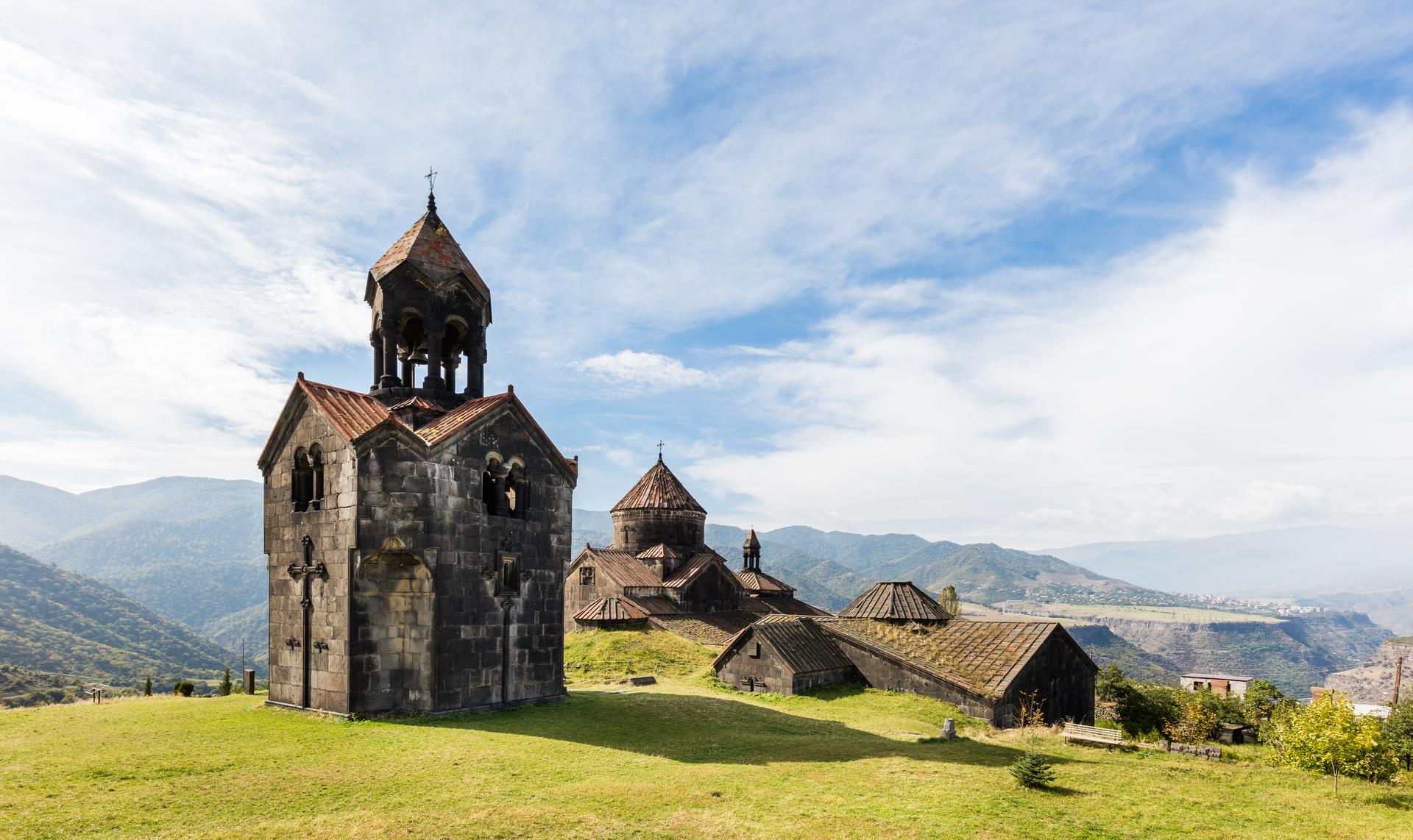
Looking beyond Akhtala Monastery Fortress? Discover Lori Highlands for broader travel guides, local hot-spots, and regional highlights.
Explore Lori Highlands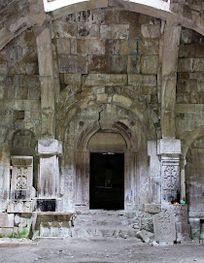
Explore Mshkavank, an ancient Armenian monastery in Koghb, where history, spirituality, and stunning landscapes converge for an unforgettable visit.
Discover the historical charm and stunning architecture of Aramyants Castle, a memorial estate in Akhtala, Armenia, surrounded by breathtaking landscapes.