Haghpat Monastery Complex, Lori Travel Guide
Explore the UNESCO-listed Haghpat Monastery in Armenia, a stunning example of medieval architecture and a center of Armenian religious history.
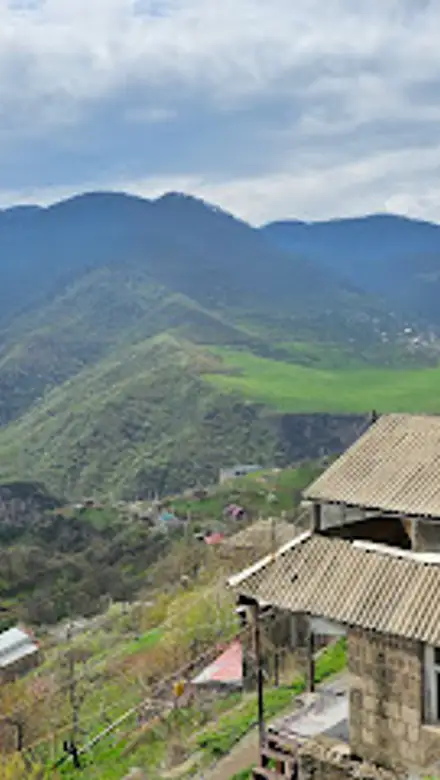
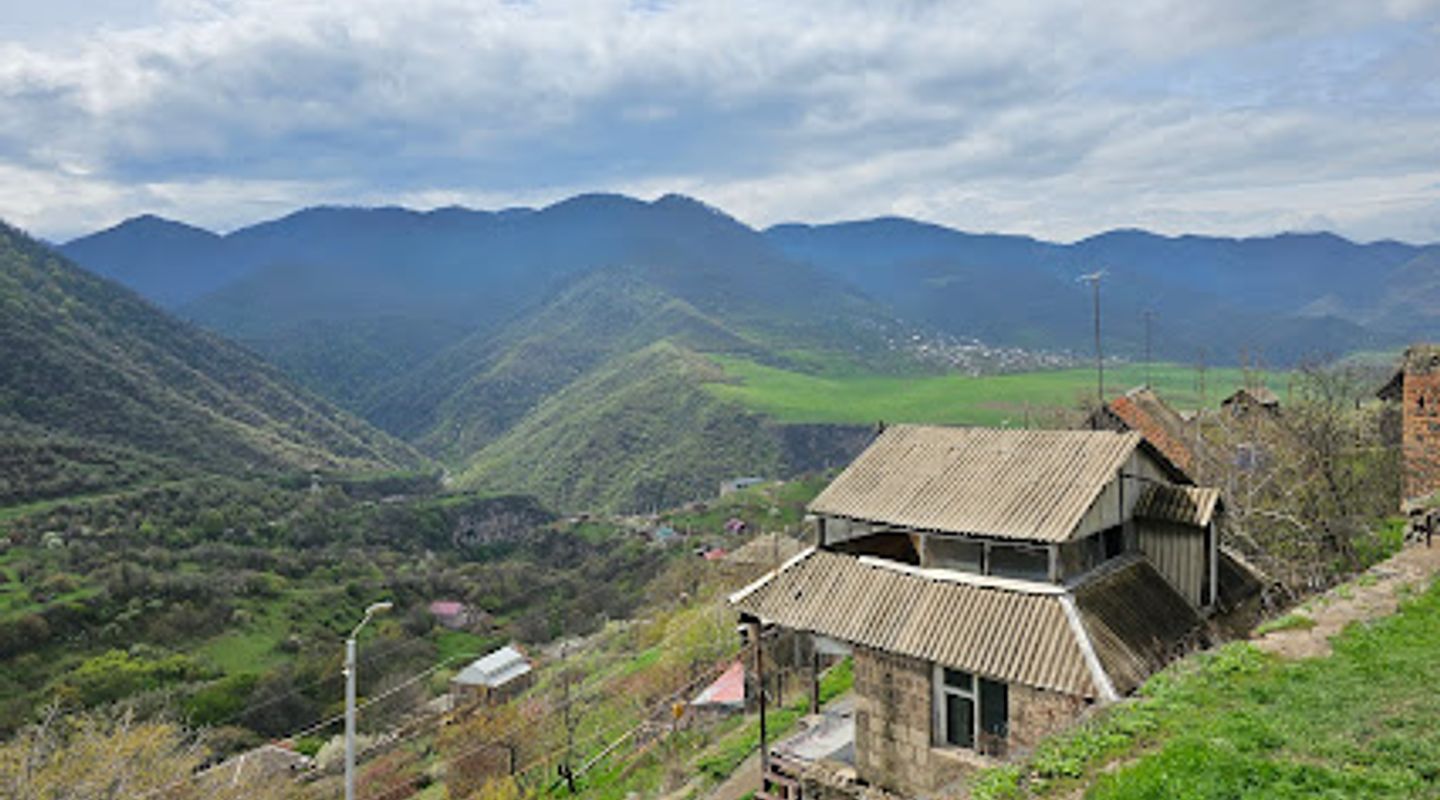
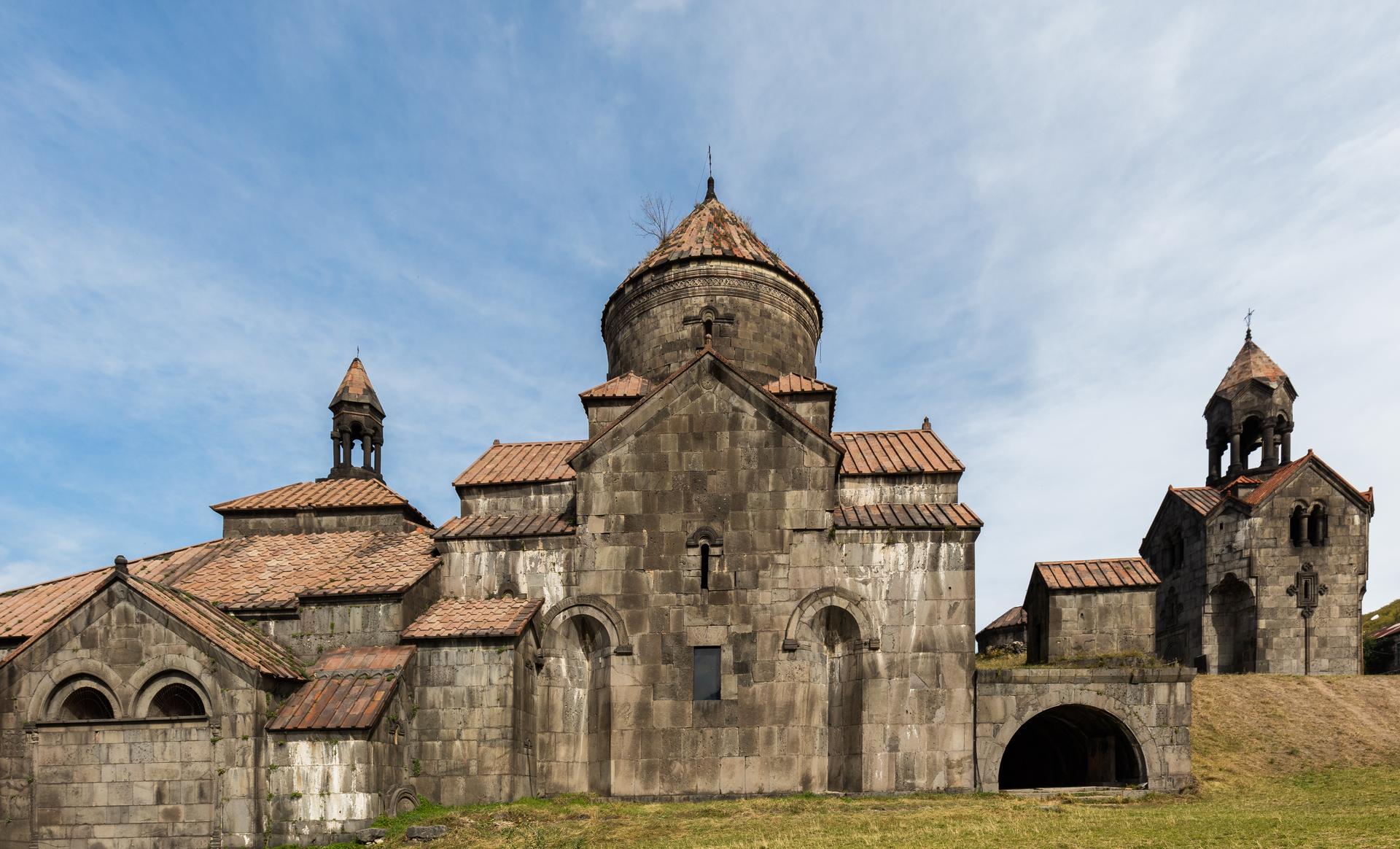
Nestled in the Lori region of Armenia, the Haghpat Monastery is a UNESCO World Heritage site showcasing stunning medieval Armenian architecture. Founded in the 10th century, this complex features churches, a bell tower, a library, and unique khachkars (cross-stones), offering a glimpse into Armenia's rich religious and cultural history.
A brief summary to Haghpat Monastery Complex
- 3PV6+GQX, Haghpat, AM

Know before you go
Hi, I'm Eve. Here are a few practical things to know before exploring Haghpat Monastery Complex.
- Wear comfortable shoes, as exploring the monastery complex involves walking on uneven stone surfaces.
- Visit during the off-season (spring or fall) for fewer crowds and pleasant weather.
- Take time to appreciate the intricate carvings and khachkars (cross-stones) throughout the complex.
- Explore the surrounding area, including the nearby Sanahin Monastery, another UNESCO World Heritage site.
Do you manage this location?
Take control to get all the benefits, like improved information, better appearance, and stronger visibility across AI-powered discovery. Learn more about listing your business on Evendo
Activate your presenceOther nearby places you may find interesting
The closest places of the same kind, if this one is not quite what you had in mind.

Explore Haghpat Monastery Complex on the Map
A handpicked selection of must-see spots near Haghpat Monastery Complex, mapped for you.
Unlock the Best of Haghpat Monastery Complex
Buy tickets
Book tours with entry


Getting There
-
Public Transport
From Yerevan, take a minibus (marshrutka) from Kilikia bus station to Alaverdi. Buses to Alaverdi depart several times daily. From Alaverdi, take a taxi to Haghpat Monastery, approximately 10 km away. The taxi ride should cost around 2000-3000 AMD. Alternatively, marshrutky also run from Alaverdi to Haghpat village. From the village center, it's a short walk to the monastery.
-
Taxi
From Alaverdi, taxis are readily available to take you to Haghpat Monastery, which is about a 10-kilometer drive. Agree on a fare before starting the journey, expect to pay around 2000-3000 AMD.
-
Car
From Vanadzor, drive northeast on the M6 highway towards Haghpat. After approximately 12 km, exit towards Haghpat village. Follow the road to the village and then follow signs to Haghpat Monastery Complex, about 2 km from the village center. There is a parking area near the entrance. Parking fee may apply.
Discover more about Haghpat Monastery Complex
More to explore near Haghpat Monastery Complex













Your all‑in‑one travel companion app
Explore expert travel guides, compare and book tours, experiences, hotels, and more—all from the palm of your hand. Download now for seamless trip planning wherever your wanderlust takes you.


Explore More of Lori
Looking beyond Haghpat Monastery Complex? Discover Lori for broader travel guides, local hot-spots, and regional highlights.
Explore Lori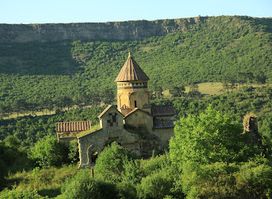
Discover Hnevank Monastery, a historic Armenian treasure nestled in the Lori Province, offering stunning views and a glimpse into the past.

Explore the medieval Akhtala Fortress in Armenia, a historic site with stunning frescoes and panoramic views, showcasing the region's rich cultural heritage.