

Port Douglas (Cairns) Travel Guide - Free
Explore Port Douglas in Cairns with Evendo's free guide. Find the best shops, historic streets, restaurants, and gems on web or mobile.


Port Douglas near Cairns pairs Four Mile Beach, Great Barrier Reef cruises, rainforest access, Macrossan Street dining and relaxed tropical village life.
A Tropical Peninsula Town
Port Douglas is not a neighbourhood within Cairns city proper, but a separate coastal town in the wider Cairns region, about 67 kilometres north of Cairns. Its compact centre occupies a narrow peninsula between the Coral Sea and the inlet of Dickson’s Cove, with the long curve of Four Mile Beach stretching north-east from the town. This geography gives Port Douglas a distinctive relationship with both the sea and the Wet Tropics rainforest: reef excursions depart from the marina, while the Daintree and Cape Tribulation lie within reach by road.Read more about Port Douglas
Macrossan Street and the Waterfront
Reef, Rainforest and Local Rhythm
Best attractions in Port Douglas
Port Douglas's principal attractions are its natural setting and compact waterfront. Four Mile Beach provides an expansive shoreline for walking and coastal views, while Flagstaff Hill overlooks the beach, Coral Sea and forested hinterland. In the centre, Anzac Park leads towards St Mary’s by the Sea and the Sugar Wharf, where the town's historic connection with the inlet is especially apparent. The marina is the departure point for many Great Barrier Reef cruises, sailing trips and fishing excursions, although the reef itself lies offshore rather than within the town. Rex Smeal Park offers open lawns and views across Dickson’s Inlet, and the nearby mangrove-fringed waterways reveal a different side of the coast. Port Douglas also serves as a practical base for organised visits to the Daintree Rainforest and Cape Tribulation, which are nearby regional destinations rather than attractions inside the town.
-
Tourist attraction
Wavelength Reef Cruises
Discover the Great Barrier Reef's underwater wonders with Wavelength Reef Cruises, offering exclusive snorkeling tours from Port Douglas.
1 min walk · 0.1 km from neighbourhood centre
-
Tourist attraction
Trinity Bay Lookout
Experience breathtaking panoramic views of the Coral Sea and lush landscapes from this easily accessible and tranquil Port Douglas lookout.
3 min walk · 0.3 km from neighbourhood centre
-
Tourist attraction
4 Mile Beach Lookout
Discover the stunning panorama of Port Douglas at 4 Mile Beach Lookout, a must-see attraction for breathtaking views and unforgettable moments.
6 min walk · 0.4 km from neighbourhood centre
-
Market
Port Douglas Sugar Wharf
Explore Port Douglas Sugar Wharf – A vibrant market offering local crafts, delicious food, and stunning coastal views in the heart of Queensland.
8 min walk · 0.6 km from neighbourhood centre


Best landmarks in Port Douglas
The most meaningful landmarks in Port Douglas cluster around the old waterfront and the town's relationship with the coast. St Mary’s by the Sea, a small timber church near Anzac Park, is closely associated with the settlement's historic centre and waterfront setting. The Sugar Wharf recalls the port's earlier commercial role, when Port Douglas served as a coastal outlet for inland trade. Macrossan Street, with its low-rise buildings, verandas and mature trees, remains the principal civic and commercial spine, while Rex Smeal Park marks the edge of the inlet with broad views towards the mangrove-lined coast and mountains. Flagstaff Hill functions as both a physical lookout and a geographical marker above Four Mile Beach. Together these places represent Port Douglas's evolution from nineteenth-century port to contemporary reef and rainforest town.
-
Tourist attraction
Trinity Bay Lookout
Discover breathtaking views and tranquil surroundings at Trinity Bay Lookout, a must-see attraction in Port Douglas, Queensland.
3 min walk · 0.3 km from neighbourhood centre
-
Tourist attraction
4 Mile Beach Lookout
Discover breathtaking panoramas at the 4 Mile Beach Lookout in Port Douglas, where the coast meets the rainforest in a stunning display of nature.
6 min walk · 0.4 km from neighbourhood centre
-
Market
Port Douglas Sugar Wharf
Experience the vibrant atmosphere of Port Douglas Sugar Wharf, a unique market and tourist attraction offering local crafts, fresh produce, and stunning seascapes.
8 min walk · 0.6 km from neighbourhood centre
-
Park
Four Mile Beach Cliff Walk Port Douglas
Explore the breathtaking Four Mile Beach Cliff Walk in Port Douglas, a scenic pathway offering stunning coastal views and a tranquil atmosphere for nature lovers.
6 min walk · 0.5 km from neighbourhood centre


Explore Port Douglas on the map
A handpicked selection of must-see spots in Port Douglas, mapped for you.
Best hotels in Port Douglas
Best restaurants in Port Douglas
Dining in Port Douglas is concentrated around Macrossan Street and the waterfront, where open-air terraces, cafés, modern Australian menus, seafood restaurants and relaxed bars reflect the town's coastal setting. Local eating often revolves around tropical produce, reef and North Queensland seafood, though menus also draw on broader Australian and international influences. The marina and inlet provide a natural setting for meals, while the commercial centre is convenient for breakfast, coffee, casual lunches and evening dining within walking distance of many hotels. The town has a stronger restaurant concentration than its small size might suggest, but its character remains informal rather than metropolitan. Visitors should distinguish established dining precincts in Port Douglas from facilities at reef pontoons or rainforest attractions, where food is generally part of an organised excursion rather than an independent restaurant scene.
-
Restaurant
Nautilus Restaurant
Experience unparalleled fine dining at Nautilus Restaurant in Port Douglas—where exquisite cuisine meets breathtaking natural beauty.
4 min walk · 0.3 km from neighbourhood centre
-
Modern Australian
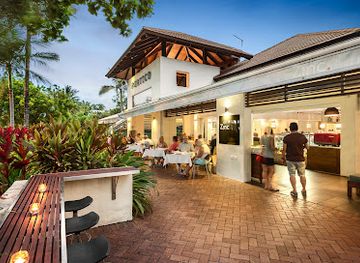
Zinc Port Douglas
Discover modern Australian flavors at Zinc Port Douglas—a culinary haven nestled in tropical paradise.
2 min walk · 0.2 km from neighbourhood centre
-
Tapas Bar
Seabean Tapas Bar Restaurant
Experience the flavors of Australia at Seabean Tapas Bar in Port Douglas - where every bite tells a story.
5 min walk · 0.4 km from neighbourhood centre
-
Italian
La Cucina + Bar
Discover authentic Italian cuisine at La Cucina + Bar in Port Douglas – where every meal is a celebration of flavor and hospitality.
5 min walk · 0.4 km from neighbourhood centre



Best bars in Port Douglas
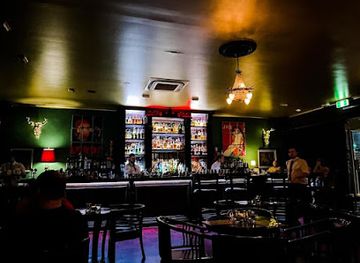
Port Douglas has an evening scene based more on open-air dining, hotel bars, pubs and relaxed drinks than on large nightclubs. Macrossan Street is the main after-dark corridor, with venues ranging from casual bars and restaurants to places offering cocktails, live music or televised sport, while the marina and waterfront provide a quieter setting for sunset drinks. The town's nightlife follows the rhythms of a resort destination: evenings can be sociable and busy in the central strip, but the atmosphere generally becomes subdued away from it. Entertainment offerings can vary by season and day of the week, so visitors should check current arrangements locally. Port Douglas is not a destination for a dense club circuit, and nearby rainforest or beach areas are not appropriate places for unplanned late-night wandering.
-
Grill
Salsa Bar and Grill
Experience the best of modern Australian cuisine at Salsa Bar and Grill in Port Douglas, where vibrant flavors meet a stunning waterfront setting.
5 min walk · 0.4 km from neighbourhood centre
-
Grill
Rattle n Hum Port Douglas
Experience the vibrant atmosphere and delicious offerings at Rattle n Hum, the premier bar and grill in Port Douglas, perfect for food lovers and craft beer enthusiasts.
1 min walk · 0.1 km from neighbourhood centre
-
Bar
IronBar
Experience the lively atmosphere of IronBar in Port Douglas, where delicious food meets vibrant live music for an unforgettable night out.
4 min walk · 0.4 km from neighbourhood centre
-
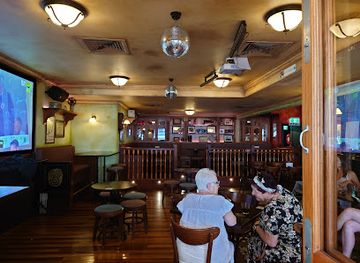
Irish pub
Paddy's Irish Pub & Grill
Discover the vibrant atmosphere of Paddy's Irish Pub & Grill in Port Douglas, where authentic Irish cuisine meets live music in a friendly setting.
4 min walk · 0.3 km from neighbourhood centre


Best nightclubs in Port Douglas
Port Douglas has an evening scene based more on open-air dining, hotel bars, pubs and relaxed drinks than on large nightclubs. Macrossan Street is the main after-dark corridor, with venues ranging from casual bars and restaurants to places offering cocktails, live music or televised sport, while the marina and waterfront provide a quieter setting for sunset drinks. The town's nightlife follows the rhythms of a resort destination: evenings can be sociable and busy in the central strip, but the atmosphere generally becomes subdued away from it. Entertainment offerings can vary by season and day of the week, so visitors should check current arrangements locally. Port Douglas is not a destination for a dense club circuit, and nearby rainforest or beach areas are not appropriate places for unplanned late-night wandering.
-
Social club
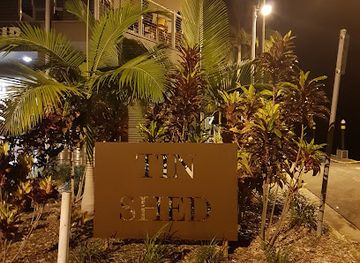
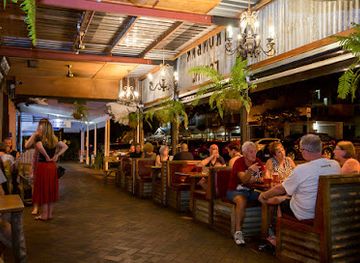
Tin Shed - Douglas Community & Sports Club Inc.
Discover a vibrant social hub in Port Douglas at the Tin Shed, where delightful dining meets breathtaking views in a welcoming community atmosphere.
6 min walk · 0.5 km from neighbourhood centre
-
Restaurant
IronBar
Discover IronBar in Port Douglas – a lively restaurant offering delicious steaks, refreshing drinks, and unforgettable live music experiences.
4 min walk · 0.4 km from neighbourhood centre
-
Irish pub
Paddy's Irish Pub & Grill
Discover the vibrant atmosphere of Paddy's Irish Pub & Grill in Port Douglas, where live music and hearty Irish cuisine come together for an unforgettable experience.
4 min walk · 0.3 km from neighbourhood centre
-
Cocktail bar
Jimmy Rum's Mixing Lounge
Discover Jimmy Rum's Mixing Lounge in Port Douglas for unique cocktails in a lively atmosphere, perfect for an unforgettable night out.
2 min walk · 0.2 km from neighbourhood centre
Best shops in Port Douglas
Shopping in Port Douglas is centred on Macrossan Street, with smaller retail spaces extending towards the marina and waterfront. Visitors will find resort clothing, swimwear, locally themed gifts, jewellery, galleries, homewares, books and practical supplies for beach and reef outings rather than a large enclosed shopping centre. The commercial strip also includes cafés and food retailers, making it easy to combine browsing with a break from the heat. Galleries and craft-oriented shops provide opportunities to look for Australian art and locally connected design, although stock and businesses change over time. Port Douglas does not have a major traditional produce market permanently defining its centre; occasional markets and events should be checked separately. For Indigenous art, purchase through reputable galleries or recognised cultural organisations and ask about provenance rather than treating cultural material as generic souvenirs.
-
Homewares Store
Martinique Island Style
Explore the charm of Martinique Island Style, a unique homewares store in Port Douglas offering exquisite gifts and local décor.
1 min walk · 0.1 km from neighbourhood centre
-
Boutique
Portobella Port Douglas
Explore unique fashion and homewares at Portobella Port Douglas, a must-visit boutique reflecting the charm of Queensland's coastal culture.
1 min walk · 0.1 km from neighbourhood centre
-
Souvenir store
Port Douglas Select Store & Australiana
Discover authentic Australian souvenirs at Port Douglas Select Store & Australiana, a treasure trove of local crafts and unique gifts in Queensland.
4 min walk · 0.3 km from neighbourhood centre
-
Boutique
Millie n Me - Port Douglas
Explore Millie n Me, a boutique treasure in Port Douglas offering unique clothing and accessories that capture the essence of Australian style.
1 min walk · 0.1 km from neighbourhood centre


Port Douglas essentials
Getting There
Getting Around
Safety
Emergency Situations
Do's and Don'ts
Local Tips

From Eve
Local phrases worth knowing
You don't need to get them perfect. A few words go a long way, and locals appreciate the effort.
Basics
| English | Local | Say it |
|---|---|---|
| Hello | G'day | [g'day] |
| Goodbye | Catch ya later | [catch ya later] |
| Yes | Yeah | [yeah] |
| No | Nah | [nah] |
| Please/You're welcome | No worries | [no worries] |
| Thank you | Cheers | [cheers] |
| Excuse me/Sorry | Sorry mate | [sorry mate] |
| How are you? | How ya going? | [how ya going?] |
| Fine. And you? | Good thanks. You? | [good thanks. you?] |
| Do you speak English? | You speak English? | [you speak English?] |
| I don't understand | No idea mate | [no idea mate] |
Eating & Drinking
| English | Local | Say it |
|---|---|---|
| I'd like to see the menu, please | Can I check out the menu? | [can I check out the menu?] |
| I don't eat meat | I'm vego | [I'm vego] |
| Cheers! | Cheers mate! | [cheers mate!] |
| I would like to pay, please | Can I settle up? | [can I settle up?] |
Emergencies
| English | Local | Say it |
|---|---|---|
| Help! | Mate, need a hand! | [mate, need a hand!] |
| Go away! | Piss off! | [piss off!] |
| Call the Police! | Ring the cops! | [ring the cops!] |
| Call a doctor! | Get a doc! | [get a doc!] |
| I'm lost | Dunno where I am | [dunno where I am] |
| I'm ill | Feeling crook | [feeling crook] |
Shopping
| English | Local | Say it |
|---|---|---|
| I'd like to buy... | I fancy buying... | [I fancy buying...] |
| I'm just looking | Just browsing mate | [just browsing mate] |
| How much is it? | How much for this? | [how much for this?] |
| That's too expensive | Bit steep that | [bit steep that] |
| Can you lower the price? | Any chance of a discount? | [any chance of a discount?] |
Time & Numbers
| English | Local | Say it |
|---|---|---|
| What time is it? | What's the time? | [what's the time?] |
| It's one o'clock | It's one | [it's one] |
| Half past (10) | Half ten | [half ten] |
| Morning | Arvo | [arvo] |
| Afternoon | Arvo | [arvo] |
| Evening | Arvo | [arvo] |
| Yesterday | Y'day | [y'day] |
| Today | Today | [today] |
| Tomorrow | Tomoz | [tomoz] |
| 1 | One | [one] |
| 2 | Two | [two] |
| 3 | Three | [three] |
| 4 | Four | [four] |
| 5 | Five | [five] |
| 6 | Six | [six] |
| 7 | Seven | [seven] |
| 8 | Eight | [eight] |
| 9 | Nine | [nine] |
| 10 | Ten | [ten] |
Transport & Directions
| English | Local | Say it |
|---|---|---|
| Where's a/the...? | Where's the...? | [where's the...?] |
| What's the address? | What's the addy? | [what's the addy?] |
| Can you show me (on the map)? | Can you point it out? | [can you point it out?] |
| When's the next (bus)? | When's the next one? | [when's the next one?] |
| A ticket (to ....) | A ticket to ... | [a ticket to ...] |
History of Port Douglas
Kuku Yalanji Country
Port Douglas lies on the traditional lands of the Eastern Kuku Yalanji people, whose cultural connection to the coast, waterways, islands and rainforest extends across the region. The landscape around the town is not simply scenic backdrop: beaches, mangroves, headlands and inland rainforest form part of a continuing cultural geography. European settlement and later tourism transformed access and land use, but the area's Indigenous history predates the town by many thousands of years and remains central to understanding the wider Wet Tropics.
The Port of Salisbury
European settlement developed in the 1870s as a coastal outlet for the Hodgkinson goldfields west of the ranges. Port Douglas was proclaimed in 1877 and named after John Douglas, then Queensland's premier. A jetty, warehouses, hotels and commercial buildings grew around the port, which handled goods and passengers moving between the interior and the coast. The town's early prosperity depended on difficult links across the mountains, making its waterfront and transport role more important than its modest size might suggest.
Railways and Decline
The port's prominence faded as more reliable transport connections redirected trade elsewhere. The Kuranda railway, opened in stages from Cairns to the Atherton Tableland in the late nineteenth century, weakened Port Douglas's role as an outlet for inland traffic. Cyclones and economic change added to the decline, and the settlement became much quieter during the twentieth century. The surviving waterfront spaces around the Sugar Wharf and St Mary’s by the Sea evoke this earlier maritime phase, even though the town's economy later shifted decisively towards tourism.
A Tourism and Conservation Centre
Port Douglas was reshaped from the late twentieth century as visitors were drawn by the Great Barrier Reef, Four Mile Beach and the adjacent rainforest. Resort development expanded, but the town retained a low-rise commercial centre focused on Macrossan Street rather than becoming a dense urban district. Its contemporary identity is also linked to major conservation landscapes: the Great Barrier Reef Marine Park offshore and the Wet Tropics World Heritage Area inland. Tourism now connects Port Douglas with both natural environments while also creating ongoing pressure to manage coastal development, access and environmental impacts.
Port Douglas in Photos
Browse through our photo collection highlighting the charm and character of the destination.
Neighbourhoods near Port Douglas
The closest neighbourhoods to Port Douglas, if you have time for more than one stop.
-

-


Swipe for more neighbourhoods
Explore more

Explore more of Cairns
Cairns combines Great Barrier Reef adventures, Wet Tropics rainforest, Indigenous culture and tropical Queensland history in one easygoing coastal city.
Explore Cairns