

Darling Harbour (Sydney) Travel Guide - Free
Explore Darling Harbour in Sydney with Evendo's free guide. Find the best shops, historic streets, restaurants, and gems on web or mobile.


Darling Harbour Sydney blends waterfront museums, Tumbalong Park, Chinese gardens, historic bridges, dining, family attractions and easy city-centre walks.
From Working Harbour to Civic Waterfront
Darling Harbour occupies a broad sweep of former dockland immediately west of Sydney’s central business district, where Pyrmont Bridge, Cockle Bay and Tumbalong Park create a pedestrian-friendly waterfront precinct. Its present character is the result of a major late twentieth-century transformation: warehouses, railway sidings and wharves gave way to museums, public gardens, performance spaces, hotels and waterside dining. The harbour is still animated by ferries and working boats, but its principal role today is civic and recreational rather than industrial.Read more about Darling Harbour
Museums, Gardens and Family Attractions
Walking the Precinct
Best attractions in Darling Harbour
Darling Harbour’s attractions are concentrated around the water and are easy to combine on foot. The Australian National Maritime Museum presents Australia’s seafaring history through galleries, historic vessels and harbour-side displays, while SEA LIFE Sydney Aquarium and WILD LIFE Sydney Zoo provide popular indoor experiences focused on marine and native Australian wildlife. Tumbalong Park is the precinct’s principal public green space, with lawns, play areas and a programme of events that changes through the year. The Chinese Garden of Friendship, at the southern end near Haymarket, offers ponds, rockeries, pavilions and planted paths in a more contemplative setting. Pyrmont Bridge supplies both a practical crossing and a close view of the old harbour infrastructure, while the promenades around Cockle Bay and the International Convention Centre Sydney provide the main opportunities for waterside walking and people-watching.
-
Tourist attraction
Darling Harbour
Discover the vibrant charm of Darling Harbour in Sydney, where stunning views, diverse dining, and exciting attractions await every visitor.
3 min walk · 0.2 km from neighbourhood centre
-
Bridge
Sydney Harbour Bridge
Discover the breathtaking views and rich history of the Sydney Harbour Bridge, an iconic symbol of Australia's architectural and cultural heritage.
7 min drive · 2.5 km from neighbourhood centre
-
Aquarium
SEA LIFE Sydney Aquarium
Explore the captivating underwater world at SEA LIFE Sydney Aquarium, home to thousands of marine creatures and unforgettable experiences in Darling Harbour.
5 min walk · 0.4 km from neighbourhood centre
-
Garden
Chinese Garden of Friendship
Experience the beauty and tranquility of the Chinese Garden of Friendship in Darling Harbour, a perfect blend of nature and culture.
5 min walk · 0.4 km from neighbourhood centre


Best landmarks in Darling Harbour
Pyrmont Bridge is Darling Harbour’s most distinctive historic structure, linking the city side of the precinct with Pyrmont and retaining its association with the former transport and industrial waterfront. Around the bridge, the harbour edge shows how the old working cove was reshaped into a public promenade. The Australian National Maritime Museum’s collection of historic vessels adds a strong physical connection to Sydney’s maritime identity, while the Chinese Garden of Friendship introduces traditional Chinese garden design, pavilions and symbolic planting to the southern precinct. The International Convention Centre Sydney is a major contemporary landmark, with large exhibition and performance buildings defining the western side of Tumbalong Park. Together these places represent Darling Harbour’s layered identity: port infrastructure, cultural exchange, public recreation and modern civic development.
-
Tourist attraction
Darling Harbour
Discover the vibrant essence of Sydney at Darling Harbour, where stunning views, exciting attractions, and diverse dining experiences await every visitor.
3 min walk · 0.2 km from neighbourhood centre
-
Garden
Chinese Garden of Friendship
Discover tranquility and cultural richness at the Chinese Garden of Friendship in Sydney's Darling Harbour, a serene escape in a vibrant city.
5 min walk · 0.4 km from neighbourhood centre
-
Tourist attraction
King Street Wharf
Experience the charm of King Street Wharf, Sydney's vibrant waterfront hub with stunning views, diverse dining, and exciting entertainment options.
8 min walk · 0.7 km from neighbourhood centre
-
Restaurant
Darling Quarter
Explore Darling Quarter, Sydney's vibrant hub of dining, entertainment, and green spaces, perfect for a memorable day out in the heart of the city.
2 min walk · 0.2 km from neighbourhood centre


Explore Darling Harbour on the map
A handpicked selection of must-see spots in Darling Harbour, mapped for you.
Best hotels in Darling Harbour
Best restaurants in Darling Harbour
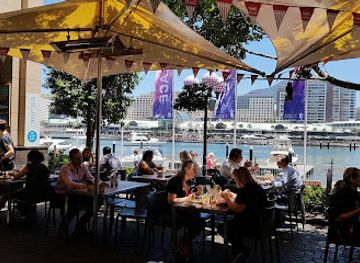
Darling Harbour’s dining scene is concentrated along the water at Cockle Bay and King Street Wharf, with restaurants ranging from casual meals and family-friendly venues to contemporary Australian and international menus. The setting is the main distinction: terraces and dining rooms face the harbour, Pyrmont Bridge or the illuminated skyline, while the convention centre brings additional cafés and event-day options. Visitors looking for a broader local food circuit can walk south towards Haymarket and Chinatown, which are adjacent rather than part of Darling Harbour and offer a far wider range of Asian cuisines, bakeries and inexpensive eateries. The precinct itself is oriented towards prepared meals, drinks and waterfront dining rather than a traditional produce market. Menus, operators and opening arrangements change, so visitors should check individual venues directly rather than assuming every restaurant operates throughout the day.
-
Hamburger
Betty's Burgers
Experience the ultimate burger delight at Betty's Burgers in Sydney - where quality meets flavor in every bite!
3 min walk · 0.3 km from neighbourhood centre
-
Brazilian
Braza Churrascaria
Delight your senses with authentic Brazilian barbecue at Braza Churrascaria in Sydney - A meat lover's paradise awaits!
4 min walk · 0.3 km from neighbourhood centre
-
Italian
Fratelli Fresh Darling Harbour
Savor authentic Italian flavors at Fratelli Fresh Darling Harbour – where great food meets stunning views.
5 min walk · 0.4 km from neighbourhood centre
-
French
The Little Snail Restaurant
Experience the charm of authentic French cuisine at The Little Snail Restaurant in Pyrmont - where every meal is a celebration.
5 min walk · 0.4 km from neighbourhood centre


Best bars in Darling Harbour
After dark, Darling Harbour is primarily a restaurant and waterfront bar precinct rather than a dedicated nightclub district. Cockle Bay and King Street Wharf fill with diners and drinkers, with venues offering cocktails, wine, beer and views across the water; the atmosphere becomes busiest on weekend evenings and during major events. Bars attached to restaurants and hotels provide much of the neighbourhood’s nightlife, while the International Convention Centre Sydney contributes concerts, performances and event-related evening activity. There are few reasons to expect the dense club culture found in other parts of Sydney, and venue formats change over time. Visitors seeking later-night clubs can continue towards the CBD, Barangaroo or nearby entertainment areas, but those destinations should be treated as separate neighbourhoods rather than extensions of Darling Harbour.
-
Bar
The Baxter Inn
Discover The Baxter Inn, a hidden gem in Sydney's bar scene, offering an exquisite selection of whiskies and expertly crafted cocktails in a vintage-inspired setting.
7 min walk · 0.6 km from neighbourhood centre
-
Bar
Bungalow 8
Experience Sydney's nightlife at Bungalow 8 – a premier bar with stunning waterfront views, delicious cuisine, and an electric atmosphere.
10 min walk · 0.8 km from neighbourhood centre
-
Bar
Cargo Bar
Discover Cargo Bar, a vibrant nightlife destination at Darling Harbour, Sydney, offering great food, drinks, and stunning waterfront views.
6 min walk · 0.5 km from neighbourhood centre
-
Bar
Blackbird Cafe
Discover Blackbird Cafe in Darling Harbour, Sydney, where modern Australian cuisine meets stunning views and a vibrant atmosphere.
2 min walk · 0.1 km from neighbourhood centre


Best nightclubs in Darling Harbour
After dark, Darling Harbour is primarily a restaurant and waterfront bar precinct rather than a dedicated nightclub district. Cockle Bay and King Street Wharf fill with diners and drinkers, with venues offering cocktails, wine, beer and views across the water; the atmosphere becomes busiest on weekend evenings and during major events. Bars attached to restaurants and hotels provide much of the neighbourhood’s nightlife, while the International Convention Centre Sydney contributes concerts, performances and event-related evening activity. There are few reasons to expect the dense club culture found in other parts of Sydney, and venue formats change over time. Visitors seeking later-night clubs can continue towards the CBD, Barangaroo or nearby entertainment areas, but those destinations should be treated as separate neighbourhoods rather than extensions of Darling Harbour.
-
Night club
Cargo Bar
Discover Cargo Bar: Sydney's vibrant night club offering stunning views, delectable dining, and an exhilarating nightlife experience in Darling Harbour.
6 min walk · 0.5 km from neighbourhood centre
-
Night club
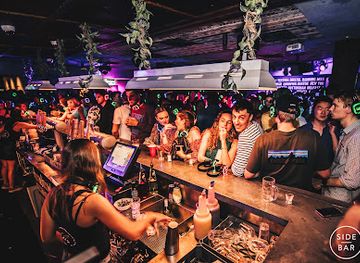
Side Bar
Unleash your night at Side Bar, Haymarket's vibrant night club with great music, friendly staff, and a lively atmosphere perfect for all party lovers.
14 min walk · 1.1 km from neighbourhood centre
-
Night club
Pontoon Bar
Discover the lively Pontoon Bar at Cockle Bay Wharf, a vibrant fusion of nightlife and relaxation, perfect for unforgettable evenings in Sydney.
3 min walk · 0.2 km from neighbourhood centre
-
Night club
Home The Venue
Explore Home The Venue, Sydney's ultimate nightlife experience with live music, dining, and vibrant dancing.
1 min walk · 0.1 km from neighbourhood centre


Best shops in Darling Harbour
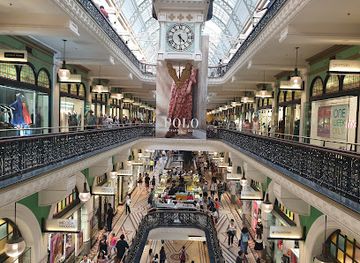
Shopping in Darling Harbour is secondary to its museums, dining and entertainment, with retail activity concentrated in visitor-oriented stores, attraction shops and the commercial areas attached to major venues. The waterfront does not function like a traditional Sydney shopping street, and travellers should not expect the independent boutiques or specialist retail found in Newtown, Surry Hills or the city’s larger shopping precincts. For food shopping, fashion and everyday retail, the walk towards Haymarket and Chinatown is more productive, although those areas are adjacent to Darling Harbour rather than within its core. Attraction gift shops provide books, toys, maritime objects and nature-themed souvenirs, while hotels and restaurants add small-scale retail and convenience options. The precinct is best approached as a place to combine cultural visits and waterside dining with limited, targeted shopping rather than as a destination for a full retail day.
-
Shopping mall
World Square
Discover Sydney's vibrant shopping and dining experience at World Square, where modern retail meets culinary delights in a bustling atmosphere.
9 min walk · 0.7 km from neighbourhood centre
-
Shopping mall
The Galeries
Discover The Galeries, Sydney's premier shopping destination with a stunning architectural design and a blend of high-end retail and dining experiences.
8 min walk · 0.6 km from neighbourhood centre
-
Shopping mall
Darling Square
Discover Darling Square: A lively shopping mall in Haymarket, blending diverse dining, shopping, and entertainment for an unforgettable experience.
7 min walk · 0.6 km from neighbourhood centre
-
Homewares Store
MUJI The Galeries
Explore MUJI The Galeries in Sydney for minimalist homewares, clothing, and unique Japanese design, perfect for enhancing your lifestyle.
7 min walk · 0.6 km from neighbourhood centre



Darling Harbour essentials
Getting There
Getting Around
Safety
Emergency Situations
Do's and Don'ts
Local Tips

From Eve
Local phrases worth knowing
You don't need to get them perfect. A few words go a long way, and locals appreciate the effort.
Basics
| English | Local | Say it |
|---|---|---|
| Hello | G'day | [G'day] |
| Goodbye | Catch ya later | [Catch ya later] |
| Yes | Yeah | [Yeah] |
| No | Nah | [Nah] |
| Please/You're welcome | No worries | [No worries] |
| Thank you | Cheers | [Cheers] |
| Excuse me/Sorry | Sorry mate | [Sorry mate] |
| How are you? | How ya goin'? | [How ya goin'?] |
| Fine. And you? | Good thanks. You? | [Good thanks. You?] |
| Do you speak English? | You speak English? | [You speak English?] |
| I don't understand | I'm lost mate | [I'm lost mate] |
Eating & Drinking
| English | Local | Say it |
|---|---|---|
| I'd like to see the menu, please | Can I check the menu? | [Can I check the menu?] |
| I don't eat meat | I'm vego | [I'm vego] |
| Cheers! | Cheers mate! | [Cheers mate!] |
| I would like to pay, please | Can I pay now? | [Can I pay now?] |
Emergencies
| English | Local | Say it |
|---|---|---|
| Help! | Help! | [Help!] |
| Go away! | Bugger off! | [Bugger off!] |
| Call the Police! | Ring the cops! | [Ring the cops!] |
| Call a doctor! | Get a doc! | [Get a doc!] |
| I'm lost | I'm lost mate | [I'm lost mate] |
| I'm ill | I'm crook | [I'm crook] |
Shopping
| English | Local | Say it |
|---|---|---|
| I'd like to buy... | I wanna buy... | [I wanna buy...] |
| I'm just looking | Just browsing mate | [Just browsing mate] |
| How much is it? | How much? | [How much?] |
| That's too expensive | Too pricey mate | [Too pricey mate] |
| Can you lower the price? | Can you do it cheaper? | [Can you do it cheaper?] |
Time & Numbers
| English | Local | Say it |
|---|---|---|
| What time is it? | What's the time? | [What's the time?] |
| It's one o'clock | It's one | [It's one] |
| Half past (10) | Half ten | [Half ten] |
| Morning | Mornin' | [Mornin'] |
| Afternoon | Arvo | [Arvo] |
| Evening | Evenin' | [Evenin'] |
| Yesterday | Yesty | [Yesty] |
| Today | Today | [Today] |
| Tomorrow | Tomoz | [Tomoz] |
| 1 | One | [One] |
| 2 | Two | [Two] |
| 3 | Three | [Three] |
| 4 | Four | [Four] |
| 5 | Five | [Five] |
| 6 | Six | [Six] |
| 7 | Seven | [Seven] |
| 8 | Eight | [Eight] |
| 9 | Nine | [Nine] |
| 10 | Ten | [Ten] |
Transport & Directions
| English | Local | Say it |
|---|---|---|
| Where's a/the...? | Where's the...? | [Where's the...?] |
| What's the address? | What's the addy? | [What's the addy?] |
| Can you show me (on the map)? | Can you show me (on the map)? | [Can you show me (on the map)?] |
| When's the next (bus)? | When's the next (bus)? | [When's the next (bus)?] |
| A ticket (to ....) | A ticket (to ....) | [A ticket (to ....)] |
History of Darling Harbour
The Cove and Early Maritime Use
The inlet now known as Darling Harbour was part of the harbour country of the Gadigal people of the Eora Nation before European colonisation. Following the establishment of the colony, the cove was progressively reshaped for maritime commerce, with wharves, stores and industrial activity developing along its shoreline. Its name commemorates Ralph Darling, Governor of New South Wales from 1825 to 1831, although the area was long associated with the wider working port of Sydney rather than with a single uniform neighbourhood.
Wharves, Railways and Industry
During the nineteenth and early twentieth centuries, Darling Harbour became an important goods-handling district connected to Sydney’s rail and road networks. Warehouses, cranes, timber yards and railway infrastructure occupied land around the water, while factories and workshops spread towards Ultimo and Pyrmont. The shoreline was engineered for commercial efficiency, making the area valuable to the port and railway economy but relatively inaccessible as a public waterfront. The surviving Pyrmont Bridge is a reminder of this transport-oriented landscape.
The 1988 Waterfront Transformation
By the late twentieth century, containerisation and changes in freight handling had reduced the importance of the old inner-city wharves, leaving much of Darling Harbour underused. A large redevelopment turned the former industrial waterfront into a public precinct for Australia’s bicentenary celebrations in 1988. The project introduced Tumbalong Park, exhibition and convention facilities, the National Maritime Museum, the Chinese Garden of Friendship and new pedestrian promenades, reconnecting central Sydney with a shoreline that had previously been dominated by port infrastructure.
A Cultural and Events Precinct
Since the 1988 redevelopment, Darling Harbour has continued to evolve through new museums, hotels, restaurants, public spaces and major event facilities. The opening of the International Convention Centre Sydney in 2016 strengthened the area’s role in exhibitions, conferences and performances, while successive public-realm projects renewed Tumbalong Park and the waterfront edges. The precinct’s contemporary identity therefore rests on layered reuse: a former working harbour now accommodates cultural institutions, tourism, entertainment and everyday public recreation within walking distance of the city centre.
Darling Harbour in Photos
Browse through our photo collection highlighting the charm and character of the destination.
Neighbourhoods near Darling Harbour
The closest neighbourhoods to Darling Harbour, if you have time for more than one stop.
-

-

-

-


Swipe for more neighbourhoods
Explore more
Explore more of Sydney
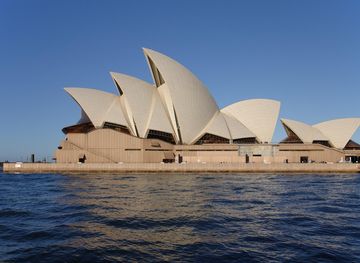
Sydney combines a glittering harbour, grand architecture, surf beaches and rich cultural life, from the Opera House to coastal walks and lively neighbourhoods.
Explore Sydney