
Spannagelhöhle, Zillertal Alps Travel Guide
Explore Austria's largest marble cave, a natural wonder beneath the Hintertux Glacier, with guided tours and thrilling cave trekking adventures.
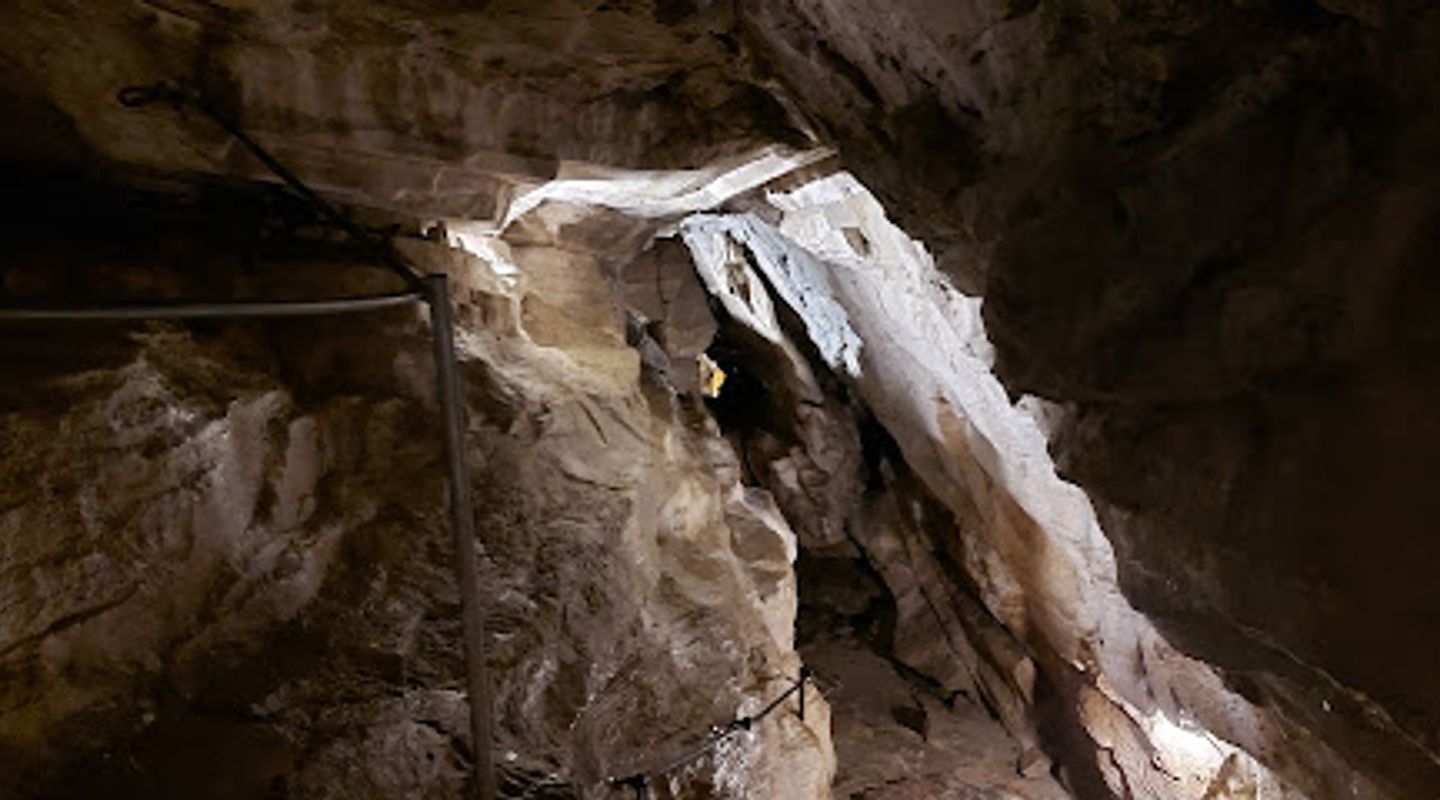
Descend into the heart of the Zillertal Alps and explore the Spannagel Cave, Austria's largest marble cave. With over 12.5 kilometers of explored passages, this natural monument offers guided tours through its fascinating formations, revealing a world shaped by water and glacial ice over millennia. Discovered in 1919, the cave provides a unique glimpse into the geological history of the region.
A brief summary to Spannagelhöhle
- Hintertux 779, Tux, 6294, AT
- Click to display
- Click to display

Know before you go
Hi, I'm Eve. Here are a few practical things to know before exploring Spannagelhöhle.
- Wear warm clothing and sturdy shoes, as the cave maintains a cool temperature year-round.
- Check the tour schedule in advance, as tours are offered at specific times throughout the day.
- Consider booking a cave trekking tour for a more adventurous experience, but be prepared for physical challenges.
- Note that the cave is closed in May.
Do you manage this location?
Take control to get all the benefits, like improved information, better appearance, and stronger visibility across AI-powered discovery. Learn more about listing your business on Evendo
Activate your presenceOther nearby places you may find interesting
The closest places of the same kind, if this one is not quite what you had in mind.
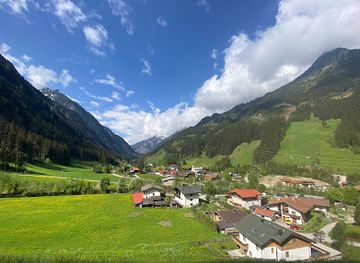
Explore Spannagelhöhle on the Map
A handpicked selection of must-see spots near Spannagelhöhle, mapped for you.
Getting There
-
Cable Car & Walking
To reach the Spannagel Cave, begin at the Hintertux Glacier valley station. Take the Gletscherbahn 1 & 2 cable cars to the Tuxer Fernerhaus station at 2,660m. A round-trip ticket costs approximately €28.50 for adults and €18 for children (10-15 years). From the Tuxer Fernerhaus, it's a 10-minute downhill walk to the Spannagelhaus, where the cave entrance is located. Be prepared for snow and ice year-round, so wear appropriate footwear. Free parking is available between 8:00 am and 5:00 pm at the Hintertux Glacier valley station.
Discover more about Spannagelhöhle













Your all‑in‑one travel companion app
Explore expert travel guides, compare and book tours, experiences, hotels, and more—all from the palm of your hand. Download now for seamless trip planning wherever your wanderlust takes you.


Explore More of Zillertal Alps
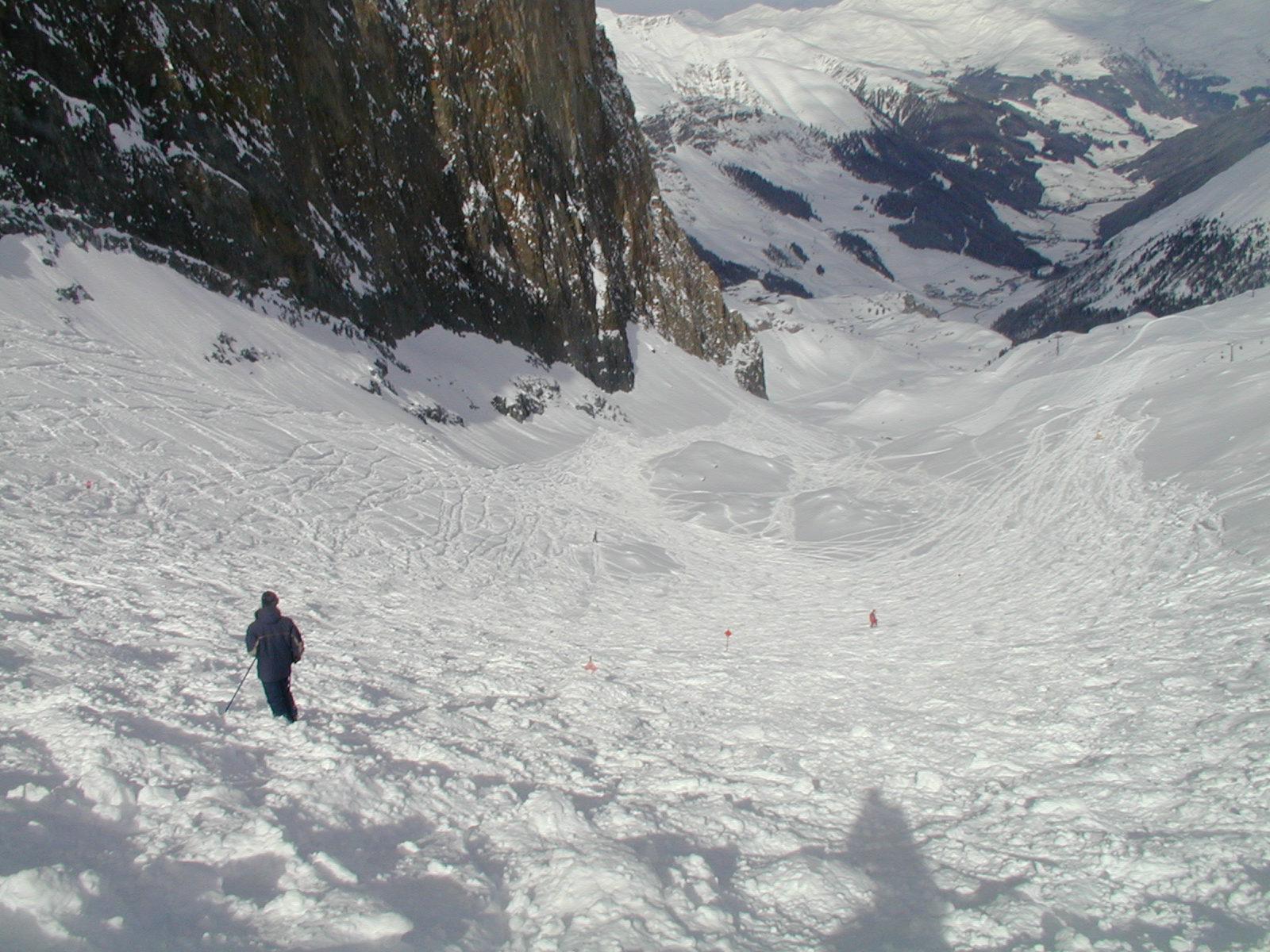
Looking beyond Spannagelhöhle? Discover Zillertal Alps for broader travel guides, local hot-spots, and regional highlights.
Explore Zillertal Alps
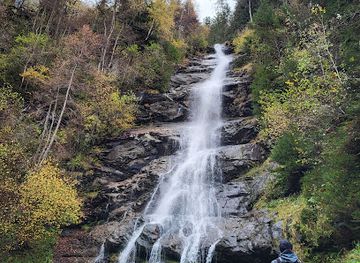
Discover the majestic Hintertux Waterfall in the Austrian Alps: a refreshing natural wonder easily accessible for hikers and nature lovers.
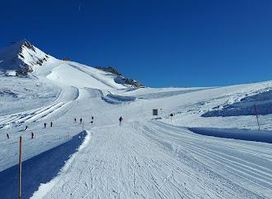
Experience year-round skiing and breathtaking alpine views at Hintertuxer Gletscher, Austria's premier ski resort and hiking paradise.
