
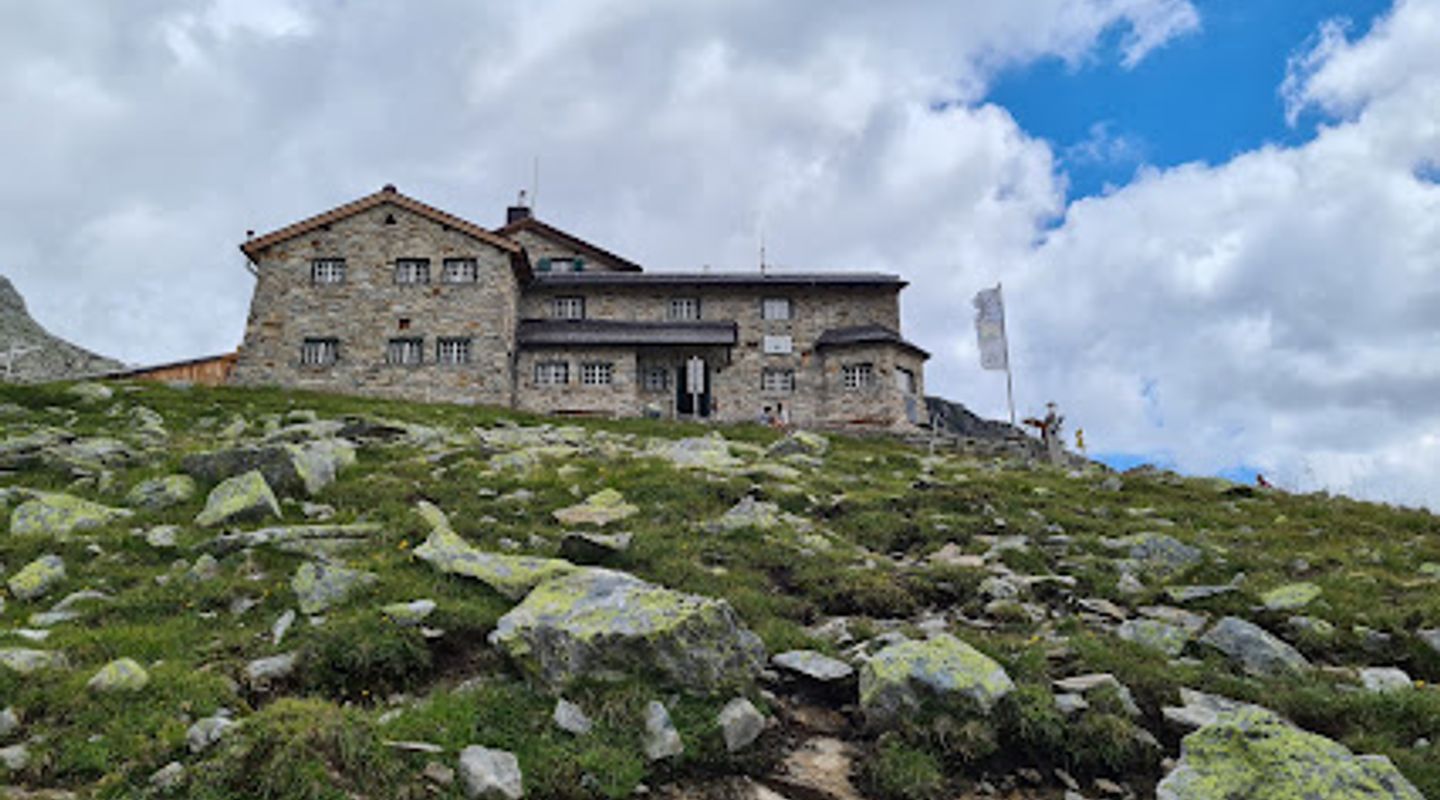
Friesenberghaus, Zillertal Travel Guide
Hike to the historic Friesenberghaus in the Zillertal Alps for breathtaking views and alpine hospitality.
The Friesenberghaus is a mountain hut in the Zillertal Alps, offering stunning views and a rich history. Built as a symbol of tolerance, it provides a base for hikers exploring the surrounding peaks and trails.
A brief summary to Friesenberghaus
- Dornauberg 101, 6295, AT
- Click to display
- Click to display

Know before you go
Hi, I'm Eve. Here are a few practical things to know before exploring Friesenberghaus.
- Reservations are highly recommended, especially during peak season (June-October).
- Be prepared for changing weather conditions and bring appropriate hiking gear, including sturdy boots and waterproof clothing.
- Take some time to learn about the history of the Friesenberghaus and its connection to the Donauland Division for a deeper appreciation of the site.
- Consider continuing your hike to the nearby Olpererhütte and its famous suspension bridge for even more spectacular views.
Do you manage this location?
Take control to get all the benefits, like improved information, better appearance, and stronger visibility across AI-powered discovery. Learn more about listing your business on Evendo
Activate your presenceOther nearby places you may find interesting
The closest places of the same kind, if this one is not quite what you had in mind.
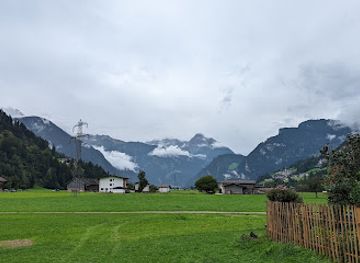
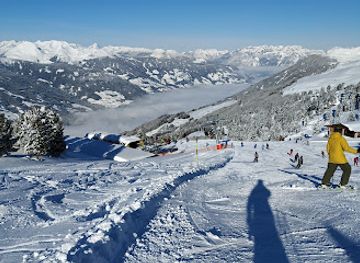
Explore Friesenberghaus on the Map
A handpicked selection of must-see spots near Friesenberghaus, mapped for you.
Getting There
-
Walking
The final approach to Friesenberghaus is primarily on foot. From the Schlegeis Stausee (reservoir), follow the well-marked hiking trails (primarily trail number 532) uphill. The hike typically takes 2-3 hours, covering a distance of approximately 5.5 km with an ascent of around 700 meters. The path is well-maintained but can be rocky in places, so sturdy hiking boots are essential. There are no mandatory tolls or additional transport costs beyond the initial access to the Schlegeis Stausee area. Be aware of changing weather conditions and allow ample time for the ascent.
-
Public Transport
To reach the Friesenberghaus using public transport, take bus 4102 from Mayrhofen to the Schlegeisspeicher reservoir. From the bus stop at the reservoir, follow the well-marked hiking trails (primarily trail number 532) uphill to the Friesenberghaus. The hike typically takes 2-3 hours, covering a distance of approximately 5.5 km with an ascent of around 700 meters. Bus tickets can be purchased on the bus. Bring cash.
-
Driving
If driving, navigate to Ginzling and then follow the road to the Schlegeis Stausee. Note that there is a toll to access the Schlegeis Alpenstraße (15.50 Euro per vehicle). Parking is available at the reservoir. From the parking area, the final approach is on foot via well-marked hiking trails (primarily trail number 532) to the Friesenberghaus. The hike typically takes 2-3 hours, covering a distance of approximately 5.5 km with an ascent of around 700 meters. The path is well-maintained but can be rocky in places, so sturdy hiking boots are essential.
Discover more about Friesenberghaus













Your all‑in‑one travel companion app
Explore expert travel guides, compare and book tours, experiences, hotels, and more—all from the palm of your hand. Download now for seamless trip planning wherever your wanderlust takes you.


Explore More of Zillertal
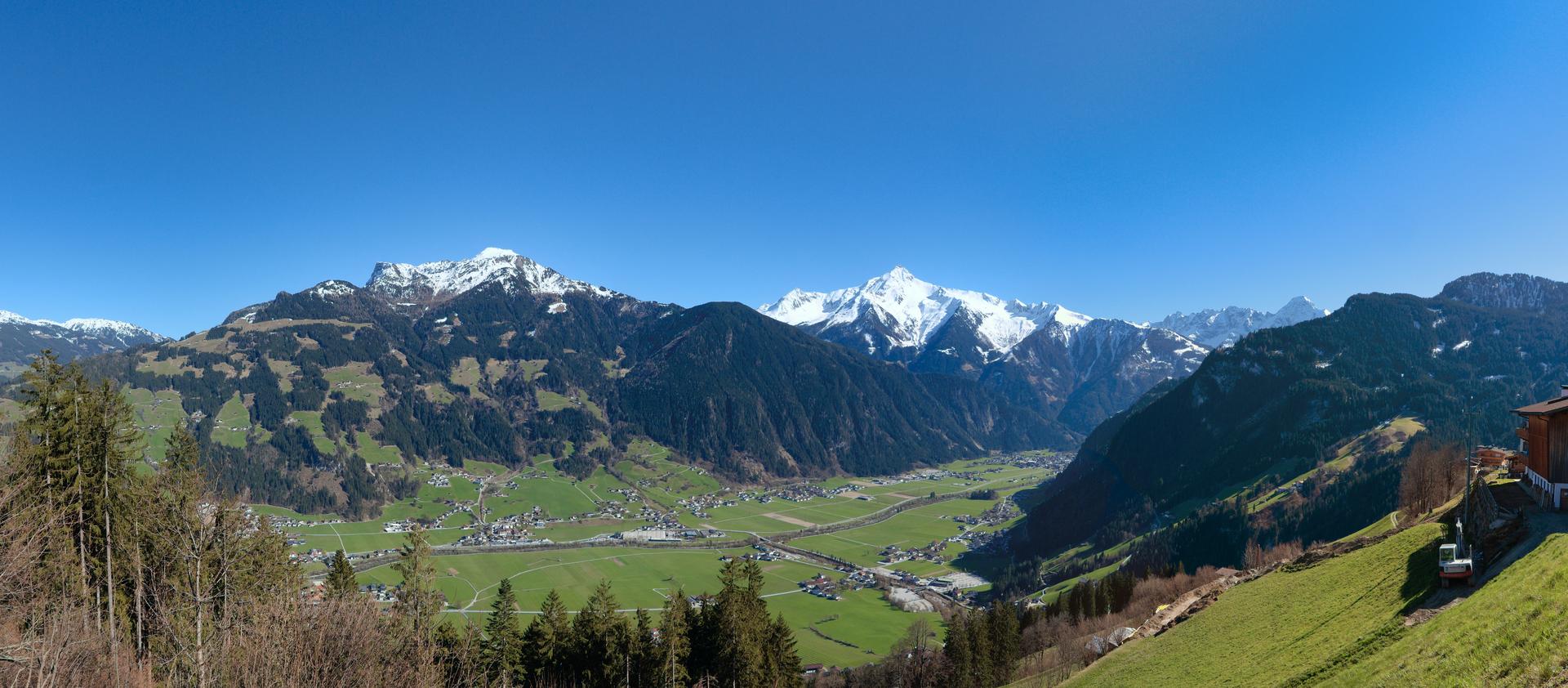
Looking beyond Friesenberghaus? Discover Zillertal for broader travel guides, local hot-spots, and regional highlights.
Explore Zillertal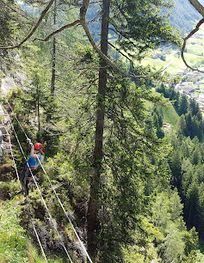
Experience the thrill of alpine climbing on the Peter Kofler Klettersteig, a via ferrata in the Tyrolean Alps with stunning views and a rewarding challenge.

Hike to the iconic Olpererhütte for breathtaking views of the Zillertal Alps and the famed suspension bridge.
