Yeddi Gumbaz Mausoleum: Echoes of the Shirvanshahs
Discover the echoes of Azerbaijan's Shirvanshah dynasty at Yeddi Gumbaz Mausoleum in Shamakhi, where ancient stones whisper tales of history, resilience, and architectural artistry.
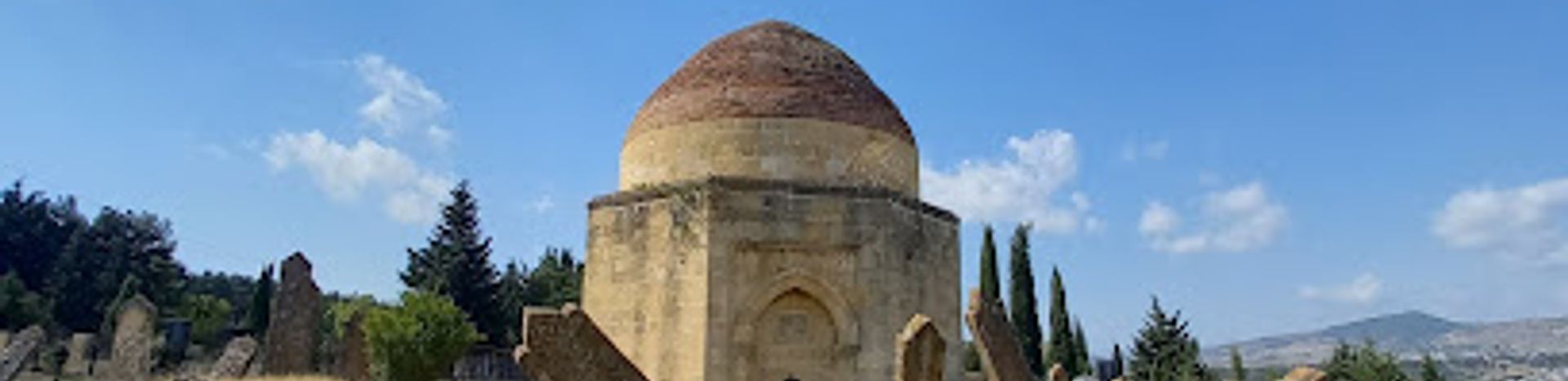
The Yeddi Gumbaz Mausoleum, meaning 'Seven Domes,' is a historical cemetery located just south of Shamakhi, Azerbaijan. While originally comprised of seven mausoleums, earthquakes have reduced the number of intact structures to three, with remnants of others scattered across the site. These mausoleums, dating back to the 18th and 19th centuries, served as the final resting place for members of the Shirvanshah dynasty, including relatives of the last Khan of Shamakhi, Mustafa Khan. The site offers a glimpse into Azerbaijan's rich history and architectural traditions, showcasing domed structures clad in white stone and intricate carvings. Visiting Yeddi Gumbaz provides a serene and contemplative experience amidst scenic landscapes, allowing one to connect with the region's cultural heritage and appreciate the artistry of Azerbaijani craftsmen. The site is a testament to the resilience of Shamakhi, a city that has endured numerous earthquakes and invasions throughout its long history, making it a compelling destination for history enthusiasts and cultural explorers.
A brief summary to Yeddi Gumbaz Mausoleum
- JJCP+4CG, Shamakhi, 5600, AZ
Local tips
- Visit early in the morning for a quieter experience and better lighting for photography.
- Wear comfortable shoes as the terrain around the mausoleums can be uneven.
- Dress modestly out of respect for the site's religious significance.
- Consider hiring a local guide to learn more about the history and architecture of the mausoleums.

Getting There
-
Taxi/Ride-Share
From the center of Shamakhi, a taxi or ride-share is the most convenient way to reach Yeddi Gumbaz. The ride is short, approximately 5-10 minutes, heading south from the city center. Agree on the fare beforehand, which should be around 3-5 AZN. The driver will likely drop you off near the entrance to the cemetery, from where it's a short walk to the mausoleums.
-
Public Transport
From the central bus station in Shamakhi, take bus number 5, which heads towards the outskirts of town. The ride takes about 15 minutes. Get off at the 'Yeddi Gumbaz' stop, the last stop on the route. From the bus stop, walk about 500 meters down the road towards the mausoleum, following the signs. The bus fare is approximately 0.30 AZN.
-
Walking
For those inclined to walk, Yeddi Gumbaz is accessible from Shamakhi's central square. Head south on Nizami Street, then turn right onto Teymur Guliyev Street. Continue for approximately 600 meters until you see a sign for Yeddi Gumbaz. Follow the dirt path for about 200 meters to the mausoleum. The walk is roughly 2 kilometers and takes about 30-40 minutes. Be aware that the path can be uneven.
Discover more about Yeddi Gumbaz Mausoleum
Iconic landmarks you can’t miss

Yeddi Gumbaz Mausoleum
0.0 km
Explore the silent echoes of Azerbaijan's past at the Yeddi Gumbaz Mausoleum, a royal necropolis near Shamakhi showcasing Shirvan-Absheron architecture.
Jummah Mosque
1.0 km
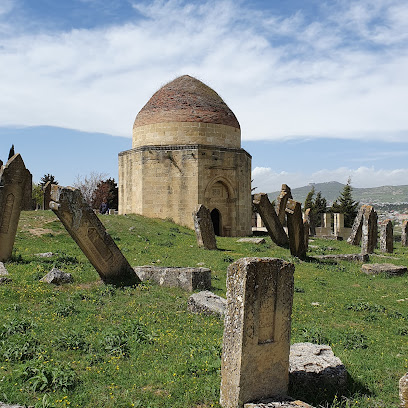
Explore the Jummah Mosque in Shamakhi, a historic symbol of Islamic architecture and Azerbaijani heritage dating back to the 8th century.
Shakhendan Mausoleum
1.0 km
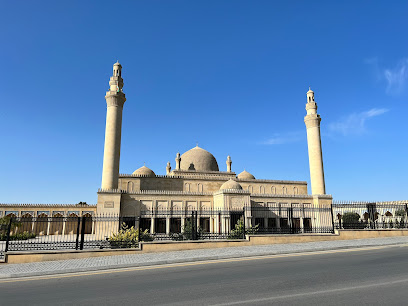
Explore the ancient Shakhendan Mausoleum in Shamakhi, Azerbaijan, a historic cemetery with ties to the poet Nasimi.
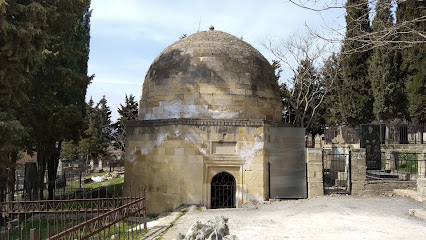
Imamzadeh Mausoleum (Shamakhi)
1.1 km
Discover the spiritual and architectural beauty of the Imamzadeh Mausoleum in Shamakhi, a historical gem and pilgrimage site in Azerbaijan.

Imamzade Mosque
1.2 km
Discover the serene beauty and spiritual significance of the Imamzade Mosque, a historical and architectural treasure in Shamakhi, Azerbaijan.
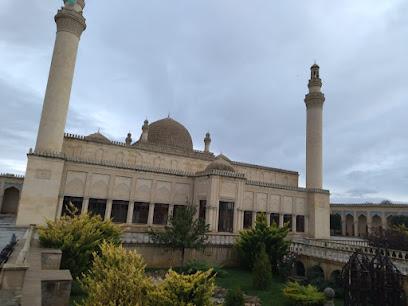
Shamakhy Castle Ruins
1.4 km
Explore the ancient Shamakhy Castle Ruins, a hilltop fortress offering panoramic views into Azerbaijan's medieval history and the Shirvanshahs' legacy.
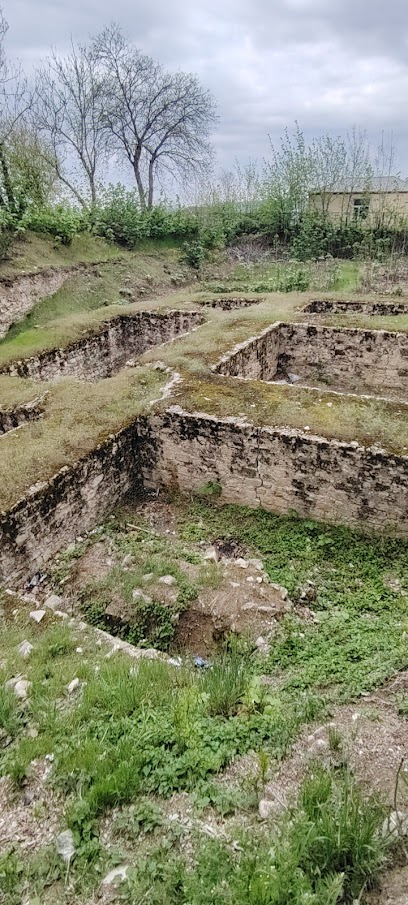
Shirvan Hotel & Spa
1.8 km
Experience modern comfort and relaxation at Shirvan Hotel & Spa, your gateway to exploring the historic city of Shamakhi and its scenic surroundings.
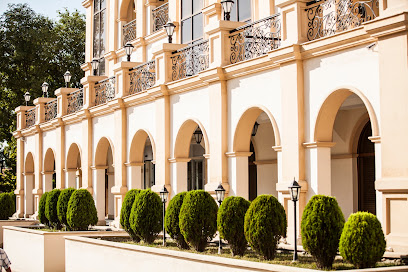
Shamakhy Sport Villas
2.1 km
Escape to the serene mountains of Shamakhi at these modern villas, offering comfort, recreation, and a perfect base for exploring Azerbaijan's cultural heartland.
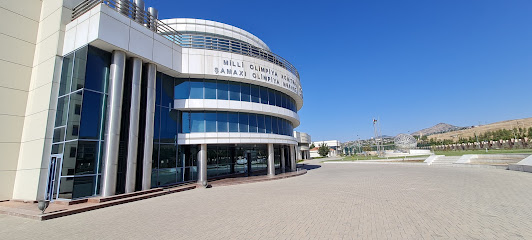
Old mosque
3.1 km
Discover the spiritual heart of Shamakhi at the Old Mosque, a timeless landmark showcasing Azerbaijan's rich Islamic heritage and architecture.
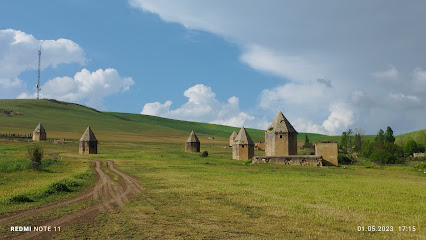
Kalakhana Tombs
4.0 km
Explore the Kalakhana Tombs near Shamakhi, Azerbaijan, and discover ancient architecture and cultural heritage dating back centuries.
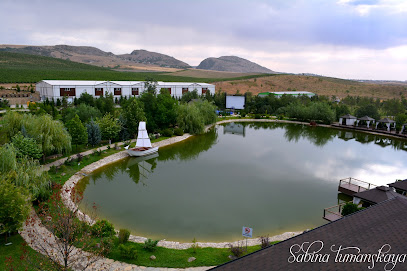
Shirvan Wines Llc
5.0 km
Discover Azerbaijan's winemaking heritage at Shirvan Wines in Shamakhi, where tradition meets modern organic practices for a unique tasting experience.
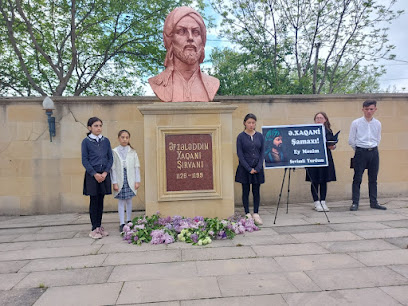
Xaqani Şirvaninin büstü
7.7 km
A tribute to the classical Azerbaijani poet Xaqani Şirvani in his birthplace, honoring his profound literary legacy.
Shamakhi Palace Sharadil
14.1 km
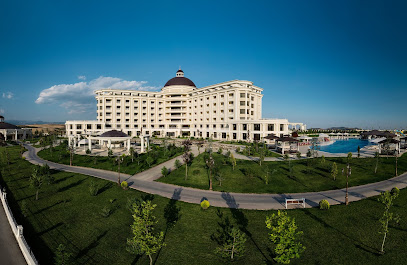
Escape to Shamakhi Palace Sharadil: A five-star mountain resort in Azerbaijan offering luxury, tranquility, and stunning natural beauty.
Meysari Tirasi
14.5 km
Conquer Meysari Tirasi for breathtaking Caucasus views. An Azerbaijani adventure awaits those who seek panoramic mountain vistas and natural beauty.
Pir Omar Shirvani Tomb
20.3 km
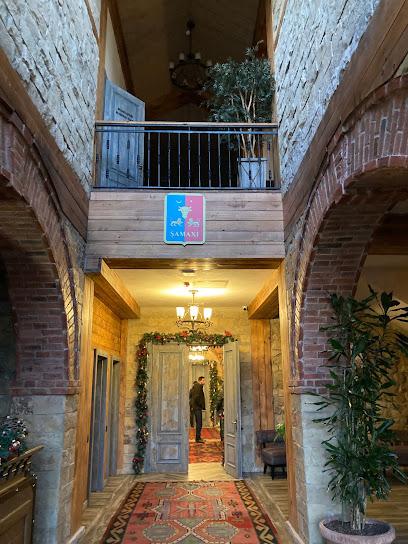
Discover the serene Pir Omar Shirvani Tomb near Shamakhi, a spiritual landmark reflecting Azerbaijan's Sufi heritage.
Unmissable attractions to see

Kələxana abidələri
4.5 km
Explore the medieval Kələxana Mausoleums near Shamakhi, Azerbaijan, a unique architectural complex with a rich history and cultural significance.
Gulustan Tower
4.7 km
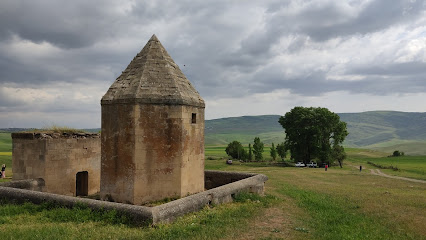
Explore the ruins of Gulustan Tower in Shamakhi, a medieval fortress offering panoramic views and a glimpse into Azerbaijan's rich history.
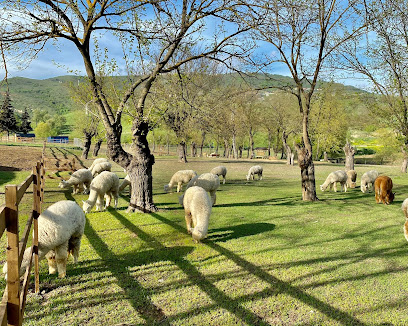
Alpaca Azerbaijan
6.4 km
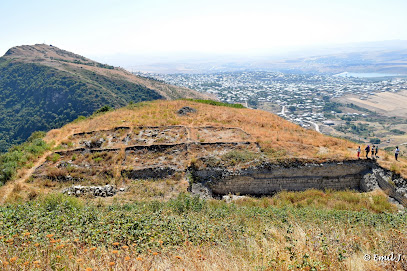
Experience a heartwarming escape at Alpaca Azerbaijan in Shamakhi, connecting with gentle alpacas in a serene countryside setting.
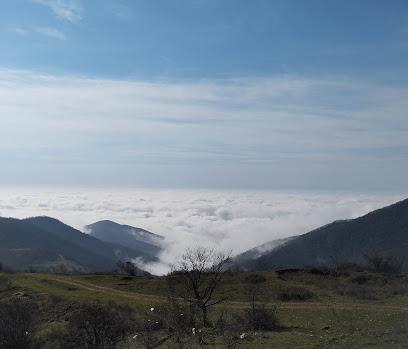
Ağsu Perevalı
17.7 km
Experience breathtaking views and Silk Road history at Ağsu Perevalı, the gateway to Azerbaijan's stunning Shirvan Valley.
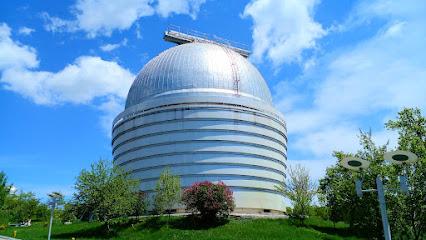
Shamakhi Astrophysical Observatory
18.2 km
Explore the universe at Shamakhi Astrophysical Observatory, a premier astronomical research center nestled in the scenic Caucasus Mountains of Azerbaijan.
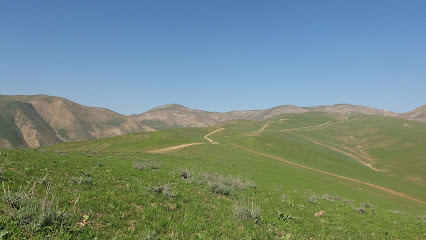
Alçapan (ƏLİÇAPAN) Dağı
20.7 km
Discover Alçapan Mountain in Azerbaijan: Hike scenic trails, immerse in local culture, and witness breathtaking panoramic views in a tranquil natural setting.
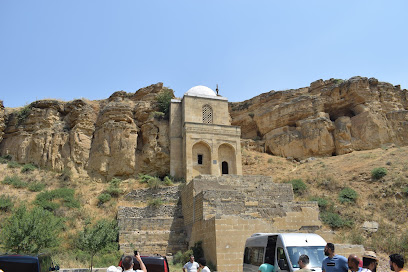
Diri Baba Mausoleum
27.6 km
A 15th-century architectural marvel in Azerbaijan, the Diri Baba Mausoleum is carved into a cliff, offering a unique blend of history and spirituality.
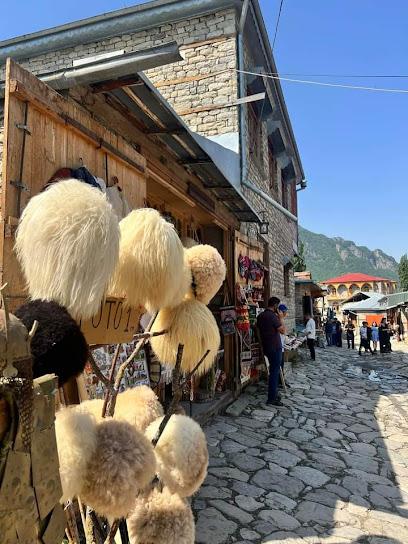
Lahich
32.8 km
Discover Lahich: Azerbaijan's ancient village of artisans, where copper traditions and cobblestone streets transport you back in time.
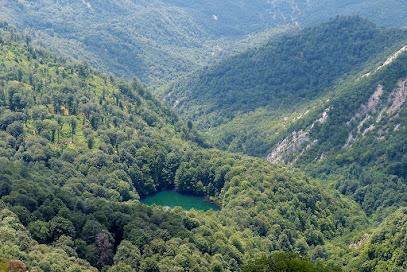
Qaranohur
38.9 km
Discover Qaranohur Lake: Hike through lush forests, witness mountain views, and immerse yourself in Azerbaijan's alpine beauty.
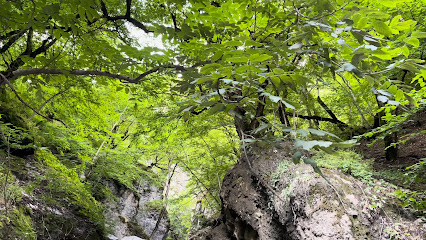
Javanshir waterfall
40.4 km
Discover Javanshir Waterfall near Talıstan, Azerbaijan: a serene natural escape with historical echoes in the Caucasus mountains.
Javanshir Tower
41.7 km
Explore Javanshir Tower in Ismayilli, Azerbaijan: A medieval fortress with stunning views and rich history dating back to the 7th century.
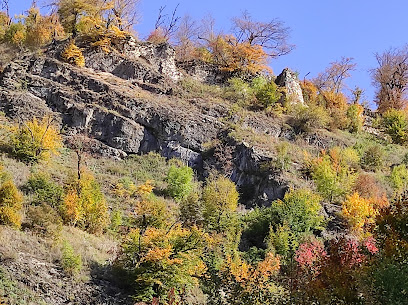
Altiaghaj National Park
43.5 km
Discover Azerbaijan's Altiaghaj National Park: Hike through lush forests, spot diverse wildlife, and experience the beauty of the Greater Caucasus Mountains.
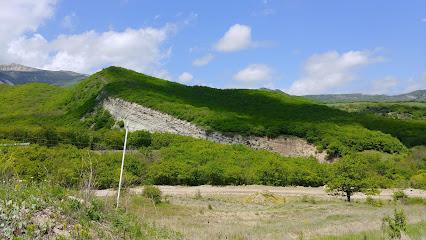
Gora Kessa-Dag
45.3 km
Hike through stunning landscapes, immerse yourself in local culture, and experience an unforgettable adventure in the Caucasus Mountains.
Şahdağ Milli Parki
46.8 km
Discover Azerbaijan's largest national park, offering stunning mountain scenery, diverse ecosystems, and year-round adventure in the Caucasus.
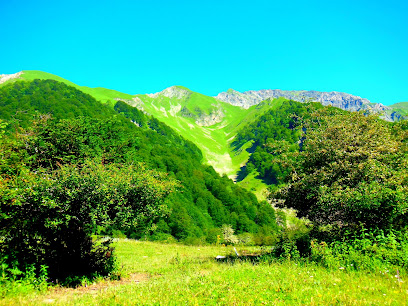
Oydəh şəlaləsi
53.9 km
Discover the serene beauty of Oydəh Waterfall in Yerfi, Azerbaijan, a perfect escape into nature's tranquility and untouched landscapes.
Essential places to dine

Dəmirçi körpüsü
1.3 km
Discover authentic Azerbaijani cuisine at Dəmirçi Körpüsü - where local flavors meet warm hospitality in charming Dəmirçi.
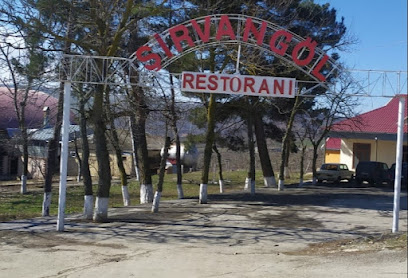
Sirvangol Restoran
1.3 km
Experience authentic Azerbaijani cuisine at Sirvangol Restoran in Shamakhi - where every meal tells a story.
Gencler.merkezi
1.4 km
Discover authentic Azerbaijani flavors at Gencler.merkezi in Shamakhi – where tradition meets taste.
Dostlug Restaurant
1.7 km
Experience authentic Azerbaijani flavors at Dostlug Restaurant in Mingəçevir - where tradition meets taste in every dish.
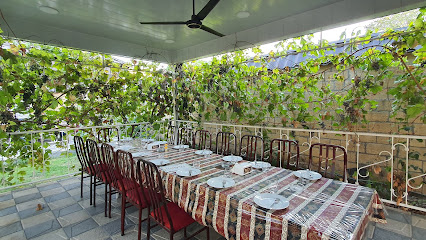
Köz Dönər
2.0 km
Discover authentic Azerbaijani flavors at Köz Dönər in Shamakhi - a buffet restaurant perfect for food lovers seeking local culinary delights.
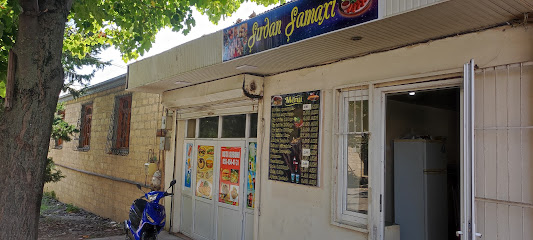
مطعم سلفان
2.3 km
Experience authentic Azerbaijani cuisine at مطعم سلفان in Shamakhi - where tradition meets taste.
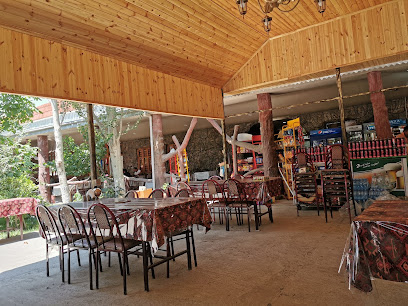
Şamaxı otel restoran
2.4 km
Experience authentic Azerbaijani cuisine with stunning views at Şamaxı Hotel Restaurant in Shamakhi – a culinary delight for every traveler.
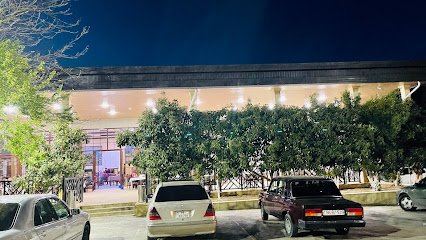
Zam Zam restoranti
2.4 km
Discover authentic Azerbaijani flavors at Zam Zam Restoranti in Shamakhi - a culinary haven for food enthusiasts.
ASAN Lounge
2.5 km
Experience the culinary delights at ASAN Lounge in Shamakhi - where local flavors meet buffet-style indulgence.
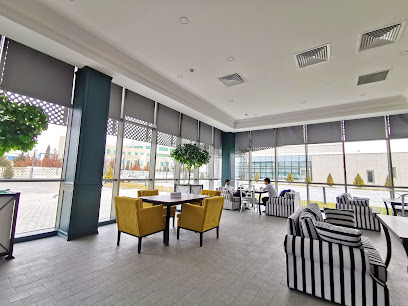
Bənövşə MMC restoranı
4.1 km
Discover authentic Azerbaijani flavors at Bənövşə MMC in Shamakhi - where tradition meets taste in a stunning setting.
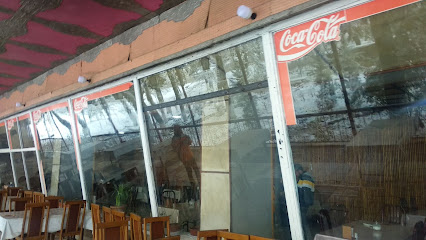
Abqora Restaurant & Wine Club
5.2 km
Discover authentic Azerbaijani cuisine at Abqora Restaurant & Wine Club - where tradition meets contemporary flair along Baku's scenic highway.
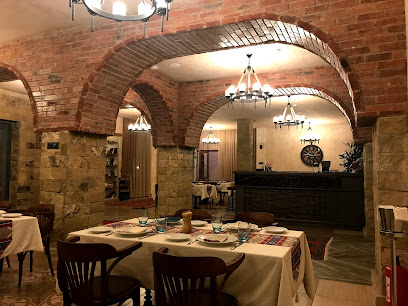
Sərin Göl Restoran
5.7 km
Experience exquisite Azerbaijani cuisine at Sərin Göl Restoran while soaking in stunning lakeside views in Matras.
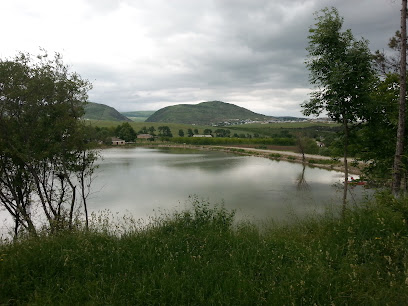
Əla Məkan
5.8 km
Experience authentic Azerbaijani cuisine at Əla Məkan in Shamakhi – where tradition meets taste in a charming setting.
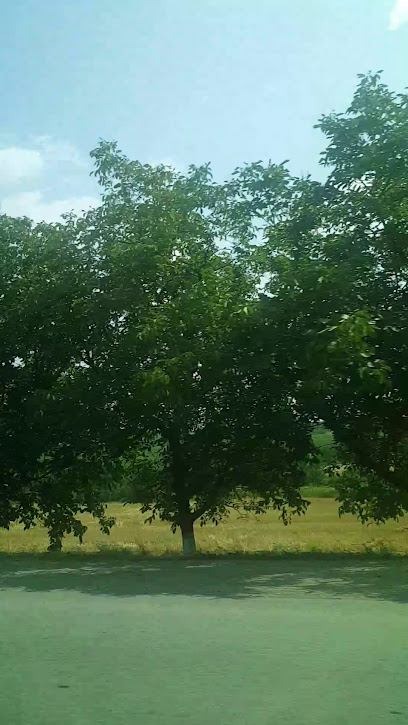
Şamaxı pereval
6.0 km
Experience authentic Azerbaijani cuisine amidst stunning views at Şamaxı Pereval in Medrese.
Zumrud Restaurant
6.6 km
Savor authentic Azerbaijani cuisine at Zumrud Restaurant in Shamakhi - a delightful culinary journey awaits!
Markets, malls and hidden boutiques

Dostlar Market
0.7 km
Explore Dostlar Market in Shamakhi for authentic local products and a taste of Azerbaijani culture.
Bəyaz Market
1.0 km
Explore the vibrant Bəyaz Market in Shamakhi, where local culture, authentic Azerbaijani goods, and community spirit come together for an unforgettable shopping experience.
Yeni City Ticarət mərkəzi
1.1 km
Discover the vibrant Yeni City Shopping Mall in Shamakhi, where local culture meets modern shopping in a unique retail experience.
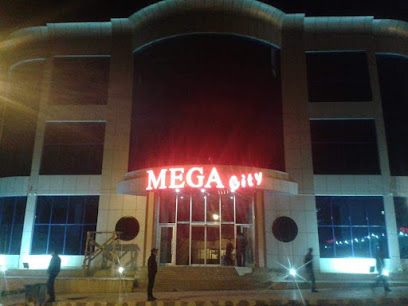
Vip Market
1.1 km
Explore the vibrant flavors of Azerbaijan at Vip Market, a bustling supermarket in Shamakhi offering fresh local produce and international products.
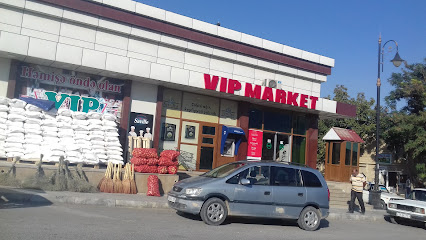
Şərədil
1.3 km
Explore Şərədil in Shamakhi, a charming general store offering local treasures and authentic Azerbaijani culture.
Raka
1.3 km
Experience the vibrant local produce of Shamakhi at Raka, a must-visit fruit and vegetable store showcasing Azerbaijan's agricultural treasures.
Uşaq maqazini
1.3 km
Explore Uşaq Maqazini in Shamakhi for unique children's clothing that reflects local culture and style, perfect for family shopping adventures.
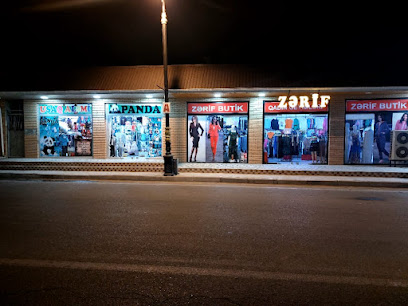
Səid market
1.4 km
Discover the heart of Shamakhi at Səid Market, where local flavors and culture come alive in a vibrant shopping experience.
ŞirvanŞah Tikinti Materiallari Magazası
1.5 km
Discover quality hardware and construction materials in Shamakhi at ŞirvanŞah Tikinti Materiallari Magazası, your trusted source for DIY projects.
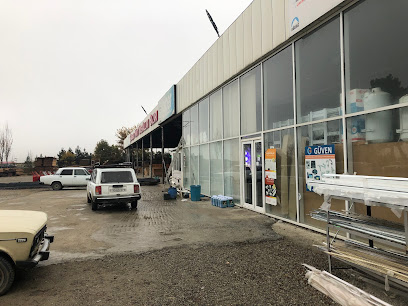
Market
1.5 km
Experience the vibrant culture of Shamakhi at its lively Market, where local flavors and artisan crafts await.
Samaxi Aysi geyim magazasi
1.6 km
Explore local fashion at Samaxi Aysi Geyim Magazasi, a charming clothing store in Shamakhi, Azerbaijan, showcasing unique styles and cultural designs.
Şəhriyar Qəs
1.6 km
Discover the unique blend of tradition and modernity at Şəhriyar Qəs, a clothing store in Shamakhi showcasing exquisite Azerbaijani fashion.
Madmazel
1.6 km
Discover the vibrant fashion scene at Madmazel, Shamakhi's premier clothing store offering unique styles and personalized shopping experiences.
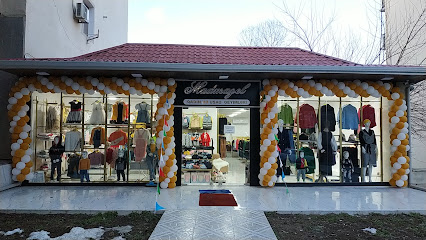
Sərvan Market
1.8 km
Explore the heart of Shamakhi at Sərvan Market, where local flavors and culture come alive in a vibrant shopping experience.
Hikmətin mağazası
1.8 km
Explore Hikmətin mağazası in Shamakhi for authentic local crafts and a taste of Azerbaijan's rich cultural heritage.
Essential bars & hidden hideouts

Piva Var
2.5 km
Discover the vibrant spirit of Shamakhi at Piva Var, where local drinks and lively ambiance create unforgettable memories.
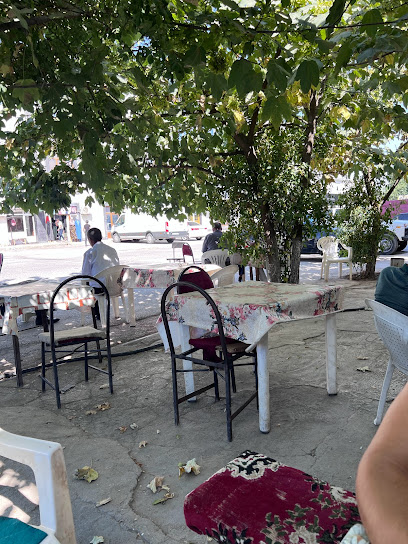
ABUDABI PUB
10.5 km
Dive into the vibrant nightlife of Muğanlı at Abudabi Pub, where electrifying beats meet an exhilarating atmosphere for an unforgettable experience.
Titanic restaran
20.8 km
Experience the maritime charm and delightful cuisine at Titanic Restaurant in Agsu, a must-visit for food lovers and adventurers.
111 Pub Club
21.4 km
Experience local nightlife at 111 Pub Club in Agsu, a vibrant bar offering a cozy atmosphere, diverse drinks, and live entertainment.
Dərya Restoranı Ismayıllı
50.0 km
Experience authentic Azerbaijani cuisine at Dərya Restoranı, located by the tranquil Aşıqbayramlı Lake in Ismailli, where tradition meets breathtaking nature.
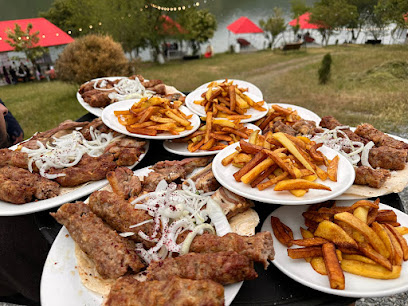
Qadirin kafesi
50.8 km
Immerse yourself in the local culture at Qadirin Kafesi, a charming bar in Hapıtlı, Azerbaijan, where good drinks and great company await.
Bobur Alemdar
59.2 km
Discover unparalleled event planning and personalized service at Bobur Alemdar, where every occasion becomes a memorable celebration.
Simi peti
64.4 km
Discover Simi Peti in Siyazan, a cozy bar where you can enjoy refreshing drinks and experience the warmth of Azerbaijani hospitality.
Amciq kenan
75.6 km
Experience the vibrant atmosphere of Amciq Kenan in Goychay, where local culture meets delightful drinks in a cozy setting.
Elnarın Abiyekti
76.1 km
Discover the vibrant atmosphere and local flavors at Elnarın Abiyekti, a charming bar in Shirvan for an unforgettable night out.
Limak Pub
76.6 km
Experience the vibrant atmosphere and warm hospitality of Limak Pub in Gebele, where local culture meets a lively bar scene.
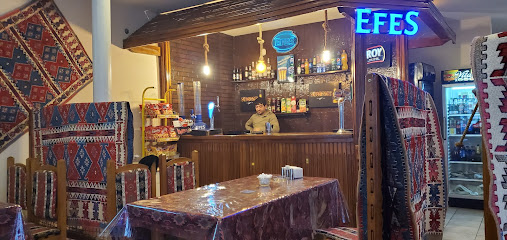
Gabala Riverside Hotel Disco Line
76.7 km
Unleash your inner party-goer at Gabala Riverside Hotel Disco Line, where unforgettable nights of music and karaoke await in this lively nightclub.
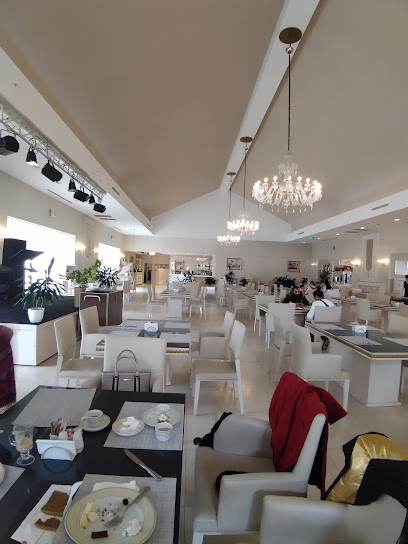
Xəzərin qəlyan xanası
77.0 km
Discover the charm of Xəzərin Qəlyan Xanası, a tranquil bar in Gebele offering delightful beverages and authentic Azerbaijani hookah.
Elxanın lüks qehbexanasi
77.0 km
Discover a luxurious bar experience in Gebele at Elxanın Lüks Qehbexanasi, featuring exquisite drinks and an inviting atmosphere.
RaJa Indian & Azerbaijani Cuisine
77.0 km
Experience the fusion of Indian and Azerbaijani flavors at RaJa Indian & Azerbaijani Cuisine in Gebele, where every meal tells a story.
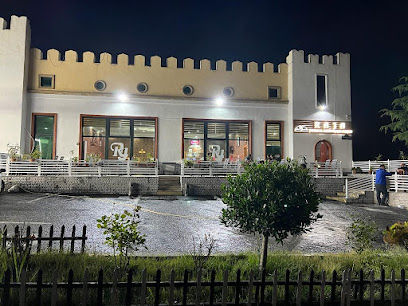
Nightclubs & after hour spots

Xəyal palace
1.6 km
Discover the vibrant nightlife at Xəyal Palace in Shamakhi, where unforgettable experiences and energetic vibes await every visitor.
PuB LiON LoUNGe
20.2 km
Discover the energetic nightlife of Agsu at PuB LiON LoUNGe, the ultimate destination for music, dance, and fun.
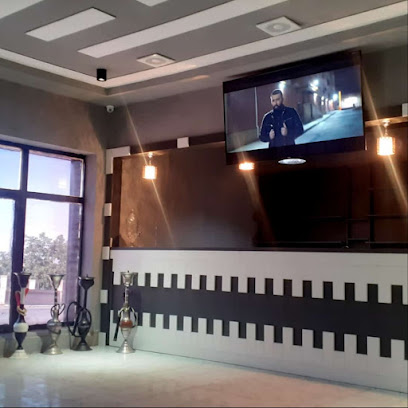
Çayçı
66.5 km
Discover the vibrant nightlife at Çayçı, Amirvan's premier night club, where music, dance, and culture come alive.
001 KAFE
75.8 km
Discover Shirvan's nightlife at 001 KAFE, a vibrant night club offering great music, diverse crowds, and an unforgettable atmosphere.
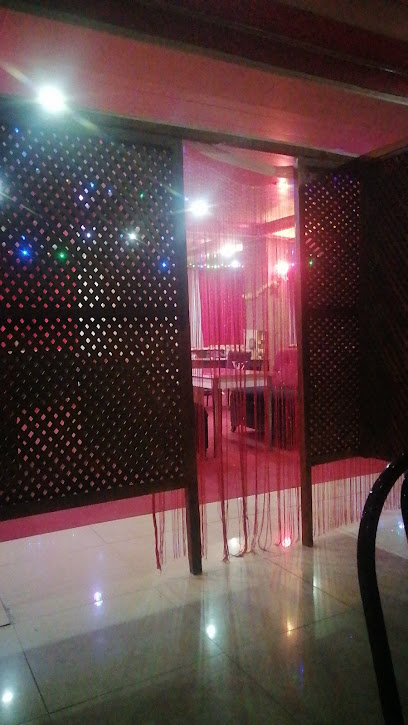
Vip Club
77.5 km
Discover the vibrant nightlife at Vip Club in Gebele, where lively music and a friendly atmosphere await you for an unforgettable experience.
Cübbəxana
77.6 km
Discover the electrifying nightlife of Cübbəxana, a premier night club in İkinci Nügədi, where music, dance, and culture collide.
QUTAB ADIL
78.0 km
Discover the electrifying nightlife at Qutab Adil, Shirvan's premier night club offering vibrant music, dance, and unforgettable experiences.
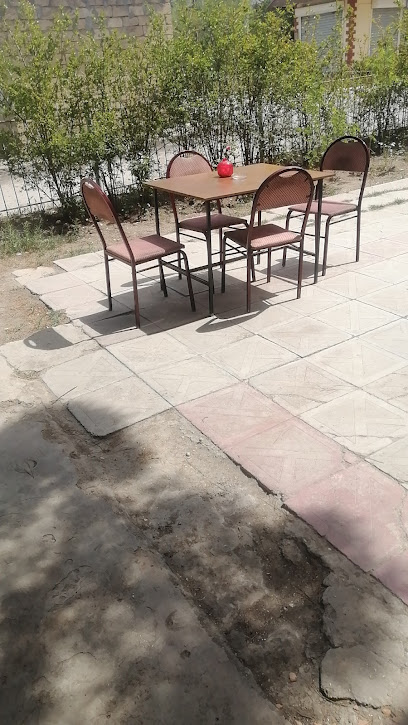
Shirvan Klub
78.1 km
Discover the vibrant nightlife at Shirvan Klub, where music, dance, and culture create an unforgettable experience in Shirvan.
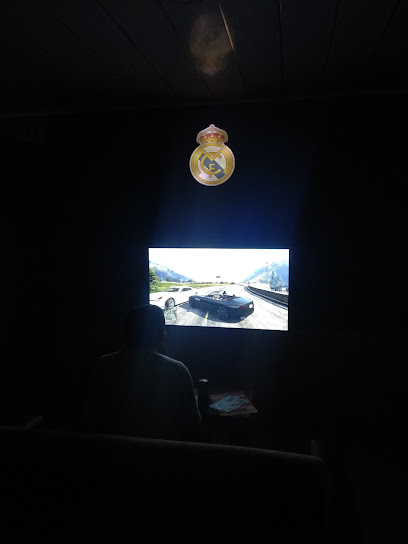
El Clasico Game Center
78.4 km
Discover the vibrant nightlife of Shirvan at El Clasico Game Center, a premier destination for unforgettable moments and lively entertainment.
Bubistan
79.7 km
Discover the electrifying nightlife of Bubistan in Amsar, where music, dance, and unforgettable memories await you.
Barpa SPA Center
82.2 km
Discover relaxation and entertainment at Barpa SPA Center in Quba, Azerbaijan, offering spa treatments, bowling, and karaoke for a memorable getaway.
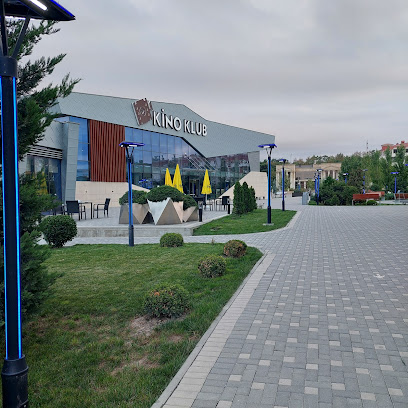
Kino Klub
83.1 km
Discover cinematic magic at Kino Klub in Quba, where captivating films and a cozy atmosphere await you.
X_Club_Quba
83.3 km
Experience the vibrant nightlife at X_Club Quba, where entertainment, music, and fun come together in a unique playground atmosphere.
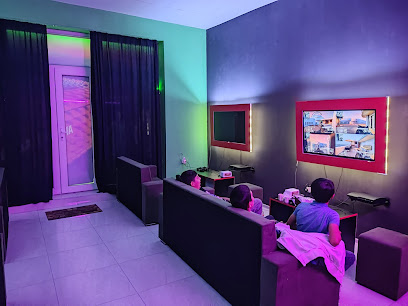
5-CLUB
83.4 km
Discover the flavors of Azerbaijan at 5-CLUB, a vibrant restaurant in Quba offering a delightful menu and lively ambiance.
gold perde tul salonu
83.7 km
Discover the tranquil charm of Gold Perde Tul Salonu in Quba, a perfect blend of elegance and relaxation for travelers seeking an unforgettable lounge experience.