Central Shaheed Minar, Southern Bengal Travel Guide
A national monument in Dhaka, Central Shaheed Minar commemorates the martyrs of the Bengali Language Movement and stands as a symbol of Bengali identity and cultural pride.
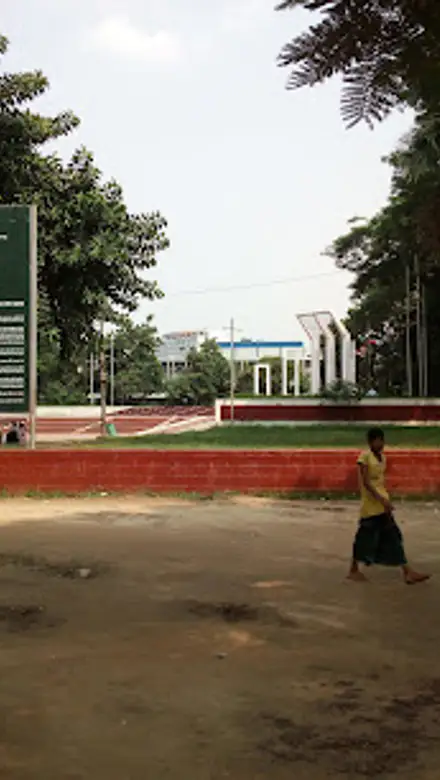
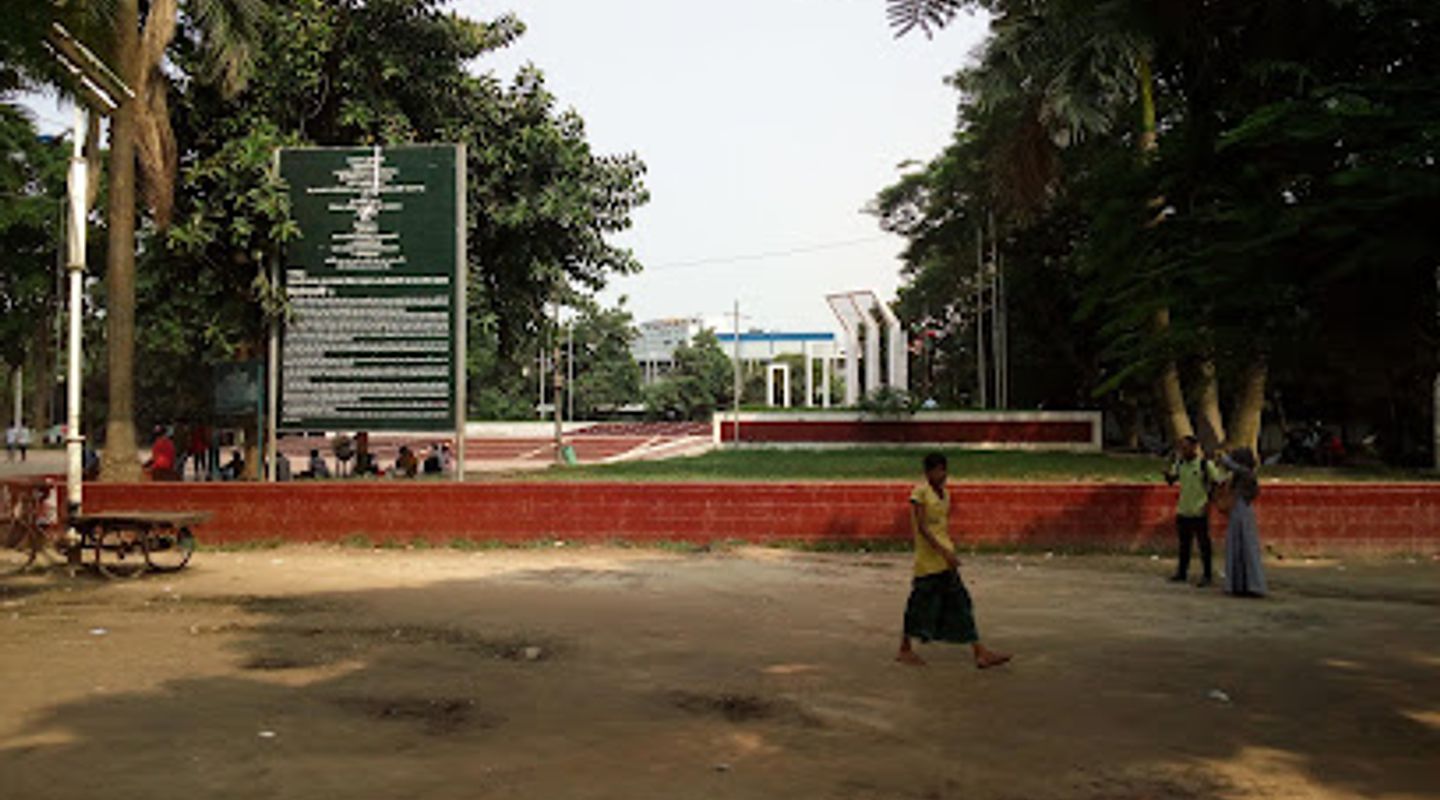
The Central Shaheed Minar stands as a poignant national monument in Dhaka, Bangladesh, commemorating the martyrs of the Bengali Language Movement of 1952. This pivotal movement saw students and activists protesting for the recognition of the Bengali language, resulting in tragic loss of life when Pakistani police opened fire. The Shaheed Minar, designed by Hamidur Rahman, embodies the spirit of Bengali nationalism and the importance of linguistic and cultural identity. Its striking white pillars against the Dhaka skyline serve as a powerful reminder of the sacrifices made for the Bengali language, drawing locals and tourists alike to reflect and pay homage. The site is a focal point for cultural events and commemorative ceremonies, especially on International Mother Language Day (February 21st), fostering a deep connection to the heart and soul of Bangladesh.
A brief summary to Central Shaheed Minar
- Near Dhaka Medical College Gate, Secretariat Road, Secretariate Rd, Dhaka, Polashi, 1000, BD

Know before you go
Hi, I'm Eve. Here are a few practical things to know before exploring Central Shaheed Minar.
- Visit early in the morning or late afternoon for the best lighting for photography and to avoid crowds.
- Take time to read the inscriptions and plaques around the monument to fully understand its historical significance.
- Dress respectfully when visiting, as the site holds deep cultural and historical importance.
- Consider visiting during a cultural event or commemorative ceremony to experience the site's vibrant atmosphere.
- Explore the surrounding area, including the Dhaka University campus and nearby historical sites, for a more complete experience.
Do you manage this location?
Take control to get all the benefits, like improved information, better appearance, and stronger visibility across AI-powered discovery. Learn more about listing your business on Evendo
Activate your presenceOther nearby places you may find interesting
The closest places of the same kind, if this one is not quite what you had in mind.
Explore Central Shaheed Minar on the Map
A handpicked selection of must-see spots near Central Shaheed Minar, mapped for you.
Unlock the Best of Central Shaheed Minar
Buy tickets
-
No tickets available
Book tours with entry


Book tours without entry
-
No tours available
Getting There
-
Public Transport
From anywhere in Dhaka city, take a bus heading towards Dhaka Medical College or the Polashi area. Common bus routes include those labeled 'Gulistan' or 'Shahbag'. Bus fares typically range from 10 to 30 BDT. Alight near Dhaka Medical College Gate and walk towards Secretariat Road; the Minar is a short walk away. Alternatively, use the Dhaka Metro and get off at a nearby station, followed by a short rickshaw or taxi ride to the monument.
-
Rickshaw
Hire a rickshaw from your location in Dhaka to Central Shaheed Minar. Negotiate the fare beforehand, typically ranging from 100 to 300 BDT depending on the distance. Direct the driver to 'Near Dhaka Medical College Gate, Secretariat Road'. Be mindful of traffic conditions, especially during peak hours.
-
Taxi/Ride-Share
Use ride-sharing apps like Uber or Pathao to book a car or CNG auto-rickshaw to Central Shaheed Minar. The fare will vary depending on the distance and time of day, but expect to pay around 150 to 400 BDT. Input 'Secretariat Road, Dhaka' as your destination. Note that surge pricing may apply during peak hours.
Discover more about Central Shaheed Minar













Your all‑in‑one travel companion app
Explore expert travel guides, compare and book tours, experiences, hotels, and more—all from the palm of your hand. Download now for seamless trip planning wherever your wanderlust takes you.


Explore More of Southern Bengal
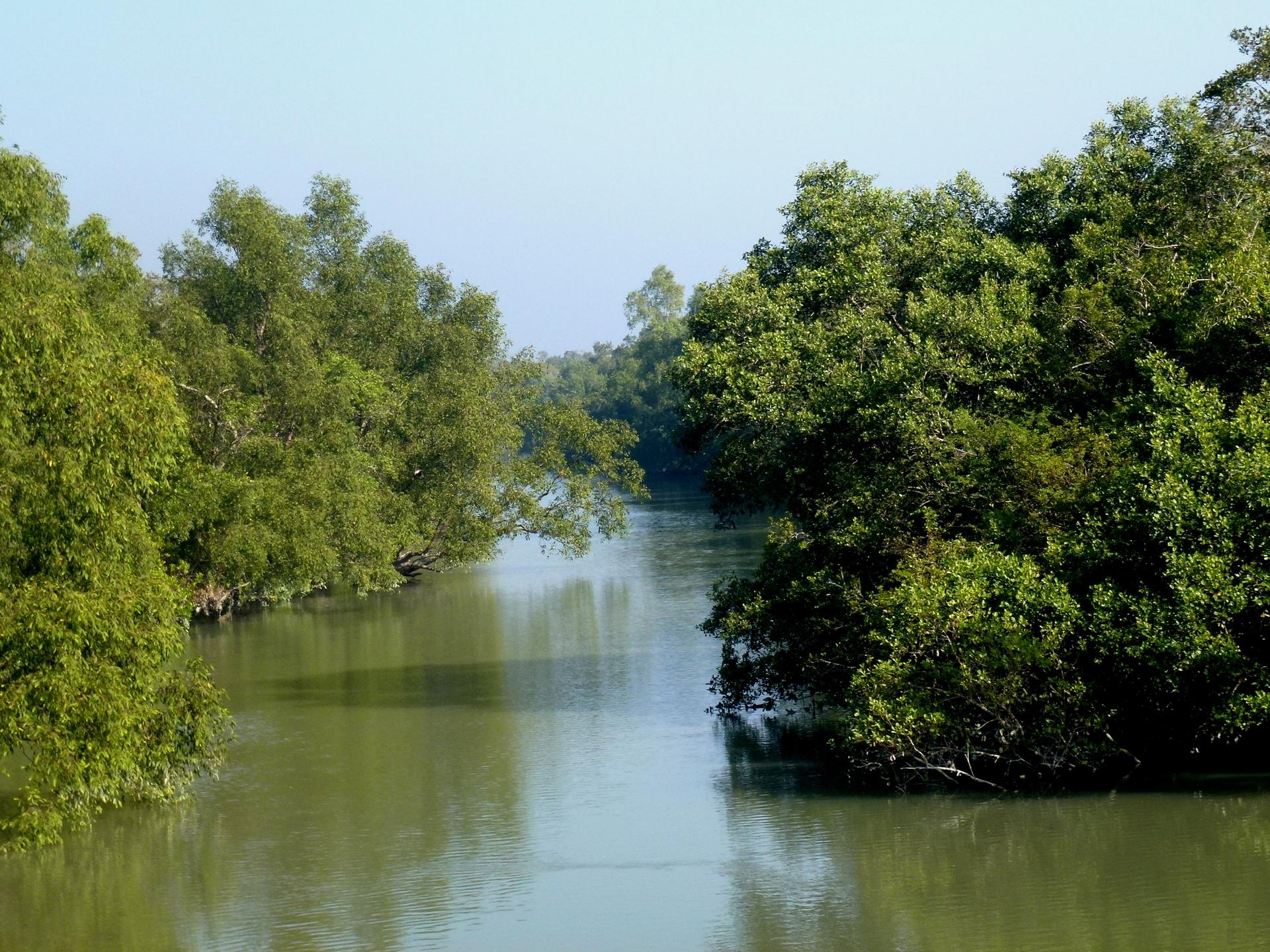
Looking beyond Central Shaheed Minar? Discover Southern Bengal for broader travel guides, local hot-spots, and regional highlights.
Explore Southern Bengal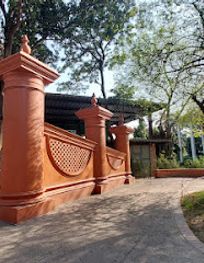
Discover Dhaka Gate, a historical landmark blending Mughal and European architecture, offering a glimpse into Dhaka's rich past and cultural heritage, now renovated for visitors to explore and appreciate.

Experience Dhaka's vibrant street art at the স্বাধীনতার দেয়াল, a dynamic landmark reflecting Bangladesh's journey to freedom and ongoing social dialogue.