

Central Northern Bulgaria, Bulgaria Travel Guide
Discover the rich history, stunning nature, and vibrant culture of Central Northern Bulgaria, a hidden gem in the heart of Bulgaria.
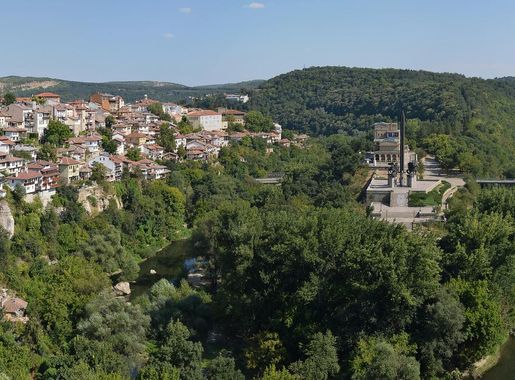
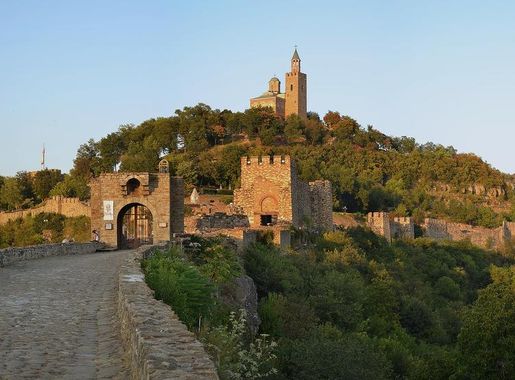
Central Northern Bulgaria is a region rich in history, culture, and natural beauty. This captivating area offers a mix of charming towns, ancient ruins, and lush landscapes. Visitors can explore the fascinating history of Veliko Tarnovo, once the capital of the Second Bulgarian Empire, with its medieval fortress and cobblestone streets. The town's vibrant atmosphere and stunning views from Tsarevets Fortress are sure to leave a lasting impression. Nature lovers will find plenty to admire in Central Northern Bulgaria. The region is home to the picturesque Balkan Mountains, where hiking trails lead to breathtaking vistas and hidden waterfalls. The valleys and rivers in this area provide perfect settings for outdoor activities like kayaking and fishing. For those seeking relaxation, the mineral springs in the town of Voneshta Voda offer a soothing retreat. The region's cultural heritage is also a major draw. Traditional Bulgarian crafts and cuisine can be experienced at local markets and village festivals. The city of Gabrovo, known for its sense of humor and satire, hosts the annual Festival of Humor and Satire, a lively event that showcases local talent and traditions. Central Northern Bulgaria's unique blend of history, nature, and culture makes it a must-visit destination for any traveler.

Know before you go
Hi, I'm Eve. Here are a few practical things to know before exploring Central Northern Bulgaria.
- Visit Tsarevets Fortress early in the morning to avoid crowds and enjoy the best views.
- Bring comfortable walking shoes for exploring the cobblestone streets of Veliko Tarnovo.
- Check local weather conditions before planning your hike in the Balkan Mountains.
- Attend the Festival of Humor and Satire in Gabrovo for a unique cultural experience.
- Try the local cuisine, especially dishes like banitsa and tarator, at traditional Bulgarian restaurants.
Top City Travel Guides in Central Northern Bulgaria
The cities of Central Northern Bulgaria, and the easiest places to base yourself.


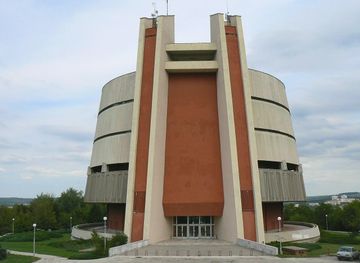
Destinations in Central Northern Bulgaria
Resorts, valleys and scenic spots worth a trip of their own.

Explore Central Northern Bulgaria: Things to Do, Places to Eat, Hotels & More
Handpicked recommendations for top attractions, local dining, accommodations, and more

Top Attractions & Sightseeing in Central Northern Bulgaria
Top-rated picks
Best Attractions

Rila National Park
Discover the breathtaking landscapes and rich biodiversity of Rila National Park, Bulgaria's premier destination for nature lovers and outdoor enthusiasts.

Baba Vanga House Museum in Rupite
Discover the intriguing life of Baba Vanga at her House Museum in Rupite, where the past meets mysticism in a serene natural setting.

Asen's Fortress
Explore a medieval fortress with Thracian roots, stunning mountain views, and a remarkably preserved church near Asenovgrad, Bulgaria.

Pirin National Park
Explore the breathtaking landscapes and rich biodiversity of Pirin National Park, a UNESCO World Heritage Site, in the heart of Bulgaria.


Best restaurants in Central Northern Bulgaria
Top-rated picks
Best Restaurants

Shtastliveca
Discover the essence of Bulgarian cuisine at Shtastliveca in Veliko Tarnovo—where tradition meets modern culinary excellence.

Shtastlivetsa restaurant Vitoshka
Experience authentic Bulgarian cuisine in the heart of Sofia at Shtastlivetsa Restaurant on Vitosha Boulevard.

Hadjidraganov's Cellars
Discover the essence of Bulgarian culture at Hadjidraganov's Cellars with authentic cuisine and lively musical performances.
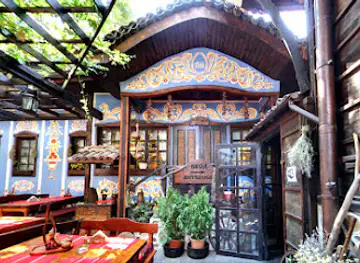
Hadjidraganov's Houses Restaurant
Experience authentic Bulgarian cuisine and lively folk music at Hadjidraganov's Houses in the heart of Sofia.

Best bars in Central Northern Bulgaria
Top-rated picks
Best Bars
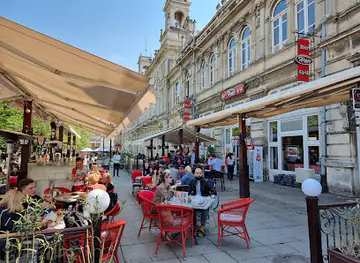
Happy Bar & Grill
Experience a culinary blend of European and Sushi delights at Happy Bar & Grill in the vibrant heart of Ruse.

Cubo
Discover the vibrant nightlife of Varna at Cubo, where cocktails and camaraderie come together in a lively bar atmosphere.

Bar Friday
Discover the vibrant atmosphere of Bar Friday in Sofia, where cocktails, live music, and dancing create unforgettable nightlife experiences.
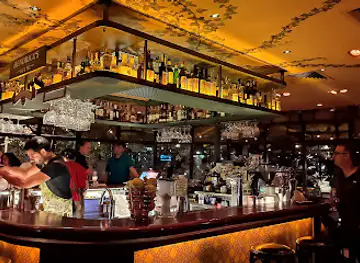
The Cocktail Bar
Experience the vibrant atmosphere and exquisite cocktails at The Cocktail Bar, Sofia's top destination for nightlife and local culture.

Best nightclubs in Central Northern Bulgaria
Top-rated picks
Best Nightclubs

club *MIXTAPE 5*
Unleash your night at Club Mixtape 5, Sofia's ultimate disco club, where unforgettable dance moments and vibrant energy await.

Plaza dance center
Discover the heart of Sofia's nightlife at Plaza Dance Center, where unforgettable nights and vibrant energy await every party lover.

Carrusel Club
Dive into Sofia's vibrant nightlife at Carrusel Club, where electrifying music and an energetic atmosphere await you.

SugarClub
Discover Sofia's nightlife at SugarClub, where vibrant beats and a unique atmosphere create unforgettable experiences.

Best shops in Central Northern Bulgaria
Top-rated picks
Best Shops

Serdika Center
Experience Sofia's shopping paradise at Serdika Center, where fashion meets culture in a vibrant atmosphere.

Sofia Ring Mall
Shop, dine, and unwind at Sofia Ring Mall, the ultimate shopping destination in Sofia, Bulgaria, offering a world of retail and culinary delights.

The Mall
Experience Sofia's vibrant shopping scene at The Mall, where fashion, food, and fun come together in a modern urban setting.

Mall of Sofia
Explore the Mall of Sofia: a vibrant shopping haven with diverse stores, delicious dining, and a lively atmosphere in Bulgaria's capital.

Explore Central Northern Bulgaria on the Map
A handpicked selection of must-see spots in Central Northern Bulgaria, mapped for you.
Central Northern Bulgaria Essentials
-
Central Northern Bulgaria is accessible via several international airports, the closest being Sofia Airport (SOF) and Bucharest Henri Coanda International Airport (OTP) in neighboring Romania. From Sofia, the drive to Central Northern Bulgaria takes approximately 2-3 hours. Alternatively, you can take a train or bus from Sofia to towns like Veliko Tarnovo, Gabrovo, and Pleven. Bus services are frequent and reliable, offering a budget-friendly option for travelers.
-
Public transportation in Central Northern Bulgaria is well-developed, with buses and trains connecting major towns and cities. Taxis are also readily available and affordable. Renting a car can be a convenient option for exploring the region at your own pace. For local travel within towns, walking and cycling are popular options. Make sure to check the schedules for public transportation in advance, as services might be less frequent in rural areas.
-
The official currency in Bulgaria is the Bulgarian Lev (BGN). Credit and debit cards are widely accepted in hotels, restaurants, and larger shops, but it is advisable to carry some cash for smaller establishments and rural areas. ATMs are widely available in towns and cities. Currency exchange services can be found at airports, banks, and exchange offices.
-
Central Northern Bulgaria is generally safe for tourists. However, it is advisable to take standard precautions such as avoiding poorly lit areas at night and keeping an eye on your belongings in crowded places. While the region does not have areas with high crime rates targeting tourists, it is always best to stay vigilant and aware of your surroundings.
-
In case of an emergency, dial 112 for immediate assistance. This is the European Union emergency number and is available for police, fire, and medical emergencies. Major towns have hospitals and clinics that can handle medical emergencies. It is recommended to have travel insurance that covers medical emergencies. Pharmacies are available in towns for over-the-counter medications and minor health issues.
-
Fashion: Do dress modestly, especially when visiting religious sites. Avoid wearing overly revealing clothing. Religion: Do respect local customs and traditions. Always cover your head and dress modestly when entering churches and monasteries. Public Transport: Do be respectful and offer your seat to elderly passengers. Don’t eat or drink on public transport. Greetings: Do greet people with a handshake. A slight bow of the head is also a sign of respect. Eating & Drinking: Do try local delicacies and accept food offerings graciously. Don’t refuse hospitality, as it is considered impolite.
-
To experience Central Northern Bulgaria like a local, visit the local markets where you can buy fresh produce and traditional Bulgarian goods. Engage with locals, as they are often friendly and willing to share stories about the region's history and culture. Don't miss exploring the historical towns of Veliko Tarnovo, Gabrovo, and Pleven, each offering unique attractions and experiences. For a unique experience, take a hike in the Balkan Mountains or visit the Devetashka Cave, one of the largest caves in Bulgaria.
When is the best time to visit Central Northern Bulgaria?
Useful Local Phrases for Central Northern Bulgaria
You don't need to speak the language perfectly. Even learning a few simple words can make conversations warmer—and locals usually appreciate the effort.
— Eve

Here are the phrases I use most often in Central Northern Bulgaria. Try a few—you'll be surprised how far they go! 😊
❤️
-
- HelloЗдравейте
[Zdraveyte] - GoodbyeДовиждане
[Dovizhdane] - YesДа
[Da] - NoНе
[Ne] - Please/You're welcomeМоля/Няма за какво
[Molya/Nyama za kakvo] - Thank youБлагодаря
[Blagodarya] - Excuse me/SorryИзвинете/Съжалявам
[Izvinete/Sazhalyavam] - How are you?Как сте?
[Kak ste?] - Fine. And you?Добре. А вие?
[Dobre. A vie?] - Do you speak English?Говорите ли английски?
[Govorite li angliyski?] - I don't understandНе разбирам
[Ne razbiram]
- HelloЗдравейте
-
- I'd like to see the menu, pleaseБих искал да видя менюто, моля
[Bih iskal da vidya menyuto, molya] - I don't eat meatНе ям месо
[Ne yam meso] - Cheers!Наздраве!
[Nazdrave!] - I would like to pay, pleaseБих искал да платя, моля
[Bih iskal da platya, molya]
- I'd like to see the menu, pleaseБих искал да видя менюто, моля
-
- Help!Помощ!
[Pomoshch!] - Go away!Изчезни!
[Izchezni!] - Call the Police!Повикайте полиция!
[Povikayte politsiya!] - Call a doctor!Повикайте лекар!
[Povikayte lekar!] - I'm lostЗагубих се
[Zagubih se] - I'm illБолен съм
[Bolen sŭm]
- Help!Помощ!
-
- I'd like to buy...Бих искал да купя...
[Bih iskal da kupya...] - I'm just lookingПросто разглеждам
[Prosto razgledzham] - How much is it?Колко струва?
[Kolko struva?] - That's too expensiveТова е твърде скъпо
[Tova e tvarde skŭpo] - Can you lower the price?Можете ли да намалите цената?
[Mozhete li da namalite tsenata?]
- I'd like to buy...Бих искал да купя...
-
- What time is it?Колко е часа?
[Kolko e chasa?] - It's one o'clockЧасът е един
[Chasŭt e edin] - Half past (10)Половин час (10)
[Polovin chas (10)] - MorningСутрин
[Sutrin] - AfternoonСледобед
[Sledobed] - EveningВечер
[Vecher] - YesterdayВчера
[Vchera] - TodayДнес
[Dnes] - TomorrowУтре
[Utre] - 1Едно
[Edno] - 2Две
[Dve] - 3Три
[Tri] - 4Четири
[Chetiri] - 5Пет
[Pet] - 6Шест
[Shest] - 7Седем
[Sedem] - 8Осем
[Osem] - 9Девет
[Devet] - 10Десет
[Deset]
- What time is it?Колко е часа?
-
- Where's a/the...?Къде е ...?
[Kade e ...?] - What's the address?Какъв е адресът?
[Kakav e adresŭt?] - Can you show me (on the map)?Можете ли да ми покажете (на картата)?
[Mozhete li da mi pokazhete (na kartata)?] - When's the next (bus)?Кога е следващият (автобус)?
[Koga e sledvashtiyat (avtobus)?] - A ticket (to ....)Билет (до ...)
[Bilet (do ...)]
- Where's a/the...?Къде е ...?
History of Central Northern Bulgaria
-
The region of Central Northern Bulgaria is steeped in ancient history, with evidence of Thracian civilization dating back to the 5th century BCE. The Thracians, known for their unique culture and advanced metalwork, left behind numerous burial mounds and artifacts. The tombs at Sveshtari and the Kazanlak Tomb, both UNESCO World Heritage sites, offer a glimpse into the rich spiritual and cultural life of the Thracians.
-
During the Roman era, Central Northern Bulgaria was part of the province of Moesia. The Romans established several strategic outposts and settlements in the region, including Nicopolis ad Istrum and Novae. These sites feature well-preserved ruins of military and civilian architecture, such as amphitheaters, baths, and fortifications, reflecting the importance of the area in the Roman Empire.
-
The medieval period saw the rise of significant Bulgarian strongholds in Central Northern Bulgaria. The town of Veliko Tarnovo, once the capital of the Second Bulgarian Empire, is renowned for its impressive Tsarevets Fortress. This fortress, perched atop a hill, was the political and spiritual center of the empire and played a crucial role in the resistance against Byzantine and Ottoman invasions.
-
Following the fall of the Second Bulgarian Empire, Central Northern Bulgaria came under Ottoman rule for nearly five centuries. During this period, the region witnessed the construction of numerous mosques, bridges, and baths. The Ottoman architectural heritage is particularly evident in towns like Lovech and Pleven, where you can still find well-preserved examples of Ottoman buildings.
-
The 18th and 19th centuries marked the Bulgarian National Revival, a period of cultural and political awakening. Central Northern Bulgaria played a pivotal role in this movement, with towns like Gabrovo becoming centers of education and craft. The April Uprising of 1876, a key event in the struggle for independence, saw significant resistance efforts in the region, particularly in the town of Svishtov.
-
The Russo-Turkish War of 1877-1878, which led to Bulgaria's liberation from Ottoman rule, had a profound impact on Central Northern Bulgaria. The Battle of Pleven, a decisive conflict during the war, is commemorated with monuments and museums in the city. In the modern era, the region has continued to develop, blending its rich historical heritage with contemporary cultural and economic growth.
Neighbouring Regions of Central Northern Bulgaria
The closest regions to Central Northern Bulgaria, if you have time for more than one.


Your all‑in‑one travel companion app
Explore expert travel guides, compare and book tours, experiences, hotels, and more—all from the palm of your hand. Download now for seamless trip planning wherever your wanderlust takes you.


Explore More of Bulgaria

Looking beyond Central Northern Bulgaria? Discover Bulgaria for broader travel guides, local hot-spots, and regional highlights.
Explore BulgariaCentral Northern Bulgaria in Photos
Browse through our photo collection highlighting the charm and character of the destination.






Explore the Heart of Bulgaria: Central Northern Bulgaria
Central Northern Bulgaria is a region rich in history, culture, and natural beauty. This captivating area offers a mix of charming towns, ancient ruins, and lush landscapes. Visitors can explore the fascinating history of Veliko Tarnovo, once the capital of the Second Bulgarian Empire, with its medieval fortress and cobblestone streets. The town's vibrant atmosphere and stunning views from Tsarevets Fortress are sure to leave a lasting impression. Nature lovers will find plenty to admire in Central Northern Bulgaria. The region is home to the picturesque Balkan Mountains, where hiking trails lead to breathtaking vistas and hidden waterfalls. The valleys and rivers in this area provide perfect settings for outdoor activities like kayaking and fishing. For those seeking relaxation, the mineral springs in the town of Voneshta Voda offer a soothing retreat. The region's cultural heritage is also a major draw. Traditional Bulgarian crafts and cuisine can be experienced at local markets and village festivals. The city of Gabrovo, known for its sense of humor and satire, hosts the annual Festival of Humor and Satire, a lively event that showcases local talent and traditions. Central Northern Bulgaria's unique blend of history, nature, and culture makes it a must-visit destination for any traveler.