

Pamporovo, Bulgaria Travel Guide
Discover Pamporovo, Bulgaria's premier ski resort offering sunny slopes, diverse activities, and year-round natural beauty in the scenic Rhodope Mountains.
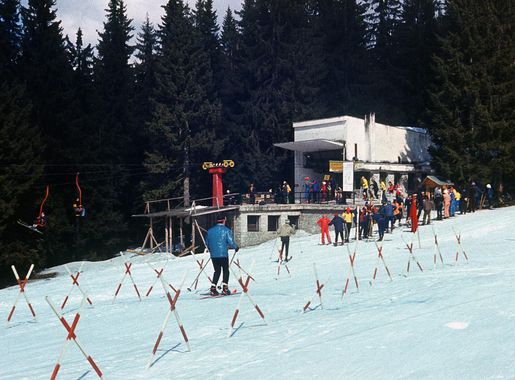
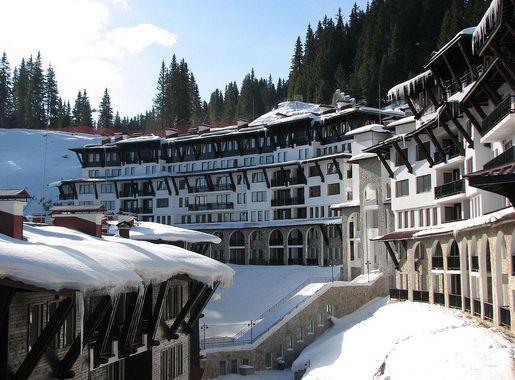
Nestled in the heart of the Rhodope Mountains, Pamporovo is a winter wonderland that promises enchanting landscapes and thrilling adventures. Known for its sunny weather and excellent ski conditions, this charming resort is a paradise for both novice and expert skiers. With ski runs that cater to all levels, Pamporovo ensures that everyone can enjoy the snowy slopes. Beyond skiing, Pamporovo offers a variety of activities for all ages. From snowboarding and snowshoeing to spa treatments and cozy fireside gatherings, there is something for everyone. The resort is also home to a vibrant après-ski scene with lively bars, delicious local cuisine, and welcoming hospitality. In the summer months, Pamporovo transforms into a lush green haven, perfect for hiking, mountain biking, and exploring the rich cultural heritage of the region. The stunning views, fresh mountain air, and serene environment make it an ideal destination for nature lovers and adventure seekers alike.

Know before you go
Hi, I'm Eve. Here are a few practical things to know before exploring Pamporovo.
- Visit during the winter season from December to April for the best skiing conditions.
- Rent your ski equipment in advance to avoid long queues during peak season.
- Explore the local cuisine, especially traditional Bulgarian dishes like banitsa and kebapche.
- Don't miss a visit to the nearby Smolyan Lakes or the Rozhen Observatory.
- Consider staying in a local guesthouse to experience authentic Bulgarian hospitality.
Explore Pamporovo: Things to Do, Places to Eat, Hotels & More
Handpicked recommendations for top attractions, local dining, accommodations, and more

Best attractions in Pamporovo
Top-rated picks
Best Attractions

Nevyastata Ecotrail
Discover the breathtaking landscapes and rich biodiversity of Nevyastata Ecotrail in Smolyan, a perfect destination for hiking enthusiasts and nature lovers alike.

Rozhen Meadows
Explore the stunning Rozhen Meadows in Bulgaria, a serene park perfect for nature lovers and adventure seekers alike.

Водопад Орфей
Experience the breathtaking beauty of Orpheus Waterfall in the Rhodope Mountains, a serene natural attraction perfect for nature lovers and adventurers alike.

Пилон Рожен
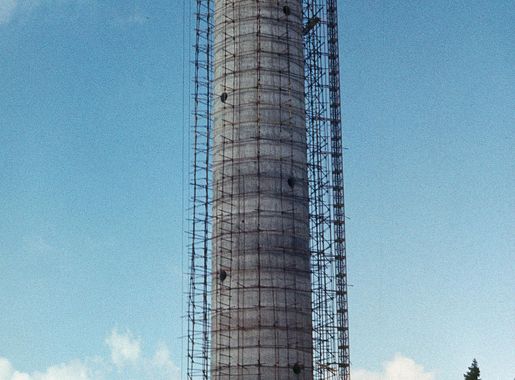
Discover the enchanting beauty of Pilón Rožen, a tranquil tourist attraction in Bulgaria, surrounded by stunning landscapes and rich biodiversity.

Best landmarks in Pamporovo
Top-rated picks
Best Landmarks

Ски училище реСТАРТ Пампорово
Discover the ultimate skiing experience at Pamporovo Ski School, where breathtaking scenery meets expert instruction for all skill levels.

Orfeevi Rocks Pamporovo
Discover the breathtaking Orfeevi Rocks in Pamporovo, a natural gem offering stunning views, rich legends, and invigorating outdoor adventures in Bulgaria's Rhodope Mountains.

Pamporovo Ski Resort
Discover the magic of Pamporovo Ski Resort, Bulgaria's premier winter destination nestled in the beautiful Rhodopes, perfect for skiing and relaxation.

Dafovska Hotel
Experience the charm and adventure of Pamporovo at Dafovska Hotel, your ideal mountain retreat for skiing and exploring the Rhodope Mountains.

Best restaurants in Pamporovo
Top-rated picks
Best Restaurants

Snezhanka Pamporovo
Experience authentic Bulgarian cuisine amidst breathtaking mountain scenery at Snezhanka Pamporovo.

Salute Food and Fun
Experience culinary excellence at Salute Food and Fun, where local flavors meet international cuisine in scenic Pamporovo.

Peter's Pub
Experience authentic Bulgarian flavors at Peter's Pub in Pamporovo – where culinary tradition meets warm hospitality.

D'Lake
Discover D'Lake in Pamporovo - where exquisite Bulgarian cuisine meets breathtaking mountain views.

Best bars in Pamporovo
Top-rated picks
Best Bars

Salute Food and Fun
Experience the perfect blend of traditional Bulgarian flavors and international cuisine at Salute Food and Fun in Pamporovo, where every meal is a celebration.

Peter's Pub
Experience the best of Bulgarian cuisine at Peter's Pub, a cozy restaurant in Pamporovo surrounded by stunning mountain views.

ALEX'S PUB MALINA
Discover the flavors of Bulgaria at Alex's Pub Malina, where traditional dishes meet a warm, inviting atmosphere in the heart of the Rhodope Mountains.

Bohemi Bar&grill
Discover the flavors of Bulgaria at Bohemi Bar&Grill, a charming restaurant in Pamporovo perfect for every culinary enthusiast.

Best nightclubs in Pamporovo
Top-rated picks
Best Nightclubs

NIGHT CLUB UNDERGROUND PAMPOROVO
Discover the electrifying nightlife at Night Club Underground Pamporovo, where music, dance, and mountain vibes create an unforgettable experience.

Venus Bar
Discover the enchanting atmosphere of Venus Bar in Smolyan, the perfect piano and cocktail bar for an unforgettable night out.

Plan B Pamporovo
Experience the vibrant nightlife of Pamporovo at Plan B, a premier disco club offering unforgettable music and a lively atmosphere.

“Two Bridges” Irish Pub
Discover the charm of Irish hospitality at 'Two Bridges' Irish Pub in Pamporovo, where great drinks meet a welcoming atmosphere.

Best shops in Pamporovo
Top-rated picks
Best Shops

Ски училище реСТАРТ Пампорово
Experience unmatched skiing at реСТАРТ Пампорово, Bulgaria's premier ski school in the breathtaking Rhodope Mountains.

Orfeevi Rocks Pamporovo
Explore the stunning Orfeevi Rocks Pamporovo, a natural wonder in Bulgaria's Rhodope Mountains, perfect for hiking, photography, and relaxation.

Pamporovo Ski Resort
Discover the enchanting Pamporovo Ski Resort, Bulgaria's premier destination for skiing and winter adventures amidst stunning alpine landscapes.

Ski & Snowboard School Steve
Experience the thrill of skiing and snowboarding at Ski & Snowboard School Steve, the heart of winter sports in Pamporovo, Bulgaria.

Explore Pamporovo on the Map
A handpicked selection of must-see spots in Pamporovo, mapped for you.
Pamporovo Essentials
-
Pamporovo is located in the Rhodope Mountains of Bulgaria. The nearest international airport is Plovdiv Airport, approximately 85 kilometers away. From Plovdiv, you can take a taxi or a bus to Pamporovo. The journey typically takes around 1.5 to 2 hours by road. Sofia Airport, the largest in Bulgaria, is another option, approximately 240 kilometers away. From Sofia, you can also take a bus or rent a car for a drive that usually takes around 3 to 3.5 hours.
-
Pamporovo is a compact resort town, and many of its attractions are within walking distance. For longer trips within the region, local taxis are readily available. There are also shuttle buses that connect Pamporovo with nearby ski areas and villages. Renting a car can be a convenient option for exploring the surrounding Rhodope Mountains and other nearby attractions.
-
The official currency in Bulgaria is the Bulgarian Lev (BGN). Credit cards are widely accepted in hotels, restaurants, and shops in Pamporovo, but it is advisable to carry some cash for smaller establishments and remote areas. ATMs are available in Pamporovo, and currency exchange services are offered at banks and exchange offices.
-
Pamporovo is generally a safe destination for tourists. However, like any travel destination, it is advisable to take standard precautions. Avoid walking alone at night in unfamiliar areas and keep an eye on your belongings in crowded places. There are no specific high-crime areas targeting tourists in Pamporovo, but it is always best to stay vigilant and aware of your surroundings.
-
In case of emergency, dial 112 for immediate assistance. Pamporovo has local medical facilities and a police station. It is recommended to have travel insurance that covers medical emergencies. For minor health issues, there are pharmacies in the town where you can purchase over-the-counter medications.
-
Fashion: Do dress warmly and in layers during the winter season. Avoid wearing overly casual clothing in upscale restaurants. Religion: Do respect local customs and traditions, especially when visiting religious sites. Remove your hat and speak quietly inside churches. Public Transport: Do be respectful and give up your seat to elderly passengers. Don't eat or drink on public transport. Greetings: Do greet people with a handshake. A smile and a friendly nod are also appreciated. Eating & Drinking: Do try local delicacies and accept food offerings graciously. Don't refuse hospitality, as it is considered impolite.
-
To experience Pamporovo like a local, consider visiting during off-peak times to enjoy a quieter atmosphere. Engage with locals, many of whom are friendly and willing to share tips about the best ski slopes and hiking trails. Don't miss trying traditional Rhodope dishes like patatnik and klin. Additionally, consider exploring the nearby towns of Smolyan and Chepelare for a more comprehensive experience of the region.
When is the best time to visit Pamporovo?
Useful Local Phrases for Pamporovo
You don't need to speak the language perfectly. Even learning a few simple words can make conversations warmer—and locals usually appreciate the effort.
— Eve

Here are the phrases I use most often in Pamporovo. Try a few—you'll be surprised how far they go! 😊
❤️
-
- HelloЗдравей
[Zdravey] - GoodbyeДовиждане
[Dovizhdane] - YesДа
[Da] - NoНе
[Ne] - Please/You're welcomeМоля
[Molya] - Thank youБлагодаря
[Blagodarya] - Excuse me/SorryИзвинявайте
[Izvinyavayte] - How are you?Как си?
[Kak si?] - Fine. And you?Добре. А ти?
[Dobre. A ti?] - Do you speak English?Говориш ли английски?
[Govorish li angliyski?] - I don't understandНе разбирам
[Ne razbiram]
- HelloЗдравей
-
- I'd like to see the menu, pleaseБих искал да видя менюто, моля
[Bih iskal da vida menyuto, molya] - I don't eat meatАз не ям месо
[Az ne yam meso] - Cheers!На здраве!
[Na zdrave!] - I would like to pay, pleaseБих искал да платя, моля
[Bih iskal da platya, molya]
- I'd like to see the menu, pleaseБих искал да видя менюто, моля
-
- Help!Помощ!
[Pomosht!] - Go away!Махай се!
[Mahay se!] - Call the Police!Обадете се на полицията!
[Obadete se na politsiyata!] - Call a doctor!Обадете на доктор!
[Obadete na doktor!] - I'm lostЗагубих се
[Zagubih se] - I'm illБолен съм
[Bolen sam]
- Help!Помощ!
-
- I'd like to buy...Бих искал да купя...
[Bih iskal da kupya...] - I'm just lookingСамо се разглеждам
[Samo se razglezhdam] - How much is it?Колко струва?
[Kolko struva?] - That's too expensiveТова е твърде скъпо
[Tova e tvarde skapo] - Can you lower the price?Можете ли да намалите цената?
[Mozhete li da namalite tsenata?]
- I'd like to buy...Бих искал да купя...
-
- What time is it?Колко е часът?
[Kolko e chasat?] - It's one o'clockЕдин час е
[Edin chas e] - Half past (10)Половина след (10)
[Polovina sled (10)] - MorningСутрин
[Sutrin] - AfternoonСледобед
[Sledobed] - EveningВечер
[Vecher] - YesterdayВчера
[Vchera] - TodayДнес
[Dnes] - TomorrowУтре
[Utre] - 1едно
[edno] - 2две
[dve] - 3три
[tri] - 4четири
[chetiri] - 5пет
[pet] - 6шест
[shest] - 7седем
[sedem] - 8осем
[osem] - 9девет
[devet] - 10десет
[deset]
- What time is it?Колко е часът?
-
- Where's a/the...?Къде е...
[Kade e...] - What's the address?Какъв е адресът?
[Kakav e adresat?] - Can you show me (on the map)?Можете ли да ми покажете (на картата)?
[Mozhete li da mi pokazhete (na kartata)?] - When's the next (bus)?Кога е следващият (автобус)?
[Koga e sledvashtiyat (avtobus)?] - A ticket (to ....)Билет (до ...)
[Bilet (do ...)]
- Where's a/the...?Къде е...
History of Pamporovo
-
The region around Pamporovo has been inhabited since ancient times, with evidence of Thracian settlements dating back to the 2nd millennium BCE. The Thracians, known for their warrior culture and exquisite metalwork, left behind numerous archaeological finds, including ornaments, weapons, and pottery. Their influence can still be felt in the local folklore and traditions.
-
During the Roman Empire, the area that is now Pamporovo was part of the province of Thrace. Roman roads and infrastructure connected it to major cities, facilitating trade and cultural exchange. Ruins of Roman bridges and fortifications can still be found in the surrounding mountains, serving as a testament to the region's strategic importance in antiquity.
-
In the Middle Ages, Pamporovo was part of the First and Second Bulgarian Empires. The region saw the construction of numerous monasteries and fortresses, which played vital roles during times of conflict with the Byzantine Empire and later the Ottoman Turks. These historic structures reflect the architectural styles and religious fervor of the period.
-
Following the Ottoman conquest in the late 14th century, Pamporovo and the surrounding Rhodope Mountains became a refuge for Bulgarian culture and resistance. The rugged terrain provided a haven for rebels and preserved many Bulgarian traditions and customs. The local population endured centuries of Ottoman rule, which left an indelible mark on the region's cultural and architectural heritage.
-
Pamporovo was liberated from Ottoman rule in the late 19th century during the Russo-Turkish War. The subsequent years saw a revival of Bulgarian culture and the establishment of new institutions. In the 20th century, Pamporovo transformed into a modern ski resort, attracting tourists from around the world and becoming a symbol of Bulgaria's natural beauty and hospitality.
-
Pamporovo is not only known for its stunning landscapes but also for its vibrant cultural traditions. The area hosts various festivals throughout the year, celebrating everything from folklore and music to traditional crafts and cuisine. The Rozhen National Folklore Fair, held in the nearby meadows, is one of the largest and most famous, drawing thousands of visitors to experience the rich heritage of the Rhodope region.
Neighbouring destination travel guides
Browse our curated selection of top destinations, scenic points, and must-visit spots in the area.




Your all‑in‑one travel companion app
Explore expert travel guides, compare and book tours, experiences, hotels, and more—all from the palm of your hand. Download now for seamless trip planning wherever your wanderlust takes you.


Explore More of Rhodopes

Looking beyond Pamporovo? Discover Rhodopes for broader travel guides, local hot-spots, and regional highlights.
Explore RhodopesExplore More of Bulgaria

Looking beyond Pamporovo? Discover Bulgaria for broader travel guides, local hot-spots, and regional highlights.
Explore BulgariaPamporovo in Photos
Browse through our photo collection highlighting the charm and character of the destination.






Pamporovo: The Snowy Jewel of Bulgaria
Nestled in the heart of the Rhodope Mountains, Pamporovo is a winter wonderland that promises enchanting landscapes and thrilling adventures. Known for its sunny weather and excellent ski conditions, this charming resort is a paradise for both novice and expert skiers. With ski runs that cater to all levels, Pamporovo ensures that everyone can enjoy the snowy slopes. Beyond skiing, Pamporovo offers a variety of activities for all ages. From snowboarding and snowshoeing to spa treatments and cozy fireside gatherings, there is something for everyone. The resort is also home to a vibrant après-ski scene with lively bars, delicious local cuisine, and welcoming hospitality. In the summer months, Pamporovo transforms into a lush green haven, perfect for hiking, mountain biking, and exploring the rich cultural heritage of the region. The stunning views, fresh mountain air, and serene environment make it an ideal destination for nature lovers and adventure seekers alike.