

Free Central Valley Travel Guide & Mobile App
Explore Central Valley with free travel guides. Discover regional history, expert tips, proposed trips, and audio guides on web or mobile app.


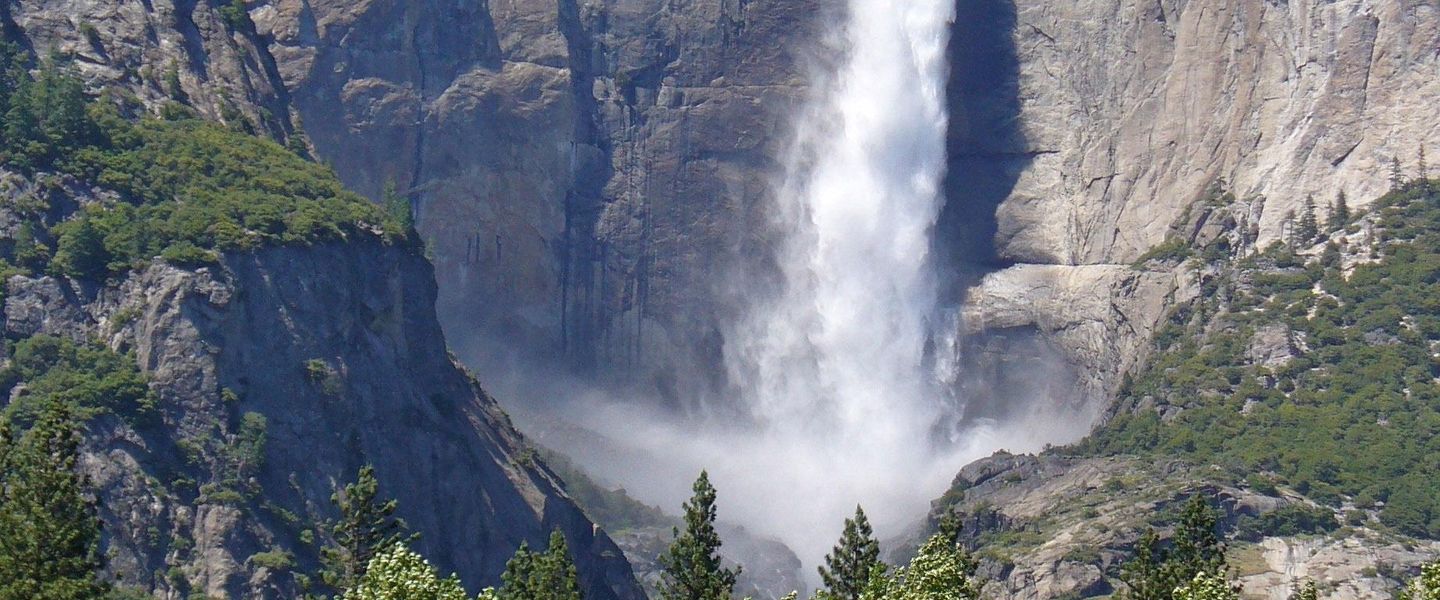


Explore California’s Central Valley for river towns, agricultural landscapes, diverse food traditions, wetlands and layered Gold Rush history.
Read more about Central Valley
When is the best time to visit Central Valley?
Best: April–May, October · 25–29°C| Month | High (°C) | Rainfall (mm) |
|---|---|---|
| January | 15 | 75 |
| February | 17 | 70 |
| March | 21 | 60 |
| April (best) | 25 | 40 |
| May (best) | 29 | 20 |
| June | 35 | 5 |
| July | 37 | 2 |
| August | 37 | 2 |
| September | 33 | 5 |
| October (best) | 28 | 20 |
| November | 20 | 40 |
| December | 14 | 70 |
Getting to and around Central Valley
How to get there
Transportation
Top city travel guides in Central Valley
The cities of Central Valley, and the easiest places to base yourself.
-

-

-

-

-

-


Swipe for more cities
Destinations in Central Valley
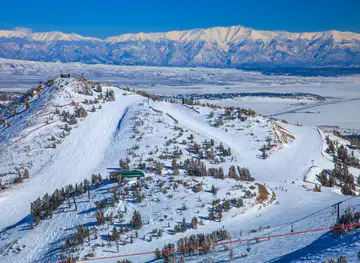
Resorts, valleys and scenic spots worth a trip of their own.
-

-


Swipe for more destinations
Best attractions in Central Valley
-
Tourist attraction
PIER 39
Experience San Francisco's iconic waterfront at PIER 39: Sea lions, stunning views, dining, and endless entertainment await!
-
Amusement park
Santa Cruz Beach Boardwalk
Experience the thrill of rides, the taste of delicious food, and the charm of the California coast at Santa Cruz Beach Boardwalk.
-
Historical place
Alcatraz Island
Explore the infamous former prison, Civil War fortress, and natural beauty of Alcatraz Island in the heart of San Francisco Bay.
-
Aquarium
Monterey Bay Aquarium
Discover the wonders of the ocean at the Monterey Bay Aquarium, a world-renowned center for marine life, conservation, and education on historic Cannery Row.


Best landmarks in Central Valley
Sacramento’s California State Capitol is the Central Valley’s most prominent civic landmark, combining a nineteenth-century neoclassical building with the political institutions of California. Nearby Old Sacramento preserves a reconstructed Gold Rush-era commercial district of timber-fronted buildings, raised walkways and riverfront history, while the Tower Bridge provides a recognisable golden crossing over the Sacramento River. In the Delta, the historic settlement of Locke is notable for its surviving Chinese American townscape, built beside the Sacramento River in the early twentieth century. The Sutter Buttes, rising conspicuously from the northern Sacramento Valley, form one of the region’s most distinctive natural landmarks, although access to parts of the area is controlled and should be checked in advance. Fresno’s Forestiere Underground Gardens is a remarkable hand-built network of subterranean passages, courtyards and citrus-growing spaces created by Sicilian immigrant Baldassare Forestiere. In the south, Bakersfield’s oilfield infrastructure and surrounding pumpjacks express the industrial history of the San Joaquin Valley, while the flat agricultural horizon and vast irrigation network are themselves a defining human-made landscape.
-
Historical landmark
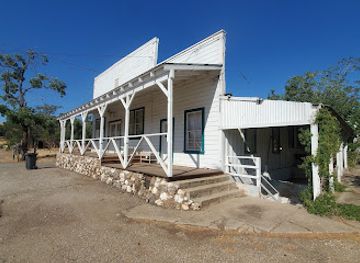
Campo Seco (California Historical Landmark No. 257)
Discover the historic charm of Campo Seco, a captivating landmark showcasing California's rich Gold Rush history amidst beautiful natural landscapes.
-
Historical landmark
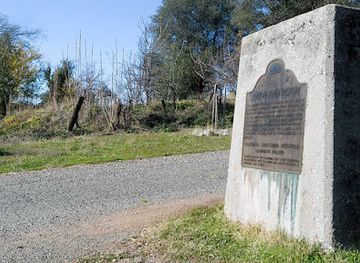
California Historical Landmark 294: Rough and Ready
Step back in time at California Historical Landmark 294 in Rough and Ready, a captivating destination steeped in gold rush history and charm.
Explore Central Valley on the map
Plan your trip on one map. See where the top cities, national parks and sights are, and book hotels and experiences in a few clicks.
Best hotels in Central Valley
Best restaurants in Central Valley
Dining in the Central Valley is closely connected to its farms, orchards, dairies, vineyards and culturally diverse communities. Sacramento offers the broadest range of restaurants, from contemporary Californian cooking to Mexican, Vietnamese, Chinese, Ethiopian, South Asian and other cuisines shaped by regional migration. Elsewhere, family-run restaurants, cafés, bakeries and traditional American diners are interspersed with taquerias, Asian eateries and farm-focused venues. Seasonal produce is central: almonds, walnuts, peaches, grapes, tomatoes, citrus, rice and stone fruit appear in markets and menus, while the San Joaquin Valley is also a major dairy-producing area. Roadside fruit stands and farmers’ markets are useful places to encounter local produce, although availability follows harvest seasons. Delta communities and valley towns offer freshwater and agricultural traditions rather than a coastal seafood culture, while regional wineries, breweries and craft food producers provide local drinks and specialities. Restaurant choice becomes more limited outside the larger cities, making advance planning sensible for rural itineraries.
-
Steak
Green Barn Whiskey Kitchen
Experience the best of Red Bluff's culinary scene at Green Barn Whiskey Kitchen - where steak lovers unite in an upscale yet cozy atmosphere.

Best bars in Central Valley
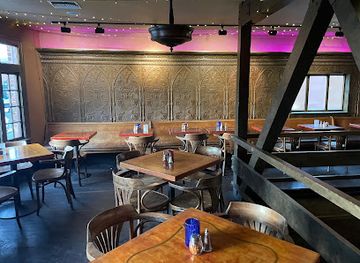
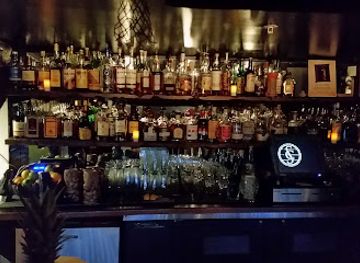
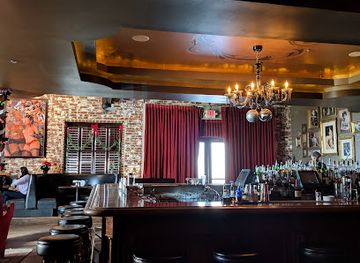
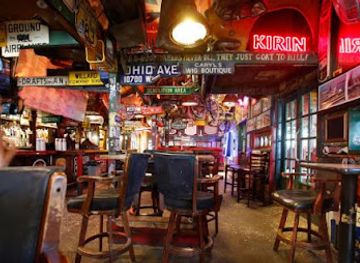
Evening life varies sharply across the Central Valley. Sacramento has the region’s broadest selection of cocktail bars, breweries, wine bars, live-music rooms, theatres and late-night venues, particularly in and around its central districts. Stockton, Fresno, Modesto and Bakersfield also have established bars, restaurants, music venues and occasional dancing, though their nightlife is more dispersed than that of California’s largest cities. In smaller agricultural and Delta communities, the traditional evening focus is on neighbourhood restaurants, historic-style inns, local breweries and pubs rather than large clubs. Bakersfield’s musical identity is particularly associated with country and roots traditions, while Sacramento’s larger arts scene supports touring performances and independent music. Opening arrangements and venue programmes change frequently, so check locally before travelling. In all parts of the valley, designated-driving services or a non-drinking driver are important because rural distances and limited late-night public transport can make taxis or rideshares less readily available.
-
Pizza
Jupiter
Discover Jupiter: A vibrant brewpub in Downtown Berkeley serving artisanal pizzas, local craft beers, and live music for an unforgettable dining experience.
-
Bar
Smuggler's Cove
Experience the tropical allure of Smuggler's Cove in San Francisco, where exceptional rum cocktails meet vibrant nightlife.
-
Bar
The Shady Lady Saloon
Discover the vibrant atmosphere and creative cocktails at The Shady Lady Saloon, a must-visit bar and restaurant in Sacramento.
-
Bar
Goat Hill Tavern
Discover Goat Hill Tavern: A lively bar in Costa Mesa, offering craft beers and cocktails in a welcoming atmosphere perfect for socializing.
Best nightclubs in Central Valley
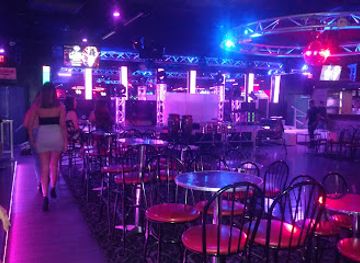
Evening life varies sharply across the Central Valley. Sacramento has the region’s broadest selection of cocktail bars, breweries, wine bars, live-music rooms, theatres and late-night venues, particularly in and around its central districts. Stockton, Fresno, Modesto and Bakersfield also have established bars, restaurants, music venues and occasional dancing, though their nightlife is more dispersed than that of California’s largest cities. In smaller agricultural and Delta communities, the traditional evening focus is on neighbourhood restaurants, historic-style inns, local breweries and pubs rather than large clubs. Bakersfield’s musical identity is particularly associated with country and roots traditions, while Sacramento’s larger arts scene supports touring performances and independent music. Opening arrangements and venue programmes change frequently, so check locally before travelling. In all parts of the valley, designated-driving services or a non-drinking driver are important because rural distances and limited late-night public transport can make taxis or rideshares less readily available.
-
Bar
The Sequoia Club
Experience the vibrant nightlife of Hanford at The Sequoia Club, featuring lively karaoke nights and a welcoming bar atmosphere for all.
-
Night club
Aldo's Nightclub & Restaurant
Discover Aldo's Nightclub & Restaurant, a lively fusion of authentic Mexican cuisine and vibrant nightlife in Fresno, perfect for unforgettable evenings.
-
Night club
Los Arcos Night Club & Restaurant
Discover the pulse of Fresno's nightlife at Los Arcos Night Club & Restaurant, where vibrant music and delicious food create unforgettable evenings.
-
Night club
Sunset Nightclub
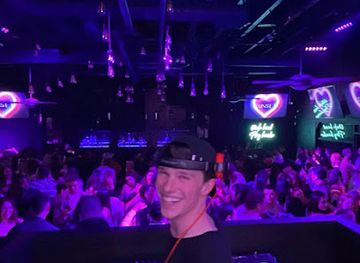
Dive into the nightlife at Sunset Nightclub in Fresno, where music, dancing, and unforgettable memories await you.


Best shops in Central Valley
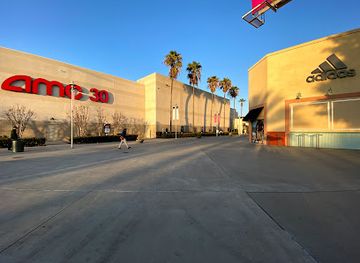
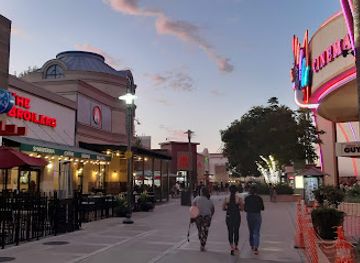
Shopping in the Central Valley centres on Sacramento’s historic and contemporary districts, regional malls in the larger cities, independent high streets and the seasonal economy of farms. Old Sacramento combines heritage-oriented shops with souvenirs, books, confectionery and crafts, while Sacramento’s wider urban districts provide boutiques, galleries and specialist food retailers. Fresno, Stockton, Modesto and Bakersfield offer conventional shopping centres alongside locally owned businesses, antique shops and Mexican, South Asian, East Asian and other specialist grocers reflecting the valley’s diverse communities. Farmers’ markets and farm stands are the most distinctive places to buy almonds, walnuts, dried fruit, citrus, peaches, tomatoes, rice, honey and other regional produce, though some operate only seasonally or on particular days. Wine, craft beverages, preserves and locally made food products travel well, but check United States customs rules before carrying them abroad. In smaller towns, shopping is modest and practical rather than luxury-focused; the appeal lies in produce, antiques, independent crafts, books and the character of historic main streets.
-
Outlet mall
The Outlets at Orange
Discover unbeatable deals and a vibrant shopping atmosphere at The Outlets at Orange, Southern California's premier outlet mall.
-
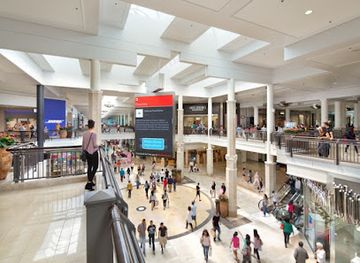
Shopping mall
River Park Shopping Center
Experience shopping, dining, and entertainment at the River Park Shopping Center in Fresno, California – a vibrant hub for all ages.
-
Gift shop
Westfield Valley Fair
Discover a vibrant shopping and entertainment experience at Westfield Valley Fair, featuring top brands, cuisine, and more in Santa Clara, California.
-
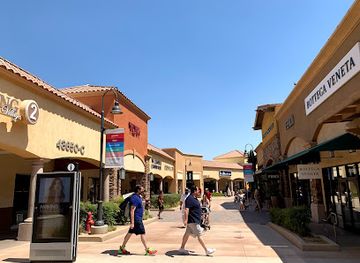
Outlet mall
Desert Hills Premium Outlets
Discover unbeatable deals and luxury brands at Desert Hills Premium Outlets, a shopper's haven in California's stunning desert landscape.
Get your free copy of our complete guide to Central Valley, delivered straight to you.
Everything on this page, from attractions and restaurants to essentials and local phrases, in one PDF you can read offline, print or share.
Already have an account? Sign in
Your Central Valley guide is ready.
We'll send it to · Not you? Sign out

Getting your guide ready…
We are putting together a fresh copy of the Central Valley guide. This can take up to a minute.
This can take a few moments. If your browser asks, choose Allow so the download can start. You'll find the guide in your Downloads folder.
Nothing happened? Download it again
Sorry, the guide is taking longer than usual. Please try again in a minute, or get it by email instead.
Central Valley essentials
Currency and Payment
Safety
Emergency Situations
Do's and Don'ts
Local Tips
From Eve
Local phrases worth knowing
You don't need to get them perfect. A few words go a long way, and locals appreciate the effort.
Basics
| English | Local | Say it |
|---|---|---|
| Hello | Hey | [Hey] |
| Goodbye | See ya | [See ya] |
| Yes | Yeah | [Yeah] |
| No | Nope | [Nope] |
| Please/You're welcome | No problem | [No problem] |
| Thank you | Thanks | [Thanks] |
| Excuse me/Sorry | Sorry | [Sorry] |
| How are you? | How's it going? | [How's it going?] |
| Fine. And you? | Good. You? | [Good. You?] |
| Do you speak English? | You speak English? | [You speak English?] |
| I don't understand | I don't get it | [I don't get it] |
Eating & Drinking
| English | Local | Say it |
|---|---|---|
| I'd like to see the menu, please | Can I see the menu? | [Can I see the menu?] |
| I don't eat meat | I’m vegetarian | [I'm vegetarian] |
| Cheers! | Cheers! | [Cheers!] |
| I would like to pay, please | Can I get the check? | [Can I get the check?] |
Emergencies
| English | Local | Say it |
|---|---|---|
| Help! | Help! | [Help!] |
| Go away! | Leave me alone! | [Leave me alone!] |
| Call the Police! | Call 911! | [Call 911!] |
| Call a doctor! | Get a doctor! | [Get a doctor!] |
| I'm lost | I’m lost | [I'm lost] |
| I'm ill | I’m not feeling well | [I'm not feeling well] |
Shopping
| English | Local | Say it |
|---|---|---|
| I'd like to buy... | I want to buy... | [I want to buy...] |
| I'm just looking | Just browsing | [Just browsing] |
| How much is it? | How much? | [How much?] |
| That's too expensive | That's a bit pricey | [That's a bit pricey] |
| Can you lower the price? | Can you bring it down? | [Can you bring it down?] |
Time & Numbers
| English | Local | Say it |
|---|---|---|
| What time is it? | What time is it? | [What time is it?] |
| It's one o'clock | It's 1 o'clock | [It's 1 o'clock] |
| Half past (10) | 10:30 | [10:30] |
| Morning | Morning | [Morning] |
| Afternoon | Afternoon | [Afternoon] |
| Evening | Evening | [Evening] |
| Yesterday | Yesterday | [Yesterday] |
| Today | Today | [Today] |
| Tomorrow | Tomorrow | [Tomorrow] |
| 1 | One | [One] |
| 2 | Two | [Two] |
| 3 | Three | [Three] |
| 4 | Four | [Four] |
| 5 | Five | [Five] |
| 6 | Six | [Six] |
| 7 | Seven | [Seven] |
| 8 | Eight | [Eight] |
| 9 | Nine | [Nine] |
| 10 | Ten | [Ten] |
Transport & Directions
| English | Local | Say it |
|---|---|---|
| Where's a/the...? | Where's the...? | [Where's the...?] |
| What's the address? | What's the address? | [What's the address?] |
| Can you show me (on the map)? | Can you show me on the map? | [Can you show me on the map?] |
| When's the next (bus)? | When's the next bus? | [When's the next bus?] |
| A ticket (to ....) | A ticket to... | [A ticket to...] |
History of Central Valley
Indigenous California and River Landscapes
Long before European settlement, the Central Valley was home to many Indigenous peoples, including Nisenan, Maidu, Miwok, Yokuts, Patwin, Wintun and other communities whose territories followed rivers, marshes and seasonal food resources. The valley’s wetlands supported fish, waterfowl, tule plants and other materials, while controlled burning and detailed ecological knowledge helped shape local landscapes. Epidemics, Spanish and Mexican expansion, American settlement and state-backed dispossession caused catastrophic population loss and disruption. Indigenous communities remain present across the region, and their histories are increasingly represented in museums, cultural programmes and place-based interpretation.
Spanish and Mexican Frontier, 1770s–1846
Spanish expeditions entered the Central Valley in the late eighteenth century, but the area remained more lightly settled by colonial institutions than California’s coastal mission districts. Under Mexican rule after independence from Spain, ranching expanded and large land grants reshaped parts of the surrounding foothills and valley margins. River travel and livestock linked the interior to coastal settlements, while Indigenous communities faced continuing pressure. Although many of the best-known missions stand outside the valley itself, the Spanish and Mexican periods influenced landholding, place names and patterns of settlement that later American development transformed.
Gold Rush and the Founding of Sacramento
The 1848 discovery of gold in the Sierra Nevada made the Central Valley a crucial corridor between coastal ports, mining camps and the interior. Sacramento, located at the meeting of the Sacramento and American rivers, became a major supply centre and transport hub. Flooding, fire and disease accompanied rapid growth, but the settlement developed into California’s capital and an important commercial city. The Gold Rush accelerated American control of the region, intensified the displacement of Indigenous people and created the transport networks that supported later farming. Old Sacramento preserves part of this early commercial landscape.
Railways, Irrigation and Commercial Agriculture
During the late nineteenth and early twentieth centuries, railways, river ports, irrigation works and improved agricultural techniques transformed the Central Valley from a sparsely settled interior into one of North America’s most productive farming regions. The Central Pacific Railroad made Sacramento a major western terminus and connected valley communities to national markets. Canals and reservoirs extended cultivation into drier districts, while packing, canning and refrigerated transport allowed fruit, vegetables and other produce to travel long distances. These changes brought wealth and population growth but also concentrated land ownership and generated enduring conflicts over water and labour.
Migration and Multicultural Farm Communities
Agriculture drew successive waves of workers and settlers to the valley. Chinese labourers helped build railways and worked in agriculture; Japanese, Filipino, South Asian, Mexican and other communities developed farms, businesses and neighbourhood institutions despite exclusion laws, racial violence and discriminatory labour systems. The Second World War brought the forced removal and incarceration of Japanese Americans, including many from farming communities. Later migration from Mexico and other parts of Latin America became central to valley agriculture and civic life. The region’s languages, religious institutions, festivals and food traditions reflect this complex history.
The Dust Bowl and Great Depression, 1930s
Drought and economic collapse in the Great Plains during the 1930s drove many displaced families westwards, including to California’s agricultural valleys. Their arrival is associated with the wider history of migrant labour camps, low wages and hardship described in the literature of the period, notably John Steinbeck’s accounts of the San Joaquin Valley and Central California. Valley communities absorbed new residents while facing severe pressure on housing, employment and public services. The era contributed to federal labour and relief reforms and left a lasting cultural memory of migration, poverty and agricultural inequality.
Water Engineering and Environmental Change
Twentieth-century water projects reshaped the Central Valley through dams, canals, pumping systems and flood-control works. The Central Valley Project and the State Water Project moved water across long distances, supporting cities and intensive agriculture while altering river flows, wetlands and fish habitats. Groundwater pumping became increasingly important during droughts, contributing to land subsidence in parts of the San Joaquin Valley. Today, debates over water allocation, salinity, habitat restoration, groundwater management and climate change are central to the region’s future, linking environmental policy directly to farming and urban growth.
Central Valley in Photos
Browse through our photo collection highlighting the charm and character of the destination.
Neighbouring regions of Central Valley
The closest regions to Central Valley, if you have time for more than one.
-

-

-
-

-


Swipe for more regions
Explore more
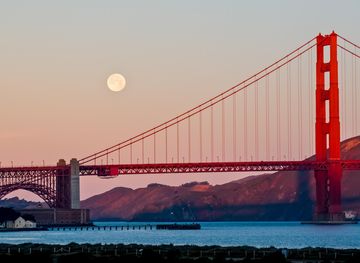
Explore more of California
Discover California: A land of diverse landscapes, iconic cities, and endless adventures, from sun-soaked beaches to towering redwoods and vibrant cultural experiences.
Explore California