

San Joaquin Valley, California Travel Guide
Explore San Joaquin Valley, California's fertile heartland, where agricultural bounty meets natural beauty and rich history in a charming blend of urban and rural experiences.
San Joaquin Valley is the agricultural heart of California, stretching about 450 miles from the north to the south of the state. This fertile valley is known for its vast farmlands, producing a significant portion of the nation's fruits, vegetables, and nuts. A visit here offers a unique blend of natural beauty, rich history, and agricultural bounty. Start your journey in Fresno, the largest city in the valley. Fresno offers a variety of attractions including the Forestiere Underground Gardens, a fascinating network of subterranean passages and rooms built by hand over a century ago. Don’t miss the Fresno Chaffee Zoo, home to a diverse array of animals and interactive exhibits. As you travel through the valley, you'll encounter charming small towns such as Visalia and Bakersfield. These towns offer a glimpse into the local culture and history, with museums, historic sites, and farmers' markets showcasing the best of the region. The agriculture-centric lifestyle is palpable, with farm tours and tasting rooms inviting you to sample fresh produce and artisanal goods. Nature enthusiasts will find plenty to explore in the San Joaquin Valley. The nearby Sierra Nevada mountains provide opportunities for hiking, camping, and winter sports. The valley is also dotted with wildlife refuges and wetlands, making it a prime spot for birdwatching and outdoor photography. Whether you're a foodie, history buff, or nature lover, the San Joaquin Valley has something to offer. Its rich tapestry of experiences makes it a must-visit destination in California.

Know before you go
Hi, I'm Eve. Here are a few practical things to know before exploring San Joaquin Valley.
- Visit during harvest season (late summer to early fall) for the freshest produce and a chance to participate in local festivals.
- Wear comfortable shoes and bring sunscreen as many activities involve walking and outdoor exploration.
- Check out local farmers' markets for fresh fruits, vegetables, and artisanal goods. They are a great place to interact with locals and learn more about the region.
- Plan a visit to the Forestiere Underground Gardens in Fresno for a unique historical experience.
- Don't miss the wildlife refuges and wetlands for excellent birdwatching opportunities, especially during migration seasons.
Top City Travel Guides in San Joaquin Valley
The cities of San Joaquin Valley, and the easiest places to base yourself.



Destinations in San Joaquin Valley
Resorts, valleys and scenic spots worth a trip of their own.

Explore San Joaquin Valley: Things to Do, Places to Eat, Hotels & More
Handpicked recommendations for top attractions, local dining, accommodations, and more

Top Attractions & Sightseeing in San Joaquin Valley
Top-rated picks
Best Attractions

Six Flags Discovery Kingdom
Experience thrilling rides and amazing animal encounters at Northern California's premier theme park, Six Flags Discovery Kingdom in Vallejo.

Oakland Zoo
Discover wildlife from around the world at the Oakland Zoo, a conservation leader in the beautiful Oakland Hills. Open daily!

California State Capitol Museum
Explore California's past and present at the State Capitol Museum in Sacramento, where history, art, and government converge.

Lake Chabot Regional Park
Discover outdoor adventures and serene landscapes at Lake Chabot Regional Park in Castro Valley, offering hiking, fishing, boating, and picnicking.

Best landmarks in San Joaquin Valley
Top-rated picks
Best Landmarks

Alcatraz Island
Explore the infamous former prison island in the heart of San Francisco Bay, where notorious criminals were once confined, and experience its captivating history and stunning views.

Old Sacramento Waterfront
Discover California's Gold Rush history at Old Sacramento Waterfront: Explore historic buildings, museums, shops, and restaurants in this vibrant and meticulously preserved district.

Winchester Mystery House
Explore the enigmatic Winchester Mystery House in San Jose: a sprawling Victorian mansion filled with architectural oddities, ghost stories, and the enduring legacy of Sarah Winchester.

San Francisco Maritime National Historical Park
Discover San Francisco's seafaring past at this vibrant waterfront park, home to historic ships, a maritime museum, and stunning bay views, offering a captivating glimpse into maritime history.

Best restaurants in San Joaquin Valley
Top-rated picks
Best Restaurants

The Dead Fish
Experience coastal dining at The Dead Fish in Crockett, CA - where fresh seafood meets stunning waterfront views.

Mac's Old House
Experience the best of traditional American cuisine at Mac's Old House—where every meal is made with love and served with warmth.

Garlic Brothers Restaurant and Bar
Discover the authentic taste of Italy at Garlic Brothers Restaurant and Bar in Stockton - where great food meets breathtaking views.

Market Tavern
Discover the flavors of New American cuisine at Market Tavern in Stockton - where every dish tells a delicious story.

Best bars in San Joaquin Valley
Top-rated picks
Best Bars

Smuggler's Cove
Discover the enchanting atmosphere and exotic cocktails at Smuggler's Cove, San Francisco's premier cocktail bar and lounge.

Charmaine's Rooftop Bar & Lounge
Experience the heights of luxury at Charmaine's Rooftop Bar & Lounge, where exquisite cocktails meet stunning city views in the heart of San Francisco.

Novela
Experience the vibrant cocktail culture at Novela, where innovative drinks and a stylish ambiance meet in the heart of San Francisco.

BJ's Restaurant & Brewhouse
Discover BJ's Restaurant & Brewhouse in Brentwood, where craft beer meets a diverse menu in a lively sports-friendly atmosphere.

Best nightclubs in San Joaquin Valley
Top-rated picks
Best Nightclubs

Crocodiles Nightclub
Dive into the electrifying nightlife of Crocodiles Nightclub in Modesto, where vibrant music and unforgettable dance parties await.

Nica Lounge
Discover Concord's vibrant nightlife at Nica Lounge, where cocktails, dancing, and great music create unforgettable memories.

Blend Ultra Lounge
Immerse yourself in the lively nightlife at Blend Ultra Lounge, Lodi's premier destination for music, drinks, and unforgettable experiences.

Paradise Nightclub
Paradise Nightclub in Stockton: Your ultimate nightlife destination for dancing, drinks, and diverse entertainment every night.

Best shops in San Joaquin Valley
Top-rated picks
Best Shops

San Francisco Premium Outlets
Experience extraordinary savings and a diverse shopping selection at San Francisco Premium Outlets, the ultimate destination for bargain hunters!

Westfield Valley Fair
Shop, dine, and unwind at Westfield Valley Fair, Santa Clara's premier shopping destination, featuring a variety of stores and entertainment options.

Sunvalley Shopping Center
Shop, dine, and unwind at Sunvalley Shopping Center - a vibrant retail and entertainment destination in Concord, California.

Stoneridge Shopping Center
Explore Stoneridge Shopping Center, a premier destination in Pleasanton, California, featuring a diverse selection of shops, dining, and entertainment options.

Explore San Joaquin Valley on the Map
A handpicked selection of must-see spots in San Joaquin Valley, mapped for you.
San Joaquin Valley Essentials
-
San Joaquin Valley is located in central California. The nearest major airports are Fresno Yosemite International Airport (FAT) and Stockton Metropolitan Airport (SCK). From these airports, you can rent a car or take a shuttle service to reach various destinations within the valley. Amtrak also provides train services to several cities in the valley, including Fresno, Bakersfield, and Merced, offering a scenic and convenient travel option.
-
San Joaquin Valley is best explored by car, as it allows for the greatest flexibility in visiting the diverse attractions spread across the region. Car rental services are available at major airports and in larger cities. Public transportation, including buses and trains, is available but may be limited in some areas. Ride-sharing services like Uber and Lyft operate in major cities such as Fresno and Bakersfield, providing an alternative to driving.
-
The official currency in the United States is the US Dollar (USD). Credit and debit cards are widely accepted in hotels, restaurants, and shops throughout San Joaquin Valley. ATMs are readily available in urban and suburban areas, though it is advisable to carry some cash for use in rural areas and small establishments that may not accept cards.
-
San Joaquin Valley is generally a safe destination for tourists. However, it is advisable to take standard precautions, such as avoiding walking alone at night in unfamiliar areas and keeping an eye on your belongings in crowded places. Some neighborhoods in larger cities like Fresno and Bakersfield have higher crime rates, particularly for crimes targeting tourists. It is recommended to stay vigilant and consult local resources for the latest safety information.
-
In case of an emergency, dial 911 for immediate assistance. Emergency services, including police, fire, and medical, are available throughout the valley. Major cities have hospitals and clinics that provide medical care. It is advisable to have travel insurance that covers medical emergencies. For minor health issues, pharmacies are available in most towns and cities.
-
Fashion: Do dress comfortably and appropriately for the weather, which can range from hot summers to cool winters. Casual attire is generally acceptable. Religion: Do respect local customs and traditions, especially when visiting religious sites. Public Transport: Do be courteous to fellow passengers and follow local etiquette. Don't eat or drink on public transport. Greetings: Do greet people with a friendly handshake or a simple 'hello.' Eating & Drinking: Do try the local cuisine and agricultural products, such as fruits and wines. Don't tip less than 15% in restaurants, as it is considered impolite.
-
To experience San Joaquin Valley like a local, visit the numerous farmers' markets where you can buy fresh, locally-grown produce. Engage with locals at community events and festivals, which often celebrate the region's rich agricultural heritage. Don't miss exploring national parks like Yosemite and Sequoia, which are within driving distance. For a unique experience, take a wine tour in the Lodi Wine Country, known for its exceptional Zinfandel wines.
When is the best time to visit San Joaquin Valley?
Useful Local Phrases for San Joaquin Valley
You don't need to speak the language perfectly. Even learning a few simple words can make conversations warmer—and locals usually appreciate the effort.
— Eve

Here are the phrases I use most often in San Joaquin Valley. Try a few—you'll be surprised how far they go! 😊
❤️
-
- HelloHola
[OH-lah] - GoodbyeAdiós
[ah-DYOS] - YesSí
[SEE] - NoNo
[NO] - Please/You're welcomePor favor/De nada
[por fah-VOR/deh NAH-dah] - Thank youGracias
[GRAH-syahs] - Excuse me/SorryPerdón
[pehr-DON] - How are you?¿Cómo estás?
[KOH-moh ehs-TAHS] - Fine. And you?Bien. ¿Y tú?
[BYEN. ee TOO] - Do you speak English?¿Hablas inglés?
[AH-blahs een-GLES] - I don't understandNo entiendo
[NO ehn-TYEN-doh]
- HelloHola
-
- I'd like to see the menu, pleaseMe gustaría ver el menú, por favor
[meh goos-tah-REE-ah vehr el meh-NOO, por fah-VOR] - I don't eat meatNo como carne
[NO KOH-moh KAR-neh] - Cheers!¡Salud!
[sah-LOOD] - I would like to pay, pleaseQuisiera pagar, por favor
[kee-SYEH-rah pah-GAR, por fah-VOR]
- I'd like to see the menu, pleaseMe gustaría ver el menú, por favor
-
- Help!¡Ayuda!
[ah-YOO-dah] - Go away!¡Vete!
[VEH-teh] - Call the Police!¡Llama a la policía!
[YAH-mah ah lah poh-lee-SEE-ah] - Call a doctor!¡Llama a un doctor!
[YAH-mah ah oon dok-TOR] - I'm lostEstoy perdido
[es-TOY pehr-DEE-doh] - I'm illEstoy enfermo/enferma
[es-TOY en-FER-mo/en-FER-mah]
- Help!¡Ayuda!
-
- I'd like to buy...Me gustaría comprar...
[meh goos-tah-REE-ah kohm-PRAR] - I'm just lookingSolo estoy mirando
[SO-lo es-TOY mee-RAN-doh] - How much is it?¿Cuánto cuesta?
[KWAN-toh KWES-tah] - That's too expensiveEso es muy caro
[EH-so es MOO-ee KAH-roh] - Can you lower the price?¿Puede bajar el precio?
[PWEH-deh bah-HAR el PREH-syo]
- I'd like to buy...Me gustaría comprar...
-
- What time is it?¿Qué hora es?
[KEH OH-rah es] - It's one o'clockEs la una
[es lah OO-nah] - Half past (10)Diez y media
[DYES ee MEH-dyah] - MorningMañana
[mah-NYAH-nah] - AfternoonTarde
[TAR-deh] - EveningNoche
[NO-cheh] - YesterdayAyer
[ah-YER] - TodayHoy
[OY] - TomorrowMañana
[mah-NYAH-nah] - 1Uno
[OO-noh] - 2Dos
[DOS] - 3Tres
[TRES] - 4Cuatro
[KWAT-roh] - 5Cinco
[SEEN-koh] - 6Seis
[SAYS] - 7Siete
[SYEH-teh] - 8Ocho
[OH-choh] - 9Nueve
[NWEH-beh] - 10Diez
[DYES]
- What time is it?¿Qué hora es?
-
- Where's a/the...?¿Dónde está un/una...?
[DON-deh es-TAH oon/OO-nah] - What's the address?¿Cuál es la dirección?
[KWAL es lah dee-rek-SYON] - Can you show me (on the map)?¿Puedes mostrarme (en el mapa)?
[PWEH-dehs mohs-TRAR-meh (en el MAH-pah)] - When's the next (bus)?¿Cuándo sale el próximo (autobús)?
[KWAN-doh SAH-leh el PROK-si-mo (ow-toh-BOOS)] - A ticket (to ....)Un boleto (a ....)
[OON boh-LEH-toh (ah ....)]
- Where's a/the...?¿Dónde está un/una...?
History of San Joaquin Valley
-
Long before European settlers arrived, the San Joaquin Valley was inhabited by various Native American tribes, including the Yokuts, Miwok, and Mono. These tribes thrived on the valley's rich resources, practicing fishing, hunting, and gathering. They established complex societies with their own languages, customs, and spiritual beliefs.
-
The Spanish arrived in the San Joaquin Valley during the 18th century, led by explorers such as Gabriel Moraga. The establishment of the California missions brought dramatic changes to the valley's indigenous populations. Mission San Miguel Arcángel, founded in 1797, was one of the key missions in the region, aiming to convert Native Americans to Christianity and integrate them into Spanish colonial life.
-
After gaining independence from Spain in 1821, Mexico took control of California. The Mexican government issued large land grants to private individuals, transforming the valley into a patchwork of vast ranchos. Prominent figures such as Manuel Castro and the Carrillo family were among the recipients of these land grants, which laid the groundwork for the agricultural development of the region.
-
The discovery of gold in 1848 at Sutter's Mill brought a flood of prospectors to California, including the San Joaquin Valley. Though the valley itself did not yield significant gold deposits, it became a crucial transit and supply route for miners heading to the Sierra Nevada foothills. Towns like Stockton emerged as key logistical hubs during the Gold Rush era.
-
The late 19th century saw the expansion of the railroad through the San Joaquin Valley. The Central Pacific Railroad, part of the First Transcontinental Railroad, reached the valley in the 1860s, transforming its economy and connectivity. Railroads facilitated the transport of agricultural products, boosting the valley's role as a vital agricultural region in California.
-
During the 1930s, the San Joaquin Valley became a destination for thousands of Dust Bowl refugees, known as 'Okies,' who fled the Great Plains in search of work and a better life. These migrants significantly influenced the valley's culture and labor force, contributing to the development of its agricultural industry.
-
From 1942 to 1964, the Bracero Program brought Mexican laborers to the United States to address labor shortages during and after World War II. The San Joaquin Valley was a primary destination for these workers, who played a crucial role in the valley's agricultural productivity. The program had lasting effects on the demographics and cultural landscape of the region.
-
Today, the San Joaquin Valley is one of the most productive agricultural regions in the world, often referred to as the 'food basket of the world.' The valley produces a significant portion of the nation's fruits, vegetables, and nuts. Key crops include almonds, grapes, and tomatoes. The region's agricultural success is supported by an intricate network of irrigation systems and a diverse labor force.
-
The San Joaquin Valley faces significant environmental challenges, including water scarcity, soil degradation, and air pollution. Efforts to address these issues include water conservation initiatives, sustainable farming practices, and policies to improve air quality. These challenges and responses shape the ongoing story of the valley's relationship with its natural resources.
Neighbouring Regions of San Joaquin Valley
The closest regions to San Joaquin Valley, if you have time for more than one.


Your all‑in‑one travel companion app
Explore expert travel guides, compare and book tours, experiences, hotels, and more—all from the palm of your hand. Download now for seamless trip planning wherever your wanderlust takes you.


Explore More of California
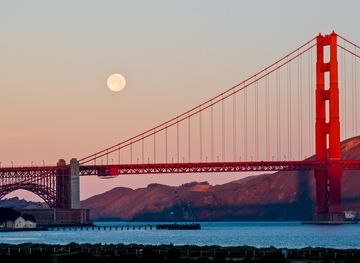
Looking beyond San Joaquin Valley? Discover California for broader travel guides, local hot-spots, and regional highlights.
Explore CaliforniaSan Joaquin Valley in Photos
Browse through our photo collection highlighting the charm and character of the destination.


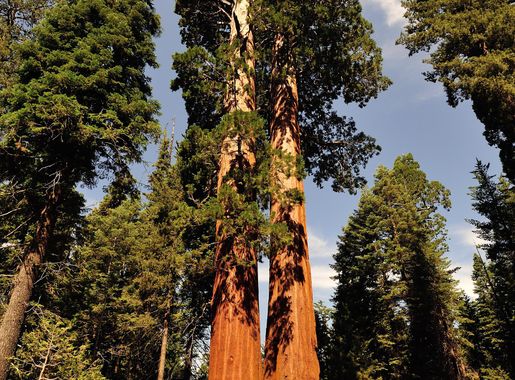
The Bountiful Heart of California: San Joaquin Valley
San Joaquin Valley is the agricultural heart of California, stretching about 450 miles from the north to the south of the state. This fertile valley is known for its vast farmlands, producing a significant portion of the nation's fruits, vegetables, and nuts. A visit here offers a unique blend of natural beauty, rich history, and agricultural bounty. Start your journey in Fresno, the largest city in the valley. Fresno offers a variety of attractions including the Forestiere Underground Gardens, a fascinating network of subterranean passages and rooms built by hand over a century ago. Don’t miss the Fresno Chaffee Zoo, home to a diverse array of animals and interactive exhibits. As you travel through the valley, you'll encounter charming small towns such as Visalia and Bakersfield. These towns offer a glimpse into the local culture and history, with museums, historic sites, and farmers' markets showcasing the best of the region. The agriculture-centric lifestyle is palpable, with farm tours and tasting rooms inviting you to sample fresh produce and artisanal goods. Nature enthusiasts will find plenty to explore in the San Joaquin Valley. The nearby Sierra Nevada mountains provide opportunities for hiking, camping, and winter sports. The valley is also dotted with wildlife refuges and wetlands, making it a prime spot for birdwatching and outdoor photography. Whether you're a foodie, history buff, or nature lover, the San Joaquin Valley has something to offer. Its rich tapestry of experiences makes it a must-visit destination in California.