

Free Carmel-by-the-Sea Travel Guide & Mobile App
Plan your Carmel-by-the-Sea trip with Evendo. Get free guides to top attractions, restaurants, hotels, and bars. Web access or download the mobile app.


Carmel-by-the-Sea offers fairytale cottages, art galleries, Pacific beaches, Mission history and village walks on California’s Monterey Peninsula.
A Village Shaped by the Pacific
Carmel-by-the-Sea occupies a compact stretch of California’s Monterey Peninsula, where cypress-covered headlands, white-sand beaches and a carefully preserved village centre create a setting unlike the larger coastal cities nearby. The town is known for its storybook cottages, many built in the early twentieth century, and for streets that favour pedestrians over conventional urban planning. There are no street addresses in the usual sense across much of the central village, so named buildings, cross streets and distinctive façades become part of the experience of finding one’s way.Read more about Carmel-by-the-Sea
Art, Architecture and Independent Character
Beach, Cypresses and Open Horizons
When is the best time to visit Carmel-by-the-Sea?
Best: July–September · 18–19°C| Month | High (°C) | Rainfall (mm) |
|---|---|---|
| January | 13 | 100 |
| February | 14 | 90 |
| March | 15 | 80 |
| April | 16 | 50 |
| May | 17 | 20 |
| June | 18 | 5 |
| July (best) | 19 | 0 |
| August (best) | 19 | 5 |
| September (best) | 18 | 10 |
| October | 17 | 30 |
| November | 16 | 60 |
| December | 13 | 90 |
Getting to and around Carmel-by-the-Sea
How to get there
Transportation
Best attractions in Carmel-by-the-Sea
Carmel-by-the-Sea’s compact centre invites slow exploration among fairy-tale cottages, art galleries, courtyards and pedestrian lanes. Ocean Avenue leads from the village towards Carmel Beach, where white sand, Monterey cypress and views along the Pacific create one of the area’s defining coastal scenes. The Basilica of Mission San Carlos Borromeo del Río Carmelo, usually called Carmel Mission, offers a deeper historical experience through its church, courtyard, museum collections and gardens. Tor House and Hawk Tower, the former home of poet Robinson Jeffers, reveal a more literary side of the town, while the Carmel River State Beach area provides a quieter landscape at the southern edge. Nearby Point Lobos State Natural Reserve is outside the city but makes a natural companion to a Carmel visit, with protected coves, woodland paths and marine viewpoints. Galleries, independent shops and small theatres complete the village’s cultural attractions.
-
Beach
Carmel Beach
Discover the enchanting beauty of Carmel Beach, California's tranquil seaside haven perfect for relaxation, exploration, and unforgettable sunsets.
9 min walk · 0.7 km from city centre
-
Basilica
Carmel Mission Basilica Museum
Discover the Carmel Mission Basilica Museum, a captivating historical landmark that showcases California's rich mission heritage and stunning architecture.
18 min walk · 1.4 km from city centre
-
Beach
Carmel Beach
Discover the serene beauty of Carmel Beach, a coastal gem in Carmel-By-The-Sea, California, perfect for relaxation and adventure.
9 min walk · 0.7 km from city centre
-
Tourist attraction
Clinton Walker House - Frank Lloyd Wright
Explore the Clinton Walker House, a Frank Lloyd Wright masterpiece nestled along the stunning coast of Carmel-By-The-Sea, California.
17 min walk · 1.4 km from city centre


Best landmarks in Carmel-by-the-Sea
Carmel Mission is the city’s principal historic landmark, with its distinctive Moorish-influenced bell tower, curved façade, enclosed courtyard and association with Father Junípero Serra, who is buried there. Tor House and Hawk Tower form another unmistakable landmark: Robinson Jeffers built the stone structures by hand, giving the property a strong architectural and literary presence above the Pacific. In the village centre, the Carmel City Hall and the First Murphy House reflect the community’s early civic and residential development, while the Forest Theater represents Carmel’s long connection with outdoor performance. The Carmel Way and surrounding pedestrian lanes are less monumental but equally important to the town’s identity, linking cottages, courtyards and galleries without the conventional urban pattern. Carmel Beach and its cypress-lined edge function as natural landmarks, defining the town’s relationship with the open coast.
-
Beach
Carmel Beach
Explore the breathtaking beauty of Carmel Beach, California, where stunning sunsets, soft sands, and coastal adventures await every visitor.
9 min walk · 0.7 km from city centre
-
 Basilica
Carmel Mission Basilica Museum
Explore the historic Carmel Mission Basilica Museum, a serene landmark showcasing California's rich heritage amidst stunning mission-style architecture.
18 min walk · 1.4 km from city centre
-
Tourist attraction
Carmel by the sea
Discover the enchanting coastal town of Carmel-by-the-Sea, where stunning beaches meet a vibrant artistic culture, creating an unforgettable getaway.
9 min walk · 0.7 km from city centre
-
Shopping mall
Carmel Plaza
Explore Carmel Plaza in Carmel-By-The-Sea for a unique shopping experience, gourmet dining, and breathtaking coastal views.
3 min walk · 0.3 km from city centre


Explore Carmel-by-the-Sea on the map
Plan your Carmel-by-the-Sea trip on one map. See where the top attractions, landmarks, restaurants, bars and hotels are, find what's near where you're staying, and book hotels and experiences in a few clicks.
Best hotels in Carmel-by-the-Sea
Best restaurants in Carmel-by-the-Sea
Carmel’s dining scene reflects its coastal location and its long association with artists, independent businesses and weekend visitors. Restaurants range from polished dining rooms and wine-focused establishments to cafés, bakeries and relaxed eateries close to Ocean Avenue and Carmel Plaza. Seafood is naturally prominent, with Pacific fish and shellfish appearing alongside Californian produce, while the wider Monterey County wine region influences many drinks lists and seasonal menus. Italian, French, Mediterranean and contemporary Californian cooking are well represented, reflecting the area’s long-established dining culture rather than a single traditional cuisine. Coffee, pastries and light lunches suit the village’s walkable centre, and Carmel Valley adds winery tasting rooms and restaurants beyond the shoreline. Reservations may be useful for sought-after dining periods, but the town also has informal options for travellers who prefer an unstructured day between galleries and the beach.
-
Greek
Dametra Cafe
Discover Mediterranean flavors at Dametra Cafe in Carmel-By-The-Sea – where every meal is a delightful journey through Greek and international cuisine.
1 min walk · 0.1 km from city centre
-
American
Mission Ranch Restaurant
Experience exquisite American cuisine amidst breathtaking views at Mission Ranch Restaurant in Carmel-By-The-Sea.
18 min walk · 1.4 km from city centre
-
European
La Bicyclette Restaurant
Experience the charm of European dining at La Bicyclette Restaurant, where French and Italian flavors come together in a delightful ambiance.
2 min walk · 0.2 km from city centre
-
Seafood
Flaherty's Seafood Grill & Oyster Bar
Discover fresh flavors and coastal charm at Flaherty's Seafood Grill & Oyster Bar in Carmel-By-The-Sea – where every meal is a seaside celebration.
1 min walk · 0.1 km from city centre


Best bars in Carmel-by-the-Sea
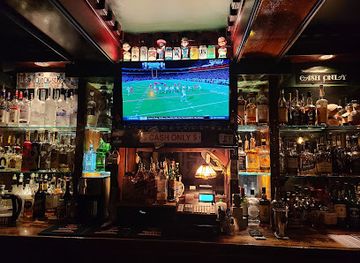
Carmel-by-the-Sea has a restrained evening scene shaped more by wine, conversation, live performance and intimate hospitality than by large nightclubs. Wine bars and hotel lounges provide places to taste bottles from the Central Coast, while cocktail bars and restaurant bars bring a more polished atmosphere to Ocean Avenue and nearby streets. The village’s small theatres and galleries can add cultural activity after dinner, and the Sunset Center hosts concerts, performances and community events when programmes are scheduled. Carmel Valley, outside the city, is associated with wineries and tasting rooms, though transport should be arranged in advance if drinking. The town becomes quiet earlier than major Californian cities, and evening walks require care on dimmer residential lanes, uneven pavements and beach access routes.
-
Bar
Dametra Cafe
Experience the rich flavors of Mediterranean cuisine at Dametra Cafe, a cozy gem in Carmel-By-The-Sea, perfect for tourists and locals alike.
1 min walk · 0.1 km from city centre
-
Seafood
Flaherty's Seafood Grill & Oyster Bar
Experience the fresh taste of the ocean at Flaherty's Seafood Grill & Oyster Bar in Carmel-By-The-Sea, where seafood meets stunning coastal views.
1 min walk · 0.1 km from city centre
-
Italian
Portabella
Discover Portabella, an Italian culinary gem in Carmel-By-The-Sea, offering exquisite Mediterranean dishes in a charming atmosphere.
1 min walk · 0.1 km from city centre
-
American
Hog's Breath Inn
Experience the essence of American cuisine at Hog's Breath Inn, a charming steakhouse in Carmel-By-The-Sea, perfect for every occasion.
2 min walk · 0.2 km from city centre


Best nightclubs in Carmel-by-the-Sea
Carmel-by-the-Sea has a restrained evening scene shaped more by wine, conversation, live performance and intimate hospitality than by large nightclubs. Wine bars and hotel lounges provide places to taste bottles from the Central Coast, while cocktail bars and restaurant bars bring a more polished atmosphere to Ocean Avenue and nearby streets. The village’s small theatres and galleries can add cultural activity after dinner, and the Sunset Center hosts concerts, performances and community events when programmes are scheduled. Carmel Valley, outside the city, is associated with wineries and tasting rooms, though transport should be arranged in advance if drinking. The town becomes quiet earlier than major Californian cities, and evening walks require care on dimmer residential lanes, uneven pavements and beach access routes.
-
Bar
Mulligan Public House
Experience the vibrant atmosphere and delightful craft beers at Mulligan Public House in Carmel-By-The-Sea.
1 min walk · 0.1 km from city centre
-
Bar
Barmel
Experience the vibrant nightlife at Barmel, a premier bar in Carmel-By-The-Sea, where every night is a celebration of fun and flavor.
2 min walk · 0.2 km from city centre
-
Lounge
Terry's Lounge
Discover Terry's Lounge, a cozy spot in Carmel-By-The-Sea offering exquisite drinks, delicious food, and live music in a charming atmosphere.
2 min walk · 0.1 km from city centre
-
Cocktail bar
Sade's Cocktails
Discover the vibrant nightlife of Carmel-By-The-Sea at Sade's Cocktails, where expertly crafted drinks meet a lively atmosphere.
1 min walk · 0.1 km from city centre


Best shops in Carmel-by-the-Sea
Shopping in Carmel-by-the-Sea centres on Ocean Avenue, its adjoining lanes and Carmel Plaza, where independent retailers, galleries, jewellers, home-design shops and specialist boutiques occupy the walkable village. Art remains the defining local purchase, with paintings, prints, sculpture and photography reflecting both the town’s historic artists’ colony and the wider Monterey Peninsula landscape. Shops also offer ceramics, locally designed objects, books, clothing, wine and carefully selected food products suitable for gifts. The emphasis is on small-scale and individually curated businesses rather than a large department-store district. Visitors should distinguish Carmel’s gallery-lined centre from the broader commercial areas of Monterey and Carmel Valley, each of which has a different character. The town’s distinctive cottages and courtyards are part of the shopping experience, with many entrances tucked behind façades or along narrow pedestrian passages.
-
Shopping mall
Carmel Plaza
Discover unique shops, gourmet dining, and local art at Carmel Plaza, a charming shopping destination in beautiful Carmel-By-The-Sea.
3 min walk · 0.3 km from city centre
-
Gift shop
Pilgrims Way Community Bookstore and Secret Garden
Explore the Pilgrims Way Community Bookstore and Secret Garden for a unique blend of literature, gifts, and natural beauty in Carmel-By-The-Sea.
1 min walk · 0.1 km from city centre
-
Women's clothing store
Anthropologie
Discover the allure of Anthropologie in Carmel-By-The-Sea—where fashion meets artistry in a charming coastal setting.
3 min walk · 0.3 km from city centre
-
Souvenir store
Laub's Country Store/Carmel Classics
Explore Laub's Country Store/Carmel Classics for unique souvenirs, stylish clothing, and exquisite jewelry in the heart of Carmel-By-The-Sea.
2 min walk · 0.1 km from city centre


Get your free copy of our complete guide to Carmel-by-the-Sea, delivered straight to you.
Everything on this page, from attractions and restaurants to essentials and local phrases, in one PDF you can read offline, print or share.
Already have an account? Sign in
Your Carmel-by-the-Sea guide is ready.
We'll send it to · Not you? Sign out

Getting your guide ready…
We are putting together a fresh copy of the Carmel-by-the-Sea guide. This can take up to a minute.
This can take a few moments. If your browser asks, choose Allow so the download can start. You'll find the guide in your Downloads folder.
Nothing happened? Download it again
Sorry, the guide is taking longer than usual. Please try again in a minute, or get it by email instead.
Carmel-by-the-Sea essentials
Currency and Payment
Safety
Emergency Situations
Do's and Don'ts
Local Tips
From Eve
Local phrases worth knowing
You don't need to get them perfect. A few words go a long way, and locals appreciate the effort.
Basics
| English | Local | Say it |
|---|---|---|
| Hello | Hello | [heh-loh] |
| Goodbye | Goodbye | [guhd-bye] |
| Yes | Yes | [yehs] |
| No | No | [noh] |
| Please/You're welcome | Please/You're welcome | [pleez/yoor wel-kuhm] |
| Thank you | Thank you | [thangk yoo] |
| Excuse me/Sorry | Excuse me/Sorry | [eks-kyoos mee/sor-ee] |
| How are you? | How are you? | [haw ar yoo] |
| Fine. And you? | Fine. And you? | [fahyn. and yoo?] |
| Do you speak English? | Do you speak English? | [doo yoo speek ing-glish?] |
| I don't understand | I don't understand | [eye dohnt un-der-stand] |
Eating & Drinking
| English | Local | Say it |
|---|---|---|
| I'd like to see the menu, please | I'd like to see the menu, please | [eye'd lyke too see the mye-nyoo, pleez] |
| I don't eat meat | I don't eat meat | [eye dohnt eet meet] |
| Cheers! | Cheers! | [cheers] |
| I would like to pay, please | I would like to pay, please | [eye wood lyke too pey, pleez] |
Emergencies
| English | Local | Say it |
|---|---|---|
| Help! | Help! | [help] |
| Go away! | Go away! | [goh uh-way] |
| Call the Police! | Call the Police! | [kawl the puh-leece] |
| Call a doctor! | Call a doctor! | [kawl uh dok-ter] |
| I'm lost | I'm lost | [eye'm lost] |
| I'm ill | I'm ill | [eye'm ill] |
Shopping
| English | Local | Say it |
|---|---|---|
| I'd like to buy... | I'd like to buy... | [eye'd lyke too by...] |
| I'm just looking | I'm just looking | [eye'm jehst look-ing] |
| How much is it? | How much is it? | [haw much iz it?] |
| That's too expensive | That's too expensive | [thats too eks-pen-siv] |
| Can you lower the price? | Can you lower the price? | [kan yoo loh-er the prahys?] |
Time & Numbers
| English | Local | Say it |
|---|---|---|
| What time is it? | What time is it? | [wut tym iz it?] |
| It's one o'clock | It's one o'clock | [its wun oh-klok] |
| Half past (10) | Half past (10) | [haf past (ten)] |
| Morning | Morning | [mor-ning] |
| Afternoon | Afternoon | [af-ter-noon] |
| Evening | Evening | [eev-ning] |
| Yesterday | Yesterday | [yes-ter-day] |
| Today | Today | [toh-day] |
| Tomorrow | Tomorrow | [toh-mor-oh] |
| 1 | 1 | [one] |
| 2 | 2 | [too] |
| 3 | 3 | [three] |
| 4 | 4 | [for] |
| 5 | 5 | [five] |
| 6 | 6 | [six] |
| 7 | 7 | [seven] |
| 8 | 8 | [eight] |
| 9 | 9 | [nine] |
| 10 | 10 | [ten] |
Transport & Directions
| English | Local | Say it |
|---|---|---|
| Where's a/the...? | Where's a/the...? | [wheres uh/the...] |
| What's the address? | What's the address? | [wuts the ad-dress?] |
| Can you show me (on the map)? | Can you show me (on the map)? | [kan yoo show mee (on the map)?] |
| When's the next (bus)? | When's the next (bus)? | [whens the nekst (bus)?] |
| A ticket (to ....) | A ticket (to ....) | [uh tik-et (to ....)] |
History of Carmel-by-the-Sea
Ohlone Homeland and Coastal Settlement
Before European settlement, the Monterey Peninsula was home to Indigenous peoples including the Rumsen-speaking Ohlone, whose communities relied on the coast, woodland and inland resources. The shoreline around present-day Carmel formed part of a wider cultural landscape rather than an isolated town. Spanish exploration altered this setting in the eighteenth century, bringing new systems of mission settlement, land use and religious authority. The Indigenous history of the region remains essential to understanding the landscape, although surviving written records were largely produced by colonial institutions and do not fully represent Ohlone perspectives.
Mission San Carlos Borromeo
Mission San Carlos Borromeo was founded in Monterey in 1770 and moved to the Carmel Valley in 1771, where its location offered better agricultural conditions and distance from the presidio settlement. Father Junípero Serra made the mission his headquarters and was buried there in 1784. The mission became one of the principal religious centres of Alta California under Spanish rule. Its surviving church, rebuilt in the late eighteenth century, is associated with Spanish colonial architecture and remains the defining historic structure of Carmel. The mission system brought profound disruption, coercion and demographic loss to Indigenous communities, whose experiences must be considered alongside the mission’s architectural legacy.
Mexican Rule and Secularisation
After Mexican independence from Spain in 1821, Alta California was governed by Mexico and the missions gradually lost their former authority. The Mexican government secularised the mission system in the 1830s, transferring much mission land into private ownership and changing patterns of settlement across the peninsula. Carmel’s later townsite did not yet exist, but the mission and Carmel Valley continued to shape the area’s identity. Mexican ranching culture, land grants and the movement of people through the region formed part of the social and economic background to the American settlement that followed.
An Artists’ Colony Takes Shape
Carmel began to develop as a planned community in the late nineteenth century, and its isolated coastal setting soon attracted artists, writers and other creative figures. The town’s early promoters encouraged an informal, arts-oriented atmosphere rather than a conventional commercial grid. After the 1906 San Francisco earthquake, additional artists and cultural figures relocated to the peninsula, increasing Carmel’s reputation as a creative colony. Small cottages, studios, galleries and theatres became central to its character. The town was incorporated in 1916, with poet and publisher Perry Newberry serving as its first mayor.
Robinson Jeffers and Tor House
Poet Robinson Jeffers moved to Carmel in 1914 with his wife, Una, and built Tor House and the adjoining Hawk Tower from local stone. The buildings became a physical expression of Jeffers’s austere relationship with the Pacific coast and his interest in landscape, solitude and classical form. Jeffers’s poetry brought international attention to the rugged Big Sur and Monterey Peninsula region, while Tor House became an important literary landmark. The property is preserved as a museum, offering insight into the domestic and creative life of one of Carmel’s most significant twentieth-century residents.
Preserving the Village Identity
Carmel’s distinctive appearance was reinforced during the twentieth century through planning choices that limited conventional suburban development and protected the village’s small-scale character. The absence of street numbers in much of the central area, the emphasis on pedestrian lanes and the survival of individual cottages all contribute to its recognisable identity. Later decades brought increased tourism, galleries, restaurants and second-home development, while Carmel Mission, Tor House and the surrounding coastline continued to connect the town to deeper historical and environmental narratives. Contemporary Carmel therefore reflects both deliberate preservation and the pressures of a highly visited coastal community.
Carmel-by-the-Sea in Photos
Browse through our photo collection highlighting the charm and character of the destination.
Cities near Carmel-by-the-Sea
The closest cities to Carmel-by-the-Sea, if you have time for more than one stop.
-

-

-

-
-


Swipe for more cities
Explore more
Explore more of California
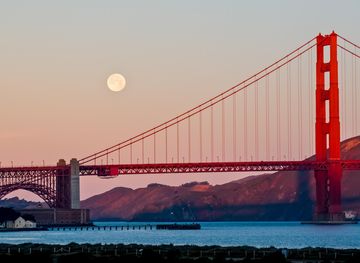
Discover California: A land of diverse landscapes, iconic cities, and endless adventures, from sun-soaked beaches to towering redwoods and vibrant cultural experiences.
Explore California