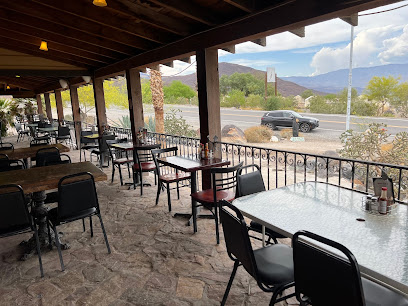
Eastern California Museum: A Window to the Past
Discover the captivating history of the Eastern Sierra at the Eastern California Museum, where diverse collections and engaging exhibits bring the past to life in the heart of Independence.
The Eastern California Museum in Independence is a treasure trove of regional history, showcasing the diverse cultural and natural heritage of the Eastern Sierra. Founded in 1928, the museum boasts extensive collections of Native American basketry, artifacts from the Manzanar War Relocation Center, and historical photographs dating back to the late 19th century. Visitors can explore exhibits detailing the Owens Valley water wars, mining history, and the stories of early settlers. With its eclectic displays and outdoor exhibits, including a historic equipment yard and the Slim Princess steam locomotive, the museum offers a captivating glimpse into the past. Admission is free, making it an accessible and enriching experience for all who travel through the Owens Valley.
A brief summary to Eastern California Museum
- 155 N Grant St, Independence, California, 93526, US
- +1760-878-0258
- Visit website
Local tips
- Allow at least 2-3 hours to fully explore the museum's indoor and outdoor exhibits, including the historic equipment yard and native plant garden.
- Check the museum's website or inquire at the front desk about upcoming lectures, book signings, and guided tours to enhance your visit.
- Visit the nearby Manzanar National Historic Site to gain a deeper understanding of the Japanese American incarceration experience during World War II.
- Explore the town of Independence, including the historic Edwards House and Commander's House, to further immerse yourself in the region's past.
- Consider making a donation to support the museum's mission of preserving and interpreting the cultural and natural history of the Eastern Sierra.

Getting There
-
Driving
From Highway 395, the main north-south artery through the Owens Valley, turn west onto Market Street in Independence. Continue for a few blocks. Turn left onto N Grant Street. The Eastern California Museum is located at 155 N Grant Street. There is a parking lot directly in front of the museum, and parking is free.
-
Public Transport
The Eastern Sierra Transit Authority (ESTA) provides bus service to Independence. From either Bishop or Lone Pine, take the 395 Route. The closest stop to the museum is at the Independence Post Office, located at 101 S Edwards Street, a short walk east and then north to the museum. Single ride fares range from $6-$24 depending on the distance traveled.
Discover more about Eastern California Museum
Iconic landmarks you can’t miss

Site of Putnam's Cabin (California Historical Landmark No. 223)
0.4 km
Explore Putnam's Cabin, a California Historical Landmark, and immerse yourself in the rich history of early settlers in Independence, California.
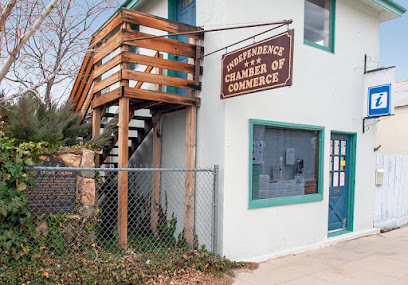
Alabama Hills
23.3 km
Explore the otherworldly landscape of the Alabama Hills, a geological wonder and iconic filming location nestled at the foot of the Sierra Nevada near Lone Pine, California.
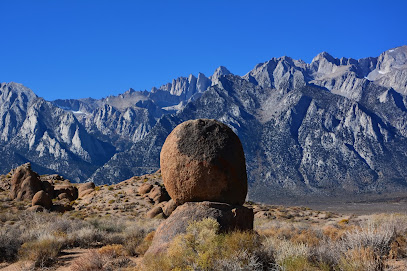
Gravesite of the 1872 Lone Pine Earthquake Victims California Historical Landmark #507
23.7 km
Discover the poignant history of the 1872 Lone Pine Earthquake Victims at this historical landmark, set against the stunning backdrop of California's Sierra Nevada.
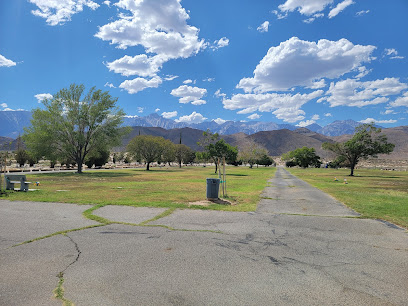
Saline Valley Warm Springs
39.0 km
Experience the tranquility of Saline Valley Warm Springs in Death Valley National Park, a hidden gem with therapeutic hot springs and breathtaking desert views.
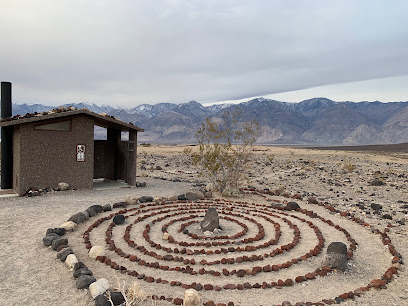
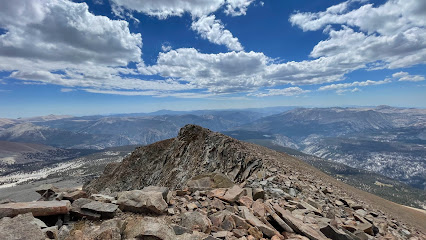
Mt Kaweah
39.2 km
Conquer Mount Kaweah, the Sierra Nevada's challenging giant, for unparalleled panoramic views and a true wilderness experience within Sequoia National Park.
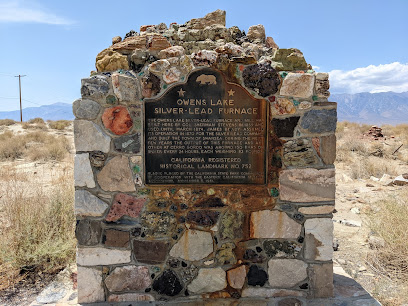
California Historical Landmark 752: Owens Lake Silver-Lead Furnace
40.8 km
Explore the Owens Lake Silver-Lead Furnace, a historical landmark that reveals California's mining legacy amidst stunning natural beauty.
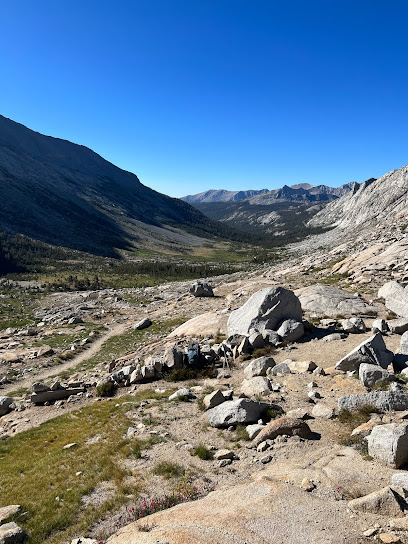
Kaweah Gap
41.3 km
Hike through the majestic Kaweah Gap in Sequoia National Park, a gateway to the High Sierra's remote beauty, offering challenging trails and unforgettable panoramic views.
Bristlecone Pine Information and Historic Landmark
42.0 km
Explore the ancient wonder of Bristlecone Pines at this historic landmark in Big Pine, California, and immerse yourself in nature's timeless beauty.
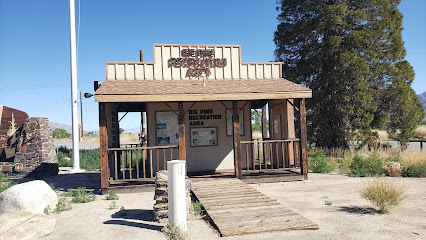
Precipice Lake
42.3 km
Discover the pristine beauty of Precipice Lake in Sequoia National Park: a challenging High Sierra Trail hike to breathtaking alpine scenery and iconic Ansel Adams views.
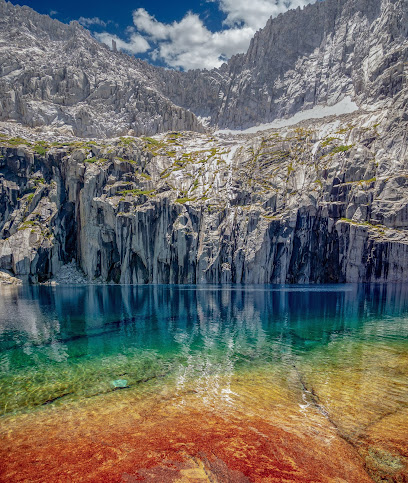
Pear Lake Winter Hut
46.9 km
Escape to a winter wonderland at Pear Lake Winter Hut in Sequoia National Park, offering a rustic backcountry experience for seasoned adventurers amidst breathtaking alpine scenery.
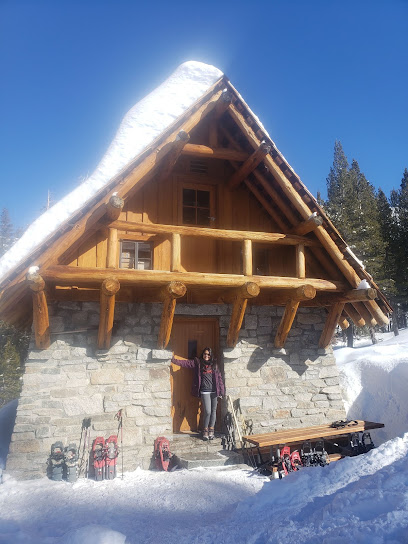
Alta Peak
47.3 km
Conquer Alta Peak in Sequoia National Park for unparalleled panoramic views of the Great Western Divide and the vast San Joaquin Valley on a challenging yet rewarding hike.
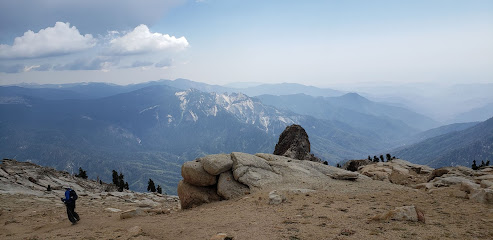
Tokopah Falls
48.4 km
Explore the breathtaking Tokopah Falls in Sequoia National Park, a stunning natural waterfall surrounded by majestic granite cliffs and lush wilderness.
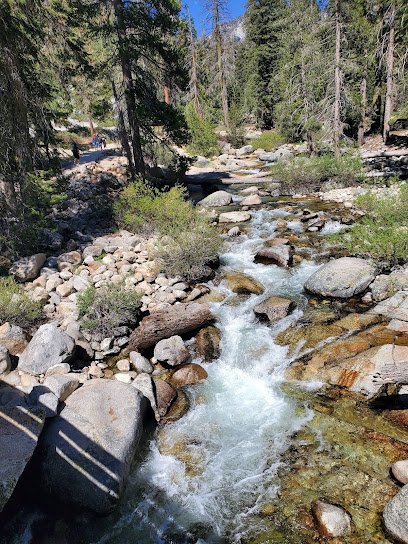
Upper Monarch Lake
50.4 km
Hike to a stunning alpine lake in Sequoia National Park's Mineral King, surrounded by towering peaks and pristine wilderness, for an unforgettable Sierra Nevada experience.
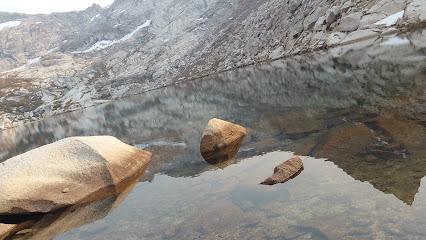
Tokopah Trailhead
51.2 km
Hike to the stunning 1,200-foot Tokopah Falls in Sequoia National Park, a moderate 3.4-mile trail through granite cliffs and lush forests along the Marble Fork of the Kaweah River.
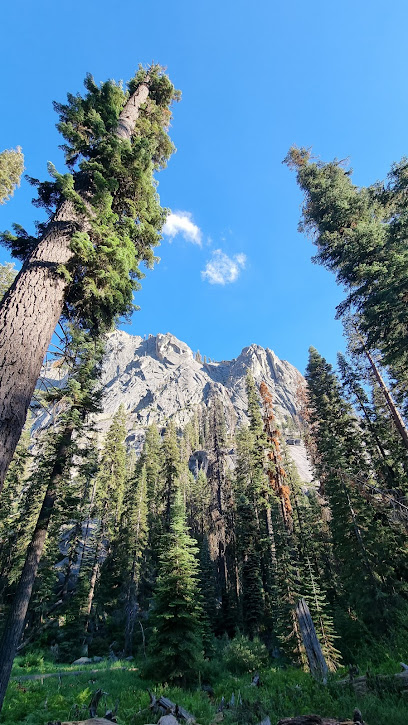
Mineral King Valley
52.2 km
Discover Mineral King Valley: A remote alpine paradise in Sequoia National Park offering stunning scenery, challenging hikes, and a glimpse into California's mining history.
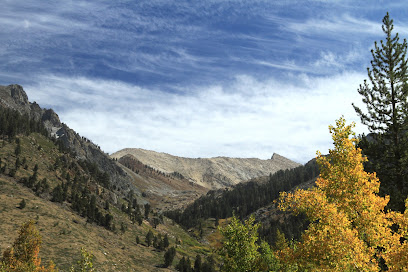
Unmissable attractions to see

Mobius Arch
22.1 km
Discover Mobius Arch in Alabama Hills: a natural window framing Mount Whitney, a photographer's dream, and a cinematic landscape.
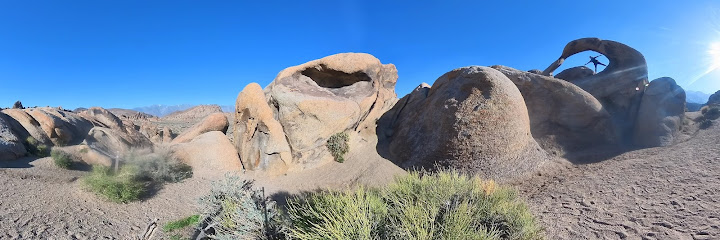
Mobius Arch Loop Trailhead
22.3 km
Experience breathtaking views and unique geological wonders at Mobius Arch Loop Trailhead, a premier hiking destination in California's Sierra Nevada.
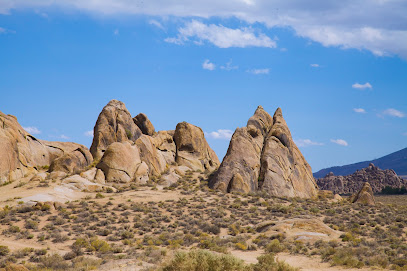
Inyo National Forest
22.6 km
Discover California's Eastern Sierra: Home to ancient forests, towering peaks, and pristine alpine lakes in a vast and varied landscape.
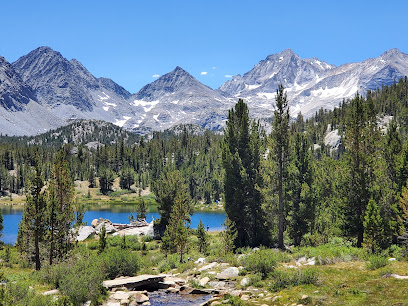
Museum of Western Film History
25.7 km
Explore the Museum of Western Film History in Lone Pine, California, and journey through the iconic legacy of Western cinema with captivating exhibits and memorabilia.
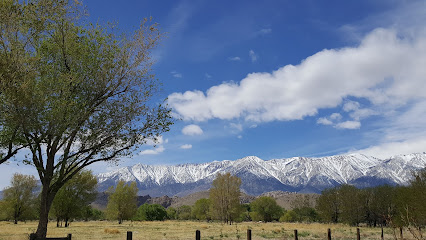
Eastern Sierra Visitor Center
28.1 km
Explore the Eastern Sierra Visitor Center for essential information and breathtaking landscapes in California's stunning natural beauty.
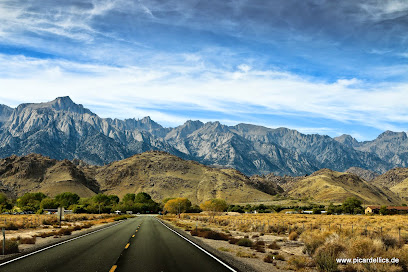
Sequoia-Kings Canyon Wilderness
31.2 km
Explore the breathtaking Sequoia-Kings Canyon Wilderness, a nature preserve filled with towering sequoias, stunning vistas, and diverse wildlife in California.
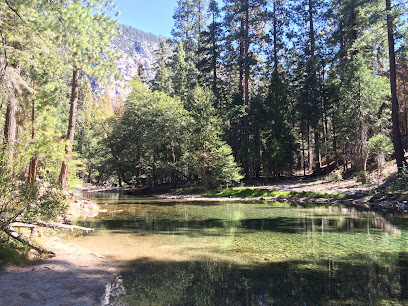
Sequoia & Kings Canyon National Parks
33.7 km
Explore Sequoia & Kings Canyon National Parks: Home to towering trees, stunning landscapes, and rich wildlife in California's natural paradise.
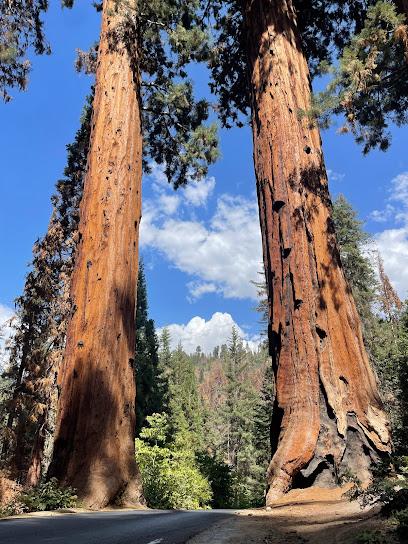
Roaring River Falls
37.2 km
Explore Roaring River Falls: A Stunning Waterfall in California Perfect for Nature Lovers and Adventure Seekers.
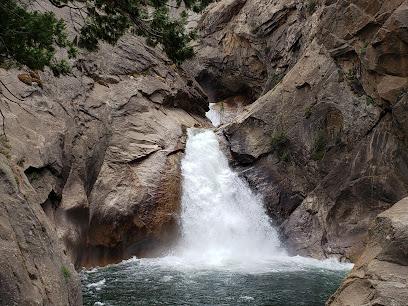
Cedar Grove Pack Station
40.9 km
Explore Kings Canyon National Park on horseback with guided trail rides and pack trips from Cedar Grove Pack Station. Open seasonally.
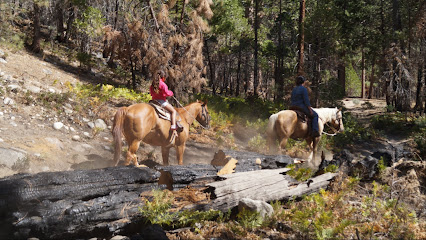
Jennie Lakes Wilderness
43.4 km
Discover alpine beauty in Sequoia National Forest's Jennie Lakes Wilderness: hiking, camping, and stunning Sierra Nevada scenery await!
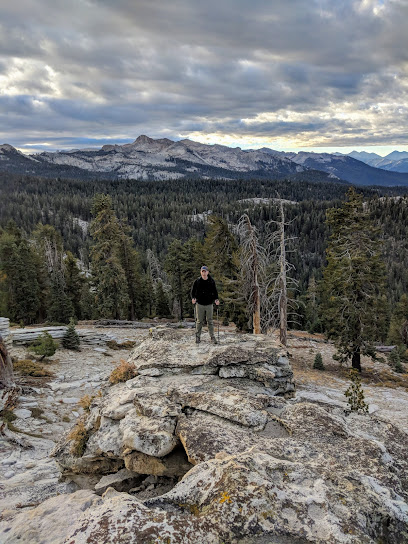
Cerro Gordo Ghost Town
46.8 km
Discover the haunting allure of Cerro Gordo Ghost Town, a historic mining relic nestled in the breathtaking Eastern Sierra of California.
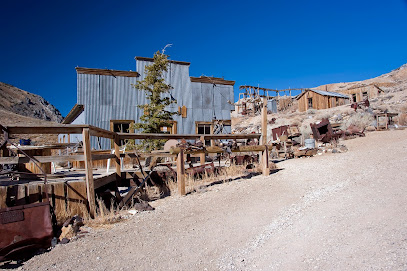
Grizzly Falls Picnic Area
48.1 km
Discover the natural beauty and tranquility of Grizzly Falls Picnic Area, a perfect picnic spot with stunning waterfalls and scenic trails in California.
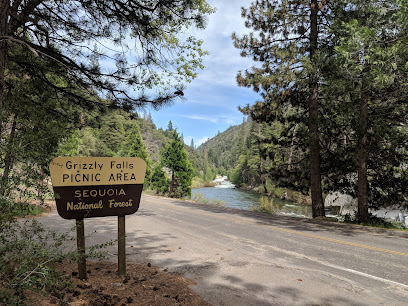
Grizzly Falls
48.1 km
Experience the breathtaking beauty of Grizzly Falls in Cedar Grove, California, a must-visit destination for nature lovers and adventure seekers.
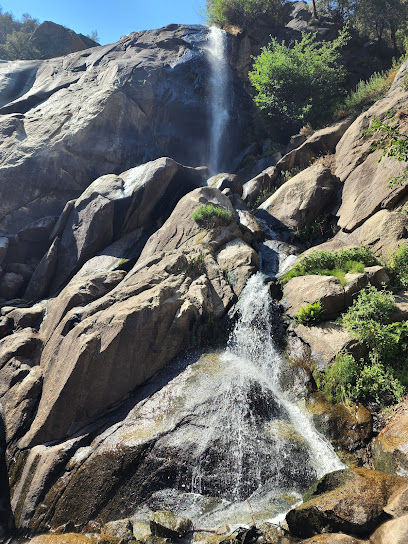
Monarch Wilderness
49.6 km
Explore the breathtaking landscapes, rich wildlife, and outdoor adventures at Monarch Wilderness in Sierra, California, a perfect escape for nature lovers.
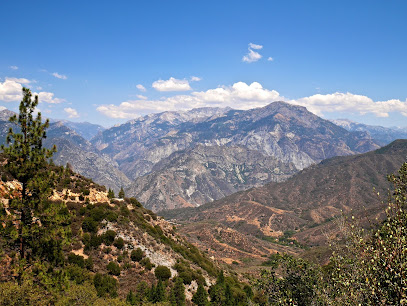
Lodgepole Visitor Center
51.9 km
Explore the majestic beauty of Sequoia National Park at Lodgepole Visitor Center, your gateway to the giant sequoias and breathtaking landscapes.
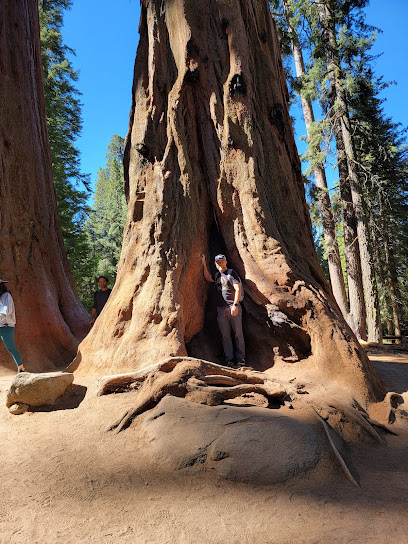
Essential places to dine

Lodgepole Campground
51.4 km
Experience the tranquility of Lodgepole Campground in Sequoia National Park – where nature meets adventure in California's Sierra Nevada.
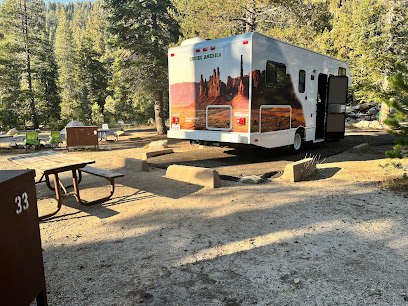
Stony Creek Lodge
58.7 km
Experience rustic charm at Stony Creek Lodge in Sequoia National Park - your perfect retreat into nature's breathtaking beauty.

Montecito Sequoia Lodge
60.7 km
Discover the serenity of Montecito Sequoia Lodge nestled in Sequoia National Park – your gateway to outdoor adventures and natural beauty.
Buckeye Tree Lodge & Cabins
66.9 km
Discover tranquility at Buckeye Tree Lodge & Cabins—your gateway to adventure in beautiful Three Rivers, California.
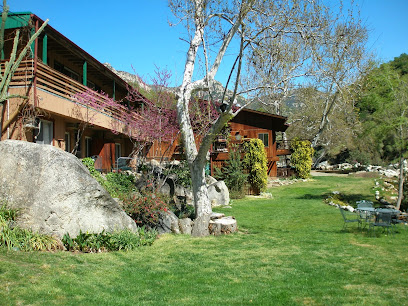
The Gateway Restaurant & Lodge
67.0 km
Discover the perfect blend of fine dining and cozy lodging at The Gateway Restaurant & Lodge near Sequoia National Park.
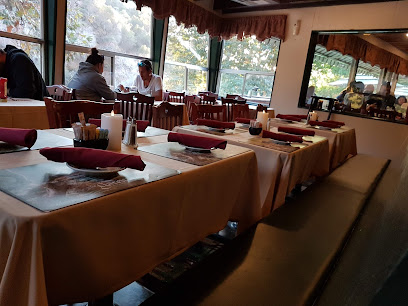
John Muir Lodge
67.7 km
Discover the serene beauty of John Muir Lodge in Kings Canyon National Park—your gateway to majestic landscapes and outdoor adventures.
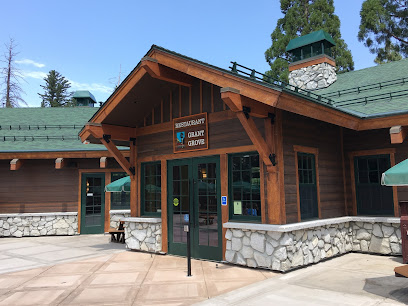
Grant Grove Restaurant
68.0 km
Experience delicious American cuisine amidst the majestic beauty of Sequoia National Park at Grant Grove Restaurant.
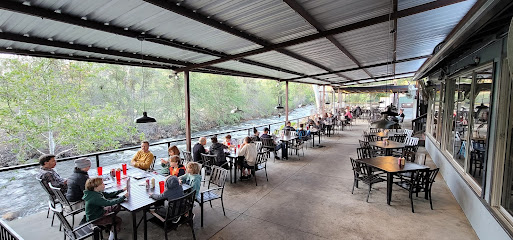
River View Grill & Bar
73.4 km
Discover River View Grill & Bar in Three Rivers: A perfect blend of scenic views and delectable American cuisine awaits you!
Tony's Taverna On Wheels
73.6 km
Discover delicious Mediterranean flavors at Tony's Taverna On Wheels in Three Rivers – a must-visit culinary experience for every traveler.
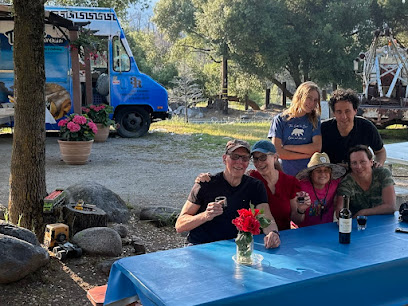
Rio Sierra Riverhouse
74.0 km
Discover tranquility at Rio Sierra Riverhouse - your gateway to adventure near Sequoia National Park in Three Rivers, California.
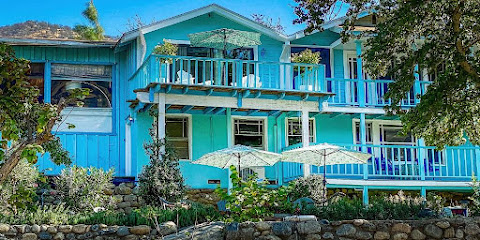
Pupusas La Sabrosa Three Rivers
74.3 km
Discover the authentic flavors of El Salvador at Pupusas La Sabrosa in Three Rivers—where every dish tells a story.
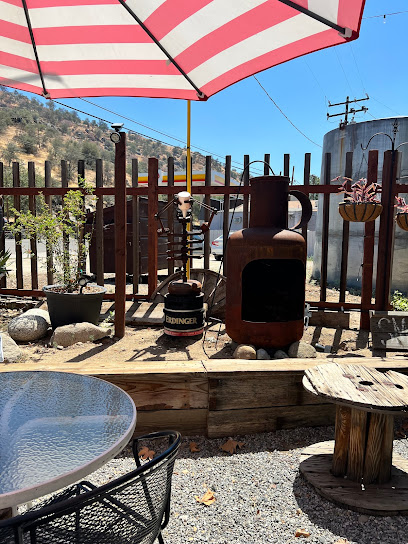
Ol Buckaroo
74.5 km
Discover Ol Buckaroo: A delightful New American restaurant in Three Rivers offering unique flavors and unforgettable dining experiences.
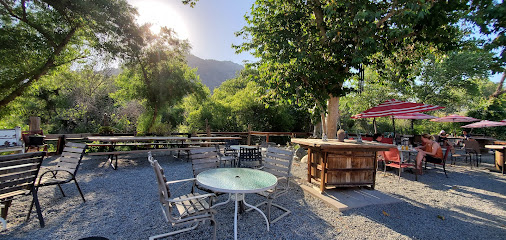
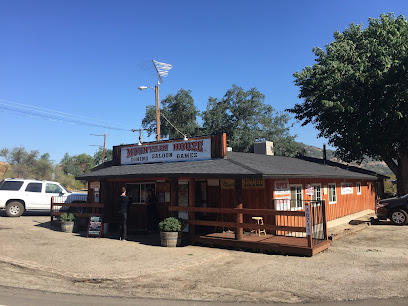
Baker Mountain House
75.5 km
Experience delectable dining at Baker Mountain House in Badger, California—where local flavors meet stunning mountain views.
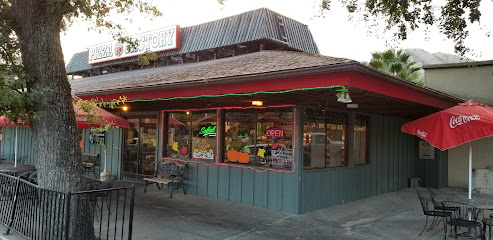
Pizza Factory
75.7 km
Experience family-friendly dining at Pizza Factory in Three Rivers – savor delicious pizzas and authentic Italian cuisine near Sequoia National Park.
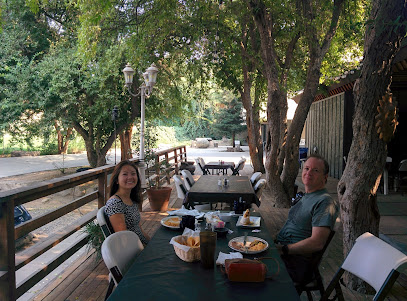
Casa Mendoza Mexican Restaurant
75.8 km
Discover authentic Mexican cuisine at Casa Mendoza in Three Rivers—where vibrant flavors meet stunning scenery.
Markets, malls and hidden boutiques

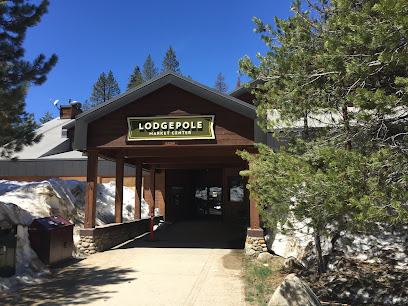
Lodgepole Market & Grill
51.9 km
Discover Lodgepole Market & Grill in Sequoia National Park for local snacks, delicious meals, and unique souvenirs amidst stunning natural beauty.
Grant Grove Gift Shop
68.0 km
Discover unique souvenirs and local crafts at Grant Grove Gift Shop, your perfect stop in Sequoia National Park for memorable gifts.
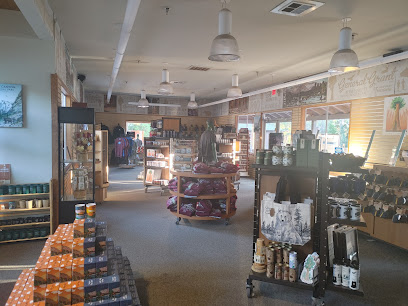
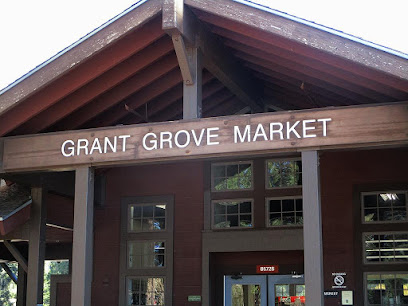
Grant Grove Market
68.0 km
Discover the delightful Grant Grove Market, a grocery store nestled in Sequoia National Park, offering local snacks and essentials for every adventurer.
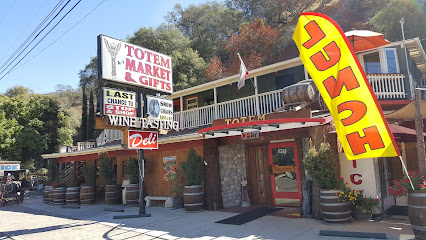
Totem Market & Gifts
68.5 km
Explore Totem Market & Gifts for unique souvenirs, gourmet snacks, and local brews in the heart of California's Sequoia region.
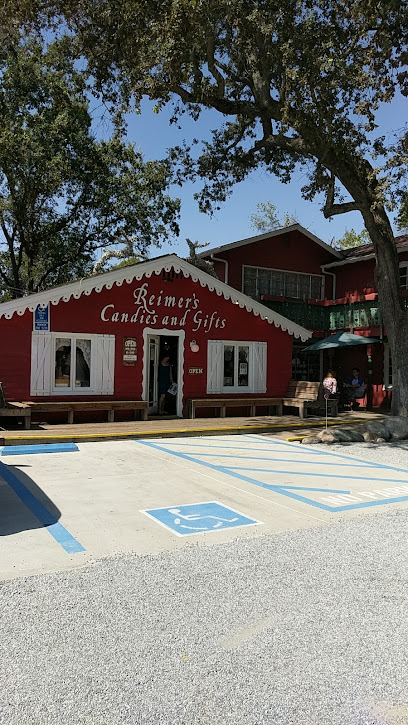
Reimers Candies & Gifts
73.3 km
Discover the sweet side of Three Rivers at Reimers Candies & Gifts, where artisanal treats and delightful gifts await every visitor.
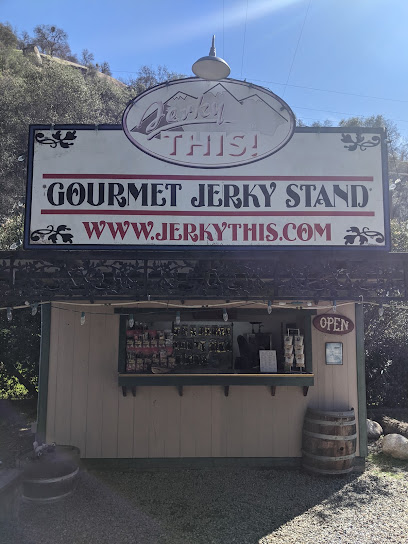
Jerky This!
73.3 km
Discover a gourmet treasure trove of flavors at Jerky This! in Three Rivers, California, where artisanal jerky meets local charm.
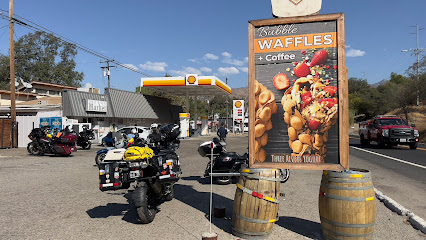
Shell
74.4 km
Discover Sierra Drive in Three Rivers: Your go-to gas station with essential amenities, delicious meals, and a gateway to California's natural beauty.
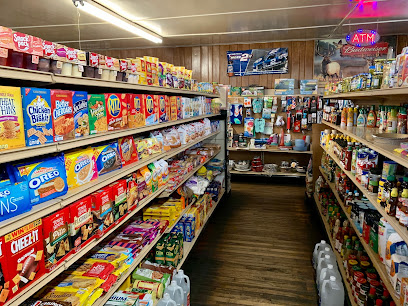
Three Rivers Market
74.4 km
Discover the convenience of Three Rivers Market, your go-to grocery store in Three Rivers, California, offering local goods, snacks, and essentials for your adventures.
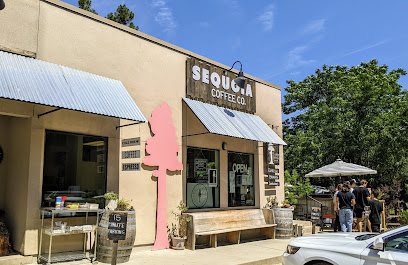
Sequoia Coffee Co.
74.5 km
Enjoy exceptional coffee and a cozy atmosphere at Sequoia Coffee Co., the perfect stop for nature lovers near Sequoia National Park.
Sequoia Souveniers
74.5 km
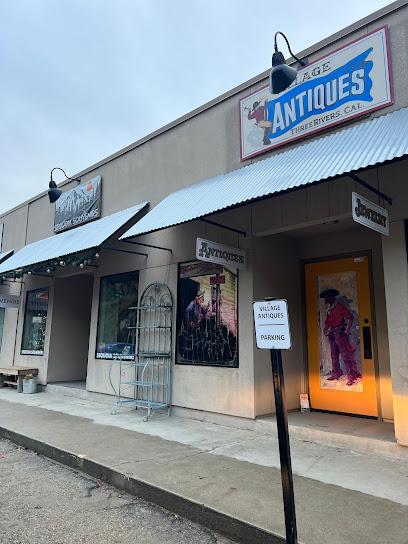
Explore Sequoia Souveniers for unique gifts and keepsakes that celebrate the beauty of California's Sierra Nevada region.
Gathered
74.5 km
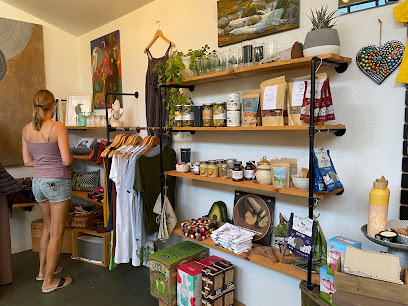
Discover unique home goods and artisanal treasures at Gathered in Three Rivers, California - a true reflection of local craftsmanship.
Sierra Subs & Salad
74.5 km
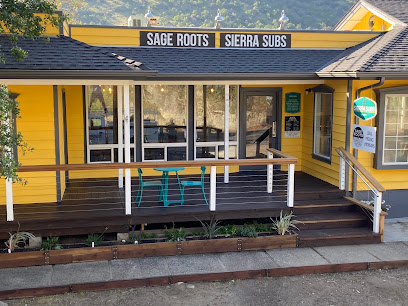
Discover fresh, delicious sandwiches and salads at Sierra Subs & Salad, the perfect stop before your Sequoia National Park adventure.
Three Rivers Mercantile
75.4 km
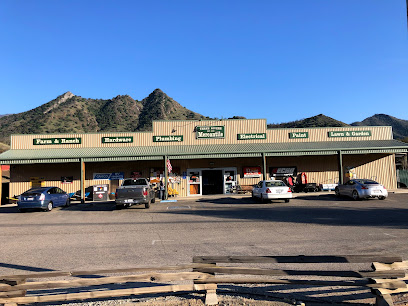
Explore Three Rivers Mercantile, your go-to stop for home improvement, gardening essentials, and local charm in the heart of California's Sierra Nevada.
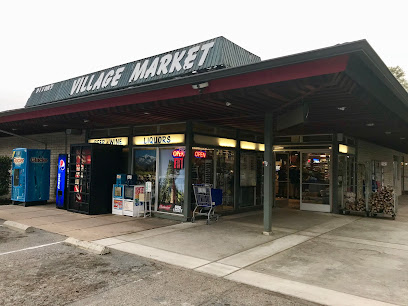
Village Market
75.8 km
Discover the Village Market in Three Rivers, CA – your go-to grocery store near Sequoia National Park, offering fresh produce, snacks, and local essentials.
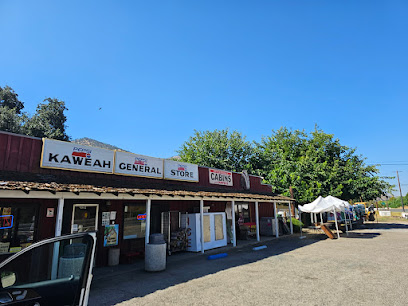
Kaweah General Store
76.7 km
Experience the rustic charm of Kaweah General Store, your go-to spot for local groceries and essentials in Three Rivers, California.
Essential bars & hidden hideouts

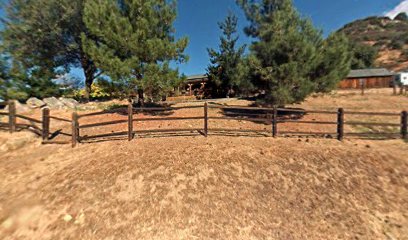
Lake Canyon Ranch
64.5 km
Experience the serene beauty of Lake Canyon Ranch, a perfect bar retreat in Three Rivers, CA, surrounded by nature's splendor.
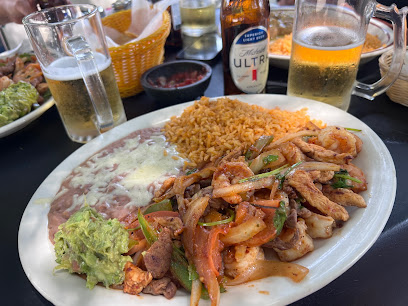
Serrano's Mexican Restaurant
75.8 km
Experience the vibrant flavors of Mexico at Serrano's Mexican Restaurant in Three Rivers, CA, where every dish tells a story.
Panamint Springs Restaurant
83.4 km
Discover the charm of Panamint Springs Restaurant, where delicious food meets breathtaking desert views in the heart of California.