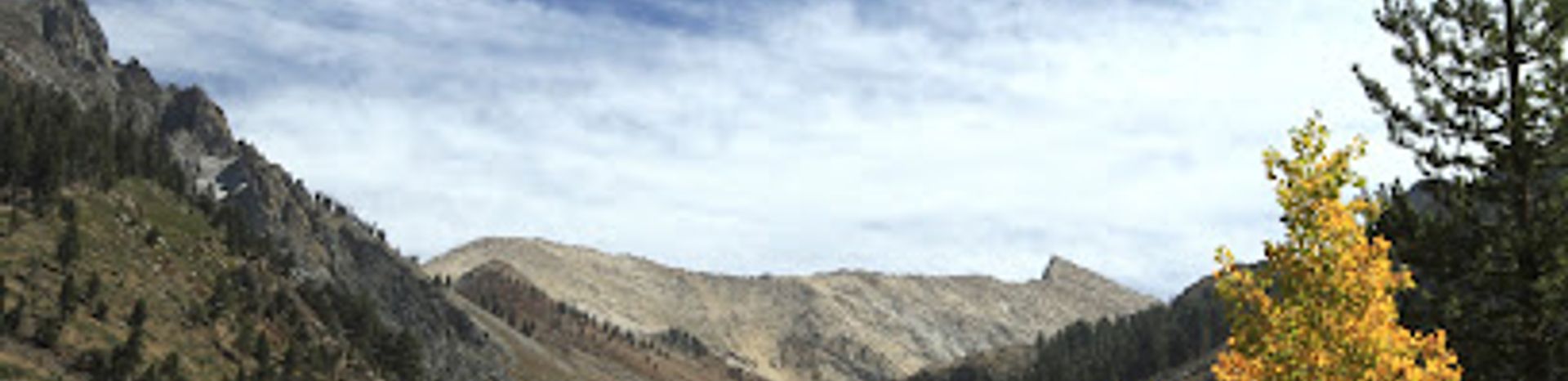
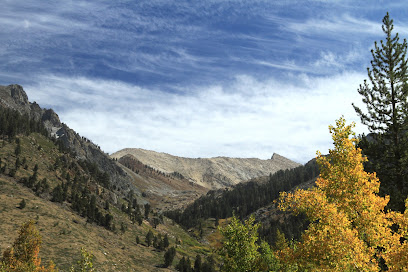
Mineral King Valley: A Subalpine Paradise
Discover Mineral King Valley: A remote alpine paradise in Sequoia National Park offering stunning scenery, challenging hikes, and a glimpse into California's mining history.
Mineral King Valley, nestled in the southern reaches of Sequoia National Park, is a subalpine glacial valley offering a remote and rugged escape. Accessible via a winding 25-mile road, the valley rewards visitors with stunning vistas, challenging hikes, and a glimpse into California's mining history. Once a bustling mining settlement in the 1870s, Mineral King transformed into a haven for outdoor enthusiasts, boasting pristine lakes, towering granite peaks, and a unique blend of natural beauty and historical charm. The valley's isolation and limited services contribute to its tranquil atmosphere, attracting backpackers, hikers, and nature lovers seeking solace in the High Sierra. Be prepared for a challenging drive and pack accordingly, as Mineral King promises an unforgettable experience for those who venture into its serene embrace. Remember to protect your vehicle from marmots!
A brief summary to Mineral King Valley
- California, US
Local tips
- Protect your car from marmots! These furry creatures are notorious for chewing on vehicle hoses and wiring, especially in spring and early summer. Cover your car with a tarp or wire mesh to deter them.
- Arrive early to secure a campsite. Atwell Mill and Cold Springs campgrounds are popular and fill up quickly, especially on weekends. Consider arriving on a Thursday to increase your chances of finding a spot.
- Be prepared for a challenging drive. The Mineral King Road is narrow, winding, and unpaved in sections. Allow ample time for the 25-mile journey and avoid bringing RVs or trailers.
- Pack for all types of weather. Mineral King's weather can change rapidly, with warm days and chilly nights. Bring layers of clothing, including rain gear, even in summer.
- Bring all essential supplies. There are limited services in Mineral King, so stock up on food, water, and other necessities before heading up the road. There is no gasoline available in the valley.

Getting There
-
Driving
The final approach to Mineral King Valley involves navigating the 25-mile Mineral King Road from its junction with Highway 198 near Three Rivers. From Highway 198, turn onto Mineral King Road (look for the small green sign). The road is steep, narrow, and winding, with some unpaved sections. Allow at least 1.5 hours for the drive. Note that RVs and trailers are not recommended. There is a self-service fee station at Lookout Point, about 12 miles up the road, where you will need to pay the Sequoia National Park entrance fee. The fee is $35 per vehicle, valid for 7 days. Continue on Mineral King Road to reach the valley floor. Parking is available at trailheads and campgrounds, but can be limited, especially during peak season. Road construction may cause delays until fall 2027.
Discover more about Mineral King Valley
Iconic landmarks you can’t miss

Mineral King Valley
0.0 km
Discover Mineral King Valley: A remote alpine paradise in Sequoia National Park offering stunning scenery, challenging hikes, and a glimpse into California's mining history.
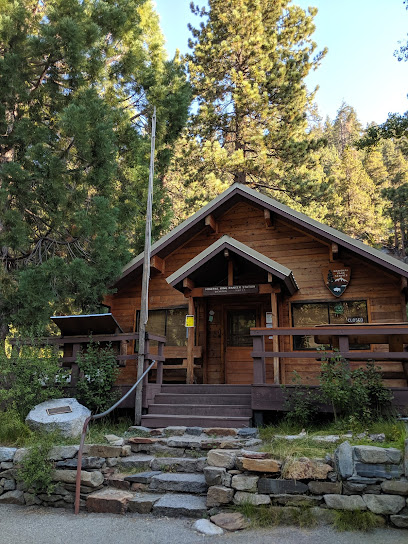
Mineral King Ranger Station
1.4 km
Discover the rugged beauty of Sequoia's Mineral King Valley: a High Sierra escape offering challenging hikes, pristine alpine lakes, and a glimpse into California's mining and conservation history.
Tar Gap Trailhead
1.7 km
Discover the breathtaking beauty of Sequoia National Park's Mineral King area from the Tar Gap Trailhead, offering access to alpine hikes and stunning wilderness vistas.
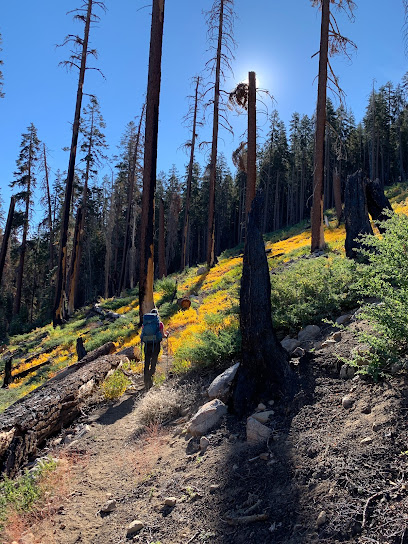
Cold Springs Campground
1.8 km
Escape to the serene heights of Sequoia National Park at Cold Springs Campground, a tent-only haven in Mineral King Valley offering stunning scenery and access to incredible hiking.

Upper Monarch Lake
2.9 km
Hike to a stunning alpine lake in Sequoia National Park's Mineral King, surrounded by towering peaks and pristine wilderness, for an unforgettable Sierra Nevada experience.
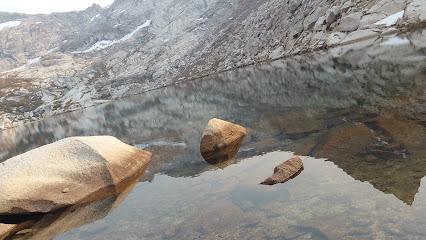
Mosquito Lakes
4.1 km
Explore the serene beauty of Mosquito Lakes in California, a hidden gem perfect for fishing, hiking, and enjoying nature's tranquility.
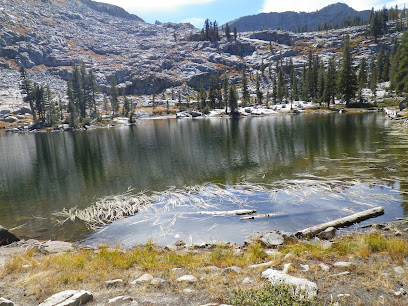
Eagle Lake
4.4 km
Experience the breathtaking beauty and tranquility of Eagle Lake, a hidden gem in California perfect for outdoor adventures and serene escapes.
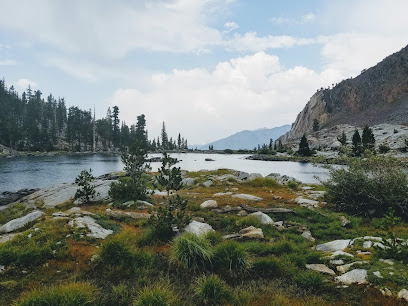
Silver City Mountain Resort
4.9 km
Escape to Silver City Mountain Resort: A historic alpine settlement nestled in Sequoia National Park's Mineral King Valley, offering rustic cabins, stunning scenery, and a tranquil retreat.
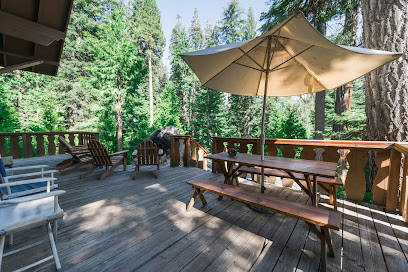
Atwell Mill Campground
6.7 km
Escape to the serene beauty of Atwell Mill Campground in Sequoia National Park. Discover towering sequoias, pristine wilderness, and unparalleled tranquility in the heart of the Mineral King area.
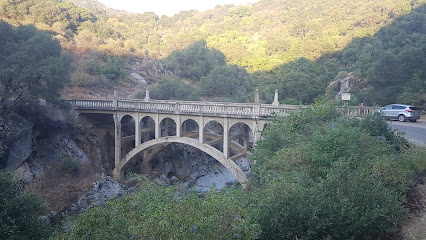
Precipice Lake
11.3 km
Discover the pristine beauty of Precipice Lake in Sequoia National Park: a challenging High Sierra Trail hike to breathtaking alpine scenery and iconic Ansel Adams views.
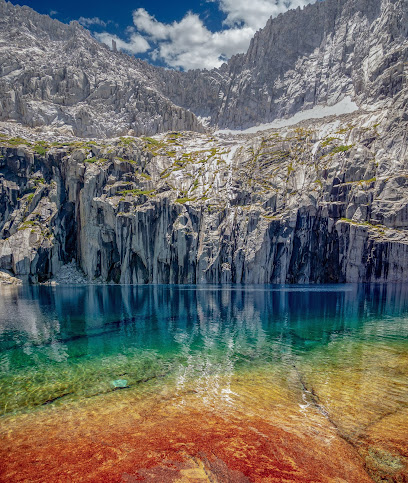
Kaweah Gap
12.1 km
Hike through the majestic Kaweah Gap in Sequoia National Park, a gateway to the High Sierra's remote beauty, offering challenging trails and unforgettable panoramic views.
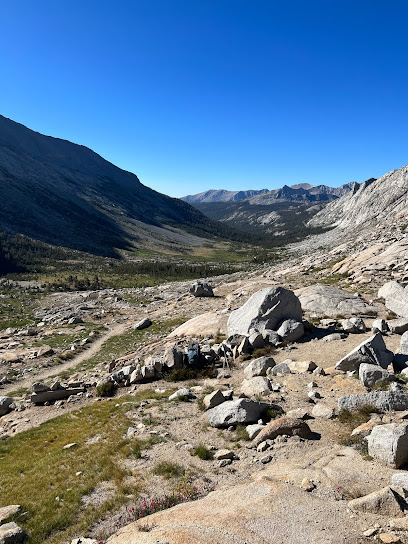
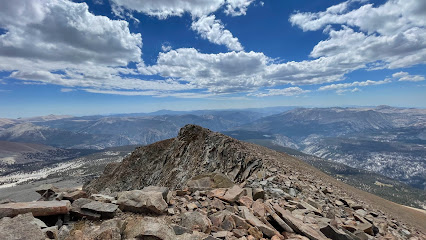
Mt Kaweah
13.2 km
Conquer Mount Kaweah, the Sierra Nevada's challenging giant, for unparalleled panoramic views and a true wilderness experience within Sequoia National Park.
Middle Fork Trail
16.3 km
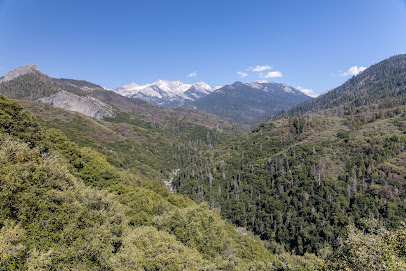
Hike the Middle Fork Trail in Sequoia National Park for a unique foothills adventure, stunning canyon views, and a chance to escape the crowds and discover hidden gems.
Alta Peak
16.5 km
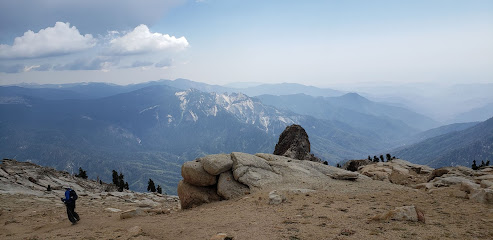
Conquer Alta Peak in Sequoia National Park for unparalleled panoramic views of the Great Western Divide and the vast San Joaquin Valley on a challenging yet rewarding hike.
Paradise Creek Trailhead
16.9 km
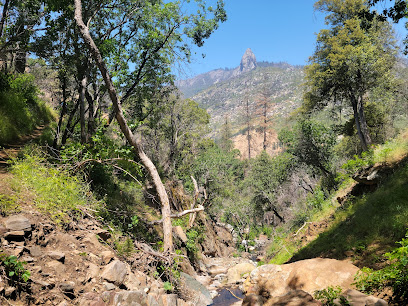
Discover the serene beauty of Sequoia's foothills on the Paradise Creek Trail, a gentle hike through diverse landscapes, perfect for year-round exploration and nature lovers.
Unmissable attractions to see

Hospital Rock River Trailhead
17.5 km
Explore the breathtaking landscapes and natural beauty of Hospital Rock River Trailhead in Sequoia National Park, a hiker's paradise in California.
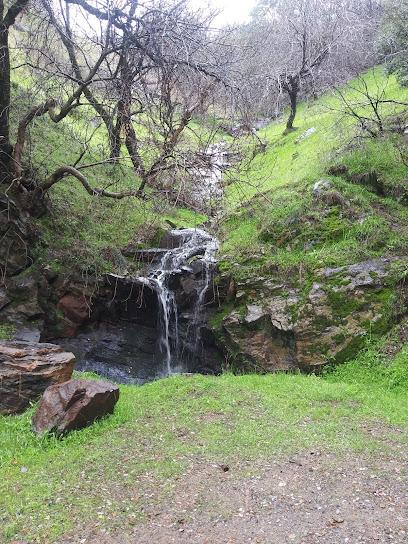
High Sierra Trailhead
17.8 km
Discover the breathtaking trails and stunning vistas at High Sierra Trailhead, a premier hiking destination in California's Sierra Nevada.
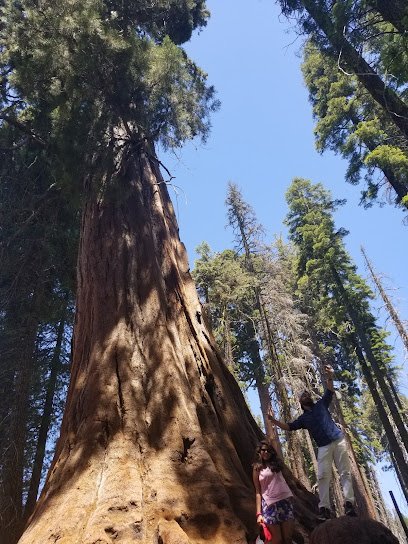
Chimney Tree
18.1 km
Explore the Chimney Tree in Sequoia National Park, a natural wonder that showcases the beauty and resilience of giant sequoias in California's stunning wilderness.
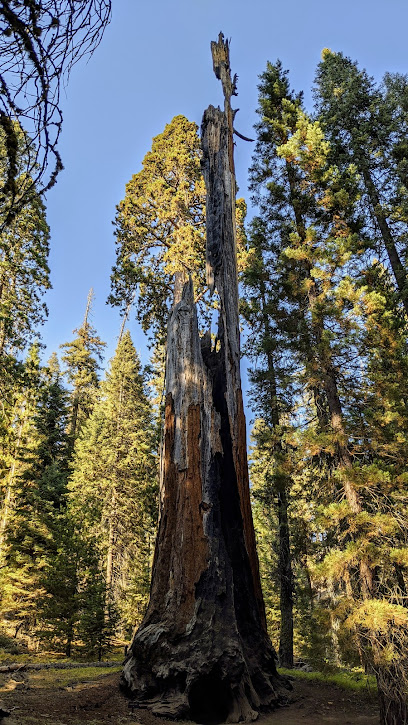
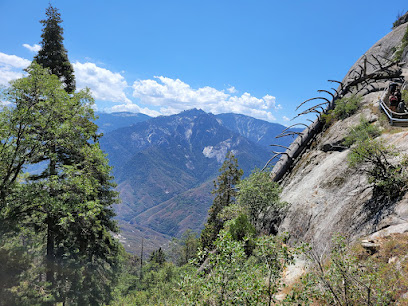
Moro Rock
18.3 km
Explore the breathtaking heights of Moro Rock in Sequoia National Park, where stunning views and natural beauty await every visitor.
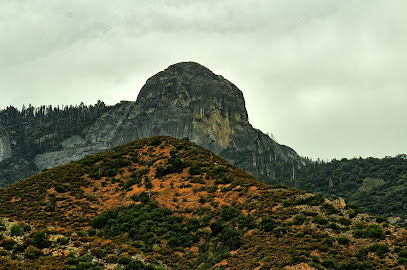
Moro Rock Trail
18.5 km
Experience the breathtaking views and adventurous spirit of Moro Rock Trail in Sequoia National Park, a top hiking destination for nature lovers.
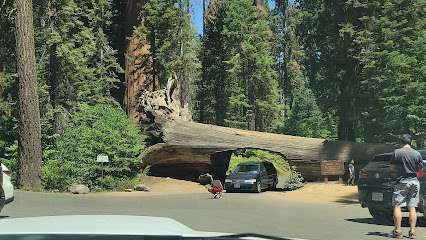
Sequoia National Park's Tunnel Log
18.6 km
Explore the iconic Tunnel Log at Sequoia National Park, a breathtaking natural wonder that showcases the grandeur of ancient sequoias in California.
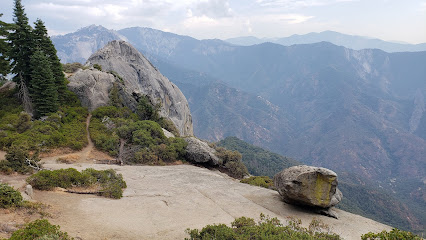
Hanging Rock
19.0 km
Experience breathtaking views from a precariously perched rock in Sequoia National Park. An easy hike with a thrilling reward.
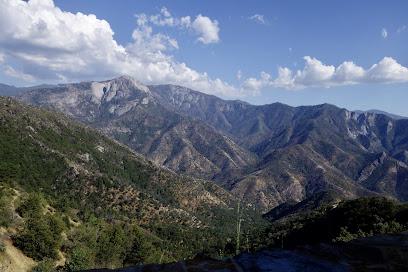
Amphitheater Point Viewpoint
19.2 km
Experience breathtaking panoramic views and the majestic beauty of Sequoia National Park at Amphitheater Point.
Amphitheater Point
19.2 km
Experience breathtaking Sierra Nevada views from this easily accessible vista point along Generals Highway in Sequoia National Park.
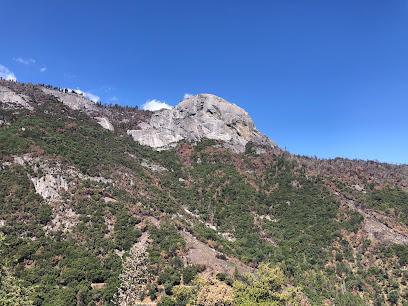
Chief Sequoyah Tree
19.3 km
Visit the Chief Sequoyah Tree in Sequoia National Park, a towering tribute to Cherokee innovator Sequoyah, surrounded by the Giant Forest's splendor.
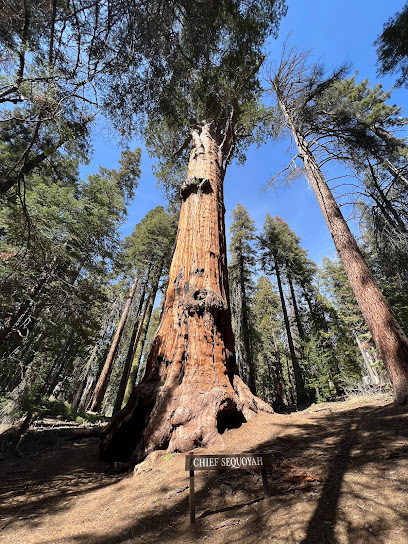
McKinley Tree
19.5 km
Explore the breathtaking McKinley Tree in California's Sierra Nevada, a scenic spot perfect for nature lovers and families seeking tranquility.
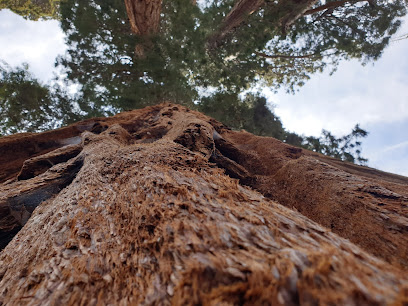
Vista Point
19.8 km
Discover the breathtaking views of Sequoia National Park from Vista Point, a must-visit scenic spot for nature lovers and photographers.
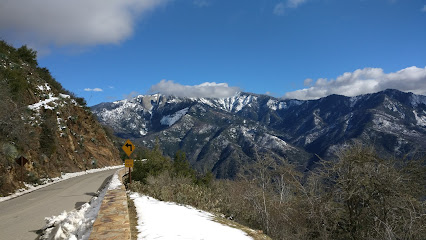
The Congress Trail
19.9 km
Discover the breathtaking beauty of the Congress Trail in Sequoia National Park, where towering giant sequoias and stunning vistas await your exploration.
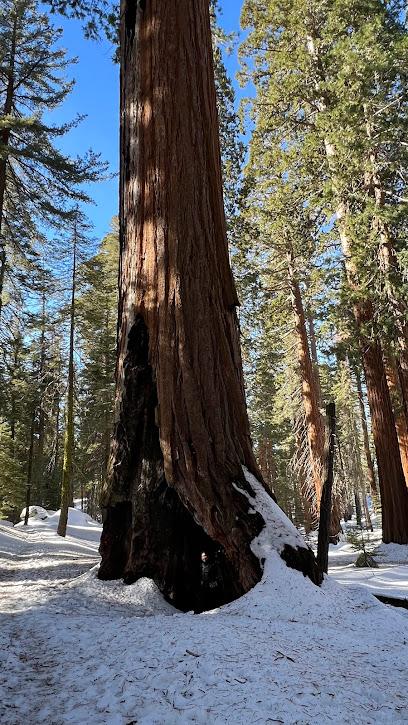
General Sherman Tree
20.0 km
Explore the breathtaking General Sherman Tree, the largest tree on Earth, nestled in the stunning Sequoia National Park's majestic landscape.
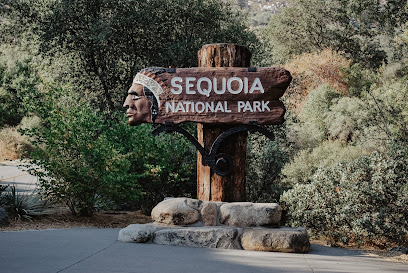
Big Trees Trail
20.0 km
Discover the breathtaking beauty of the Big Trees Trail in California, where towering sequoias and stunning landscapes await every nature lover.
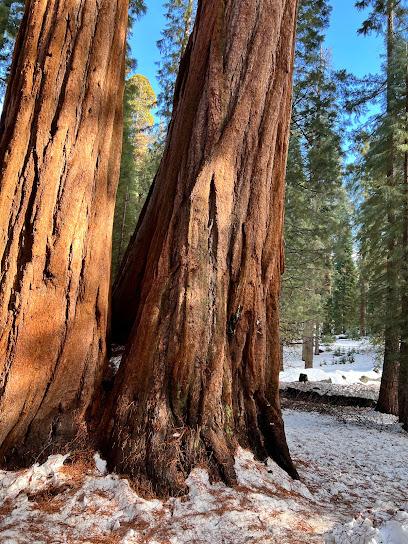
Essential places to dine

Lodgepole Campground
20.6 km
Experience the tranquility of Lodgepole Campground in Sequoia National Park – where nature meets adventure in California's Sierra Nevada.
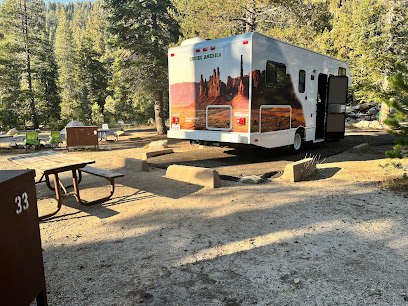
Buckeye Tree Lodge & Cabins
22.0 km
Discover tranquility at Buckeye Tree Lodge & Cabins—your gateway to adventure in beautiful Three Rivers, California.
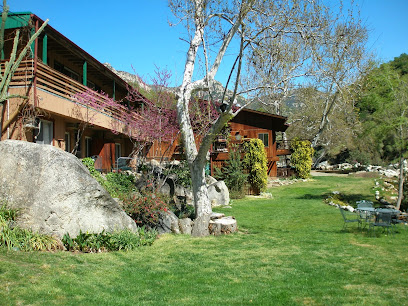
The Gateway Restaurant & Lodge
22.0 km
Discover the perfect blend of fine dining and cozy lodging at The Gateway Restaurant & Lodge near Sequoia National Park.
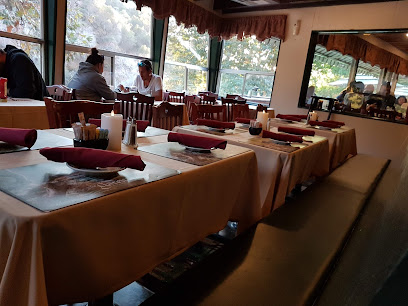
River View Grill & Bar
27.3 km
Discover River View Grill & Bar in Three Rivers: A perfect blend of scenic views and delectable American cuisine awaits you!
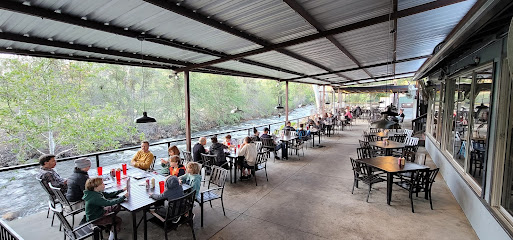
Tony's Taverna On Wheels
27.3 km
Discover delicious Mediterranean flavors at Tony's Taverna On Wheels in Three Rivers – a must-visit culinary experience for every traveler.
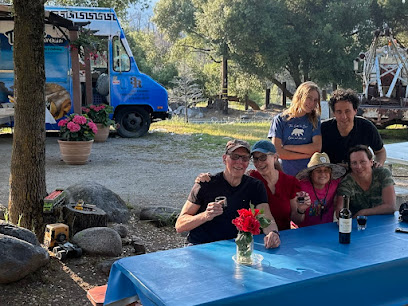
Rio Sierra Riverhouse
27.6 km
Discover tranquility at Rio Sierra Riverhouse - your gateway to adventure near Sequoia National Park in Three Rivers, California.
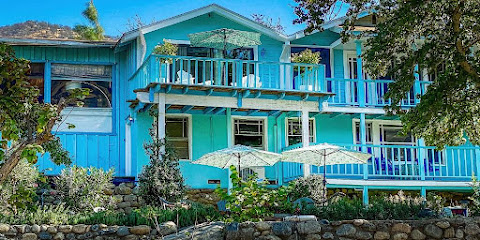
Pupusas La Sabrosa Three Rivers
27.8 km
Discover the authentic flavors of El Salvador at Pupusas La Sabrosa in Three Rivers—where every dish tells a story.
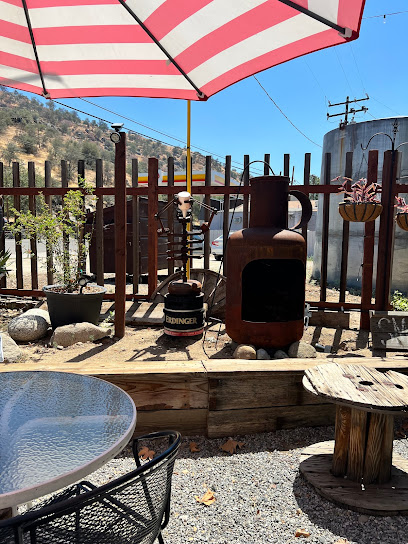
Ol Buckaroo
27.8 km
Discover Ol Buckaroo: A delightful New American restaurant in Three Rivers offering unique flavors and unforgettable dining experiences.
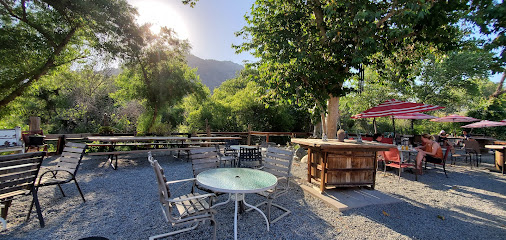
Pizza Factory
28.7 km
Experience family-friendly dining at Pizza Factory in Three Rivers – savor delicious pizzas and authentic Italian cuisine near Sequoia National Park.
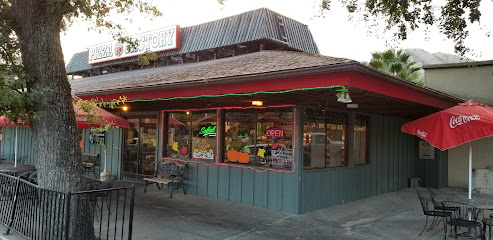
Casa Mendoza Mexican Restaurant
28.7 km
Discover authentic Mexican cuisine at Casa Mendoza in Three Rivers—where vibrant flavors meet stunning scenery.
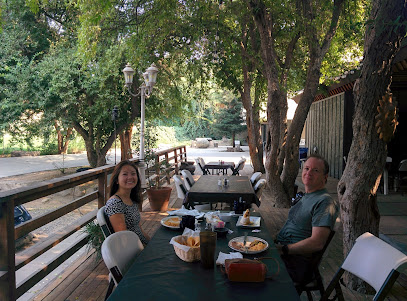
Sequoia Cider Mill Restaurant
29.6 km
Discover delicious American cuisine at Sequoia Cider Mill Restaurant in Three Rivers – perfect for families and nature lovers alike!
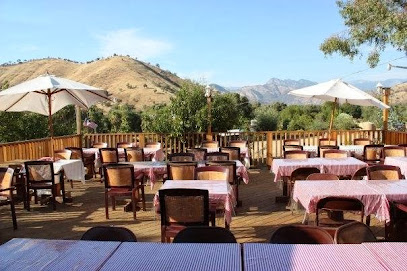
Lazy J Ranch Motel - Three Rivers, CA
30.7 km
Experience serene stays at Lazy J Ranch Motel in Three Rivers, CA - your gateway to Sequoia National Park's natural wonders.
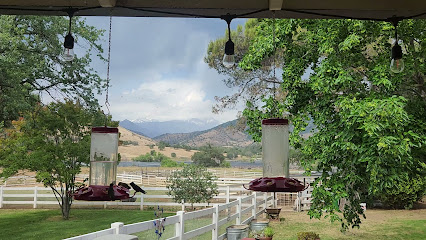
Stony Creek Lodge
32.2 km
Experience rustic charm at Stony Creek Lodge in Sequoia National Park - your perfect retreat into nature's breathtaking beauty.
Pierpoint Bar & Grill
35.1 km
Discover delicious grill cuisine at Pierpoint Bar & Grill in Springville – where every meal is an unforgettable experience.
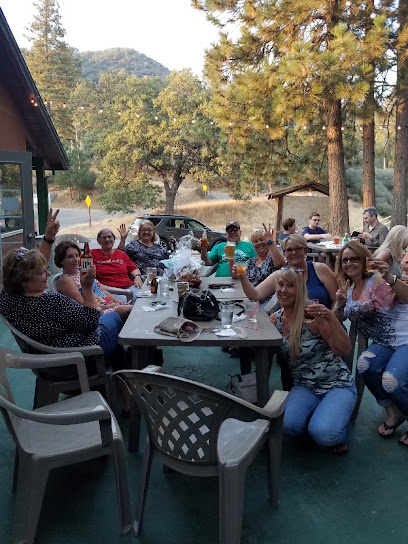
Montecito Sequoia Lodge
36.6 km
Discover the serenity of Montecito Sequoia Lodge nestled in Sequoia National Park – your gateway to outdoor adventures and natural beauty.
Markets, malls and hidden boutiques

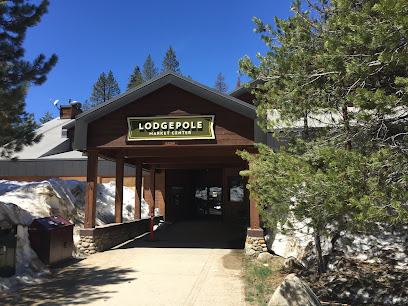
Lodgepole Market & Grill
20.8 km
Discover Lodgepole Market & Grill in Sequoia National Park for local snacks, delicious meals, and unique souvenirs amidst stunning natural beauty.
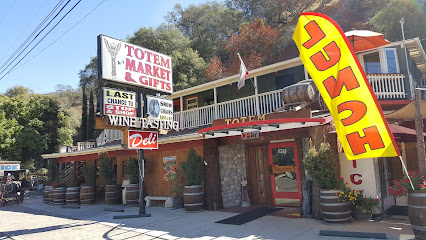
Totem Market & Gifts
23.2 km
Explore Totem Market & Gifts for unique souvenirs, gourmet snacks, and local brews in the heart of California's Sequoia region.
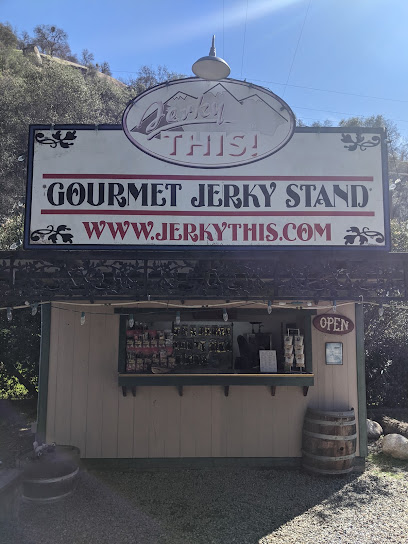
Jerky This!
27.2 km
Discover a gourmet treasure trove of flavors at Jerky This! in Three Rivers, California, where artisanal jerky meets local charm.
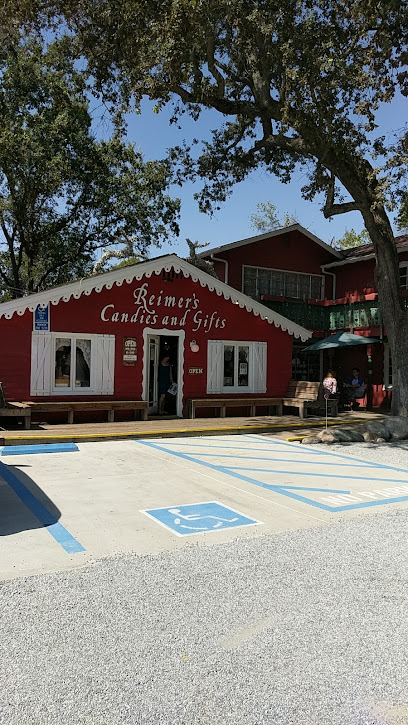
Reimers Candies & Gifts
27.2 km
Discover the sweet side of Three Rivers at Reimers Candies & Gifts, where artisanal treats and delightful gifts await every visitor.
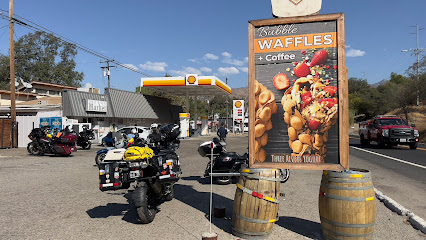
Shell
27.8 km
Discover Sierra Drive in Three Rivers: Your go-to gas station with essential amenities, delicious meals, and a gateway to California's natural beauty.
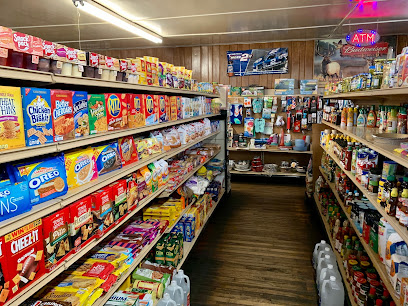
Three Rivers Market
27.8 km
Discover the convenience of Three Rivers Market, your go-to grocery store in Three Rivers, California, offering local goods, snacks, and essentials for your adventures.
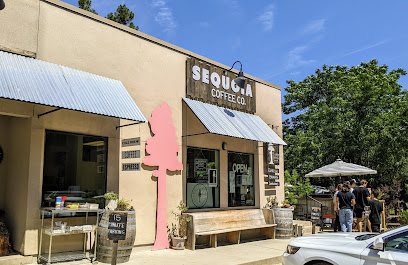
Sequoia Coffee Co.
27.8 km
Enjoy exceptional coffee and a cozy atmosphere at Sequoia Coffee Co., the perfect stop for nature lovers near Sequoia National Park.
Sequoia Souveniers
27.8 km
Explore Sequoia Souveniers for unique gifts and keepsakes that celebrate the beauty of California's Sierra Nevada region.
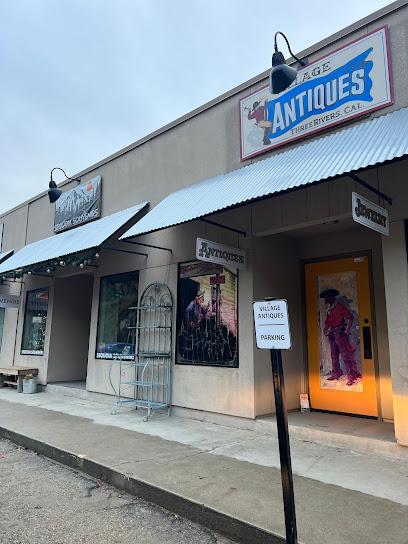
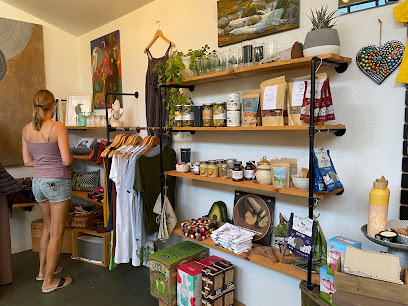
Gathered
27.8 km
Discover unique home goods and artisanal treasures at Gathered in Three Rivers, California - a true reflection of local craftsmanship.
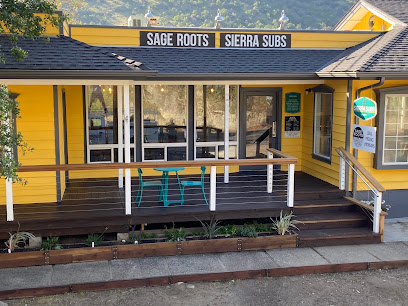
Sierra Subs & Salad
27.8 km
Discover fresh, delicious sandwiches and salads at Sierra Subs & Salad, the perfect stop before your Sequoia National Park adventure.
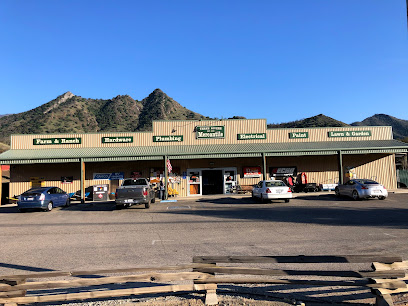
Three Rivers Mercantile
28.4 km
Explore Three Rivers Mercantile, your go-to stop for home improvement, gardening essentials, and local charm in the heart of California's Sierra Nevada.
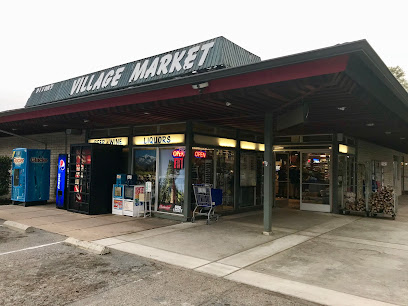
Village Market
28.7 km
Discover the Village Market in Three Rivers, CA – your go-to grocery store near Sequoia National Park, offering fresh produce, snacks, and local essentials.
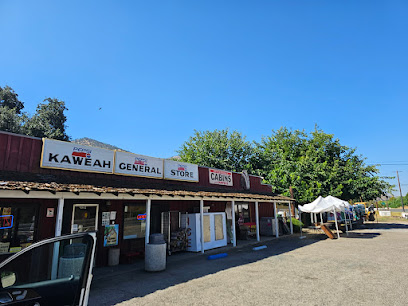
Kaweah General Store
29.3 km
Experience the rustic charm of Kaweah General Store, your go-to spot for local groceries and essentials in Three Rivers, California.
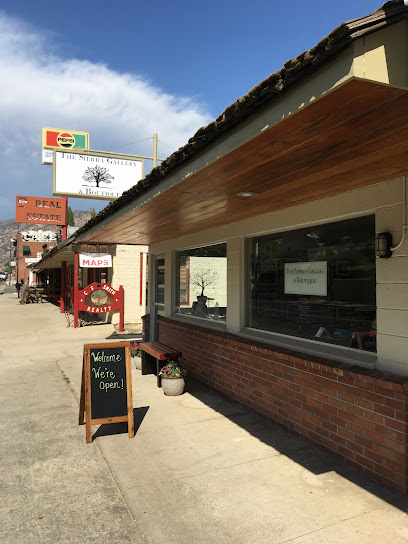
The Sierra Gallery & Boutique
41.1 km
Explore The Sierra Gallery & Boutique in Springville, CA, where local artistry meets unique jewelry and photography in a charming setting.
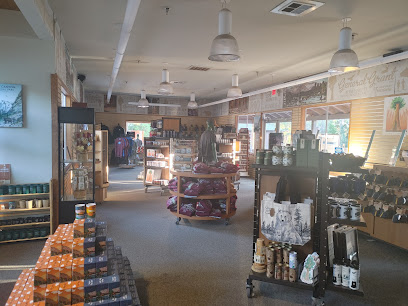
Grant Grove Gift Shop
45.9 km
Discover unique souvenirs and local crafts at Grant Grove Gift Shop, your perfect stop in Sequoia National Park for memorable gifts.
Essential bars & hidden hideouts

Lake Canyon Ranch
15.9 km
Experience the serene beauty of Lake Canyon Ranch, a perfect bar retreat in Three Rivers, CA, surrounded by nature's splendor.
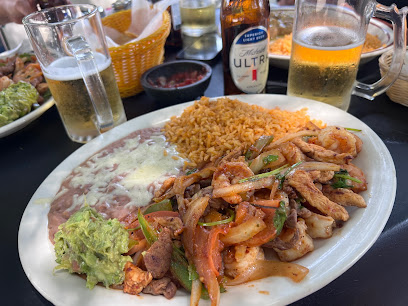
Serrano's Mexican Restaurant
28.7 km
Experience the vibrant flavors of Mexico at Serrano's Mexican Restaurant in Three Rivers, CA, where every dish tells a story.
Nightclubs & after hour spots

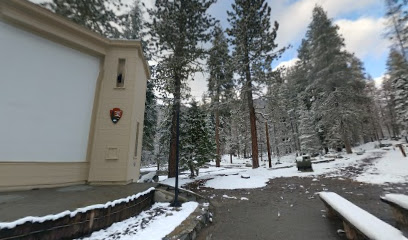
Lodgepole Amphitheater
20.6 km
Explore the serene Lodgepole Amphitheater in Sequoia National Park, a natural venue for cultural events amidst breathtaking landscapes.
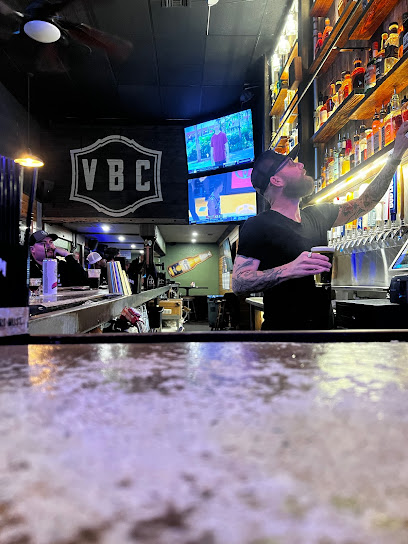
VBC
64.0 km
Experience the vibrant nightlife of Visalia at VBC, where exceptional drinks and a lively atmosphere await every visitor.
The Sequoia Club
95.3 km
Experience the vibrant nightlife of Hanford at The Sequoia Club, featuring lively karaoke nights and a welcoming bar atmosphere for all.