

Free Sacramento Travel Guide & Mobile App
Plan your Sacramento trip with Evendo. Get free guides to top attractions, restaurants, hotels, and bars. Web access or download the mobile app.


Sacramento blends Gold Rush history, California’s Capitol, farm-to-fork dining, lively neighbourhoods and riverfront attractions in California’s Central Valley.
Gold Rush Origins and Civic Grandeur
Sacramento stands at the meeting of the Sacramento and American rivers, where California’s state capital, Gold Rush past and fertile Central Valley setting come together. The city grew rapidly after the discovery of gold in 1848, and its early commercial importance can still be read in the wooden-fronted buildings and raised streets of Old Sacramento Waterfront. Nearby, the California State Capitol combines working government with landscaped grounds, while Sutter’s Fort recalls the earlier settlement that preceded the city’s explosive development.Read more about Sacramento
Museums, Neighbourhoods and River Landscapes
When is the best time to visit Sacramento?
Best: April–May, October · 23–27°C| Month | High (°C) | Rainfall (mm) |
|---|---|---|
| January | 15 | 73 |
| February | 18 | 62 |
| March | 21 | 55 |
| April (best) | 23 | 30 |
| May (best) | 27 | 17 |
| June | 32 | 3 |
| July | 36 | 0 |
| August | 34 | 0 |
| September | 31 | 3 |
| October (best) | 24 | 23 |
| November | 17 | 48 |
| December | 13 | 69 |
Getting to and around Sacramento
How to get there
Transportation
Best attractions in Sacramento
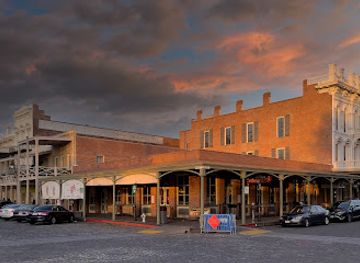
Sacramento’s sightseeing begins at Old Sacramento Waterfront, where raised wooden pavements, historic shopfronts and the Sacramento River evoke the city’s Gold Rush-era commercial life. The California State Railroad Museum adds a detailed account of railway technology, migration and the transcontinental line through large historic locomotives and exhibits. At the Crocker Art Museum, Californian art and international collections occupy both an elegant Victorian mansion and a contemporary gallery building. The California State Capitol and its surrounding park provide a more formal civic experience, while Sutter’s Fort offers insight into the settlement that preceded the Gold Rush. For open-air exploration, the American River Parkway follows a long corridor of trails, woodland and river habitat, and Land Park combines gardens, recreation and the Sacramento Zoo. The Sacramento History Museum and the city’s riverfront walks add further context without requiring a long journey between sites.
-
Tourist attraction
Old Sacramento Waterfront
Discover California's Gold Rush history at Old Sacramento Waterfront: museums, shops, dining, and riverfront charm await!
12 min walk · 0.9 km from city centre
-
Arena
Golden 1 Center
Experience sports, concerts, and entertainment at Sacramento's premier, state-of-the-art arena in the heart of downtown.
6 min walk · 0.5 km from city centre
-
Drive-in movie theater
West Wind Sacramento 6 Drive-In
Experience a nostalgic night under the stars at West Wind Sacramento 6 Drive-In, Sacramento's last drive-in, featuring first-run movies and family fun.
34 min drive · 14 km from city centre
-
Tourist attraction
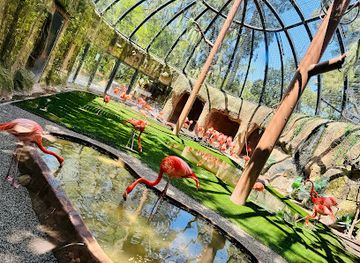
Sacramento Zoo
Discover wildlife adventures at the Sacramento Zoo, home to nearly 500 animals in the heart of William Land Park.
14 min drive · 4.8 km from city centre


Best landmarks in Sacramento
The California State Capitol is Sacramento’s defining civic landmark, a nineteenth-century government building whose classical design and broad park setting reflect the ambitions of the young state. Old Sacramento Waterfront preserves a substantial group of Gold Rush-era commercial structures, while its raised streets reveal how residents responded to flooding in the original settlement. Sutter’s Fort, now a state historic park, represents the earlier agricultural and trading outpost established before the gold discovery. Tower Bridge spans the Sacramento River with its distinctive gold-painted vertical lift structure and is closely associated with the city’s riverfront. Sacramento Valley Station is another significant urban landmark, linking the capital’s modern transport network with the railway history explored nearby at the California State Railroad Museum. Together these places show the city’s evolution from frontier landing to state capital and regional centre.
-
Historical landmark
Old Sacramento Waterfront
Discover the historical heart of Sacramento at Old Sacramento Waterfront, a charming blend of shops, restaurants, and museums along the scenic river.
12 min walk · 0.9 km from city centre
-
Park
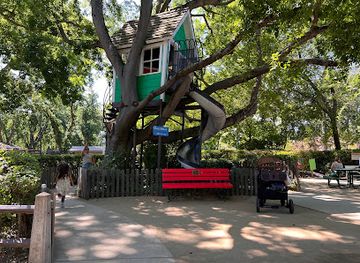
William Land Regional Park
Explore the lush landscapes and family-friendly attractions of William Land Regional Park, a serene escape in the heart of Sacramento.
13 min drive · 4.5 km from city centre
-
 History museum
California State Capitol Museum
Explore California's rich history at the California State Capitol Museum, a majestic blend of architecture, culture, and nature in Sacramento.
7 min walk · 0.6 km from city centre
-
Rail museum
California State Railroad Museum
Discover the rich history of railroads at the California State Railroad Museum, where history comes alive through interactive exhibits and stunning train collections.
12 min walk · 0.9 km from city centre
Explore Sacramento on the map
Plan your Sacramento trip on one map. See where the top attractions, landmarks, restaurants, bars and hotels are, find what's near where you're staying, and book hotels and experiences in a few clicks.
Neighbourhoods in Sacramento
-

-

-

-


Swipe for more neighbourhoods
Best hotels in Sacramento
Best restaurants in Sacramento
Sacramento’s dining identity is strongly associated with the farm-to-fork movement, reflecting the orchards, vineyards, rice fields and market gardens of the Central Valley. Seasonal vegetables, stone fruit, tomatoes, nuts and locally produced meats appear in menus across the city, from polished restaurants to casual neighbourhood cafés. Midtown, the R Street Corridor and East Sacramento contain a broad concentration of independent dining, while the area around Old Sacramento offers food in a more visitor-oriented historic setting. Farmers’ markets provide a direct introduction to regional produce, baked goods and prepared foods, and Sacramento’s diverse communities contribute Mexican, Chinese, Vietnamese, Thai, South Asian and other culinary traditions. Coffee shops, breweries and bakeries are woven into everyday neighbourhood life, while contemporary restaurants often combine Californian ingredients with techniques and flavours from across the Pacific and the wider United States.
-
Eclectic
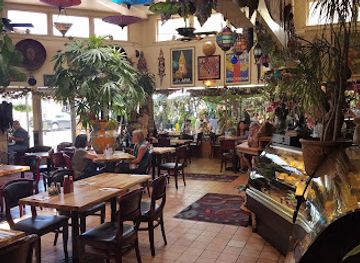
Tower Café
Experience diverse flavors and warm hospitality at Tower Café - Sacramento's go-to spot for eclectic breakfasts and lunches.
7 min drive · 2.2 km from city centre
-
American
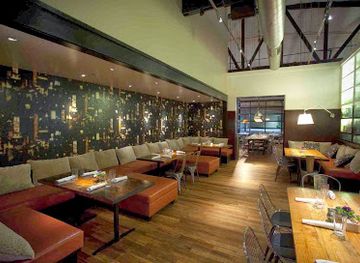
Cafeteria 15L
Discover Cafeteria 15L: A must-visit American restaurant in Sacramento for brunch lovers and cocktail enthusiasts seeking vibrant flavors.
10 min walk · 0.8 km from city centre
-
Restaurant
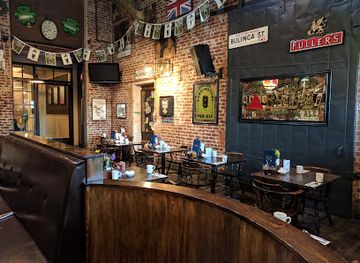
Fox & Goose Public House
Discover the charm of Fox & Goose Public House in Sacramento - your destination for authentic British cuisine and cozy dining experiences.
14 min walk · 1.1 km from city centre
-
Grill
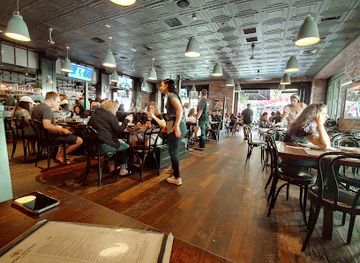
Iron Horse Tavern - R St. Sacramento
Discover culinary excellence at Iron Horse Tavern in Sacramento – where American flavors meet fine dining in a vibrant atmosphere.
17 min walk · 1.4 km from city centre
Best bars in Sacramento
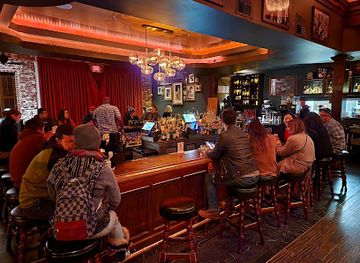
Sacramento’s evening scene is concentrated rather than sprawling, with Midtown and the R Street Corridor providing the greatest mix of cocktail bars, breweries, wine-focused venues, live music and late-night restaurants. Downtown and the Old Sacramento area offer bars in historic or renovated commercial buildings, while other neighbourhoods have quieter pubs and community-oriented venues. The city has an established live-music culture that ranges from touring acts to local performances in smaller rooms, and theatres and cultural institutions add non-club options after dark. Nightlife is generally more relaxed than in California’s largest metropolitan centres, but weekends can bring a livelier atmosphere around central districts and special events. Visitors should expect American service conventions, including identification checks where required and separate gratuities for table service.
-
Bar
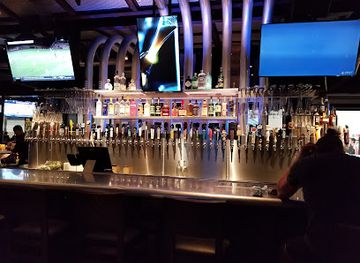
Yard House
Discover Yard House in Sacramento: a vibrant gastropub with a vast selection of craft beers and delicious New American cuisine for every taste.
8 min walk · 0.6 km from city centre
-
Bar
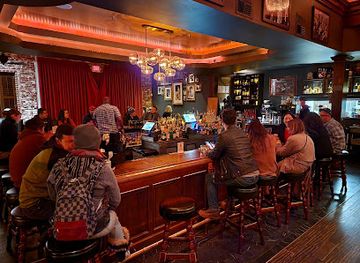
The Shady Lady Saloon
Experience the vibrant atmosphere and delicious offerings at The Shady Lady Saloon, Sacramento's unique bar destination for food and drinks.
16 min walk · 1.3 km from city centre
-
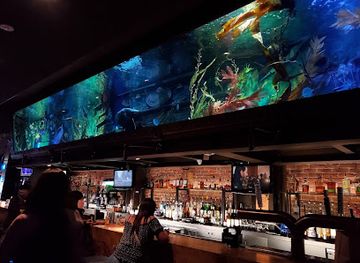
Bar
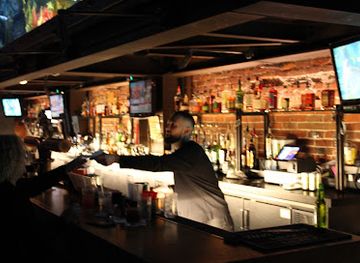
Dive Bar
Experience the vibrant nightlife of Sacramento at Dive Bar, where craft cocktails and a unique ambiance await you.
4 min walk · 0.3 km from city centre
-
Tiki bar
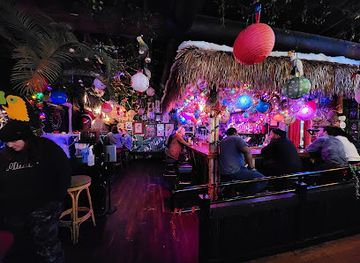
The Jungle Bird
Experience the vibrant atmosphere of The Jungle Bird, Sacramento's premier Tiki bar, serving exotic cocktails and delicious cuisine in a tropical setting.
6 min drive · 2.1 km from city centre
Best nightclubs in Sacramento
Sacramento’s evening scene is concentrated rather than sprawling, with Midtown and the R Street Corridor providing the greatest mix of cocktail bars, breweries, wine-focused venues, live music and late-night restaurants. Downtown and the Old Sacramento area offer bars in historic or renovated commercial buildings, while other neighbourhoods have quieter pubs and community-oriented venues. The city has an established live-music culture that ranges from touring acts to local performances in smaller rooms, and theatres and cultural institutions add non-club options after dark. Nightlife is generally more relaxed than in California’s largest metropolitan centres, but weekends can bring a livelier atmosphere around central districts and special events. Visitors should expect American service conventions, including identification checks where required and separate gratuities for table service.
-
Bar
The Shady Lady Saloon
Experience the vibrant nightlife and delicious culinary offerings at The Shady Lady Saloon in Downtown Sacramento, where live music meets a charming bar atmosphere.
16 min walk · 1.3 km from city centre
-
Bar
Dive Bar
Experience Sacramento's nightlife at Dive Bar, a vibrant cocktail lounge known for its creative drinks and lively atmosphere.
4 min walk · 0.3 km from city centre
-
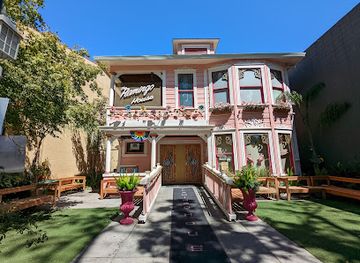
Bar
The Flamingo House Social Club
Experience the vibrant nightlife at The Flamingo House Social Club in Sacramento, where delicious food and creative cocktails meet lively entertainment.
5 min drive · 1.8 km from city centre
-
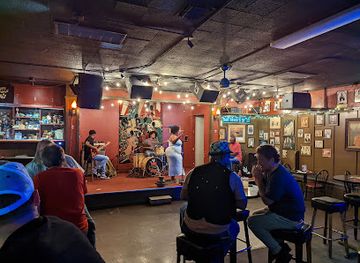
Cocktail bar
Torch Club
Discover Sacramento's vibrant nightlife at the Torch Club, a lively cocktail bar known for live blues music and a welcoming atmosphere.
9 min walk · 0.7 km from city centre
Best shops in Sacramento
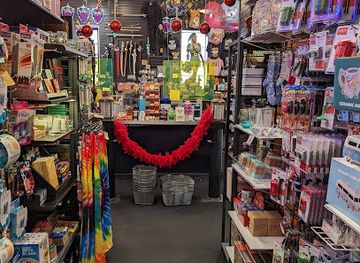
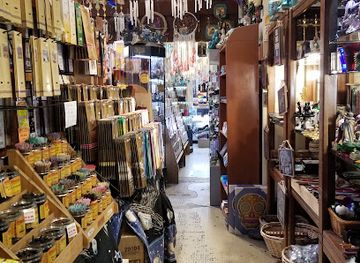
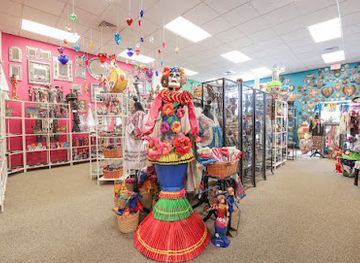
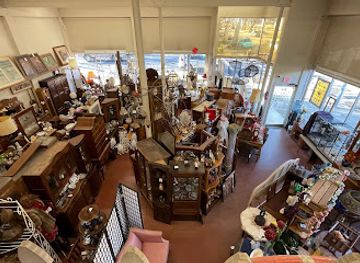
Shopping in Sacramento ranges from historic storefronts to independent neighbourhood retail. Old Sacramento Waterfront is oriented towards visitors, with shops in nineteenth-century buildings selling Californian gifts, clothing, confectionery and history-themed goods. Midtown and the R Street Corridor are better suited to browsing independent boutiques, design shops, galleries, vintage retailers and locally made products, while East Sacramento and other residential districts offer smaller specialist businesses. Farmers’ markets are important shopping destinations for Central Valley fruit, vegetables, nuts, flowers, baked goods and prepared foods, with schedules varying by market and season. Visitors looking for distinctive souvenirs may find regional wine, craft products, art, food items and California-themed merchandise, though authenticity and origin vary between vendors. Modern shopping centres and larger retail areas are located beyond the compact central districts and are generally easier to reach by car or local transport.
-
Gift shop
Evangeline's
Explore Evangeline's Gift Shop in Old Sacramento: A unique destination for souvenirs, local art, and handcrafted treasures.
12 min walk · 1.0 km from city centre
-
Gift shop
Garden of Enchantment
Discover unique gifts and local crafts at the enchanting Garden of Enchantment in Sacramento's historic district.
12 min walk · 0.9 km from city centre
-
Gift shop
Zanzibar Trading Co
Discover unique gifts, local art, and handcrafted treasures at Zanzibar Trading Co, Sacramento's vibrant cultural hub for tourists.
6 min drive · 2.1 km from city centre
-
Antique store
The Antique Company Inc
Explore the charm of The Antique Company Inc in Sacramento for unique vintage furniture and collectibles that tell stories of the past.
7 min drive · 2.5 km from city centre
Get your free copy of our complete guide to Sacramento, delivered straight to you.
Everything on this page, from attractions and restaurants to essentials and local phrases, in one PDF you can read offline, print or share.
Already have an account? Sign in
Your Sacramento guide is ready.
We'll send it to · Not you? Sign out

Getting your guide ready…
We are putting together a fresh copy of the Sacramento guide. This can take up to a minute.
This can take a few moments. If your browser asks, choose Allow so the download can start. You'll find the guide in your Downloads folder.
Nothing happened? Download it again
Sorry, the guide is taking longer than usual. Please try again in a minute, or get it by email instead.
Sacramento essentials
Currency and Payment
Safety
Emergency Situations
Do's and Don'ts
Local Tips
From Eve
Local phrases worth knowing
You don't need to get them perfect. A few words go a long way, and locals appreciate the effort.
Basics
| English | Local | Say it |
|---|---|---|
| Hello | Howdy | [haw-dee] |
| Goodbye | See ya | [see yuh] |
| Yes | Yep | [yep] |
| No | Nah | [nah] |
| Please/You're welcome | Please/No problem | [pleez/no prob-lem] |
| Thank you | Thanks | [thanks] |
| Excuse me/Sorry | Excuse me/Sorry | [ex-kyuse me/sor-ee] |
| How are you? | How's it going? | [hows it go-in] |
| Fine. And you? | Good. You? | [good. yuh?] |
| Do you speak English? | Ya speak English? | [ya speak ing-lish?] |
| I don't understand | I don't get it | [I dont get it] |
Eating & Drinking
| English | Local | Say it |
|---|---|---|
| I'd like to see the menu, please | Can I check the menu? | [can I chek the menu?] |
| I don't eat meat | I don't do meat | [I dont do meat] |
| Cheers! | Cheers! | [cheers] |
| I would like to pay, please | Can I pay now, please | [can I pay now please] |
Emergencies
| English | Local | Say it |
|---|---|---|
| Help! | Help! | [help] |
| Go away! | Get lost! | [get lost] |
| Call the Police! | Call the cops! | [call the cops] |
| Call a doctor! | Get a doc! | [get a doc] |
| I'm lost | I'm lost | [I'm lost] |
| I'm ill | I'm sick | [I'm sick] |
Shopping
| English | Local | Say it |
|---|---|---|
| I'd like to buy... | I wanna buy... | [I wanna buy] |
| I'm just looking | Just browsing | [just brows-ing] |
| How much is it? | How much? | [how much] |
| That's too expensive | Too pricey | [too pry-see] |
| Can you lower the price? | Can you drop it? | [can you drop it] |
Time & Numbers
| English | Local | Say it |
|---|---|---|
| What time is it? | What's the time? | [whats the time] |
| It's one o'clock | It's one | [its one] |
| Half past (10) | Ten-thirty | [ten-thur-tee] |
| Morning | Mornin' | [mor-nin] |
| Afternoon | Afternoon | [after-noon] |
| Evening | Evenin' | [even-in] |
| Yesterday | Yest'day | [yest-day] |
| Today | Today | [to-day] |
| Tomorrow | Tomorrah | [tom-or-rah] |
| 1 | One | [wun] |
| 2 | Two | [too] |
| 3 | Three | [three] |
| 4 | Four | [four] |
| 5 | Five | [five] |
| 6 | Six | [six] |
| 7 | Seven | [sev-in] |
| 8 | Eight | [ate] |
| 9 | Nine | [nine] |
| 10 | Ten | [ten] |
Transport & Directions
| English | Local | Say it |
|---|---|---|
| Where's a/the...? | Where's the...? | [wheres the] |
| What's the address? | What's the addy? | [whats the add-ee] |
| Can you show me (on the map)? | Can you point it out? | [can you point it out] |
| When's the next (bus)? | When's the next (bus)? | [whens the next bus] |
| A ticket (to ....) | A ticket (to ....) | [a ticket to] |
History of Sacramento
Nisenan Homeland and River Settlement
Before American settlement, the Sacramento region was home to Nisenan and other Indigenous peoples whose lives were closely connected to the Sacramento and American rivers, seasonal wetlands and oak landscapes. The area later became part of the contested northern Californian frontier claimed by Spain and Mexico. John Sutter, a Swiss immigrant, established Sutter’s Fort in 1839 on land granted by Mexico. The fort became an agricultural and trading centre, although its expansion depended on Indigenous labour and profoundly disrupted existing communities. The settlement that developed near the rivers was initially known as Sutter’s Embarcadero, a name reflecting its role as a landing place and commercial outpost.
Gold Rush and the Birth of Sacramento
The discovery of gold at Sutter’s Mill, east of present-day Sacramento, in January 1848 transformed the region and helped trigger the California Gold Rush. Sacramento became a principal supply and transport centre for miners travelling inland and for goods arriving by river and sea. Flooding, fire and unstable ground were persistent problems in the low-lying settlement, leading residents to raise streets and buildings; portions of this earlier level survive beneath the Old Sacramento Waterfront. The city was incorporated in 1850 and soon emerged as a major commercial hub, drawing merchants, workers and migrants from across the United States and overseas.
Railways, Trade and Statehood
Sacramento’s position at the junction of river transport and routes towards the Sierra Nevada made it a natural base for railway development. In 1856, the Sacramento Valley Railroad began operating between Sacramento and Folsom, one of the earliest railways in the western United States. The Central Pacific Railroad later made Sacramento its western starting point for the first transcontinental railway, completed in 1869 in partnership with the Union Pacific. This connection strengthened the city’s commercial importance and helped make it a durable gateway between California’s interior, the Pacific coast and the rest of the country.
The Capital City Takes Shape
Sacramento became California’s permanent state capital in 1854 after the legislature moved between several Californian cities during the state’s early years. Construction of the present California State Capitol began in 1860, and the building was completed in 1874, giving the young state a monumental centre of government. Around it, civic institutions, parks and formal avenues developed alongside a growing commercial city. Sacramento also became an important centre for agriculture, food distribution and river commerce, with its fortunes increasingly tied to the productive lands of the Central Valley rather than solely to mining.
Migration and a Changing Urban Society
The city’s growth was shaped by migration from many parts of the world. Chinese workers and merchants played a significant role in Gold Rush-era and railway-era Sacramento, despite discriminatory laws and violence; the former Chinatown area is commemorated near the Old Sacramento district. African American communities also contributed to the city’s civic, religious and cultural life, while later migration from across the United States and Latin America broadened Sacramento’s social character. Flood-control works, railway infrastructure and suburban expansion altered the relationship between the city and its rivers, even as older neighbourhoods and commercial streets retained traces of earlier communities.
Modern Capital and Agricultural Centre
During the twentieth century, Sacramento developed as a government, healthcare, education and distribution centre for Northern California. World War II-era industry and post-war suburban growth expanded the urban area, while redevelopment projects reshaped the riverfront and central districts. The preservation and interpretation of Old Sacramento helped reconnect the modern city with its Gold Rush origins, and the Crocker Art Museum, California State Railroad Museum and other institutions strengthened its cultural profile. In the twenty-first century, Sacramento’s identity continues to reflect its dual role as California’s political capital and the service and cultural centre of an intensely productive agricultural region.
Sacramento in Photos
Browse through our photo collection highlighting the charm and character of the destination.
Cities near Sacramento
The closest cities to Sacramento, if you have time for more than one stop.
-

-

-

-

-


Swipe for more cities
Explore more
Explore more of California
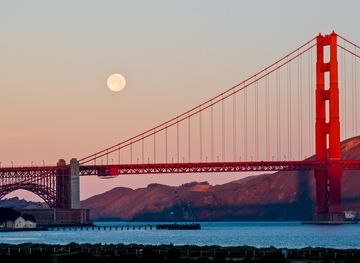
Discover California: A land of diverse landscapes, iconic cities, and endless adventures, from sun-soaked beaches to towering redwoods and vibrant cultural experiences.
Explore California